Itacaré’s history began as a village of Pataxós Indians, which became a Jesuit settlement in the 18th century. It was an important port in the cocoa cycle and in smuggling, preserving its rich historical past to this day.
Itacaré, in the south of Bahia, is an ideal destination for those seeking peace and quiet and full contact with nature. But the tourist town, part of the Cocoa Coast, also attracts those in search of adrenaline and extreme sports.
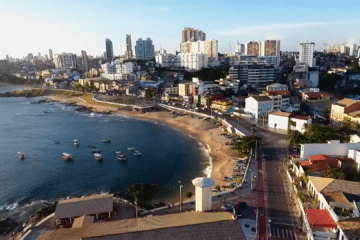
Perfect waves, such as those at Praia da Tiririca, attract surfers from all over Brazil and the world. The calm tides at Praia da Concha invite you to take a relaxing swim and practice stand-up paddle boarding.
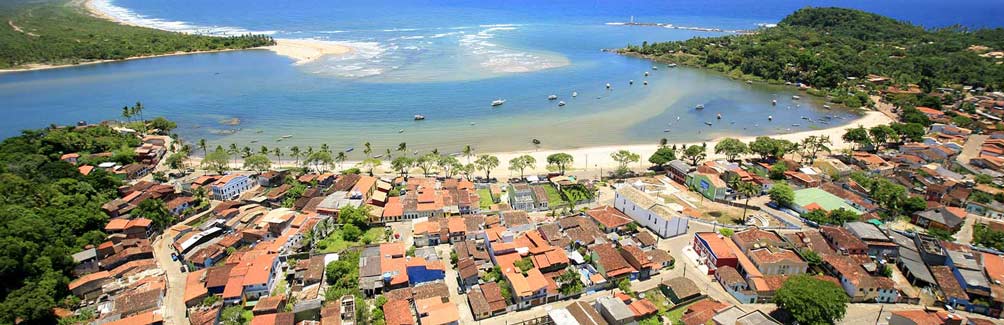
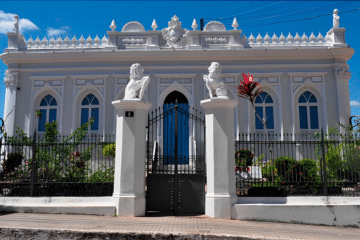
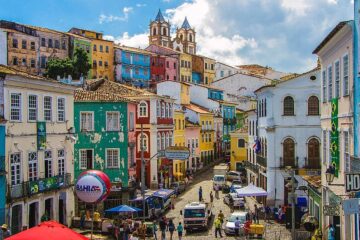
Itacaré is home to countless natural and cultural beauties. Lonely beaches surrounded by the Atlantic rainforest coexist with colonial buildings and mansions from the early 20th century.
While surfers seek out beaches with strong waves, ecotourists are enchanted by deserted beaches accessible via trails and waterfalls in the middle of the forest. The town’s inhabitants are keen to keep the green areas intact, demonstrating a strong environmental awareness.
In addition, Itacaré preserves important customs, such as the practice of capoeira, which is a cultural hallmark of the region.
See also The Tourist Guide of Itacaré in Bahia
History of Itacaré
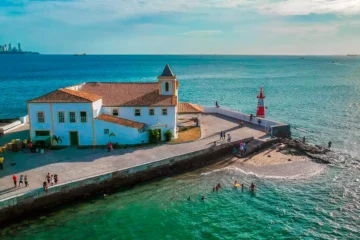
The town of Itacaré originated as a village of the Pataxós Indians, where Jesuit Father Luís de Grã built a chapel at the beginning of the 18th century, which still stands under the invocation of Saint Michael.
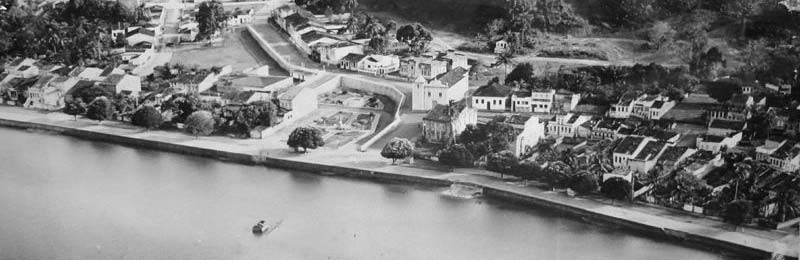
The town was christened São Miguel da Barra do Rio de Contas and became a municipality in 1732, first called Itapira and later Itacaré.
According to the ancients, during the colonisation the Indians often attacked the Jesuits, who built a tunnel between the altar of the church and the Jesuit house to facilitate their escape. However, this tunnel has been filled in.
In the past, Itacaré was an important port, especially at a time when maritime transport was predominant. It also served as a clandestine port, connecting the city of Rio de Contas, in the Chapada Diamantina, with various cities in Minas Gerais.
The constant flow of goods and precious stones attracted pirates who hid around the port to steal diamonds and other riches from travellers.
With the advent of roads, the port was only used for fishing. The growing of cocoa, which began at the end of the 19th century, boosted the local economy, but the decline of this activity led to a slow decay.
The construction of the BR-101 motorway in the 1960s favoured other inland towns, but Itacaré remained isolated, which contributed to its preservation.
Difficult access, with 54 kilometres of dirt road, kept the town out of time for years. However, the construction of the BA-001 motorway along the coast of Bahia brought tourism and transformed the town.
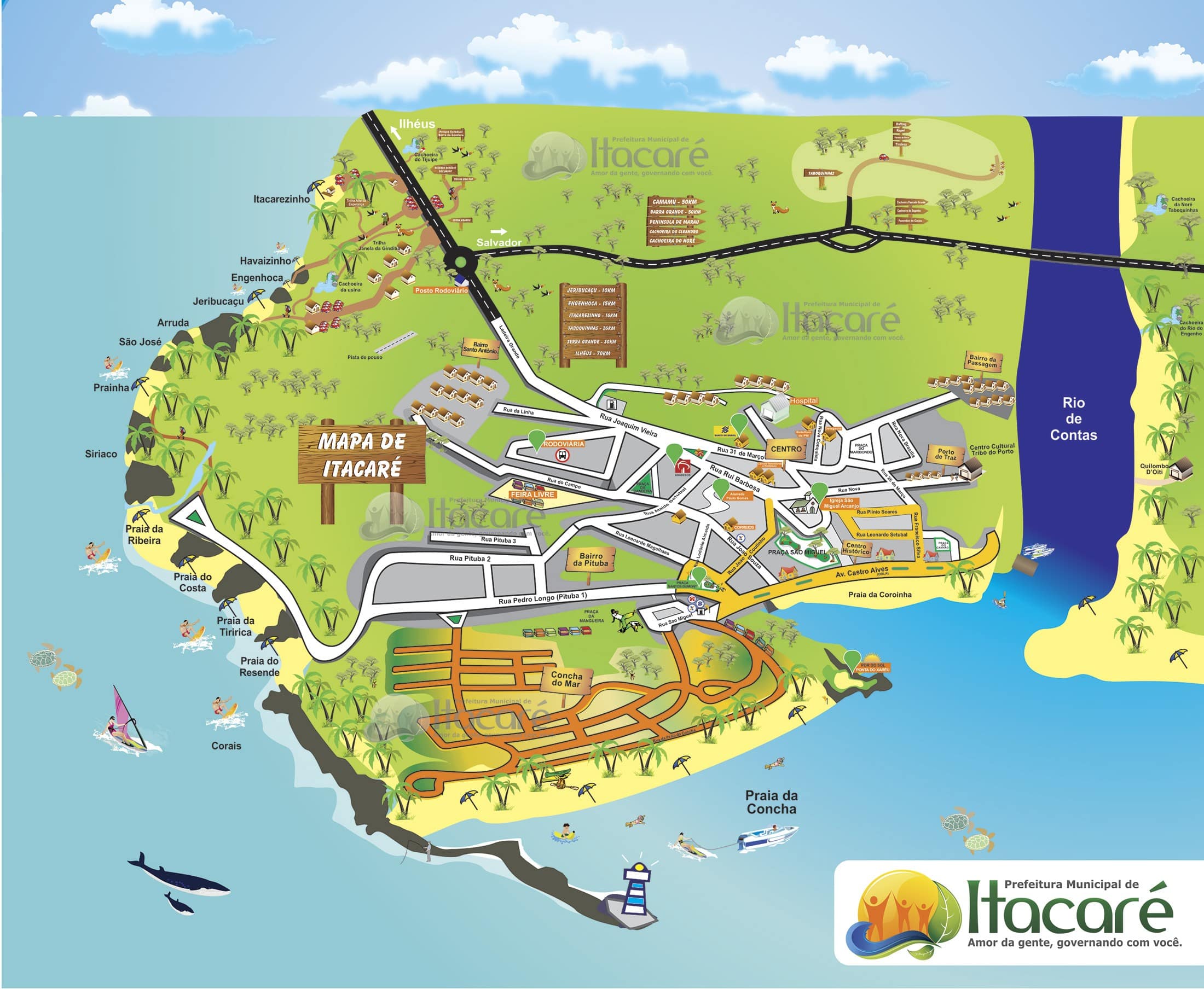
Today, Itacaré has grown towards the beaches, with the emergence of the Pituba neighbourhood and its main street, the Caminho das Praias. The more recently urbanised Concha neighbourhood is home to the city’s main guesthouses.
Video about the history of Itacaré, Bahia

História de Itacaré na Bahia
Historical sights of Itacaré BA
1. St Michael’s Church
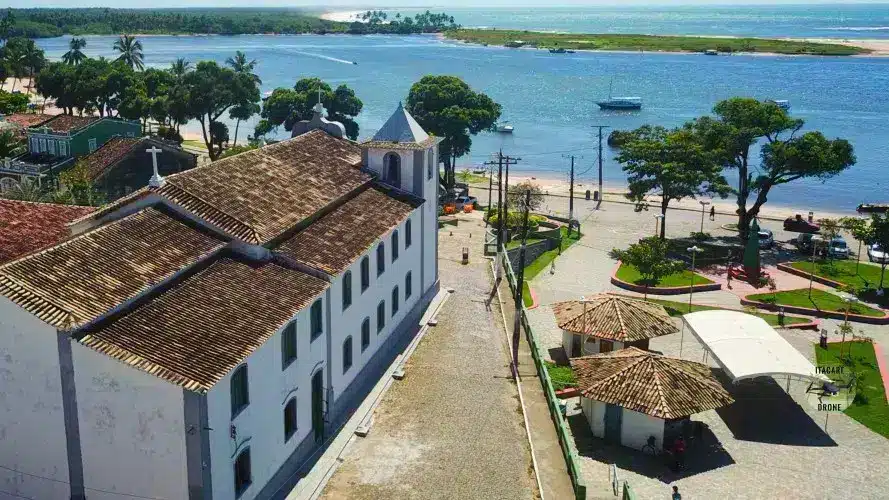
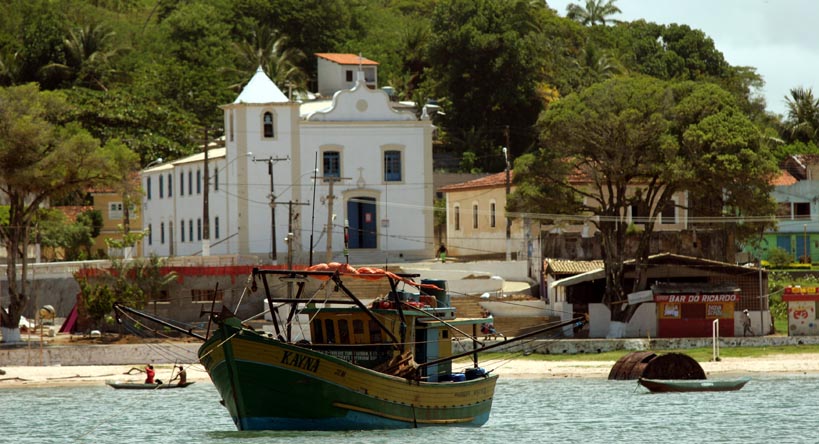
- Built by the Jesuits in a high part of the city, overlooking the mouth of the Bar, through which large ships entered.
- Start of construction: 1718 | Completion: 1723.
2. Jesuit House
- Built at the same time as St Michael’s Church.
- It had a tunnel connecting it to the church, used for escape during Indian attacks.
3. Large houses
- Built from 1900 during the Cocoa Cycle.
Three main styles
- Sobrados: The homes of colonels.
- High basement houses: Homes of merchants and small farmers.
- Ground floor houses: inhabited by lower class people.
4. Concha Lighthouse
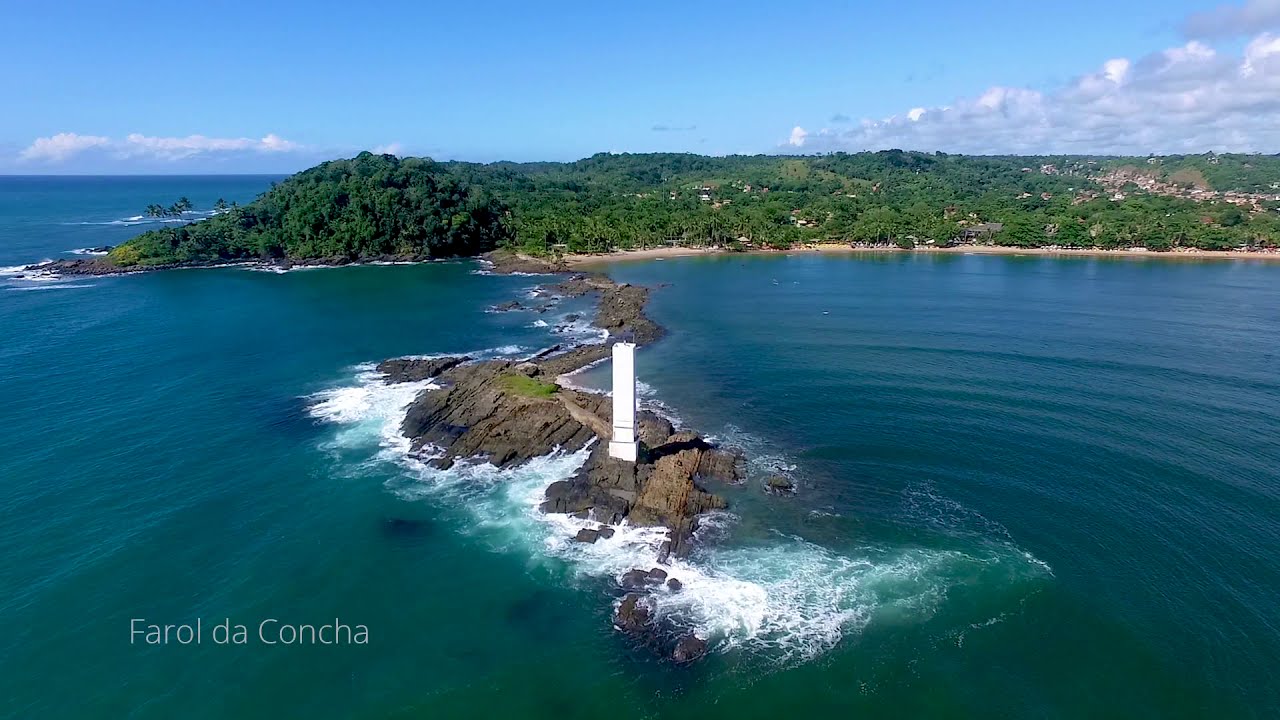
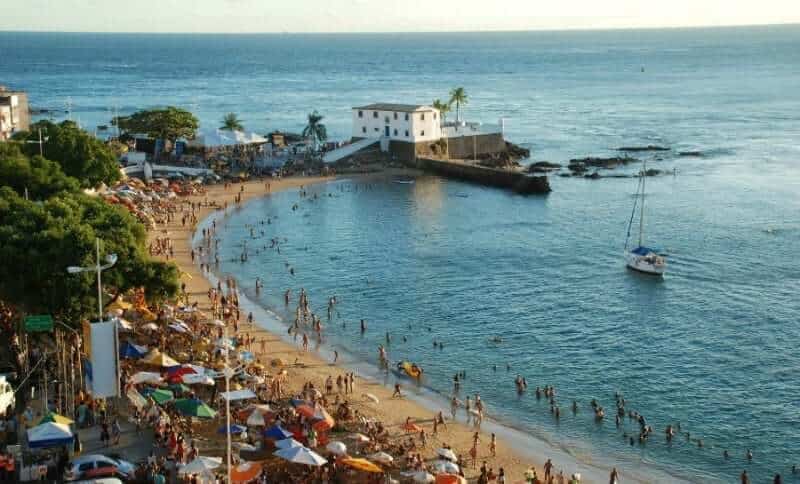
- Located on Concha Beach, its purpose was to guide cocoa boats.
- After its restoration, it became known as the only square lighthouse in the world, according to local fishermen.
Tourist guide to Itacaré in Bahia
Publicações Relacionadas
Comandatuba Island: Resort and Family Adventure
Serra Grande: Your Guide to Bahia's Paradise
Learn more about the sloth and its unique characteristics
Lagoa Encantada in Ilhéus: A Preserved Natural Paradise
The best places to visit on the Cocoa Coast in Bahia
Ilhéus (BA) — beaches, history and cocoa plantations
Canavieiras: A Hidden Gem in Bahia's Coastline
Paranaguá Palace — History, architecture and visiting information in Ilhéus (BA)
Cocoa farms attract tourists to Bahia - Chocolate Road
Beaches and Waterfalls of Itacaré: A Hidden Gem
Chocolate Road and trails of the Cocoa Coast - video
Municipality of Una: A Beach Paradise Awaits
History of Cocoa: From Aztecs to Modern Use
Tourist Attractions on the Rio de Contas in Itacaré, Bahia
Ilhéus: A Journey Through Bahia's Rich History
São Jorge Parish Church in Ilhéus — history, architecture and religious art
History of the Convent and Church of Nossa Senhora da Piedade in Ilhéus
History of St Sebastian’s Cathedral in Ilhéus
This post is also on:
 Português
  English
  Deutsch
  Español
  Français