Published on · Updated on
Bahia is famous for its beaches and carnival, but it is also a great destination for adventure sports. Canyons, waterfalls, caves and rock walls make the state a good place for abseiling in Bahia, as well as bungee jumping, waterfall abseiling, caving and rafting. For this reason, in this guide you will find the main abseiling spots, where to bungee jump and safety tips.
- Abseiling: for example, at Lapão Cave, in the Chapada Diamantina, in Taboquinhas and in Paulo Afonso.
- Bungee jumping: above all in Paulo Afonso, from a metal bridge over the São Francisco River.
- Caving: in the caves of São Desidério and the Chapada Diamantina.
- Rafting: on the Contas River, in Taboquinhas, near Itacaré.
- Safety: in general, always go with a guide or specialist operator.
What abseiling is
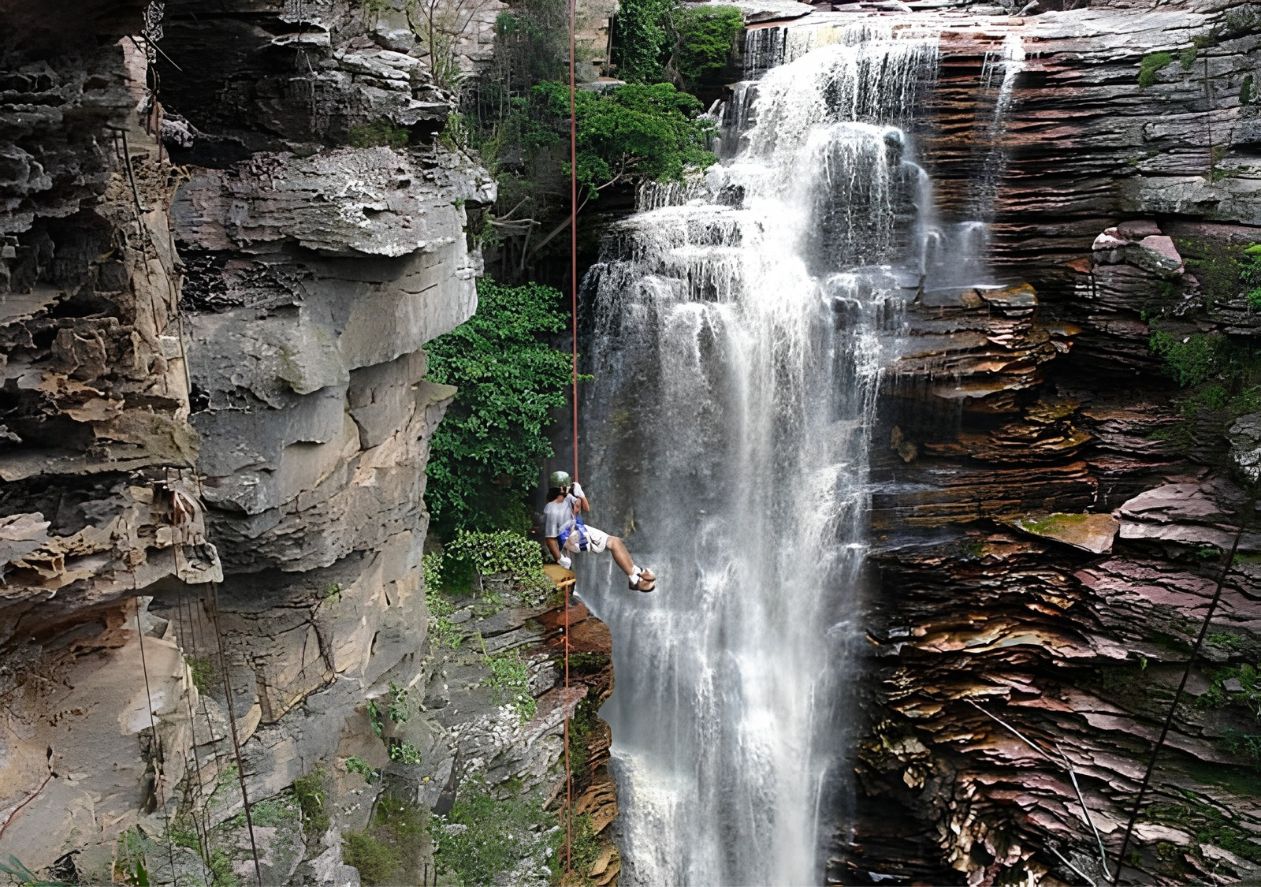
In abseiling (rappelling), you descend on a rope down rock walls, canyons, waterfalls or caves. You control your speed with a metal brake and, thus, can go down slowly to enjoy the view, or faster. The name “rappel” comes from French and means “to call back”, in other words the act of pulling the rope down at the end of the descent.
In addition, abseiling has several variations. In cascading, for example, you descend inside a waterfall; in canyoning, the group crosses a canyon with descents, jumps and stretches of swimming. In caving, in turn, abseiling is used to enter caves.

Videos about abseiling in Bahia

Pratique rapel em lugares radicais da Bahia
Where to go abseiling in Bahia
Chapada Diamantina
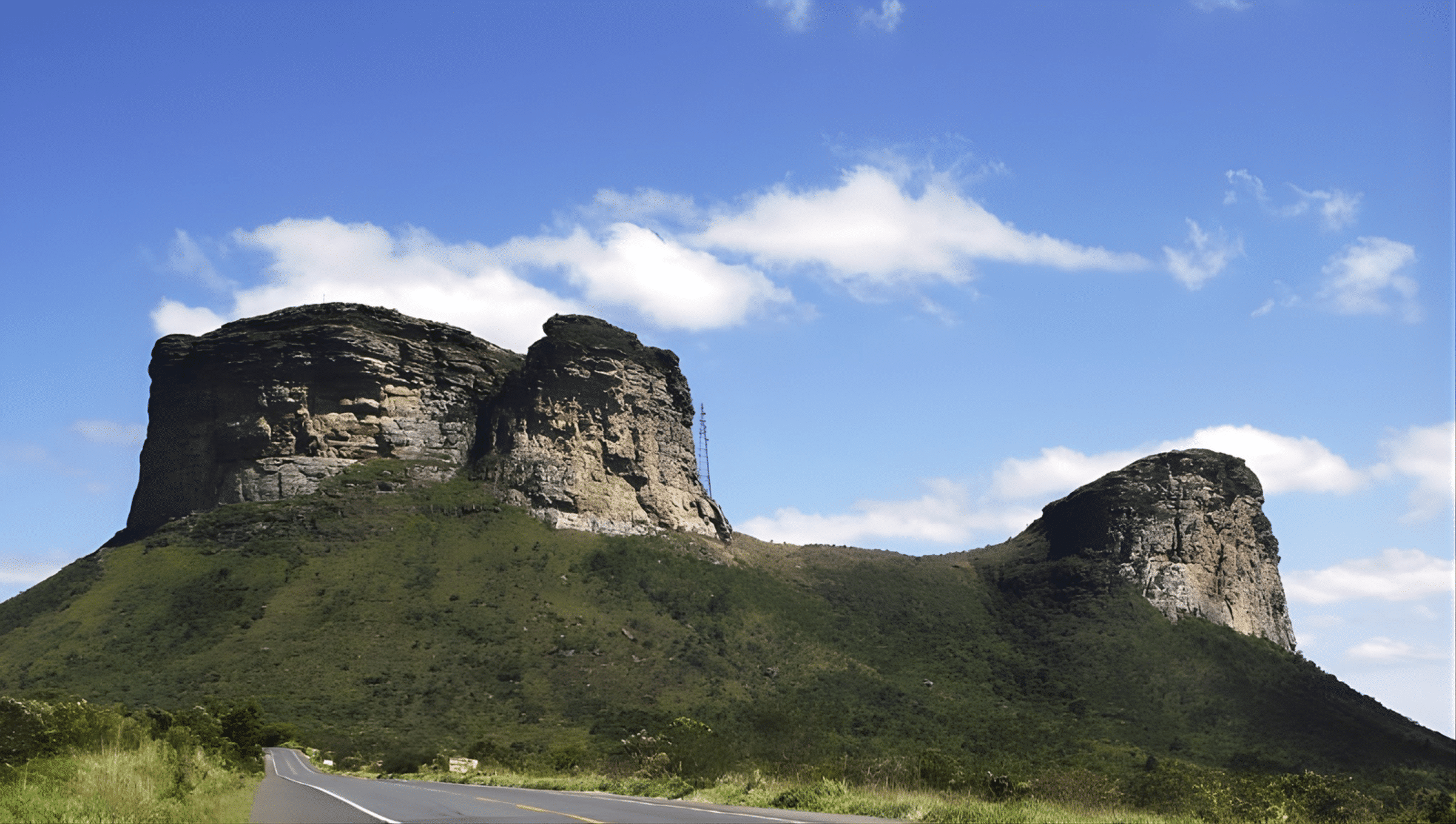
The Chapada Diamantina is Bahia’s main adventure destination. Near Lençóis, for example, Lapão Cave offers an abseil of about 50 metres at the cave mouth. In addition, operators in Lençóis and the Capão Valley take groups abseiling and cascading on rock walls and waterfalls in the region. In Morro do Chapéu, in the north of the Chapada, there are also waterfalls used for cascading.
On the other hand, Fumaça Falls, about 340 metres high, is above all a trekking destination, with a viewpoint at the top of the cliff.

Itacaré and Taboquinhas
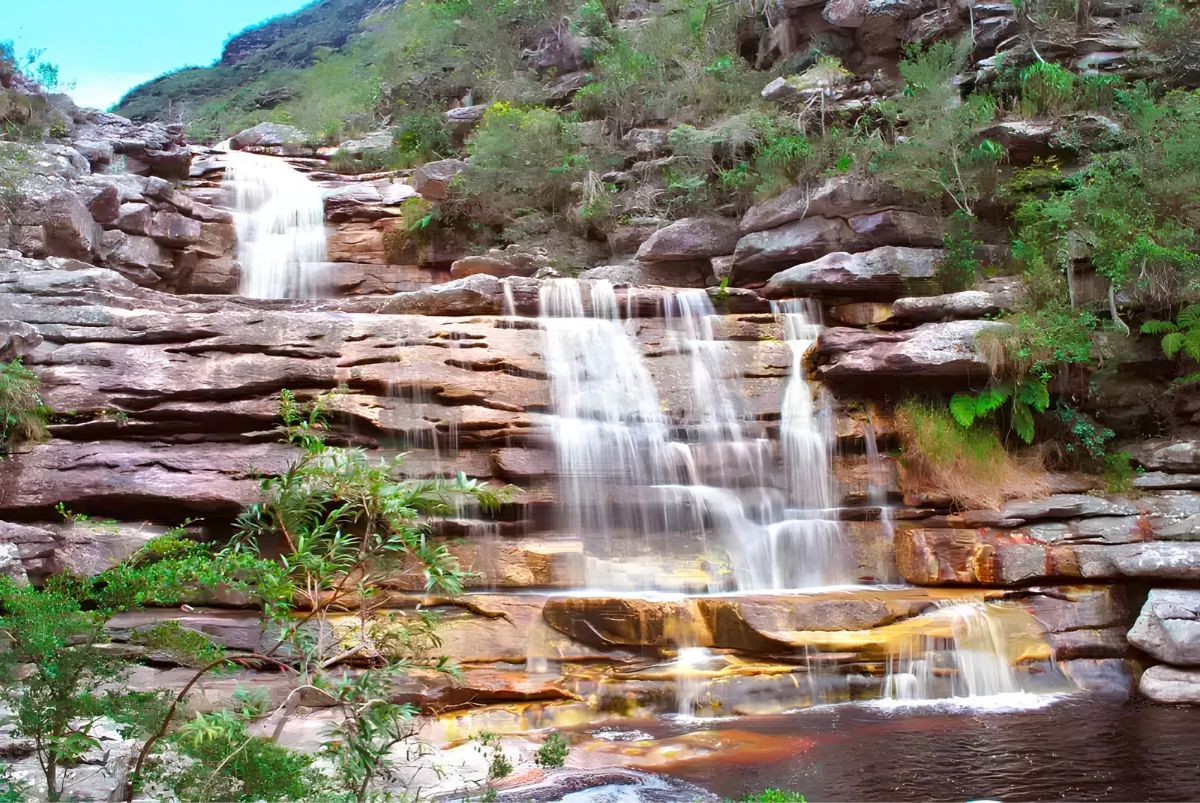
On the Cocoa Coast, Taboquinhas, a district of Itacaré, combines abseiling, cascading and rafting on the Contas River. Tours, for example, combine waterfall descents with trails through the forest and cocoa farms. Near Itacaré, in turn, the Véu de Noiva waterfall is also used for cascading, but it requires a hike.
Pancada Grande Waterfall, in Ituberá
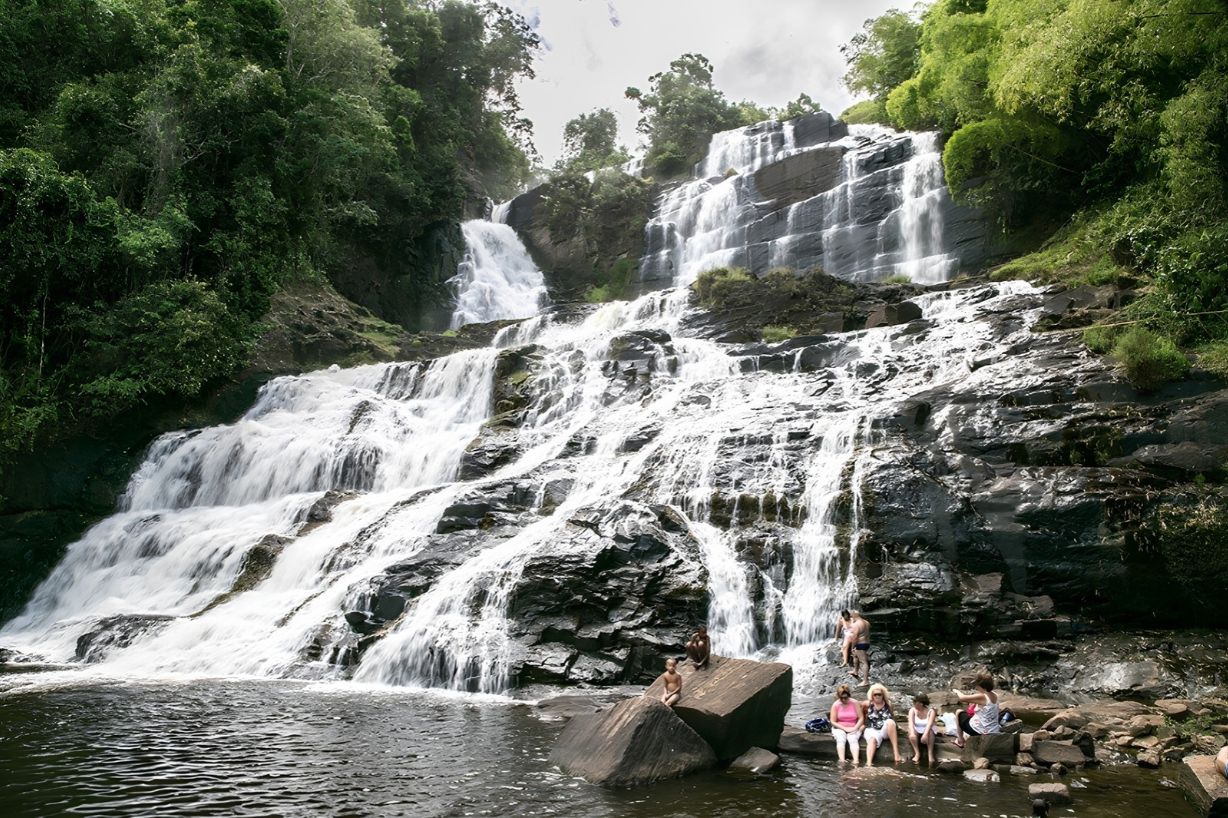
In the Baixo Sul, the Pancada Grande waterfall is more than 60 metres high and lies in the Michelin Ecological Reserve, between Ituberá and Igrapiúna. Many guides consider it the highest waterfall on the Bahian coast. However, abseiling there depends on permission and operators; for this reason, check before you go.
Paulo Afonso
In the backlands, Paulo Afonso is a hub for adventure sports in the canyons of the São Francisco River. There, for example, the old cable car that once carried Chesf workers now serves as the starting point for abseiling. In addition, the town offers climbing on the canyon walls, zip lines and canoeing.
São Desidério and western Bahia
In western Bahia, São Desidério has dozens of caves and sinkholes. For this reason, the region attracts cavers, who use abseiling techniques to descend into pits such as Buraco do Inferno and explore river sinks.

Salvador
In Salvador, urban abseiling mainly takes place in training sessions and events, on buildings and rock walls, and the Lacerda Elevator has hosted descents on special occasions. For adventures in nature, however, operators in the capital usually take groups to the Recôncavo and the Chapada Diamantina.
Bungee jumping in Bahia
The best-known place for bungee jumping in Bahia is Paulo Afonso. In fact, the jump is made from a metal bridge about 86 metres above the São Francisco River, overlooking the canyons. In Salvador, on the other hand, bungee jumping usually only appears at temporary events. Thus always check the operator and the date before you travel.
Other adventure sports in Bahia
- Rafting: for example, on the Contas River, in Taboquinhas.
- Diving: in addition, there are good diving spots in Bahia, from the north coast to Abrolhos.
- Paragliding and skydiving: also see air sports in Bahia.
- Trekking: finally, the Chapada Diamantina has some of the best trails in Brazil.
Safety and best time
First of all, only go abseiling and bungee jumping with specialist guides and operators who provide a harness, helmet, ropes and brake in good condition. In addition, beginners should start with short descents and follow all the instructor’s instructions.
In the Chapada Diamantina, the dry season usually runs from April to October, with firmer trails. On the coast, in turn, there is less rain between September and March. Finally, after heavy rain, waterfalls carry more water and, for this reason, cascading can become dangerous.
Frequently asked questions about abseiling in Bahia
Where can you go abseiling in Bahia?
In the Chapada Diamantina, Taboquinhas, Paulo Afonso and São Desidério, among other places.
For example, Lapão Cave has an abseil of about 50 metres.
Where can you bungee jump in Bahia?
Above all in Paulo Afonso, from a metal bridge over the São Francisco River.
In Salvador, on the other hand, bungee jumping only appears at events.
Can beginners go abseiling?
Yes, as long as they go with a guide and a specialist operator.
In general, tours start with a lesson and a short descent.
What is cascading?
It is abseiling inside a waterfall, right next to the falling water.
In Bahia, for example, it is popular in Taboquinhas and the Chapada.
When is the best time for adventure sports in Bahia?
In the Chapada, from April to October; on the coast, from September to March.
In addition, avoid waterfalls right after heavy rain.

Publicações Relacionadas

Arembepe Beach, Bahia: Hippie Village, Piruí and map

Paranaguá Palace, Ilhéus: History, Architecture, Visit

São Jorge Parish Church: historic church in Ilhéus, Bahia

Piedade Church, Ilhéus: history, convent and stained glass

Ilhéus Cathedral (São Sebastião): history and visit

Skydiving in Bahia: Paragliding and Hot-Air Balloons

11 Heritage-Listed Historic Towns in Bahia, Brazil

História da Arte - Caracteristicas, Aspectos e Periodos

30 tourist attractions in Bahia, Brazil, by region

Subaúma, Bahia: where it is, things to do and where to stay

Massarandupió Naturist Beach, Bahia: Rules and Access

Southern Bahia Beaches: 10 Best, Map and Travel Tips

Baixio (Bahia): where it is, lagoons, dunes and beach
26 best beaches in Bahia, Brazil: list by region
Salinas da Margarida & Barra do Paraguaçu: beach guide

Guarajuba Beach, Bahia: Natural Pools and Tips

Barra do Cahy, Bahia: where it is and how to get there

Garcez Beach and Ilha d’Ajuda, Bahia: how to get there

Rio de Ondas, Barreiras: Acaba Vida and Redondo waterfalls
Cachoeira dos Catabrigas, Bahia: photos and how to get there

Serra Grande, Bahia: beaches, map and things to do
Corumbau, Bahia: Ponta de Corumbau, beaches, map, how to go

Taipu de Fora, Bahia: Natural Pools, Tides and Access

Iguaí (BA): attractions, waterfalls, map and history
Morro de São Paulo: map, beaches and how to get there
São Francisco do Conde, Bahia: what to do and history

Bay of All Saints, Bahia: history, islands and Recôncavo

Rafting in Taboquinhas, Itacaré: Rapids and Tips

Diving in Bahia, Brazil: Salvador Wrecks, Abrolhos and More
Pitinga Beach, Arraial d'Ajuda: paragliding and tips
Kitesurfing in Trancoso, Bahia: Wind, Lessons and Tips

São Desidério, Bahia: Lagoa Azul and Buraco do Inferno
Paulo Afonso, Bahia: Canyons, Falls and Top Sights
Juazeiro (BA): things to do, riverfront, carrancas and where it is
Campo Formoso (BA): caves, history and things to do