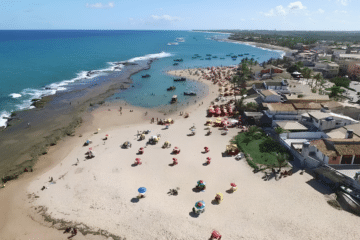
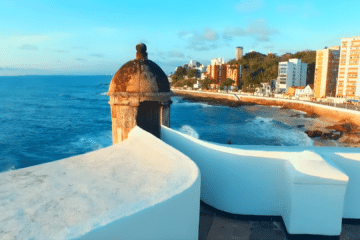
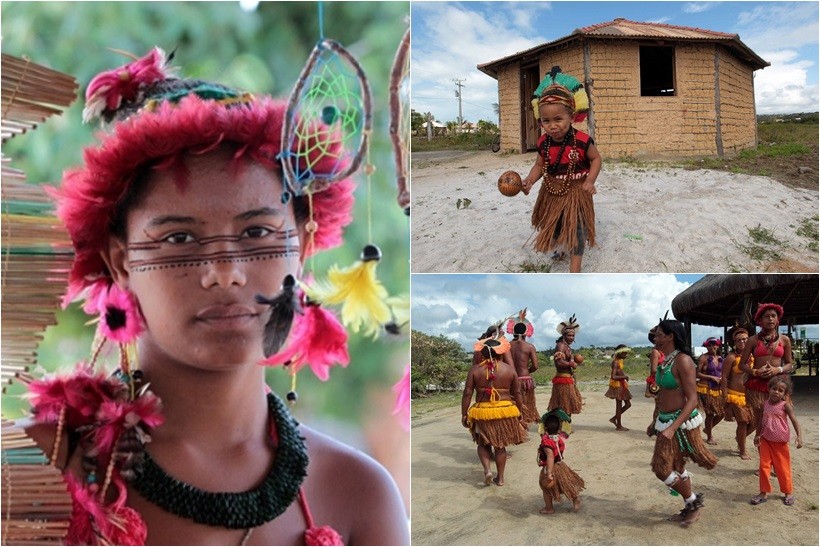
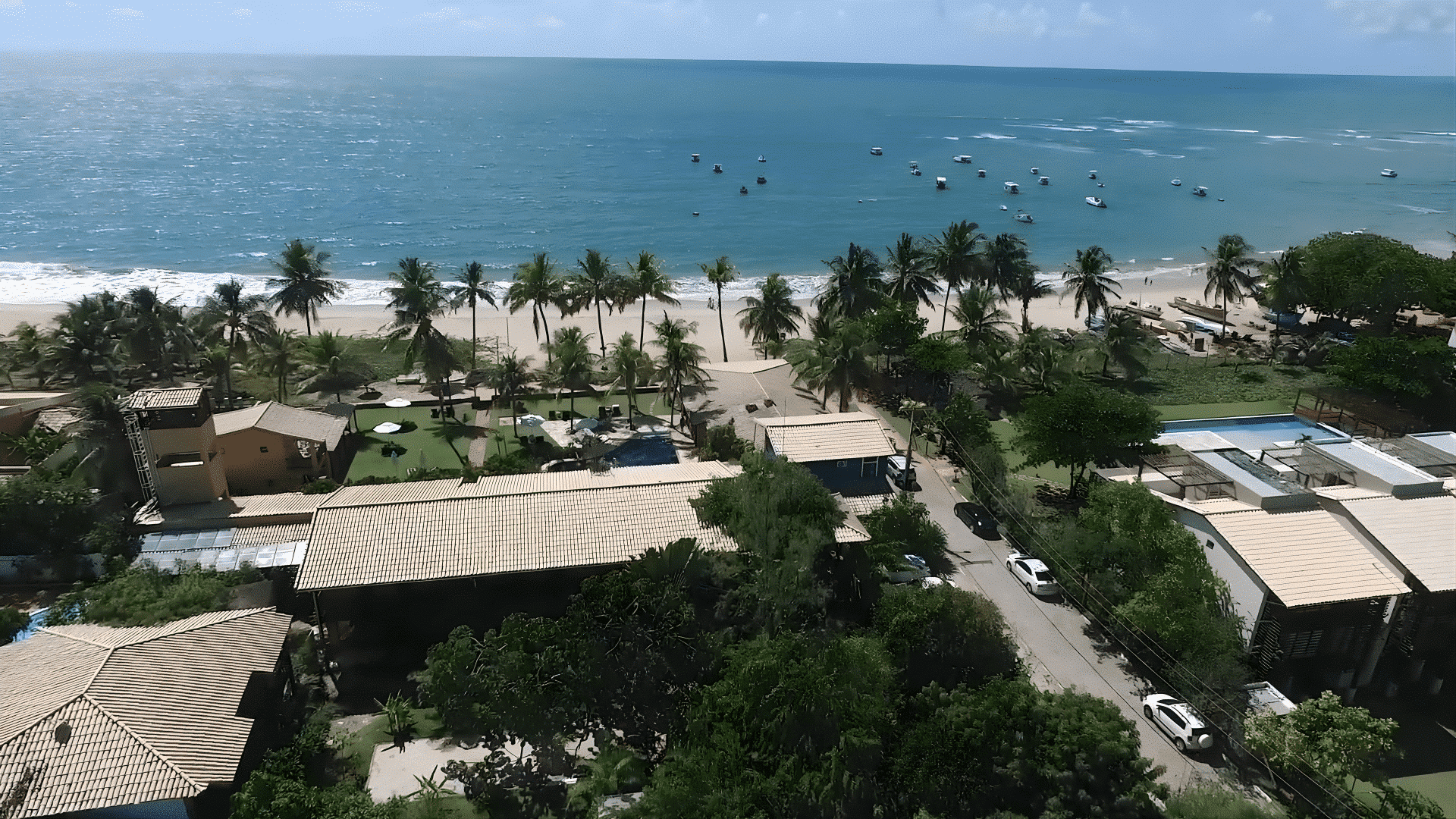
Santa Cruz Cabrália, located on the Discovery Coast in southern Bahia, is a more peaceful destination than Porto Seguro. It is renowned for its picturesque beaches, such as Coroa Vermelha, Mutá and Guaiú, its well-preserved historic centre, and the vibrant culture of the Pataxó people.
This guide provides information on what to see and do, how to get there, where to stay, and other useful information.


Vídeos sobre Santa Cruz de Cabrália

Santa Cruz de Cabralia - Drone03:33

Santa Cruz de Cabrália - Guia Turístico03:24
Santa Cruz de Cabrália - Parte 1
Santa Cruz de Cabrália - Parte 2
Santa Cruz de Cabrália - Drone03:33
Praia de Itacimirim em Santa Cruz de Cabralia05:24
Praia de Arakakai em Santa Cruz de Cabrália03:42
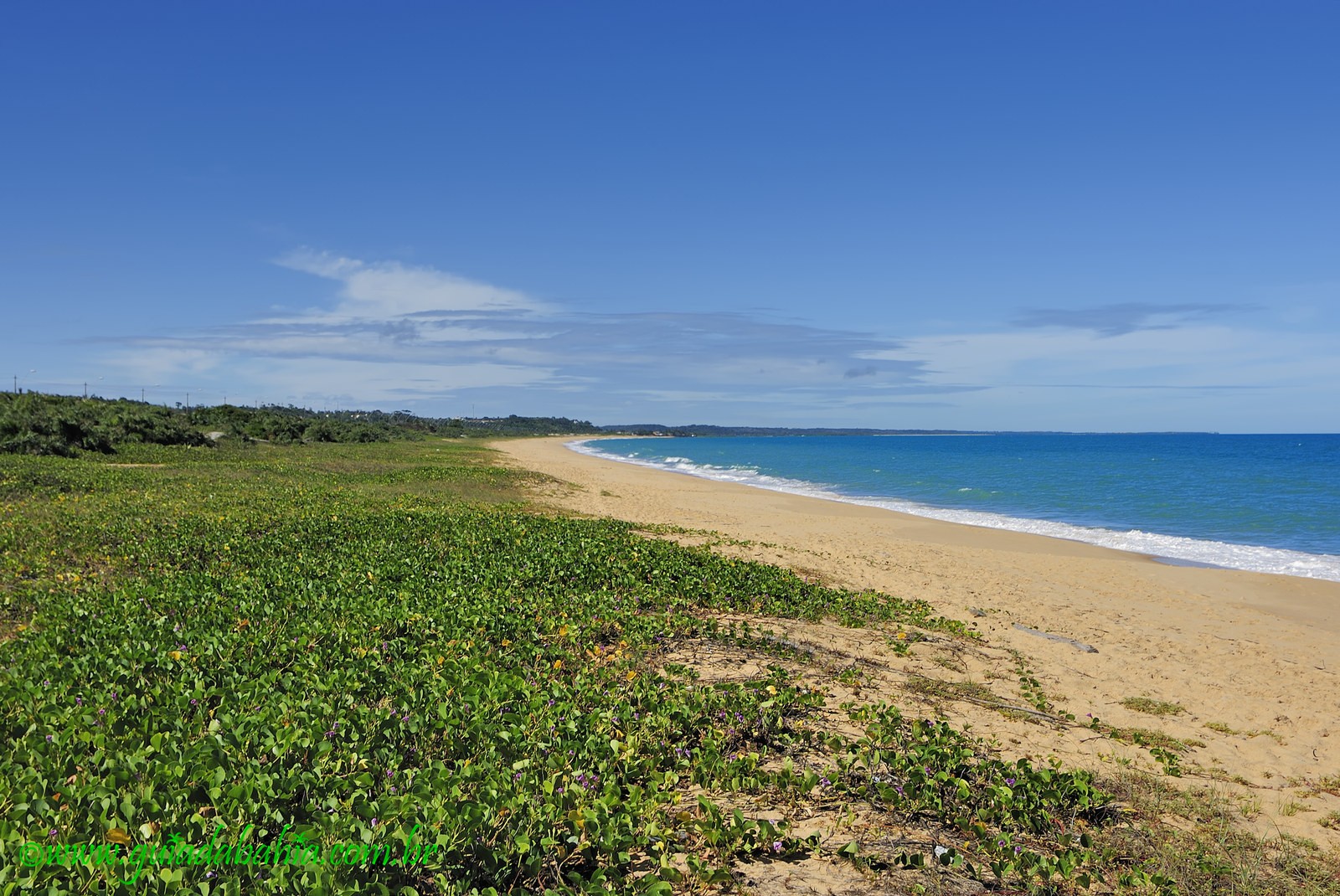
Praia dos Lençóis em Santa Cruz de Cabrália01:38
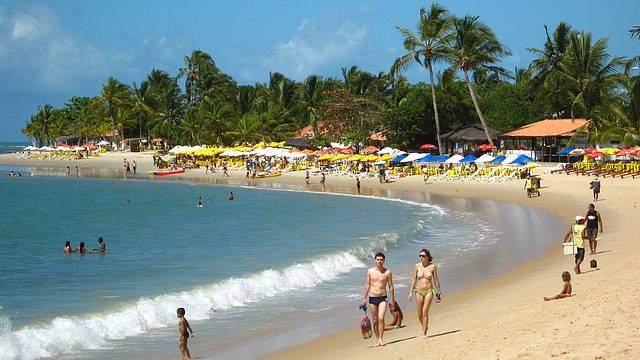
Praia de Coroa Vermelha em Santa Cruz de Cabrália02:04
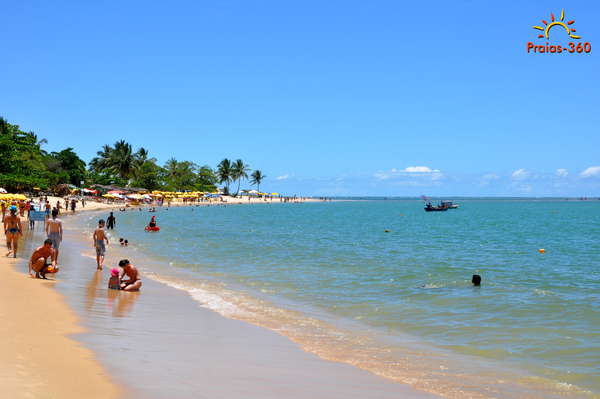
Praia da Ponta do Mutá em Santa Cruz de Cabrália
The main attractions in Santa Cruz Cabrália
Historic Centre
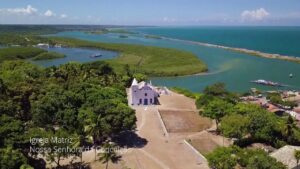
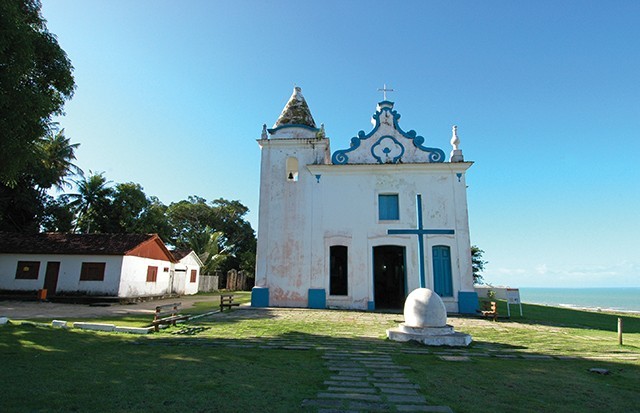
It is located in Cidade Alta and is home to the 18th-century Church of Nossa Senhora da Conceição, the Town Hall and Jail, and the Mirante da Coroa viewpoint, which offers stunning views of the João de Tiba River estuary and Coroa Vermelha.
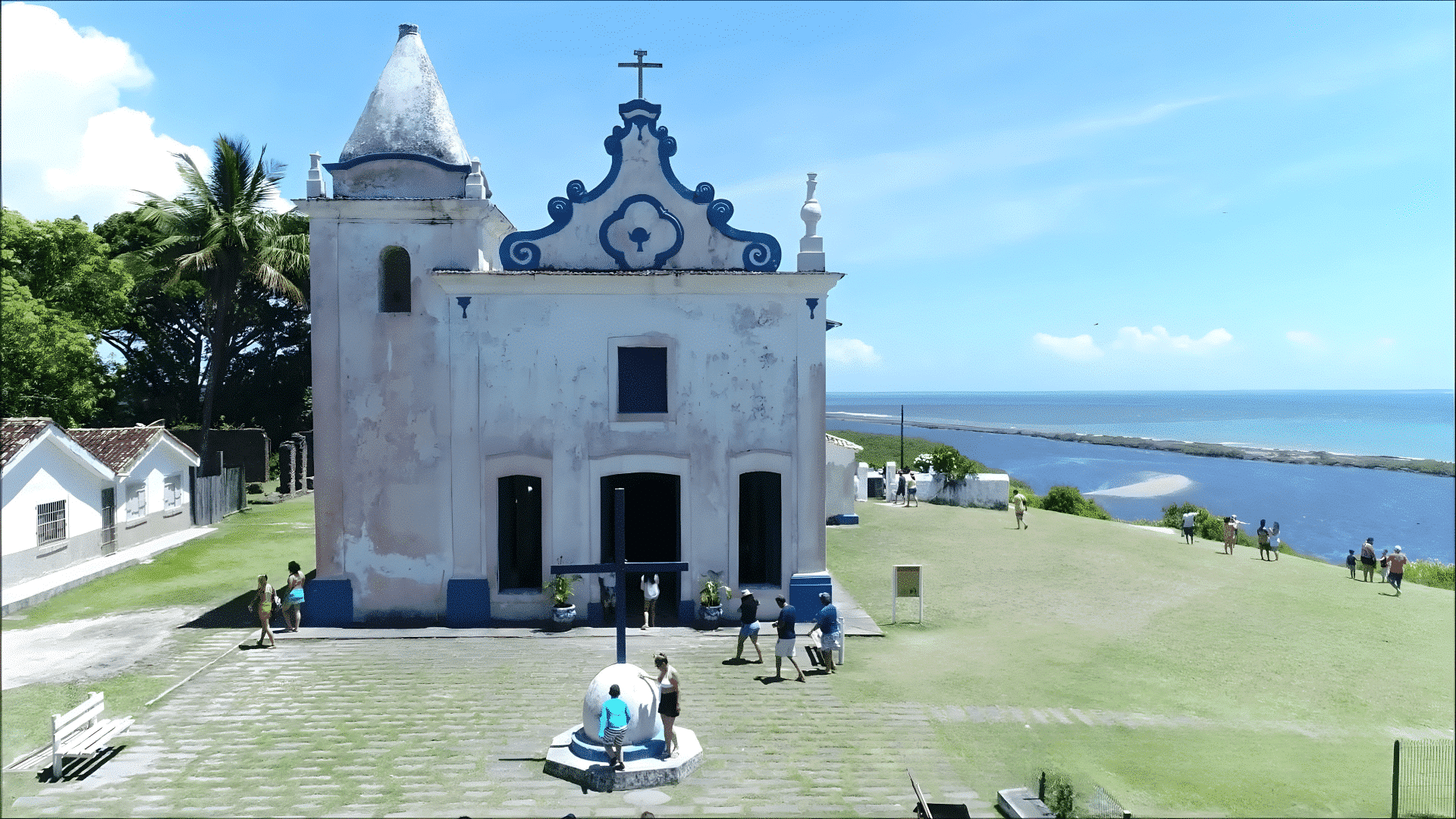


Coroa Vermelha
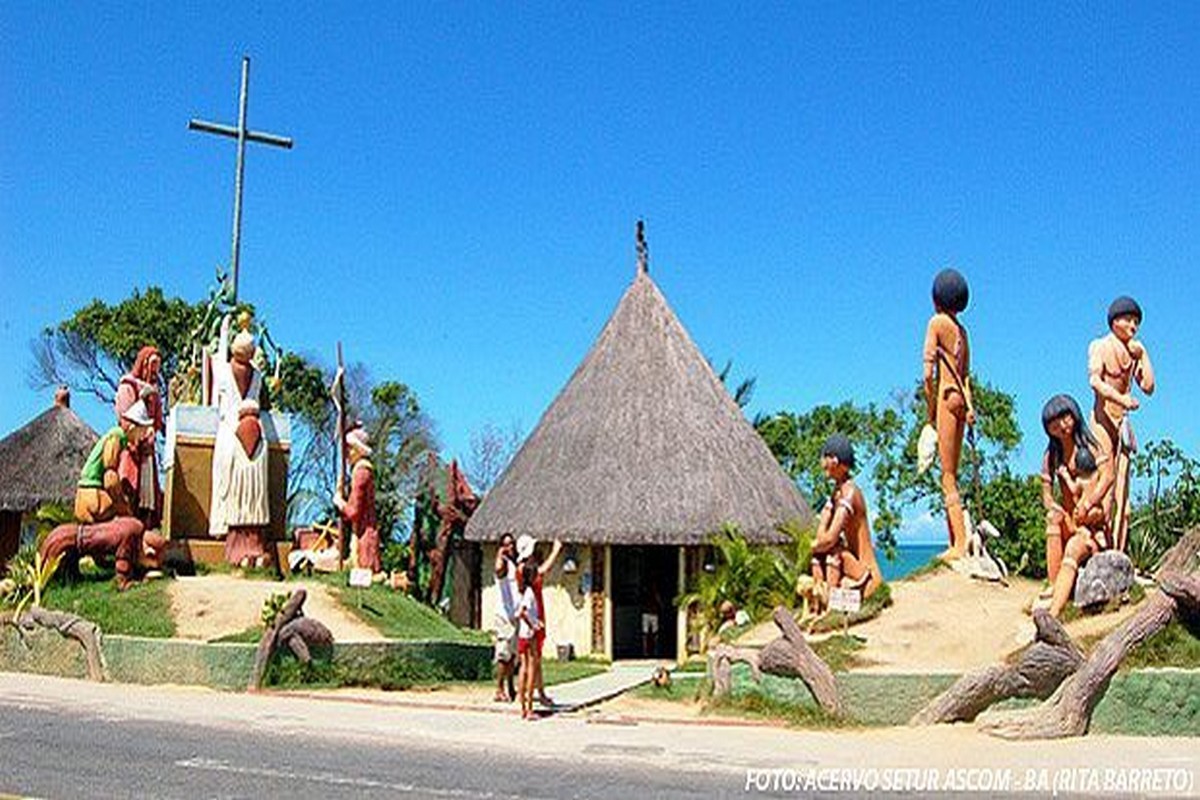
This is the site where the first mass was celebrated on Brazilian soil. It is home to a commemorative cross, an indigenous art centre, and a Pataxó craft market.

The Red Crown Cross is a commemorative landmark in Red Crown Cove, erected to mark the arrival of Pedro Álvares Cabral’s fleet in April 1500, as well as the traditional celebration of the first Mass on Brazilian soil.
Coroa Alta Marine Park
There are sandbanks and reefs that emerge at low tide, which are excellent for snorkelling and observing marine life. They are accessible by boat from the town.

Main beaches
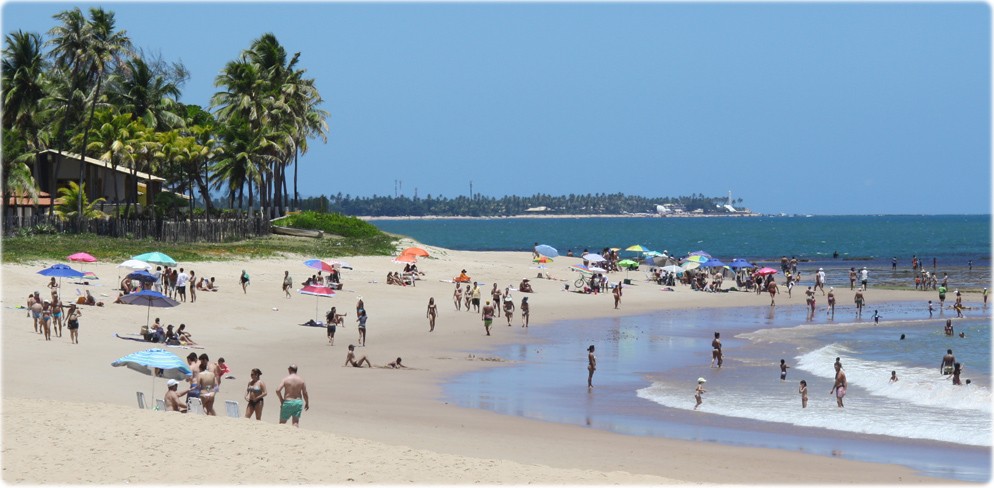
- Coroa Vermelha — a shallow cove with reefs and kiosks.
- Mutá: natural pools and calm waters.
- Guaiú is peaceful and practically untouched.
- Santo André — accessible by ferry, this is a village with guesthouses.
- Arakakaí — reefs and natural pools.
- Lençóis — great for hiking, but watch out for the currents.
- Mogiquiçaba: mangroves and ecotourism.
- Itacimirim: reefs, fishing and scenery from the Atlantic Forest.
- Ponta do Mutá — natural pools and pleasure boats.



Brief history
How to get there
Nearest airport: Porto Seguro Airport (about 20–30 minutes’ drive away; approximately 23 km).
By car: access via the BR-101 and local motorways. Check the latest routes on Google Maps or Waze.
Local transport options include taxis, app-based services, vans and boat trips to the islands and reefs. Check timetables and prices before travelling.
Where to stay and eat?
Recommended neighbourhoods: Cidade Alta (near the historic centre) and the Coroa Vermelha/Mutá waterfront.
Accommodation: guesthouses and holiday apartments in Porto Seguro and the surrounding area.
Gastronomy: seafood and Bahian dishes, as well as regional food served in beach huts; the Pataxó market in Coroa Vermelha.
practical tips
- The best time to visit is during the dry season, which runs from September to March. The peak season is in December and January, as well as during the school holidays.
- Safety: Respect the signs and avoid swimming in areas with strong currents, such as some parts of Lençóis.
- Show cultural respect by asking permission before taking photographs in villages, and by choosing handicrafts with a provenance.
- Health: Bring sunscreen and insect repellent, and check the location of medical facilities.
FAQ
Como ir de Porto Seguro a Santa Cruz Cabrália?
It takes approximately 20–40 minutes by car or taxi via the BR-101/local roads, depending on traffic. Transfers and public transport are also available.
Which city saw the first Mass celebrated in Brazil?
According to tradition, it was Ilhéu/Coroa Vermelha in Santa Cruz Cabrália in April 1500.
Which beach is best for snorkelling?
The Coroa Alta Marine Park, the Coroa Vermelha area and the Arakakaí region are good options because they all have reefs and natural pools.
Should I book accommodation for the high season?
Yes, book in advance for December, New Year’s Eve and the school holidays.


Publicações Relacionadas
Arembepe: beaches (Piruí, Praia do Canto), Hippie Village and the Tamar Project

Paranaguá Palace — History, architecture and visiting information | Ilhéus (BA)

São Jorge Parish Church in Ilhéus — history, architecture and religious art

History of the Convent and Church of Nossa Senhora da Piedade in Ilhéus

São Sebastião Cathedral (Ilhéus) — History, architecture and tourism
The 15 Most Visited and Well-Known Beaches in Bahia
The 3 most paradisiacal beaches in Bahia

Skydiving, Paragliding and Ballooning in Bahia

Historic Towns in Bahia: A Journey Through Time
Places to visit on the south coast of Bahia

História da Arte - Caracteristicas, Aspectos e Periodos
Tourist Attractions in Bahia: main attractions, beaches and cities

Subaúma, Bahia: where it is, things to do and where to stay
Massarandupió Naturist Beach, Bahia: Rules and Access
Beaches on the South Coast of Bahia: 10 Best and Tips
Towns and the Abrolhos Archipelago — The southernmost tip of Bahia

Baixio: Between lagoons, dunes and the charm of a village surrounded by nature
Best Beaches in Bahia: Your Guide to Paradise
Salinas da Margarida (BA) — Beaches, Attractions and a Complete Guide

Guarajuba Beach, Bahia: Natural Pools and Tips

Barra do Cahy: Brazil's first beach - history and nature

Garcez Beach: Discover Paradise in Jaguaripe

Barreiras: An Ecological Paradise in Bahia
Catabrigas Waterfall — A natural haven in Ibirajá, Itanhém (BA)

Serra Grande: Your Guide to Bahia's Paradise
Corumbau, Bahia: Ponta de Corumbau, beaches, map, how to go

Taipu de Fora: Discovering Natural Pools

Iguaí: A Guide to Waterfalls and Relaxation
Morro de São Paulo: Map, Beaches & How to Get There (2026)
Tourism in São Francisco do Conde (BA) — Tips and Attractions
Todos-os-Santos Bay (Bahia) — History, geography and conservation
Todos os Santos Bay — Nature, History and Water-based Tourism
Bay of Todos os Santos: nature, history and cultur

Rafting in Taboquinhas: The Ultimate Adventure Guide
Abseiling Sites in Bahia: Top Locations to Explore

Diving Spots in Bahia: Discover Underwater Treasures
This post is also on:
 Português
  English
  Deutsch
  Español
  Français