Discover Barreiras, Bahia: Attractions, history and culture in the capital of Western Bahia
The biggest event in the city of Barreiras is the Micareta Barreiras Folia, an off-season carnival that attracts mainly young people. During the Carnival and the June Festival, Bahia is transformed from axé to forró.
Situated west of the São Francisco River, on the banks of the Rio Grande, Barreiras is more business tourism than leisure, although it offers unusual landscapes and plenty of adventure.
The region is rich in archaeological sites, mountains for trekking, waterfalls, cliffs for abseiling, rapids for rafting and caves.
The rivers are ideal for fishing, canoeing and floating.

What is the Micareta Barreiras Folia?
Micareta Barreiras Folia is an out-of-season carnival that takes place in Barreiras, Bahia.
It is a popular festival that brings together locals and visitors in a lively celebration, with parades of blocos, electric trios, shows by local and national artists, and lots of music and dancing.

Micareta is particularly known for its lively atmosphere and the intense participation of the public, who usually dress up and make the most of the festivities.
The event is usually held at a different time from the traditional carnival, usually in April or May, giving people who were unable to attend the February carnival a new opportunity to experience this festival so characteristic of Bahian culture.
Places of interest in Barreiras

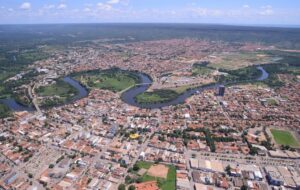
Cidade de BARREIRAS, CACHOEIRA DO ACABA VIDA e LAGOA AZUL.15:25
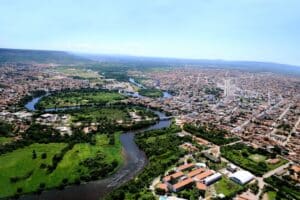
Barreiras na Bahia03:01
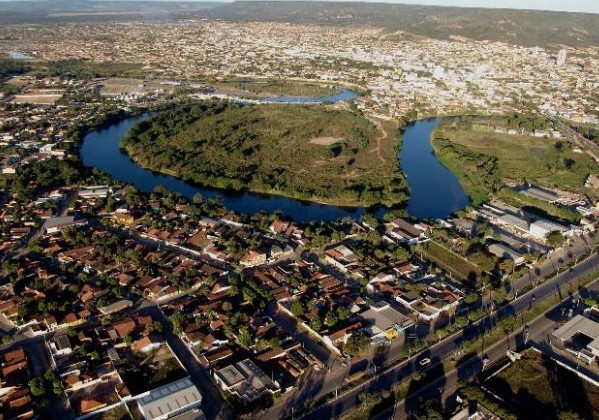
Barreiras 126 anos14:11
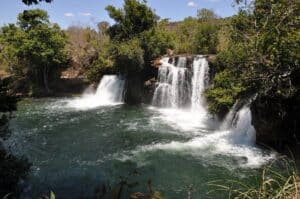
Cachoeira do Redondo, em Barreiras07:15
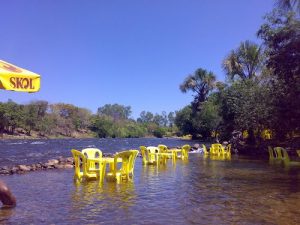
Rio de ondas - Barreiras BA01:00
- Rio de Ondas: Known for its powerful rapids, this is a popular spot for water activities and hiking.
- Acaba-Vida Waterfall: Its height and natural beauty attract visitors who want to get in touch with nature.
- Redondo Waterfall: Another beautiful waterfall in the region, ideal for relaxing and enjoying nature.
- Archeological Sites: The region is home to important archaeological sites that offer an insight into the history and human presence in the area.
- Barreiras Historical Museum: Considered a must for history buffs, it houses an important collection.
- Serra do Mimo Viewpoint: Offers stunning panoramic views of the region.
- Rio de Ondas Country Club: A space for leisure and entertainment, with infrastructure for recreational activities.
- Três Bocas: A place known for its natural beauty and tourism potential.
- Serra do Sincorá State Park and Chapada das Mesas National Park: Ideal for those looking for trails, waterfalls and outdoor adventures.
- Typical cuisine: The city is famous for dishes such as carne de sol and artisanal cachaça, which can be sampled at the Municipal Market.


History of Barreiras
Barreiras, a Brazilian municipality in the state of Bahia, was emancipated on 26 May 1891. The Rio de Ondas is one of the city’s natural beauties and an important tourist attraction.
The lands of Barreiras belonged to the sesmaria of Antônio Guedes de Brito. The settlement began to develop in the 17th century, and in 1850 Plácido Barbosa stood out as the region’s pioneer. In 1881, Barreiras became a parish, and in 1891 it gained the status of a village and later a parish.
The presence of man in the region dates back to prehistoric times, with important archaeological finds. The Municipal Museum houses funerary urns and cave paintings. The progress of the early 20th century is reflected in the city’s neoclassical architecture.


Information about Barreiras
Barreiras is the most populous municipality in Western Bahia and is known for its grain production. The city can be reached by daily flights and the main motorways, BR 020 and BR 242. The climate is dry, with average annual temperatures of 24.3º.
Boundaries and hydrography
Barreiras is bordered to the west by the Tocantins river, to the east by Angical and Catolândia, to the north by Riachão das Neves and to the south by São Desidério. The city is rich in water resources, with major rivers forming the Rio Grande basin, making it a promising location for ecotourism.
For a safe trip, we recommend you take out travel insurance and plan your visit during the dry season, from May to September.

Publicações Relacionadas
How to get to Fumaça Waterfall in Chapada Diamantina
Things to do in Lençóis in the Chapada Diamantina — 15 attractions
Tourist Information about Chapada Diamantina
Palaces in Salvador to visit and learn about Brazil's history
The Coconut Coast and its tourism heritage
Skydiving, Paragliding and Ballooning in Bahia
Lagoa Encantada in Ilhéus: A Preserved Natural Paradise
City of Camamu: Rich History by the Bay
Where to Stay in Salvador for Your Best Experience
Complete Guide to Visiting Arraial d'Ajuda in Bahia
Lapão Cave: The Ultimate Adventure Experience
History and Heritage of Itaparica Island — Bay of Todos os Santos
Ventura Village: A Rich History of Diamonds
Tourist Guide to the Pantanal in Bahia — Jaguaripe (BA) | Mangroves, Fishing and Excursions
Island of Fear: Mysteries and Hauntings
Diving Spots in Bahia: Discover Underwater Treasures
Maré Island (Bay of Todos os Santos) — beaches, culture and how to get there
History of Cocoa: From Aztecs to Modern Use
Chapada Diamantina's architectural style and influences
Mucuri and Costa Dourada — Beaches, cliffs and ecotourism in Bahia
History of the Founding of Salvador, Bahia - History of Brazil
History, the Festival of Nossa Senhora das Candeias and Tourist Attractions
Massarandupió Naturist Beach in Bahia
Places of interest in Salvador — A comprehensive guide
Prostitution, sex, massage parlours and nightclubs in Salvador
Rafting in Taboquinhas: The Ultimate Adventure Guide
Tourism in São Francisco do Conde (BA) — Tips and Attractions
Correntina: Discovering the Heart of Bahia
Birds Found in Chapada Diamantina: A Guide
Skydiving in Bahia: An Unforgettable Experience
Things to Do in Nova Viçosa (Bahia): Beaches, Islands and Abrolhos
Historic Towns in Bahia: A Journey Through Time
Taipu de Fora: Discovering Natural Pools
Church and Convent of Nossa Senhora da Palma in Salvador, Bahia
Discover the Magnificence Fort of Nossa Senhora de Monte Serrat
Trekking in the Pati Valley in Chapada Diamantina
This post is also on:
 Português
  English
  Deutsch
  Español
  Français