Vapor do Vinho and Wine Tourism in the São Francisco Valley
The Valley of São Francisco, located between the states of Bahia and Pernambuco, is a region that stands out not only for its natural beauty, but also for the production of quality wines and the practice of wine tourism.
The concept of“wine vapour” refers to the sensory experience and atmosphere surrounding wine tasting and appreciation, and is a fundamental part of this wine tourism journey.
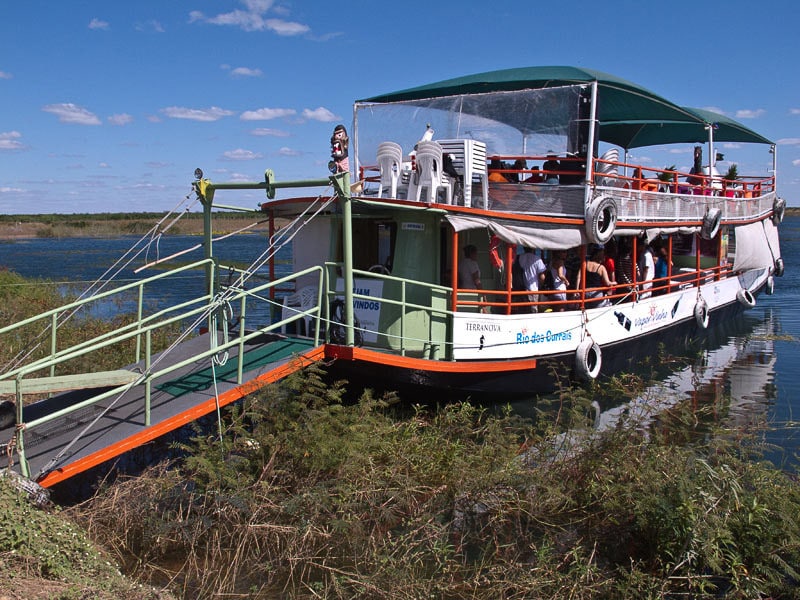
Videos about the wineries and wine history of the São Francisco Valley

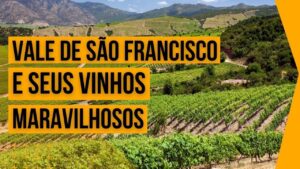
Vinhos do Brasil - Vale do São Francisco24:20

Enocultura no Vale do São Francisco03:54

Enoturismo - Vapor do Vinho03:48

Enocultura e Vinicolas no Vale do São Francisco09:29
O MILAGRE DO SÃO FRANCISCO E SEUS VINHOS DELICIOSOS26:15
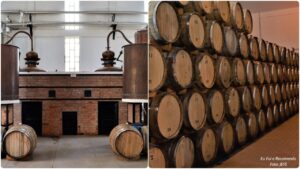
ROTA DOS VINHOS! Conheça o Vale do São Francisco06:20
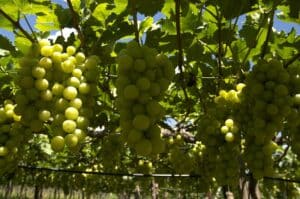
COMO É POSSÍVEL PRODUZIR VINHOS NO VALE DO SÃO FRANCISCO?05:01
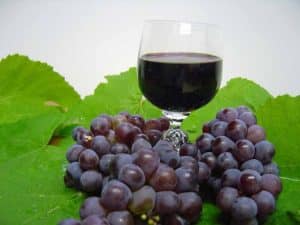
Vinhos do Vale do São Francisco têm selo de indicação geográfica02:58
Watch São Francisco Valley: The new frontier of Brazilian viticulture.
Climate and Viticulture
The São Francisco Valley region is characterised by a semi-arid climate which, surprisingly, is favourable to viticulture.
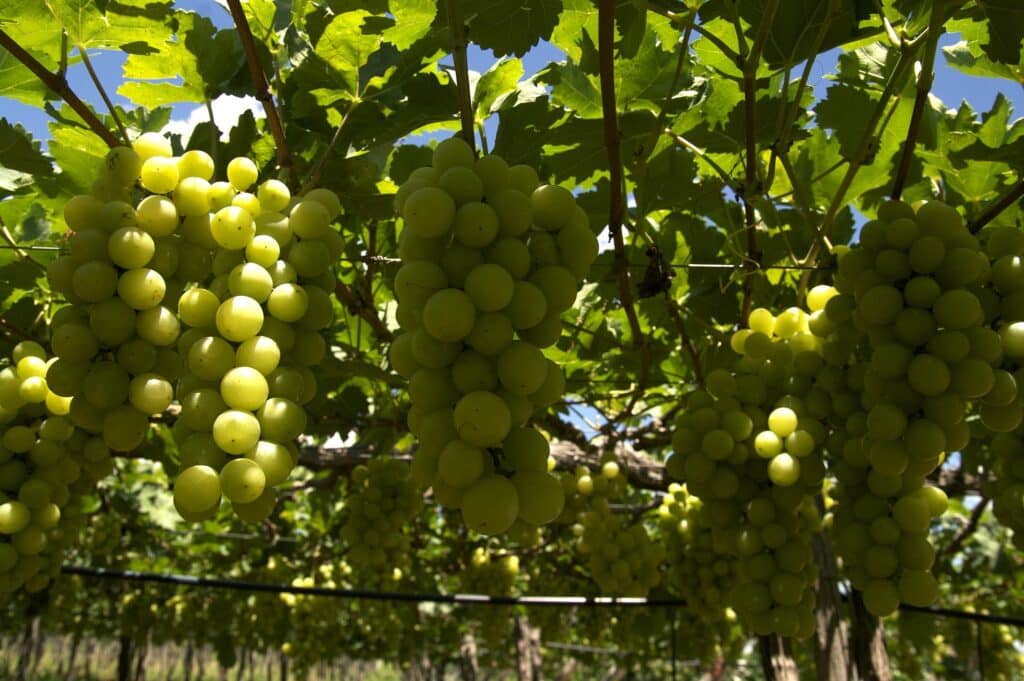
The local wineries have adopted innovative cultivation and irrigation techniques, allowing the production of high quality grapes.
Varieties such as Syrah, Cabernet Sauvignon and Chardonnay have adapted well to the soil and climate, resulting in wines with unique characteristics that reflect the essence of the land.
See the map of Lagos de São Francisco
Characteristics of São Francisco Valley wines
The wines produced in the São Francisco Valley region have unique characteristics, due to the climate and soil of the area. Here are some of its main characteristics:
1. Hot, semi-arid climate.
The region’s hot, semi-arid climate allows the grapes to ripen quickly, resulting in wines with intense fruity notes and a higher sugar concentration.
2. Variety of grape varieties.
Local wineries grow a wide variety of grapes, including Syrah, Cabernet Sauvignon, Chardonnay, Tempranillo and Grenache. This diversity makes it possible to produce red, white and rosé wines with different flavour profiles.
3. Fruity and aromatic notes.
Wines from the São Francisco Valley are often described as fruity, with notes of tropical and red fruits such as mango, pineapple, cherry and raspberry. The aromas tend to be intense and inviting.
4. Balanced acidity.
The difference in temperature between day and night allows the grapes to retain a good acidity, resulting in fresh, balanced wines that go well with a variety of dishes.
5. Body and structure.
The region’s reds are often medium to full-bodied, with soft tannins that make them accessible and pleasant on the palate.
6. Innovation in production.
Local wineries have invested in modern winemaking techniques, such as controlled fermentation and the use of oak barrels, which contribute to the complexity and sophistication of the wines.
7. Regional Identity
The wines of the São Francisco Valley have a strong regional identity, reflecting the local terroir that combines soil, climate and viticultural practices.
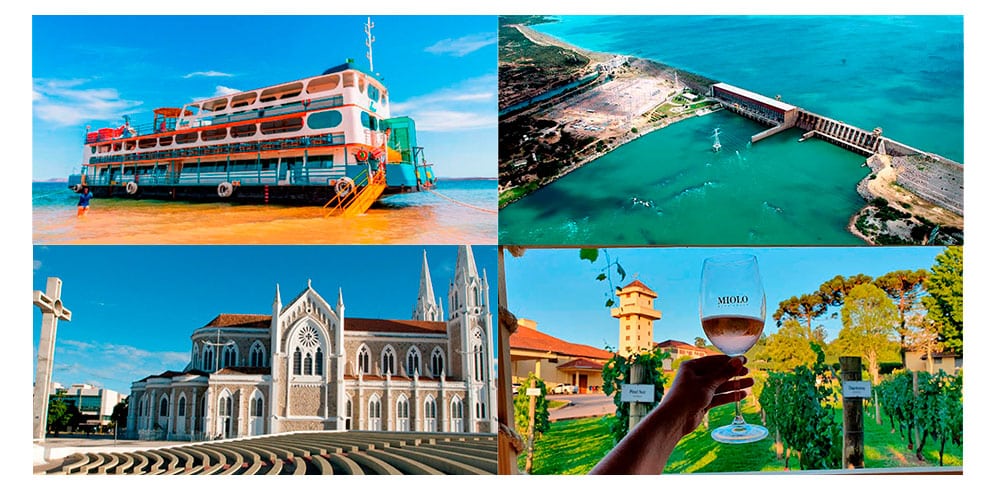
The Wine Tourism Experience
Wine tourism in the São Francisco Valley is a rich and varied experience.
Visitors are invited to visit wineries, participate in tastings and learn about the wine making process.
The breathtaking scenery, with vineyards stretching along the São Francisco River, creates the perfect setting for contemplation and appreciation of nature.
In addition, many establishments offer gastronomic experiences where regional dishes are paired with local wines to enhance the experience.
Festivals and celebrations
Festivities are also part of the wine fever of the region.
Events such as the Grape and Wine Festival bring together producers, winemakers and visitors to celebrate the harvest and wine culture with music, dancing and, of course, lots of tasting. These celebrations underline the importance of wine in the cultural identity of the São Francisco Valley.
Conclusion
All in all, the São Francisco Valley is a destination that harmoniously combines nature, culture and enology.
Wine tourism offers visitors not only the chance to taste exceptional wines, but also to connect with the history and traditions that permeate this vibrant region.
By exploring the wineries and immersing themselves in the experience, tourists can appreciate not only the final product, but the entire process and passion that goes into making wine in the heart of Brazil.

Publicações Relacionadas
Tourist Guide to the Pantanal in Bahia — Jaguaripe (BA) | Mangroves, Fishing and Excursions
São Sebastião Cathedral (Ilhéus) — History, architecture and tourism
Tourist attractions and architectural heritage of Salvador (BA
Tourist Areas in Bahia - Tourist Guide
South Coast of Bahia: Discover Stunning Beaches
Tourist Attractions in Bahia: main attractions, beaches and cities
Cumuruxatiba (Prado, BA) — Guide to beaches, excursions and whale watching
Juazeiro: Discover the Land of the Carrancas
Ponta de Humaitá — Lighthouse, church and the best sunset in Salvador
Trekking - Popular trails in Chapada Diamantina
Main Towns and Villages in the Chapada Diamantina Region
Bom Jesus dos Passos Island: A Complete Guide (Beaches, Church and How to Get There)
Monte Pascoal National Park: Pataxó culture and Brazilian history
Complete Guide to Visiting Arraial d'Ajuda in Bahia
Imbassaí Beach: Discover the Best of Bahia
Find out how to celebrate Carnival in Salvador, Bahia
Lagoa Encantada in Ilhéus: A Preserved Natural Paradise
Tourist Attractions on the Rio de Contas in Itacaré, Bahia
Discovery Route in Bahia: History, Culture and Tourism
Skydiving, Paragliding and Ballooning in Bahia
Pelourinho: what to do in Salvador’s Historic Centre
Birds Found in Chapada Diamantina: A Guide
Torrinha Cave: A Speleological Marvel in Brazil
Alcobaça, Bahia: A Comprehensive Guide to Beaches and History
Morro de São Paulo: Beach Guide and How to Get There
Main caves in the municipality of Iraquara in Chapada Diamantina
Marimbus Pantanal: Adventure in Chapada Diamantina
Subaúma Beach: The Perfect Escape in Bahia
Campo Formoso: Explore Caves and Emerald Trade
Sempre-Viva: Symbol of Preservation in the Chapada Diamantina
The most visited churches in Salvador — itinerary and tips
Andaraí is the second largest town in the Chapada Diamantina
Church and Convent of Santa Clara do Desterro and its History in Salvador
Comandatuba Island: Resort and Family Adventure
Barreiras: An Ecological Paradise in Bahia
Ecological tourism in Morro do Chapéu
This post is also on:
 Português
  English
  Deutsch
  Español
  Français