São Francisco Valley: The new frontier of Brazilian viticulture
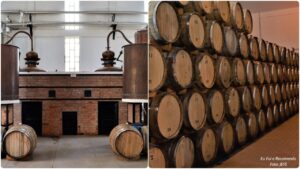
In the São Francisco Valley you can stroll through the vineyards, take part in the grape harvest, learn how the wine is made and visit places where the wine rests in wooden barrels. This route, previously restricted to some European countries and southern Brazil, is now available in Bahia.
The city of Juazeiro, located in the valley, is Brazil’s second largest wine-producing centre and offers enogastronomic experiences to a diverse public that appreciates viticulture.

The government of Bahia is promoting wine tourism as a new tourism segment, focusing on more demanding consumers looking for personalised experiences, a trend known as the ‘dream society’.
The São Francisco Valley is fertile, with more than two grape harvests a year, responsible for 15 per cent of national wine production. Bathed by the São Francisco River, the region has natural attractions and a rich backland cuisine that goes well with wine, especially mutton and goat.
Videos about the wineries and the history of winemaking in the São Francisco Valley

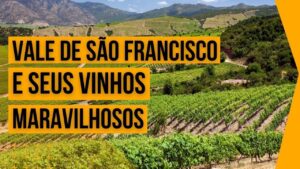
Vinhos do Brasil - Vale do São Francisco24:20

Enocultura no Vale do São Francisco03:54

Enoturismo - Vapor do Vinho03:48

Enocultura e Vinicolas no Vale do São Francisco09:29
O MILAGRE DO SÃO FRANCISCO E SEUS VINHOS DELICIOSOS26:15
ROTA DOS VINHOS! Conheça o Vale do São Francisco06:20
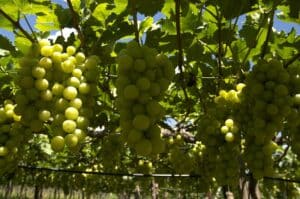
COMO É POSSÍVEL PRODUZIR VINHOS NO VALE DO SÃO FRANCISCO?05:01
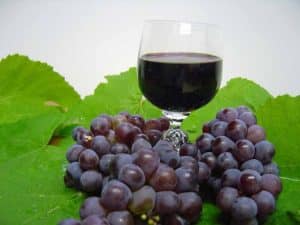
Vinhos do Vale do São Francisco têm selo de indicação geográfica02:58
History of Grape and Wine Production in the São Francisco Valley
Grape and Wine production in the São Francisco Valley began in the 1960s. Before that, the southern region of Brazil, especially Rio Grande do Sul, was recognised as a centre of wine production, despite its difficult climatic conditions.
The arrival of immigrants in Brazil brought technical knowledge and new market prospects, allowing other regions, such as the Northeast, to excel in production.
In the 1960s, the Northeast, particularly the São Francisco Valley, began to plant its first vines.
In 1963 and 1964, experimental stations were set up in Petrolina (PE) and Juazeiro (BA), giving rise to the Bebedouro Pilot Project and the Mandacaru Irrigated Perimeter. Despite the lack of rainfall, the hot, dry climate of the semi-arid region has proved favourable to viticulture.
The Sertão Pernambucano was a pioneer, producing base wines for vermouth and table grapes.
Between the 1980s and the 1990s, the region began to be recognised for the production of fine wines, with the first being produced in 1984 under the Boticelli brand.
The strengthening of viticulture in the region was driven by the establishment of wineries such as Fazenda Milano and Fazenda Ouro Verde, which began producing fine wines.
The 1990s saw the rise of mechanised viticulture and the production of seedless grapes, as well as investment by business groups.
The construction of packing houses, improvements in road and port infrastructure, and the organisation of producers into associations and cooperatives were key to the consolidation of grape exports from the São Francisco Valley.
In the 2000s, production grew even stronger with the creation of new wineries and public initiatives. Government action and innovation brought new production technologies and international recognition. During this period, the Wine School of the Federal Institute of Sertão Pernambucano was created.
Today, the São Francisco Valley is home to renowned wineries such as Botticelli, Bianchetti, Mandacaru, Terroir do São Francisco, Rio Sol, Quintas São Braz and Terra Nova.
Wineries in the São Francisco Valley
The wineries of the São Francisco Valley, which covers parts of Bahia and Pernambuco, stand out on the Brazilian and world stages.
The region is characterised by mineral-rich, soil and around 3,100 hours of sunshine per year, allowing up to 2.5 harvests per year.
The semi-arid climate favours viticulture, and winemakers are able to create microclimates that provide different stages of ripeness for the grapes.

Harvest and grapes
The vintages vary between February to April for young and white wines, May to August for higher quality reds, and October to December for aged wines. The region’s main grape varieties are Syrah, Tempranillo, Chenin Blanc and Moscato Canelli.
Main wineries
The five main wineries are Botticelli, Bianchetti, Santa Maria/Rio Sol, Terra Nova and Vinum Sancti Benedictes.
- Botticelli Winery: Founded in 1984, it produces 1.5 million litres a year, focusing on young wines and juices.
- Vinícola Bianchetti: The only one to produce organic wines, with sparkling and dry wines.
- Vinícola Santa Maria/Rio Sol: With 120 hectares it produces high quality wines and sparkling wines.
- Vinícola Terra Nova: Part of the Miolo group, with 200 hectares and an innovative project.
- Vinum Sancti Benedictes: Created by a sommelier, it focuses on quality wines and wine tourism.
Morro do Chapéu and Mucugê

Morro do Chapéu and Mucugê are also emerging with new winemaking projects, such as the VAZ and Reconvexo wineries, which aim to produce quality wines at favourable altitudes.
- VAZ Win ery: Involved in a mini-vineyard condominium project, it produces sparkling and red wines.
- Reconvexo Winery: Focuses on community development and growing grape varieties such as Malbec and Syrah.
- Fazenda Progresso: In addition to fruit and coffee, invests in various grape varieties, with a haute cuisine restaurant project.
Climatic diversity and viticulture in Brazil
Brazil’s climatic diversity plays a crucial role in viticulture, directly influencing the grape varieties that can be grown, the quality of the wines produced and the viticultural practices adopted. Here are some points that highlight this influence:
- Diverse wine regions: Brazil has several regions with different climates, such as the South (Rio Grande do Sul, Santa Catarina and Paraná), the Northeast (São Francisco Valley) and the Centre-West. Each of these areas has climatic characteristics that favour different grape varieties.
- Subtropical and temperate climate: In southern Brazil, the subtropical climate allows the cultivation of varieties such as Cabernet Sauvignon, Merlot and Chardonnay, which adapt well to milder temperatures and humidity. These conditions are ideal for producing fine wines.
- Semi-arid climate: The São Francisco Valley, with its semi-arid climate, makes it possible to produce grapes in conditions that may seem challenging. Varieties such as Syrah and Tempranillo excel here, taking advantage of the irrigation and intense heat that can produce grapes with high sugar concentrations and intense flavours.
- Effects of the seasons: The clear definition of the seasons in some regions, especially in the south, allows a programmed harvest and the production of wines with different characteristics each vintage. The temperature differences between day and night help to develop the acidity and aromas of the grapes.
- Microclimates: Geographical diversity and different soil types contribute to the formation of microclimates, which can influence grape growing even in small areas. This allows a greater variety of grapes to be grown in the same region.
- Innovation and adaptation: Climatic diversity also encourages innovation. Brazilian winemakers are constantly experimenting with new growing techniques and varieties to adapt to local conditions and maximise the quality of their wines.
- Climate change: Winemaking in Brazil also faces challenges due to climate change, which can affect the production and quality of grapes. Producers need to be aware of these changes and adapt their agricultural practices to ensure long-term sustainability.
Origin of the most widely grown grapes in Brazil
The most widely grown grapes in Brazil have different origins, reflecting the country’s climatic and geographical diversity. Here are some of the main varieties and their origins:
- Cabernet Sauvignon: Originally from France, this grape is one of the most widely grown in Brazil, especially in regions such as Vale dos Vinhedos in Rio Grande do Sul and Vale do São Francisco.
- Merlot: Also originally from France, Merlot is popular in many of Brazil’s wine regions and is known for its adaptability.
- Syrah: Originally from the Rhôna Valley in France, this grape has made a name for itself in Brazilian wineries, especially in the São Francisco Valley and other hot, dry areas.
- Tempranillo: Originally from Spain, this grape is gaining ground in Brazil, especially in regions looking to produce wines with similar characteristics to Spanish wines.
- Chenin Blanc: Originally from France, this white variety is grown in various regions of Brazil and is known for its versatility.
- Moscato: Although it has several varieties, Moscato has its roots in Italy and is used for both sweet and sparkling wines.
- Tannat: Originally from the south of France, particularly the Madiran region, Tannat is widely grown in Brazil, particularly in neighbouring Uruguay, where it has made a name for itself.
In addition, there is a growing interest in native and rustic varieties that adapt well to the Brazilian climate, adding to the diversity of winemaking in the country.
Brazilian wineries have invested in research and development to explore new varieties and cultivation techniques, further expanding the range of grapes grown in Brazil.
In short, Brazil’s climatic diversity not only allows for a wide range of grape varieties, but also creates opportunities for innovation and differentiation in wine production, contributing to the growth and reputation of Brazilian winemaking.

Publicações Relacionadas
Bahia Maritime Museum: History of Navigation at the Barra Lighthouse
The Secret History of Salvador, Bahia: Caramuru and the City’s Early Day
Belmonte's Rich History and Cultural Heritage
Guide to Trancoso (BA) — what to do, beaches and inns
History and Historical Attractions of Itacaré Reveale
Ecological tourism in Morro do Chapéu
Fort of Nossa Senhora de Monte Serrat History
The Municipality of Conde, Bahia: Beaches and a Comprehensive History
Barra do Cahy: Brazil's first beach - history and nature
Discover the Abrolhos Archipelago: a haven for humpback whales and a biodiversity hotspot
Maraú Peninsula: Explore Its Stunning Beaches
Humpback whales in Brazil — characteristics, migration and sanctuaries (Abrolhos)
Ecotourism at Timeantube Lagoon, Praia do Forte
Ecotourism in Bahia: discover village of Santo André
Rio de Contas: Learn about the history of how the city was founded
Maré Island (Bay of Todos os Santos) — beaches, culture and how to get there
Basílica Santuário Nossa Senhora da Conceição da Praia — history and architecture
Diving Spots in Bahia: Discover Underwater Treasures
Main caves in the municipality of Iraquara in Chapada Diamantina
The best beaches near Salvador (distance, facilities and tips)
Bom Jesus dos Passos Island: A Complete Guide (Beaches, Church and How to Get There)
The most visited churches in Salvador — itinerary and tips
Enchanted fountain in Chapada Diamantina: How to get there
Caraíva: A rustic and unspoilt paradise in the south of Bahia
Torrinha Cave: A Speleological Marvel in Brazil
Kitesurfing in Trancoso: A Guide for Adventurers
Chapada Diamantina's architectural style and influences
History of the Founding of Salvador, Bahia - History of Brazil
Convent and Church of Santa Teresa and the UFBA Museum of Sacred Art in Salvador
The Coconut Coast and its tourism heritage
Best Beaches in Bahia: Your Guide to Paradise
Palaces in Salvador to visit and learn about Brazil's history
Skydiving in Bahia: An Unforgettable Experience
Praia do Forte, Bahia: The Complete Travel Guide
Lauro de Freitas — A comprehensive guide to beaches, culture and leisure
Marimbus Pantanal: Adventure in Chapada Diamantina
This post is also on:
 Português
  English
  Deutsch
  Español
  Français