Exploring Juazeiro: Cultural and natural heritage on the banks of the São Francisco River
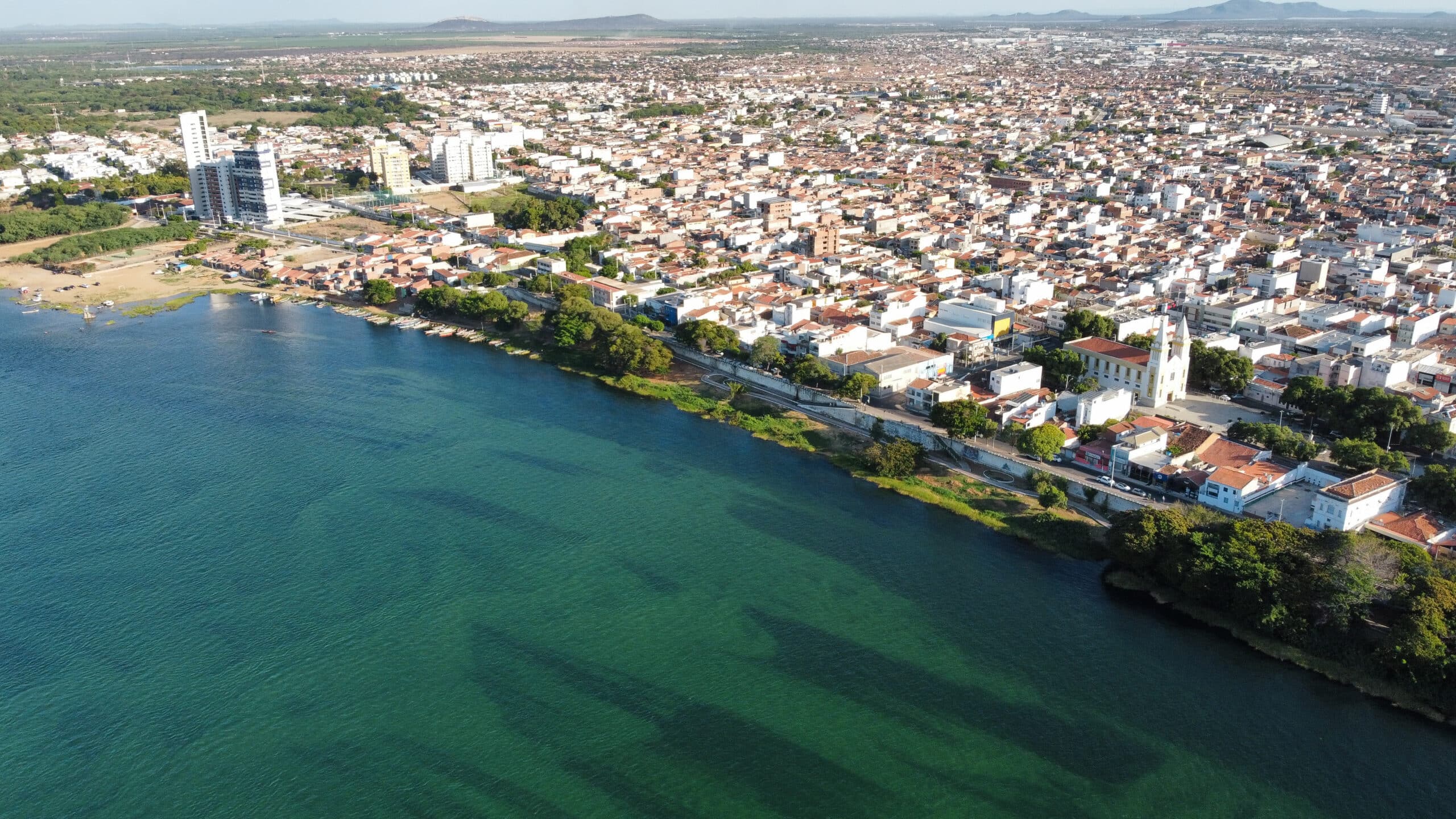
Juazeiro is a Brazilian municipality located in the state of Bahia, on the banks of the São Francisco River.
Founded on 15 July 1878, it is part of the sub-middle region of the São Francisco river basin and, together with Petrolina (PE), forms the largest urban agglomeration in the Brazilian Semiarid region, which is characterised by a climate with low rainfall.
Juazeiro is known as the Land of the Carrancas, famous figures that symbolise protection on the boats that used to sail down the river.
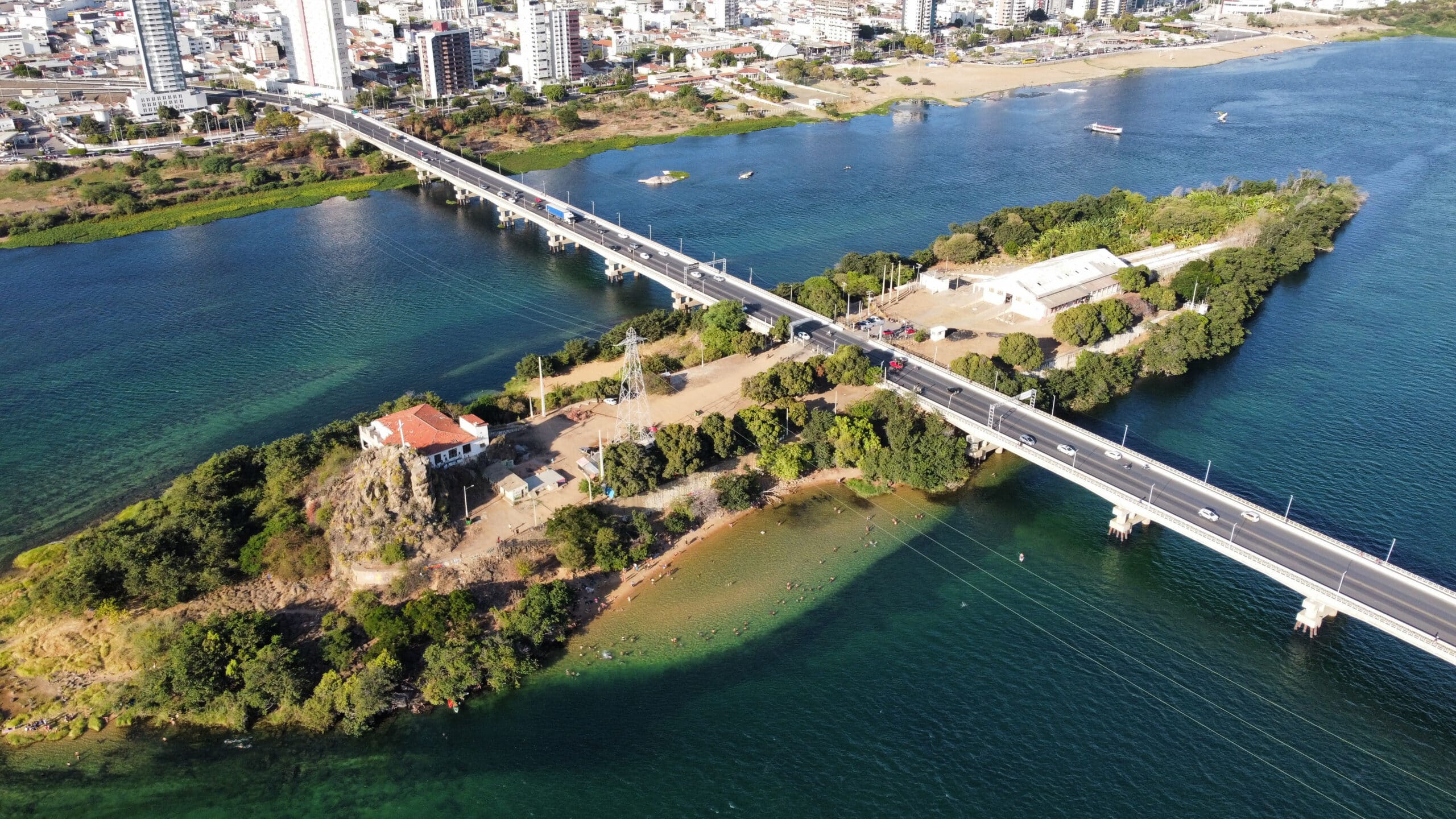
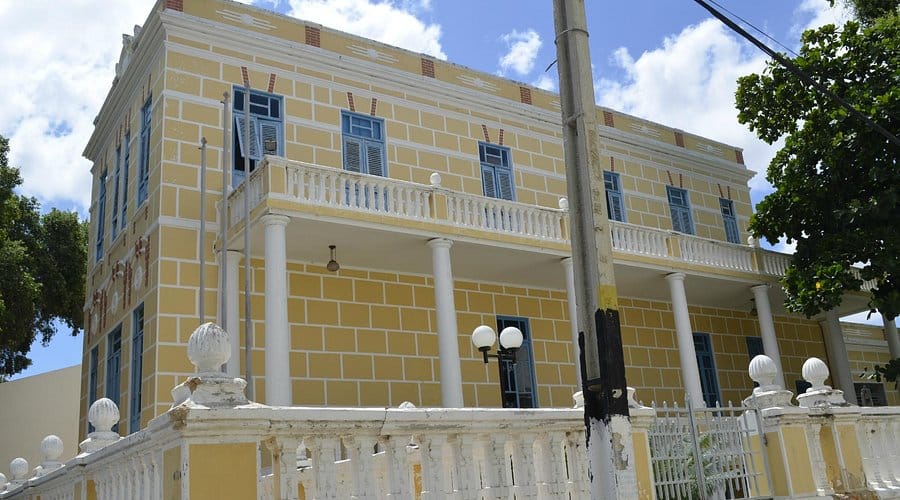
Contrary to the image of a rough place, Juazeiro is a modern city with new buildings and paved streets, as well as a public promenade along the river, ideal for enjoying the sunset.
The river is home to several islands, such as Massanganos, popular for luaus at night, and trails for trekking enthusiasts.

What “Terra das Carrancas” means
The expression “Land of the Carrancas” refers to Juazeiro because of the carrancas, carved wooden figures, usually with human or animal faces, that were traditionally placed on the bow of boats sailing down the São Francisco River.
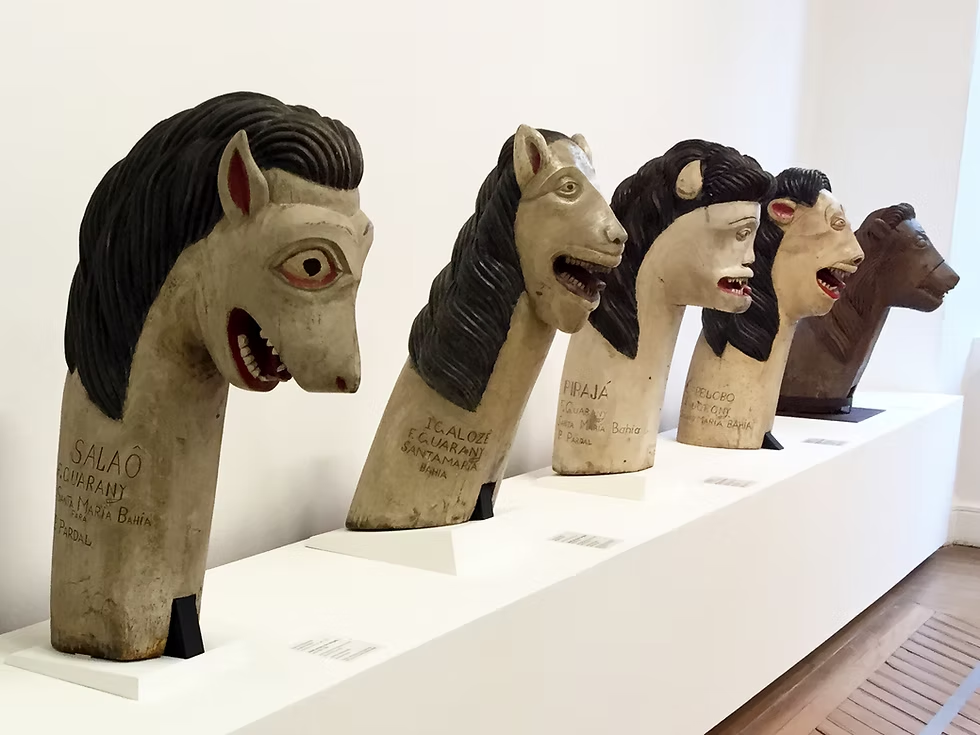
These figures were used to ward off evil spirits and protect navigators during their crossings. The carrancas are a representation of popular culture and local identity, symbolising the relationship of the inhabitants with the river and their traditions.
The title “Terra das Carrancas” therefore emphasises the cultural and historical importance of this element in Juazeiro’s identity, as well as the beauty and uniqueness of the region.
History of Juazeiro
Juazeiro began as an old port for marketers and traders, and its name comes from the juazeiros, the trees of the region.
The city has developed into an agro-industrial centre, with intense export activity, and stands out for its irrigated agriculture, especially in the production of tropical fruits such as mangoes and grapes.
CULTURE
Juazeiro is rich in cultural traditions, with festivals such as the São João Festival, which celebrates northeastern folklore with typical dances and food.
The city is also known for its music, especially styles such as forró and axé, which attract many visitors to local events.
See the map of Lagos de São Francisco
Main attractions
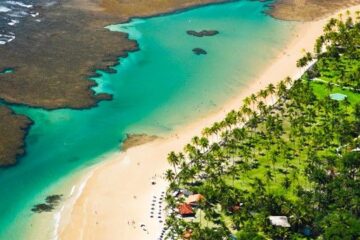
- Rodeadouro Island: Known for its white sandy beaches and visitor infrastructure.
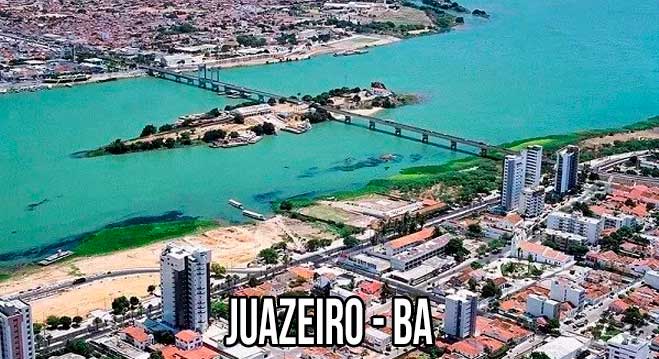
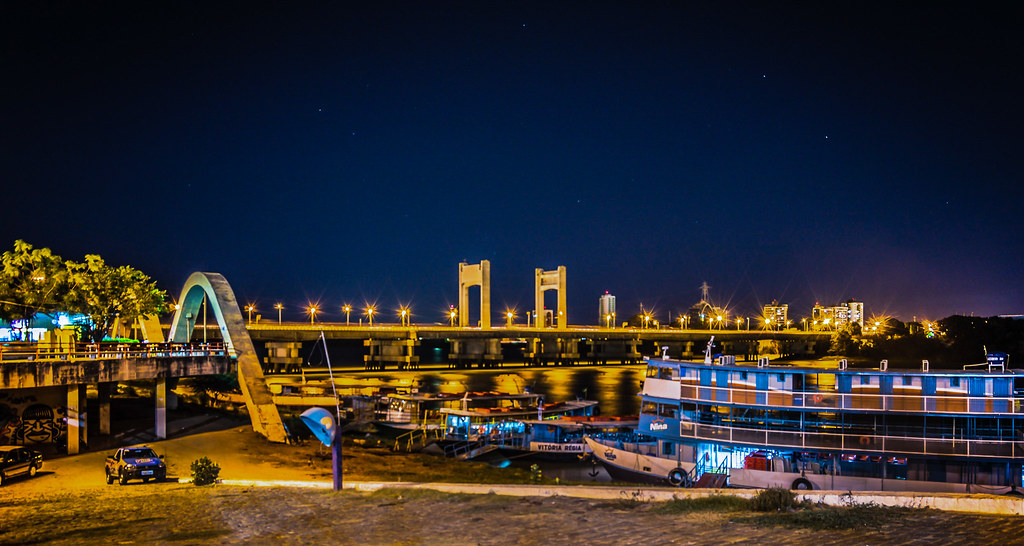
- Ilha do Fogo: Located in the centre of the Eurico Gaspar Dutra Bridge, with a 20m high rock. Ilha do Fogo is located between the municipalities of Petrolina, in the Sertão region of Pernambuco, and Juazeiro.
- Ilha Culpe o Vento: Ideal for wild camping.
- Ilha de Nossa Senhora: Rich in vegetation and popular for its beautiful beaches.
- Salitre Waterfall: A 2 metre waterfall, popular with children.
- Gameleira Waterfall: located in a paradisiacal setting, ideal for jumping.
- Gruta do Convento: With stalactites and stalagmites, perfect for ecotourism.
- Valley of São Francisco: A region of unique natural beauty.
- São Francisco Museum: important for learning about the history and culture of the region.
How to get there
The city is approximately 500 kilometres from Salvador, although this distance can vary. The Petrolina airport, located about 15 kilometres from Juazeiro, is also an option.
Juazeiro is a destination that combines history, culture and nature, offering visitors many options.

Publicações Relacionadas
Tourist attractions for children in Salvador: Fun and learning
Things to Do in Nova Viçosa (Bahia): Beaches, Islands and Abrolhos
History of the Cathedral Basilica of Salvador
Maré Island (Bay of Todos os Santos) — beaches, culture and how to get there
Sempre-Viva: Symbol of Preservation in the Chapada Diamantina
History and sights of Avenida Contorno in Salvador BA
Maraú Peninsula: A Coastal Paradise in Bahia
Caraíva: A rustic and unspoilt paradise in the south of Bahia
Tourist Attractions on the Rio de Contas in Itacaré, Bahia
Main islands of Todos os Santos Bay | Visitor’s Guide
Churches of Salvador: Architectural and Historical Treasures
History and Heritage of Itaparica Island — Bay of Todos os Santos
Find out how to celebrate Carnival in Salvador, Bahia
Church of Nossa Senhora dos Mares (Salvador) — History and Architecture
Dive Sites of Chapada Diamantina: A Guide
Porto Seguro's nightlife: Where to have fun
Church and Convent of Santa Clara do Desterro and its History in Salvador
Santo Amaro da Purificação — History, Culture and Tourism in the Recôncavo Baiano
Blue Fountain in Chapada Diamantina: a complete guide
Bahia Art Museum (MAB): Learn about its history and collection
Belmonte's Rich History and Cultural Heritage
Wine Tourism in the São Francisco Valley Guide
The best places to visit on the Cocoa Coast in Bahia
Best Beaches in Bahia: Your Guide to Paradise
Tourist attractions and architectural heritage of Salvador (BA
Cultura dos Índios Pataxós na Costa do Descobrimento
Ilhéus (BA) — Beaches, Cocoa Plantations and Cultural Itinerary
Barra do Cahy: Brazil's first beach - history and nature
Prado (BA) — Beaches, Cliffs and Whale Watching | Whale Coast
Garcez Beach: Discover Paradise in Jaguaripe
Catabrigas Waterfall — A natural haven in Ibirajá, Itanhém (BA)
Discovery Route in Bahia: History, Culture and Tourism
Discover the 23 beaches of Salvador — A complete guide and tips
Igatu: Explore the 19th-Century Stone Houses
Towns and the Abrolhos Archipelago — The southernmost tip of Bahia
History of the Founding of Salvador, Bahia - History of Brazil
This post is also on:
 Português
  English
  Deutsch
  Español
  Français