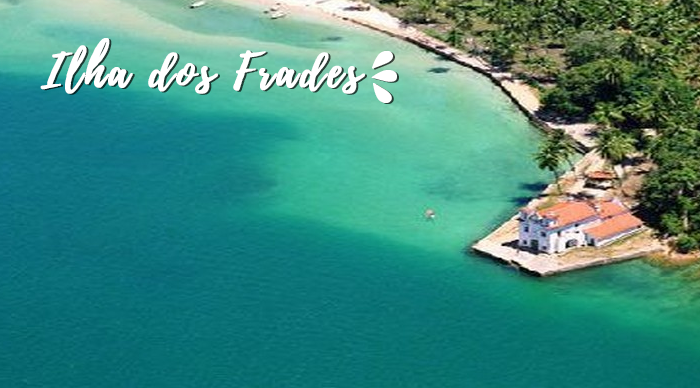
Ilha dos Frades — History, beaches and tourist attractions

Ilha dos Frades: a natural and historical paradise

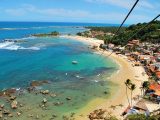
Situated in the heart of Todos os Santos Bay, Ilha dos Frades is famous for its beaches with crystal-clear waters, natural pools, walking trails through the Atlantic Forest and its significant historical heritage. The combination of its landscapes and colonial sites makes the island a perfect destination for those seeking nature, history and tranquillity.

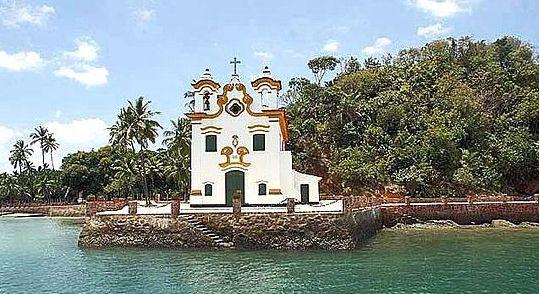
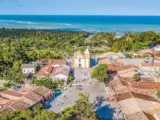
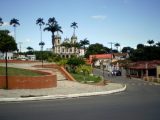
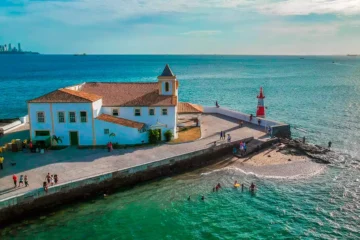
Igreja de Nossa Senhora do Loreto — ponto histórico da ilha
Church of Our Lady of Loreto — a historic landmark on the island

Why visit

  • Beaches with calm waters and natural pools, ideal for snorkelling and family swimming.
  • Atlantic Forest vegetation, coconut groves and protected areas.
  • Historic sites (chapels, ruins of trading posts and a quarantine station) that tell the story of the region’s colonial past.
  • Options ranging from a day trip on a schooner to an overnight stay in simple guesthouses or local people’s homes.

Videos about Ilha dos Frades

Ilha dos Frades - Reportagem
play-rounded-fill

A brief history

Ilha dos Frades preserves traces of the colonial period: 17th-century chapels, ruins linked to the colonial era, and accounts of the presence of religious figures dating back to the early centuries of colonisation. The cultural landscape is interwoven with memories of past economic activities and the sparse settlement that has helped to preserve much of the local natural environment.

Churches and historical remains

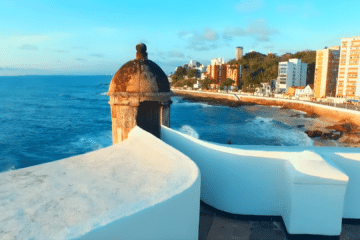
The two best-known chapels are those of Our Lady of Loreto and Our Lady of Guadalupe. The Loreto Chapel, built in the 17th century, is one of the island’s most iconic sights and offers panoramic views of the sea and the coves.The Church of Our Lady of Guadalupe, built in the 17th century, has undergone restoration and refurbishment; it has since been reopened and is currently used for local celebrations and cultural events.Perched on top of a hill, the chapel offers panoramic views of Todos os Santos Bay and remains an important historical and religious site on the island. Nearby, there are also the ruins of colonial buildings (a lazaretto, a trading post and warehouses) which bear witness to the region’s history.

Igreja de Nossa Senhora de Guadalupe na Ilha dos Frades
Church of Our Lady of Guadalupe on Ilha dos Frades

Main beaches

Mapa das praias da Ilha dos Frades
Map of the beaches on Ilha dos Frades

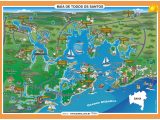
See the map of Todos os Santos Bay

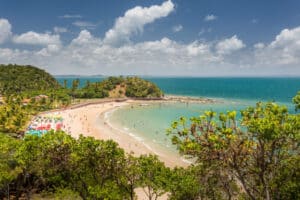
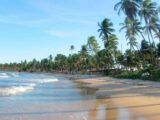
The island has several coves and beaches with clear waters; many of them form natural pools at low tide. Among the most popular are:

Ponta de Nossa Senhora de Guadalupe

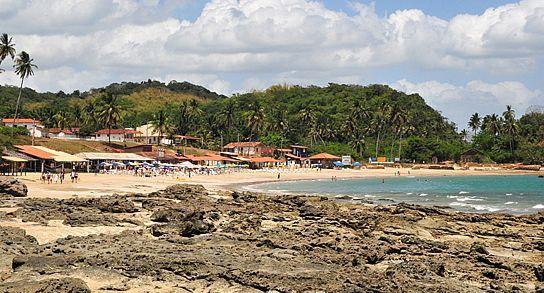
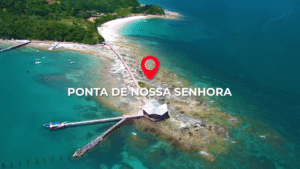
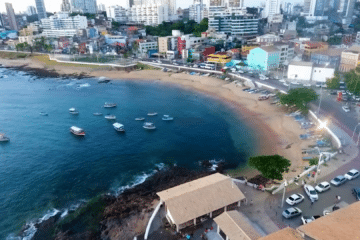
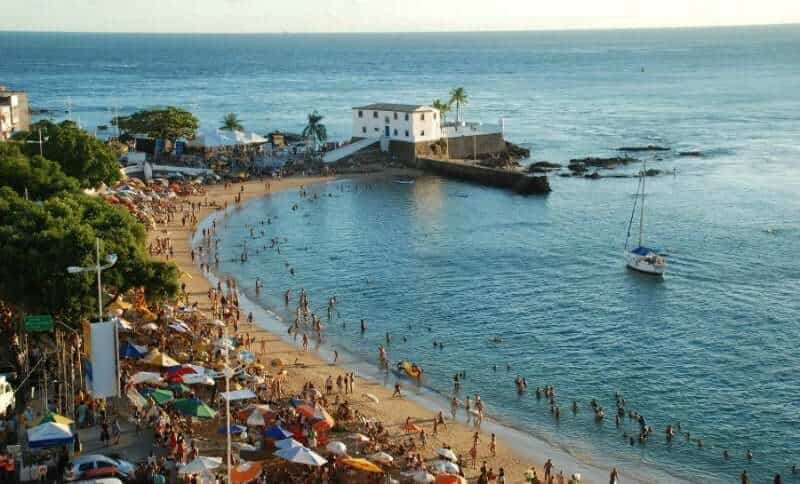
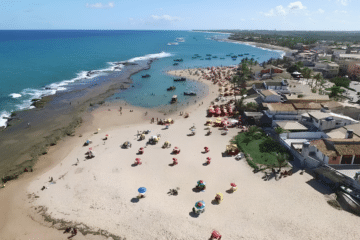
Ponta de Nossa Senhora de Guadalupe is the busiest beach on Ilha dos Frades, known for its calm waters, beach huts and restaurants, and the viewing point next to the Church of Nossa Senhora de Guadalupe. Ideal for families and those seeking comfort by the sea, it is also a landing point for schooners and one of the main gateways for exploring the island.

Ponta de Nossa Senhora na Ilha dos Frades
Ponta de Nossa Senhora on Ilha dos Frades
Praia da Ponta de Nossa Senhora de Guadalupe na Ilha dos Frades
Ponta de Nossa Senhora de Guadalupe Beach on Ilha dos Frades

Loreto Beach

Loreto Beach is notable for its extensive natural pool that forms at low tide, which is excellent for snorkelling and peaceful swimming. Located in the centre of the island, it is home to the charming Church of Nossa Senhora do Loreto and offers easy access to short walking trails and areas of unspoilt vegetation.

Praia do Loreto na Ilha dos Frades
Loreto Beach on Frades Island

Paramanata

Paramana combines a fishing village with white sandy beaches and local beach huts, and is particularly busy at weekends. It is ideal for those who wish to experience the local culture, sample seafood dishes and explore stretches of native forest and natural pools.

Praia de Paramana na Ilha dos Frades
Paramana Beach on Ilha dos Frades

Viração

Viração Beach is an almost deserted haven, popular with visitors seeking peace and quiet and a close connection with nature. With very little infrastructure, it is ideal for those looking for tranquillity, observing marine life in natural pools and taking long walks amongst the coastal vegetation.

Praia da Viração na Ilha dos Frades
Viração Beach on Frades Island

Tobar and Tobazinho

Tobar boasts reefs that form crystal-clear natural pools at low tide, making it ideal for snorkelling and shallow-water diving; from there, short footpaths lead to the secluded Praia do Tobazinho, perfect for those seeking privacy, almost deserted beaches and unspoilt natural surroundings.

Environmental label (Blue Flag)

Some beaches on Ilha dos Frades have been certified by the Blue Flag Programme — an international scheme that recognises beaches and marinas which meet criteria relating to water quality, infrastructure, safety and environmental education. The certification is renewed each season, so please check that it is still valid before making any official announcements.

How to get there

There is no land link: access is exclusively by sea.

  • Schooners and catamarans departing from Salvador (Nautical Terminal/Comércio) — standard tour with stops, lasting between 1 and 1½ hours on average (varies depending on the itinerary and vessel).
  • Boats/water taxis from Madre de Deus — the quickest option if you want to reach specific sections quickly (approx. 20 mins, depending on the departure point).
  • Private speedboats are also an option for those booking a private tour.

Where to stay

Accommodation on the island is limited: there are simple guesthouses, locals’ homes to rent and informal overnight options. Most visitors go on day trips from Salvador; if you wish to stay overnight, book in advance or consider accommodation in Madre de Deus or Salvador.

Facilities and care

Some beaches have beach huts and basic facilities; on others, the infrastructure is almost non-existent. Take essential items with you (water, sun cream, insect repellent, cash) and respect local conservation rules — especially in areas of sandbanks and reefs.

Practical tips

  • Best time to visit: spring and summer usually bring calmer seas and more stable weather, but do check the weather forecast before you travel.
  • Please observe the signs and avoid stepping on corals; do not collect shells or pieces of coral.
  • Choose tour operators and tours that adopt sustainable practices and explain conservation rules.

Frequently Asked Questions (FAQ)

1. Can you go on your own, or is it better to go on an organised tour?

Both options are possible: organised tours (schooner/speedboat) are convenient for those looking for a day trip; travelling independently (setting off from Madre de Deus or hiring a speedboat) allows for greater flexibility. Bear in mind return travel arrangements and local infrastructure when planning.

2. Are the beaches safe for children?

Yes — many coves have calm waters and shallow natural pools, which are ideal for children, particularly at Ponta de Nossa Senhora and Loreto. Always supervise children and keep an eye on the tide.

3. Is it possible to camp on the island?

Occasional camping is permitted, but please check local regulations and safety conditions. Choose authorised sites and do not leave any rubbish behind.

4. Do I need to pay any conservation fees?

Some tours and excursions may charge an environmental fee; please check with the operator before setting off.

Conclusion

Ilha dos Frades combines unspoilt nature, beaches with calm waters and historical heritage. Whether for a day trip or for those seeking tranquillity during a simple overnight stay, the island rewards visitors with beautiful scenery and the chance to experience the Atlantic Forest. Plan your visit carefully and with respect for the environment.

Publicações Relacionadas

Tourist Attractions on the Rio de Contas in Itacaré, Bahia

Learn more about the sloth and its unique characteristics

Cachoeira (BA) — National Monument and Historical Trail

Praia do Forte: A Guide to Bahia's Coastal Paradise

Torrinha Cave: A Speleological Marvel in Brazil

Solar do Unhão & MAM-BA — History, Architecture and a Visit

Main caves in the municipality of Iraquara in Chapada Diamantina

History of the Church of Nosso Senhor do Bonfim in Salvador

Caravelas (BA) — Complete Guide: Beaches, History and Abrolhos

Serra Grande: Your Guide to Bahia's Paradise

Candeias (BA) — history, the festival of Nossa Senhora das Candeias and tourist attractions

Garcez Beach: Discover Paradise in Jaguaripe

Paragliding at Pitinga Beach in Arraial d'Ajuda

Trekking in the Pati Valley in Chapada Diamantina

The History of Lençóis in the Chapada Diamantina — Origins, the Diamond Cycle and Heritage

Towns and the Abrolhos Archipelago — The southernmost tip of Bahia

History of the Convent and Church of Nossa Senhora da Piedade in Ilhéus

Tourist Attractions on the Discovery Coast in Bahia

The Secret History of Salvador, Bahia: Caramuru and the City’s Early Day

Campo Formoso: Explore Caves and Emerald Trade

Lapão Cave: The Ultimate Adventure Experience

Morro de São Paulo: Experience the Unique Attractions

Ponta de Corumbau — an unspoilt paradise on the southern coast of Bahia

Discover the Abrolhos Archipelago: a haven for humpback whales and a biodiversity hotspot

Chocolate Road and trails of the Cocoa Coast - video

Mucuri and Costa Dourada — Beaches, cliffs and ecotourism in Bahia

Lagoa Encantada in Ilhéus: A Preserved Natural Paradise

História da Arte - Caracteristicas, Aspectos e Periodos
Humpback whales in Brazil — characteristics, migration and sanctuaries (Abrolhos)

Iraquara is also known as the "city of caves"

Caraíva: A rustic and unspoilt paradise in the south of Bahia

Taipu de Fora: Discovering Natural Pools

São Desidório: Explore Caves and Biodiversity

Ibicoara: An Unmissable Tourist Destination

Abseiling Sites in Bahia: Top Locations to Explore

Main Towns and Villages in the Chapada Diamantina Region

This post is also on: Português English Deutsch Español Français

Hide picture