Parish of Entre Rios (Bahia)
Entre Rios is a municipality in the state of Bahia, belonging to the Costa dos Coqueiros, one of the tourist regions of the northern coast of Bahia.
Administrative division
The municipality is made up of the following administrative districts, according to state law:
- Entre Rios (headquarters)
- Ibatuí (formerly known as Pondé)
- Subaúma
It used to include the districts of Cambuís and Pastora, which were split in 1962 to form the current municipality of Cardeal da Silva.
In addition to the boroughs, the municipality of Entre Rios has several villages, including Sítio do Meio, Lagoa Redonda, Calçada Nova, Rio Preto, Prata, Capianga, Rio da Caatinga, Pedros, Cincos Estradas, Serraria, Cabuçu, Imbé, Catana I and II, Pedras, Malhadinha, Pimenteira and others.
There are also the seaside villages, Subaúma, Massarandupió and Port de Sauípe.
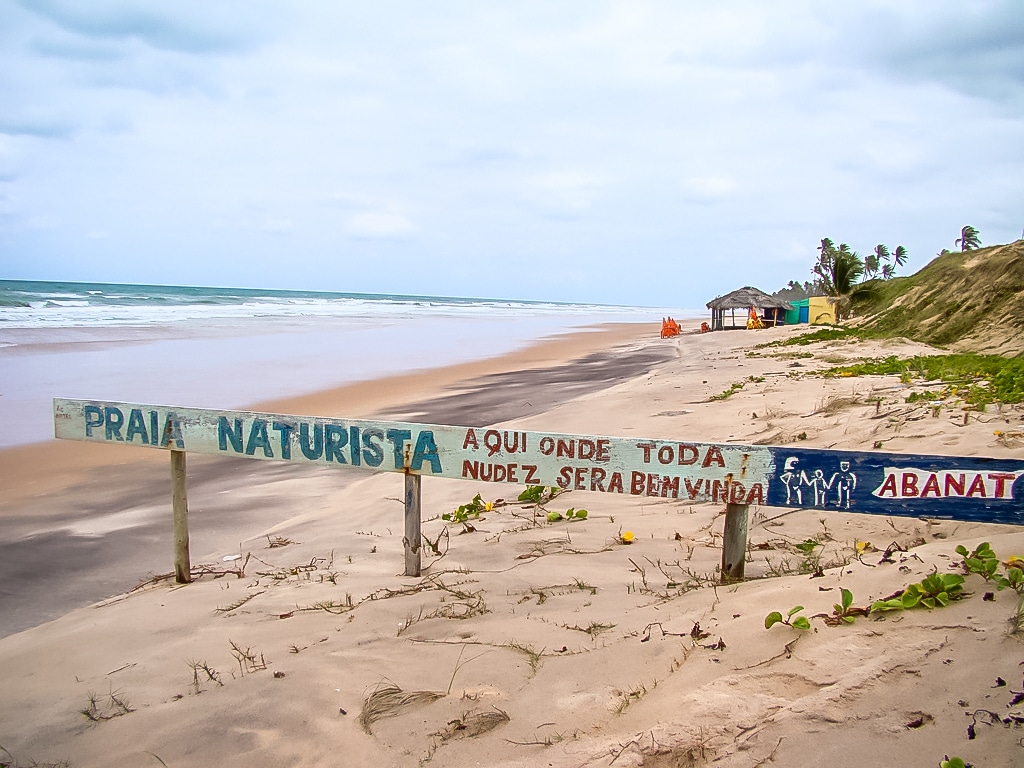
Entre Rios, on the Costa dos Coqueiros, has the first official naturist or nudist beach in Brazil.
Videos about “Municipality of Entre Rios
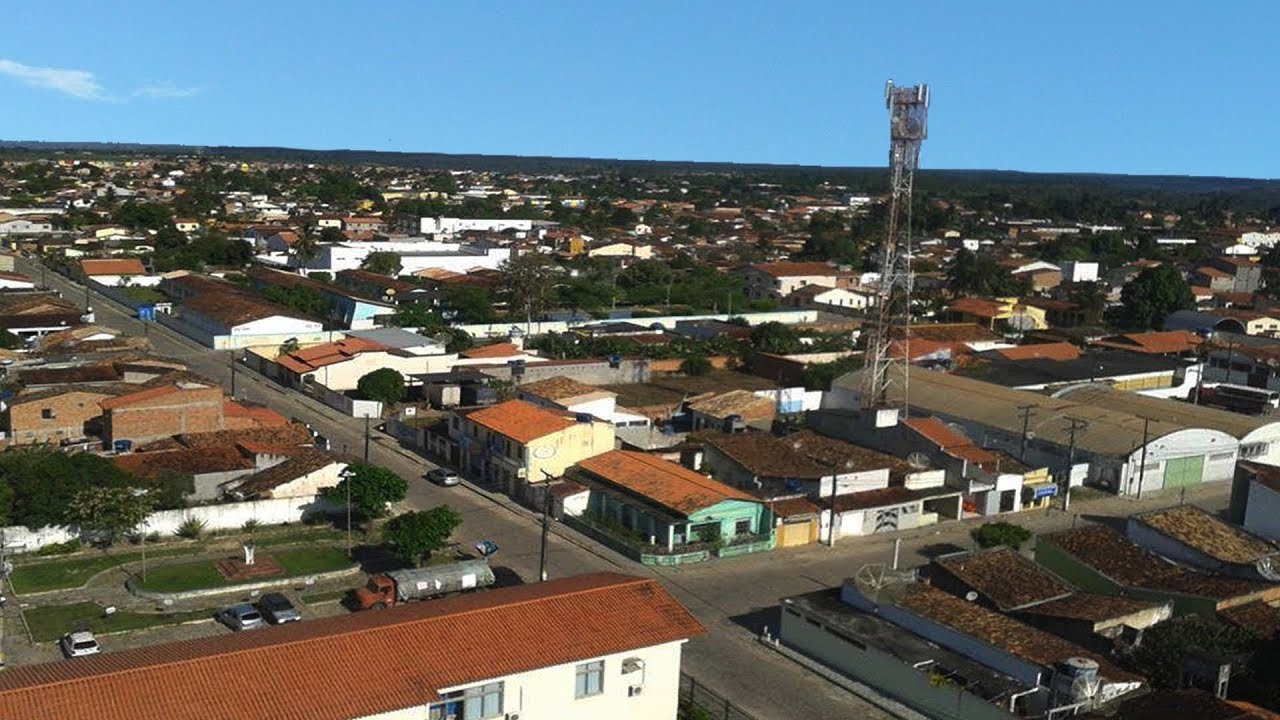
Entre Rios na Bahia04:13

Praia de Subaúma em Entre Rios03:23
Praia de Massarandupió02:02

Praia de Massarandupió - Drone08:34

Ecovila da Mata e praia de Massarandupió11:46

Porto Sauípe em Entre Rios - Drone03:31
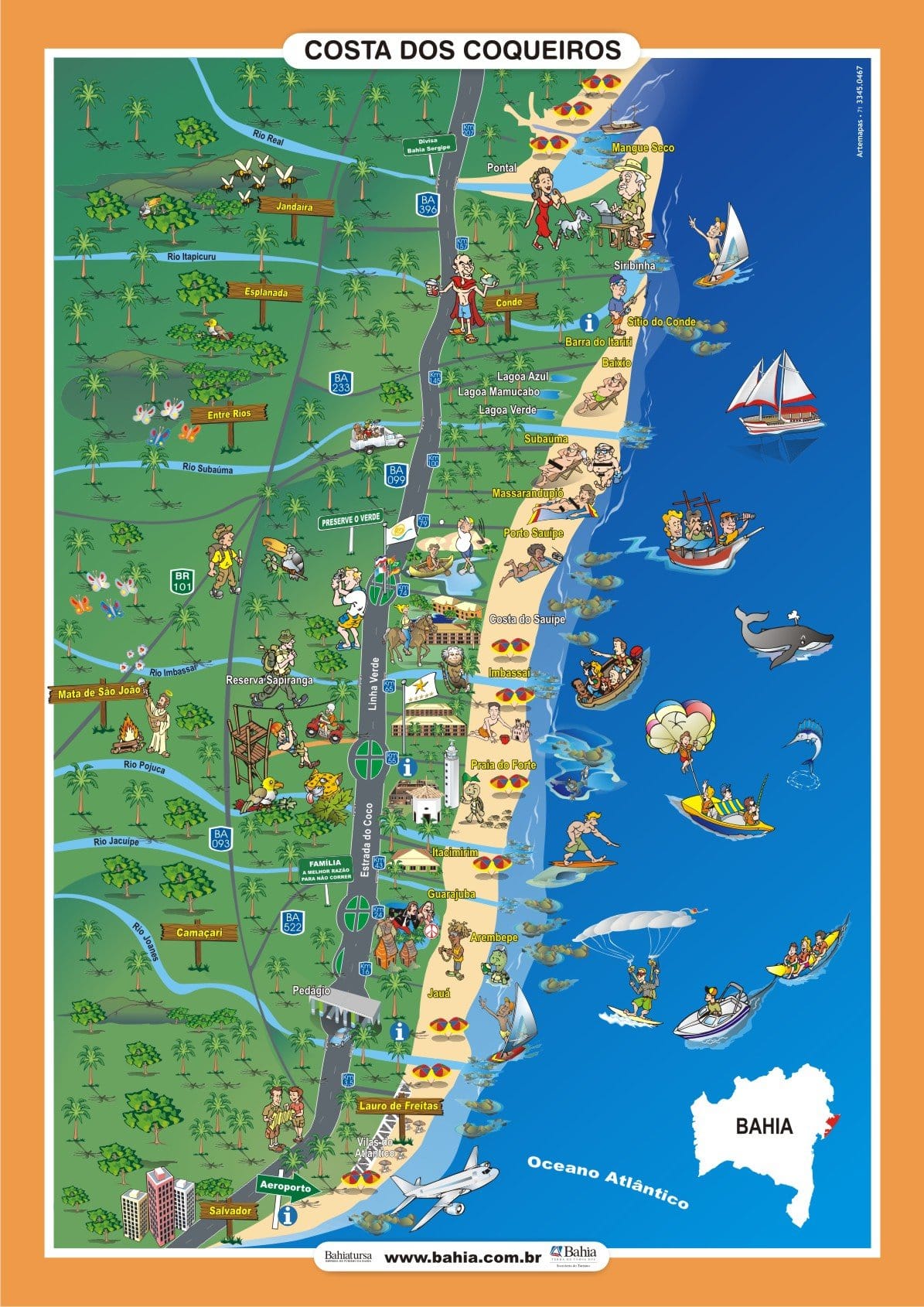
See the map of Costa dos Coqueiros
Beaches of Entre Rios
Entre Rios is part of the Linha Verde tourist route and has some of the most beautiful and unspoilt beaches on the Bahia coast.
1. Subaúma beach
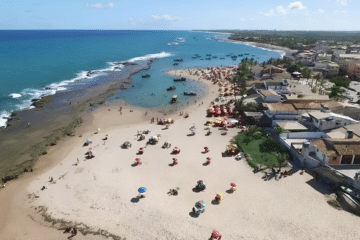
A straight beach with strong waves and fine white sand. It has reefs forming natural pools, coconut trees and holiday houses. Very popular in high season, it has raft hire and public toilets.

2. Entradas beach
A deserted beach with difficult access, located between Subaúma and Massarandupió. It is characterised by fine white sand, dunes and preserved Atlantic forest. Ideal for those seeking tranquillity and unspoilt nature.
3. Massarandupió Beach
One of the most exotic and unspoilt beaches in Bahia, with clear, soft sand, strong waves and exuberant scenery. It has a fishermen’s village and is about 10 kilometres from Linha Verde, with access via a dirt road.
Protected area
- The area is environmentally protected and is one of the nesting sites for sea turtles.
- The beach is framed by high dunes with undergrowth and imposing coconut palms.
- There is a valley with a stream of rusty, unpolluted water that forms natural pools.
Naturist beach
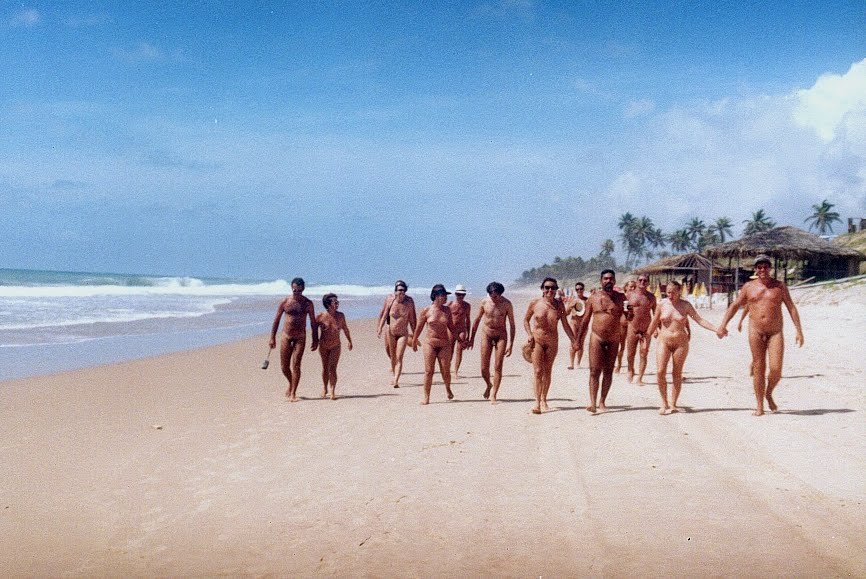
Massarandupió Beach is one of the few officially recognised naturist beaches in Brazil, regulated by the Brazilian Naturist Federation (FBrN):
- Access to the naturist area is via a 200 metre stretch of accommodation, where men must be naked and women can remain topless.
- From there, there are 1,800 metres of freedom, nature, respect and peaceful coexistence.
- Inside the naturist area there are stalls offering typical food, snacks and cold drinks.
- Nudity is allowed and encouraged only in the naturist area and is not tolerated in the village, except in specialised restaurants.

Local Handicrafts
The women of the community produce handicrafts in colourful piassava straw, making bags, hats, mats, sousplats and ventarolas, which are sold directly from the balconies of their homes at affordable prices.
4. Porto de Sauípe
Beach with coconut palms, dunes, rocks on the shore, strong waves and clear sand. It has holiday homes and fishermen’s houses and food stalls.
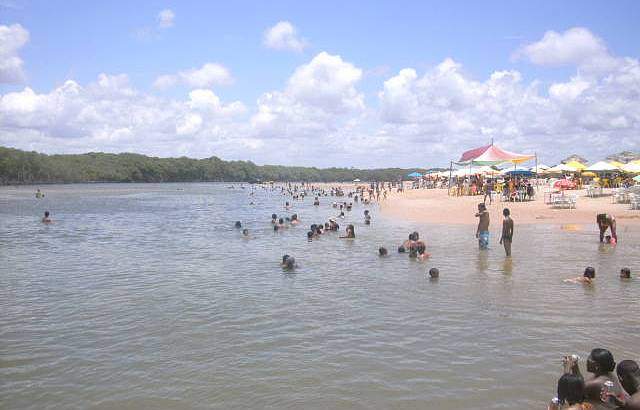
At low tide, the bar of the Sauípe River forms an excellent swimming area – access to the opposite side of the village can be provided by local boatmen.
Great for fishing, with whiting, groupers, reds and bream. The beach is 4 km from Linha Verde, with a paved, winding road.
History of the parish of Entre Rios (BA)
The history of Entre Rios dates back to the 16th century, when its territory became part of the vast holdings of the Casa da Torre de Garcia d’Ávila, one of the largest colonial estates in Brazil, based on the northern coast of Bahia.
However, it is important to recognise that the first inhabitants of the region were the indigenous peoples, who occupied much of the territory of what is now the coast of Bahia long before the processes of colonisation, settlement and exploration of the interior.
Beginning of the colonial occupation
With the arrival of the bandeirantes, the exploration of the Entre Rios territory began. They established their bases along the Joanes, Inhambupe, Itapicuru and Sauípe rivers, among others. These waterways not only gave the municipality its name, but also served as centres of settlement and economic development.
The fertility of the land and the abundance of water contributed to the beginning of agricultural activities and cattle breeding, which became the main economic activities of the region.
Religious foundation and origin of the name
The first step to encourage settlement in the region was the construction of a chapel dedicated to Our Lady of the Pleasures, which gave its name to the parish created in 1848. The name also referred to the Nossa Senhora dos Prazeres de Inhambupe district to which the area originally belonged.
Emancipation and municipalisation
The municipality was separated from Inhambupe in 1872, when it was elevated to the category of village. Over time, the population and economic growth of the area led to it being recognised as an independent municipality in 1911, and officially given the name Entre Rios.
This name is a direct reference to its strategic geographical location, literally between the Inhambupe and Subaúma rivers – watercourses that are fundamental to local history and identity.
Bahia.ws is the largest tourist guide to Bahia and the Brazilian Northeast.
Publicações Relacionadas
Lauro de Freitas — A comprehensive guide to beaches, culture and leisure
Municipality of Conde and its enchanting beaches
The Tamar Project and turtle conservation
Arembepe: beaches (Piruí, Praia do Canto), Hippie Village and the Tamar Project
Jandaíra: Discover the charm of Mangue Seco
The Coconut Coast and its tourism heritage
Mata de São João: An unmissable tourist destination on the north coast of Bahia
Mangue Seco: The Last Beach on the North Coast of Bahia
Praia do Forte: A Guide to Bahia's Coastal Paradise
Subaúma Beach: The Perfect Escape in Bahia
Guarajuba Beach: A Paradise on the North Coast of Bahia
Massarandupió Naturist Beach in Bahia
Camaçari: Industry, History and Natural Beauty
Alameda do Sol — Vila da Praia do Forte (BA) | Things to do
Ecotourism at Timeantube Lagoon, Praia do Forte
Imbassaí Beach: Discover the Best of Bahia
Baixio: Between lagoons, dunes and the charm of a village surrounded by nature
Costa do Sauípe: Discover Paradise in Bahia
This post is also on:
 Português
  English
  Deutsch
  Español
  Français