Published on · Updated on
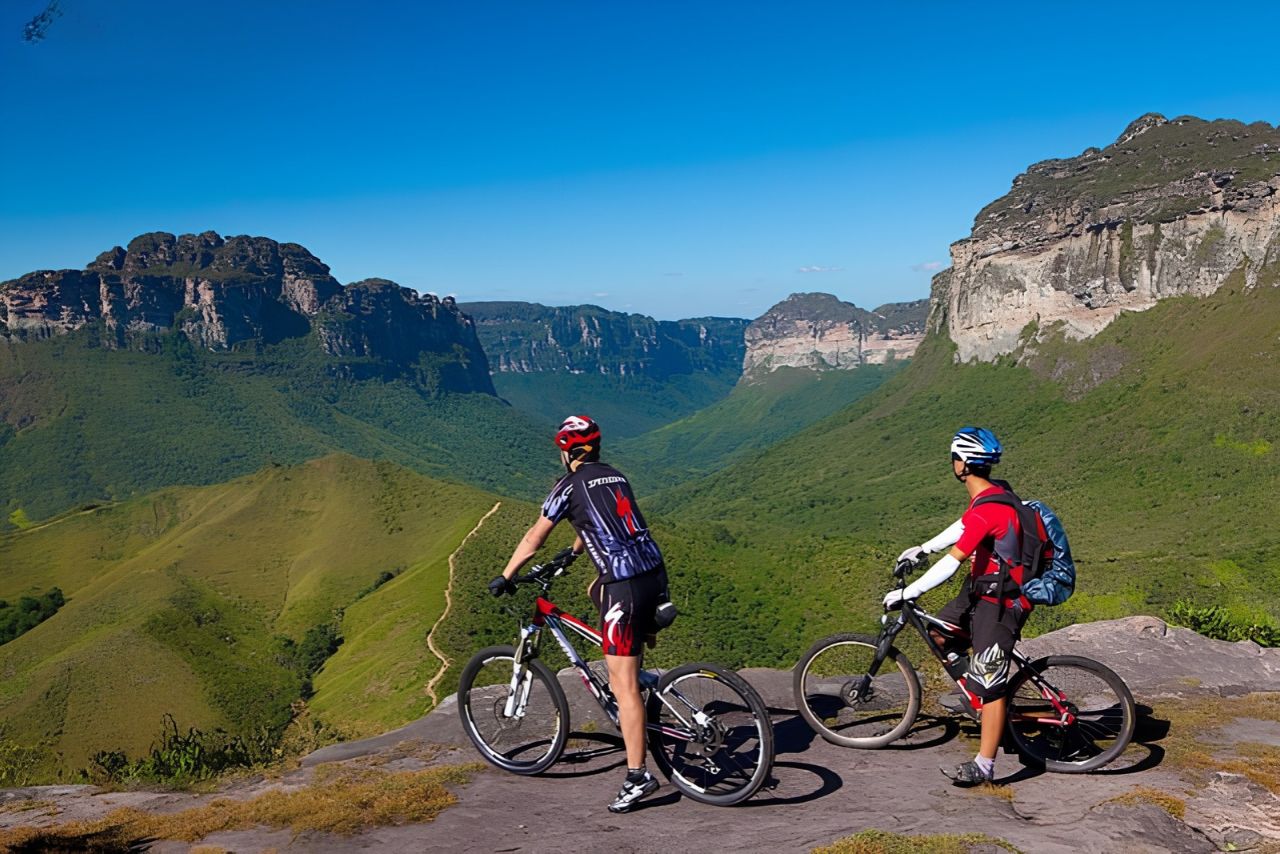
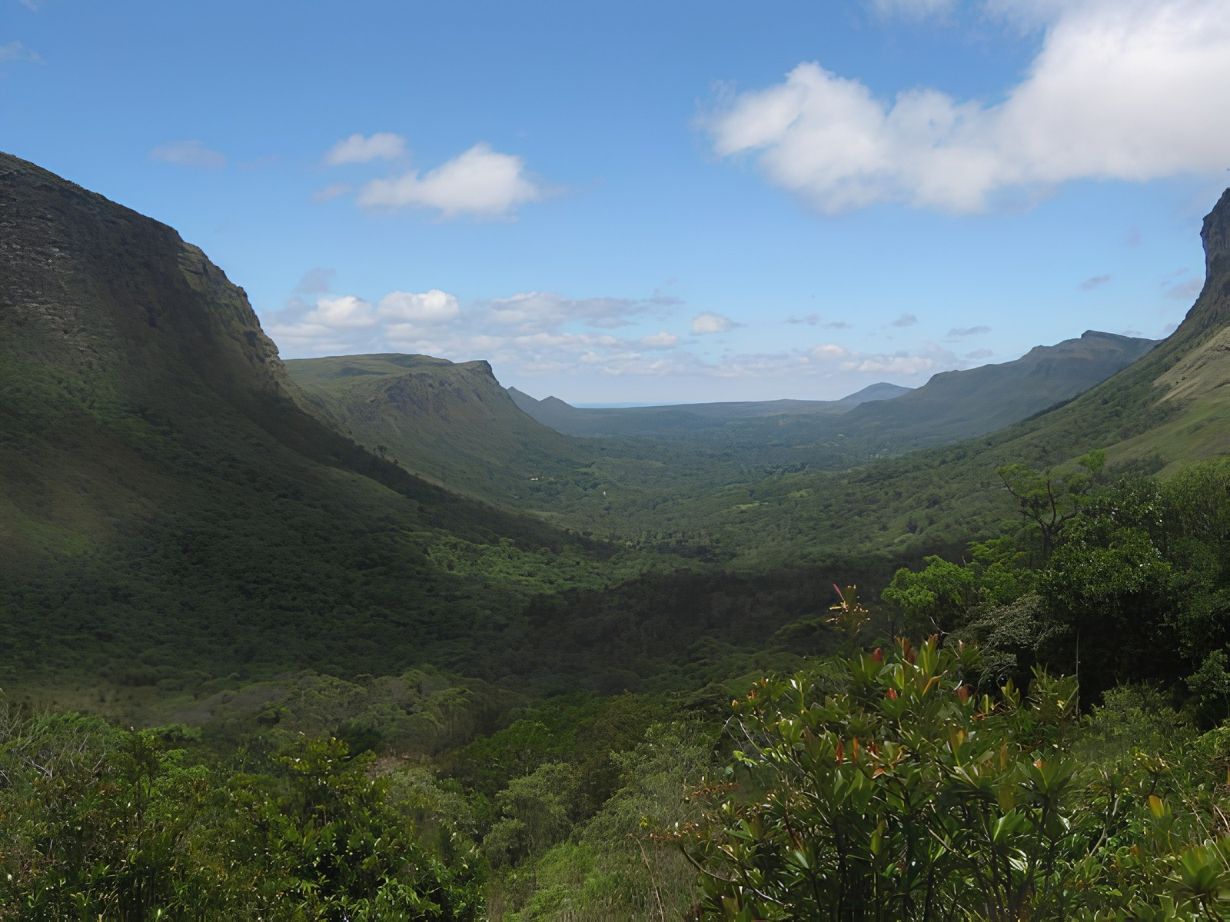
The Vale do Pati (Pati Valley) lies in the heart of the Chapada Diamantina National Park, in Bahia, and is considered by many the most beautiful trek in Brazil. With no roads, it can only be reached on foot, along trails that cross high plateaus, canyons, rivers and waterfalls. In addition, nights are spent in the homes of the valley’s few residents. That is why, in this guide, you will find out how to get there, the main attractions, 2- to 5-day itineraries and tips for planning the crossing.
- Where it is: in the centre of the Chapada Diamantina National Park.
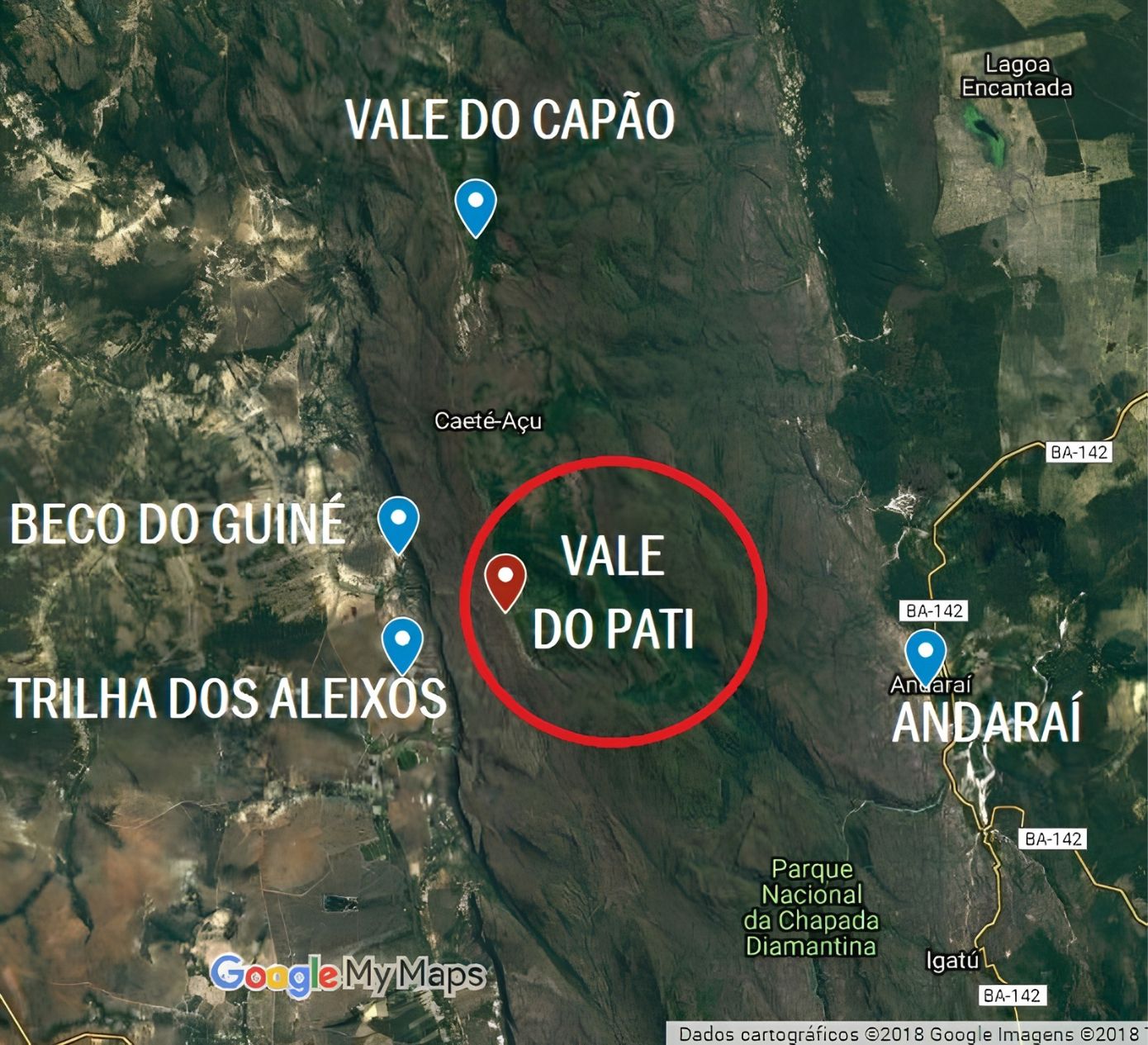
- Access points: Guiné (Mucugê), Vale do Capão (Palmeiras) and Andaraí.
- Duration: usually 2 to 5 days, with 15 to 20 km of walking per day.
- Highlights: Cachoeirão, Morro do Castelo, Funis Waterfall and the Gerais do Rio Preto.
- Accommodation: in addition, nights are spent in residents’ homes, with home-cooked meals.

Where the Vale do Pati is
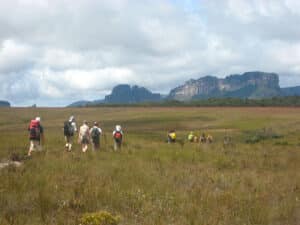
First of all, the Vale do Pati lies in the centre of the Chapada Diamantina National Park, between the municipalities of Mucugê, Palmeiras and Andaraí. In fact, there is no road for cars, and supplies still arrive by mule. All around, the high plateaus known as gerais, such as the Gerais do Vieira and the Gerais do Rio Preto, hold the springs of rivers in the Paraguaçu basin. Thus the landscape mixes rocky grasslands, cerrado savanna, forests on the slopes and quartzite cliffs.
How to get to the Vale do Pati
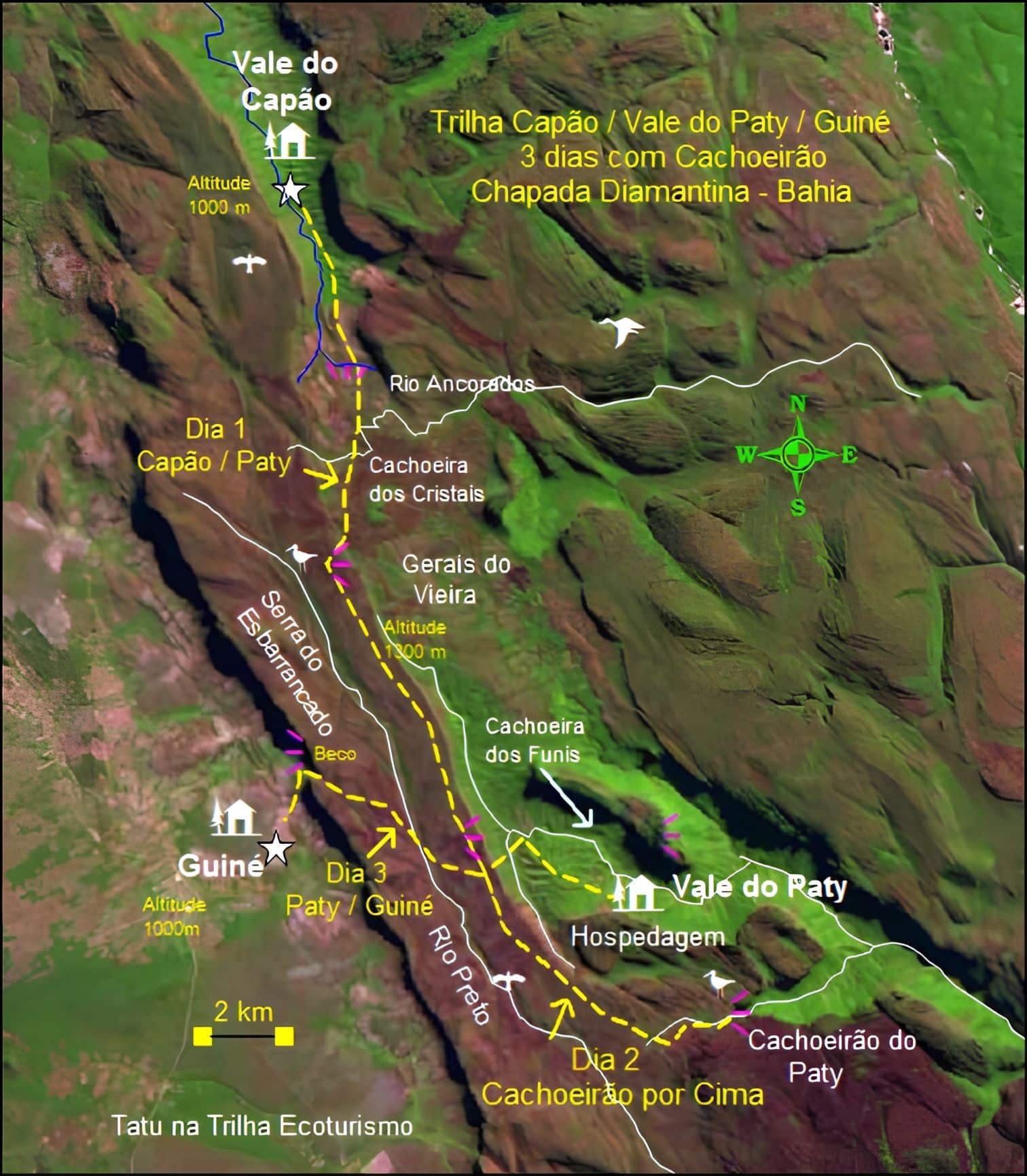
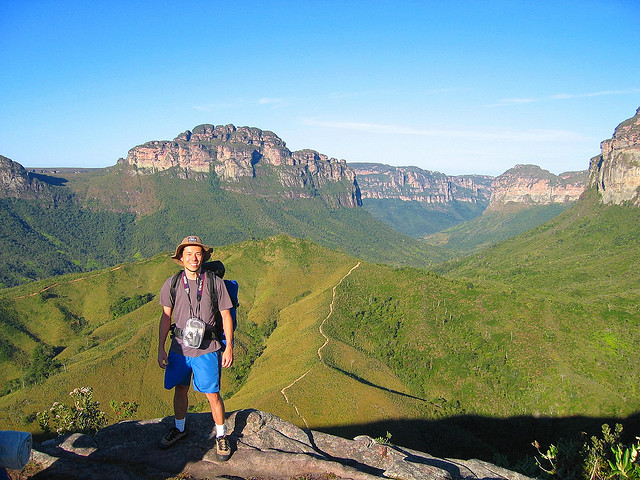
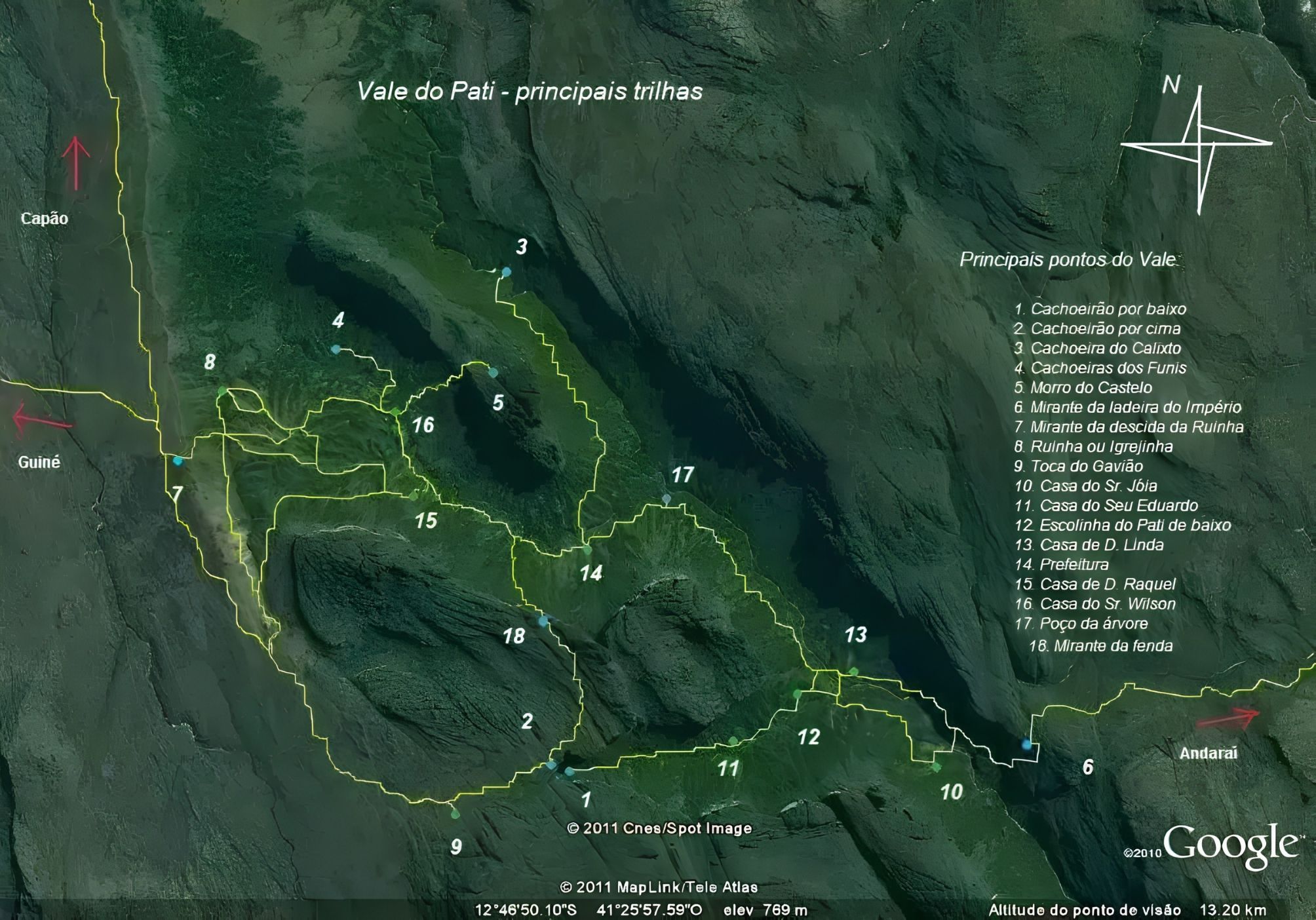
The valley has three main access points: the village of Guiné, in Mucugê; the Vale do Capão, in Palmeiras; and Andaraí, via the Ladeira do Império. In addition, you can drive to Guiné and the Capão; from there on, it is on foot only. In general, the most common route enters through Guiné and exits through Andaraí. However, you can enter and leave by any of the access points, always with many climbs and descents. See the guides to Mucugê, Palmeiras and Andaraí.


Videos about the Vale do Pati

Melhor Logística para o Vale do Pati em 2, 3, 4 ou 5 dias02:00

Trekking no Vale do Pati - Chapada Diamantina09:56

Trekking no Vale do Pati05:13

Cachoeirão na Chapada Diamantina03:29
Gerais do Vieira na Chapada Diamantina

Roteiro de 3 dias no Vale do Pati | Chapada Diamantina
Trekking no Vali do Pati - Logística02:00
Travessia do Vale do Pati02:59

Vale do Pati - Drone08:43
Main attractions of the Vale do Pati
Cachoeirão
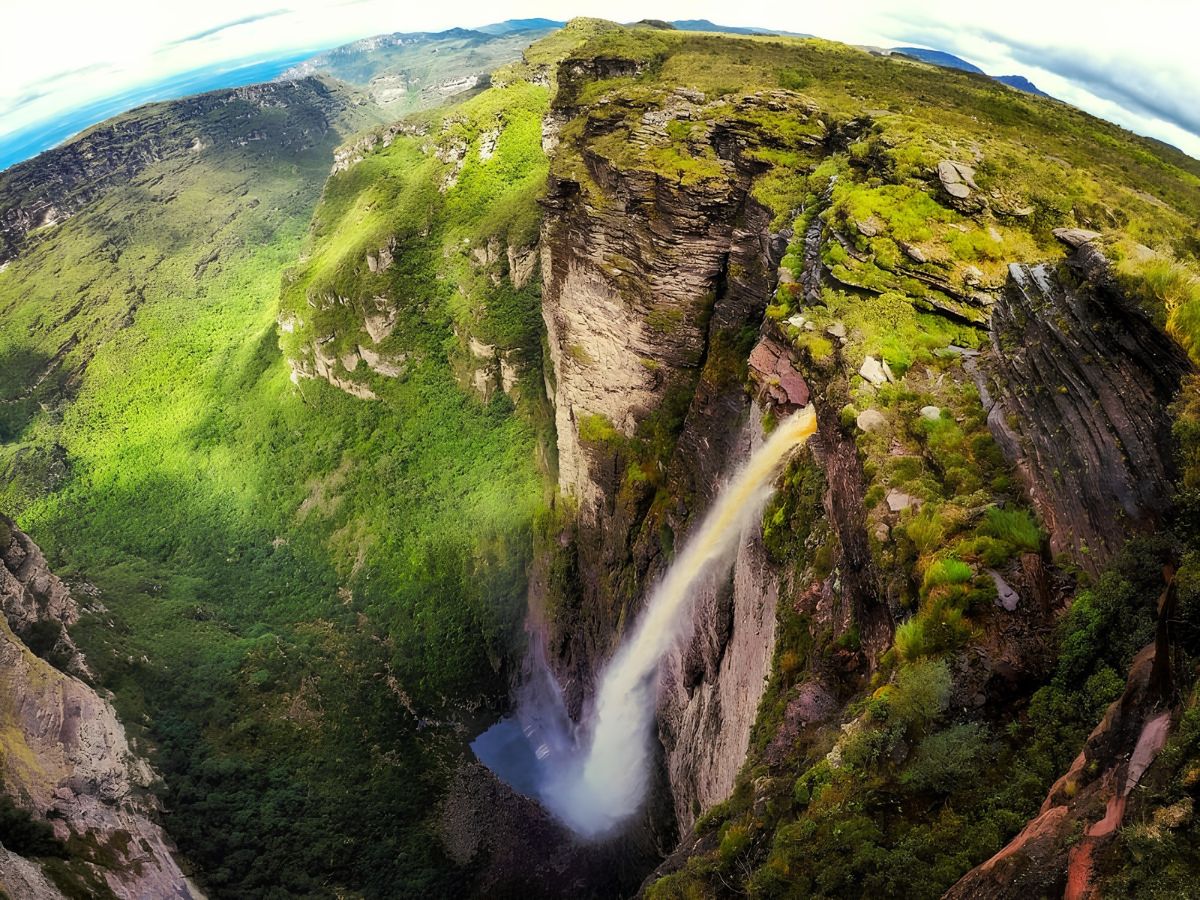
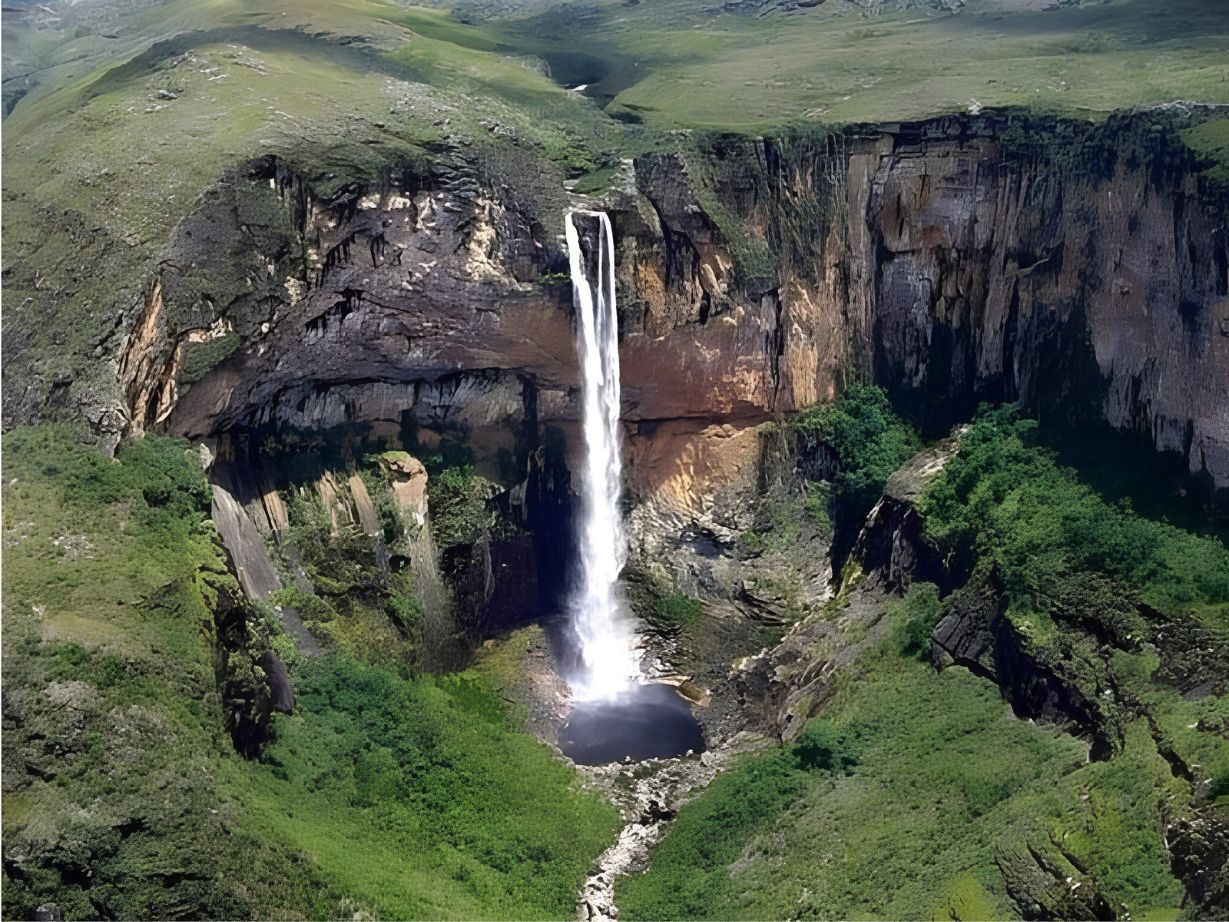
Without a doubt, the Cachoeirão is one of the most famous spots in the valley. It is a huge horseshoe-shaped cliff, about 300 metres high, down which several waterfalls pour in the rainy season. In addition, it can be seen from above, from a viewpoint, or from below, via a trail along the riverbed.
Morro do Castelo
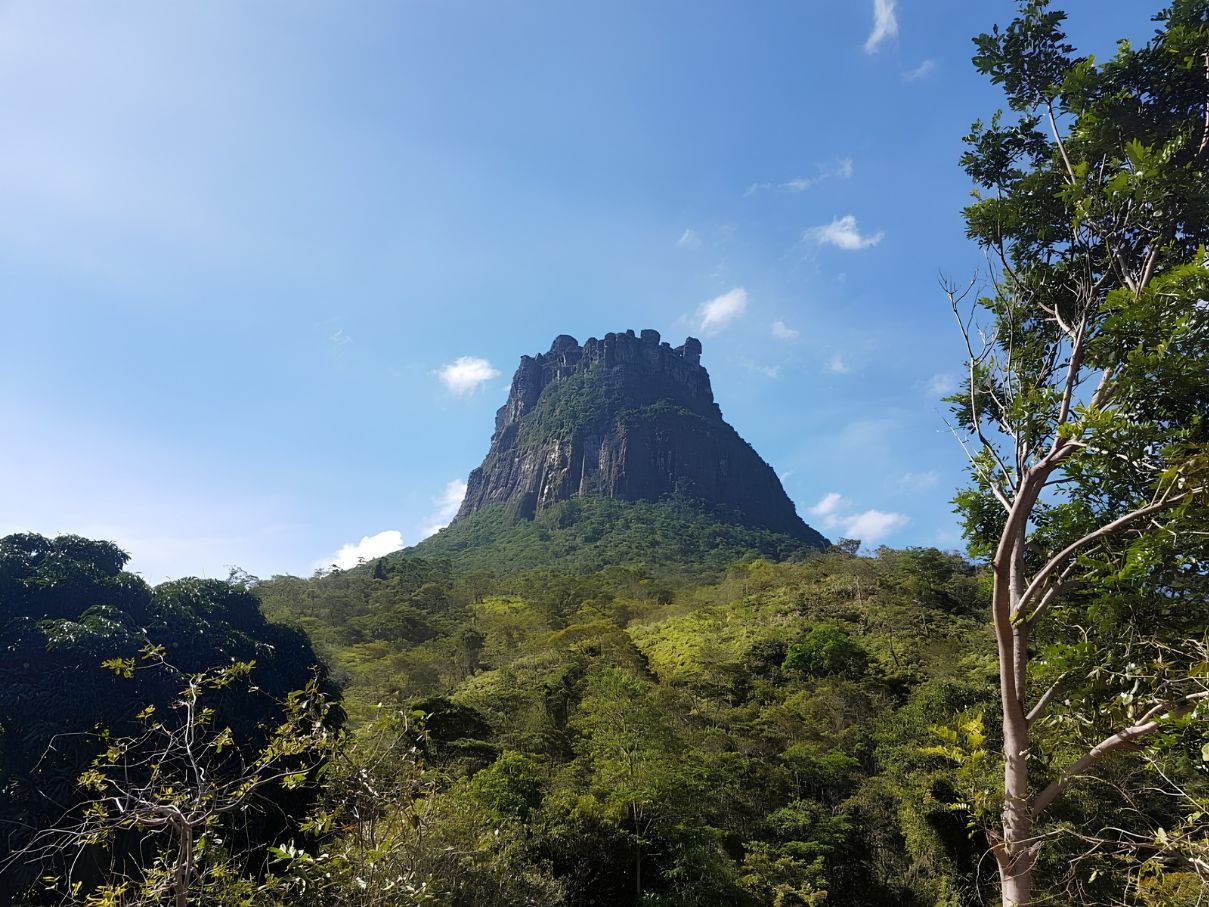
The Morro do Castelo, for its part, has rock formations that look like a castle. In general, the climb is steep, but at the top the trail passes through a cave and reaches a panoramic view of the whole valley.
Funis and Lajeado waterfalls
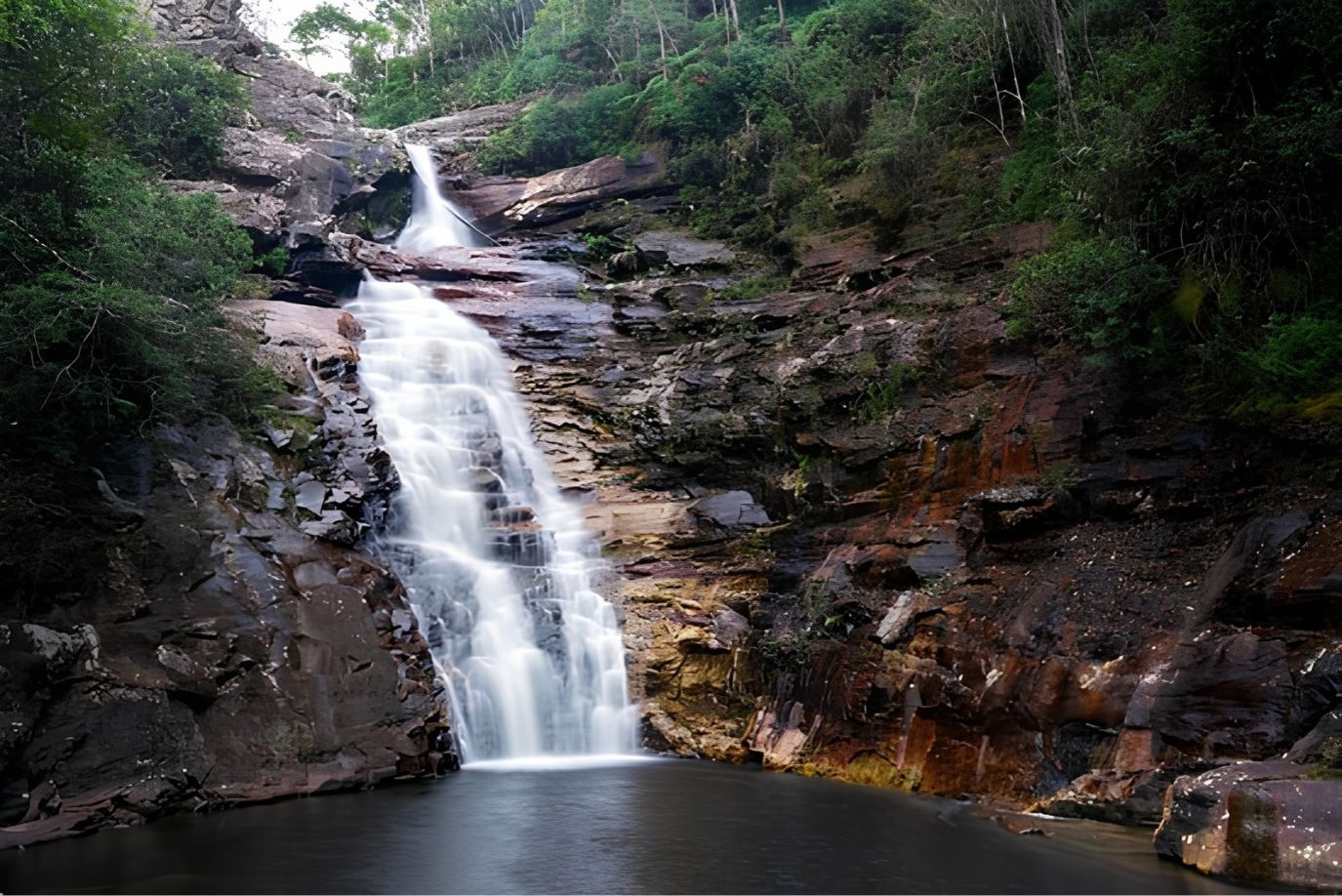
After the long hikes, the Funis and Lajeado waterfalls are great for swimming. There, in fact, the water is tea-coloured, because of the organic matter in the Chapada’s rivers.
Gerais do Rio Preto and Gerais do Vieira
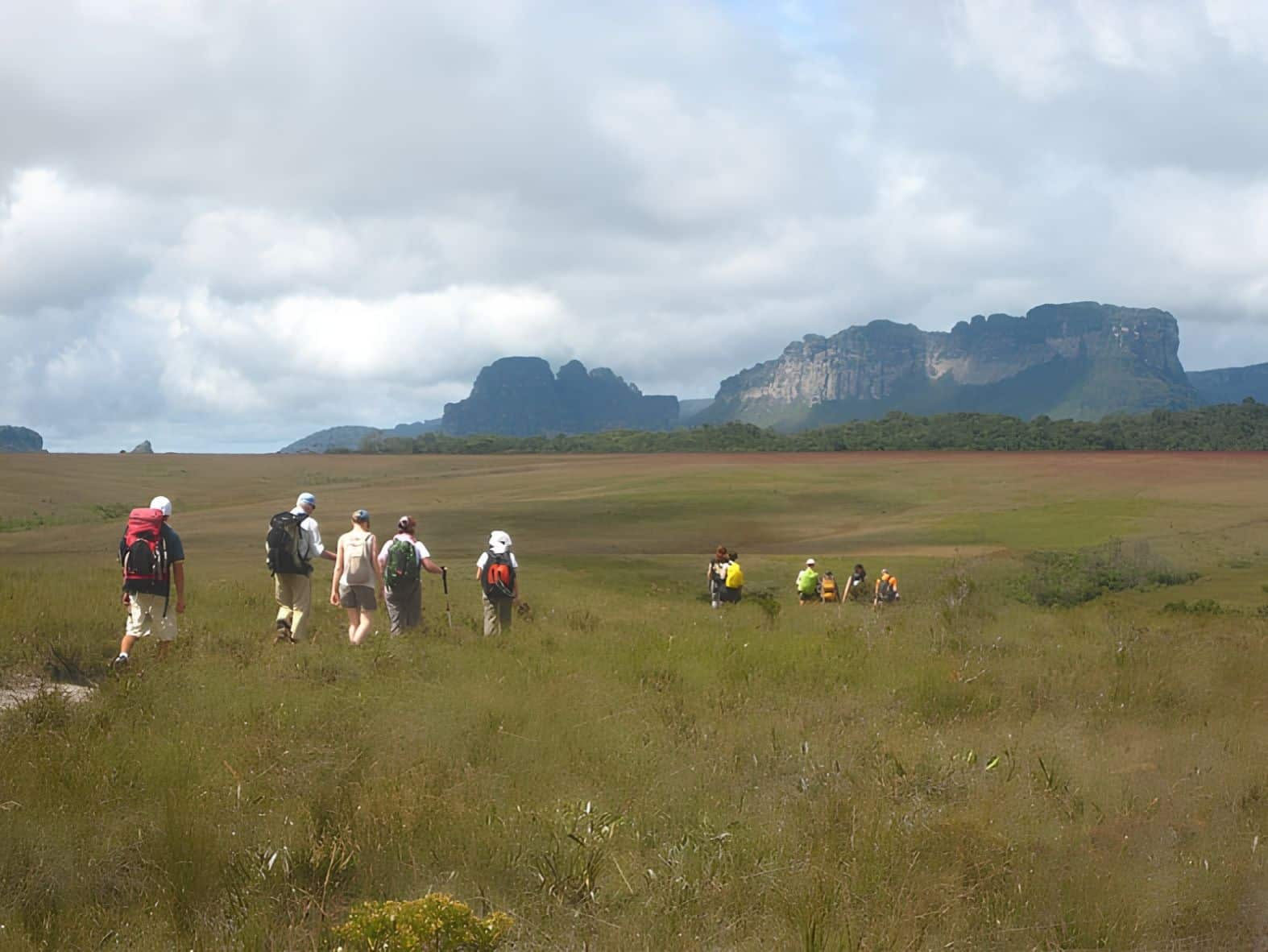
The gerais, in turn, are open high plateaus with grasslands and wide views. The routes into and out of the valley cross them, such as those linking Guiné and the Capão to the Pati. In addition, near the edge is the Mirante do Pati, with one of the most famous views in the Chapada.
Prefeitura and Igrejinha
Finally, at the bottom of the valley, old buildings such as the “Prefeitura” (town hall) and the Igrejinha (little church) recall the time when the Pati had many residents. Today, some of them host hikers overnight.
2- to 5-day itineraries in the Vale do Pati
Vale do Pati in 2 days
For those short on time, the option is to enter through Guiné and leave through the Capão, or the other way round. Thus, on the first day you visit the Cachoeirão, and on the second you walk out across the gerais. Despite being short, the route requires good fitness.
Vale do Pati in 3 days
With three days, you can enter through Guiné, cross the Gerais do Rio Preto and the viewpoint and reach the residents’ houses. Then, on the second day, you visit the Funis, the Lajeado and the Morro do Castelo. Finally, on the third day, you leave through the Vale do Capão, via the Gerais do Vieira.
Vale do Pati in 4 or 5 days
With more time, the crossing usually starts from the Vale do Capão, climbs to the Gerais do Rio Preto and descends to the Pati de Cima (Upper Pati). Then it includes the Cachoeirão from above, the Morro do Castelo, the Funis and the descent to the Pati de Baixo (Lower Pati). Finally, you leave via the Ladeira do Império, a stone path that climbs the mountain and continues to Andaraí. Also see the 7-day route through the Chapada Diamantina.
Difficulty, guides and accommodation
- Difficulty: moderate to hard, with steep climbs, rocks, river crossings and days of 15 to 20 km.
- Guide: highly recommended, since the trails are poorly marked, there is no mobile signal and rescue is difficult.
- Accommodation: in residents’ homes, with simple rooms, shared bathrooms and home cooking.
- Best time: in the dry season, from May to September, the trails are safer; in the rainy season, the waterfalls are full but the paths are slippery.
During the hike, bring water, snacks such as fruit and nuts, sunscreen and light clothing. In addition, use a small backpack, since the overnight stays provide beds and meals.
History of the Vale do Pati
According to residents, the valley gained population in the early 20th century, when families from the surrounding area sought fertile land and water there. Then, with coffee, the Pati reached around two thousand residents, with a church and shops. However, as coffee declined, most families left, and the forest grew back over the old plantations. In 1985, the valley became part of the Chapada Diamantina National Park. Today, few families live there, mainly by hosting hikers. Also read the history of diamond mining in the Chapada.
Before or after the Pati
Many hikers start or end the crossing in the Vale do Capão, home to Fumaça Waterfall and the Riachinho Waterfall.

On the other hand, others end their trip in Lençóis, a base for trips such as Poço Azul.


To plan your trip, see the map of the National Park, the map of the Chapada Diamantina and the map of trails and sights. Also see the most popular trails in the Chapada Diamantina.
Frequently asked questions about the Vale do Pati
How many days do you need for the Vale do Pati?
Usually 3 to 5 days, but there are 2-day routes.
That is why the more time you have, the more attractions you can see.
Do you need a guide for the Vale do Pati?
It is highly recommended, since the trails are poorly marked and there is no mobile signal.
In addition, the guide arranges the overnight stays in residents’ homes.
Where do you sleep in the Vale do Pati?
In residents’ homes, which offer simple rooms and home-cooked meals.
Thus you do not need to carry a tent or food for every day.
How do you get into the Vale do Pati?
Through Guiné, in Mucugê, the Vale do Capão, in Palmeiras, or Andaraí.
The most common route enters through Guiné and exits through Andaraí.
What is the best time for the Vale do Pati?
The dry season, from May to September, has safer trails.
In the rainy season, however, the waterfalls are fuller.

Publicações Relacionadas

Lençóis, Bahia: Origins, the Diamond Cycle and Heritage

Architectural Style of the Chapada Diamantina, Bahia: A Guide

History of the Settlement of the Chapada Diamantina, Bahia

Birds found in the Chapada Diamantina: Exotic Species

Towns of the Chapada Diamantina: where to stay

Vale do Capão: waterfalls, trails and how to get there

Waterfalls in the Chapada Diamantina, Bahia: 5 Worth Visiting

Highest waterfalls in the Chapada Diamantina: top 15

Candombá in the Chapada Diamantina, Bahia: the Flower of Fire

Diamond mining history in the Chapada Diamantina, Brazil

Igatu, the Bahian Machu Picchu: history and what to do

Marimbus: the mini Pantanal of the Chapada Diamantina

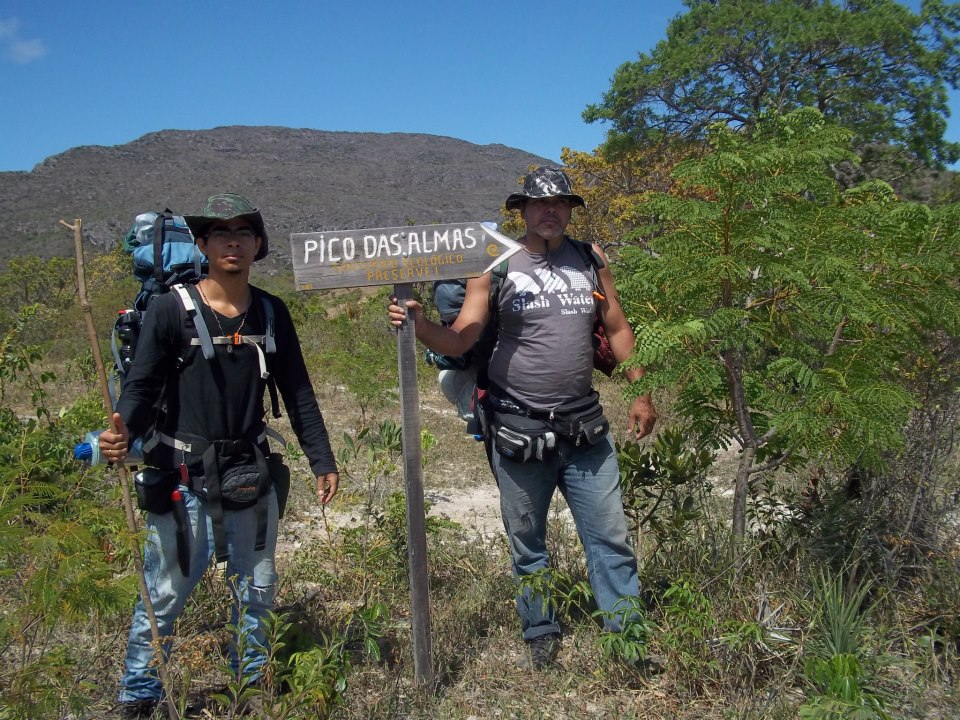
Pico do Barbado, Itobira and Pico das Almas: hiking guide

Sempre-viva flower: the Chapada Diamantina symbol in Mucugê

Snorkeling in the Chapada Diamantina: where to float

Rio de Contas, Bahia: things to do, history and peaks

Piatã, Bahia: things to do in the Northeast’s highest town

Palmeiras, Bahia: Fumaça, Vale do Capão and Pai Inácio

Things to do in Mucugê: Byzantine Cemetery and waterfalls
Morro do Chapéu, Brazil: Brejões cave, Ventura and more

Things to do in Lençóis, Chapada Diamantina: 15 sights

Iraquara caves: Lapa Doce, Pratinha and Gruta Azul

Ibicoara, Brazil: Buracão, Fumacinha and things to do

Andaraí, Chapada Diamantina: what to do and how to get there

Chapada Diamantina 7-day trek: day-by-day itinerary

Poço Azul, Chapada Diamantina: snorkelling and access

Poço Encantado, Chapada Diamantina: sunbeam and visit

Torrinha Cave: routes, aragonite flowers and access

Lapão Cave: 50 m rappel and cave walk near Lençóis

Chapada Diamantina hiking: the 8 most popular trails

Orchids of the Chapada Diamantina: rare species to see

Chapada Diamantina map: complete guide and attractions

Fumaça Waterfall: trails, height and how to get there

Buracão Waterfall: trail, how to get there and tips

Chapada Diamantina relief, fauna and flora: complete guide