History and Tourist Attractions of Lençóis in Chapada Diamantina

Lençóis: The gateway to Chapada Diamantina

Lençóis is the gateway to the Chapada Diamantina. The town was founded when diamond deposits were discovered in Mucugê in the mid-19th century.

At that time, adventurers arrived in large numbers and set up tents that, from a distance, looked like stretched sheets, giving the town its name.

This origin of the name reflects the aesthetics of the place and is inextricably linked to the history of the town and its development during the Diamond Cycle.

Lençóis na Chapada Diamantina
Lençóis in the Chapada Diamantina

The importance of the diamond fields

The diamond deposits were fundamental to the history of Lençóis, marking the beginning of its development and prosperity. During the 19th century, the discovery of these deposits attracted a large number of adventurers and prospectors, transforming the town into a vibrant economic centre.

This Diamond Cycle brought wealth to the region, allowing Lençóis to become the richest city in the Chapada Diamantina. The importance of the deposits is reflected in several aspects:

  • Population Growth: The arrival of people seeking fortune caused the population to grow rapidly, contributing to the formation of the local community.
  • Economic Development: Trade and infrastructure expanded to meet the demands of prospectors and traders, resulting in an active market.
  • Political Influence: The wealth generated by diamonds allowed influential figures such as Colonel Horácio de Mattos to wield significant political power, influencing regional and even federal decisions.
  • Culture and Identity: The diamond era left a lasting mark on the local culture, still visible in the city’s architecture and popular traditions.
  • Decadence and Reinvention: With the depletion of the deposits, Lençóis faced challenges, but also reinvented itself by exploring other economic activities, such as tourism, which is now one of its main sources of income.

The diamond cycle

Lençóis was the richest town in the Chapada during the Diamond Cycle. A French Consulate was even established there to facilitate the export of the precious stones.

However, when the deposits were exhausted, Lençóis fell into decadence, surviving on the extraction of carbonates and having to put up with the excesses of the colonels, who provoked major conflicts in the region.

Conflicts and influence

The most famous of these was Colonel Horácio de Mattos, who had great political influence, including with the Federal Government.

Culture and festivities

The architecture of Lençóis preserves the memory of its opulent past. Folkloric events have a prominent place; the liveliest are the June Festivals, held in public squares, with shows, cavalhadas, forrós and quadrilhas.

Winter Festival

The Lençóis Winter Festival features performances by renowned artists and is free of charge.

The shops, restaurants, bars and main services are concentrated in the streets near Lençóis’ Main Square, where the forró takes place.

LENÇÓIS NA CHAPADA DIAMANTINA
LENÇÓIS IN THE CHAPADA DIAMANTINA

Videos about Lençóis in Chapada Diamantina

Lençóis na Chapada Diamantina
play-rounded-fill

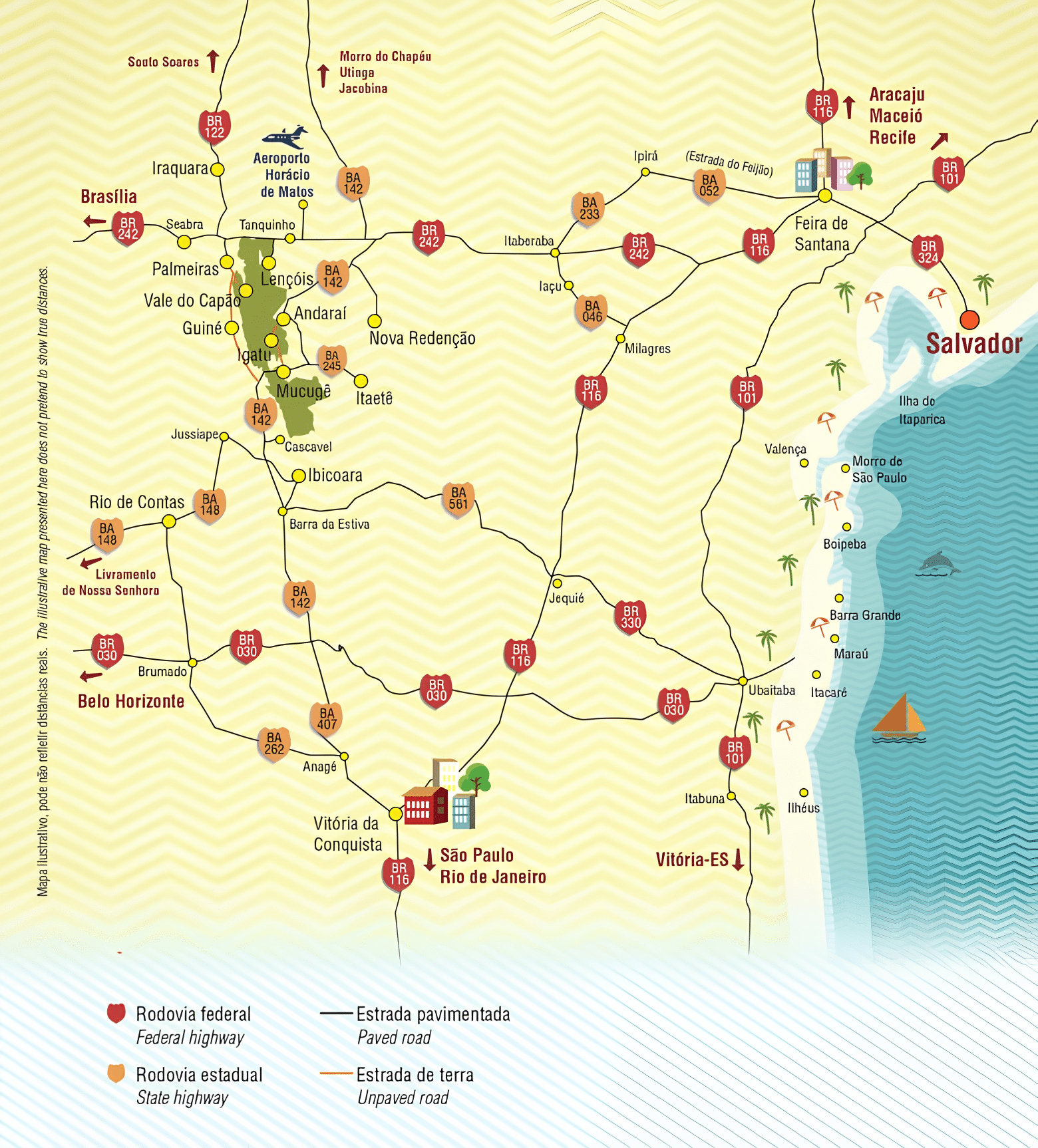
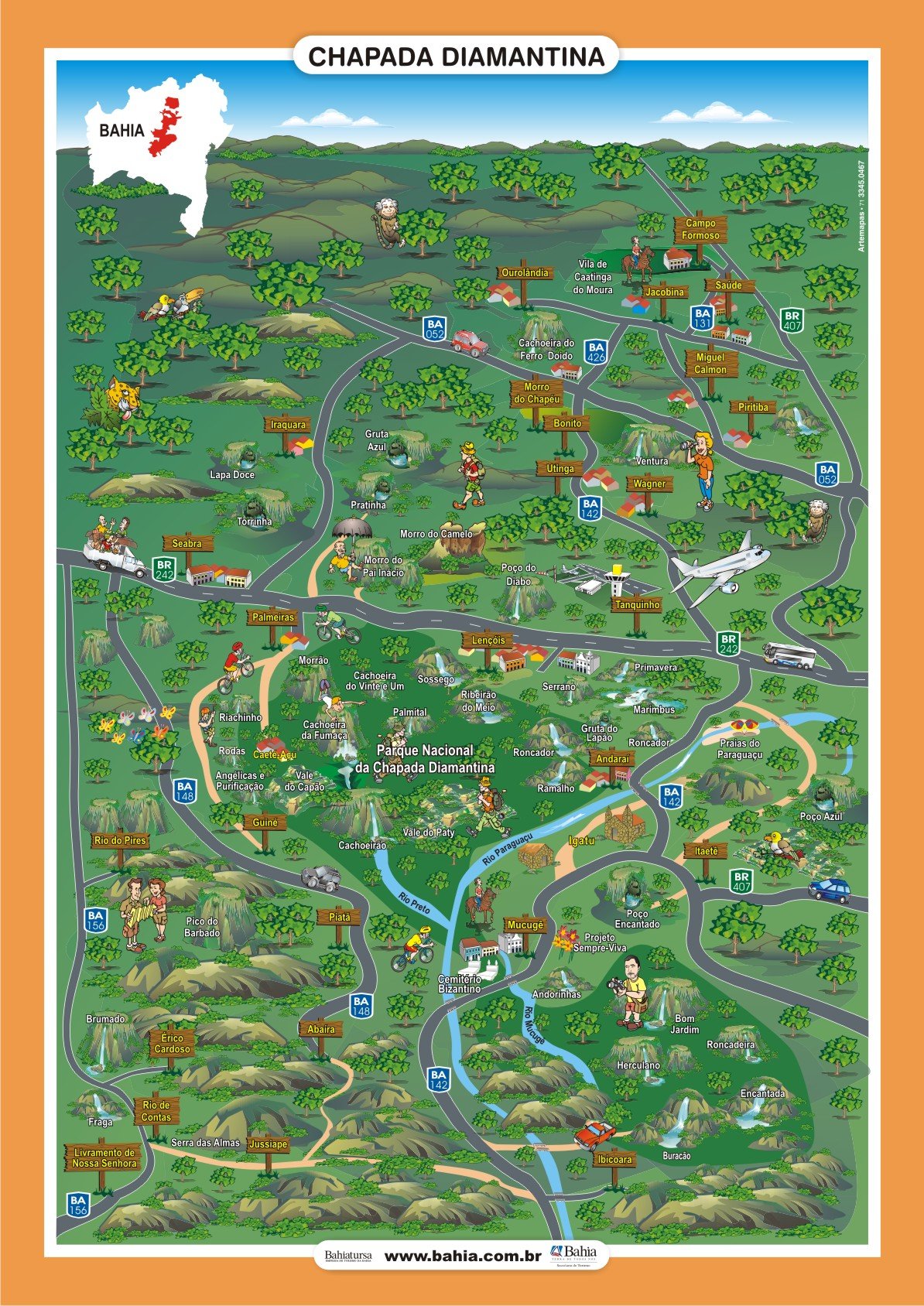
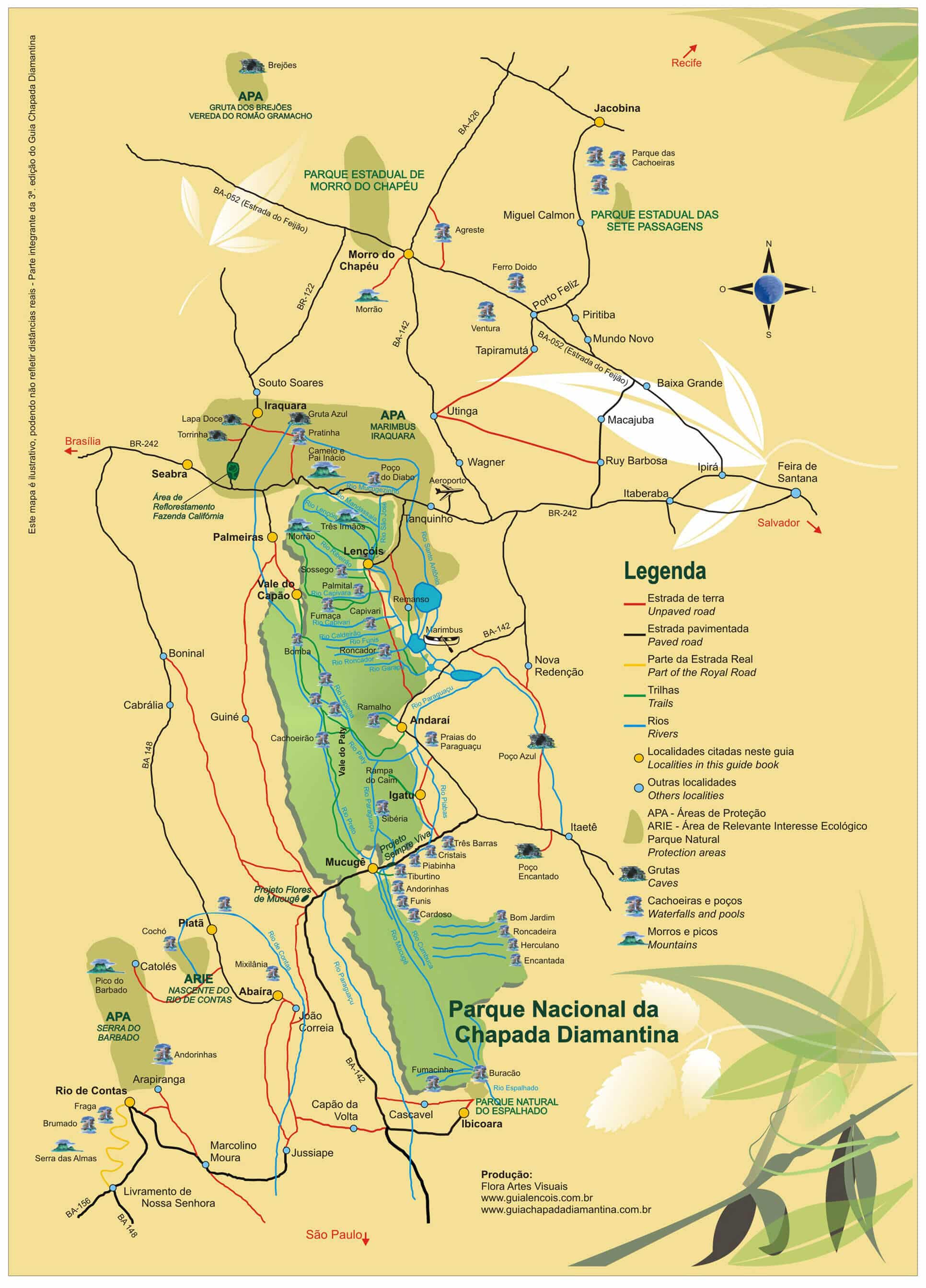
Map of Chapada Diamantina

Map of trails and tourist sites in the Chapada Diamantina

History of Lençóis in Chapada Diamantina

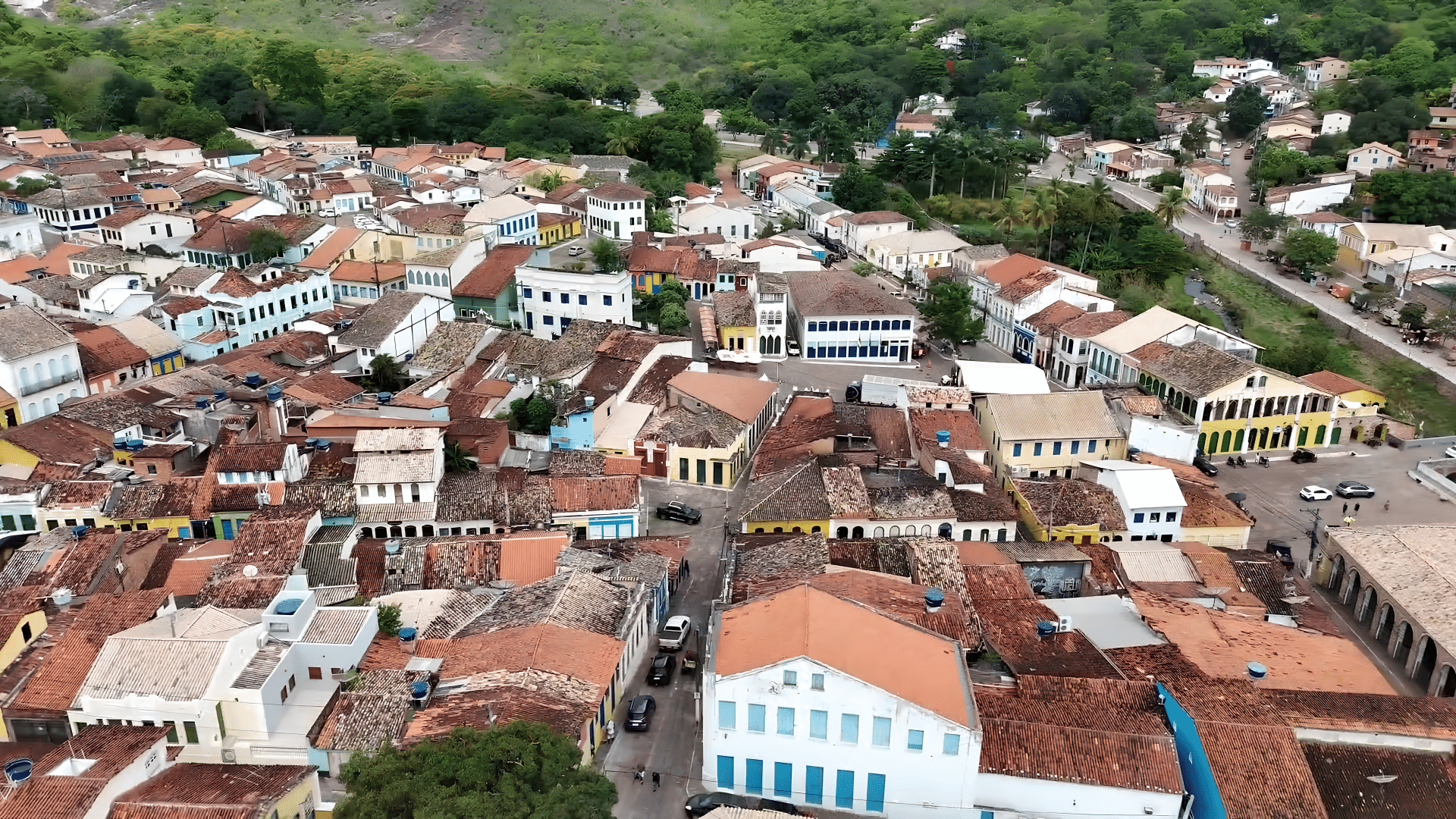
The architectural and landscape ensemble of Lençóis was declared a Historic-Artistic Site by IPHAN in 1973. The city is located in the central-western region of Bahia, in a natural amphitheatre on the eastern slope of the Serra do Sincorá.

Heritage features

The complex is very rich and interesting, having preserved many of its original features, and is situated in a mountainous region, in the area of the Chapada Diamantina National Park, famous for its stunning natural beauty. There are 570 properties in the protected area.

Economic boom

The cultural heritage of Lençóis portrays the economic heyday of the cities of the Chapada in the 19th century.

Between 1845 and 1871, it was the world’s largest producer of diamonds and the third most important city in Bahia, becoming a trading centre for the export of mineral products to Europe and the import of luxury goods, to the point where a French Vice Consulate was installed in the city to facilitate trade with that country.

Urban development

In a period of rapid development, the first sobrados and more elaborate buildings appeared in the city.

Its architectural collection is mainly made up of houses and sobrados from the second half of the 19th century, built using different techniques, among which the use of adobe or stone predominates, as well as independent wooden structures with damped earth seals.

Characteristics of the houses

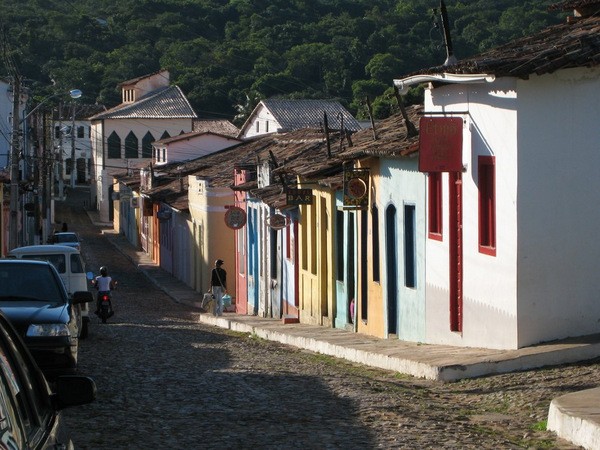
These houses are characterised by the bright colours of their brickwork and window frames. Civil architecture is more important than religious architecture, and there is no single dominant monument in the listed complex.

Settlement formation

This group corresponds to the entire urban area of the city, due to the topography and lack of planning in the typical occupation of mining centres of the 18th and 19th centuries.

The city was formed from two centres: Serrano and São Félix, where diamond mining began at the same time and which were later merged into a single urban area.

Development of the centres

The centre of Serrano was located on a high point on the bank of a river rapids, and as the settlement consolidated it moved towards the present Praça Horácio de Matos, with its gentler topography, to join the other centre on the opposite bank of the river.

Colonial street layout

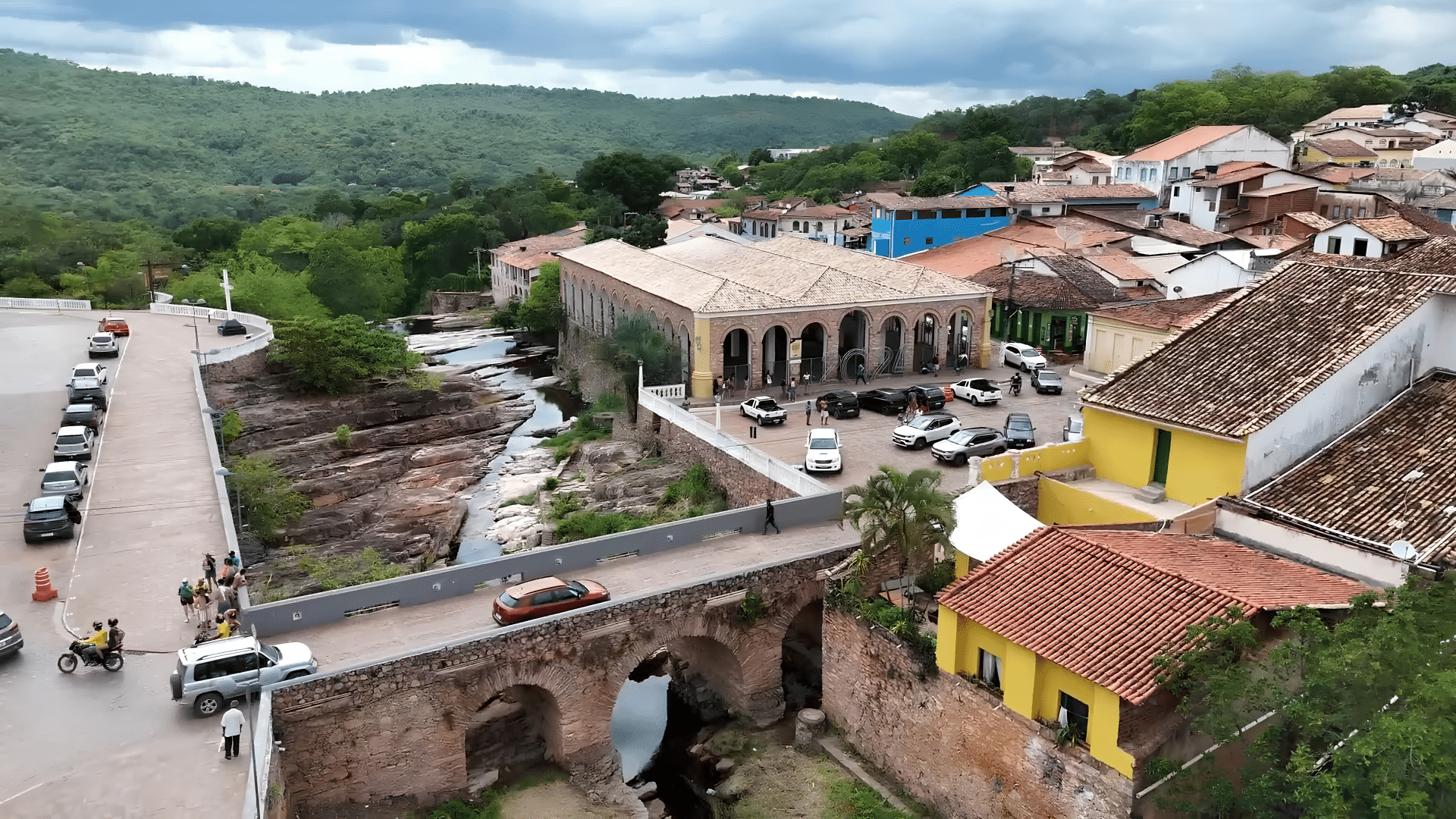
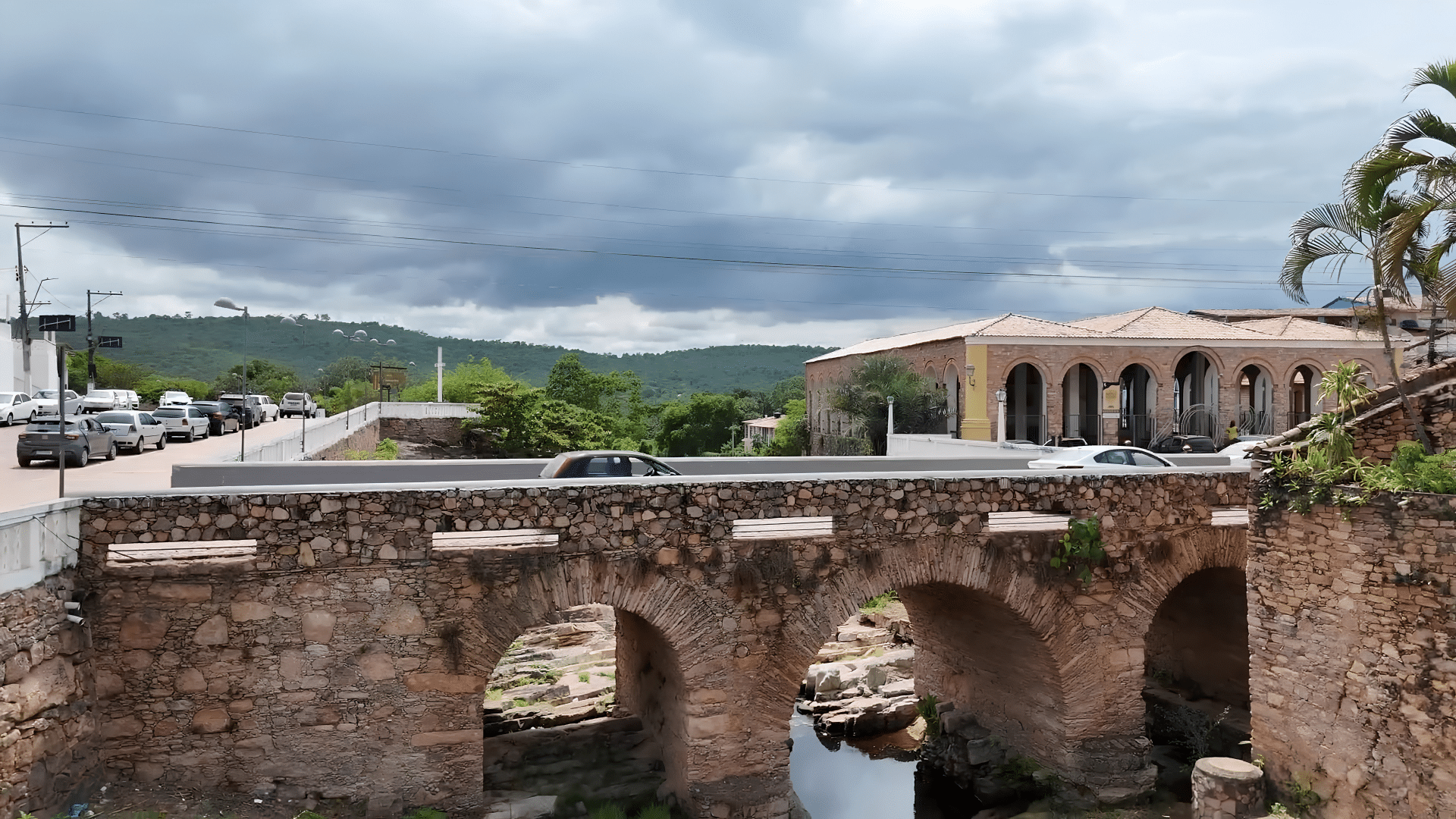
The colonial layout was created by the piles built around the Church of Our Lady of the Conception and the bridge linking the settlements on either side of the river.

The construction of the bridge in 1860 took up the idle labour of the victims of the great drought that struck the Sertão between 1859 and 1862.

Large sobrados

The large sobrados that make up the old Market – now Praça Horácio de Matos – were built around this time, and there are five listed buildings. One of these sobrados served as the Council House, but was demolished in the 1940s to make way for the Post and Telegraph Office.

Disorderly development

Like all mining settlements, Lençóis developed in a disorderly fashion: the urban typology is made up of an irregular grid of streets that adapt to the terrain, interspersed with small squares and plazas.

Some of the streets are paved with the local stone.

Paving and widening

The new roads – spontaneous or from the expansion area approved by IPHAN – go up and down hillsides, imitating the layout of the colonial roads, while others are paved with irregular stones that form decorative patterns.

Mapa e Acesso a Guia Chapada Diamantina
Map and access to Chapada Diamantina

Monuments and public spaces in Lençóis

Lençóis has several listed monuments and public spaces of great historical and cultural importance. The most important are

  • Praça Horácio de Matos (the city’s main public square)
  • Municipal Public Market
  • Bridge over the Lençóis River
  • Town Hall
  • Iphan technical office building
  • Former Health Centre
  • Arena Theatre
  • Church of Our Lady of the Rosary
  • Church of Our Lord of the Stairs
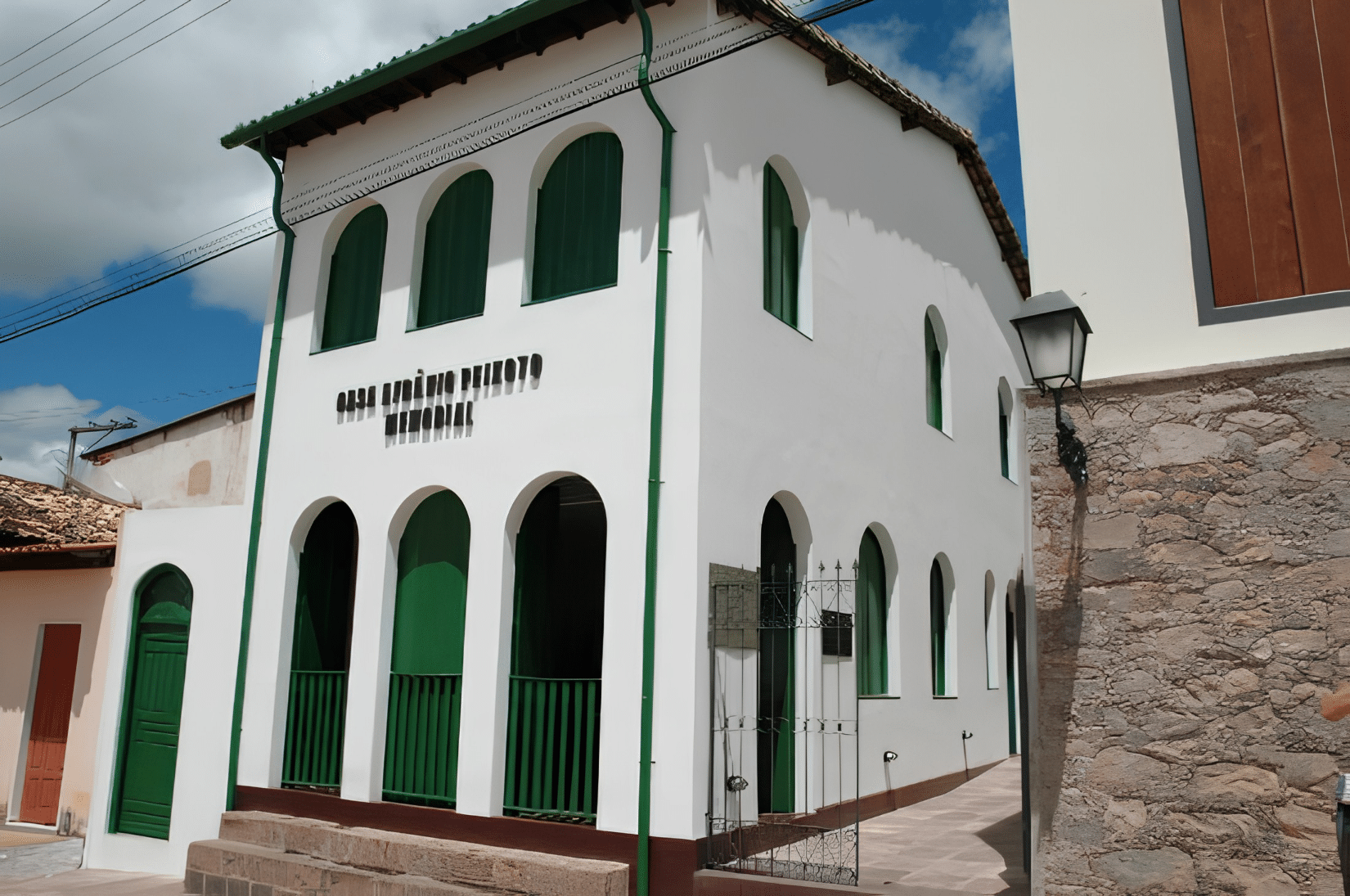
  • Afrânio Peixoto Cultural Centre and Amphitheatre
  • Public Library
  • Public Archives
  • Among others

Characteristics of the collection

The Lençóis collection is made up of buildings from the second half of the last century, built using various techniques, mainly adobe, with an emphasis on bright colours.

  1. IPHAN headquarters in Lençóis
  2. UEFS Advanced Campus Building
  3. Former French Vice-Consulate
  4. Cultural Market
  5. Bridge over the Lençóis River
  6. Church of Our Lady of the Rosary in Lençóis

1. IPHAN headquarters in Lençóis

Sede do IPHAN, em Lençóis
IPHAN headquarters in Lençóis

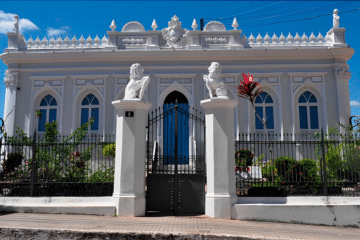
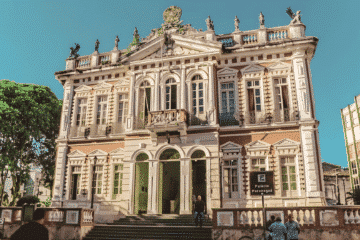
For a long time, it housed the town hall on the ground floor, the public prison in the basement and later the town hall.

The architecture of this building makes it a good example of eclecticism,” says architect and town planner Liziane Peres Mangili, who specialises in the conservation and restoration of historical heritage.

According to historian Delmar de Araújo, the model of the lions was inspired by Colonel César Sá, one of the residents, who, on a trip to Europe, was inspired by the architecture of the Alhambra Palace in Granada, Spain.

2. UEFS Advanced Campus Building

Prédio do Campus Avançado da UEFS em Lençóis
UEFS Advanced Campus Building in Lençóis

The neo-Gothic Sobrado is located on the corner of Praça Horácio de Matos. As a reaction to neoclassicism, this style spread and was very popular at the end of the 19th century, especially in the cities of Lençóis and Andaraí.

3. Former French Vice-Consulate

Antigo Vice-Consulado Francês em Lençóis
Former French Vice-Consulate in Lençóis

This neo-Gothic building used to be a diamond trading centre for the French Syndicate, an activity that led to it being recognised as the country’s Vice-Consulate during the heyday of the mineral. Today it is a residential building on the upper floor and a commercial centre on the lower floor.

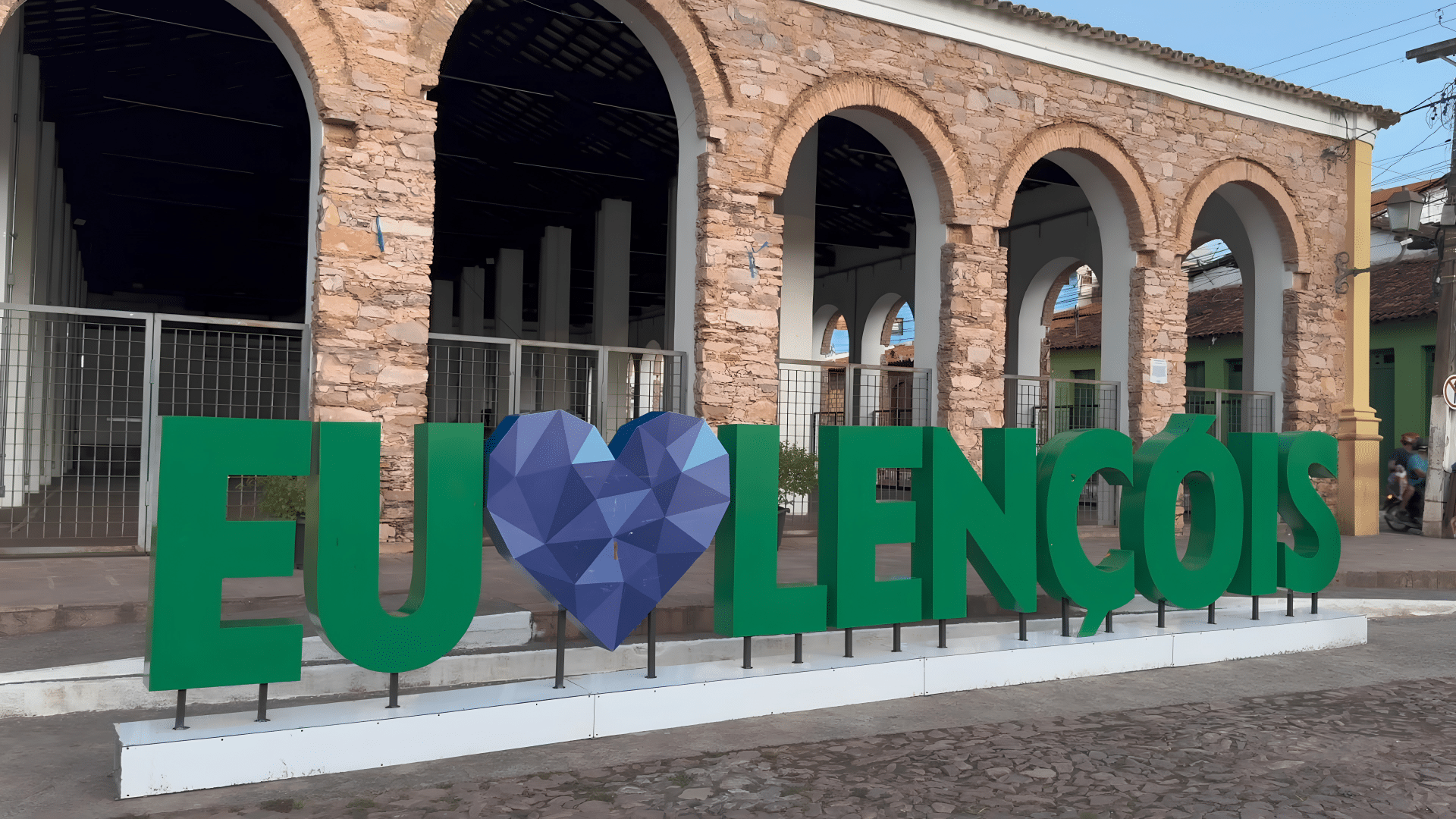
4. Cultural market

Mercado Cultural em Lençóis
Cultural Market in Lençóis

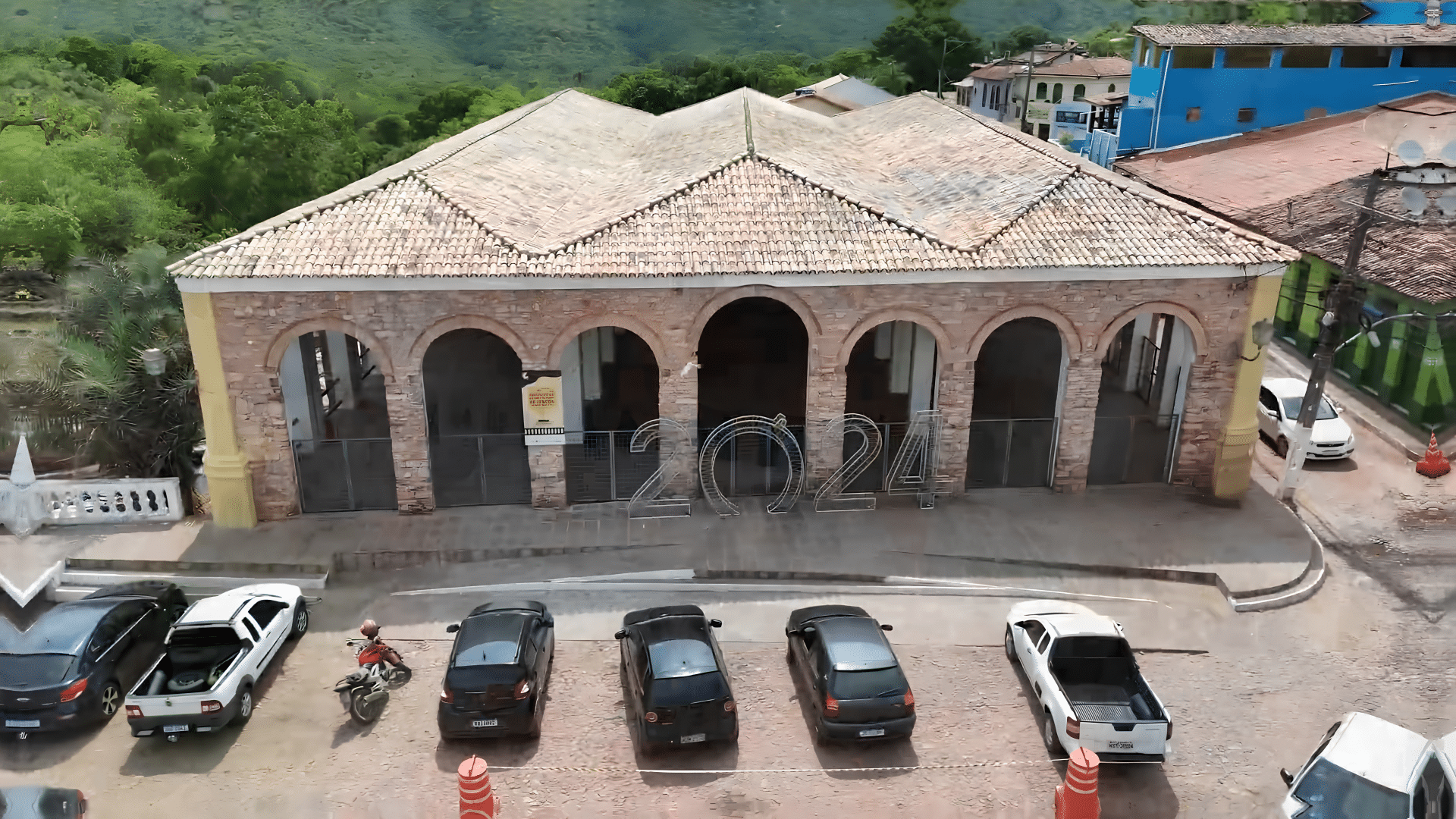
Built between the end of the 19th century and the 1940s, the current Mercado Cultural in Lençóis was once the site of a street market, the city’s first cinema, the setting for the film ‘Diamante Bruto’ (starring Orlando Senna), dances and even the city’s first television, around which people gathered to watch the news, soap operas and World Cup matches.

Its façade facing the Lençóis River, with its exposed stones, has allowed it to blend in perfectly with the natural surroundings, giving the city a unique landscape aspect.

5. Bridge over the Lençóis River

Ponte sobre o rio Lençóis
Bridge over the river Lençóis

In 1859 there was an economic crisis in the city, caused by a drought. In 1860, in order to create jobs and income for the people, the state government started to build the bridge. “Three full arches, also known as Roman arches, make up this bridge, which has a strong and massive appearance.

It was originally covered with plaster, which was removed during the Monumenta programme in 2000, in order to integrate it better with the riverbed.

Some writers say that the mortar was made of egg white and castor oil.

6. Church of Our Lady of the Rosary in Lençóis

Igreja Nossa Senhora do Rosário em Lençóis
Church of Our Lady of the Rosary in Lençóis

Built in 1830, this is the largest church in the Bahia interior.

Lençóis Tourist Attractions in the Chapada Diamantina

Lençóis, the main gateway to the Chapada Diamantina in Bahia, enchants visitors with its rich history, colonial architecture and stunning landscapes.

Considered one of Brazil’s most fascinating ecotourism destinations, the city offers a unique combination of natural and cultural attractions.

In addition, the charming historic centre preserves mansions from the golden age of diamond mining, providing a step back in time and an enriching experience for visitors.

  1. Nosso Senhor dos Passos Church
  2. Afrânio Peixoto Museum
  3. Serrano
  4. Halls of coloured sand
  5. Waterfall
  6. Harley’s Well
  7. Spring Waterfall
  8. Sossego Waterfall
  9. Ribeirão do Meio
  10. Devil’s Well
  11. Lapão Cave
  12. Mandassaia Waterfall
  13. Serra das Paridas
  14. Village of Remanso

1 Our Lord of the Stairs Church

Igreja Nosso Senhor dos Passos em Lençóis
Church of Our Lord of the Stairs

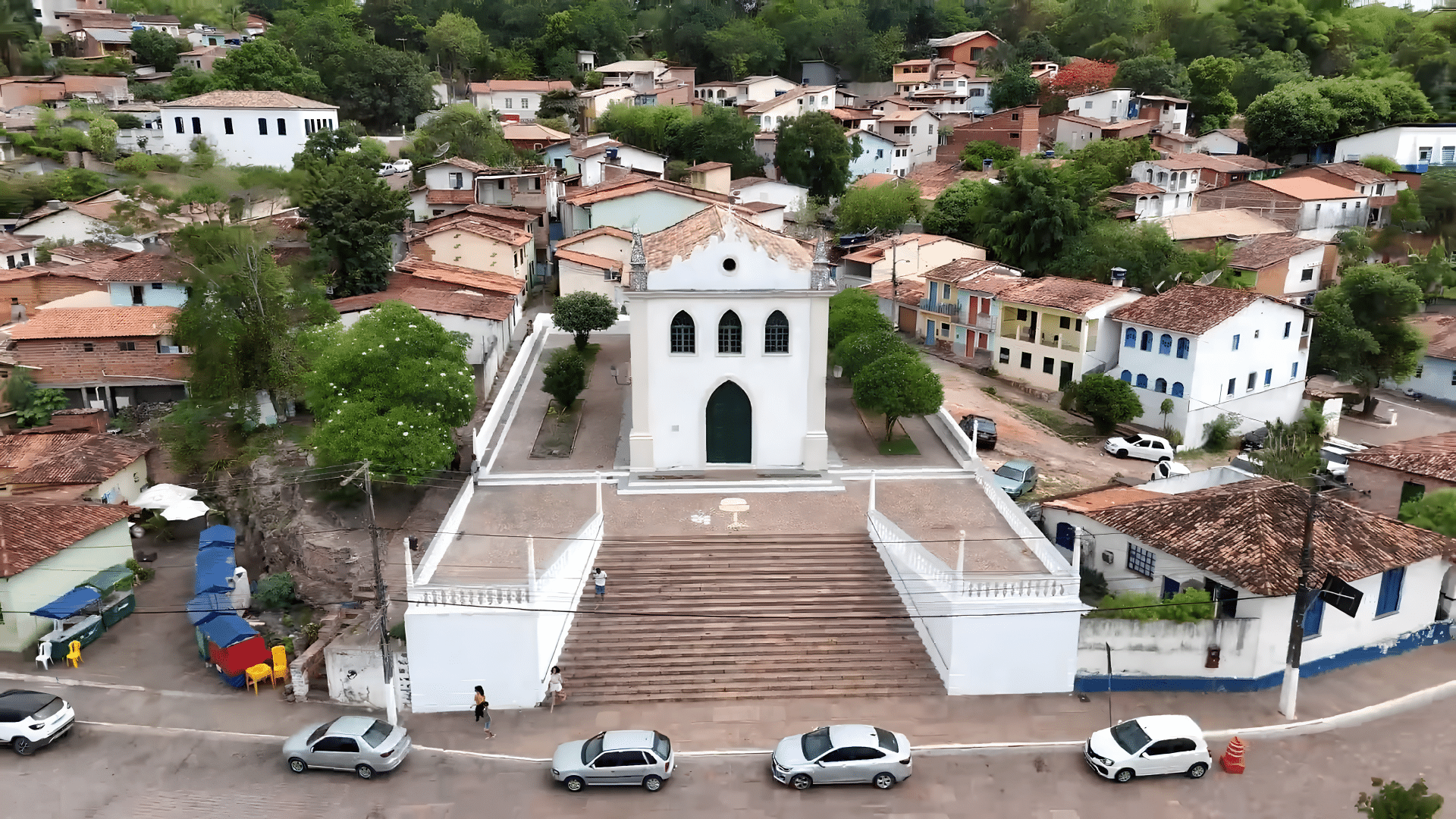
Restored in 2008, this former church dedicated to the patron saint of miners is a fine example of religious architecture.

2. Afrânio Peixoto Museum

Home of Afrânio Peixoto (1876-1947), coroner, politician, professor, critic, essayist, novelist and literary historian, born in Lençóis and member of the Brazilian Academy of Letters.

Museu Afrânio Peixoto - Lençóis
Afrânio Peixoto Museum

The museum houses objects that belonged to the illustrious figure, as well as his academy uniform.

3. Serrano

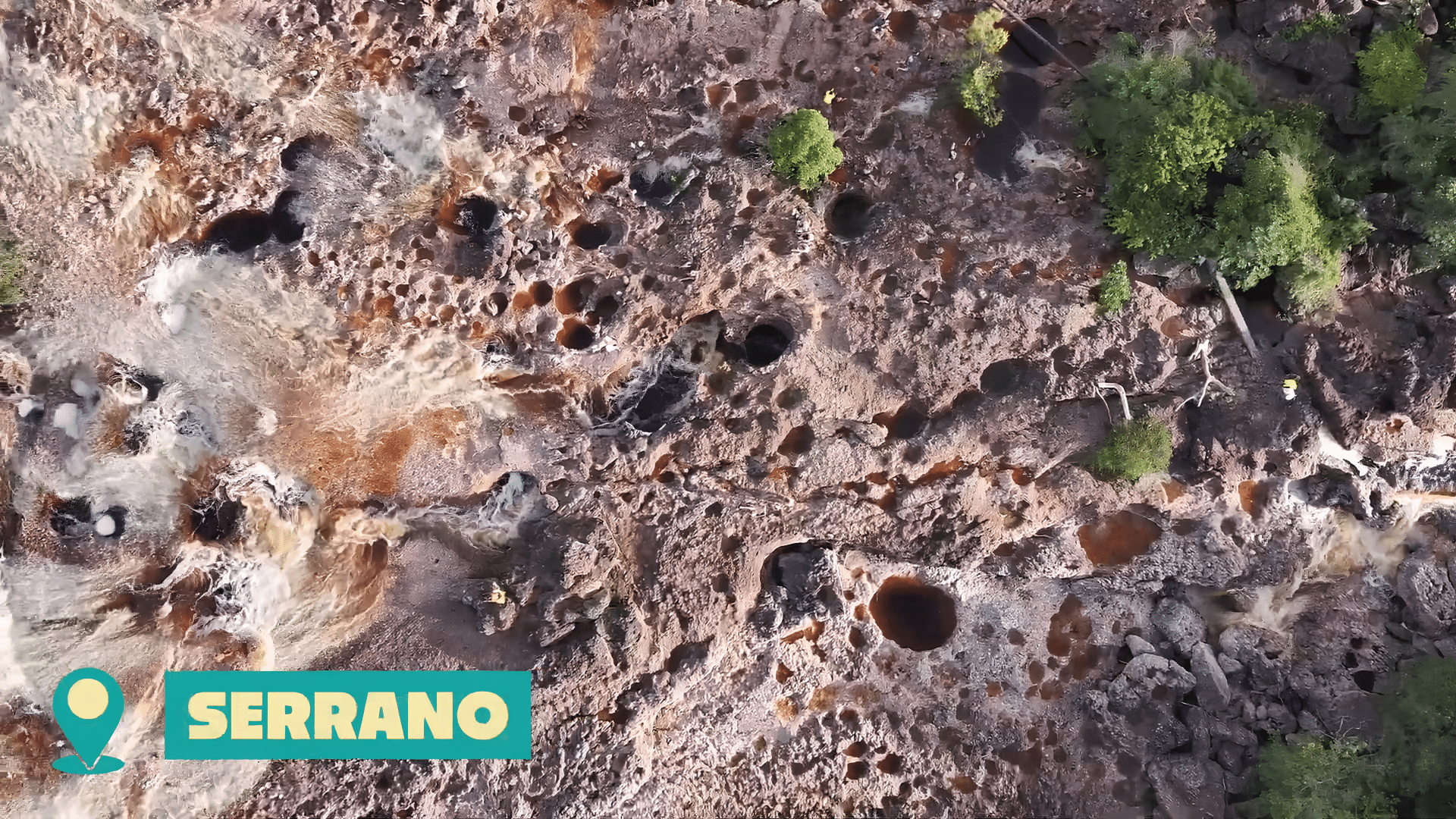
This is a slope through which the waters of the Serrano River flow. During the dry season, it forms wells used by the washerwomen, who are part of local folklore and even have their own organisation: the Washerwomen’s Association.

4. Halls of coloured sands

The cave has rooms with walls made of different coloured sands, which are used to make drawings.

Salões de areias coloridas - Lençóis
Halls of coloured sand

Bottles, examples of the most traditional handicrafts of the north-east.

5. Waterfall

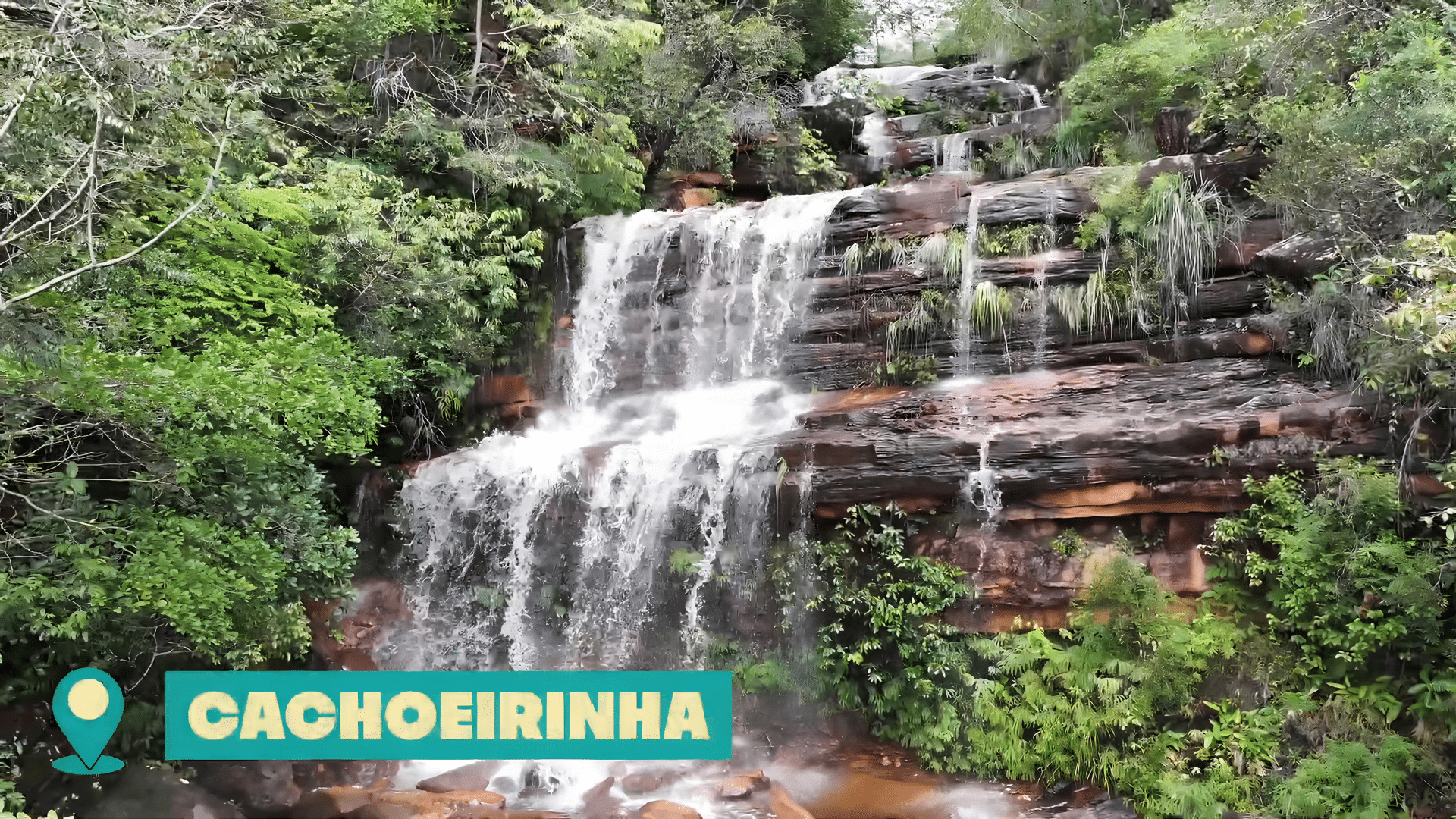
Several waterfalls, each about 5 metres high, provide an excellent natural hydromassage.

6. Harley’s Well

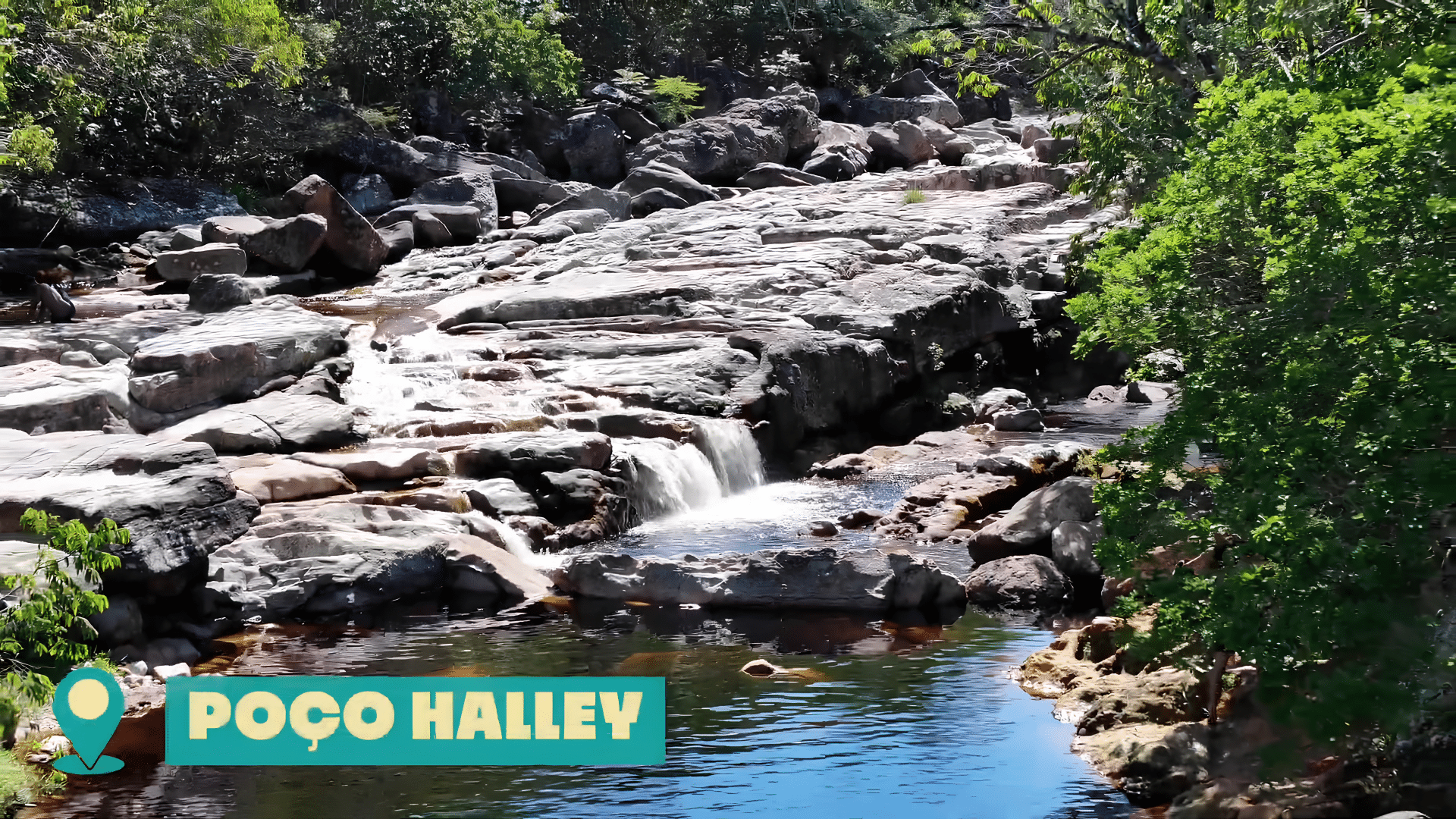
The copper colour of the water in this natural pool is caused by iron dioxide. It’s an excellent place for a swim, and it’s easily accessible on foot, passing by Serrano and the coloured sand halls.

7. Spring Waterfall

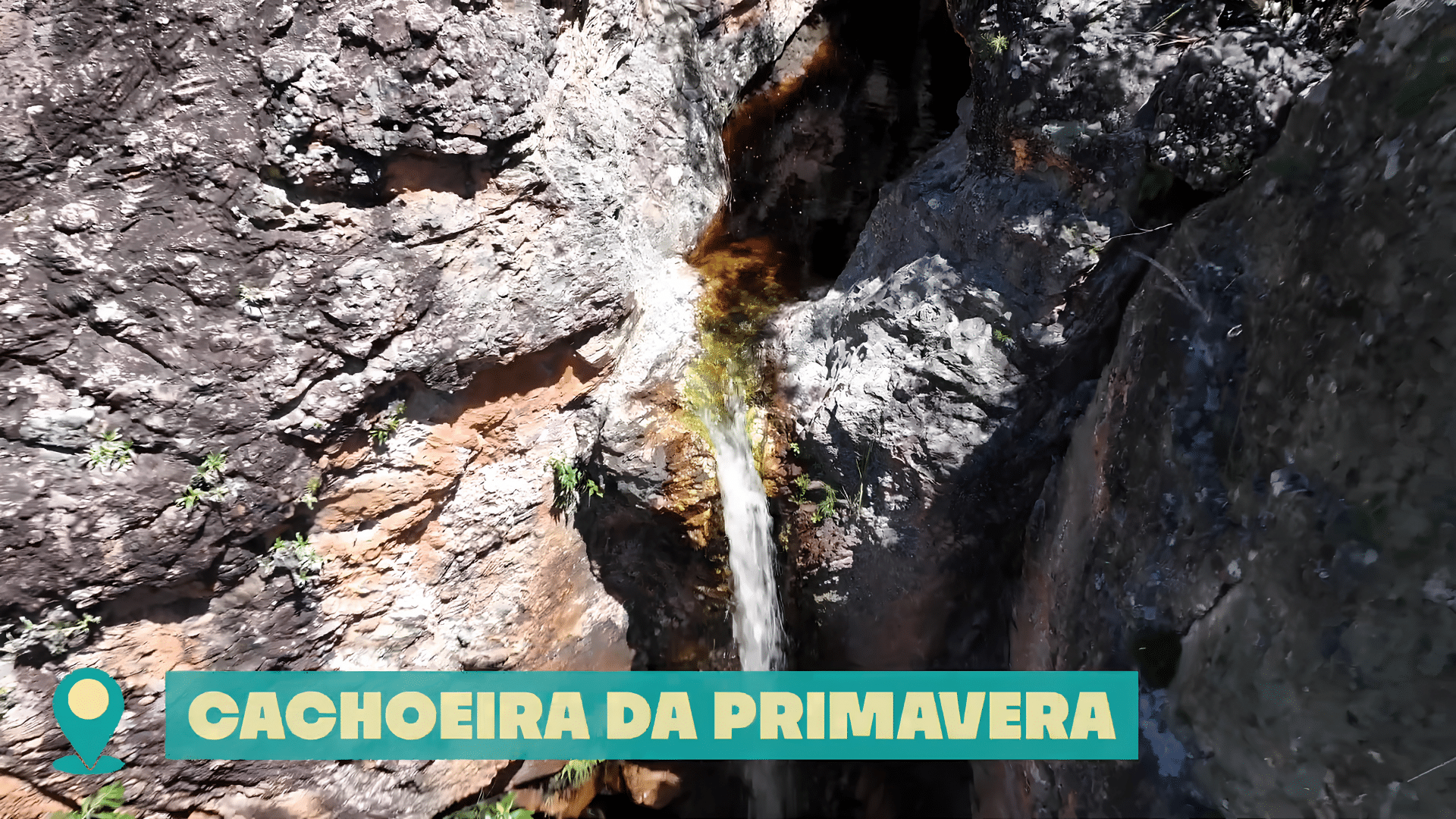
A path through strange rock formations leads to this waterfall. A guide is recommended.

Cachoeira da Primavera em Lençóis
Spring Waterfall

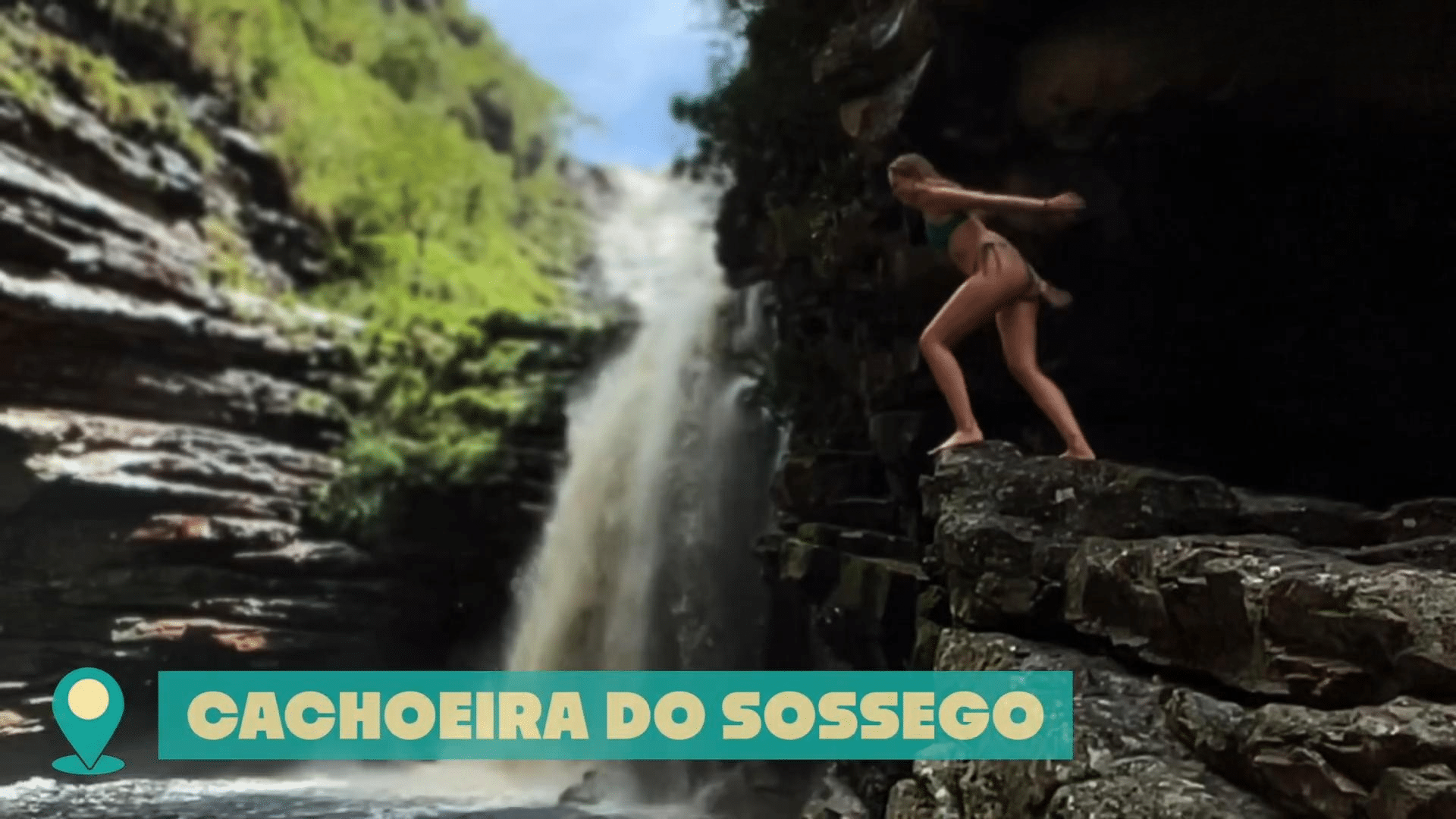
8. Sossego Waterfall

Erosion has formed two stone walls at the Waterfall. The water falls from a height of 14 metres into a pool of reddish water. The walk is physically demanding, but it’s worth it.

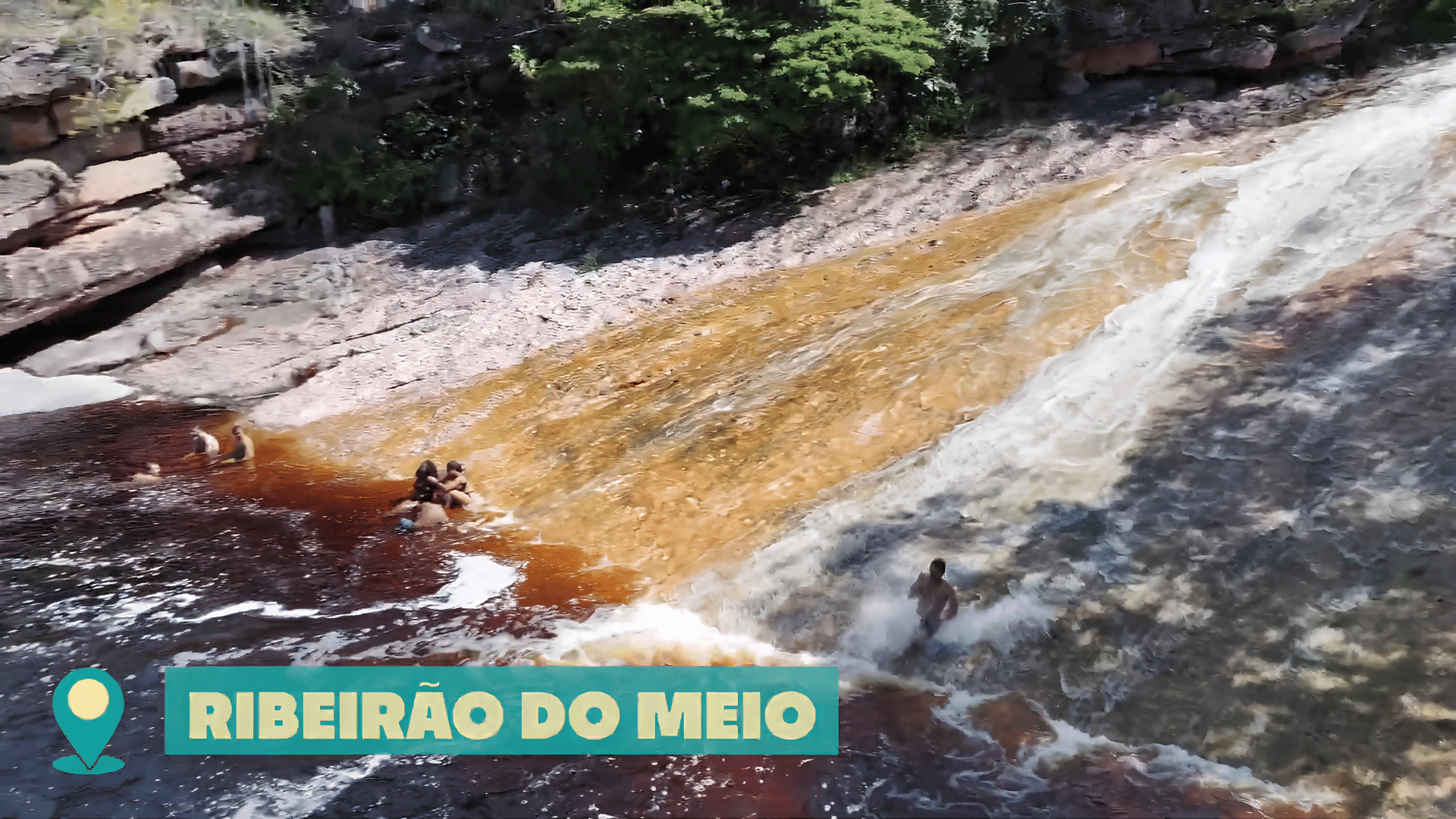
9. Ribeirão do Meio

A former mining site where there is a natural ramp of smooth stones known as the “slide”. A dip in the fountain is delicious, but be careful of the rocks at the bottom.

10. Devil’s Well

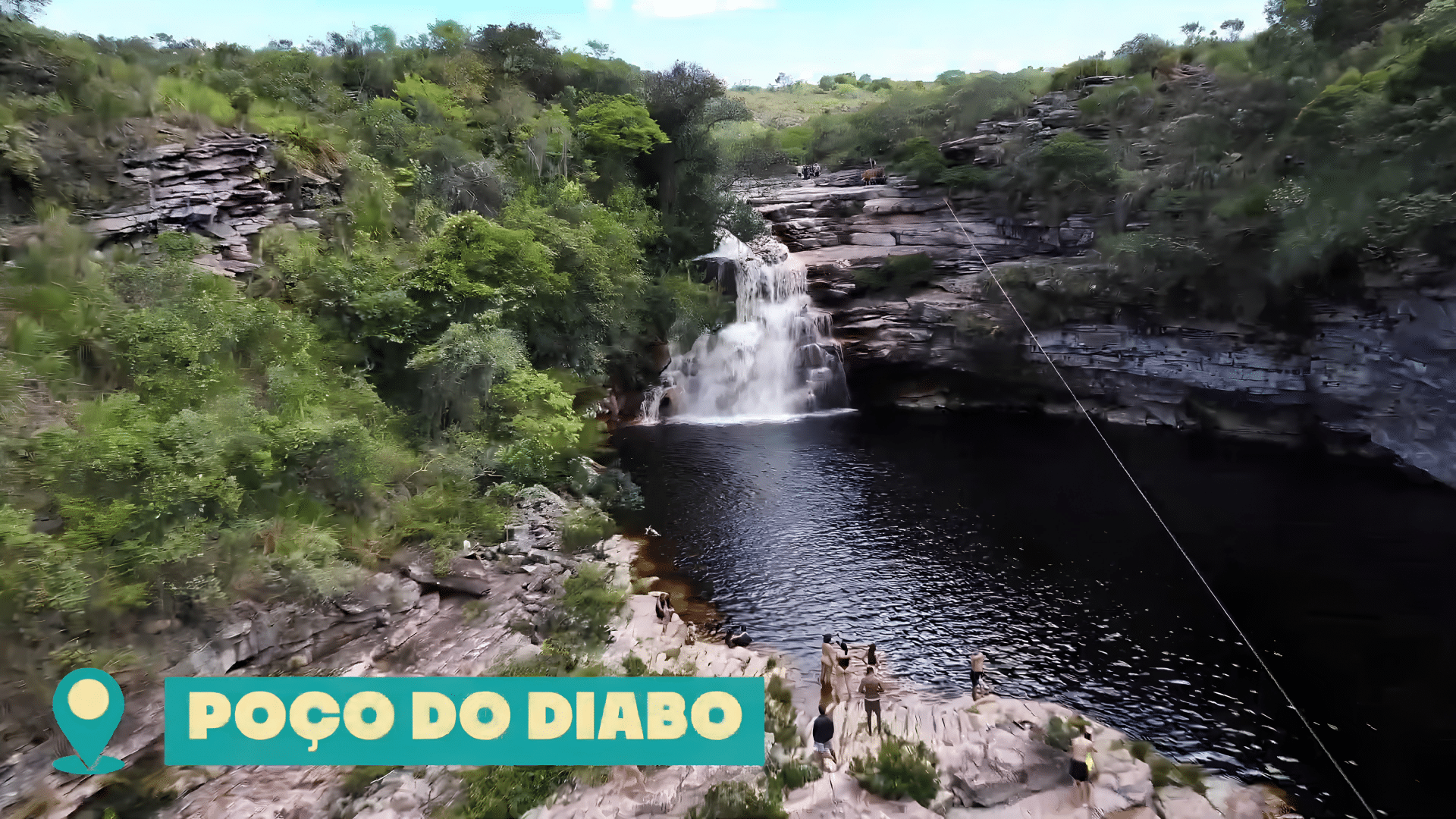
A waterfall forms several wells here. The largest, Poço do Diabo, is excellent for swimming. A cable car has been installed at the site, where there are bars and restaurants.

11. Lapão Cave

Gruta do Lapão em Lençóis
Lapão Cave

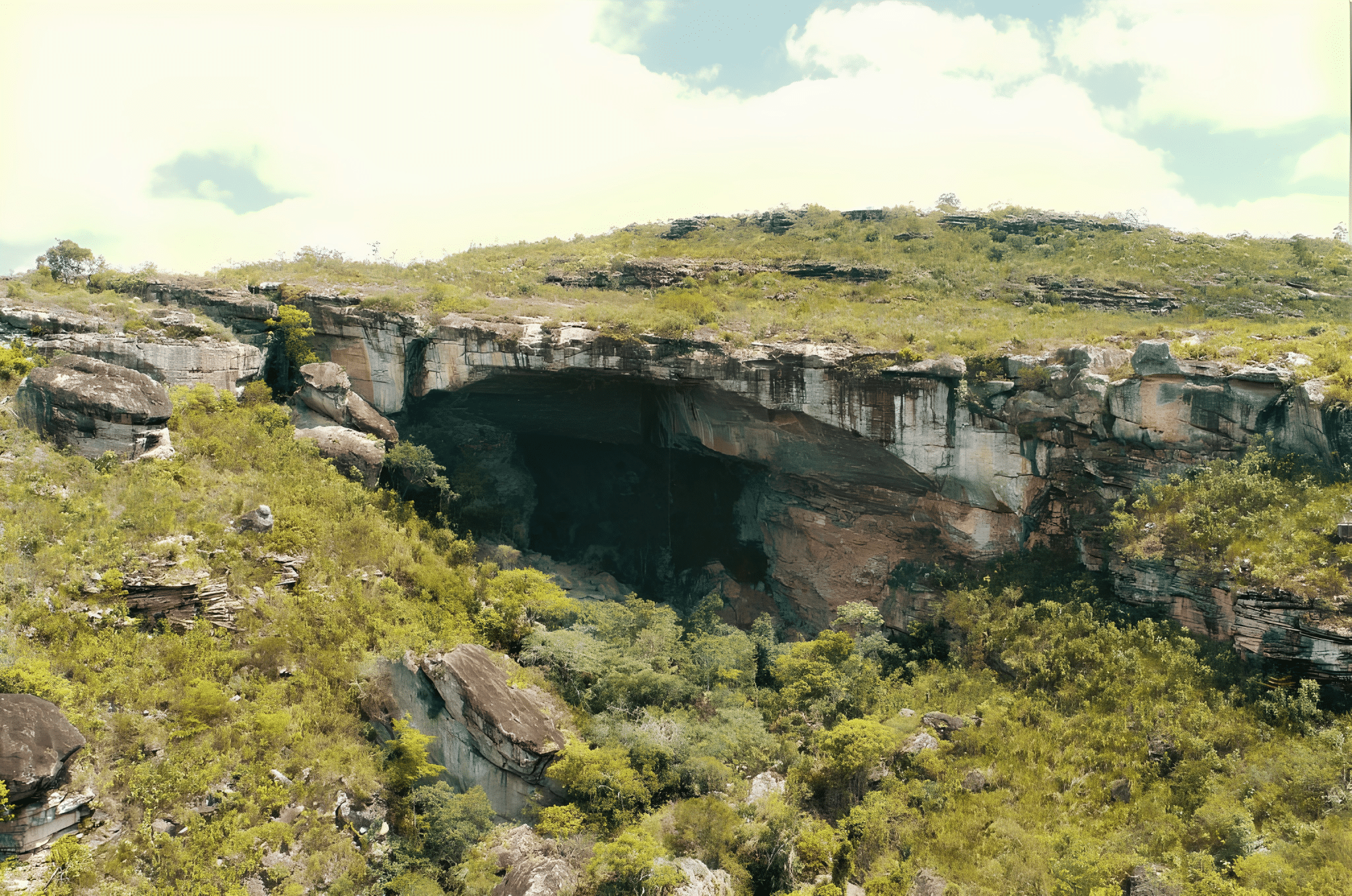
This is the second largest quartzite cave in South America. Its exit is over 60 metres high and is ideal for rappelling.

12. Mandassaia Waterfalls

There are two waterfalls. The first, temporary, splits into six, creating a beautiful spectacle. The second, a perennial, is about 10 metres high.

13. Serra das Paridas

Varied rock carvings, still the subject of archaeological studies. According to some, certain figures resemble aliens. Others say they are simply human. There are waterfalls in the area.

14. Village of Remanso

A former quilombo where a group of African and Indian descendants live in isolation, all related to each other. This lively village has a tradition of promoting the best forró in the region. The religious manifestations are linked to Jarê, a branch of Candomblé found only in the Chapada.

The festivities take place in September. By the river, stalls sell fish dishes, including molê, which is said to be an aphrodisiac.

See also Chapada Diamantina – Main attractions and tips.

Bahia.ws is the biggest tourist guide in Bahia and Salvador.

Tourist guide to Lençóis in Chapada Diamantina

Publicações Relacionadas

How to get to the Fumaça Waterfall in Chapada Diamantina

Main caves in the municipality of Iraquara in Chapada Diamantina

Ibicoara: An Unmissable Tourist Destination

Piatã: The Highest Municipality in Bahia

Mining in the Chapada Diamantina History Explained

Andaraí is the second largest town in the Chapada Diamantina

Palmeiras: A Gateway to Chapada Diamantina

Orchids of the Chapada Diamantina in Bahia

Chapada Diamantina's architectural style and influences

Birds Found in Chapada Diamantina: A Guide

Relief, Fauna and Flora of Chapada Diamantina

Igatu: Explore the 19th-Century Stone Houses

Dive Sites of Chapada Diamantina: A Guide

Ventura Village: A Rich History of Diamonds

Trail to Buracão Waterfall in Chapada Diamantina

Blue Fountain in Chapada Diamantina: a complete guide

Tourist Attractions and Documentaries about Chapada Diamantina

Trekking in the Pati Valley in Chapada Diamantina

Waterfalls and trails in the Capão Valley: Complete Guide

Mucugê: Discover the local history and culture

Picos das Almas, Itobira and Barbado Trekking Guide

Marimbus Pantanal: Adventure in Chapada Diamantina

Iraquara is also known as the "city of caves"

Tourist Information about Chapada Diamantina

The highest and most beautiful waterfalls in Chapada Diamantina

Curiosities about the Rio de Contas in Chapada Diamantina

Rio de Contas: Learn about the history of how the city was founded

Lapão Cave: The Ultimate Adventure Experience

Rio de Contas: Discover Colonial Charm and Nature

Torrinha Cave: A Speleological Marvel in Brazil

Ecological tourism in Morro do Chapéu

Trekking - Popular trails in Chapada Diamantina

Campo Formoso: Explore Caves and Emerald Trade

Sempre-Viva: Symbol of Preservation in the Chapada Diamantina

Enchanted fountain in Chapada Diamantina: How to get there

Trekking in the Pati Valley in Chapada Diamantina

This post is also on: Português English Deutsch Español Français

Hide picture