The municipality of Iraquara, located in the heart of Bahia, in the Chapada Diamantina, stands out as an important tourist destination thanks to its impressive caves, such as Pratinha, Lapa Doce, Torrinha, Gruta Azul, Gruta da Fumaça, among others.
Situated on a vast underground gallery that resembles a “Swiss cheese” submerged in water, Iraquara has the second highest water table in Brazil and is also the richest municipality in terms of water resources in the Chapada Diamantina and the Irecê micro-region.

These resources have played an essential role in supplying several towns in the region during periods of drought.
In addition to the countless springs and wells scattered throughout its rural and urban areas, Iraquara is home to rivers and waterfalls, ideal for water sports and adventure activities.
Visitors to Iraquara can also be enchanted by the natural beauty of Fazenda Pratinha, a true aquatic paradise with its natural pools of crystal clear water.
Voted the place with the third clearest water in the world, the farm justifies its title as the Oasis of the Sertão and is a must for those who want to be dazzled by nature.
Map of the trails and tourist sites of Chapada Diamantina
Video about the caves of Pratinha, Lapa Doce, Torrinha, Azul and Gruta da Fumaça


Fazenda da Pratinha na Chapada Diamantina08:30

Gruta Azul na Chapada Diamantina01:45

Caverna da Lapa Doce02:23

Mergulho na Gruta da Pratinha03:55

Iraquara na Chapada Diamantina22:05
Main caves in the municipality of Iraquara
- Blue Cave
- Lapa Doce Cave
- Pratinha Cave
- Smoke Cave
- Torrinha Cave
1. Blue Cave
Seven kilometres further on is the Fazenda da Pratinha, where the Pratinha Cave and the Blue Cave are located.
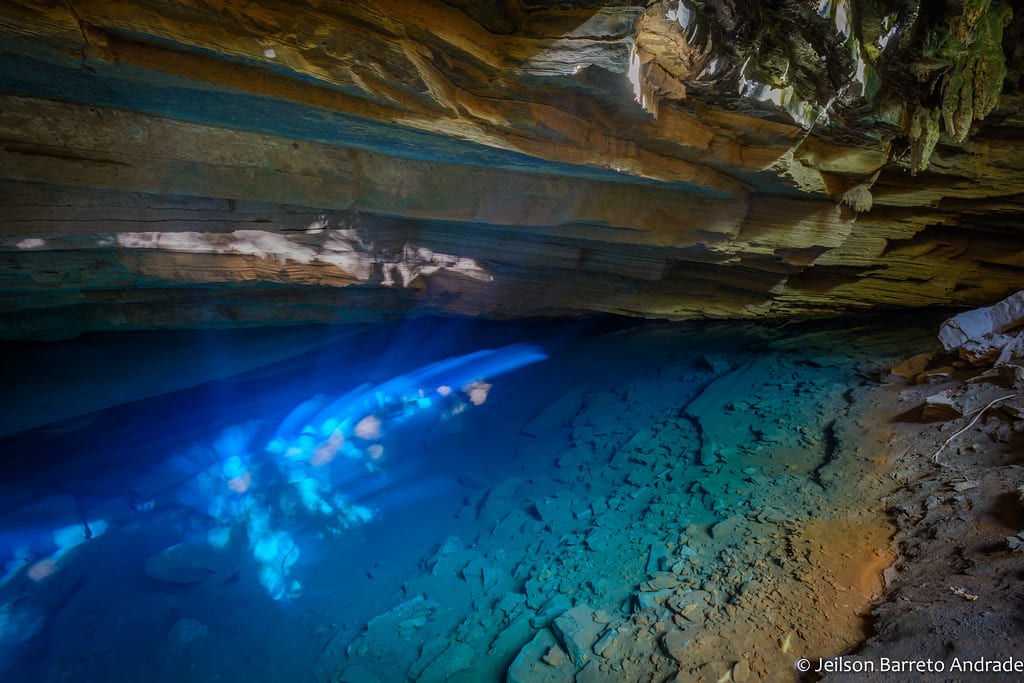
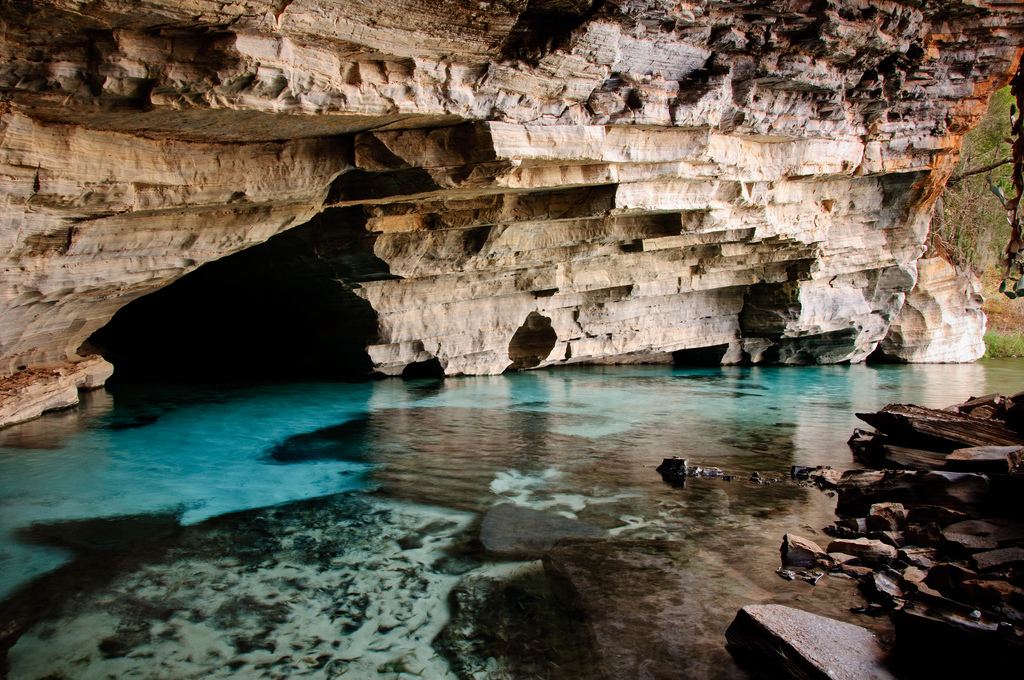
The Blue Cave, located in Iraquara, in the Chapada Diamantina, is one of the region’s most impressive natural attractions. It is known for its crystal clear water, which reflects an intense shade of blue, especially at certain times of the day when sunlight penetrates the interior of the cave, creating a spectacle of colour that enchants visitors.
Main features
- Location: The Blue Cave is located in the municipality of Iraquara, about 12 km from the city centre. Iraquara is known as the “city of caves” due to the large number of caves and geological formations.
- Luminescent Phenomenon: The blue tint is caused by the refraction of sunlight in the extremely clear water and the presence of minerals at the bottom of the cave. The best time to see the phenomenon is between 12 noon and 2 pm, when the sunlight is most intense.
- Size and access: The cave is relatively small and can be reached on foot via a short, moderate path. Careful conservation is essential and bathing or diving in the water is not permitted to protect the delicate structure and balance of the environment.
- Nearby Attractions: The Blue Grotto is often visited in conjunction with other tourist attractions in Iraquara, such as the Pratinha Grotto, which also has crystal clear waters and offers activities such as rafting and zip-lining, and the Lapa Doce Grotto, one of the largest caves in Brazil.
2. Lapa Doce Cave
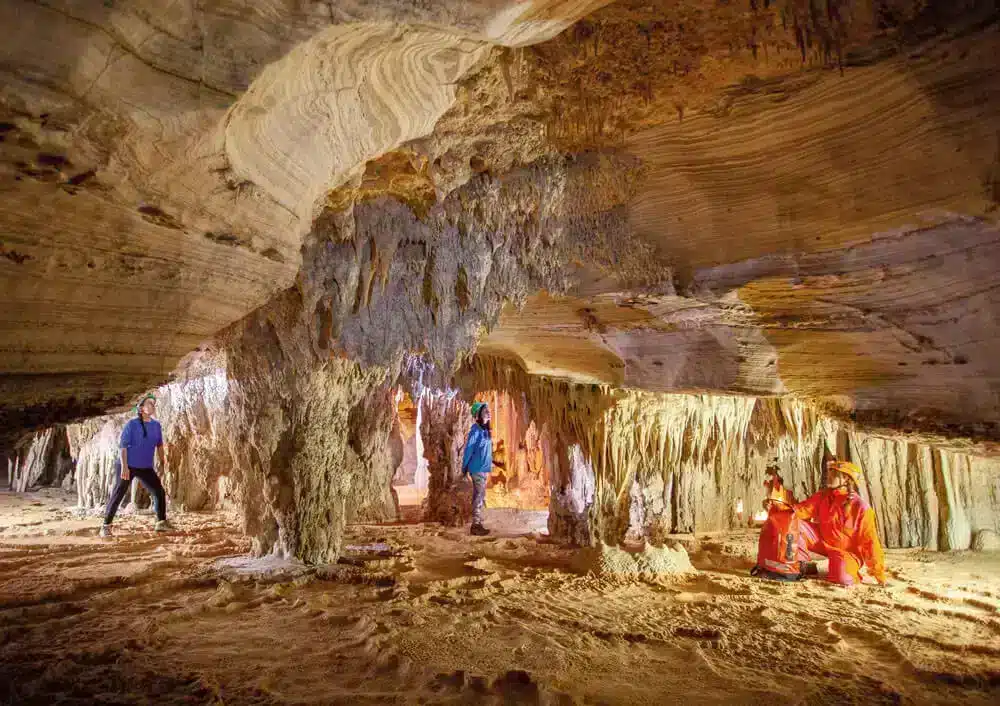
Lapa Doce Cave, located in Iraquara in the Chapada Diamantina, is one of the largest and most impressive caves in Brazil. With a total length of about 42 km, of which about 850 metres are open to tourists, the cave offers a spectacle of rock formations and underground biodiversity that fascinates its visitors.
The Gruta da Lapa Doce is wide, airy and almost entirely flat. It differs from most caves in the region – the Caverna da Torrinha has narrow galleries and Lapão has uneven terrain.
1. Main features
Dimensions and extent
- Lapa Doce is one of the largest mapped caves in Brazil.
- The area open to tourists is carefully delineated to protect the cave’s ecosystem.
Geological formations
- The cave features impressive stalactites, stalagmites, columns and curtains of limestone rock.
- The natural formations have been sculpted over millions of years by the action of water flowing through the environment.
Lighting and environment
- Natural light is limited and guides use torches to highlight details of the rock formations.
- The interior is cool, with an average temperature of around 22ºC, even on the hottest days.
Biodiversity
- The fauna includes small species of bats and other animals adapted to the underground environment.
- The underground flora, although scarce, consists of fungi and mosses that grow in humid areas.
2. Access and tourism
Cave location
- Located about 15 km from the centre of Iraquara, the cave is easily accessible by car or organised tours.
Path and entrance
- Access to the cave requires a moderate walk along a well marked path.
- The route inside is guided and requires care, but is suitable for people of all ages with a minimum level of fitness.
Guides
- Visits must be accompanied by accredited local guides who can explain historical, geological and biological details.
3. Pratinha Cave
The Pratinha Cave is one of the most famous attractions in the Chapada Diamantina region, located on the Pratinha farm in the municipality of Iraquara, Bahia. Known for its crystal clear turquoise waters, it is one of the most popular places for recreation, photography and contemplation.

1. Main features of Pratinha Cave
Geological formations
- Made up of limestone, the cave has several stalactites and stalagmites, although the main focus of exploration is on the watercourse rather than the cave’s interior.
- The constant action of the water on the limestone has created unique passages and shapes.
Transparent waters
- The highlight is the underground river that runs through the cave. The extremely crystalline water allows visibility of several metres, reflecting bluish tones due to sunlight and the presence of limestone.
Biological diversity
- The cave is home to small fish, such as piabas, which can be observed at close range during swimming activities.
- It is also a habitat for other organisms typical of cave environments.
Size
- It’s not a very large cave in the section open to visitors, as the emphasis is on the aquatic experience, although the cave system in the area is vast.
2. Activities in Pratinha Cave
Swimming
- This is one of the most popular activities. With the help of a guide and equipment such as a mask and life jacket, visitors float over the underground river, observing the underwater formations and fish.
Snorkelling
- This allows you to explore the crystal clear waters in the shallower areas of the cave and enjoy the underwater beauty.
Underwater Photography
- Due to the transparency of the water, many photographers use the cave as a backdrop to capture stunning images.
Swimming in Lake Pratinha
- Outside the cave, the river turns into a lake with calm waters, ideal for swimming or relaxing.
3. Accessibility and Visits
- Access: Entrance to Fazenda Pratinha is paid and the site has good tourist infrastructure, including a car park, restaurant, toilets and rest areas.
- Guides: For activities inside the cave, it is compulsory to be accompanied by a qualified guide to ensure safety and respect for the environment.
- Opening hours: Normally from 8am to 5pm, but it’s a good idea to check before your visit.
4. Smoke Cave
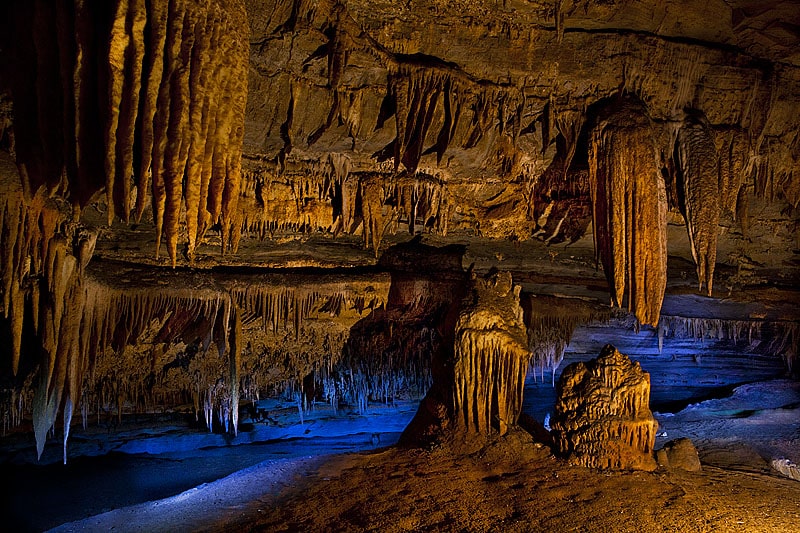
The Gruta da Fumaça is a cave located in the municipality of Iraquara, in the Chapada Diamantina region of Bahia. Although less well known than other attractions in the area, such as the Gruta Azul and the Gruta da Lapa Doce, it offers impressive natural scenery and is an interesting option for caving and ecotourism enthusiasts.
1. Characteristics of the Gruta da Fumaça
Geological formations
- The cave is made up of limestone, with typical formations such as stalactites, stalagmites, columns and limestone curtains.
- The walls and ceiling have wavy patterns and colours that vary between shades of white, beige and grey.
Origin of the name
- The cave was given the name “Smoke” due to the misty appearance of the interior under certain lighting conditions, caused by the presence of suspended particles and high humidity.
Size
- It is of medium size compared to the other caves of Chapada Diamantina. Its wide corridors make it easy to explore.
Hydrology
- There are no underground rivers in Gruta da Fumaça, but the humidity is high, a common characteristic of limestone caves.
Biodiversity
- May support typical cave fauna such as bats, arachnids and small invertebrates.
2. Visits and tourism
Access to the cave
- The cave can be accessed with the help of local guides as it is not as well structured for visitors as other caves in the area.
- Moderately difficult paths lead to the cave entrance.
Tourist facilities
- There is no tourist infrastructure on site, so it is important to come prepared with water, snacks, suitable footwear and basic equipment such as torches.
Types of activities
- Internal exploration with specialised guides.
- Observation of geological formations and photographs.
5. Torrinha Cave
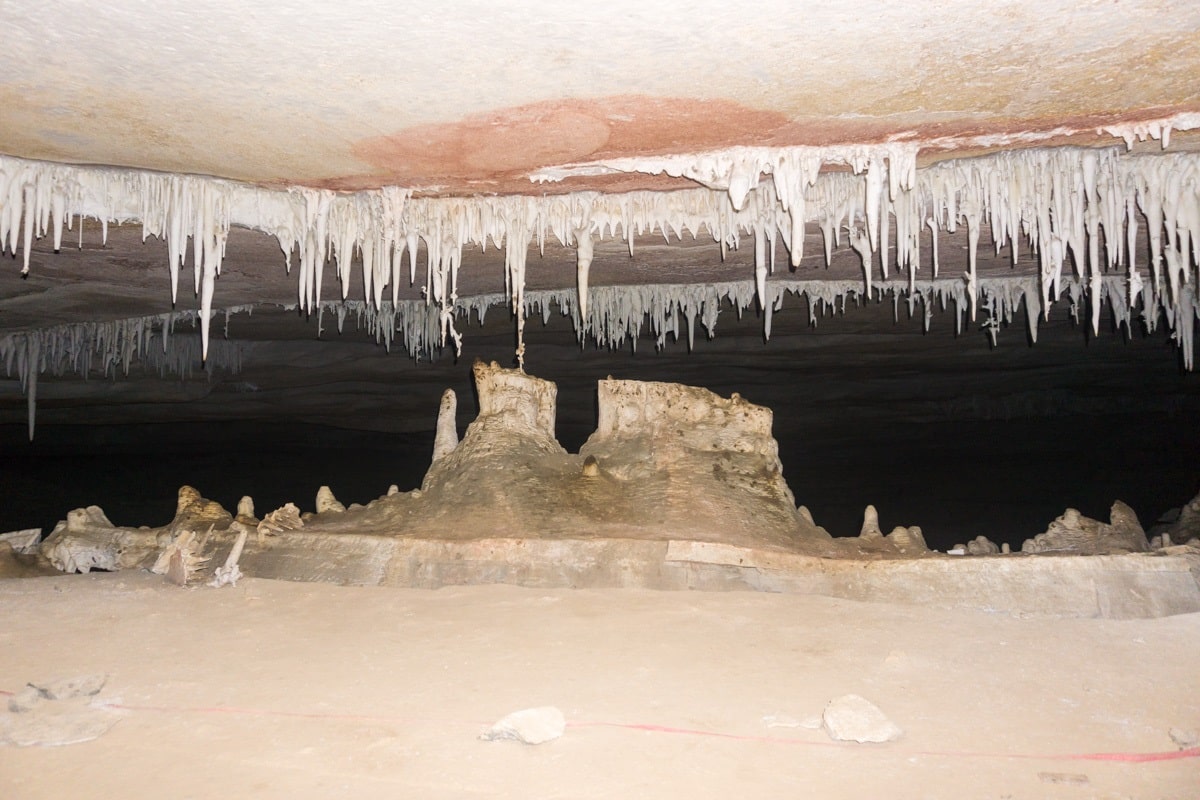
The Gruta da Torrinha is one of the most fascinating caves in the Chapada Diamantina region of Bahia, located in the municipality of Iraquara, known as the “Land of Caves”. This cave stands out for its natural beauty and speleological value, and is considered one of the most impressive in Brazil.
1. Main features of Torrinha Cave
Geological formations
- Aragonite: Gruta da Torrinha is famous for its rare formations of aragonite, a crystalline mineral that forms delicate, lustrous structures.
- Helictites: Also known as “crooked stalactites”, these formations grow in unexpected directions, defying gravity.
- Gypsum flowers: Delicate gypsum formations that resemble crystalline flowers.
- Calcite: Classic limestone stalactites and stalagmites are also present in varying sizes.
Measurements
- The cave is about 12 kilometres long, of which about 4 kilometres are open to visitors.
- The corridors vary in height, with some galleries being wider and others narrower.
Halls and areas to visit
- Hall of Aragonite Flowers: Displays the delicate formations of aragonite, unique in Brazil.
- Hall of Helictites: It stands out for its concentration of these rare and fascinating structures.
- Hall of Gypsum Flowers: One of the highlights of the visit, with impressive crystal formations.
- Crystal Corridor: A room where light reflects off the shiny surfaces to create a spectacular visual effect.
Biodiversity
- Like many caves, it is home to cave fauna, including insects, arachnids and bats.
2. Visiting and tourism
How to get there
- Located about 15 kilometres from the town of Iraquara, access is via dirt roads that are generally in good condition.
- It is necessary to book and be accompanied by specialised local guides.
The route
- The guided tour can take from 1.5 to 3 hours, depending on the route chosen.
- There are more challenging sections, but the basic route is accessible to visitors with normal mobility.
Infrastructure
- The cave has artificial lighting in some parts and stairs to help access the more difficult areas.
- There is a simple structure at the entrance to welcome visitors.
3. Curiosities
International recognition
- The aragonite and helictite formations at Gruta da Torrinha are so rare that they attract speleologists and researchers from all over the world.
World’s largest helictite
- The cave contains the largest known helictite, over 60 cm long.
Diversity of formations
- Few caves in the world have the variety and beauty of the formations found in Torrinha.
Bahia.ws is the largest tourist guide of Bahia and Salvador.
Chapada Diamantina Tourist Guide

Publicações Relacionadas
Whale Coast (BA) — Complete guide: Abrolhos, beaches and whale-watching
History, the Festival of Nossa Senhora das Candeias and Tourist Attractions
Vila de Barra Grande na Bahia: Guia Completo para Turistas
Solar do Unhão & MAM-BA — History, Architecture and a Visit
Skydiving in Bahia: An Unforgettable Experience
Palmeiras: A Gateway to Chapada Diamantina
Trekking in the Pati Valley in Chapada Diamantina
Juazeiro: Discover the Land of the Carrancas
Todos-os-Santos Bay (Bahia) — History, geography and conservation
Chapada Diamantina's architectural style and influences
História da Arte - Caracteristicas, Aspectos e Periodos
Igatu: Explore the 19th-Century Stone Houses
Ponta de Corumbau — an unspoilt paradise on the southern coast of Bahia
Ibicoara: An Unmissable Tourist Destination
Trekking in the Pati Valley in Chapada Diamantina
Santa Cruz Cabrália in Bahia — beaches, history and things to do
Mucugê: Discover the local history and culture
History and Heritage of Itaparica Island — Bay of Todos os Santos
Tourist attractions and architectural heritage of Salvador (BA
Monte Pascoal National Park: Pataxó culture and Brazilian history
Caraíva: A rustic and unspoilt paradise in the south of Bahia
Lagoa Encantada in Ilhéus: A Preserved Natural Paradise
Relief, Fauna and Flora of Chapada Diamantina
Bom Jesus dos Passos Island: A Complete Guide (Beaches, Church and How to Get There)
Tourist Guide to the Pantanal in Bahia — Jaguaripe (BA) | Mangroves, Fishing and Excursions
Tourist Information about Chapada Diamantina
Tourist attractions for children in Salvador: Fun and learning
The most visited churches in Salvador — itinerary and tips
Santo Amaro da Purificação — History, Culture and Tourism in the Recôncavo Baiano
Church of São Pedro dos Clérigos — History, architecture and religious art
History of the Church and Convent of São Francisco in Salvador
Pelourinho (Salvador) — Historical Guide, Architecture, and UNESCO World Heritage Site
Ponta de Humaitá — Lighthouse, church and the best sunset in Salvador
The History of Lençóis in the Chapada Diamantina — Origins, the Diamond Cycle and Heritage
Fort of Nossa Senhora de Monte Serrat History
Sempre-Viva: Symbol of Preservation in the Chapada Diamantina
This post is also on:
 Português
  English
  Deutsch
  Español
  Français