Candeias, situated in Baía de Todos os Santos, is a municipality in the Recôncavo Baiano region that combines religious devotion, traditional craftsmanship and industrial significance. Known for its pilgrimage and the festival of Nossa Senhora das Candeias, the town attracts worshippers and tourists seeking culture, colonial heritage and popular events.
Origin and formation
Settlement in the region dates back to the colonial period, with the granting of land grants and the establishment of sugar mills that shaped the landscape and the local economy. The village grew up around a chapel dedicated to the Virgin Mary, where accounts of healings gave rise to the tradition of the Fonte dos Milagres and the devotion that continues to attract pilgrimages to this day.
From the sugarcane cycle to oil
For centuries, the local economy was dominated by sugar cane and the sugar mills, resulting in the preservation of significant architectural ensembles and a rich cultural heritage. In the 20th century, the discovery of oil transformed the municipality’s socio-economic profile, driving population and industrial growth that led to political emancipation, which came into effect on 14 August 1958.
Video — The History of Candeias

História de Candeias na Bahia
The Feast of Our Lady of Candeias


Held around 2 February, the festival of Nossa Senhora das Candeias features a Mass, processions, ex-votos and popular celebrations that blend the sacred with the profane. The event brings together pilgrims, music, crafts and cultural expressions from the Recôncavo region.
Tourist attractions in Candeias (BA)
1. Parish Church / Shrine of Our Lady of Candeias

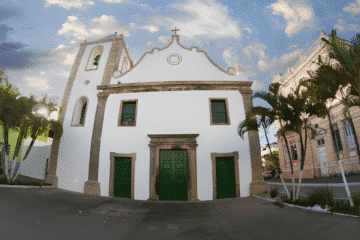
The Mother Church, built in the late 18th century, is the focal point of the pilgrimages in Candeias. The festival in honour of Nossa Senhora das Candeias reaches its peak around 2 February, featuring masses, processions and popular celebrations that attract thousands of worshippers and visitors. During the festival period, the town hosts a programme of religious events, music and cultural activities.

2. Wholesale Market (municipal market)
The street market is the perfect place to sample the regional cuisine and buy local handicrafts. There you’ll find ingredients and dishes typical of the Recôncavo, as well as items produced by local craftspeople and woodcarvers — a great option for anyone looking for authentic souvenirs.
3. The Parish Mill — Wanderley de Pinho Museum

The architectural complex of the Engenho da Freguesia comprises the main house, the slaves’ quarters and a chapel, and serves as a museum. The museum preserves furniture, artefacts and machinery related to the sugar-making cycle, offering an overview of the historical and cultural heritage of the Recôncavo.
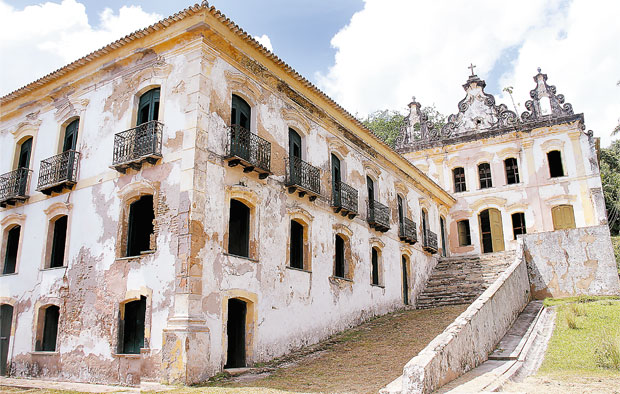
História do Museu Wanderley Pinho em Candeias BA
4. The Fountain of Miracles and the Shrine

The Fountain of Miracles, next to the shrine, is a traditional pilgrimage site: pilgrims visit the place to fulfil vows, seek blessings and take water home as a souvenir. The surrounding area is home to shops selling religious items, ex-votos and souvenirs, and is particularly busy during festive seasons.
5. Matoim Sugar Mill

The Matoim Sugar Mill preserves remnants of colonial architecture — a two-storey house, a chapel and buildings associated with the sugarcane industry. This historic site offers a glimpse into the village’s origins and is an important stop on the itinerary for anyone interested in local history and heritage.
6. Church of Our Lady of the Incarnation (Passé)

Situated on a viewpoint overlooking Todos os Santos Bay, the church at Passé is an ancient building whose ruins and the surrounding landscape attract visitors seeking historical heritage and stunning coastal views.
Practical tips
- How to get there: Candeias is situated in the Recôncavo Baiano, around 40–50 km from Salvador, and can be reached by road.
- Best time to visit: early February to experience the pilgrimages; other times of year are ideal for cultural tourism and visiting heritage sites.
- Accommodation: book well in advance during festive periods due to the increase in visitors.
- Safety: at events with large crowds, opt for organised transport and follow local guidance.
FAQ
When is the feast of Our Lady of Candeias celebrated?
The highlight is on 2 February, with celebrations that may extend before and after that date.
What are the must-see sights in half a day?
The Parish Church/Shrine, the Fountain of Miracles and the central market for crafts and food.
Are there any museums open to the public?
Yes — the Engenho da Freguesia serves as a museum housing a collection relating to the sugar industry.
When did Candeias become an independent municipality?
Candeias gained its municipal status on 14 August 1958, driven by the population and industrial growth resulting from the discovery of oil in the region in the 1940s.

Publicações Relacionadas
Chocolate Road and trails of the Cocoa Coast - video
Marimbus Pantanal: Adventure in Chapada Diamantina
Tourist attractions in the Gamboa neighbourhood in Salvador BA
Ventura Village: A Rich History of Diamonds
Enchanted fountain in Chapada Diamantina: How to get there
Pelourinho: what to do in Salvador’s Historic Centre
History of Cocoa: From Aztecs to Modern Use
Costa do Sauípe: Discover Paradise in Bahia
Discovery Route in Bahia: History, Culture and Tourism
History and sights of Avenida Contorno in Salvador BA
Things to Do in Rio de Contas (Bahia): A Complete Guide
Tourist attractions and architectural heritage of Salvador (BA
The most visited churches in Salvador — itinerary and tips
The best beaches near Salvador (distance, facilities and tips)
Valença: The Gateway to Morro de São Paulo
Catabrigas Waterfall — A natural haven in Ibirajá, Itanhém (BA)
Skydiving in Bahia: An Unforgettable Experience
39 Museums in Salvador: Discover the history and culture of Bahia
Tourist Attractions and Documentaries about Chapada Diamantina
Bom Jesus da Lapa Sanctuary: A Complete Visitor’s Guide
Caraíva: A rustic and unspoilt paradise in the south of Bahia
Praia do Forte, Bahia: The Complete Travel Guide
Churches of Salvador: Architectural and Historical Treasures
Paranaguá Palace — History, architecture and visiting information | Ilhéus (BA)
Things to Do in Nova Viçosa (Bahia): Beaches, Islands and Abrolhos
Ponta de Corumbau — an unspoilt paradise on the southern coast of Bahia
Church of São Pedro dos Clérigos — History, architecture and religious art
History of the Cathedral Basilica of Salvador
Bahia Art Museum (MAB): Learn about its history and collection
Bay of Todos os Santos: nature, history and cultur
Itaparica Island — Complete Guide: History, Beaches and Tips
Dive Sites of Chapada Diamantina: A Guide
Mining in the Chapada Diamantina History Explained
Cocoa farms attract tourists to Bahia - Chocolate Road
Serra Grande: Your Guide to Bahia's Paradise
Relief, Fauna and Flora of Chapada Diamantina
This post is also on:
 Português
  English
  Deutsch
  Español
  Français