All Saints Bay: A natural and cultural treasure
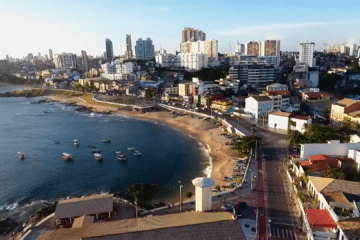
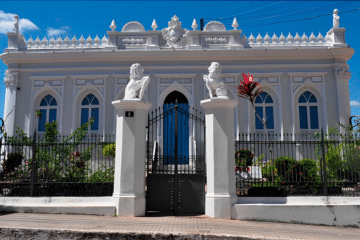
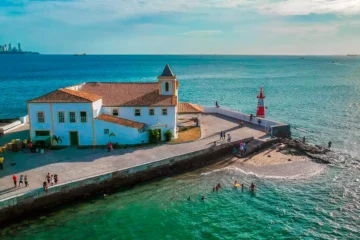
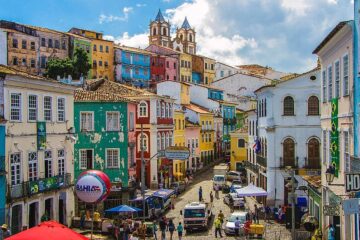
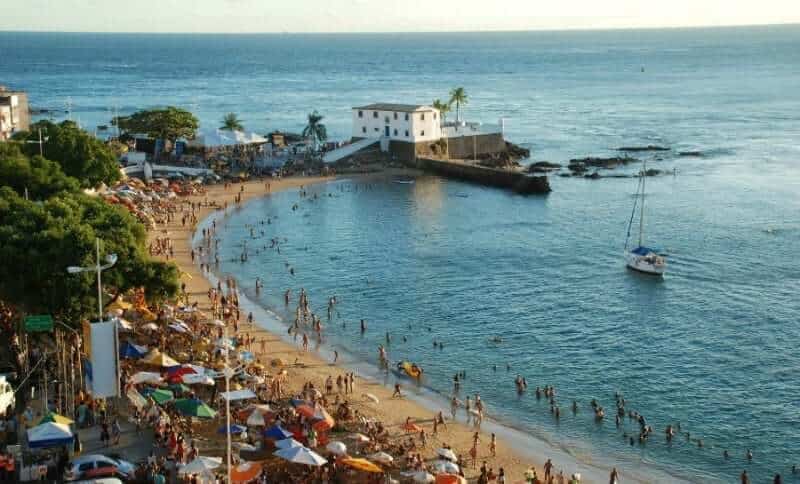
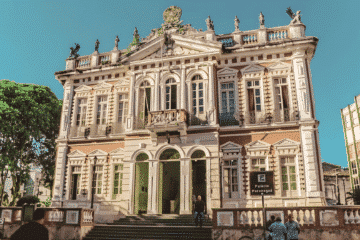
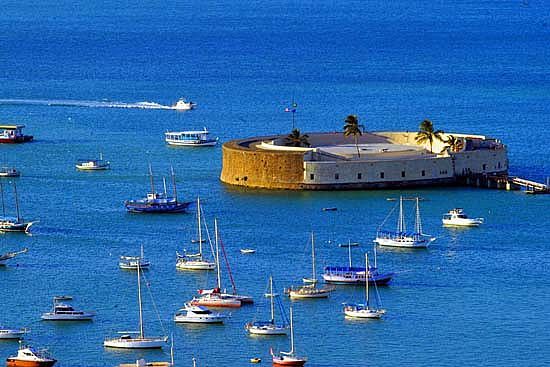
The Bay of All Saints is the largest bay in Brazil, both in terms of area (1,052 km²) and cultural diversity. It is rich in handicrafts, history, colonial architecture (such as churches, fortresses and beautiful colonial mansions) and ecosystems that offer breathtaking landscapes.
Biological diversity
The bay is home to a wide range of biodiversity, including mangroves, remnants of Atlantic forest, coconut palms, banana plantations and coral reefs. Within its boundaries are the mouths of the Paraguaçu, Jaguaripe and Subaé rivers, as well as numerous streams that flow into the Atlantic Ocean.
Environmental protection
This scenario is the setting for several environmental projects run by NGOs such as the Aquatic Mammals Institute and the ABCRN. The State Decree 7595 (1999) created the Environmental Protection Area (APA) of the Baía de Todos os Santos.
Geographical boundaries
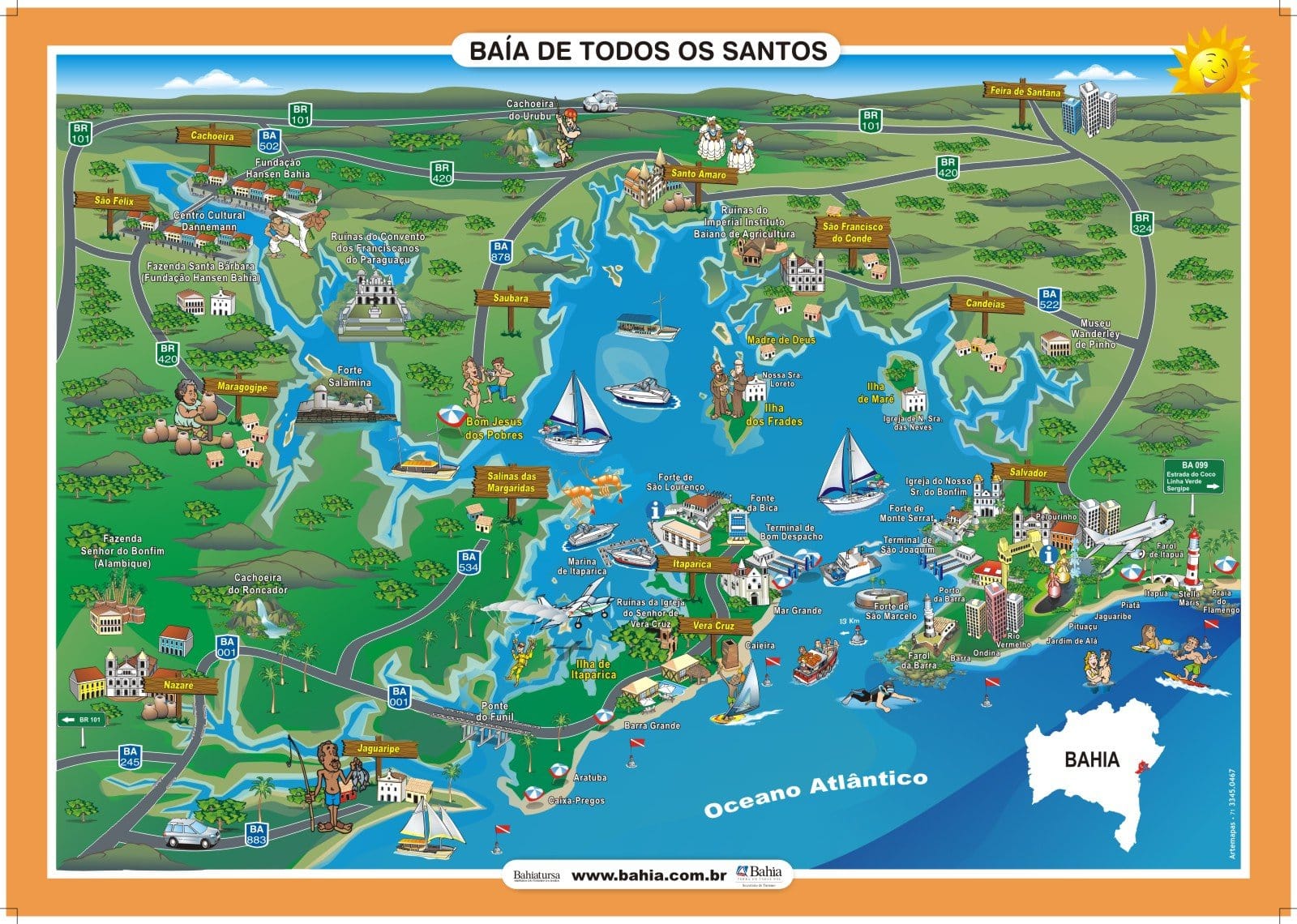
The main boundaries of the bay are
- Porto da Barra to the north (in the municipality of Salvador)
- Ponta do Garcês in the extreme south (in the municipality of Jaguaripe)
Leisure activities
The bay offers a variety of leisure activities, including tourism on its islands and idyllic beaches with calm, crystal-clear waters. Visitors can enjoy water sports such as scuba diving, which reveals coral reefs and shipwrecks from Brazil’s colonial era.
Marine Life
The waters of the bay are home to a wide variety of marine life, with depths ranging from 12 to 45 metres and visibility between 10 and 20 metres.
The Archipelago
The Archipelago of Baía de Todos os Santos is made up of 56 tropical islands, the most notable of which are
- Itaparica (Brazil’s largest offshore island)
- Mother of God
- Maré
- Frades
- Medo
- Good Jesus of the Stairs
- Vacas
- Maria Guarda
- Cajaíba
- Cal
- São Gonçalo
- Matarandiba
The use of private boats or schooners is the main means of transport to reach these islands.
Video about Bay of All Saints

Tourist Attractions in the Bay of All Saints
The largest bay in Brazil
The Bay of All Saints, the largest bay in Brazil, is surrounded by a rich diversity of tourist attractions that combine history, nature and culture.
Stunning islands
In addition to stunning islands such as Itaparica, Ilha dos Frades and Ilha de Maré, the bay is also home to historic towns of the Recôncavo Baiano, such as Cachoeira, Santo Amaro and Jaguaripe.
Culture and traditions
The region is an important centre for the preservation of Afro-Brazilian traditions and religious manifestations. It offers paradisiacal beaches, colonial buildings and ecotourism, making it an unmissable destination for lovers of culture and nature.
- Good Jesus of the Stairs
- Bimbarras Island
- Madre de Deus Island
- Brothers Island
- Itaparica Island
- Tide Island
- Matarandiba Island
- Island of Fear
- Jaguaripe
- Garcez Point
- Maragogipinho
- Nazaré “the Farinhas
1. Good Jesus of the Stairs
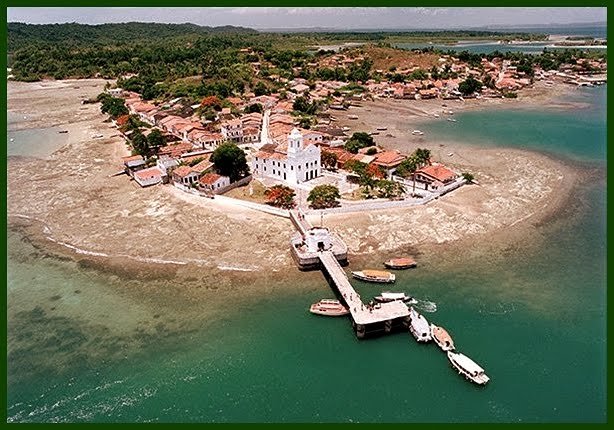
Bom Jesus dos Passos is a small, charming island in the Bay of All Saints, belonging to the municipality of Salvador.
Although quieter and less well known than other islands, it offers some interesting sights, especially for those seeking relaxation, natural beauty and immersion in a traditional atmosphere.
Tourist information about Bom Jesus dos Passos Island
Main features of Bom Jesus dos Passos Island
1. Church of Bom Jesus dos Passos
The main tourist attraction on the island is the Church of Bom Jesus dos Passos, which gives the place its name. It is a 19th century building with a simple architectural style, but of great historical and religious value to the community. Every year the island welcomes pilgrims during the festivities in honour of Senhor Bom Jesus dos Passos.
2. The beaches
- Praia da Ponta: A quiet beach with calm waters and enchanting scenery. Ideal for those who want to relax in a peaceful environment.
- Praia do Padre: Another popular beach on the island, it has a bucolic setting and is very peaceful, ideal for swimming and walking.
- Coves and Mangroves: The island also offers small coves and mangroves, providing direct contact with nature. The local biodiversity is rich, with a variety of marine fauna and vegetation typical of mangroves.
3. Walking and Trails
The island is perfect for light walking. The small paths that criss-cross the island take visitors to various beaches and offer panoramic views of the Bay of All Saints. It is a great way to explore the island and enjoy the tranquillity of the place.
4. Fishermen and local culture
Bom Jesus dos Passos is an island where fishing is still a way of life. During your visit, you can interact with the local community, learn about their traditions and even buy fresh seafood. The artisanal fishing culture is part of the essence of the place.
5. Religious festivals
The Festejo do Senhor Bom Jesus dos Passos (Festival of Our Lord Good Jesus of the Steps) is the most important event on the island, held at the beginning of the year. The religious festival attracts many visitors and worshippers who take part in the processions, mass and celebrations that take place all over the island.
6. Boat Trips
Due to its location in the Bay of All Saints, the island is a stopping point for inter-island boat tours. These tours offer a unique perspective of the island and its natural beauty from the sea.
7. How to get there
To get to the island of Bom Jesus dos Passos, you can take boats that depart from various points in the city of Salvador, such as the São Tomé de Paripe Maritime Terminal or the Itaparica Island. The crossing is short and offers beautiful views of the Bay.
Bom Jesus dos Passos is an excellent option for those seeking a more peaceful destination, with natural beauty, tranquillity and immersion in local cultural traditions.
2. Bimbarras Island
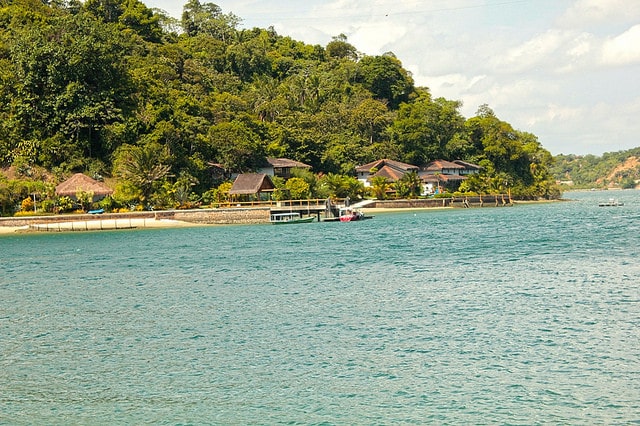
Bimbarras Island in the Bay of Todos os Santos The Bimbarras Island is one of the small islands in the Bay of Todos os Santos, near the coast of the Recôncavo Baiano. Although it is a small island and less explored by tourists than other islands in the region, it is known for its natural beauty, tranquillity and respect for the environment.
Tourist attractions and features of Bimbarra Island
1. Deserted beaches and calm waters
The Island of Bimbarras is known for its quiet beaches, many of which are deserted, making it the ideal place for those seeking a refuge in the midst of nature. The calm waters are perfect for swimming and diving.
2. Preserved natural landscape
The island has rich vegetation and preserved mangrove areas, offering an almost untouched natural environment. It is an excellent destination for those who enjoy ecotourism and direct contact with nature.
3. Boat trips and panoramic views
The Island of Bimbarras is a popular destination for boat trips around the islands of the Bay of All Saints. The panoramic views of the sea and neighbouring islands such as Itaparica and Ilha dos Frades are breathtaking, especially at sunset.
4. Water Sports
Due to its calm waters, the island is ideal for activities such as stand-up paddle boarding, kayaking and snorkelling, allowing you to explore the marine life and beauty of the reefs that surround the island.
5. Private Retreat
Some parts of the island are private areas used for exclusive events or retreats. This makes it a popular destination for those seeking more privacy and tranquillity than the busier islands in the bay.
6. How to get there
The Island of Bimbarras is accessible by boat tours departing from Salvador or other nearby islands, such as Itaparica. The tours usually stop at several islands, allowing visitors to spend a day exploring the different landscapes of the Bay of All Saints.
The Island of Bimbarras is ideal for those looking for a more secluded destination, close to nature, with beautiful landscapes and outdoor activities.
3. Madre de Deus Island
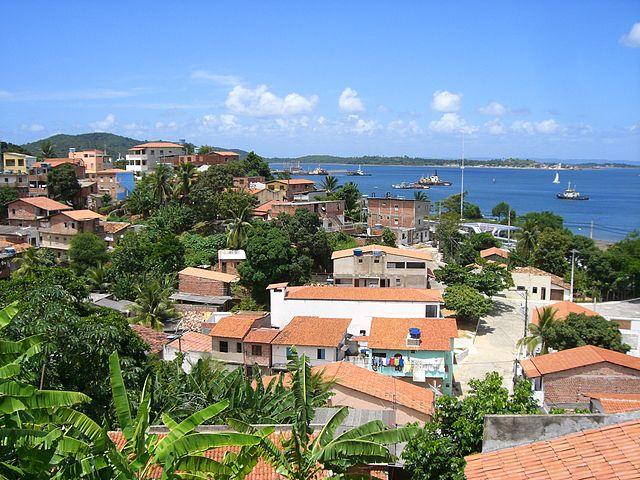
The Madre de Deus Island, located in the Bay of All Saints, is one of the main inhabited islands of the Recôncavo Baiano and an interesting destination for both its natural beauty and its welcoming urban environment. The island is easily accessible, has a good infrastructure and several tourist attractions that combine culture, leisure and nature.
Maré Island in the bay of Todos os Santos: Nature and Culture
Tourist Attractions on Madre de Deus Island
1. Suape Beach
One of the main beaches on the island, Praia do Suape is renowned for its calm, crystal clear waters, making it ideal for swimming, walking and relaxing. It is popular with locals and tourists looking for a family-friendly, peaceful atmosphere.
2. Ponta do Padre Beach
Another popular beach with calm waters and a stretch of sand perfect for relaxing. Ponta do Padre is also a great place to enjoy the sunset, with panoramic views of the bay.
3. Church of Our Lady of Loreto
The Church of Our Lady of Loreto is one of the most important historical sites on the island. Built in the 17th century, it reflects the rich religious and cultural heritage of the region and is the setting for religious festivities and traditions dating back to the colonial period.
4. Pedro Gomes Sobrinho Square
It is the centre of social life on Madre de Deus Island, a pleasant place for walks, meetings and cultural events. The square is surrounded by bars, restaurants and local shops, offering visitors a welcoming and lively atmosphere.
5. Carapeba Island
Close to Madre de Deus Island, Carapeba Island is accessible by boat and famous for its natural beauty. Its deserted beaches and crystal clear waters make it an ideal retreat for those seeking peace and direct contact with nature.
6. Popular festivals
The Festival of Our Lady of Loreto and the Festival of Saint Roch are important events that mobilise the island, with processions, masses and celebrations that bring together the local community and visitors. These religious events are accompanied by cultural performances and lots of music, with a focus on samba de roda and other traditional expressions of the region.
7. Boat Trips
The Ilha de Madre de Deus is the starting point for boat trips around the Baía de Todos os Santos. These trips include visits to other islands in the region, such as the Island of Bom Jesus dos Passos and the Island of Maria Guarda, as well as passages through coves and secluded beaches.
8. Bridge to the island
The bridge that connects Madre de Deus Island to the mainland is an important point for tourists, allowing easy access by car or on foot. From there you can enjoy a beautiful view of the bay and the city, especially at sunset.
9. How to get there
The Island of Madre de Deus is one of the most accessible islands in the Bay of All Saints. In addition to boat trips, it is also possible to reach the island by car, crossing a bridge that connects it to the mainland via the town of São Francisco do Conde.
4. Frades Island
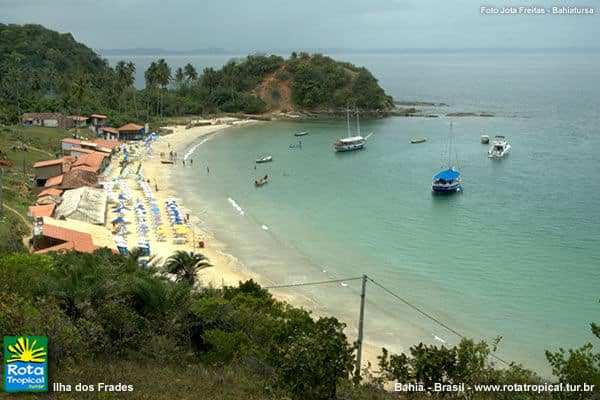
The Ilha dos Frades is one of the most beautiful and best preserved islands in the Baía de Todos os Santos, located in the municipality of Salvador.
Shaped like a 15-pointed star, the island is known for its crystal clear waters, idyllic beaches and rich biodiversity. The island also has a strong historical and cultural value, with monuments and a rich religious heritage.
Ilha dos Frades – History, Beaches and Attractions
Tourist Attractions on Ilha dos Frades
1. Ponta de Nossa Senhora de Guadalupe Beach
One of the most famous and awarded beaches on the island, Ponta de Nossa Senhora de Guadalupe Beach has been awarded the Blue Flag, which guarantees high standards of environmental quality and tourist infrastructure. The beach has crystal clear waters, is peaceful and surrounded by lush vegetation, making it an ideal destination for those seeking leisure and relaxation.
2. Loreto Beach
Located in the northern part of the island, Loreto Beach is a haven of natural beauty with warm, crystal clear waters. The site is also home to the Church of Our Lady of Loreto, a historic building dating from the 17th century, surrounded by palm trees and idyllic landscapes.
3. Paramana Beach
More secluded and with a rustic feel, Paramana Beach is an excellent option for those who want to escape the hustle and bustle and enjoy the tranquillity of the island. It is a popular spot for boat trips and diving due to its calm and clear waters.
4. Viração Beach
Praia da Viração is one of the quietest and least explored beaches on the island. Its clear, warm waters make it the perfect place to swim and relax. It is an ideal beach for those who want to get closer to nature, away from the more crowded areas.
5. Trails and hikes
The Ilha dos Frades is a great destination for those who enjoy exploring nature. There are several paths that criss-cross the island, providing access to small beaches and natural viewpoints. During these walks, visitors can enjoy the rich local fauna and flora, including native trees and various species of birds.
6. Brothers’ Waterfall
For nature lovers, the island also has a hidden waterfall in the middle of the vegetation. It is a peaceful place, ideal for cooling off after a hike. The Cachoeira dos Frades waterfall is surrounded by tropical scenery, offering a peaceful environment and a connection with nature.
7. Church of Our Lady of Guadalupe
Located at the top of a hill, the church of Our Lady of Guadalupe offers a panoramic view of the Bay of All Saints. Built in the 17th century, it is a religious and historical landmark on the island. The feast of Our Lady of Guadalupe, patron saint of the island, attracts many believers and tourists every year.
8. Historical ruins
Scattered around the island are ruins of old colonial buildings, such as farmhouses and sugar mills, dating back to the time when the island was inhabited by Franciscan friars. These ruins form part of the island’s historical heritage and are an important link to its colonial past.
9. Tours and accessibility
The Ilha dos Frades is one of the most popular destinations on the boat tours that visit the Baía de Todos os Santos. Most tours depart from the Salvador Maritime Terminal and stop at various beaches around the island. Access to the island is by boat only, and the route offers beautiful views of the bay and other surrounding islands.
5. Itaparica Island
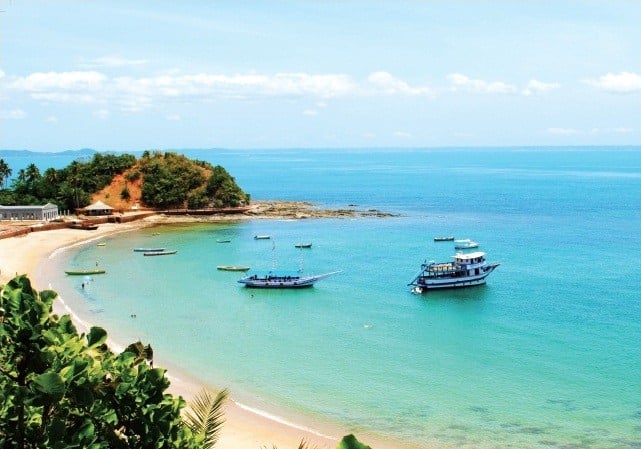
The Island of Itaparica is the largest and one of the most famous islands in the Bay of All Saints, located about 13 km from Salvador. With an area of 240 km², it is divided between the municipalities of Itaparica and Vera Cruz. Known for its beautiful beaches, historical importance and lush tropical vegetation, the island is a popular tourist destination that combines nature, history and leisure.
Itaparica Island: Discover the largest island in the Bay of All Saints
Tourist Attractions on Itaparica Island
1. Ponta de Areia Beach
One of the most visited and beautiful beaches on the island, Ponta de Areia Beach is known for its calm waters and white sands. It is ideal for those seeking relaxation and tranquillity. The beach has a good infrastructure with bars and restaurants and is very popular with tourists and locals alike.
2. Amoreiras Beach
Amoreiras Beach is another very popular beach, famous for its natural pools that form at low tide, as well as its warm, crystal clear waters. It is a great place for swimming and for those looking for a more peaceful and family friendly atmosphere.
3. Conceição Beach
One of the quietest beaches on the island, Praia do Conceição is known for its clear, warm waters and long stretches of sand, perfect for walking. It is a more secluded and less crowded beach, ideal for those seeking peace and direct contact with nature.
4. Cacha Pregos Beach
Located in the municipality of Vera Cruz, Praia de Cacha Pregos is one of the most popular beaches in the southern part of the island. Known for its calm waters and long stretch of sand, it is an ideal destination for families and water sports enthusiasts, such as sailing and kite surfing. Cacha Pregos is also the starting point for boat trips and fishing in the bay.
5. Praia do Forte
Located near the São Lourenço Fort, Praia do Forte is one of the most charming beaches on the island. Its waters are calm and ideal for swimming and water sports such as kayaking and stand-up paddleboarding. Its proximity to the fort also makes the beach interesting from a historical point of view.
6. Bica Fountain
The Fonte da Bica is a historical attraction in the town of Itaparica, famous for its waters, which are said to have medical properties. Built in 1842, the fountain is a cultural and historical point of interest on the island, and many visitors come here in search of the healing properties of the waters.
7. Historic Centre of Itaparica
The city of Itaparica has a historic centre with well-preserved colonial mansions from the 18th and 19th centuries. Walking through its streets is like stepping back in time, enjoying the architecture and rich cultural heritage left by the Portuguese. Among the highlights is the Church of São Lourenço, a historic building from the 18th century.
8. Church of Our Lady of Mercy
The Church of Nossa Senhora da Piedade is one of the oldest buildings on the island, dating back to the 16th century. Located on the sea front, it offers a spectacular view of Todos os Santos Bay. The church is a symbol of local religiosity and a landmark of the colonial period.
9. Fort of São Lourenço
Built in the 17th century, the Fort of São Lourenço is an important historical monument on the Island of Itaparica. It played a key role in defending the island during the Dutch invasions of colonial Brazil. Today, the fort is well preserved and is one of the most visited tourist attractions, offering beautiful views of the sea and bay.
10. Boat Trips
The Island of Itaparica is the starting point for boat trips to other islands in the Bay of All Saints, such as the Island of the Brothers. These trips allow you to explore different beaches and coves and enjoy the beautiful seascapes.
11. Village of Mar Grande
Mar Grande is the main gateway to the island, with a busy ferry terminal linking the island to Salvador by speedboat. The village has good shopping and restaurants and is a good base for exploring the island.
12. How to get there
There are two main ways to get to the Island of Itaparica:
- ferry: From Salvador, the ferry takes you to the Bom Despacho terminal, which connects the island to the mainland.
- Speedboat: The shortest crossing is by speedboat from Salvador to Mar Grande, with regular departures and a journey time of approximately 30 minutes.
6. Maré Island
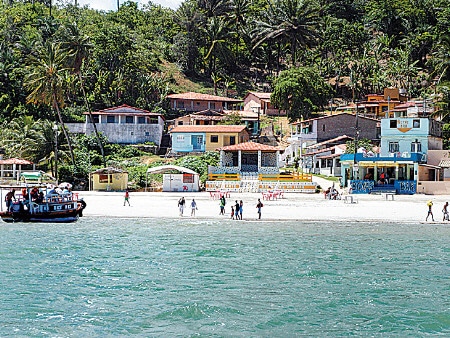
The Ilha de Maré, located in the Baía de Todos os Santos, is one of the islands belonging to the municipality of Salvador, about 20 km from the city centre.
This island, with its peaceful atmosphere and rustic charm, is known for its beautiful beaches, rich Afro-Brazilian culture and a simple lifestyle centred on artisanal fishing.
It is an ideal destination for those seeking a natural retreat with a welcoming atmosphere and close contact with nature.
Maré Island in Todos os Santos Bay: Nature and Culture
Tourist attractions on Maré Island
1. Itamoabo Beach
One of the most beautiful and visited beaches on the island, Itamoabo Beach has calm, crystal clear waters and a long stretch of white sand. The landscape is surrounded by coconut trees and mangroves, offering the perfect environment for those who want to relax. It is ideal for swimming and enjoying the tranquillity of the island.
2. Snow Beach
Praia das Neves is known for its natural beauty and the presence of fishing boats that give the place a special charm. The calm, clear waters are ideal for swimming and the sunset seen from the beach is one of the most striking attractions. Around the beach there are a few stalls selling typical local food.
3. Santana Beach
A quiet and less explored beach, Santana Beach has a more rustic and natural feel, ideal for those who want to escape the crowds and get in touch with nature. It is surrounded by indigenous vegetation and its mangroves are one of the elements that make the place so beautiful.
4. Botelho Beach
Located in the northern part of the island, Botelho Beach is one of the most secluded and peaceful beaches. The landscape consists of mangroves, coconut trees and a beach of fine, white sand and warm, calm waters, perfect for swimming. It is an excellent place for those seeking peace and quiet, away from the hustle and bustle.
5. Coroas Beach
This small beach is surrounded by native vegetation and offers stunning views of the Bay of All Saints. Praia das Coroas is known for its crystal clear waters and coral formations at low tide, which provide a beautiful natural spectacle.
6. The Quilombola Community of Bananeiras
The Ilha de Maré is home to an important quilombola community. The Comunidade de Bananeiras is known for preserving Afro-Brazilian traditions, with cultural and religious events that include popular festivals, dances and rituals. A visit to this community is an opportunity to learn about local history and culture, as well as supporting community tourism.
7. Chapel of Our Lady of the Snows
One of the island’s most important religious landmarks, the Chapel of Nossa Senhora das Neves is located near Praia das Neves beach. The simple and charming building is the setting for local religious festivities, bringing together residents and visitors to celebrate the island’s patron saint.
8. Diving and Ecotourism
The Ilha de Maré offers good opportunities for diving and snorkelling due to the clarity of its waters and the presence of coral formations. In addition, the island is ideal for those who enjoy ecotourism, with trails that cut through the native vegetation, allowing direct contact with the local fauna and flora.
9. Typical cuisine
The island is also famous for its local cuisine, based on fresh seafood caught by the islanders themselves. In restaurants and beach huts you can try typical dishes such as moquecas, octopus rice, seafood stew and crab, as well as fish cakes and other local delicacies.
10. How to get there
The Ilha de Maré is accessible by boat, with departures from places such as the Terminal Marítimo de São Tomé de Paripe and the Port de Aratu. The crossing is quick and offers a privileged view of the Bay of All Saints and the other surrounding islands.
7. Matarandiba Island
The Island of Matarandiba is one of the least known islands in the Bay of All Saints, located in the municipality of Vera Cruz, near the Island of Itaparica. Although small and relatively unexplored by tourism compared to other islands in the bay, Matarandiba Island offers a peaceful and authentic experience, ideal for those seeking direct contact with nature and a more rustic environment.

Tourist attractions and characteristics of Matarandiba Island
1. Quiet beaches
Matarandiba Island is known for its beaches with calm, clean waters surrounded by native vegetation. The beaches are quiet, without large crowds of tourists, providing a peaceful and relaxing atmosphere. Some of the beaches are virtually deserted, perfect for those seeking privacy.
2. Mangroves and natural wealth
The island has a large area of mangroves, which play a fundamental role in the ecological balance of the region. These mangroves are home to many species of fish, crustaceans and birds, making them an excellent spot for wildlife watching. Boat trips through the mangroves are a great way to explore these areas and learn more about the local ecosystem.
3. Local community
The Island of Matarandiba is home to a small community of people who live mainly from artisanal fishing and shellfish gathering. Visitors have the opportunity to interact with the locals and learn a little more about the simple and peaceful life on the island. The traditional way of life of the fishermen reflects the rich cultural heritage of the island.
4. Ecological trails
The island also offers the opportunity to explore its natural beauty through ecological trails. The walks take you through areas of native forest and mangroves, immersing visitors in the preserved nature of the region. These trails are a great option for those who enjoy ecotourism and seek a more intimate connection with the environment.
5. Matarandiba Fenda
One of the most curious and fascinating phenomena on the island is the so-called Matarandiba crack, a geological formation that appeared on the island’s soil in 2018. The crack, which is about 70 metres long and 1 metre wide, has attracted the attention of geologists and experts who are trying to understand its causes. Although the area is monitored for safety reasons, it is a point of scientific interest on the island.
6. Local cuisine
The island’s cuisine is simple and authentic, based on traditional seafood dishes prepared with fresh ingredients. In small restaurants and homes, you can enjoy moquecas, fried fish and seafood dishes, all seasoned with typical Bahian spices.
7. Artisanal fishing and shellfish harvesting
Artisanal fishing and shellfishing are fundamental activities for the local economy. Many visitors enjoy watching fishermen and shellfish gatherers at work, using traditional techniques passed down through generations. It is even possible to take part in these activities and learn more about life at sea and the importance of the island’s natural resources.
8. How to get there
Access to Matarandiba Island is by boat, with departures from Itaparica Island or from some points on the mainland, such as Salvador and Vera Cruz. The crossing is quick and offers beautiful views of the Bay of All Saints.
8. Island of Fear
The Island of Fear is one of the least known and most mysterious islands in the Bay of All Saints, in Salvador, Bahia. Located near the Ilha de Maré and the Ilha de Matarandiba, the island has a name that evokes curiosity and mystery, related to both its history and its isolated landscape. Although not a common tourist destination, the Island of Fear has characteristics that attract those who want to explore unusual and unexplored places.
Ilha do Medo (Island of Fear) in Todos os Santos Bay: Mysteries and hauntings
Sights and characteristics of the island of Medo
1. Mystery and legends
The name “Island of Fear” is associated with various legends and stories told by local fishermen and residents of neighbouring islands.
One of the most popular stories is that in the past the island was used as a quarantine for sick people, especially during epidemics of diseases such as yellow fever. These stories have contributed to the aura of mystery that surrounds the place.
2. Untouched nature
The Island of Fear is covered in dense vegetation and mangroves, with little human intervention. Its unspoiled nature is one of its main attractions, although the lack of tourist infrastructure means it is only visited by adventurers or explorers.
The local fauna and flora are characteristic of mangrove areas, with a variety of bird species and small animals.
3. Isolated location
The island is located in a more remote part of the Bay of All Saints, which adds to its isolation. There are no tourist facilities and access is restricted, usually by fishermen or private boats. This isolation also contributes to the mystique and stories surrounding the island.
4. The history
In addition to the quarantine legends, the Island of Fear has at various times been used for various purposes, such as a temporary shelter for shipwrecked sailors and a hideout for pirates. The island was also occasionally used as a strategic observation point during foreign invasions of the Bay of All Saints.
5. Mangroves and ecosystem
Like other islands in the bay, Ilha do Medo has extensive mangrove forests, which play a crucial role in maintaining the local ecosystem. The mangroves serve as a nursery for various marine species and are important for coastal protection. These environments are ideal for those who enjoy ecotourism and want to explore the local biodiversity.
6. Natural landscapes
Although not known for its beaches, Ilha do Medo has lush natural landscapes, with a combination of tropical vegetation and mangroves creating a unique setting.
The absence of tourists and human construction makes the island an interesting observation point for those wishing to see the Bay of All Saints in its most natural state.
7. How to get there
Access to Ilha do Medo is difficult and usually only possible for local fishermen or private boats, as there is no regular transport to the island. This adds to its isolation and unexplored nature.
9. Jaguaripe
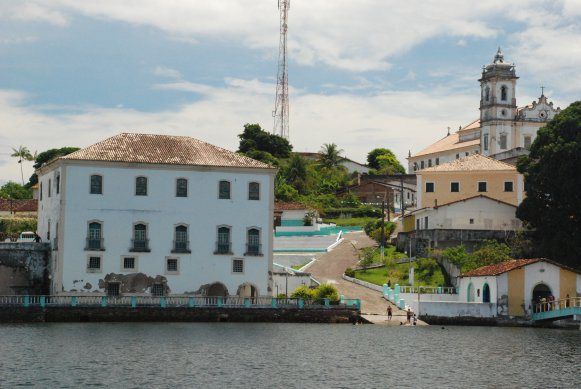
Jaguaripe is one of the most important historical communities of the Baiano Recôncavo, located on the banks of the Jaguaripe River, which flows into the Bay of All Saints. Founded in the early colonial period, it played an important role in the formation of the region, being one of the first settlements in the state of Bahia.
With its well-preserved colonial buildings and peaceful riverside atmosphere, Jaguaripe is an excellent destination for those who want to learn about the history of the Recôncavo and enjoy stunning natural landscapes.
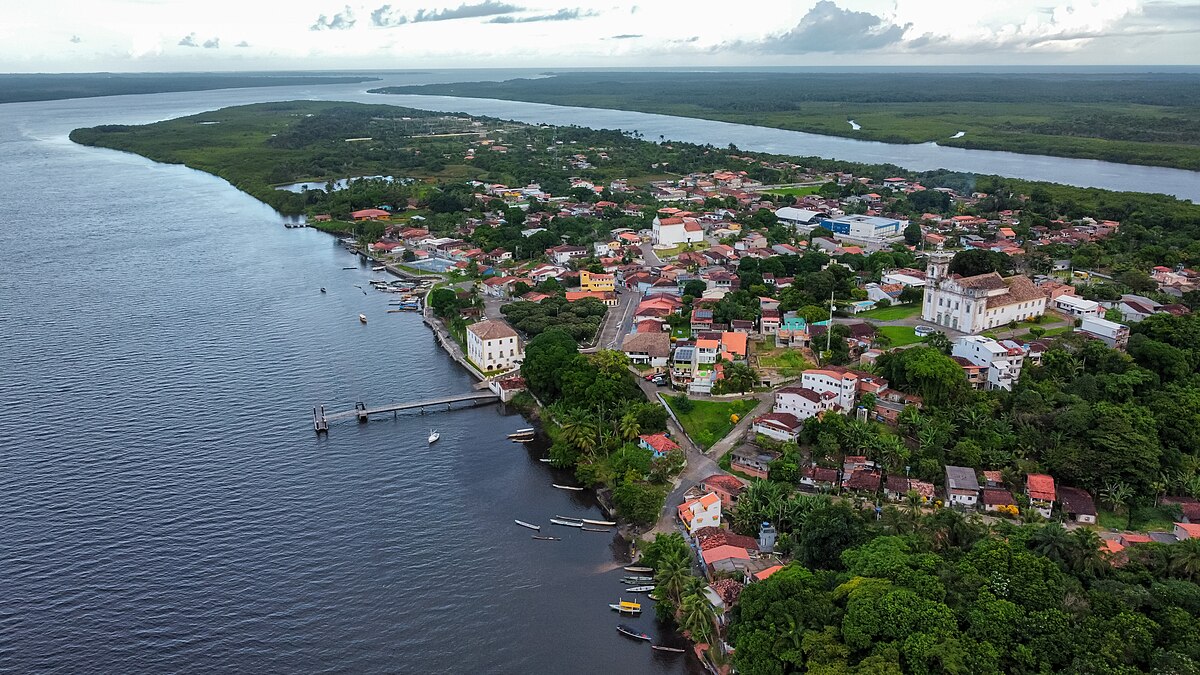
Jaguaripe na Bahia
Tourist Attractions and Characteristics of Jaguaripe
1. Mother Church of Our Lady of Help
The Igreja Matriz de Nossa Senhora da Ajuda (Mother Church of Our Lady of Help) is one of the city’s most important monuments, built in the 17th century.
The Baroque church reflects the historical and religious wealth of the municipality, preserving architectural and artistic details of great value. Its altar, tiles and sacred images are examples of Bahian colonial art. The church offers a privileged view of the city and the river.
2. Jaguaripe Pier
The Jaguaripe Pier is one of the city’s most iconic spots, with its view of the Jaguaripe River and its well-preserved colonial architecture. The pier is a great place to take a leisurely stroll and enjoy the sunset by the river. It is also the starting point for boat trips to explore the surrounding area and other parts of Baía de Todos os Santos (All Saints Bay).
3. Cações Beach
Although better known for its historical heritage, Jaguaripe also has pleasant beaches, such as Cações Beach. Known for its calm waters and natural beauty, this beach is ideal for relaxation and family fun.
4. Santa Cruz Farm
Santa Cruz Farm is an important symbol of the city’s historical heritage, an old colonial farm that preserves the architecture and elements of the Recôncavo’s golden age, such as sugar mills. The farm is a testimony to the region’s economic past and offers an immersion in Bahia’s rural history.
5. Jaguaripe Fort
The Jaguaripe Fort, built in a strategic position on the riverbank, was constructed in the 17th century to protect the city and the Recôncavo from pirate attacks and invaders. Although it is in ruins, the site is of historical interest as a reminder of Jaguaripe’s military importance during the colonial period.
6. Ecological walks
For nature lovers, Jaguaripe offers trails and hikes through protected areas of the Atlantic Forest. These hikes offer contact with local fauna and flora, as well as beautiful natural landscapes, such as mangroves and nature reserves.
7. Culture and Traditional Fiestas
Jaguaripe is also known for its popular festivals and cultural events. These include religious celebrations such as the Festa de Nossa Senhora da Ajuda, held every year in September, and other religious and cultural festivals that involve the whole community.
8. Town Hall and Prison
A striking example of colonial architecture and the organisation of Brazilian colonial cities, the Casa da Câmara e Cadeia (Town Hall and Prison) is another point of interest. Originally used as an administrative centre and prison, the building is of great historical value and is one of the oldest in the city.
9. Boat Trips on the Jaguaripe River
One of the most recommended activities for visitors to Jaguaripe is a boat trip on the Jaguaripe River. These trips allow you to observe the natural beauty of the region, get to know small communities along the river, as well as providing a different view of the city and its surroundings.
10. Garcez Point
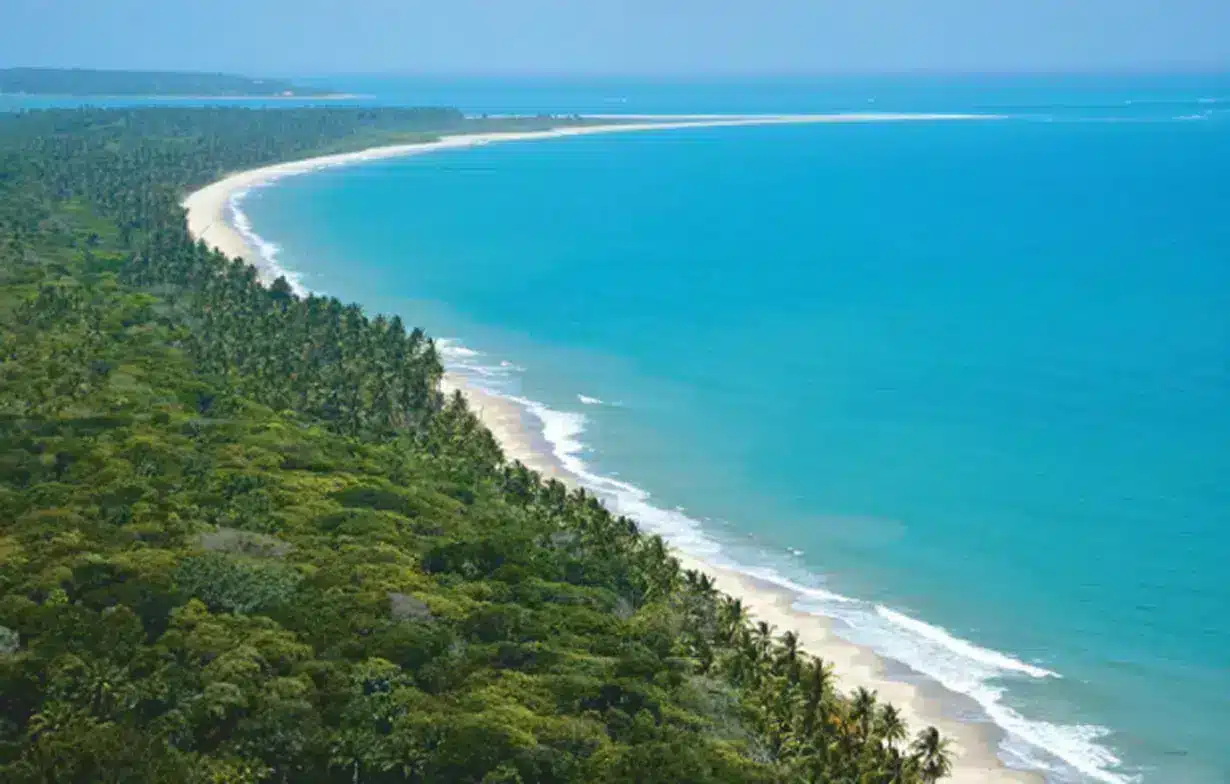
Ponta do Garcez, also known as Praia do Garcez, is one of the most beautiful and peaceful beaches on the Recôncavo Baiano coast, located in the municipality of Jaguaripe, Bahia.
This little-explored paradise is famous for its unspoilt natural beauty, with a landscape of clear water beaches, coconut trees, cliffs and tranquillity, attracting especially those who want to escape the busier beaches of Bahia.
Main attractions of Ponta do Garcez
1. Garcez Beach
Praia do Garcez is the main attraction of the region, known for its calm, crystal clear waters, perfect for swimming and relaxing. The sandy beach is extensive and surrounded by vast coconut groves that frame the landscape, creating an ideal setting for seaside walks and picnics. The tranquillity of the beach makes it an ideal destination for families and those seeking moments of peace.
2. Clear and calm waters
The waters of Praia do Garcez are renowned for being clear and calm, ideal for those who enjoy swimming, water sports or simply cooling off. The beach is also ideal for activities such as stand-up paddleboarding and kayaking, especially due to the calm waves.
3. Vegetation and coconut groves
The extensive coconut groves that line the beach are a typical and charming feature of the Bahian coast. In addition to beautifying the landscape, the coconut trees provide natural shade, making it a great place to rest and enjoy the sea breeze.
4. Ecotourism and trails
Ponta do Garcez is also popular with those who enjoy ecotourism. There are trails in the region that allow visitors to explore the local vegetation and enjoy panoramic views of the coast. These trails, which pass through areas of Atlantic forest and mangroves, are ideal for birdwatching and contact with local flora and fauna.
5. Peaceful and secluded surroundings
Unlike other tourist beaches, Garcez Beach is characterised by its tranquillity and sense of isolation, making it ideal for those who want to escape the hustle and bustle of busier beaches. As it is less well known, the beach is usually empty, allowing visitors to enjoy a peaceful and tranquil atmosphere.
6. Access and Location
Ponta do Garcez is located on the coast of Jaguaripe, about 130 km from Salvador. It can be reached by car, via roads that cross the Recôncavo Baiano, or by boat, departing from places such as Salinas da Margarida. The roads to the beach are quiet and offer beautiful views of the rural landscapes of Bahia.
11. Maragogipinho
Maragogipinho is a district in the municipality of Aratuípe, located in the Recôncavo Baiano, and is widely recognised as the largest centre for handmade ceramics in Brazil.
This small village on the banks of the Jaguaripe River is known for its ancestral tradition of pottery making, a cultural heritage that has been passed down through generations.
In addition to the importance of handicrafts, Maragogipinho offers an immersion in the culture and simple daily life of the interior of Bahia.

Arte do barro em Maragogipinho na Bahia
Major attractions in Maragogipinho
1. Handmade ceramics
The main economic and cultural activity in Maragogipinho is the production of handmade ceramics. Local artisans create a wide variety of pieces, including pots, vases, pans, water jugs and sculptures, all made by hand using traditional techniques. Production takes place in several pottery workshops scattered around the village, and visitors can see the process up close, from collecting the clay to modelling and firing the pieces.
2. Ceramics Fair
The Ceramics Fair in Maragogipinho is one of the most important events in the region, attracting visitors and traders from all over the state of Bahia. At the fair, usually held on commemorative dates, you can buy quality ceramics directly from the artisans at affordable prices. This is an excellent opportunity to learn more about the craft and take home unique souvenirs.
3. Craft Workshops
Many local artisans offer workshops to visitors, where you can learn basic pottery techniques and even model your own pieces. These workshops are a great way to interact with the local culture and appreciate the talent of the people of Maragogipinho.
4. Culture and tradition
Pottery is a centuries-old tradition that dates back to colonial times, when the first inhabitants of the region began to explore the abundant clay on the banks of the Jaguaripe River. Today, this tradition is one of the main symbols of the identity of Maragogipinho, and many families in the region depend on pottery for their livelihood.
5. The Jaguaripe River
The Jaguaripe River plays an important role in the life of the community of Maragogipinho. As well as being the main source of water for pottery production, the river offers leisure activities such as boat trips and artisanal fishing. The riverbanks are great places to relax and enjoy the natural scenery.
6. Religious and traditional festivals
The community of Maragogipinho is deeply religious, and several traditional festivals and celebrations are held throughout the year, such as the Festa de São Bartolomeu, in honour of the district’s patron saint. During these festivals, the community comes together in celebrations that include masses, processions, music and cultural events, providing an excellent opportunity for visitors to immerse themselves in the local culture.
7. Community-based tourism
In recent years, community-based tourism has become increasingly important in Maragogipinho, offering visitors the opportunity to experience rural life and actively participate in local activities. This type of tourism is a way of valuing the community and promoting the economic and cultural sustainability of the village.
8. Local cuisine
As well as ceramics, Maragogipinho offers visitors the opportunity to sample the typical cuisine of the Baiano Recôncavo. Dishes based on fresh fish and seafood are common, often prepared in locally made clay pots, which intensify the flavour and preserve the region’s culinary tradition.
9. Access and Location
Maragogipinho is located in the municipality of Aratuípe, about 140 km from Salvador, the capital of Bahia. The district can be reached by car or by riverboat along the Jaguaripe River. The trip offers an immersion in the landscapes of the Recôncavo, with its rural areas, plantations and traditional villages.
12. Nazaré “das Farinhas
Nazaré, also known as Nazaré das Farinhas, is a city in the Recôncavo Baiano, famous for its historical, cultural and religious importance. Situated on the banks of the Jaguaripe River, the city was an important centre for the trade of manioc flour during the colonial period, which gave rise to its nickname “das Farinhas” (the Flours).
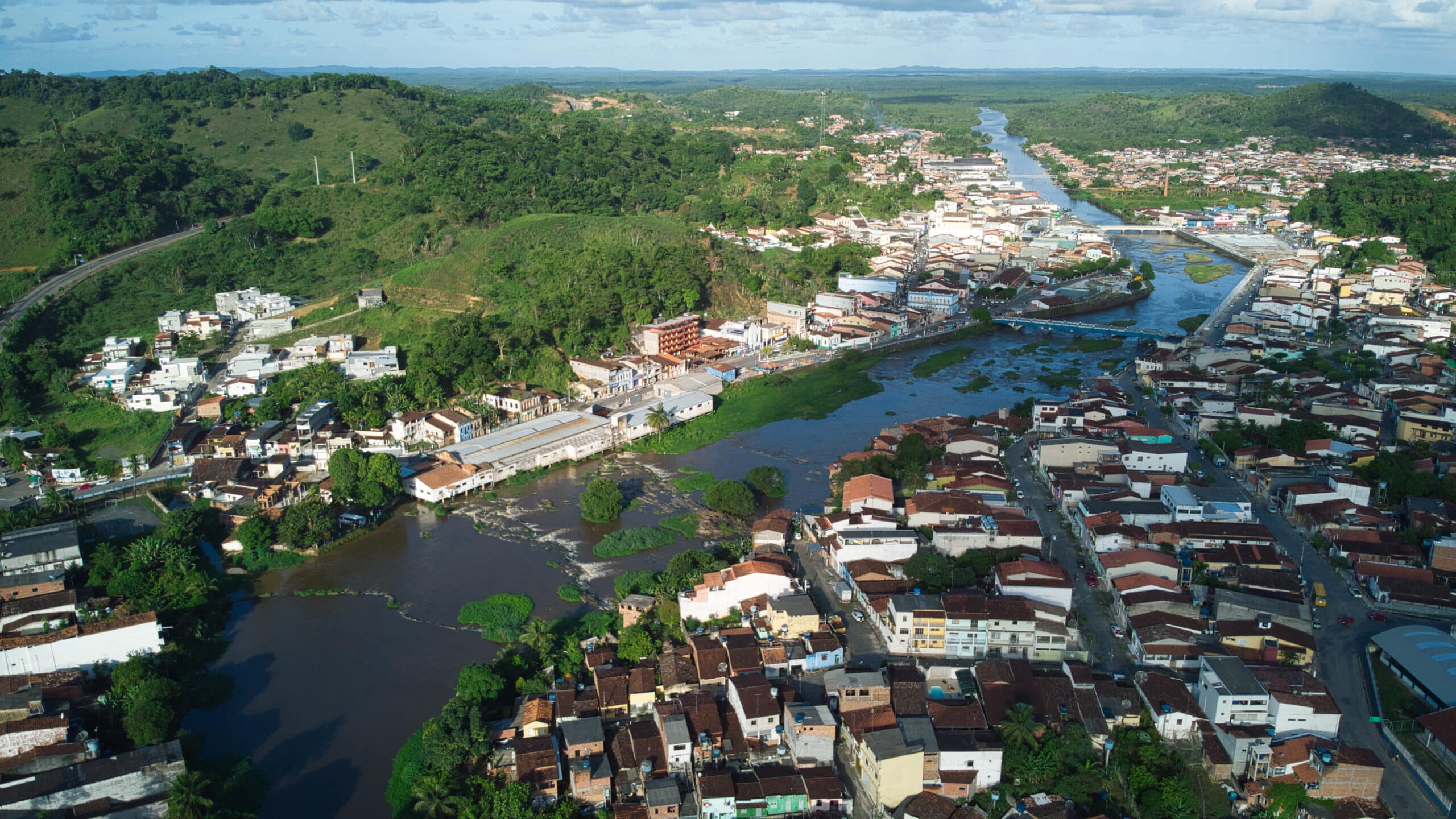
In addition to its economic value in the past, Nazaré is known for its religious traditions, popular festivals and architectural heritage.

História de Nazaré das Farinhas na Bahia
Main attractions in Nazaré das Farinhas
1. Mother Church of Our Lady of Nazareth
One of the city’s main tourist and religious attractions is the Igreja Matriz de Nossa Senhora de Nazaré (Church of Our Lady of Nazareth), patron saint of the city. Built in the 18th century, this baroque church is a symbol of the faith and devotion of the locals. Every year in September, the Festival of Our Lady of Nazareth attracts thousands of worshippers who take part in processions and celebrations.
2. Jaguaripe River Waterfall
Close to the city, the Jaguaripe River Waterfall offers a beautiful natural setting for visitors seeking tranquillity and contact with nature. Its clear, refreshing waters are ideal for swimming, picnics and family fun.
3. Caxixis Fair
The Feira de Caxixis is one of the most traditional craft fairs in Bahia and takes place during Holy Week. Held since the 19th century, the fair brings together artisans from all over the Recôncavo Baiano region to exhibit and sell their work, especially ceramic miniatures called “caxixis”. The event attracts thousands of visitors and is one of the most eagerly awaited moments of the year.
4. Popular and religious festivals
In addition to the Festival of Our Lady of Nazareth and the Caxixis Fair, Nazaré also celebrates other popular and religious festivals, such as São João and Carnival, with lots of music, dancing and traditional food, as well as cultural events that revive local traditions.
5. Historic Mansions
The city of Nazaré has a rich architectural heritage, with several colonial mansions dating from the 18th and 19th centuries, remnants of the era when the trade in flour and other agricultural products was the driving force of the local economy. These mansions are examples of the architectural style that prevailed during the heyday of the Recôncavo Baiano.
6. Museum of Nazaré
The Nazaré Museum offers visitors an insight into the history and culture of the town. The collection includes objects related to flour production, religious items and historical artefacts that help tell the story of the city and its people through the centuries.
7. Jaguaripe River
The Rio Jaguaripe, which cuts through the city, offers boat trips and beautiful views of the city from its banks. As well as being important in the economic history of Nazaré, the river is a natural attraction for those who want to relax and enjoy the scenery of the Recôncavo Baiano.
8. Nazaré Bridge
The Nazaré Bridge, built in the early 20th century, is another of the city’s major tourist attractions. It connects Nazaré with the neighbouring town of Aratuípe and is considered a historical feat of engineering, as well as offering panoramic views of the city and the river.
9. Flour Mills
Although the production of manioc flour has declined over the years, there are still a few flour mills in Nazaré. Visiting these mills is a way to learn about the traditional production of one of the most important products of the Bahian economy during the colonial period.
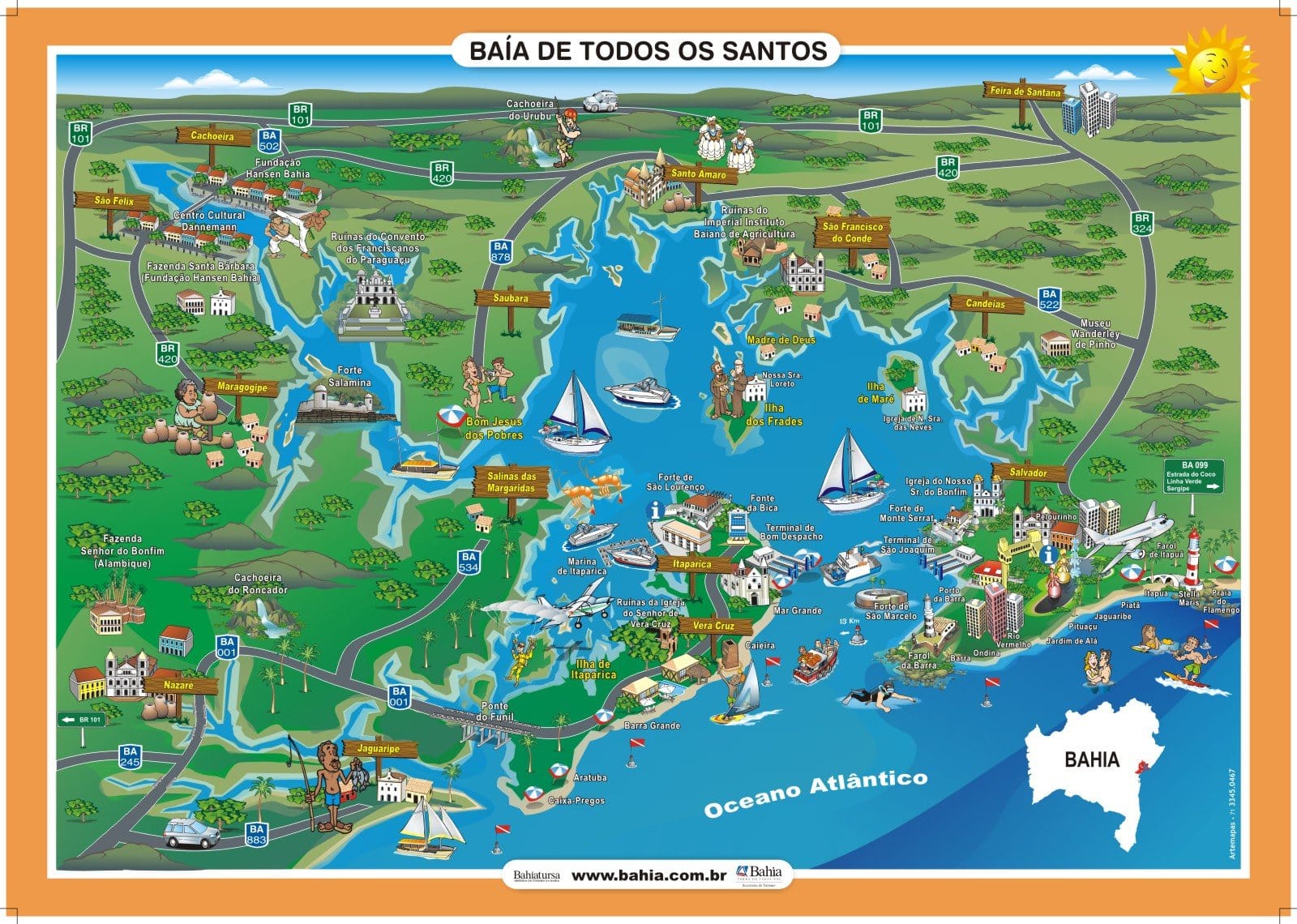
See the map of Todos os Santos Bay
Tourist guide to the Bay of All Saints
Publicações Relacionadas
Madre de Deus: a paradise in the Recôncavo Baiano
Tourism in São Francisco do Conde (BA) — Tips and Attractions
Bay of Todos os Santos: nature, history and cultur
Maré Island (Bay of Todos os Santos) — beaches, culture and how to get there
Santo Amaro in the Recôncavo Baiano and its history
Tourist Guide to the Pantanal in Bahia — Jaguaripe (BA) | Mangroves, Fishing and Excursions
Main islands of Todos os Santos Bay
Island of Fear: Mysteries and Hauntings
Todos-os-Santos Bay (Bahia) — History, geography and conservation
Todos os Santos Bay: Nature, History, Culture and Tourism
Itaparica Island — Complete Guide: History, Beaches and Tips
Salinas da Margarida (BA) — Beaches, Attractions and a Complete Guide
City of Cachoeira: Bahia's Hidden Historical Treasure
Candeias: History of the Feast of Our Lady
History and Heritage of Itaparica Island — Bay of Todos os Santos
Tourist information about Bom Jesus dos Passos Island
Ilha dos Frades - History, Beaches and Attractions
This post is also on:
 Português
  English
  Deutsch
  Español
  Français