Location and access
Maré Island belongs to the municipality of Salvador, but is close to Candeias and Madre de Deus, which are common departure points. Boats depart from various locations (Salvador, Candeias, Madre de Deus) and the crossing time varies between 20 and 45 minutes, depending on the point of departure and sea conditions.

Main natural features
The island preserves stretches of Atlantic Forest, coconut groves, banana plantations and extensive mangrove swamps. The mangroves provide a habitat for birds, fish and crustaceans, as well as forming estuarine landscapes much appreciated by visitors.
Most popular beaches
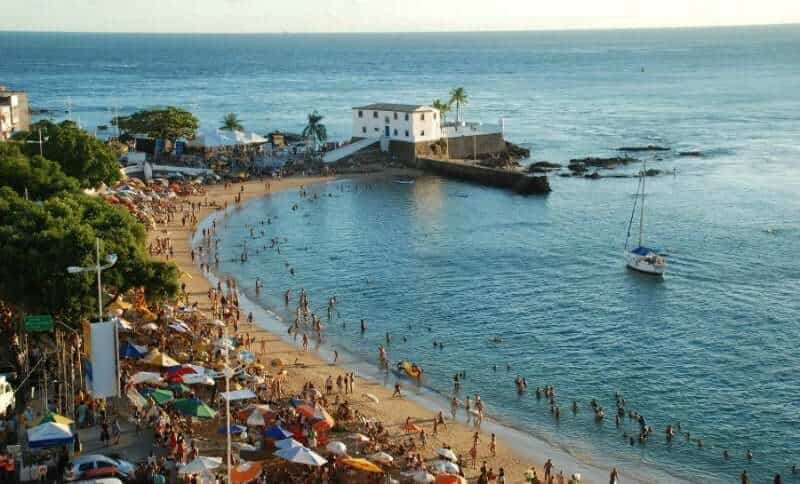
- Santana Beach — calm waters, with a strong presence of local handicrafts.
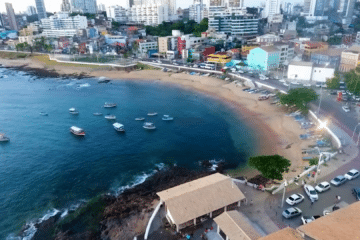
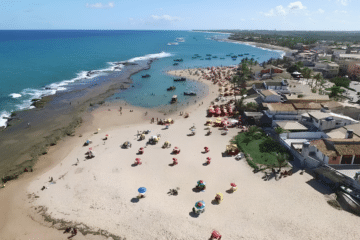
- Praia Grande — long and peaceful, with simple beach huts serving seafood.
- Itamoabo — rustic setting and interaction with local communities.
- Praia das Neves — crystal-clear waters, a family-friendly atmosphere.


Culture, communities and crafts
Ilha da Maré is home to around 12 villages (including Santana, Praia Grande and Itamoabo). The local economy is based on small-scale fishing, family farming and handicraft production — notably bobbin lace, straw and cane basketry, and the traditional banana jam wrapped in straw.
Historical heritage
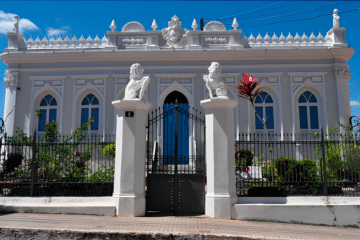
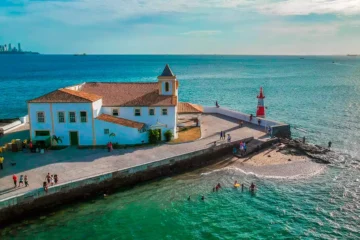
Among the religious landmarks are the Church of Nossa Senhora das Neves (a historic building, first mentioned during the colonial period) and the Church of Nossa Senhora de Santana. These buildings underscore the island’s historical and cultural significance.

Activities and attractions
- Schooner trips around Todos os Santos Bay with stops for swimming.
- ‘Jeguetour’ — short donkey rides along trails and through villages (a traditional attraction).
- Shopping for local handicrafts (lace, baskets) and sampling seafood dishes (moqueca, caruru, fish soups).
- Birdwatching and mangrove tours — take binoculars and respect protected areas.
Practical tips
- Take cash with you — not all stalls accept cards.
- Confirm timetables and prices with the boat operator before your trip.
- Protect the environment: do not leave rubbish behind, and do not take shells or pieces of coral.
- Take photographs respectfully: ask for permission at religious festivals or when photographing people.
Frequently Asked Questions (FAQ)
How long does the crossing take?
Usually between 20 and 45 minutes, depending on the boarding point and type of boat.
Is there accommodation on the island?
The infrastructure is modest, with few accommodation options. Many visitors make a day trip from Salvador; if you plan to stay overnight, check availability in advance.
Are the beaches safe for swimming?
Yes, several beaches have calm waters suitable for swimming. Always check local conditions and follow the advice of locals and guides.
Sources and notes
Information verified through local guides, visitor accounts and regional academic studies. Data such as the approximate area (~14 km²), the approximate number of villages and historical references to churches are consistent across public sources. For opening times, prices and current availability, please check with local operators before travelling.
Bahia.ws — a travel guide to Bahia and Salvador.

Publicações Relacionadas
10 Interesting Facts About Rio de Contas That You Didn’t Know
Campo Formoso: Explore Caves and Emerald Trade
Costa do Dendê: A Tropical Paradise in Bahia
Discover the 23 beaches of Salvador — A complete guide and tips
Tourist Information about Chapada Diamantina
Andaraí is the second largest town in the Chapada Diamantina
Learn more about the sloth and its unique characteristics
Juazeiro: Discover the Land of the Carrancas
Abseiling Sites in Bahia: Top Locations to Explore
Bahia Art Museum (MAB): Learn about its history and collection
Towns and the Abrolhos Archipelago — The southernmost tip of Bahia
Correntina: Discovering the Heart of Bahia
The Tamar Project and turtle conservation
Marimbus Pantanal: Adventure in Chapada Diamantina
Tourist Attractions and Documentaries about Chapada Diamantina
History of the Founding of Salvador, Bahia - History of Brazil
Prostitution, sex, massage parlours and nightclubs in Salvador
Ilhéus (BA) — Beaches, Cocoa Plantations and Cultural Itinerary
Santa Rita de Cássia: Attractions and Activities
Where to Stay in Salvador for Your Best Experience
Bahia Maritime Museum: History of Navigation at the Barra Lighthouse
Municipality of Una: A Beach Paradise Awaits
Cultura dos Índios Pataxós na Costa do Descobrimento
History of the Convent and Church of Nossa Senhora da Piedade in Ilhéus
Barra do Cahy: Brazil's first beach - history and nature
Paragliding at Pitinga Beach in Arraial d'Ajuda
History of the settlement of Chapada Diamantina
Bay of Todos os Santos: nature, history and cultur
Lagoa Encantada in Ilhéus: A Preserved Natural Paradise
Picos das Almas, Itobira and Barbado Trekking Guide
Blue Fountain in Chapada Diamantina: a complete guide
São Jorge Parish Church in Ilhéus — history, architecture and religious art
39 Museums in Salvador: Discover the history and culture of Bahia
Tourism in São Francisco do Conde (BA) — Tips and Attractions
Descobrimento National Park in Bahia: A Natural Heritage Site
Trail to Buracão Waterfall in Chapada Diamantina
This post is also on:
 Português
  English
  Deutsch
  Español
  Français