Explore Picos das Almas, Itobira and Barbado: A trekking paradise in Chapada Diamantina
This guide explores a special itinerary for trekking enthusiasts in the Chapada Diamantina, focusing on the ascent of the three highest peaks in northeastern Brazil: Pico das Almas, Pico do Itobira and Pico do Barbado.

The giants of Chapada Diamantina
- Pico das Almas: 1,958 metres high, the third highest point in the Northeast. Located on the border between the municipalities of Livramento de Nossa Senhora and Rio de Contas.
- Pico do Itobira: 1,970 metres, the second highest point in the northeast.
- Pico do Barbado: 2,033 metres, the highest point in the Northeast of Brazil. It is located between the municipalities of Rio do Pires and Abaíra.
The region around Rio de Contas, a town at the foot of these peaks, is a spectacle in itself.
With a wall over a thousand metres high, the mountain forms a complex of valleys, rock fields, caves, canyons and waterfalls.
Rio de Contas, the oldest town in the Chapada Diamantina, has a rich colonial architectural complex with almost 300 historic buildings listed by IPHAN, including the Mother Church and the São Carlos Theatre.

The fascination of Pico das Almas
In addition to its scenic beauty, Pico das Almas is a treasure trove of biodiversity. In 1974, researchers from Kew Gardens catalogued 1,200 plant species in the region, 100 of which are endemic.
This biological wealth places Pico das Almas in a prominent position in South America, comparable to the Amazon rainforest in terms of biodiversity per square metre.
Crossing the Three Peaks: A challenging route

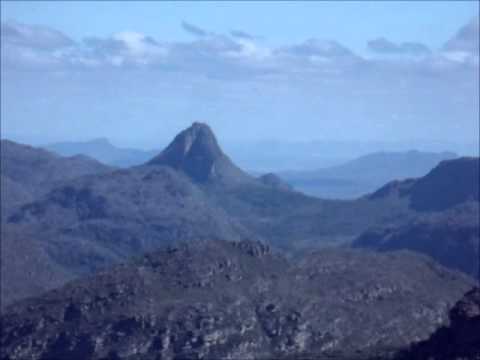
The complete traverse of the three peaks is an adventure of about 43 kilometres, with a medium to difficult level of difficulty. The route includes
1st day: Rio de Contas – Pico das Almas – Vale do Queiroz
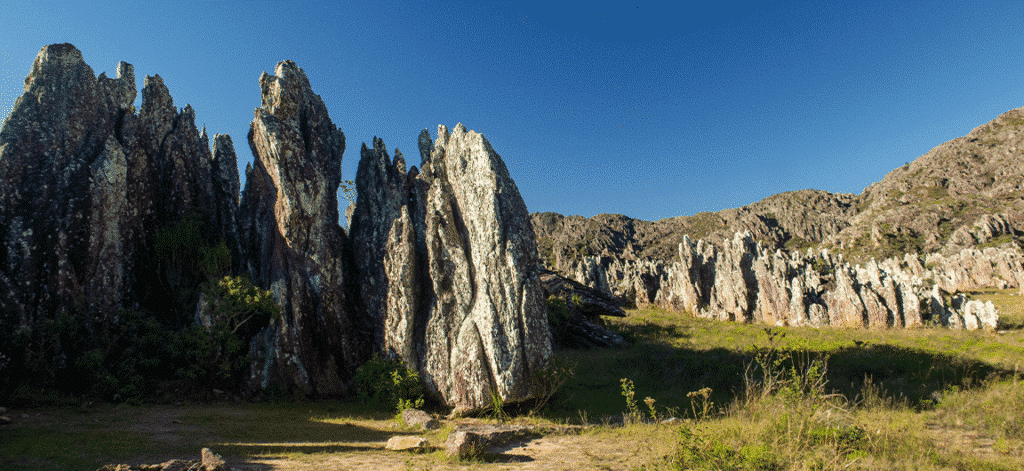
The trail starts at Fazenda Silvana, passing Portal das Almas, an impressive rock formation.
The climb to the summit of Pico das Almas takes about 3 hours and is rewarded with panoramic views of Chapada Sul. The night is spent in the Queiroz Valley, an ecological reserve at an altitude of 1,600 metres.
- Difficulty: Moderate
- Estimated time: 6-8 hours (return)
- Route: Approximately 7 km (return)
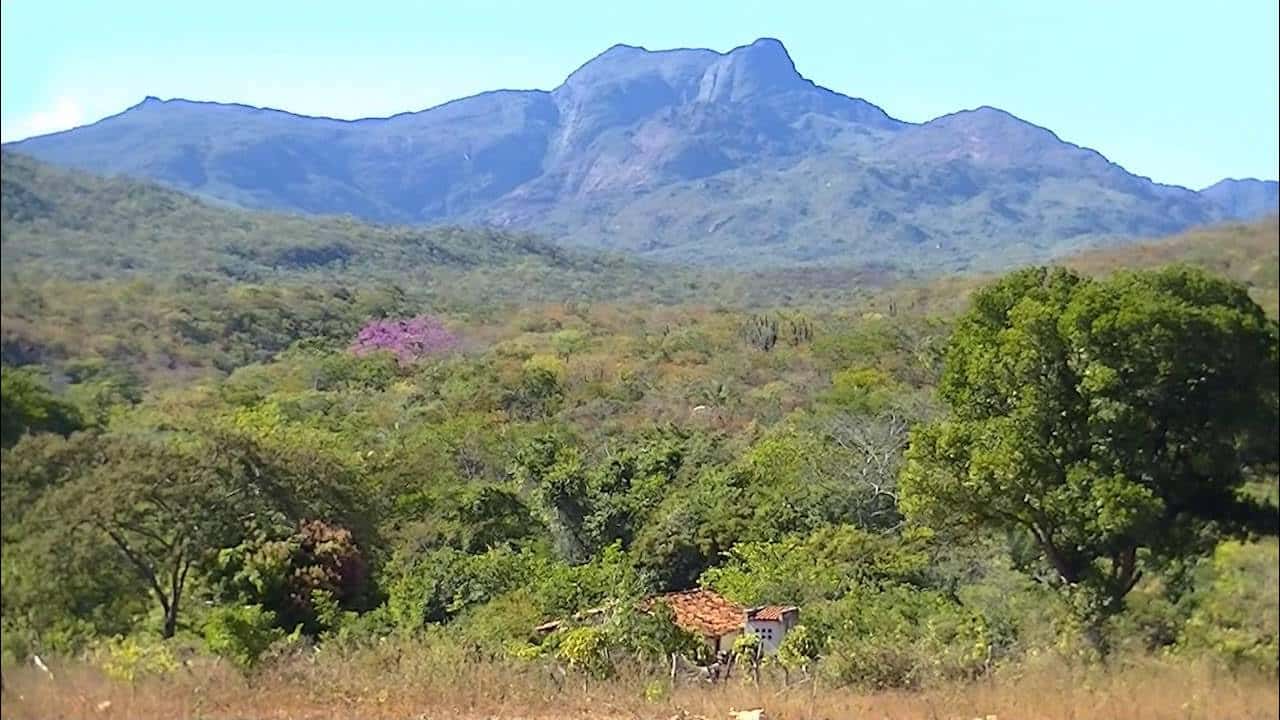
2nd day: Queiroz Valley – Itobira Peak
Return to Fazenda Silvana and drive to Caiambola, the start of the trail to Pico do Itobira.
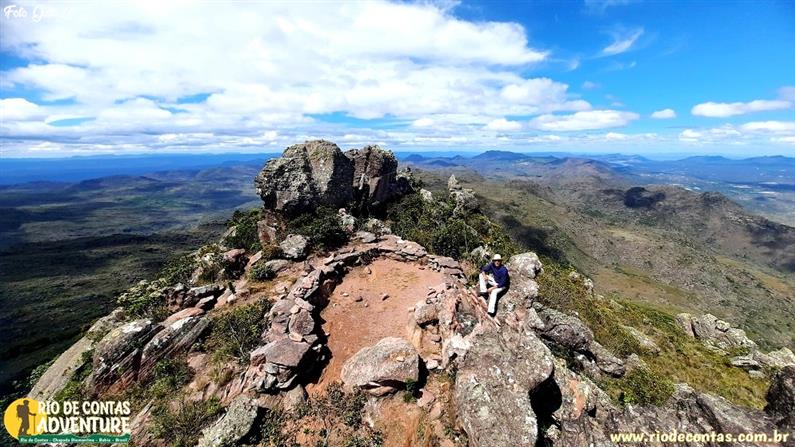
The walk to the summit, at 1,980 metres, takes about 2 hours and 30 minutes and takes you through fields of flowers and breathtaking views. You can spend the night on the summit or at the base.
- Difficulty: Moderate to difficult
- Estimated time: 5-7 hours (return)
- Route: Approximately 9 km (return)
Day 3: Itobira Peak – Guarda Mor Valley
Descent from Pico do Itobira and walk to Lapa da Mutuca, one of the most challenging and beautiful sections of the traverse. Overnight in the Guarda Mor valley.
- Grade of difficulty: Medium to difficult
- Estimated time: 4-6 hours (return)
- Route: Approximately 8km (return)
Day 4: Catolés – Pico do Barbado – Piatã
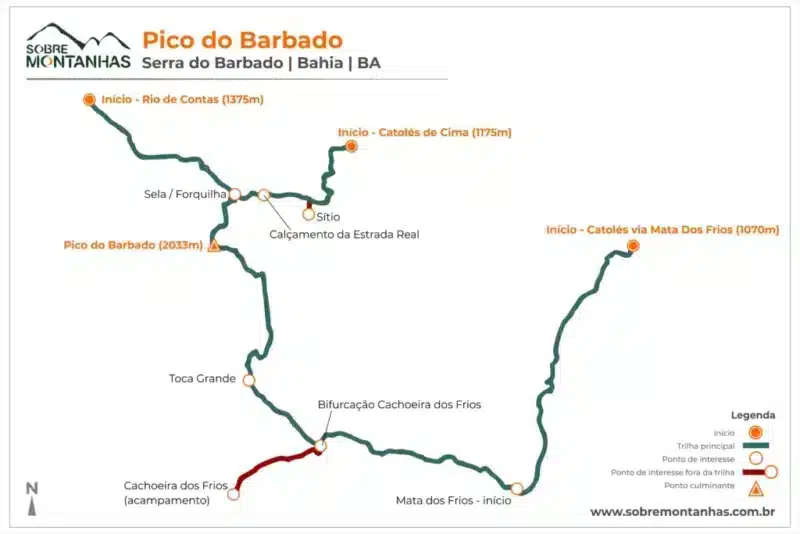
Climb to Pico do Barbado, passing through Forquilha da Serra, a step between Pedra do Elefante and the summit.
From the summit, at 2,033 metres, the view is breathtaking, taking in the other two peaks, Serra da Tromba and other formations of Chapada Diamantina. Descent to Catolés de Cima and transfer to Piatã.
- Difficulty: Difficult
- Estimated time: 5-7 hours (return)
- Route: Approximately 10 km (return)
The top of the northeast: Pico do Barbado
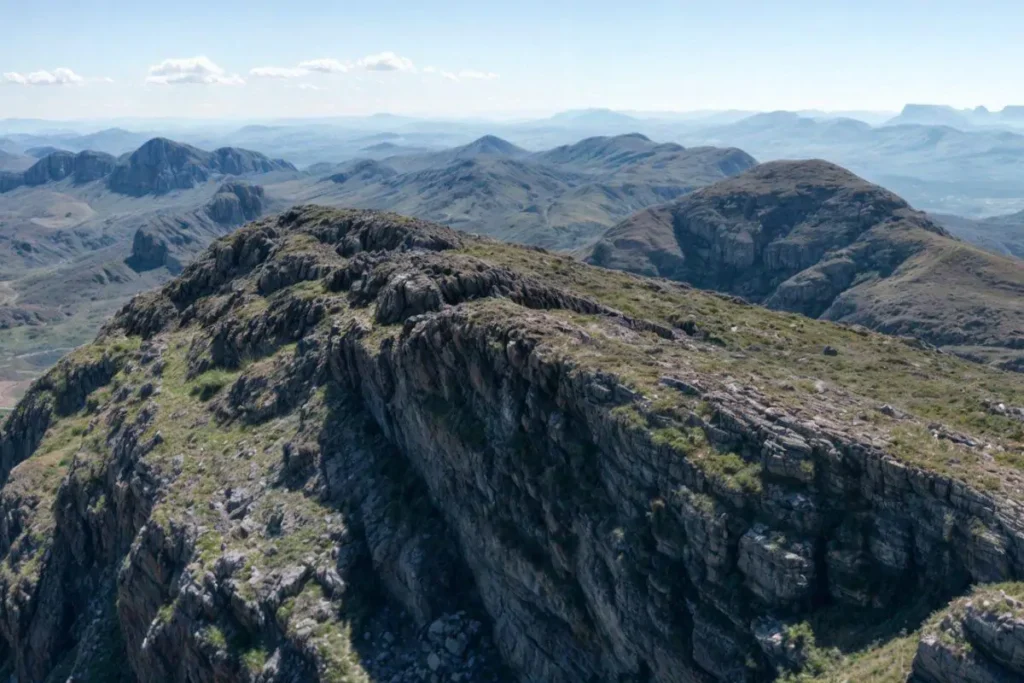
Located between Rio do Pires and Abaíra, Pico do Barbado can be reached by foot from Catolés de Cima. The climb takes about 2h30. From the top you can see the Picos das Almas and Itobira, the Serra da Tromba and other mountains in the region.
How to get there
Rio de Contas: The city can be reached by road from Salvador, Vitória da Conquista and other cities in Bahia. BR-420 and BA-142 are the main access routes.
Trails: Trails to the peaks usually start from farms or rural communities. It is advisable to hire local guides or use transport services to get to the trailheads.
Maps of the trails
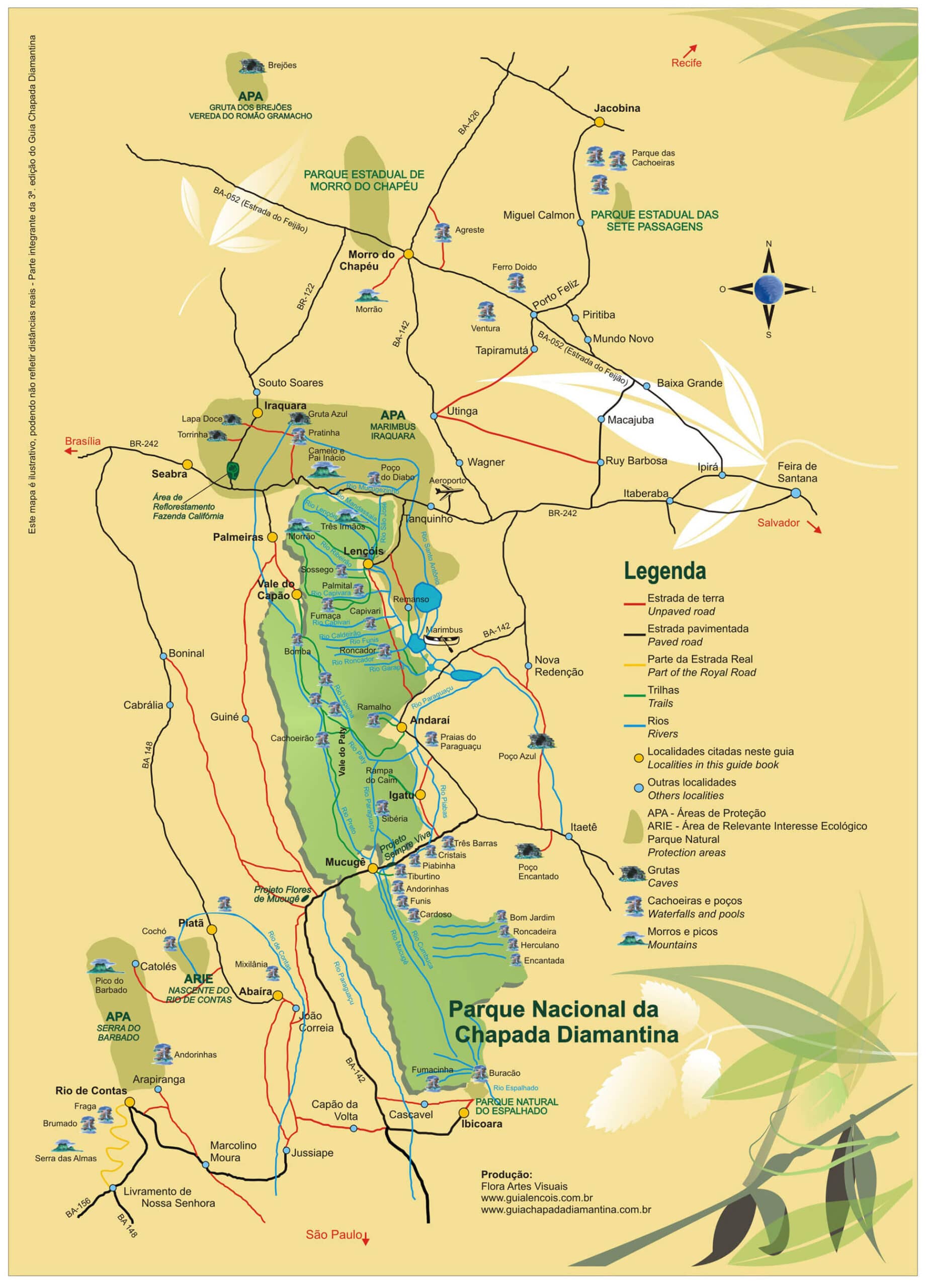
Additional information
- We recommend the use of maps and specialist guides to cross the three peaks.
- It is important to be prepared for changes in temperature and altitude.
- The best time to trek is during the dry season.
This guide provides an overview of the experience of trekking the highest peaks in the Northeast. Remember to consult other sources and plan your adventure carefully to make the most of the beauty of Chapada Diamantina.

Publicações Relacionadas
Juazeiro: Discover the Land of the Carrancas
Mata de São João and Praia do Forte: A Complete Guide
Tourist Attractions in Bahia: main attractions, beaches and cities
Tourist Attractions and Documentaries about Chapada Diamantina
Lacerda Elevator — history, construction and visits
Churches of Salvador: Architectural and Historical Treasures
Cumuruxatiba (Prado, BA) — Guide to beaches, excursions and whale watching
The highest and most beautiful waterfalls in Chapada Diamantina
Where to Stay in Salvador for Your Best Experience
Maraú Peninsula: A Coastal Paradise in Bahia
Costa do Dendê: A Tropical Paradise in Bahia
Church and Convent of Santa Clara do Desterro and its History in Salvador
Jandaíra: Discover the charm of Mangue Seco
How to get to Fumaça Waterfall in Chapada Diamantina
Rafting in Taboquinhas: The Ultimate Adventure Guide
Historic Towns in Bahia: A Journey Through Time
Praia do Forte, Bahia: The Complete Travel Guide
Humpback whales in Brazil — characteristics, migration and sanctuaries (Abrolhos)
Church of the Third Order of St Francis — History, Art and Baroque Architecture
Lauro de Freitas — A comprehensive guide to beaches, culture and leisure
Blue Fountain in Chapada Diamantina: a complete guide
Correntina: Discovering the Heart of Bahia
Alcobaça, Bahia: A Comprehensive Guide to Beaches and History
Porto Seguro's nightlife: Where to have fun
History of the Church and Convent of São Francisco in Salvador
Skydiving in Bahia: An Unforgettable Experience
Salinas da Margarida (BA) — Beaches, Attractions and a Complete Guide
The Secret History of Salvador, Bahia: Caramuru and the City’s Early Day
Fort of Nossa Senhora de Monte Serrat History
Mucuri and Costa Dourada — Beaches, cliffs and ecotourism in Bahia
Mucugê: Discover the local history and culture
Cairu Archipelago: A Guide to Its Enchantment
History of the Church of Nosso Senhor do Bonfim in Salvador
Whale Coast (BA) — Complete guide: Abrolhos, beaches and whale-watching
Tourism in São Francisco do Conde (BA) — Tips and Attractions
História da Arte - Caracteristicas, Aspectos e Periodos
This post is also on:
 Português
  English
  Deutsch
  Español
  Français