Published on · Updated on
Undoubtedly, the Chapada Diamantina in Bahia is home to some of the highest waterfalls in Brazil. In addition, there are falls for every profile, from short walks to treks lasting several days. For this reason, in this guide you will discover 15 of the highest and most beautiful waterfalls in the Chapada, with approximate height, municipality and access tips.
- Highest: above all the Fumaça Waterfall, at about 340 m, in the Vale do Capão.
- Other giants: in addition, the Cachoeirão (about 300 m) and the Encantada (about 230 m).
- Easy access: for example, Mosquito, Bom Jardim and Moendas.
- Best time: April to September for hiking; however, the falls are fuller from November to April.
- Guide: especially on long trails such as Mixila, Fumacinha and Encantada, go with a local guide.
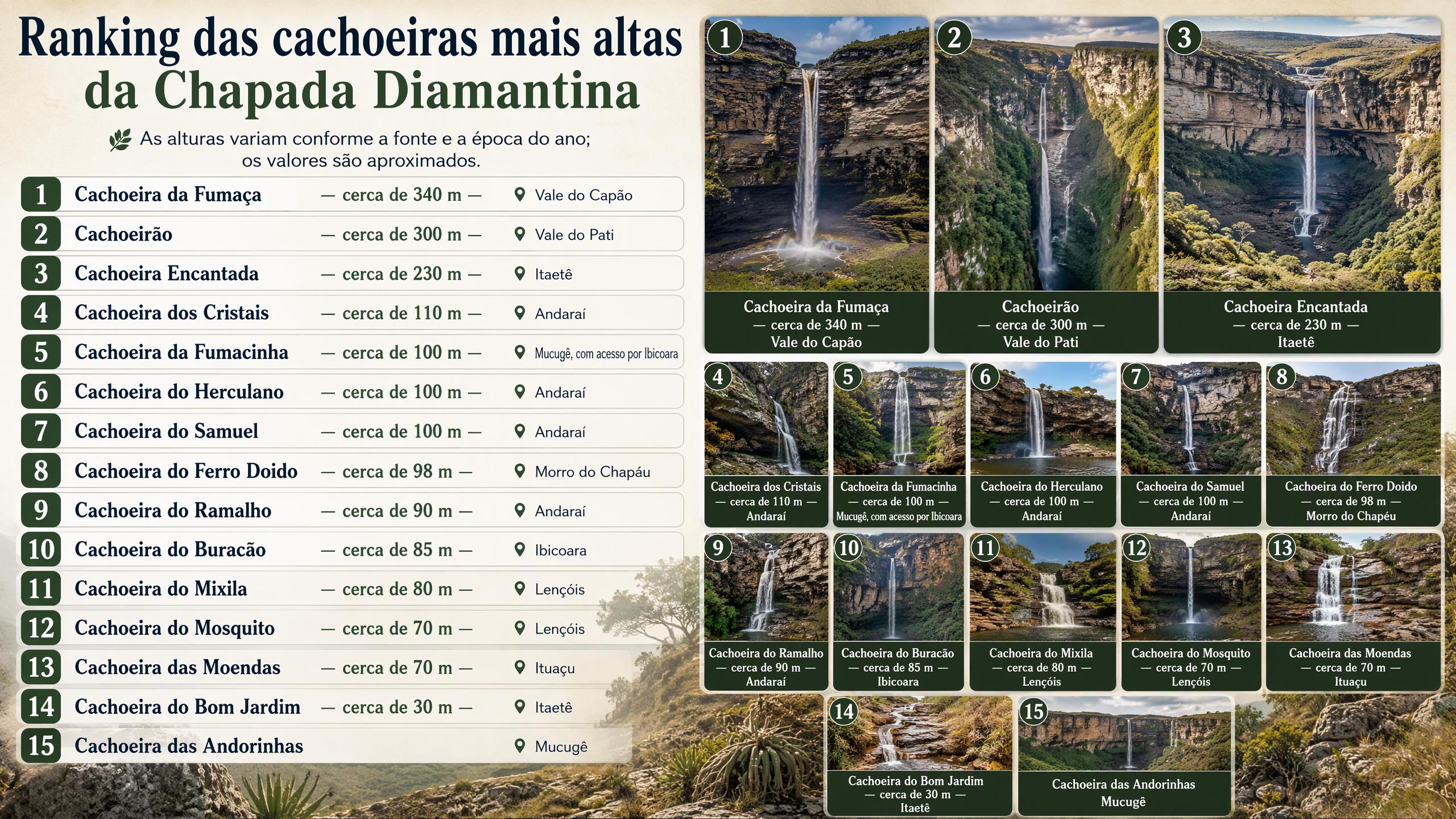
Ranking of the highest waterfalls in the Chapada Diamantina
First of all, heights vary depending on the source and the time of year. Therefore, the figures below are approximate:
- Fumaça Waterfall (about 340 m) – Vale do Capão
- Cachoeirão (about 300 m) – Vale do Pati
- Encantada Waterfall (about 230 m) – Itaetê
- Cristais Waterfall (about 110 m) – Andaraí
- Fumacinha Waterfall (about 100 m) – Mucugê, accessed from Ibicoara
- Herculano Waterfall (about 100 m) – Andaraí
- Samuel Waterfall (about 100 m) – Andaraí
- Ferro Doido Waterfall (about 98 m) – Morro do Chapéu
- Ramalho Waterfall (about 90 m) – Andaraí
- Buracão Waterfall (about 85 m) – Ibicoara
- Mixila Waterfall (about 80 m) – Lençóis
- Bom Jardim Waterfall (about 76 m) – Itaetê and Andaraí
- Mosquito Waterfall (about 70 m) – Lençóis
- Moendas Waterfall (about 70 m) – Ituaçu
- Andorinhas Waterfall (about 12 m) – Mucugê
Video about the waterfalls of the Chapada Diamantina
5 Cachoeiras da Chapada que você precisa conhecer15:27

Cachoeira do Mosquito em Lençóis na Chapada Diamantina02:29

Cachoeira do Mixila em Lençóis na Chapada Diamantina00:33

Cachoeira do Buracão em Ibicoara na Chapada Diamantina01:26

Cachoeira do Ramalho em Andaraí na Chapada Diamantina11:04

Cachoeira do Ferro Doido no Morro do Chapéu na Chapada Diamantina06:05

Cachoeira do Samuel em Andaraí na Chapada Diamantina05:00

Cachoeira do Herculano em Andaraí na Chapada Diamantina02:32

Cachoeira da Fumacinha em Mucugê na Chapada Diamantina05:08

Cachoeira dos Cristais em Andaraí na Chapada Diamantina05:00

Cachoeira Encantada em Itaetê na Chapada Diamantina01:51

Cachoeirão no Vale do Pati na Chapada Diamantina00:38

Cachoeira da Fumaça no Vale do Capão na Chapada Diamantina03:23
The 15 waterfalls, one by one
1. Fumaça Waterfall (about 340 m) – Vale do Capão
First of all, the Fumaça Waterfall is the highest in the Chapada and one of the highest in Brazil. Its name (“smoke”) comes from the wind, which often breaks the water into droplets before it reaches the bottom. Thus the fall looks like white smoke.
In general, the most common visit is from the top, starting in the Vale do Capão. The trail is about 12 km return and begins with a steep climb, but then the path flattens out until the viewpoint. On the other hand, the visit from below is a trek of about three days and requires a guide.
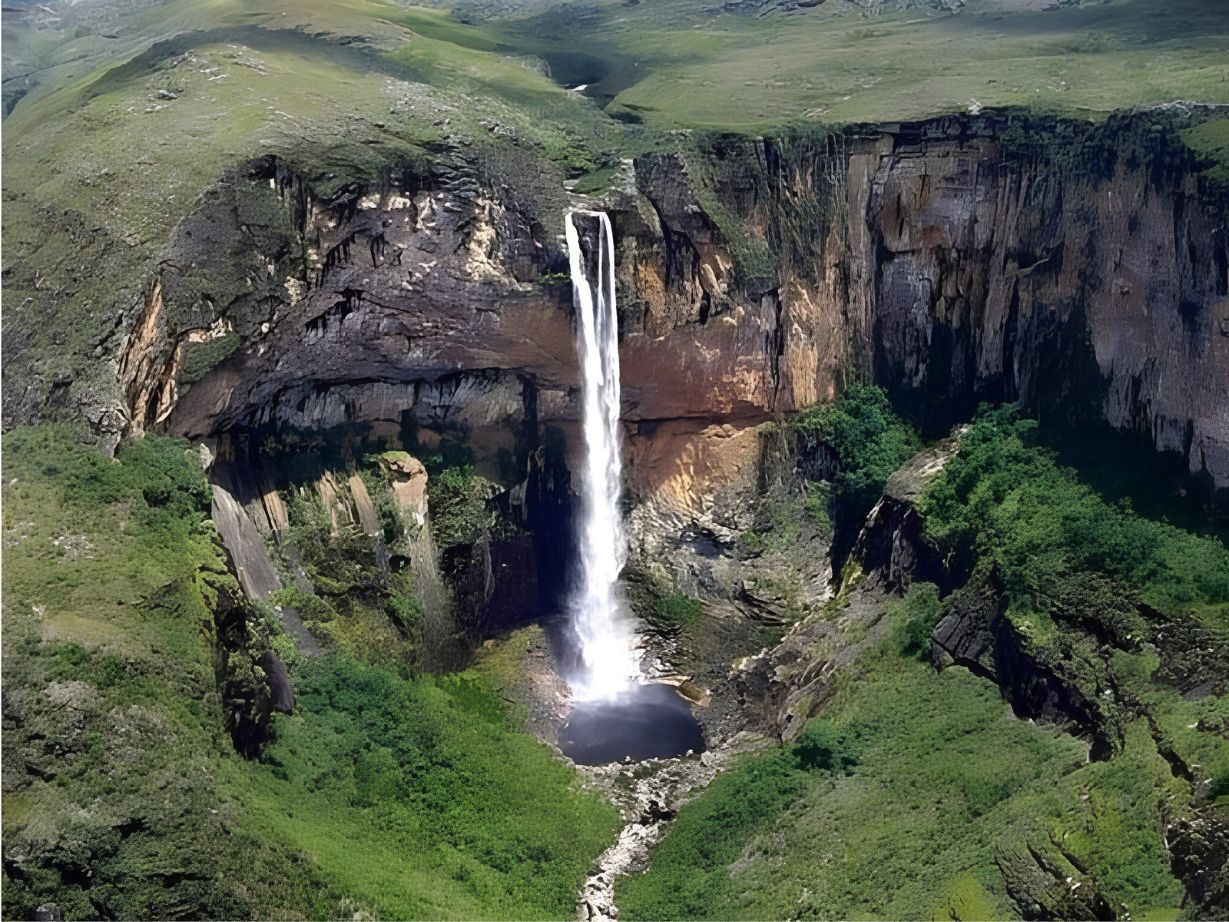
2. Cachoeirão (about 300 m) – Vale do Pati
Next, the Cachoeirão is a huge horseshoe-shaped cliff in the Vale do Pati. In the rainy season, then, several falls pour down the cliff at the same time. Therefore, the visit is usually part of the Pati trek, with a guide.
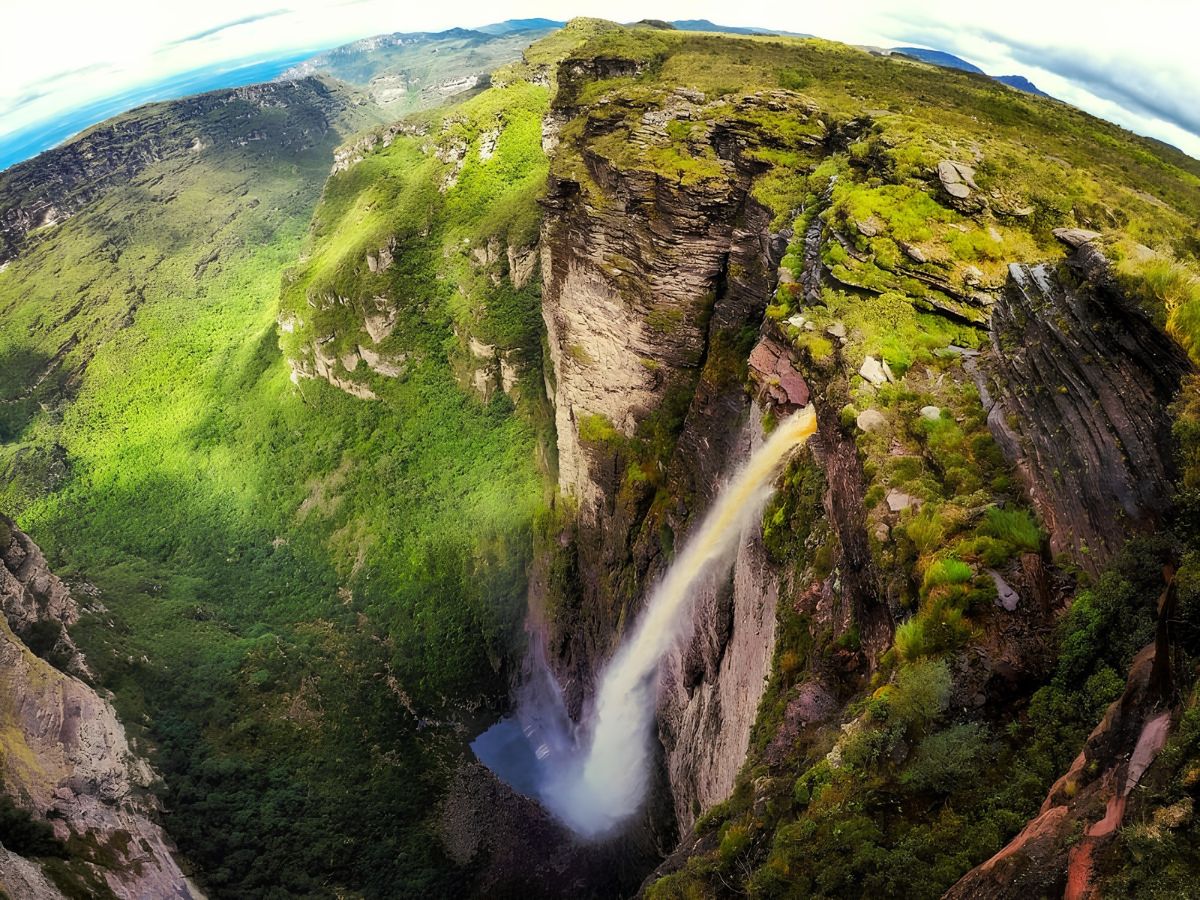
3. Encantada Waterfall (about 230 m) – Itaetê
Equally impressive, the Encantada Waterfall is in Itaetê, and visitors see it either from below or from above. In both cases, the trails pass through tall canyons, so many visitors camp along the way. In addition, the region holds rock paintings. Nearby, moreover, is the Poço Encantado.
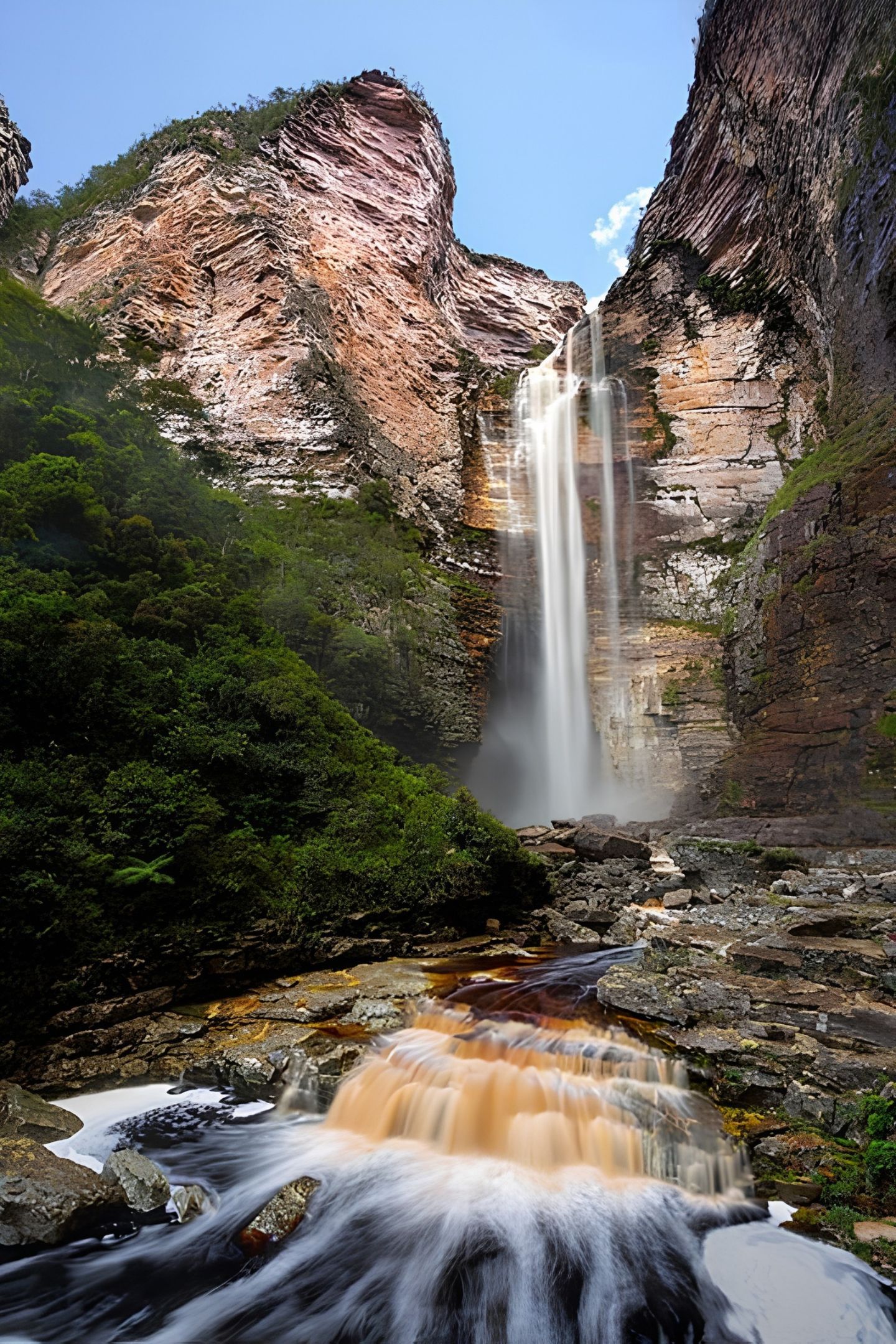
4. Cristais Waterfall (about 110 m) – Andaraí
Like other falls in the area, the Cristais Waterfall is one of the largest in Andaraí. According to local guides, the name (“crystals”) comes from the sparkle of the quartzite in the sun, especially when the river is lower.
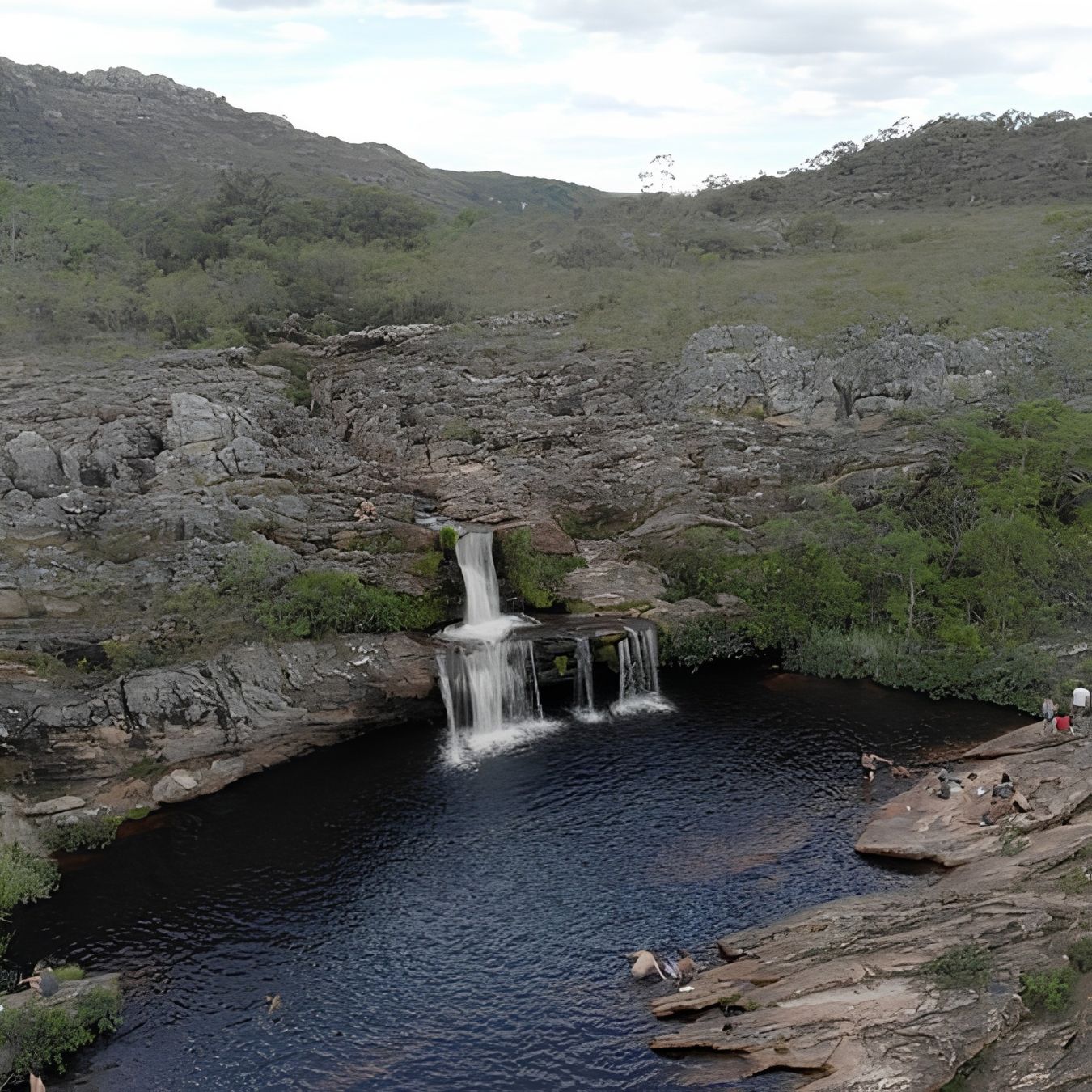
5. Fumacinha Waterfall (about 100 m) – Mucugê
The Fumacinha lies within Mucugê; however, access is from Ibicoara. Thus the waterfall drops to the bottom of a canyon with walls of more than 200 metres. However, the trail is one of the most demanding in the Chapada, with lots of rock scrambling, and a guide is mandatory.
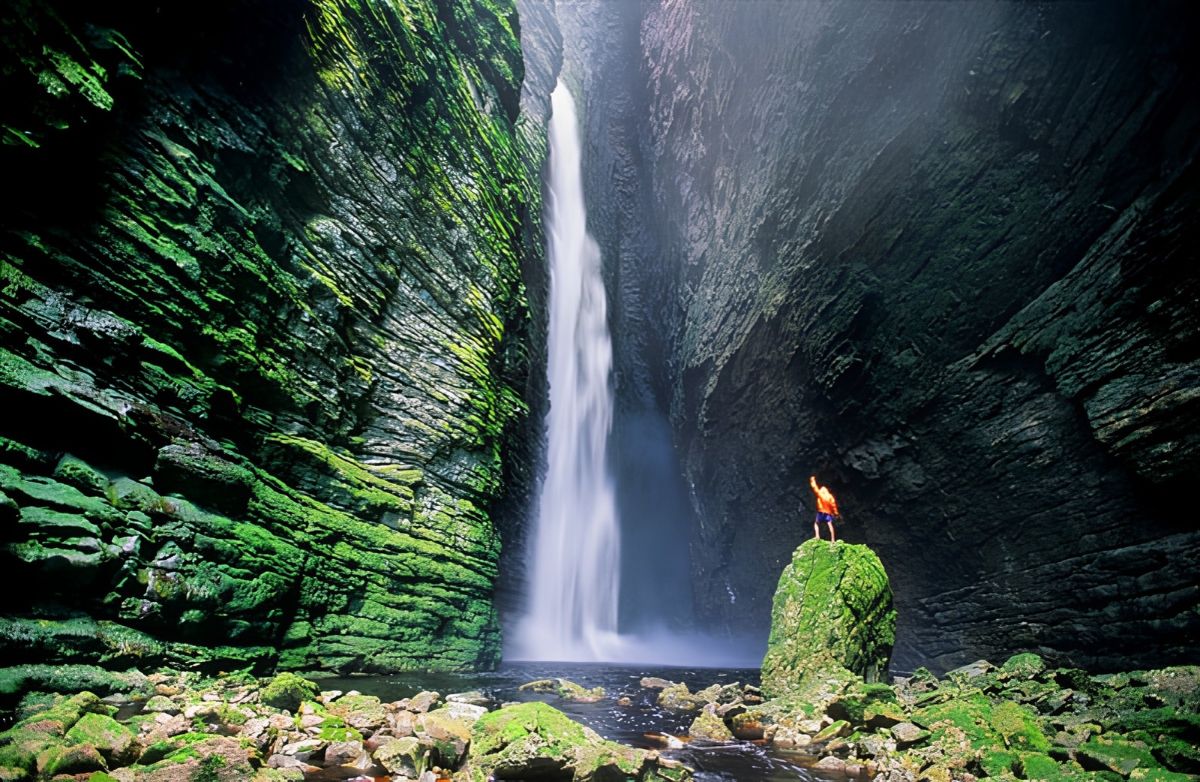
6. Herculano Waterfall (about 100 m) – Andaraí
Similarly, in Andaraí, the Herculano Waterfall forms several falls in sequence. Thus it is a good option for those who want to see the municipality’s great waterfalls, always with a guide.

7. Samuel Waterfall (about 100 m) – Andaraí
Also in Andaraí, the Samuel Waterfall lies, in fact, on the Roncador River, in an area shaped by old diamond mining. In addition, it is usually part of long treks that pass other waterfalls in the region.
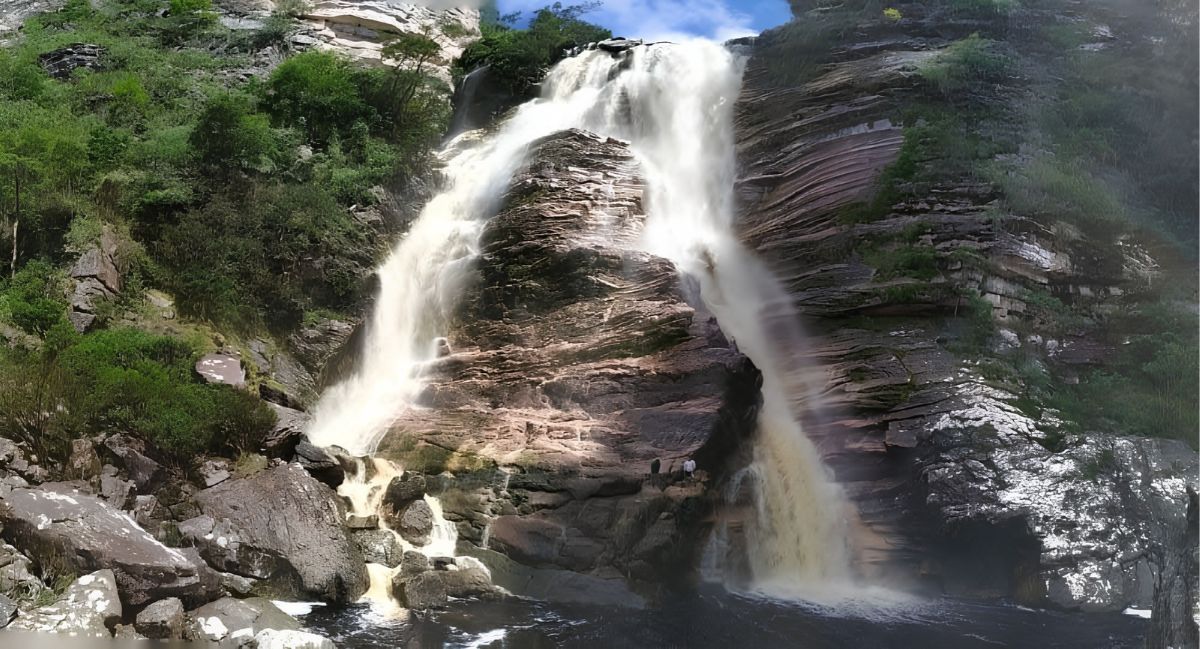
8. Ferro Doido Waterfall (about 98 m) – Morro do Chapéu
On the other hand, in the north of the Chapada, the Ferro Doido Waterfall is in Morro do Chapéu, near the BA-052, known as the Estrada do Feijão. The water plunges into a canyon; moreover, the viewpoint is just a few steps from the car park. Therefore, it is one of the easiest big waterfalls to visit.
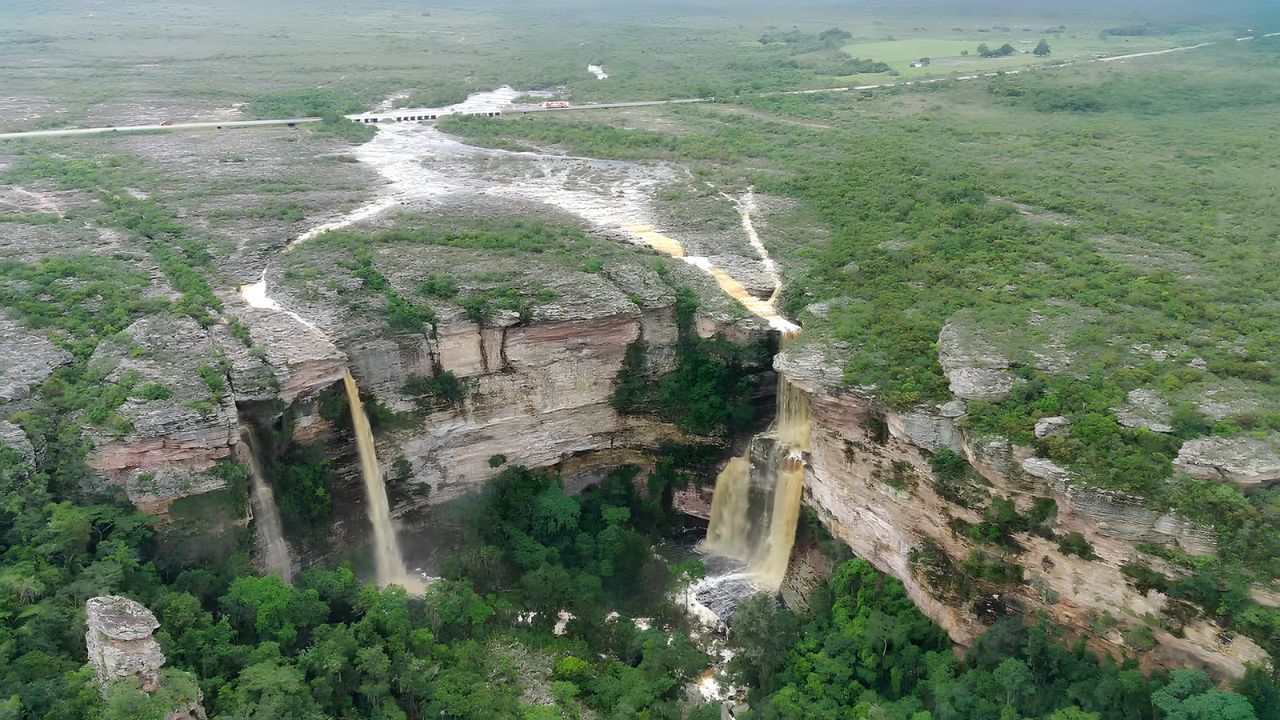
9. Ramalho Waterfall (about 90 m) – Andaraí
In Andaraí, likewise, the Ramalho Waterfall lies on the Baiano River, and its height ranges from 60 to 90 m, depending on the source. There are two moderate trails: one along the top, with small falls and views of the valley, and one along the bottom, to the pool. In addition, visits take place with an accredited guide and usually require a booking. Finally, the waterfall is at its most beautiful in the rainy season, when the flow increases.
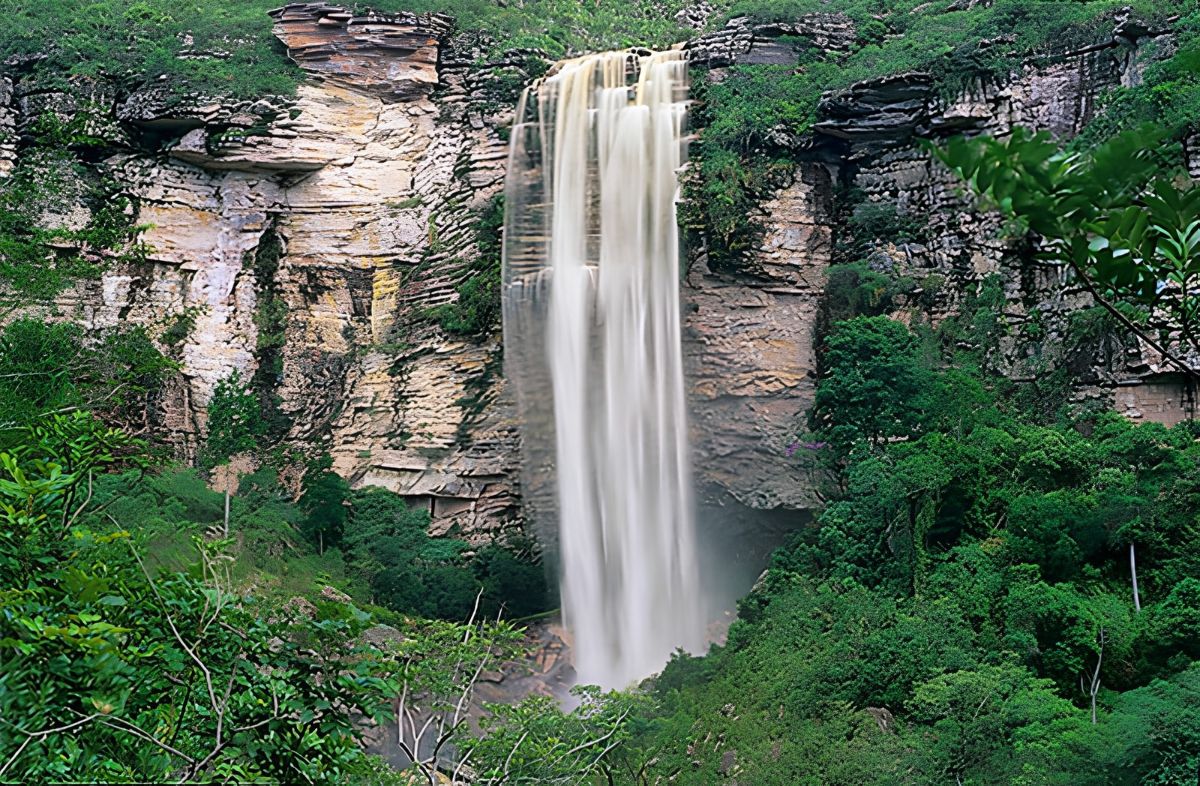
10. Buracão Waterfall (about 85 m) – Ibicoara
Undoubtedly, the Buracão Waterfall is one of the most famous in the Chapada. It lies in the Espalhado Municipal Natural Park, about 30 km from Ibicoara on a dirt road. First, a trail of about 3 km follows the Espalhado River and passes the Recanto Verde Waterfall. Then visitors swim with a life jacket through the canyon until they see the fall. In addition, the town hall requires a local guide, and heavy rain may cancel the tour.
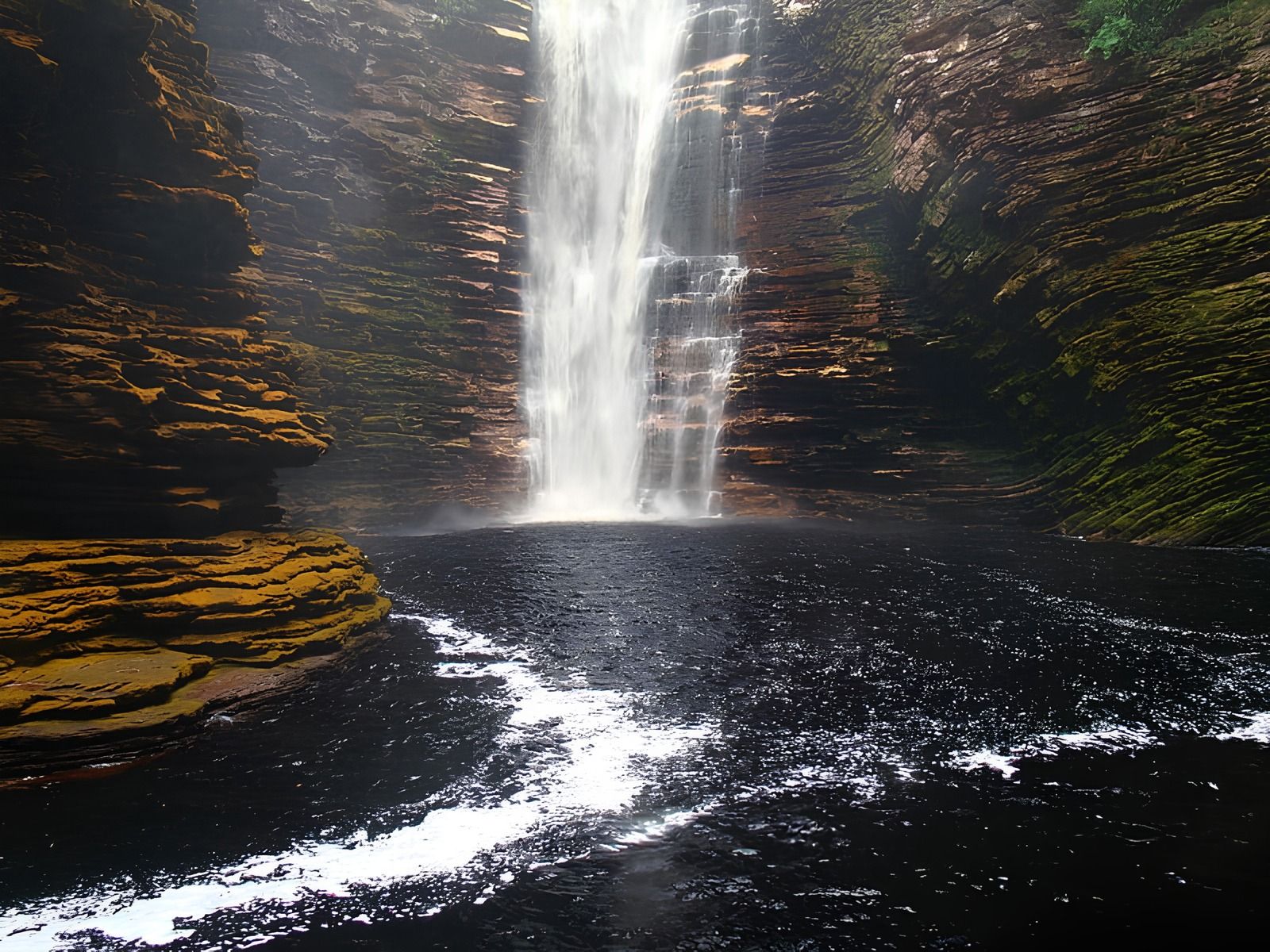

11. Mixila Waterfall (about 80 m) – Lençóis
In contrast, the Mixila Waterfall lies in the Capivari River canyon, near Lençóis. In general, the visit is a two-day trek, with stretches that require swimming. Therefore, it is for experienced hikers, and you should avoid it in very rainy periods.
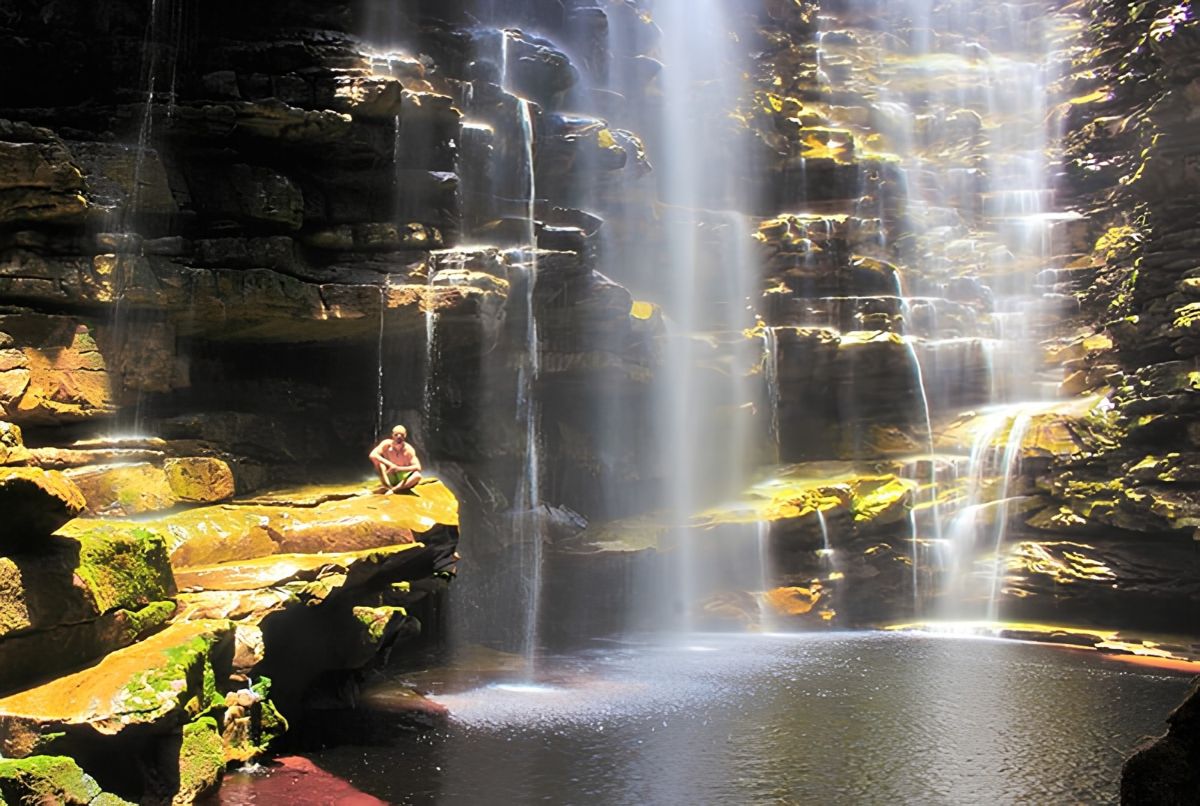
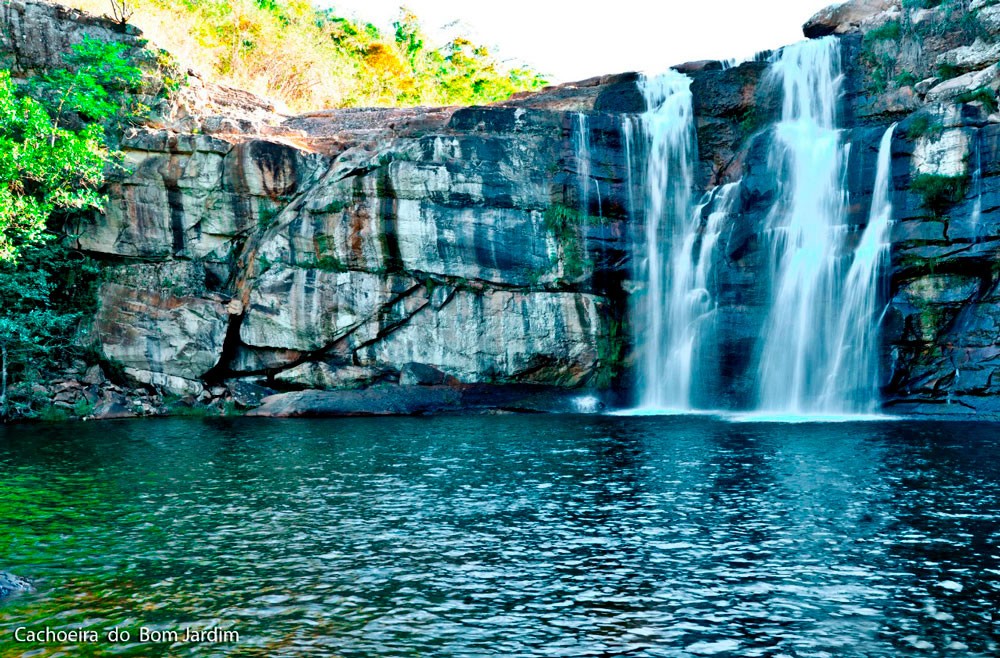
12. Bom Jardim Waterfall (about 76 m) – Itaetê and Andaraí
In turn, the Bom Jardim Waterfall lies on the border between Itaetê and Andaraí, about 30 km from the town, and is about 76 m high. In general, access starts from the village of Europa, on an easy trail of about 3 to 4.5 km. In addition, a longer route from Itaetê ends a four-day trek. For this reason, hire a local guide and confirm the starting point.
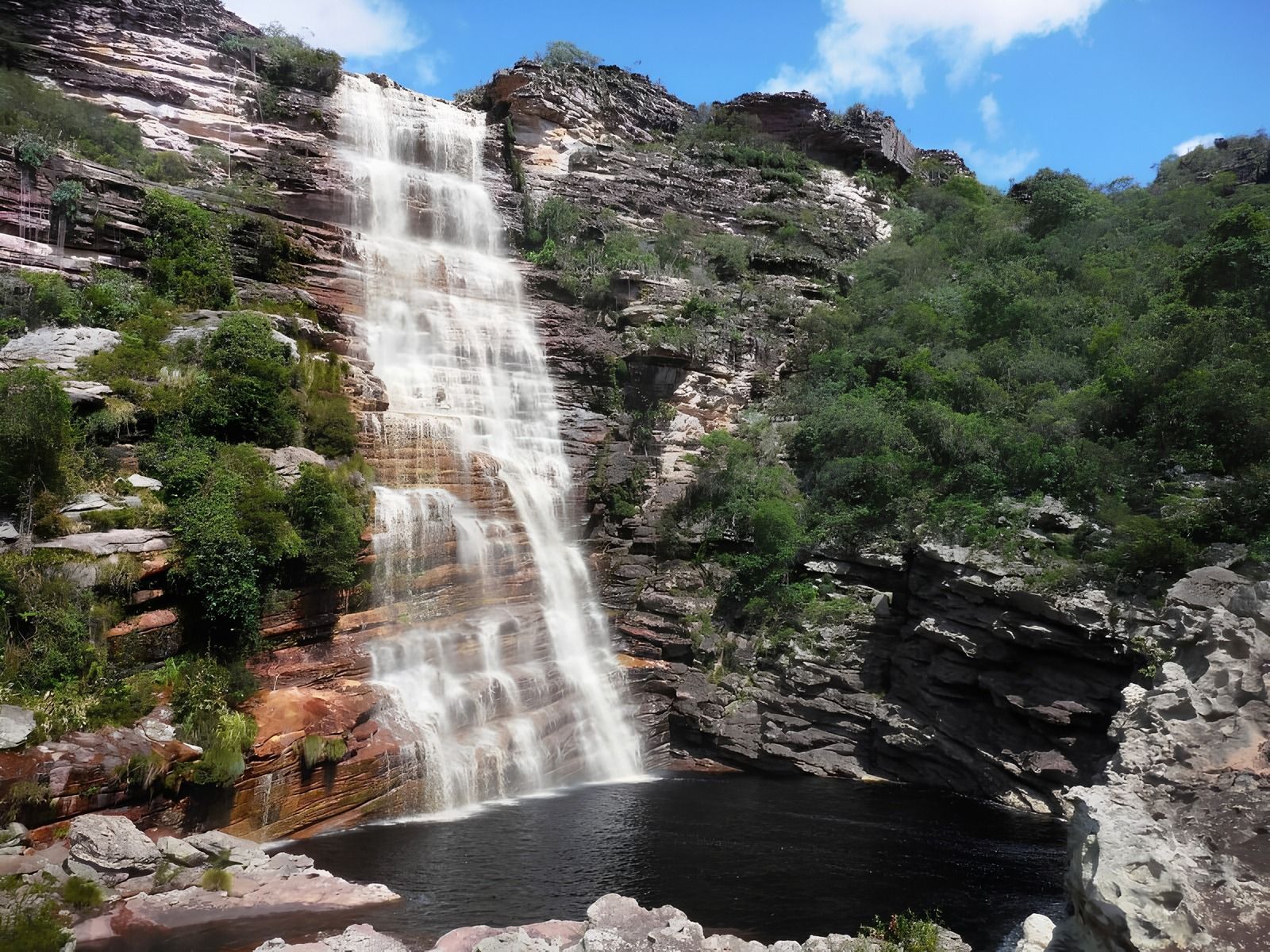
13. Mosquito Waterfall (about 70 m) – Lençóis
Next, about 40 km from Lençóis, the Mosquito Waterfall lies on private land. After the car park, a short trail, mostly stairs, leads down to the falls. In fact, the name comes from small diamonds, which miners called “mosquitoes”.
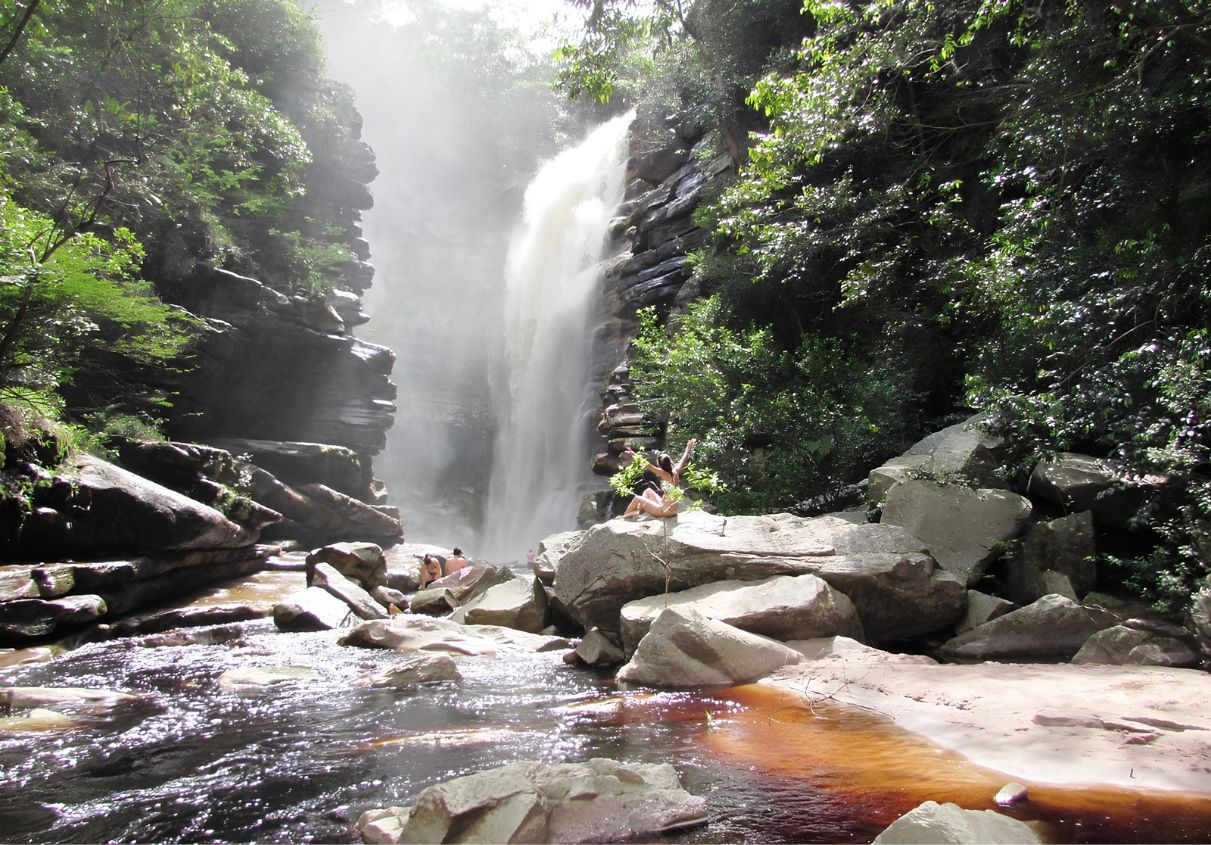
14. Moendas Waterfall (about 70 m) – Ituaçu
In contrast, in the south, the Moendas Waterfall has a free fall of about 70 m and lies on Fazenda Moendas, a private farm near the centre of Ituaçu. The trail is about 5 km round trip, and the visit requires a local guide. In addition, the fall forms a pool at its base, good for swimming. It is worth knowing, however, that Ituaçu lies in the Serra Geral, at the southern gateway to the Chapada, outside the official Chapada Diamantina territory.
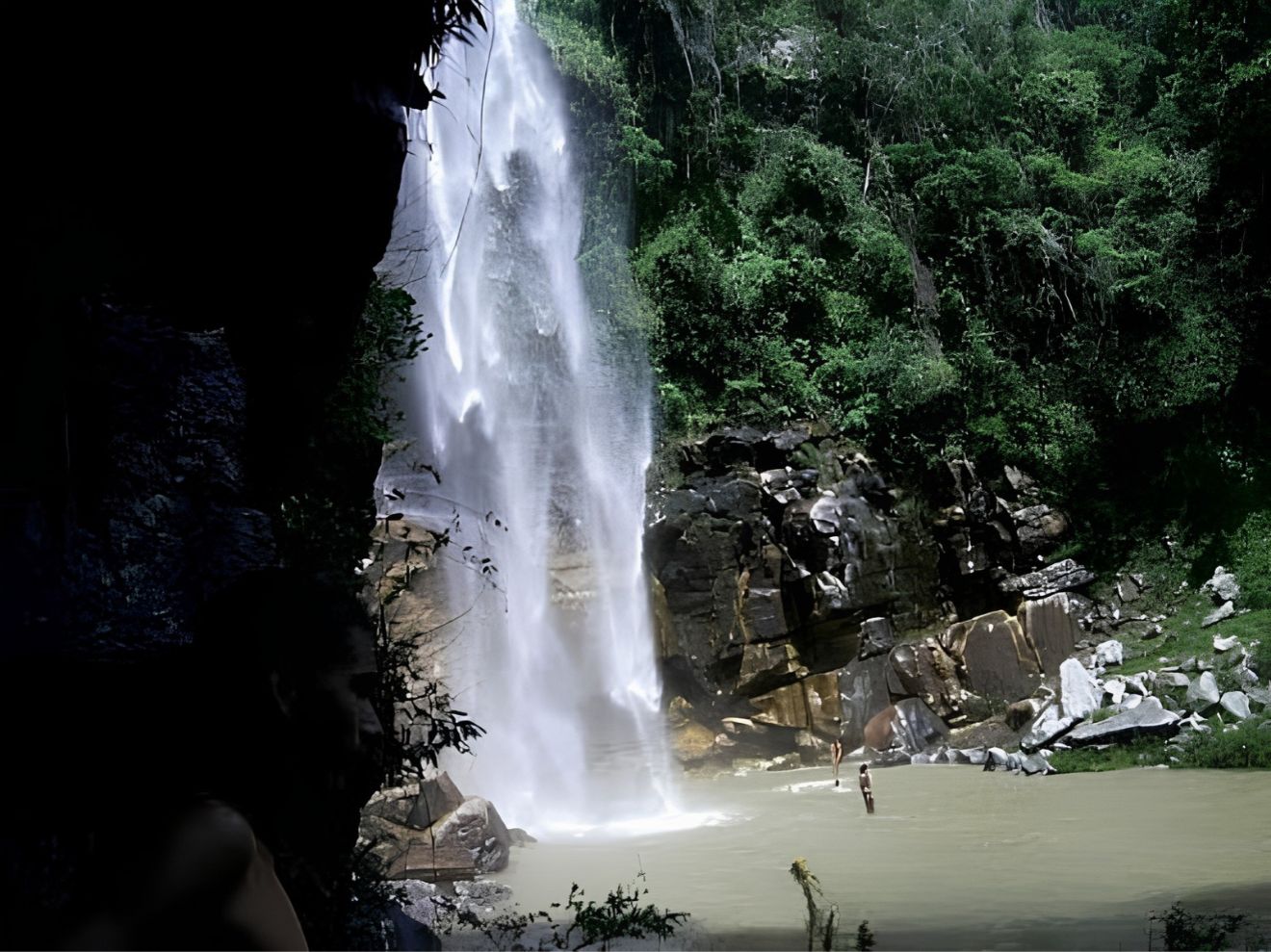
15. Andorinhas Waterfall (about 12 m) – Mucugê
Finally, the Andorinhas Waterfall, about 12 m high, is one of the most popular trails from Mucugê. The trail is about 7 km round trip and follows the Cumbucas River, past old miners’ shelters and viewpoints over the Mucugê River valley. However, it is not signposted, so it is best to go with a guide. In addition, the way back can pass through the Mucugê Municipal Park and the Tiburtino and Piabinha waterfalls.
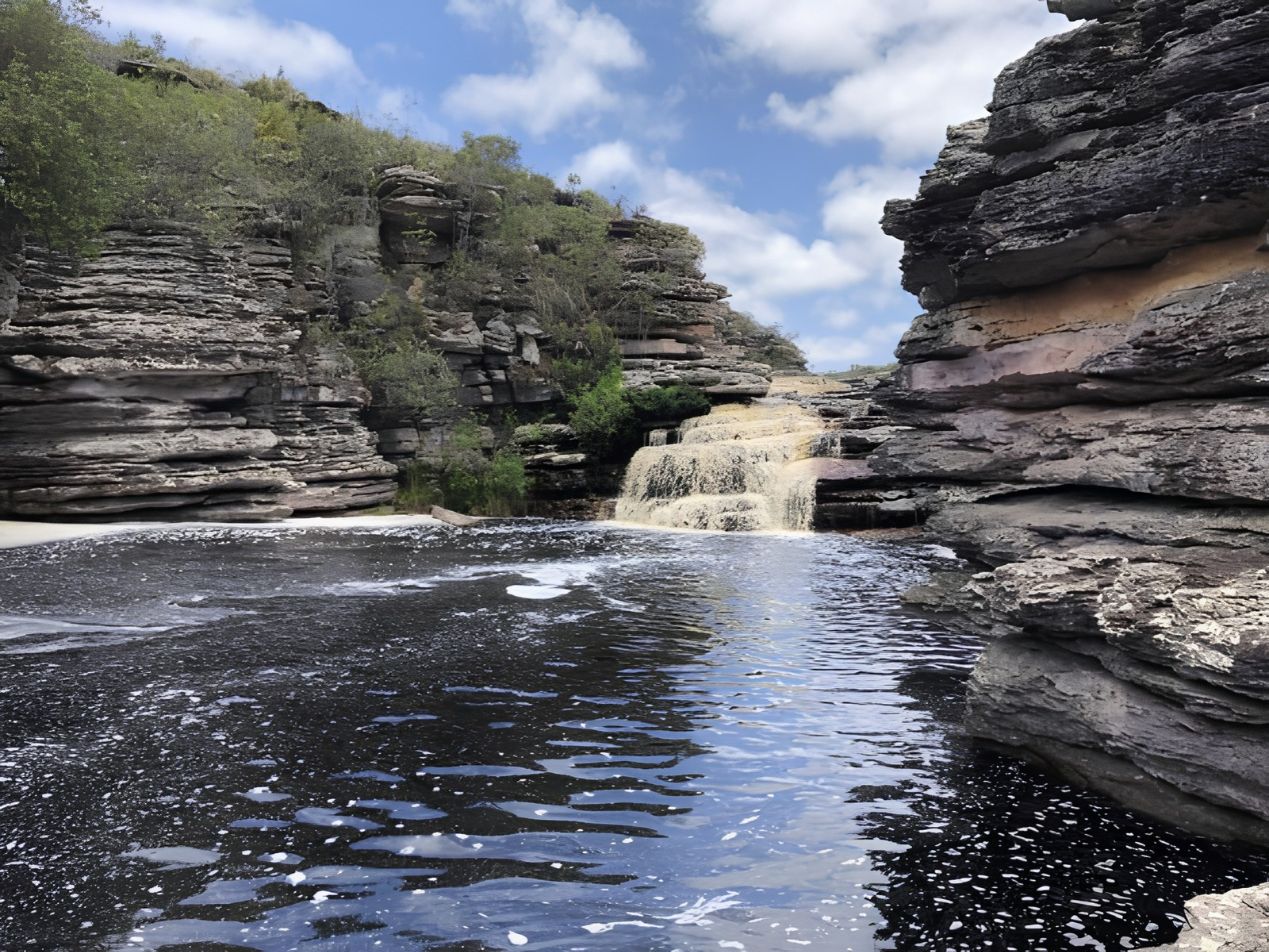
Best time to visit the waterfalls
In general, the dry season, from April to September, is best for hiking, because there is less rain and the trails are safer. However, the waterfalls are fuller from November to April, in the rainy season. For this reason, those who want to see falls such as Fumaça and Cachoeirão with lots of water usually go at the end or the start of the rainy season. In addition, after heavy rain, avoid rivers and canyons, because the water rises quickly.


Tips for visiting the waterfalls
- First, hire a local guide for long trails and canyons.
- In addition, bring water, snacks, sunscreen and suitable shoes.
- Next, check the weather before setting out.
- Finally, take your rubbish home and respect protected areas.
To learn more, also see the trails of the Chapada Diamantina and the complete guide to the Chapada Diamantina.
Frequently asked questions about the waterfalls of the Chapada Diamantina
What is the highest waterfall in the Chapada Diamantina?
Undoubtedly, the Fumaça Waterfall, at about 340 metres, in the Vale do Capão.
Next come the Cachoeirão, in the Vale do Pati, and the Encantada, in Itaetê.
Which waterfalls in the Chapada are easy to reach?
For example, Mosquito, Ferro Doido, Bom Jardim and Moendas.
In addition, the Fumaça from above is a one-day hike.
Do you need a guide to visit the waterfalls?
For several, yes, for example Buracão, Fumacinha, Mixila and Encantada.
However, Mosquito and Ferro Doido do not require a guide.
When is the best time to see the waterfalls full?
From November to April, during the rainy season.
On the other hand, for hiking, the dry season from April to September is better.
Where is the Buracão Waterfall?
In Ibicoara, in the south of the Chapada Diamantina.
For this reason, many visitors combine Buracão with Fumacinha.

Publicações Relacionadas

History of Lençóis: diamond mining and heritage

Architecture of the Chapada Diamantina: houses and churches

History of the Chapada Diamantina: gold, diamonds, tourism

Birds of the Chapada Diamantina: endemics and where to see
Towns of the Chapada Diamantina: where to stay

Vale do Capão: waterfalls, trails and how to get there

Candombá: the Chapada Diamantina plant reborn from fire

Diamond mining history in the Chapada Diamantina, Brazil

Igatu, the Bahian Machu Picchu: history and what to do

Marimbus: the mini Pantanal of the Chapada Diamantina
Pico do Barbado, Itobira and Pico das Almas: hiking guide

Sempre-viva flower: the Chapada Diamantina symbol in Mucugê

Snorkeling in the Chapada Diamantina: where to float

Rio de Contas, Bahia: things to do, history and peaks

Piatã, Bahia: things to do in the Northeast’s highest town

Palmeiras, Bahia: Fumaça, Vale do Capão and Pai Inácio

Things to do in Mucugê: Byzantine Cemetery and waterfalls
Morro do Chapéu, Brazil: Brejões cave, Ventura and more

Things to do in Lençóis, Chapada Diamantina: 15 sights

Iraquara caves: Lapa Doce, Pratinha and Gruta Azul

Ibicoara, Brazil: Buracão, Fumacinha and things to do

Andaraí, Chapada Diamantina: what to do and how to get there

Chapada Diamantina 7-day trek: day-by-day itinerary

Poço Azul, Chapada Diamantina: snorkelling and access

Poço Encantado, Chapada Diamantina: sunbeam and visit

Torrinha Cave: routes, aragonite flowers and access

Lapão Cave: 50 m rappel and cave walk near Lençóis

Vale do Pati trek, Brazil: routes, tips and how to go
Chapada Diamantina hiking: the 8 most popular trails

Orchids of the Chapada Diamantina: rare species to see
Chapada Diamantina map: complete guide and attractions

Fumaça Waterfall: trails, height and how to get there

Buracão Waterfall: trail, how to get there and tips

Chapada Diamantina relief, fauna and flora: complete guide