Video on Ilhéus’s tourist attractions

Ilhéus Vista de Cima14:14

Ilhéus - Reportagem03:41
O que fazer em Ilhéus10:22
Pontos Turísticos de Ilhéus
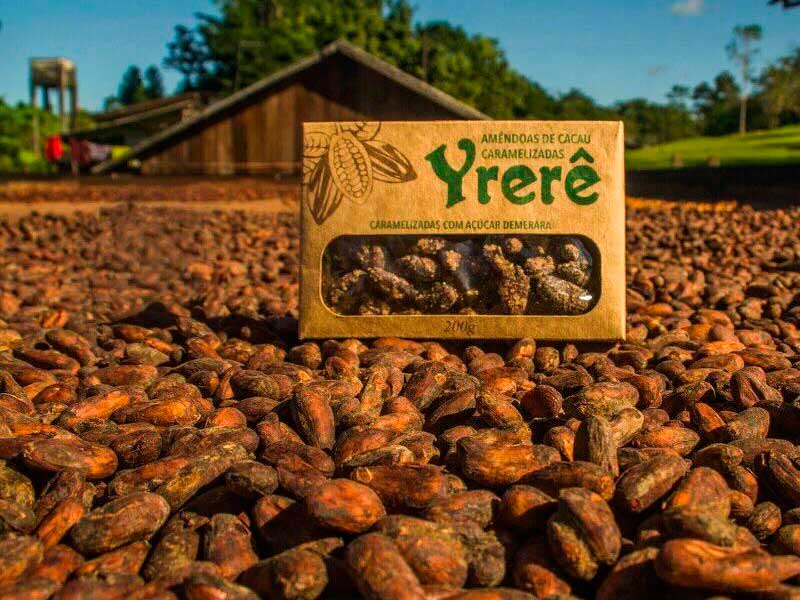
Fazenda Yrere em Ilhéus04:51
Pontos Turísticos de Ilhéus BA04:25
Olivença - distrito de Ilhéus08:56
Overview: beaches, adventure and ecotourism
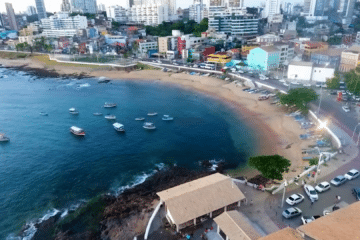
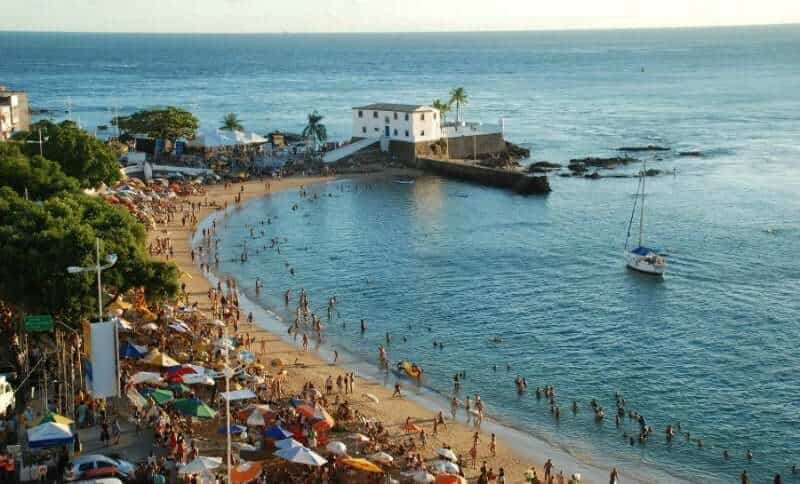
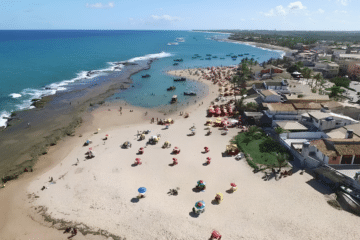
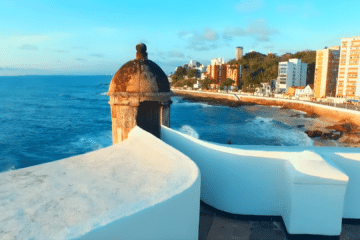
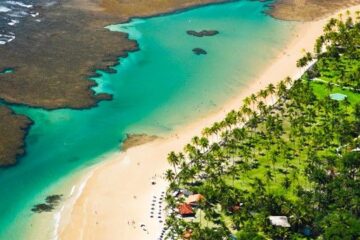
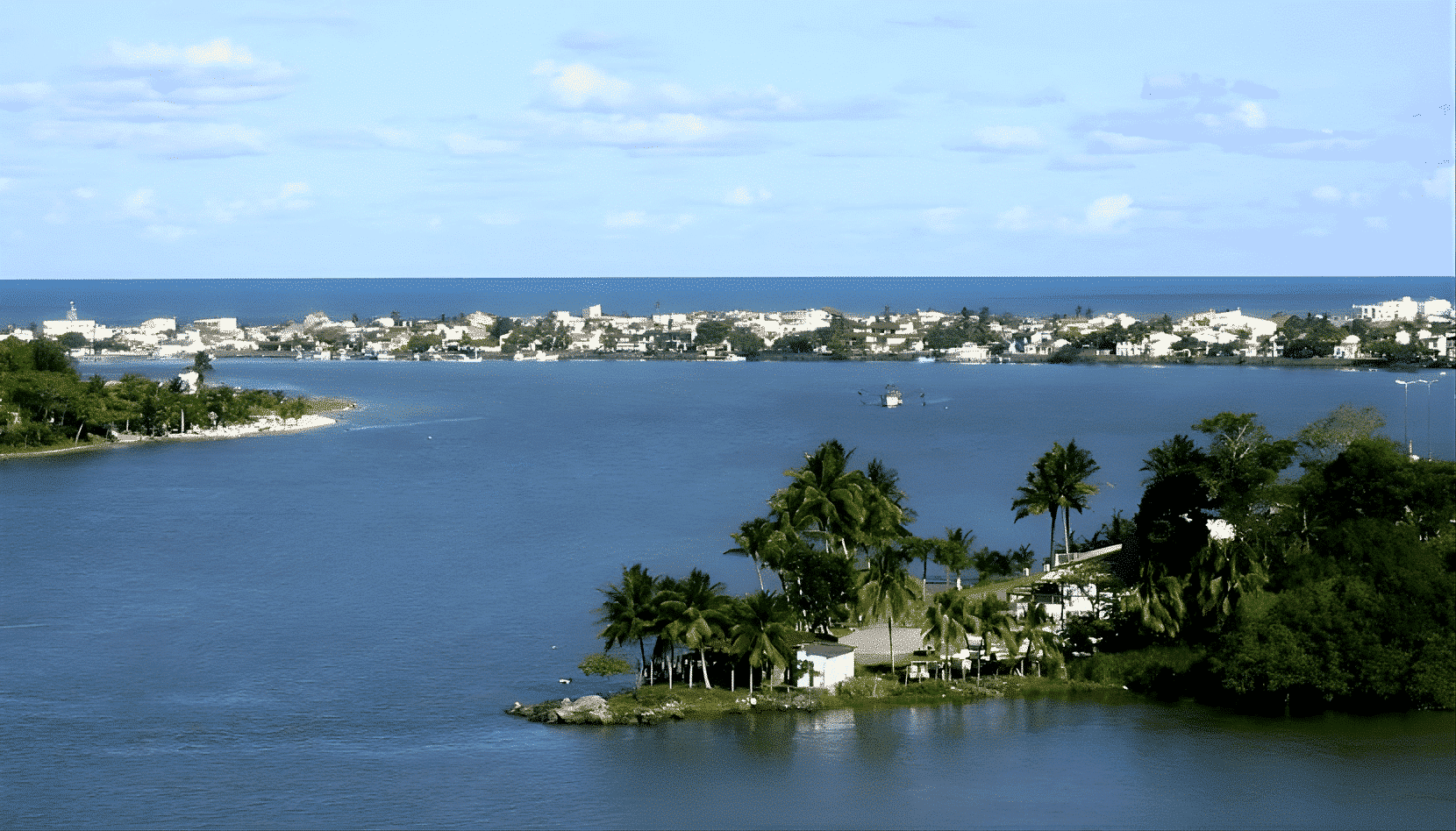
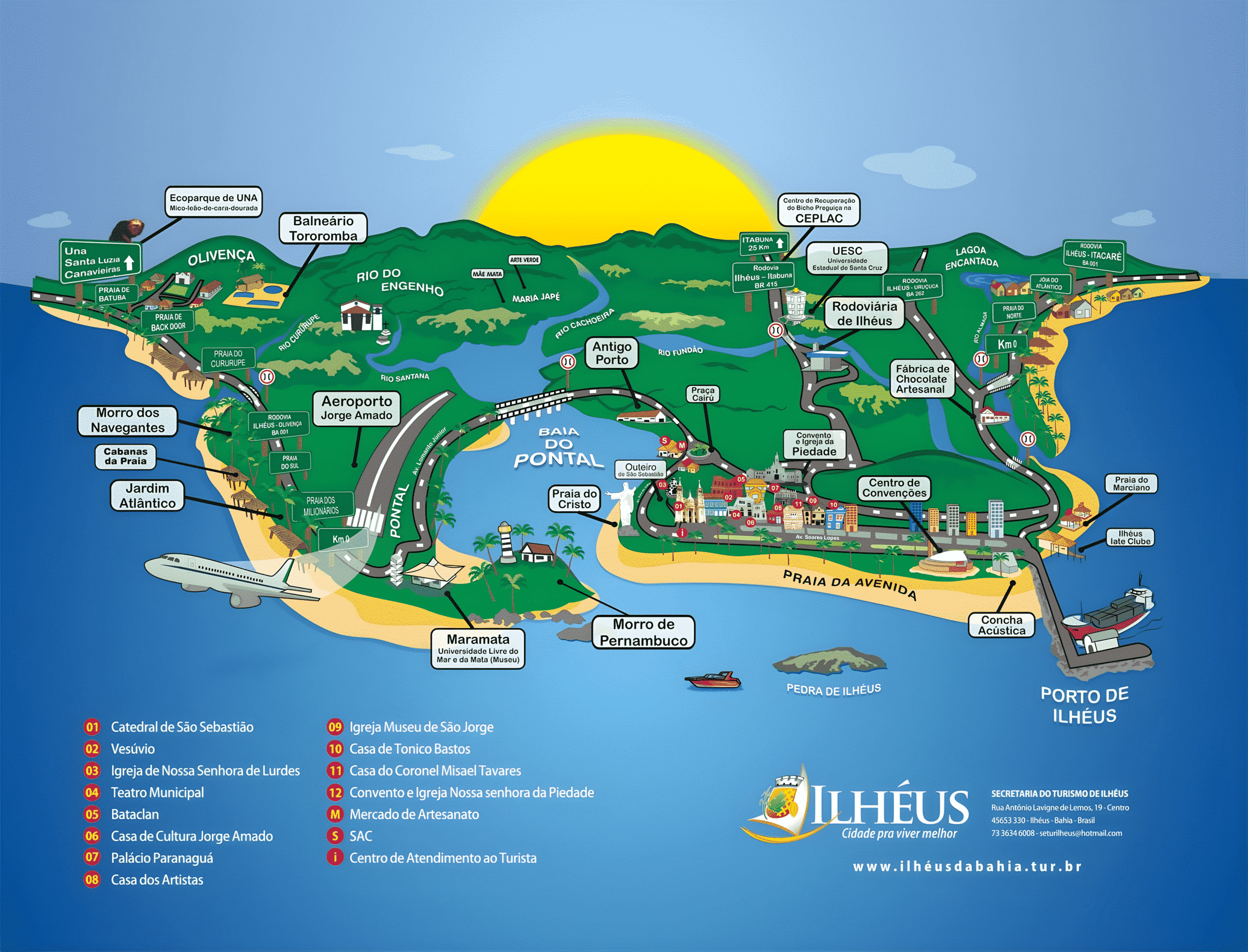
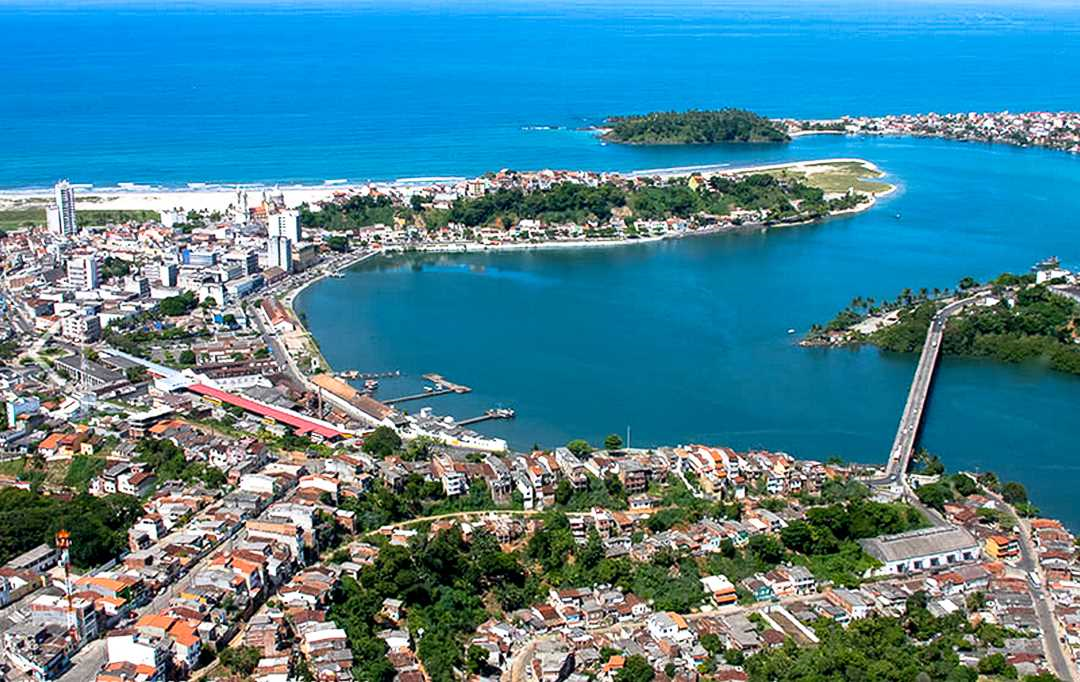
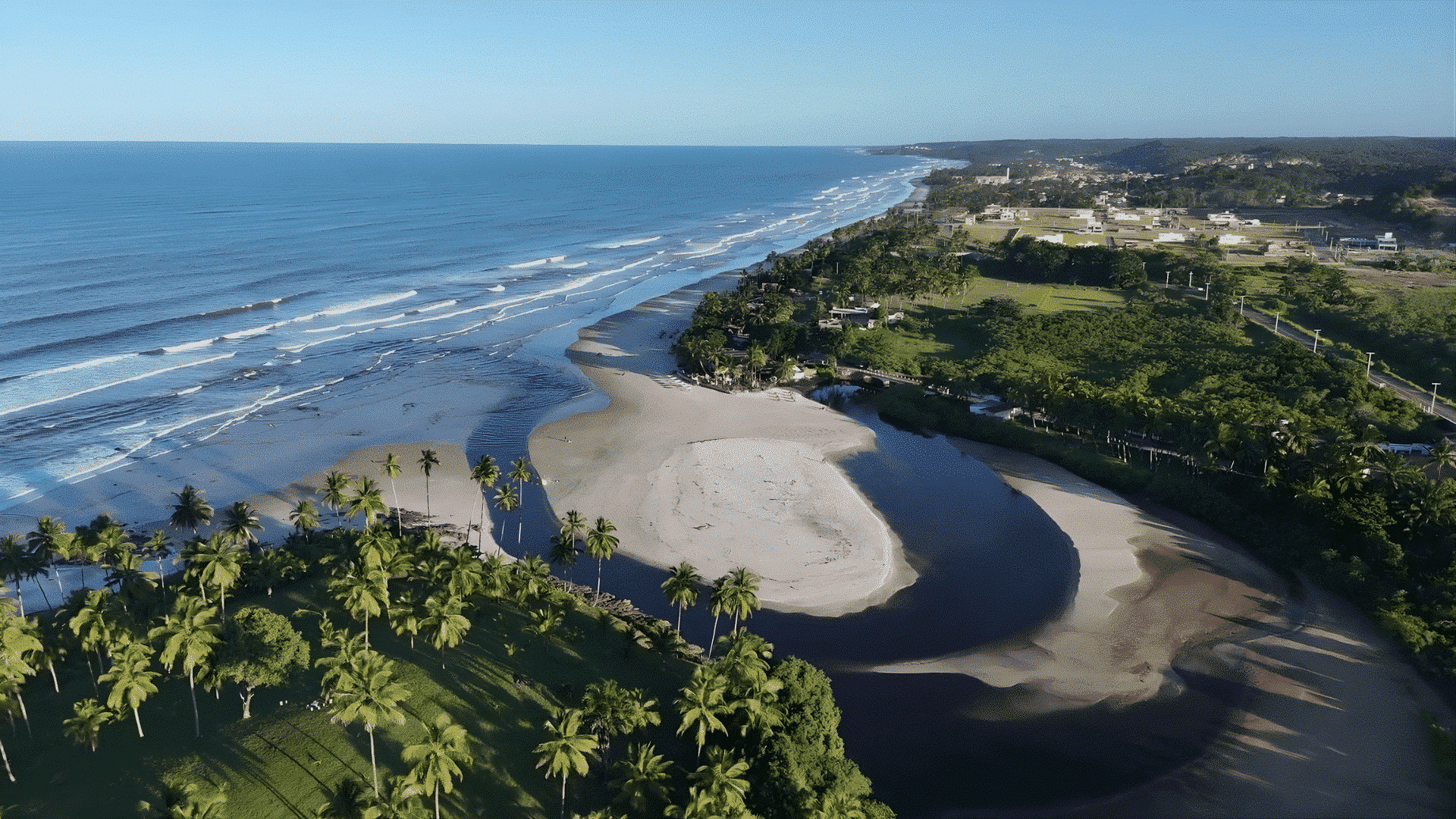
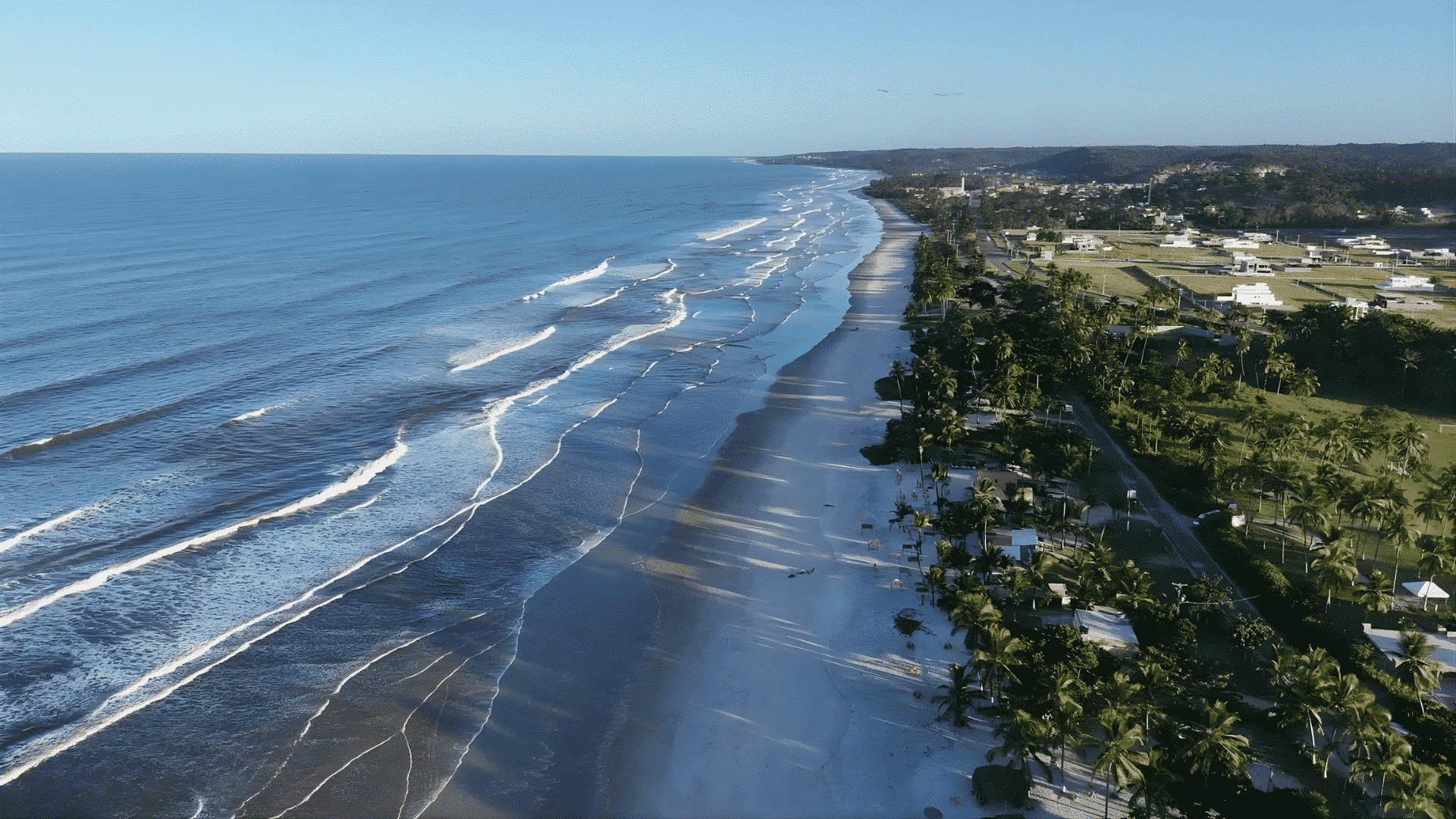
With around 100 km of coastline, Ilhéus caters to a variety of visitors: families, surfers and travellers seeking unspoilt stretches of coastline. As well as the beaches, there are walking trails, rivers, waterfalls and activities such as abseiling, sport fishing and surfing.
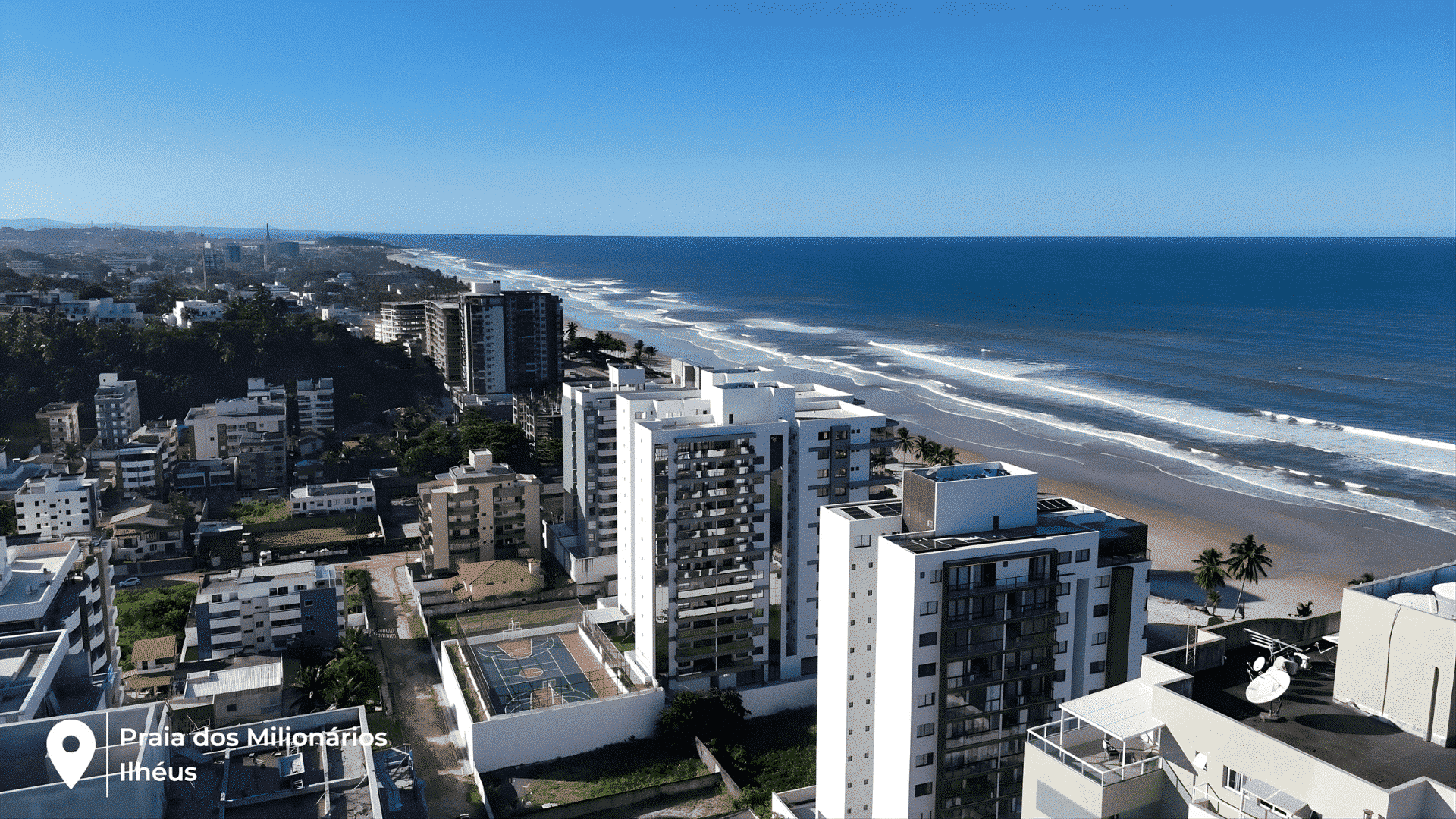
- Praia dos Milionários — well-developed facilities and ideal for families.
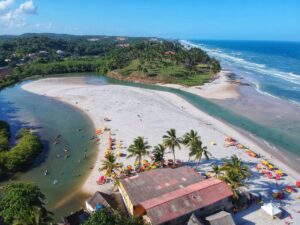
- Cururupe Beach — where the river meets the sea; stunning scenery.
- Olivença Beach — local life and good waves; a tourist district.
Historical heritage and literary legacy
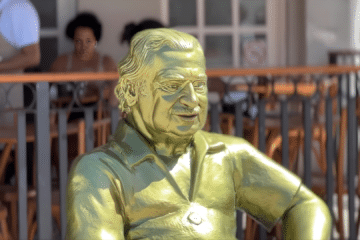
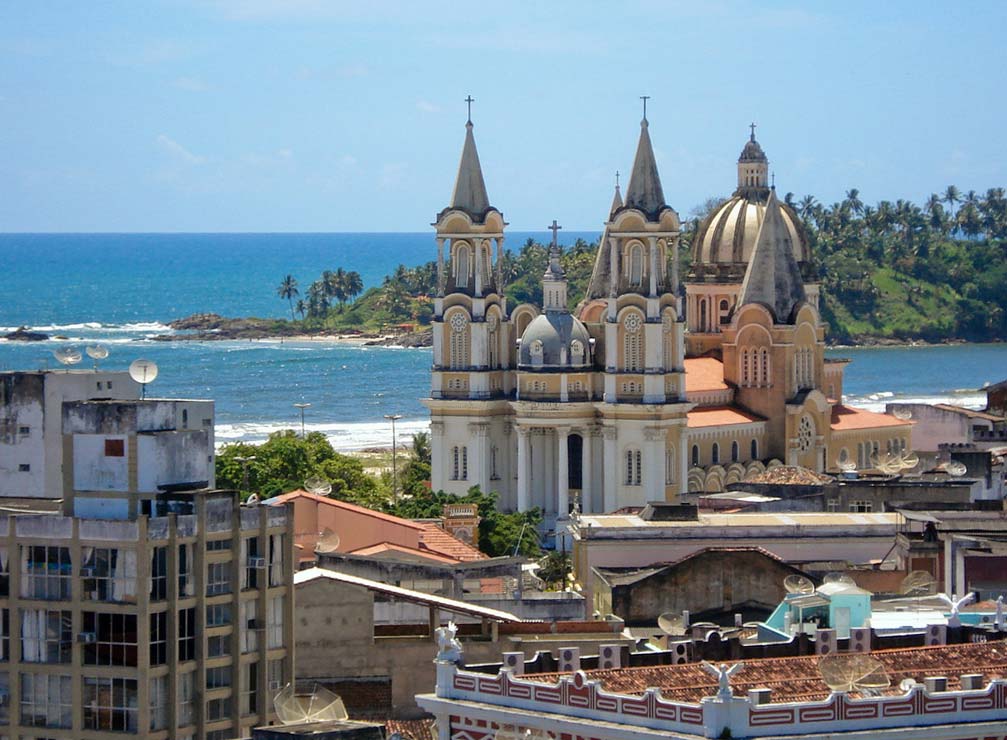
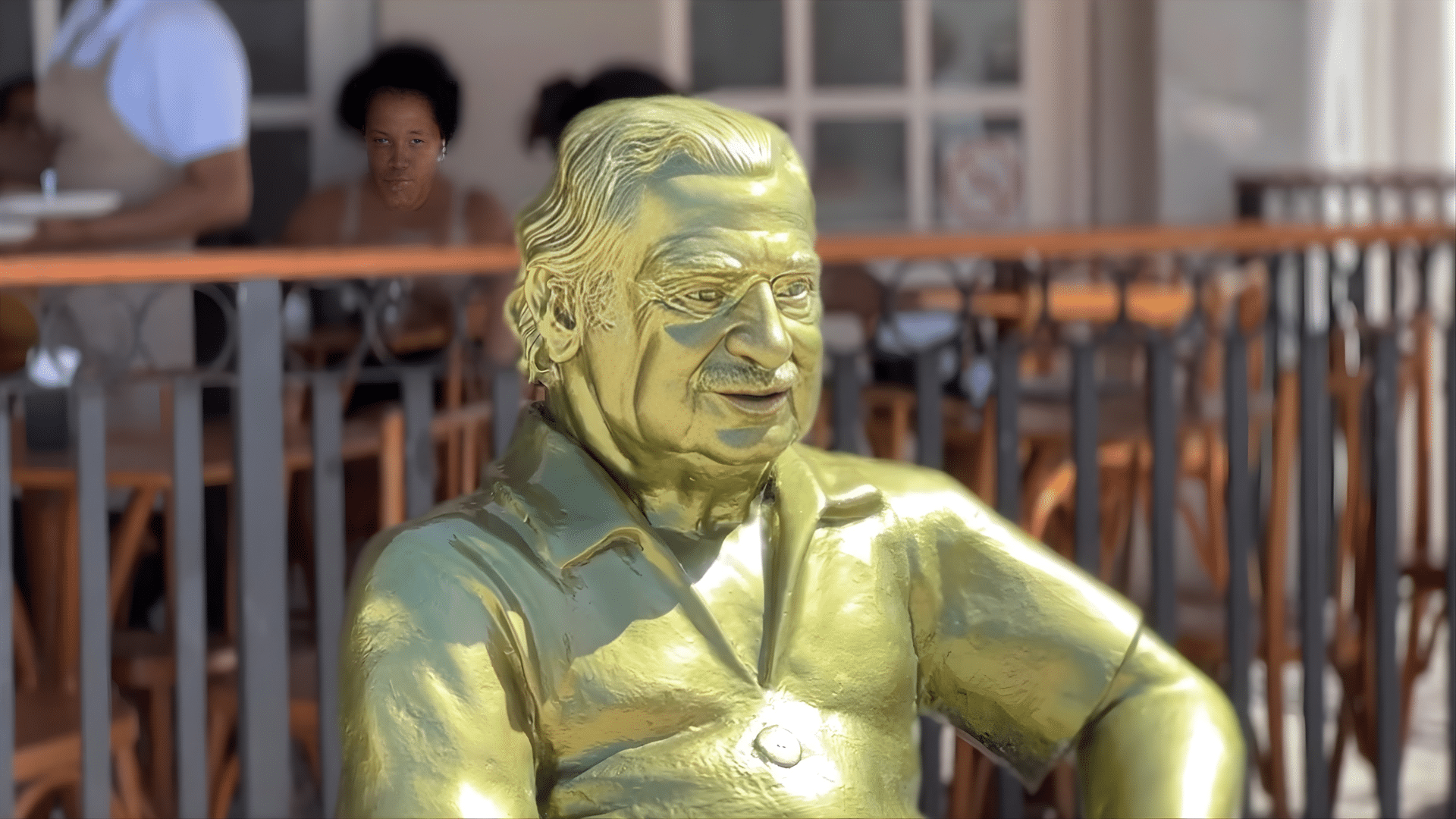
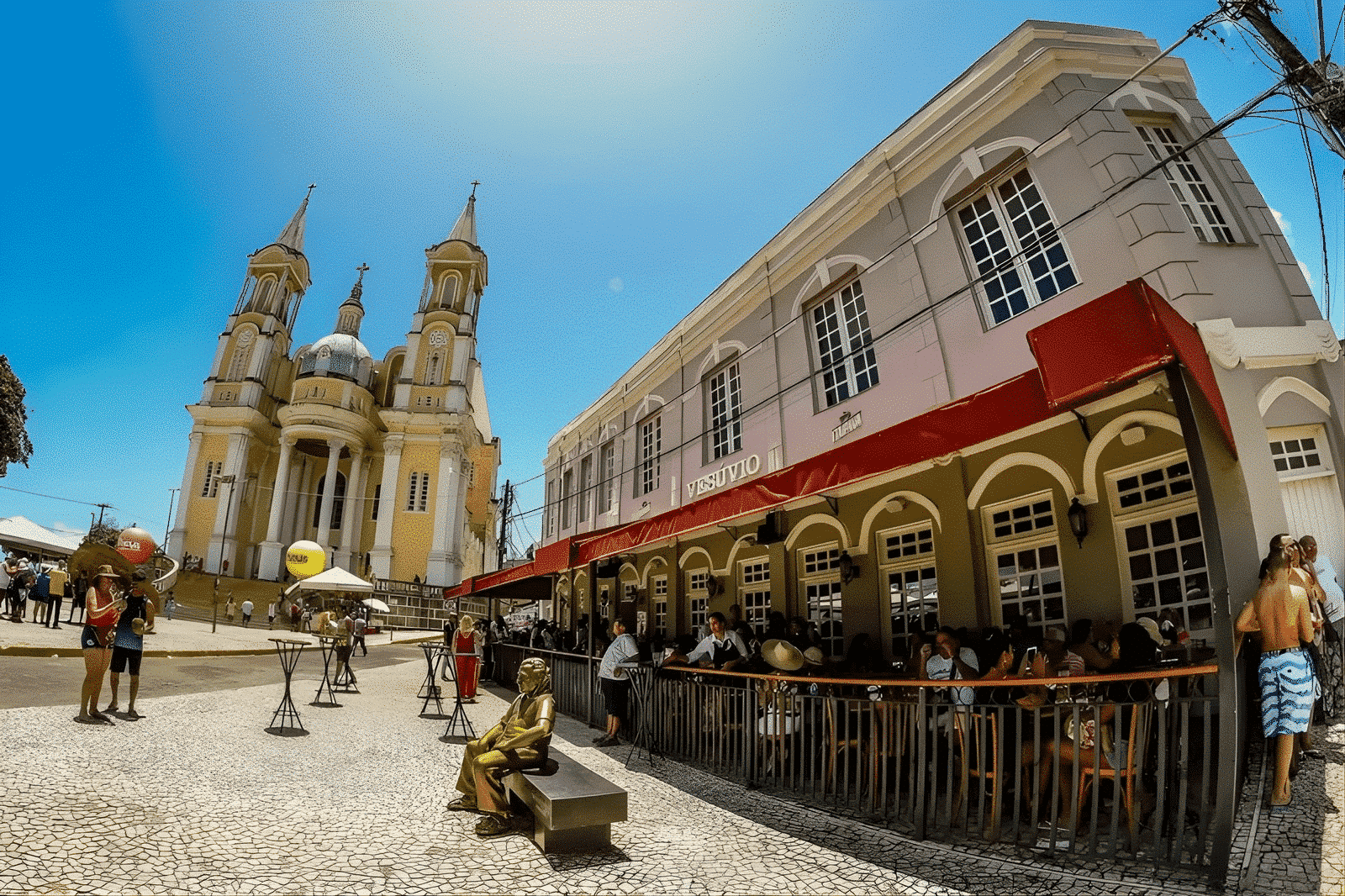
The historic centre evokes the settings of Jorge Amado’s books. Dom Eduardo Square and the surrounding streets are home to the main cultural attractions.
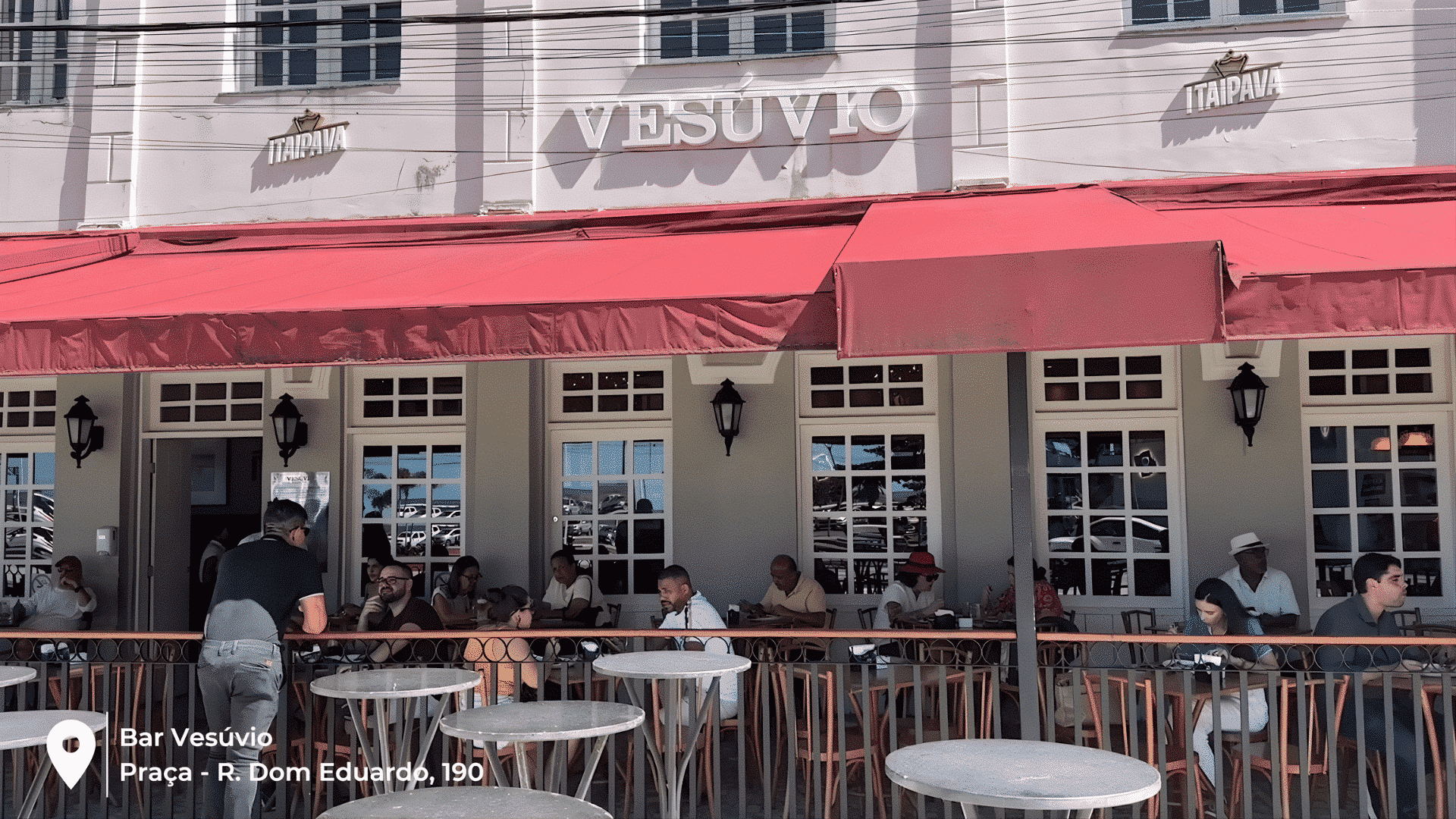
- Bar Vesúvio — a literary landmark featured in *Gabriela, Clove and Cinnamon*.
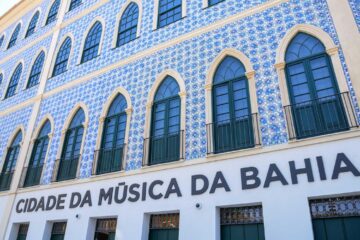
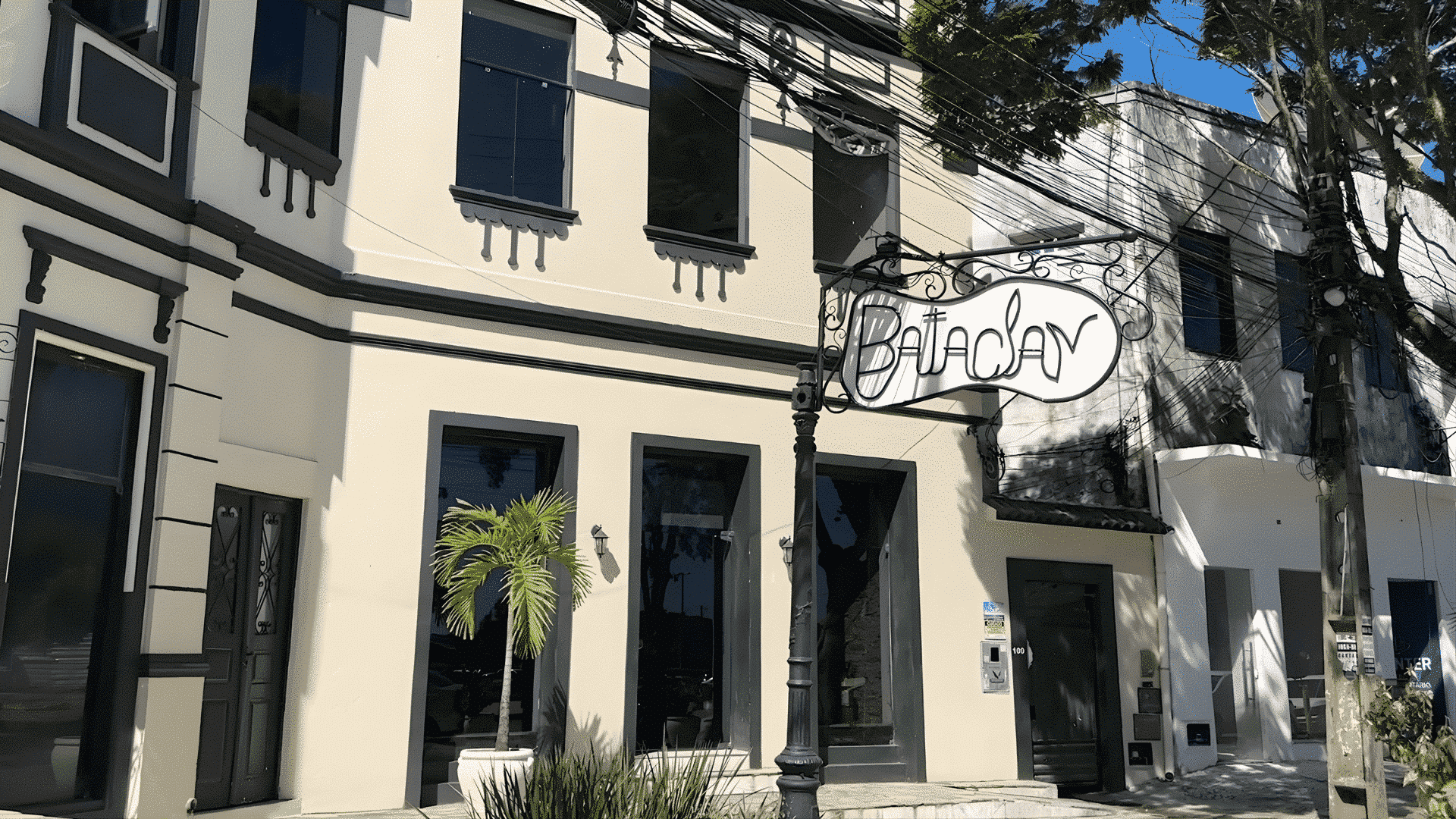
- Bataclan — a restored former cabaret and cultural centre.
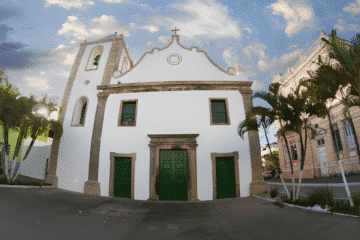
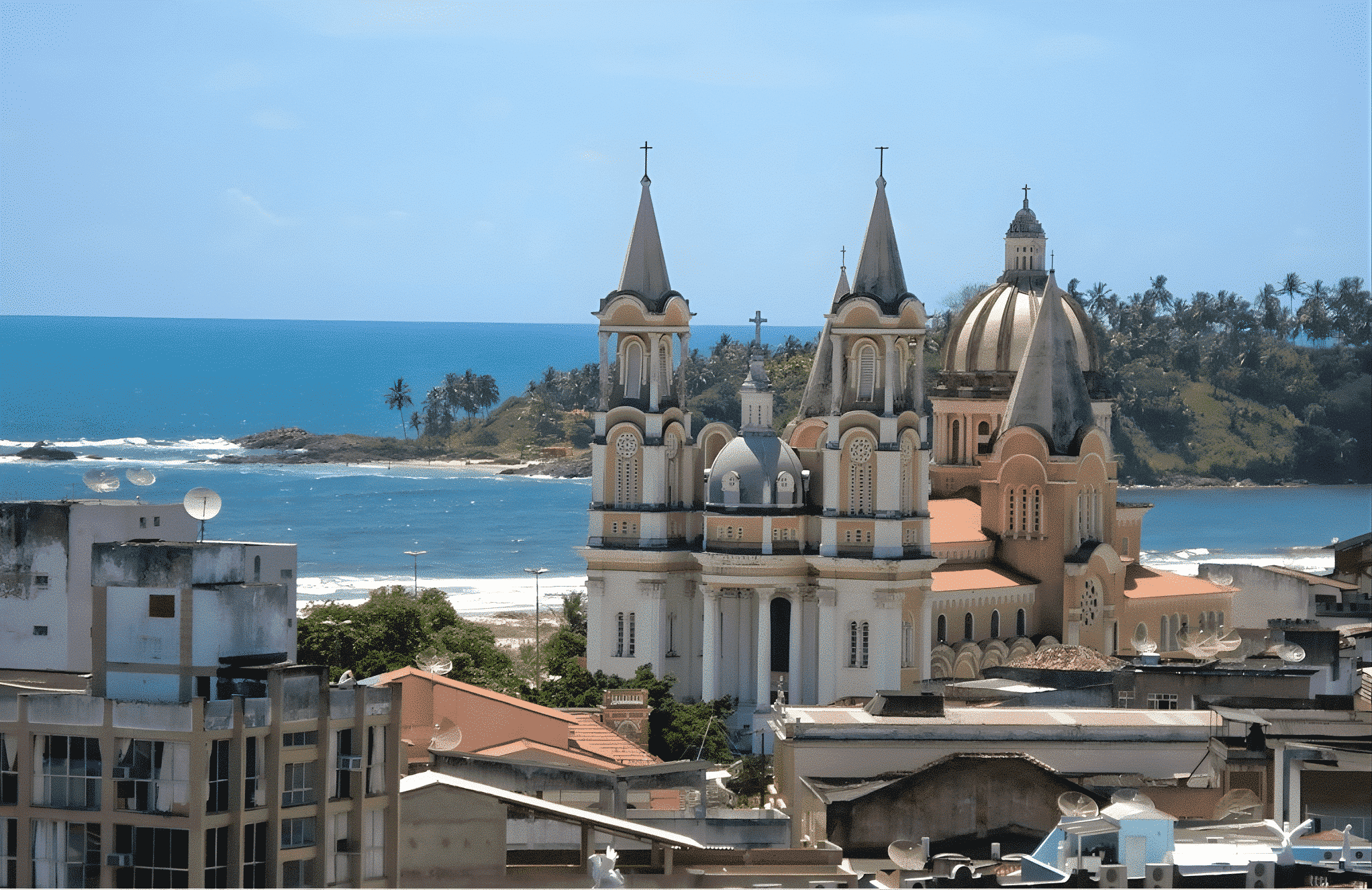
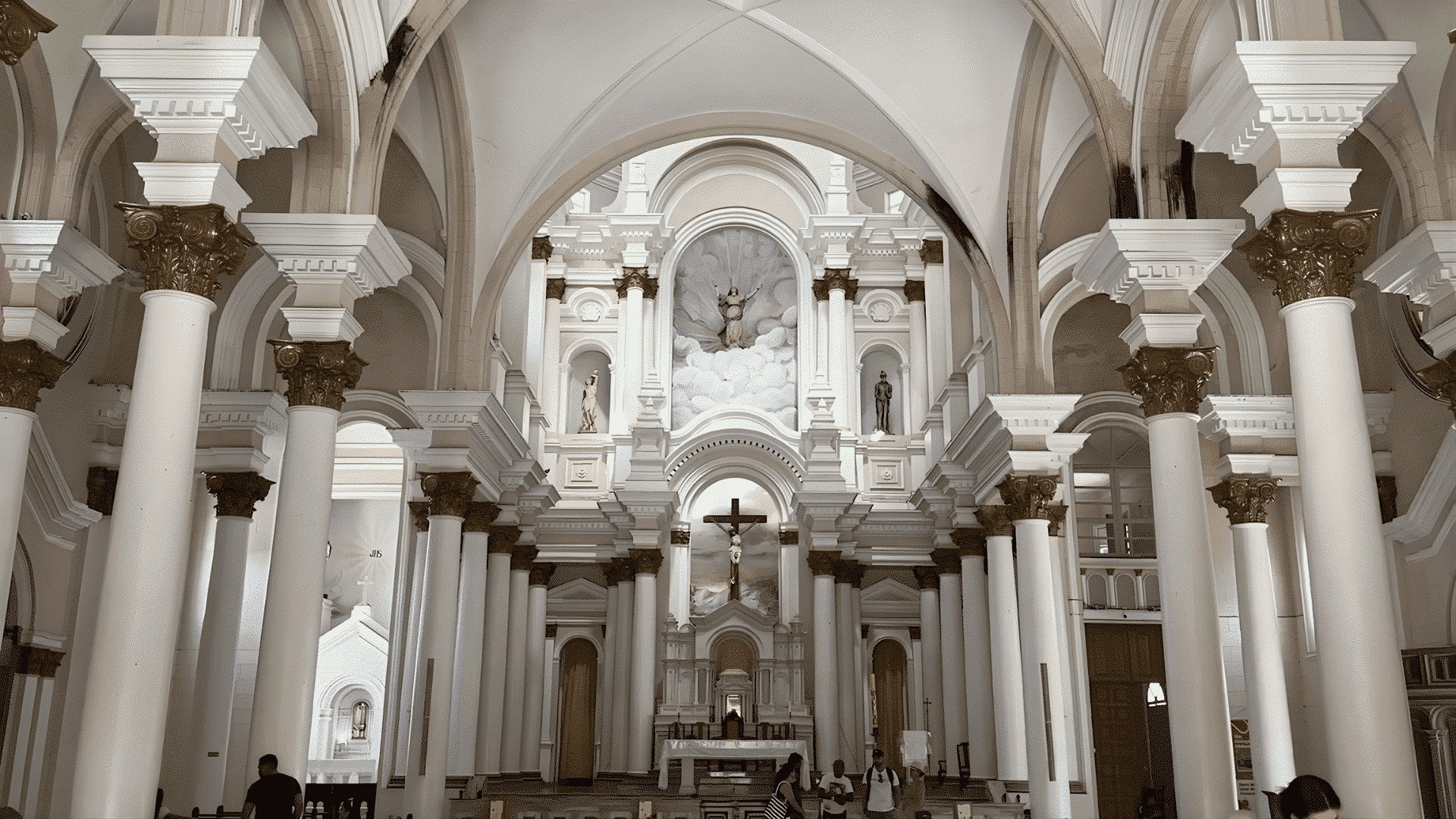
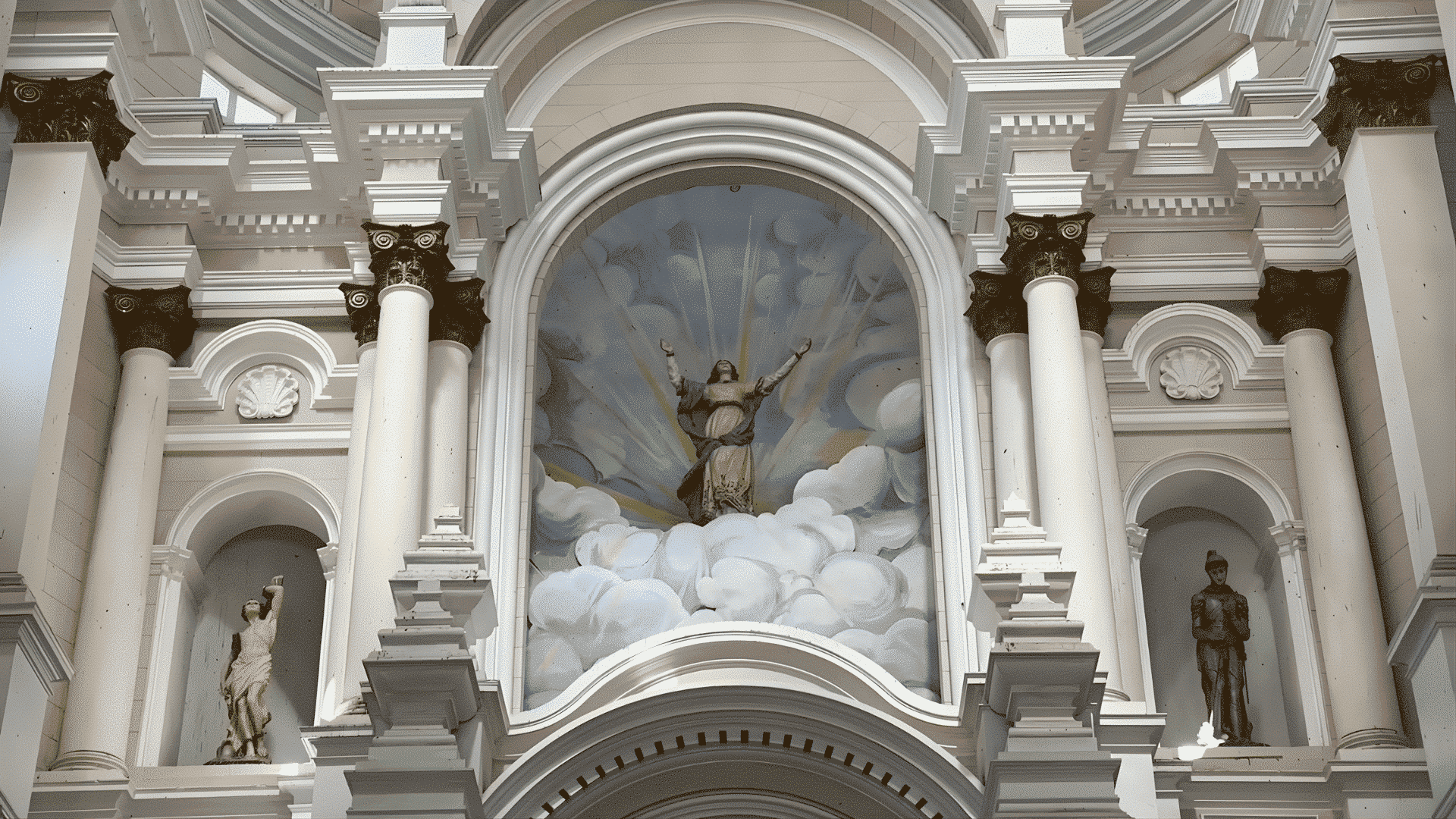
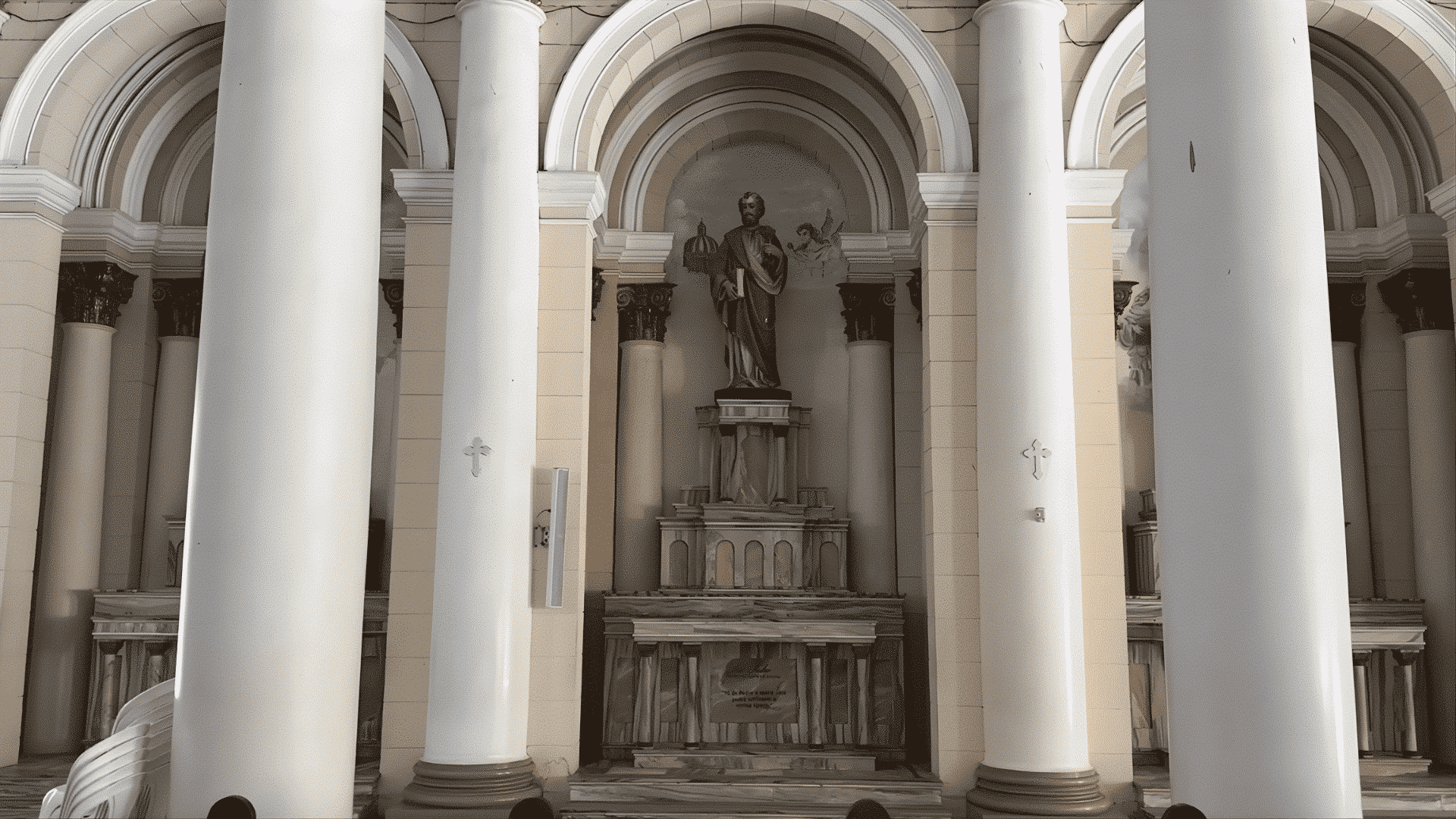
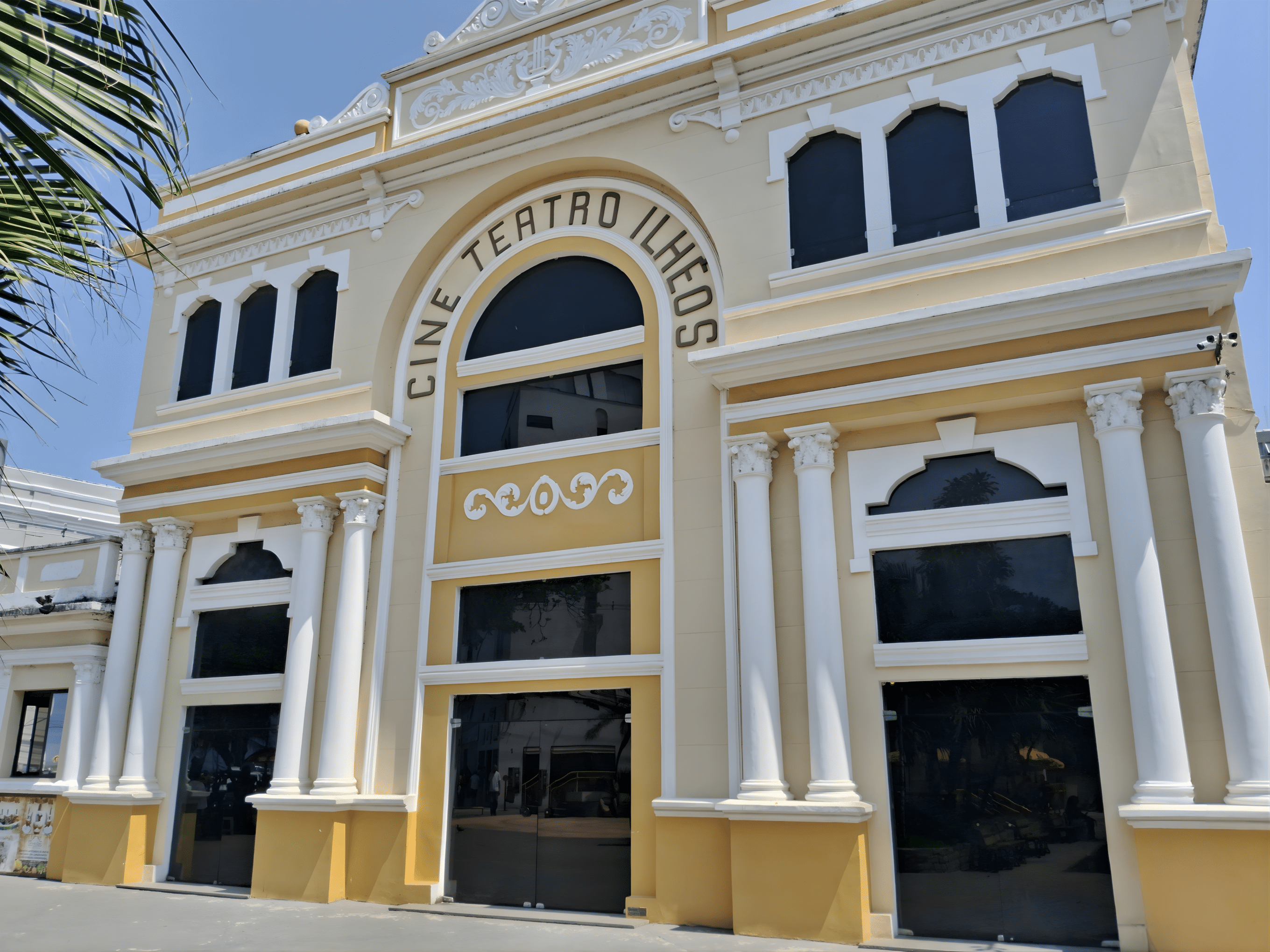
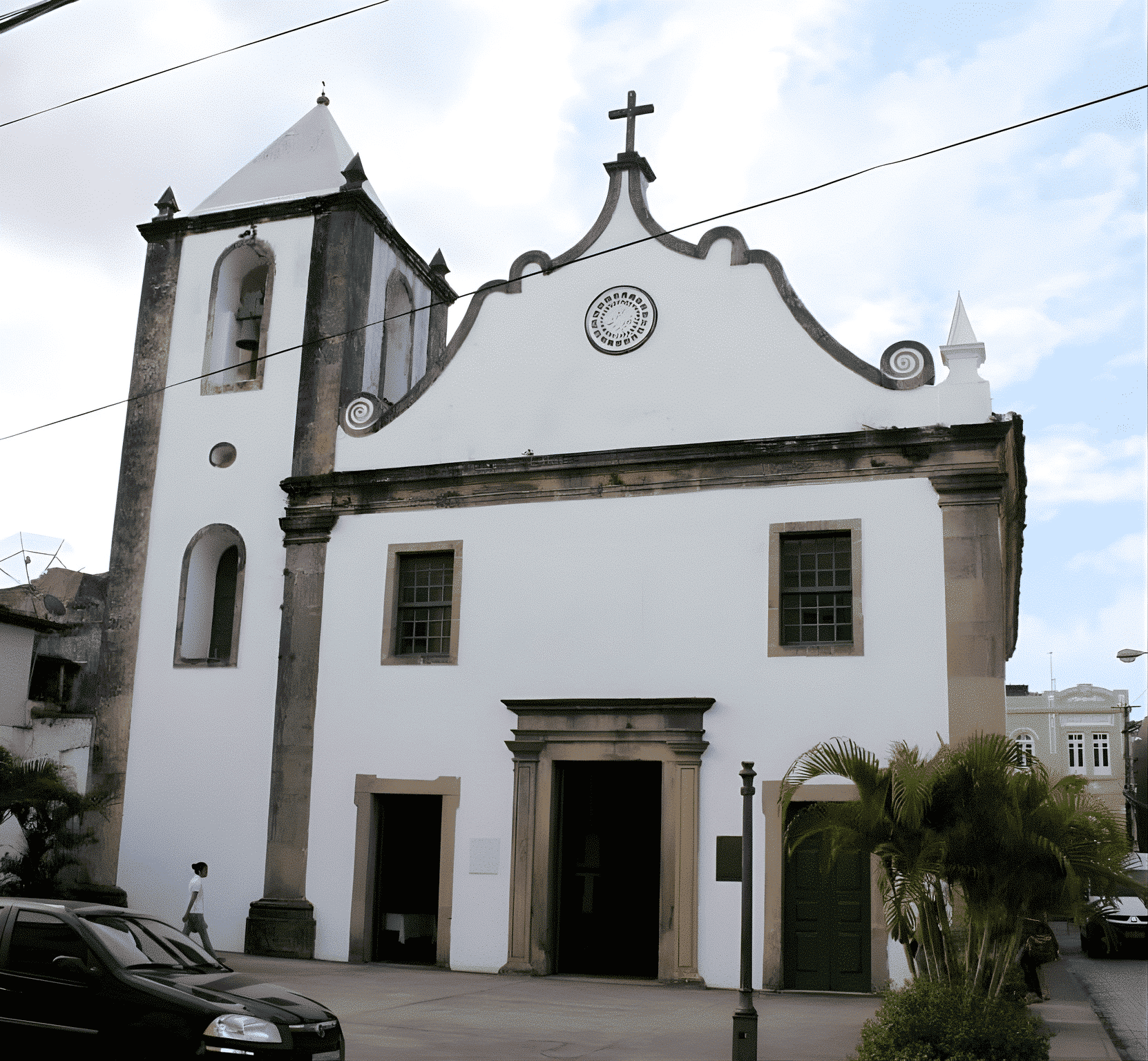
- Municipal Theatre, St Sebastian’s Cathedral and St George’s Parish Church (17th century).

The cocoa era: heyday, decline and revival
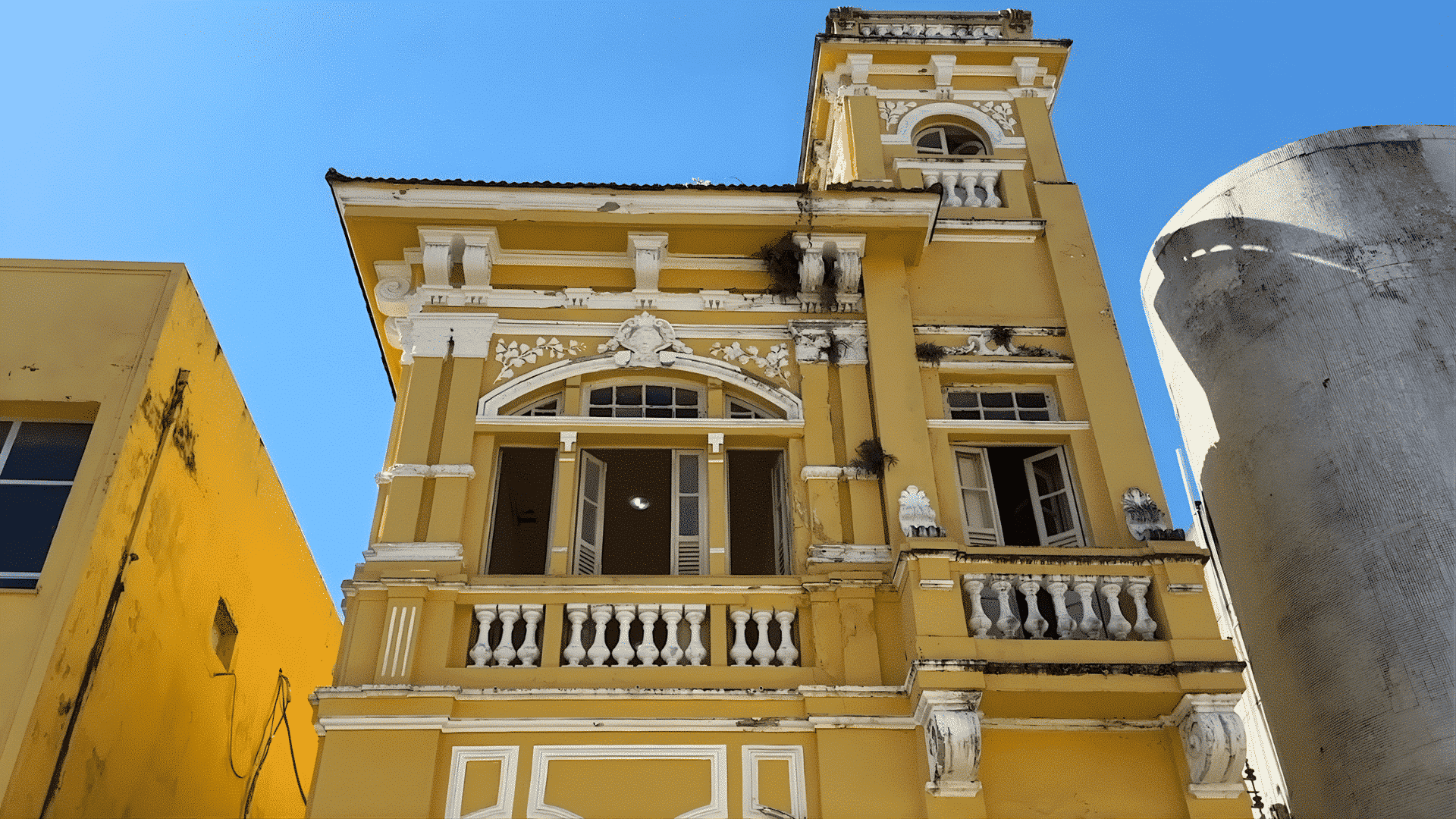
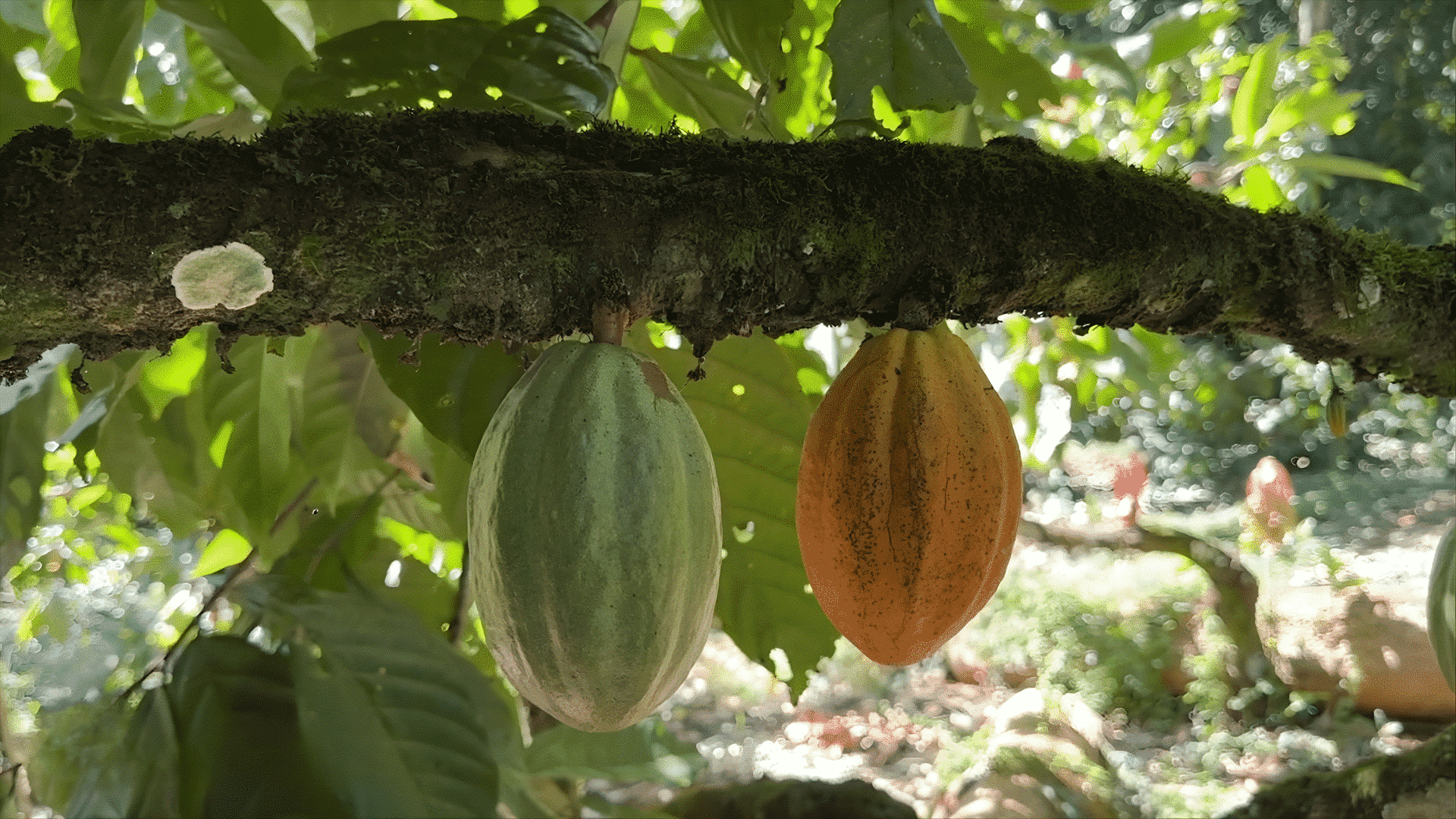
In the 20th century, Ilhéus experienced the heyday of the cocoa industry, characterised by stately homes and prosperity. From the 1980s onwards, the disease known as witch’s broom and price fluctuations led to a crisis. Today, there are recovery projects involving resistant seedlings, sustainable management and economic diversification (tourism, technology and artisanal chocolate).
Events and infrastructure
Ilhéus hosts cruise ships, fishing tournaments, fairs and sporting competitions throughout the year. Olivença serves as a hub for tourism, supporting the beaches and hiking trails.
Main attractions
- Cultural and historical treasures
- Nature walks
- Cocoa farms
- Villages and districts
- Beaches
1. Cultural and historical treasures
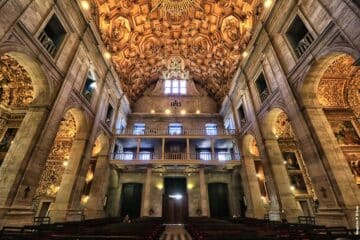
- St Sebastian’s Cathedral — eclectic architecture, imposing vaulted ceiling.
- Bar Vesúvio — an icon since 1919.
- Praça do Cacau — a themed garden featuring various varieties of cacao trees.
- Regional Cacao Museum — a collection showcasing the cacao cycle.
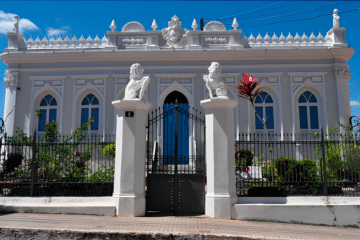
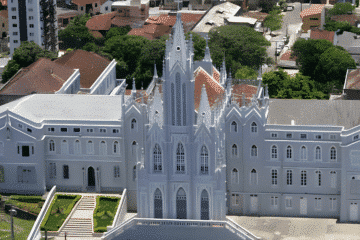
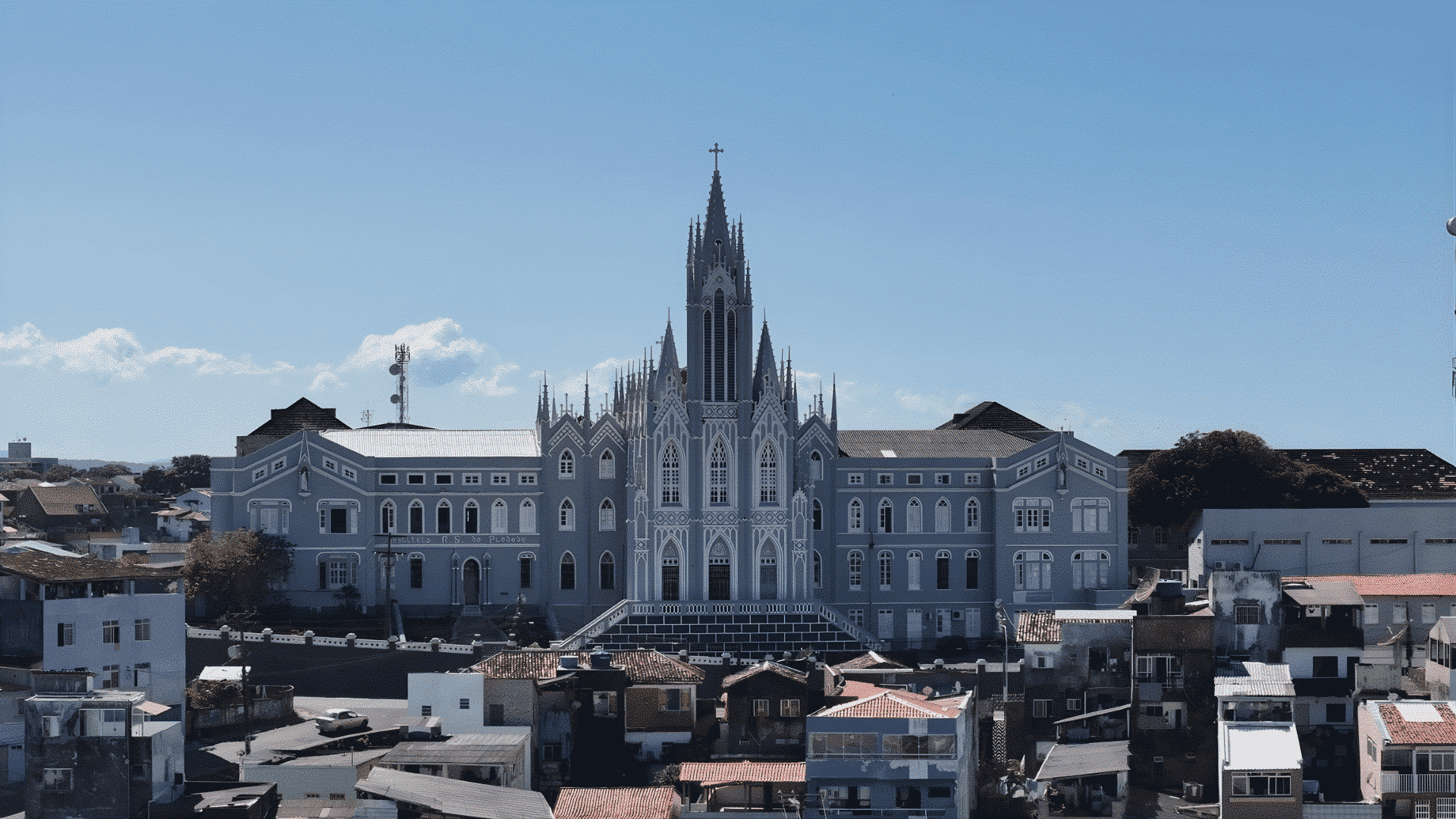
- Chapel of Nossa Senhora da Piedade — Neo-Gothic style and stained-glass windows.
- Parish Church of São Jorge — 17th century and Museum of Sacred Art.
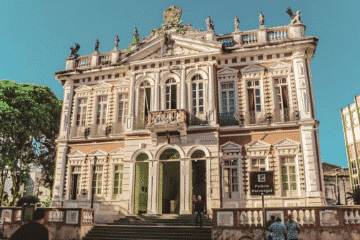
- Bataclan, Municipal Theatre, Jorge Amado Cultural Centre and Paranaguá Palace.
- Chocolate factories offering tours and tastings.
2. Nature walks
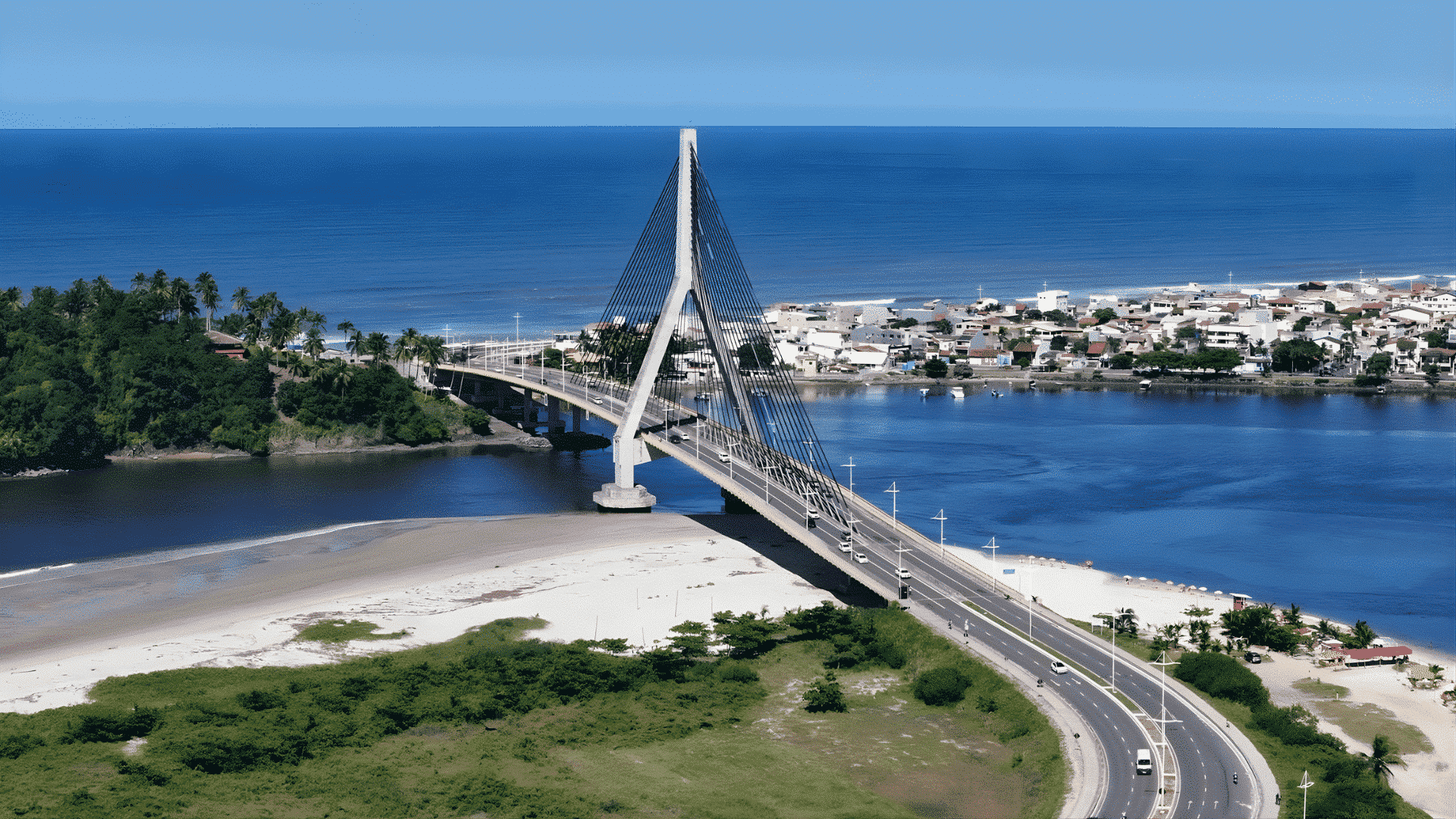
- Ilhéus–Itacaré Scenic Route — viewpoints, beaches and walking trails along a 72 km route.
- Lagoa Encantada — a nature reserve with natural pools.
- Sloth Rehabilitation Centre — an educational attraction.
3. Cocoa farms
Guided tours showcase the cocoa-making process, the history of the farms, walking trails and tastings.
- Yrerê Farm — walking trails and regional events.
- Primavera Farm — historical collection and shows.
- Renascer Farm — waterfalls and nature.
- Rio do Braço District — ruins and the Jorge Amado theme park.
4. Villages and districts
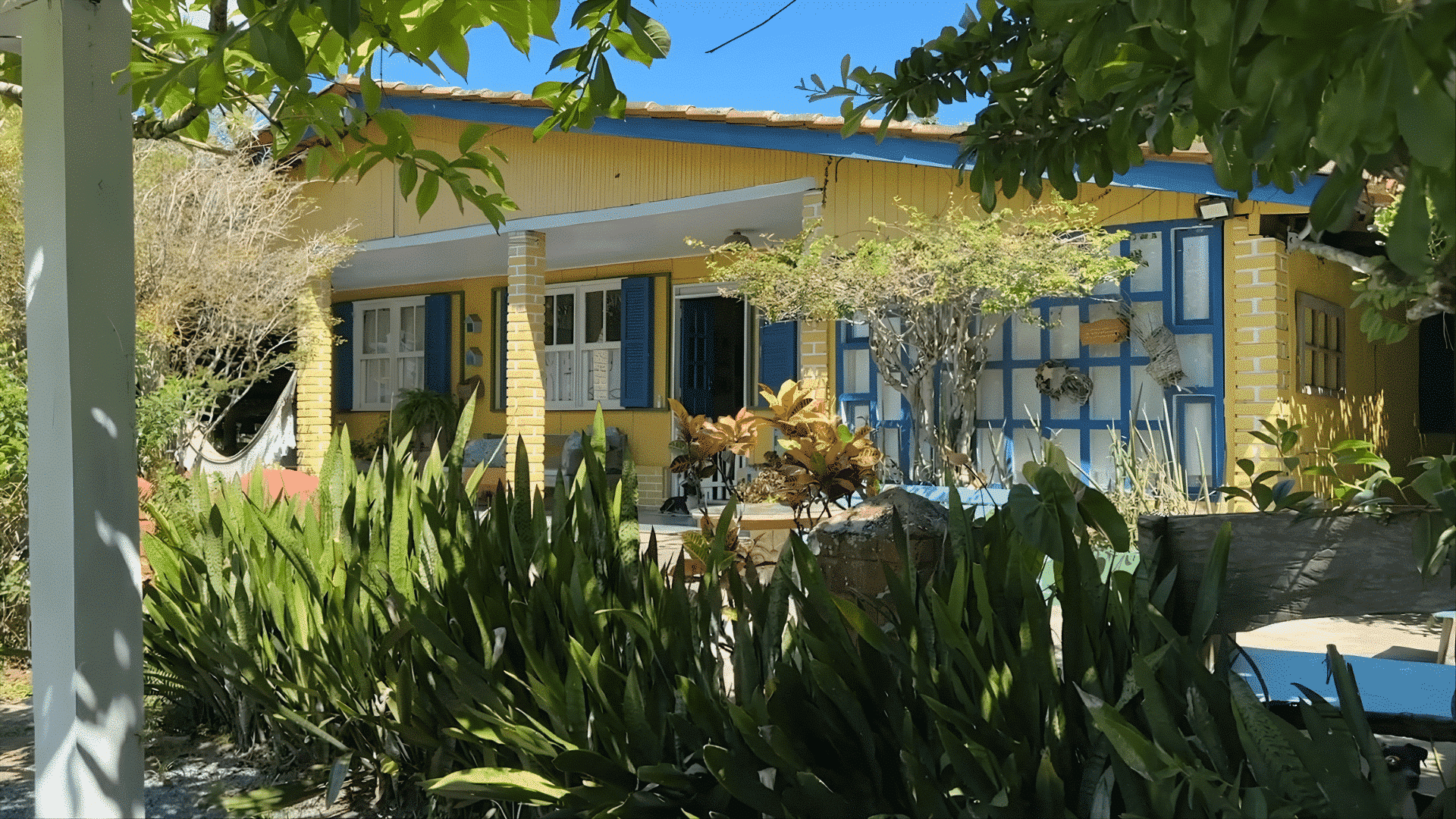
- Olivença — surfing, local events and access to beautiful beaches.
- Rio do Engenho — traditional cuisine and rural heritage.
5. Quick guide to beaches
Selvagens
- Praia do Norte — a long stretch of beach, good for fishing and surfing.
- Pé de Serra and Ponta do Ramo — unspoilt stretches.
Urban / developed
- Praia dos Milionários — kiosks and accommodation.
- Praia da Concha — natural pools amongst the rocks.
- Praia do Marciano, Praia do Cristo — water sports and leisure activities.
Surfing
- Back Door, Batuba — favourites with surfers.
Practical tips
- Best time to visit: September to March (beaches); May to November (surf competitions).
- Transport: hire a car to explore the beaches and farms; guided tours are available.
- Safety: follow local signage regarding areas unsuitable for swimming.
- Cuisine: try moqueca, crab stew and sweets/products made with cocoa.

Publicações Relacionadas
São Jorge Parish Church in Ilhéus — history, architecture and religious art
Things to Do in Rio de Contas (Bahia): A Complete Guide
Waterfalls of Chapada Diamantina: A Guide for Adventurers
Tourist attractions in the Gamboa neighbourhood in Salvador BA
São Desidório: Explore Caves and Biodiversity
Things to Do in Piatã, Bahia: The Highest Town in the North-East
Praia do Forte, Bahia: The Complete Travel Guide
History of grape and wine production in the São Francisco Valley
Places to visit on the south coast of Bahia
Marimbus Pantanal: Adventure in Chapada Diamantina
Extreme Sports in Bahia: Adventure Awaits You
Chapada Diamantina: A Complete Guide to Attractions and Itineraries
History of the settlement of Chapada Diamantina
The most visited churches in Salvador — itinerary and tips
Convent and Church of Santa Teresa and the UFBA Museum of Sacred Art in Salvador
Juazeiro: Discover the Land of the Carrancas
The Municipality of Conde, Bahia: Beaches and a Comprehensive History
Solar do Unhão & MAM-BA — History, Architecture and a Visit
Tourist Information about Chapada Diamantina
Basílica Santuário Nossa Senhora da Conceição da Praia — history and architecture
Rio Vermelho is Salvador’s trendiest and most bohemian neighbourhood
Valença: The Gateway to Morro de São Paulo
Municipality of Entre Rios has first official naturist beach
Morro de São Paulo: Beach Guide and How to Get There
Caraíva: A rustic and unspoilt paradise in the south of Bahia
Catabrigas Waterfall — A natural haven in Ibirajá, Itanhém (BA)
Descobrimento National Park in Bahia: A Natural Heritage Site
Things to Do in Nova Viçosa (Bahia): Beaches, Islands and Abrolhos
Arembepe: beaches (Piruí, Praia do Canto), Hippie Village and the Tamar Project
History and sights of Avenida Contorno in Salvador BA
Bay of Todos os Santos: nature, history and cultur
Canavieiras: A Hidden Gem in Bahia's Coastline
Ecotourism at Timeantube Lagoon, Praia do Forte
Ecotourism in Bahia: discover village of Santo André
The best beaches near Salvador (distance, facilities and tips)
Main Towns and Villages in the Chapada Diamantina Region
This post is also on:
 Português
  English
  Deutsch
  Español
  Français