Video about the Humpback Whale and the 5 largest whales in the world


Abrolhos Marine National Park — the main nursery in the western South Atlantic
The Abrolhos Marine National Park (Decree No. 88,218/1983) is the main breeding ground for humpback whales in the western South Atlantic. Located in the far south of Bahia, off the coast of Caravelas, Abrolhos comprises volcanic islands and coral reefs that serve as a breeding and nursing ground between June and November.
See the map of the Whale Coast
Season and best months for whale watching
In Brazil, humpback whales arrive between June and November; many research centres and whale-watching programmes indicate that July to November is the period with the highest level of breeding activity and the widest range of tours on offer. For the best chance of a sighting, opt for trips between July and October.
Where to see humpback whales along the Brazilian coast
- Bahia: Abrolhos Bank (Caravelas) — the main nursery.
- Espírito Santo: areas near Vitória and Regência.
- São Paulo: Ilhabela, Cananéia and Ubatuba.
- Rio de Janeiro: Arraial do Cabo and the northern coast of Rio de Janeiro state.
Local tour operators and the Humpback Whale Project offer whale-watching tours with protocols designed to minimise impact.
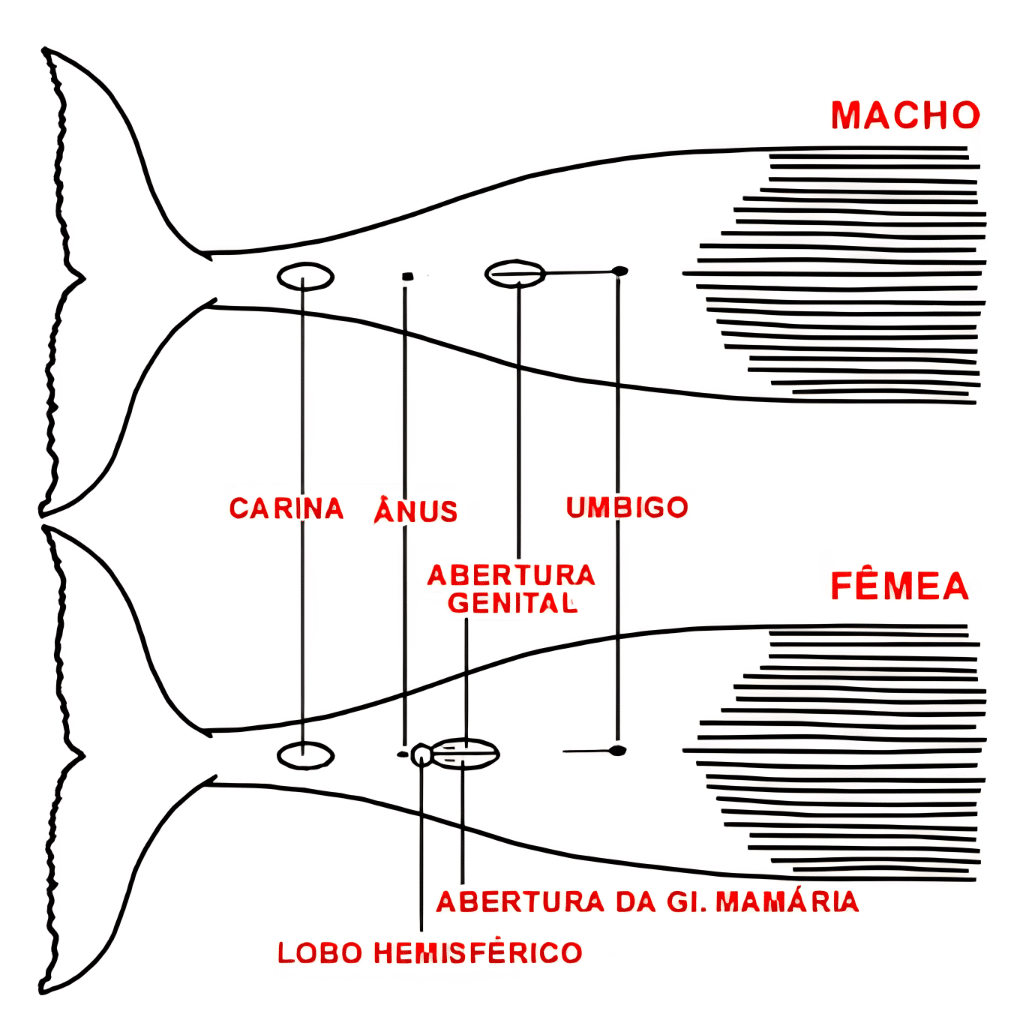
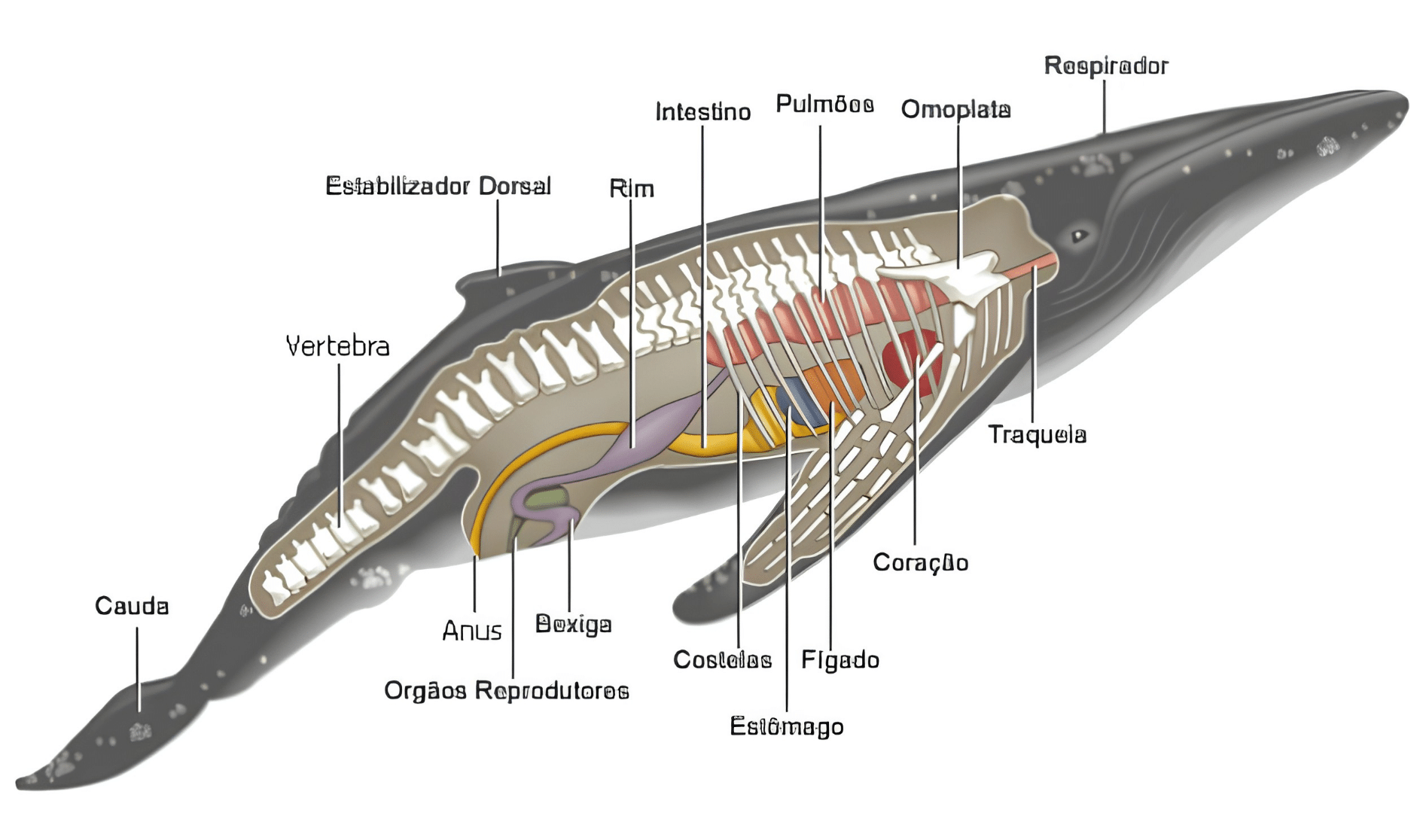
Reproduction, birth and longevity
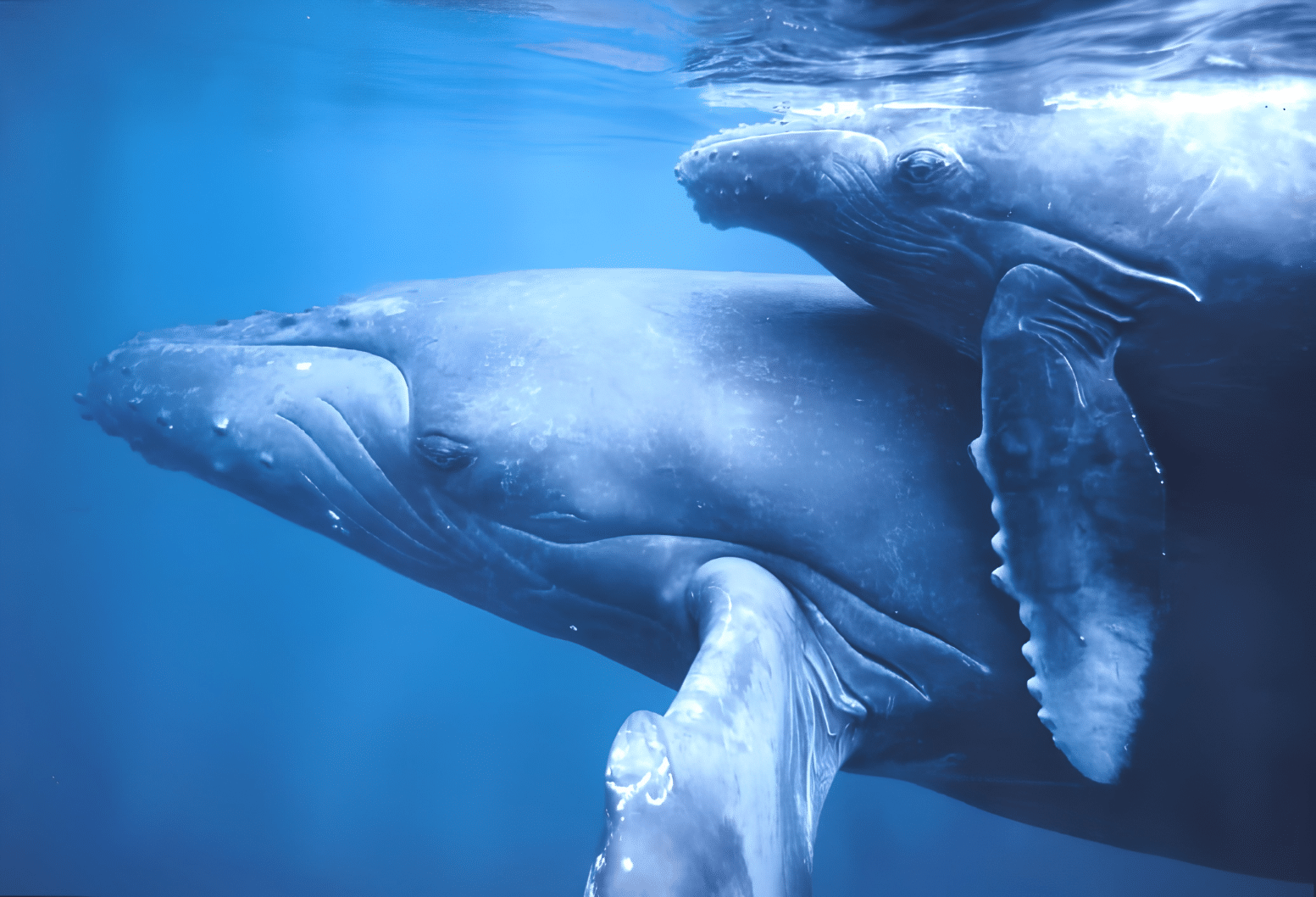
Gestation period of ~11 months; calves are born measuring ~4–5 m and remain close to their mother for 6–12 months. Average interval between births ~2 years. Life expectancy generally >40 years.

Behaviour and song
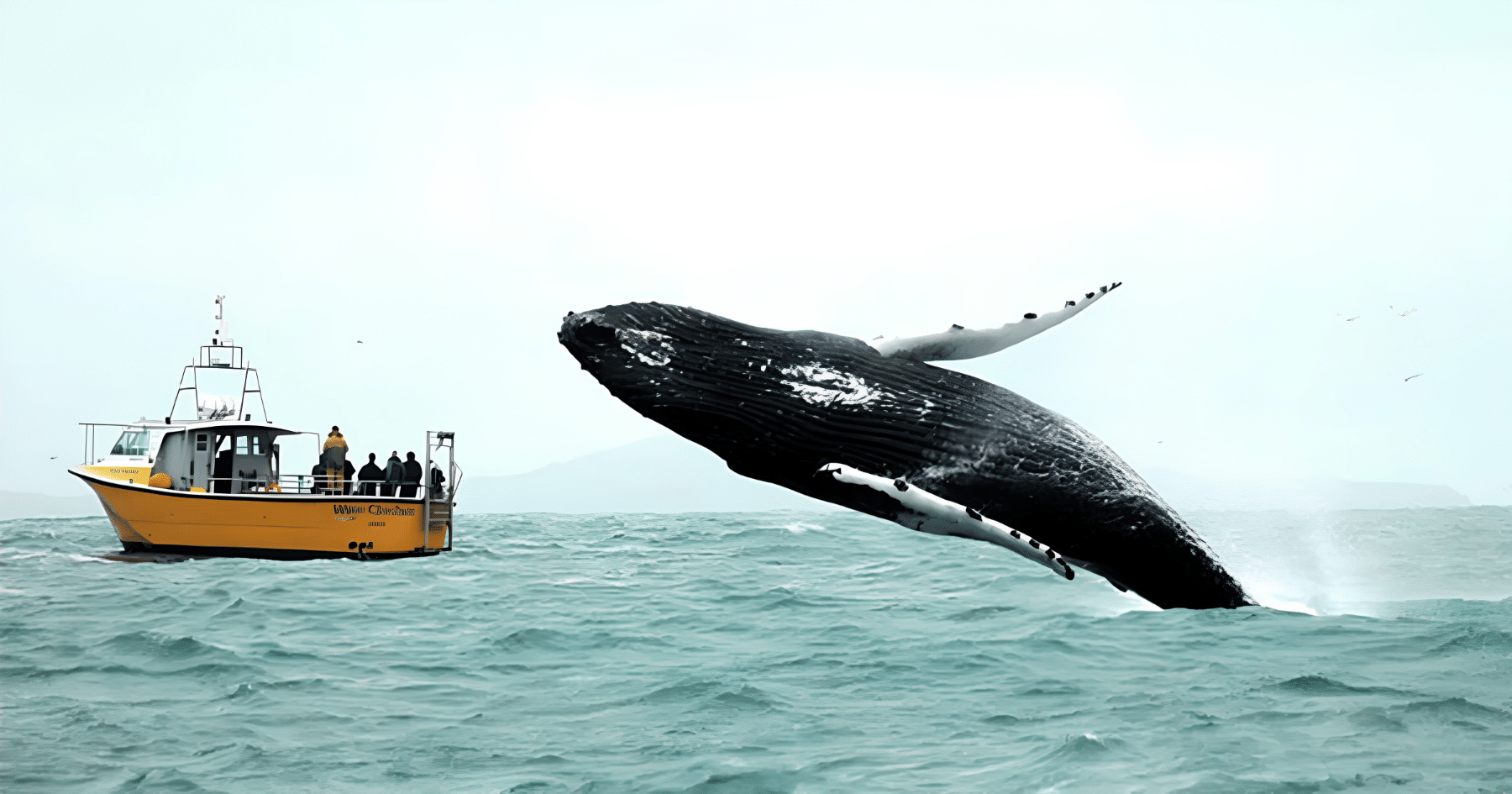
Humpback whales exhibit (breaching), fin slaps and tail slaps, and frequently approach boats out of curiosity. The males’ song is complex and repetitive, varying between populations and changing over the years.
Feeding
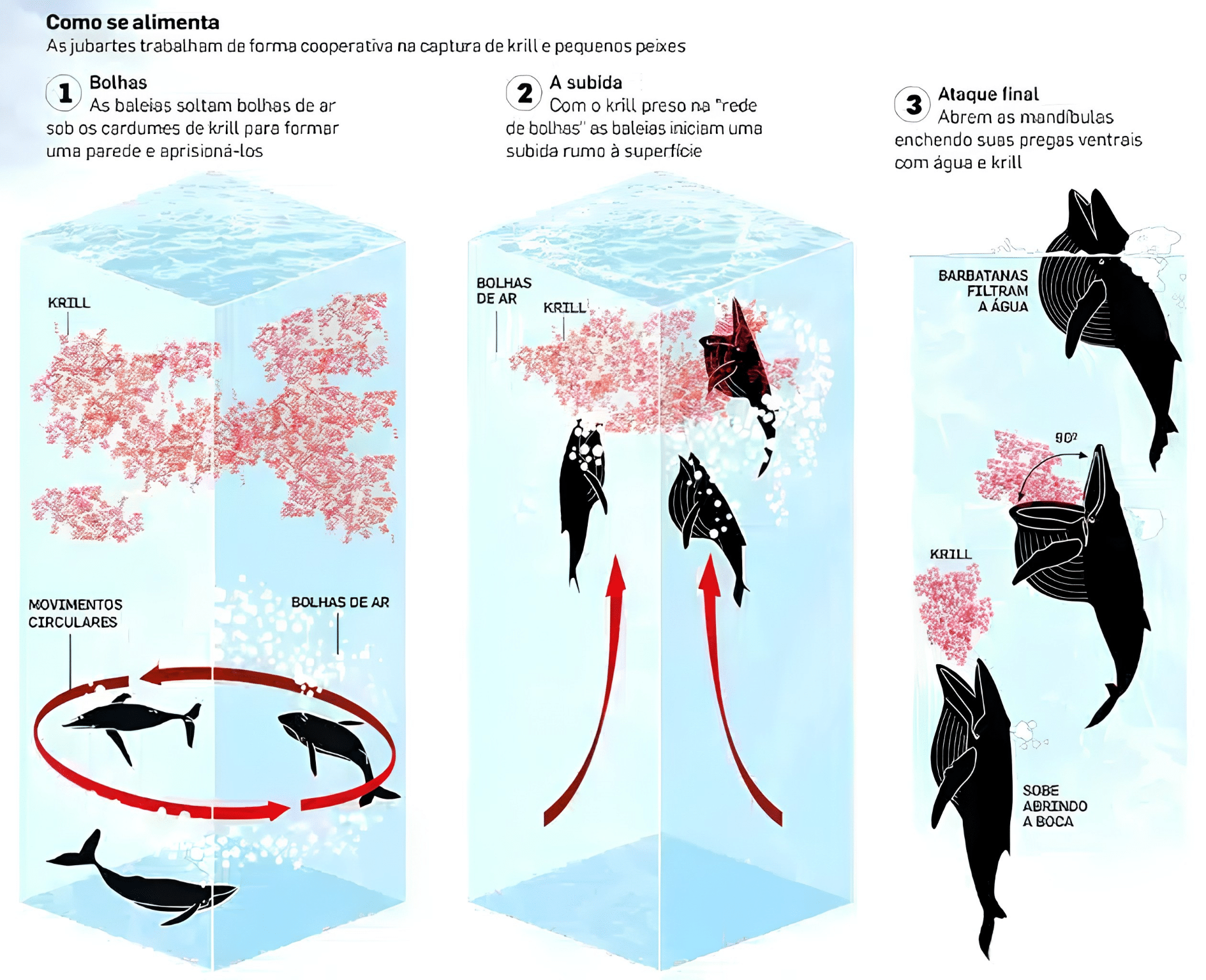
They feed on krill, copepods and small fish in cold waters. Some populations use cooperative strategies, such as bubble-net feeding, to concentrate prey.
Natural predators and threats
Occasional predators include orcas and false orcas; sharks may pose a local threat. The main anthropogenic threats are entanglement in fishing nets, collisions with vessels, marine pollution, habitat degradation, the impacts of oil and gas activities, and poorly managed whale-watching tourism.
Individual identification and monitoring
Photographs of the tail fins (flukes) and markings on the dorsal fin act as ‘fingerprints’ to identify individuals and monitor movements, reproduction and survival.
Best practices for whale-watching (responsible whale-watching)
- Choose accredited operators who follow local protocols.
- Maintain a safe distance (observe local regulations and limits — e.g. ≈100 m where applicable).
- Avoid repeated manoeuvres and sudden changes in speed.
- Do not feed or touch the animals.
Important correction regarding population estimates
Population estimates vary by study; older figures (~12,000 in the Southern Hemisphere) may be out of date. Recent studies indicate higher estimates depending on the stock and method used. It is recommended to cite up-to-date sources when publishing numerical data.
Conclusion
The humpback whale is a symbol of marine recovery and conservation, but it depends on protected areas such as Abrolhos and on sustainable tourism and fishing practices. Updated content, optimised images and the author’s credentials increase the potential for higher search engine rankings.
Frequently Asked Questions (FAQ)
When is the best time to see humpback whales in Brazil?
The season runs from June to November; sightings peak between July and November, with the widest range of tours available between July and October.
Is the Abrolhos Bank really the main breeding ground for humpback whales in the South Atlantic?
Yes. Abrolhos is recognised as the main breeding area for the species in the Western South Atlantic.
How long and how heavy is an adult humpback whale?
Generally 12–16 m and up to ~40 tonnes, with variations between individuals and populations.
How long is the gestation period and how big is the calf at birth?
Gestation lasts ~11 months; the calf is born measuring ~4–5 m.
Does whale watching harm humpback whales?
It can, if carried out improperly. Seek out certified tour operators and respect local rules on distance and behaviour.
What is the main diet of humpback whales?
Krill, copepods and small fish; they use techniques such as lunge feeding and bubble nets in some populations.
What should you do if you come across an injured or entangled animal?
Notify the local authorities (IBAMA/ICMBio) and do not attempt to intervene on your own; qualified teams will carry out the rescue.
Source/summary of references used: NOAA Fisheries, IWC, the Humpback Whale Project, ICMBio and scientific literature on behaviour and feeding.
Bahia.ws — Tourist Guide to Bahia, Salvador and the North-East

Publicações Relacionadas
Towns and the Abrolhos Archipelago — The southernmost tip of Bahia
Municipality of Entre Rios has first official naturist beach
Maraú Peninsula: A Coastal Paradise in Bahia
Discover the Abrolhos Archipelago: a haven for humpback whales and a biodiversity hotspot
Wine Tourism in the São Francisco Valley Guide
Belmonte's Rich History and Cultural Heritage
História da Arte - Caracteristicas, Aspectos e Periodos
Itaparica Island — Complete Guide: History, Beaches and Tips
Todos-os-Santos Bay (Bahia) — History, geography and conservation
Iguaí: A Guide to Waterfalls and Relaxation
Lagoa Encantada in Ilhéus: A Preserved Natural Paradise
Cathedral Basilica of Salvador — History, Sacred Art and Collection
The 3 most paradisiacal beaches in Bahia
Serra Grande: Your Guide to Bahia's Paradise
Find out how to celebrate Carnival in Salvador, Bahia
History of the Convent and Church of Nossa Senhora da Piedade in Ilhéus
Diving Spots in Bahia: Discover Underwater Treasures
Ecotourism in Bahia: discover village of Santo André
History of the settlement of Chapada Diamantina
Porto Seguro's nightlife: Where to have fun
The War of Canudos: Rescuing historical memory
Things to Do in Piatã, Bahia: The Highest Town in the North-East
7-day itinerary in Salvador and the surrounding area: Pelourinho, the islands and Praia do Forte
Cachoeira (BA) — National Monument and Historical Trail
Basílica Santuário Nossa Senhora da Conceição da Praia — history and architecture
Kitesurfing in Trancoso: A Guide for Adventurers
Churches of Salvador: Architectural and Historical Treasures
Enchanted fountain in Chapada Diamantina: How to get there
The best beaches near Salvador (distance, facilities and tips)
Tourist Attractions in Bahia: main attractions, beaches and cities
History of the Founding of Salvador, Bahia - History of Brazil
Extreme Sports in Bahia: Adventure Awaits You
History and Historical Attractions of Itacaré Reveale
South Coast of Bahia: Discover Stunning Beaches
A History of the Forts and Lighthouses of Salvador (Bahia)
Blue Fountain in Chapada Diamantina: a complete guide
This post is also on:
 Português
  English
  Deutsch
  Español
  Français