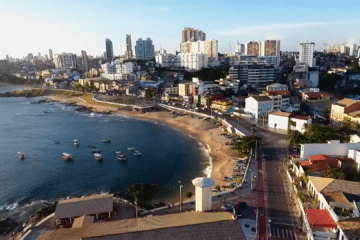
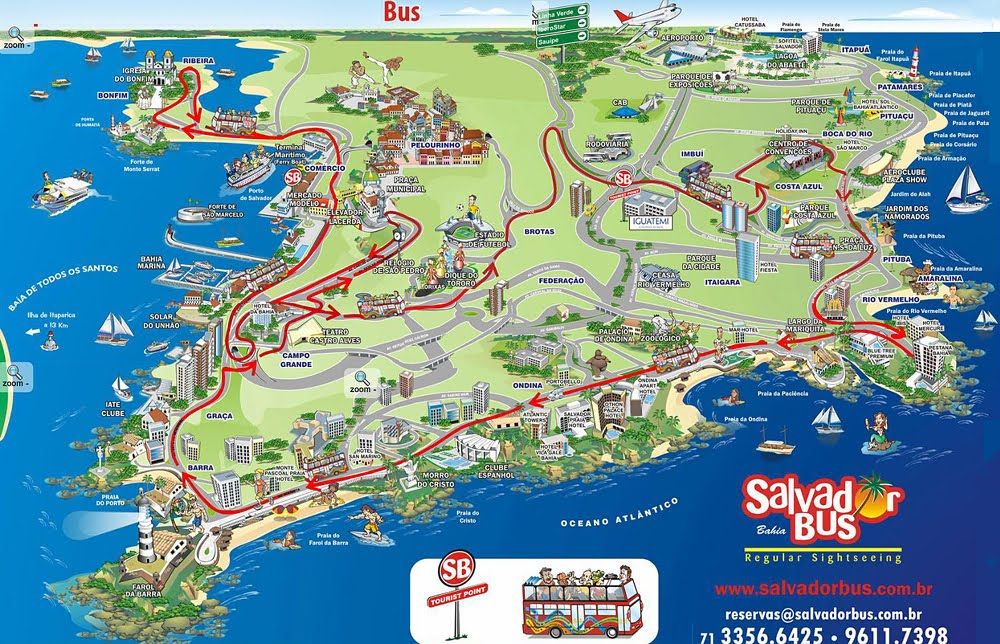
Founded in 1549 by Tomé de Souza, the Historic Centre of Salvador is home to monuments dating from the 17th to the 19th centuries, offering tourism in Salvador centred on history, Baroque churches and must-see museums.
The difference between Salvador, the Historic Centre and Pelourinho
Salvador is the city as a whole — the capital of Bahia — including all its neighbourhoods, amenities, beaches, residential and industrial areas.
Salvador’s Historic Centre is the city’s historic area (Cidade Alta and part of Cidade Baixa), where the main colonial heritage sites are concentrated: squares, churches, museums, townhouses and public buildings. It is a fairly large area of great historical and tourist value.
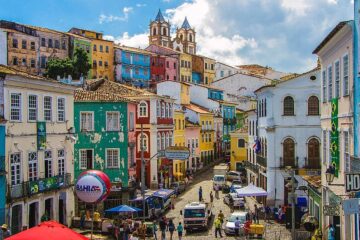
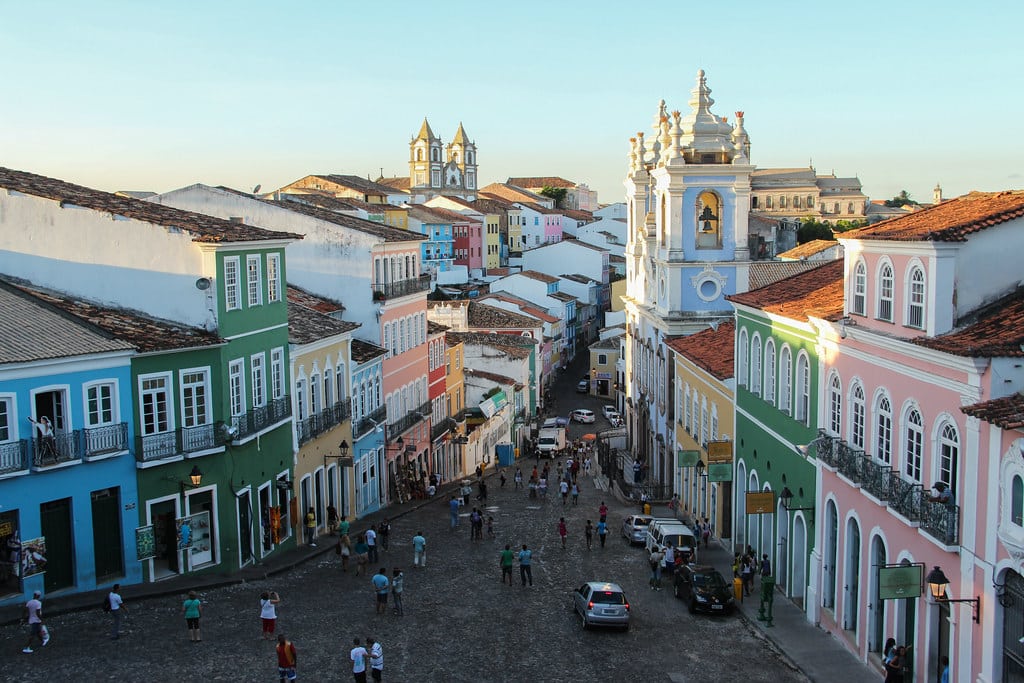
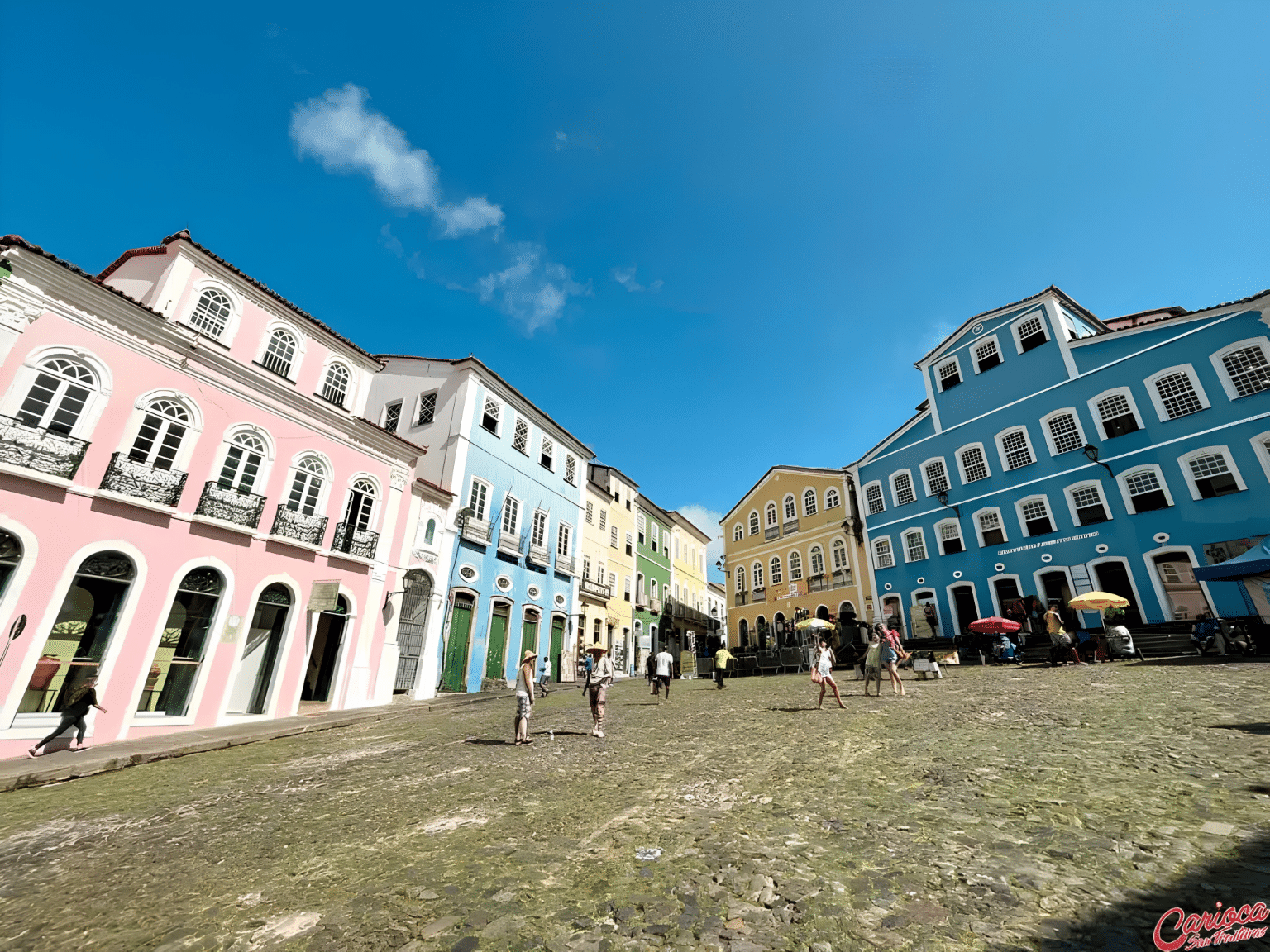
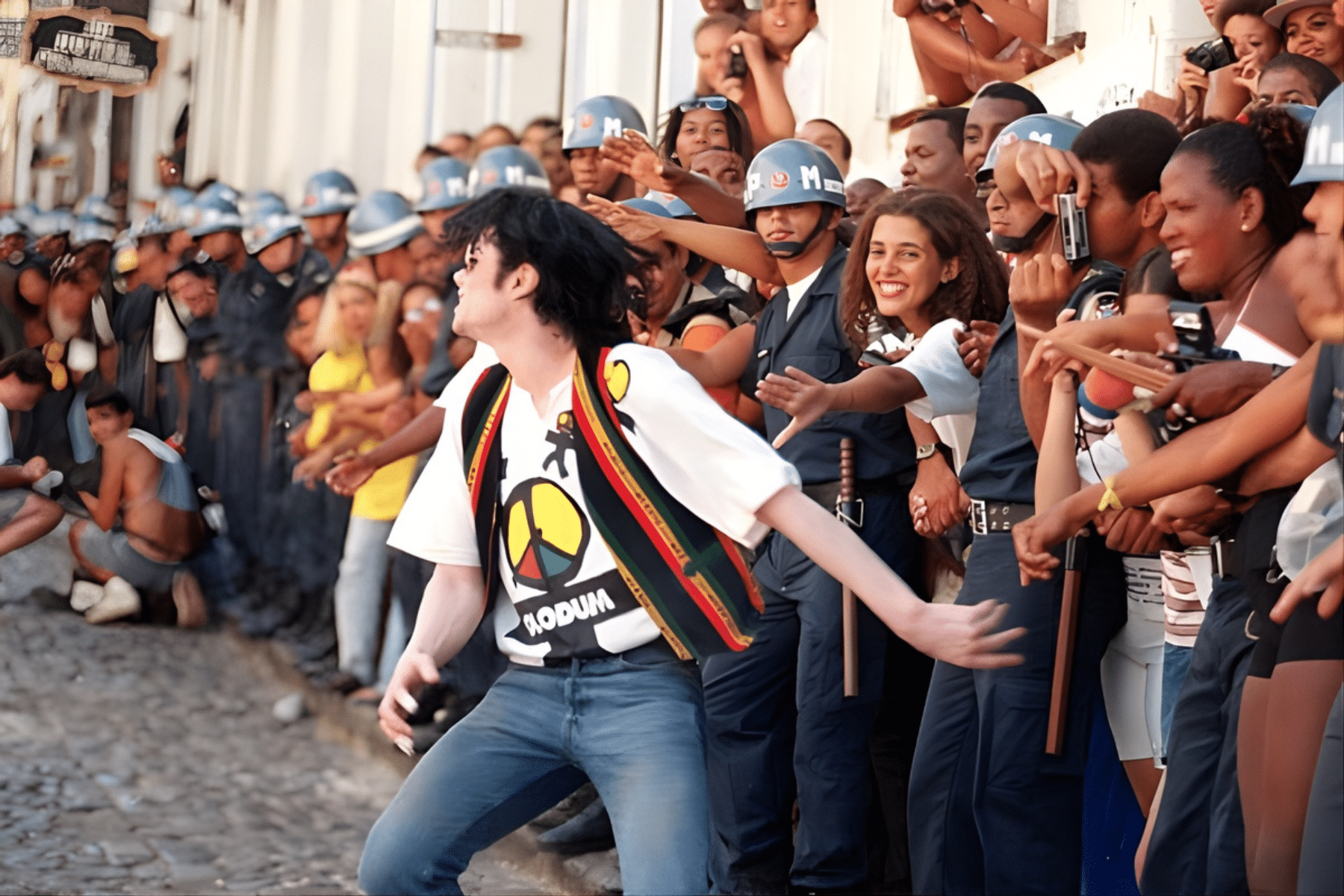
Pelourinho is a district within the Historic Centre — the most iconic cultural and tourist hub, centred on Largo do Pelourinho (Praça José de Alencar) and the surrounding streets. It is famous for its architectural ensemble, cultural life, bars, restaurants and performances such as those by Olodum.
Practical summary
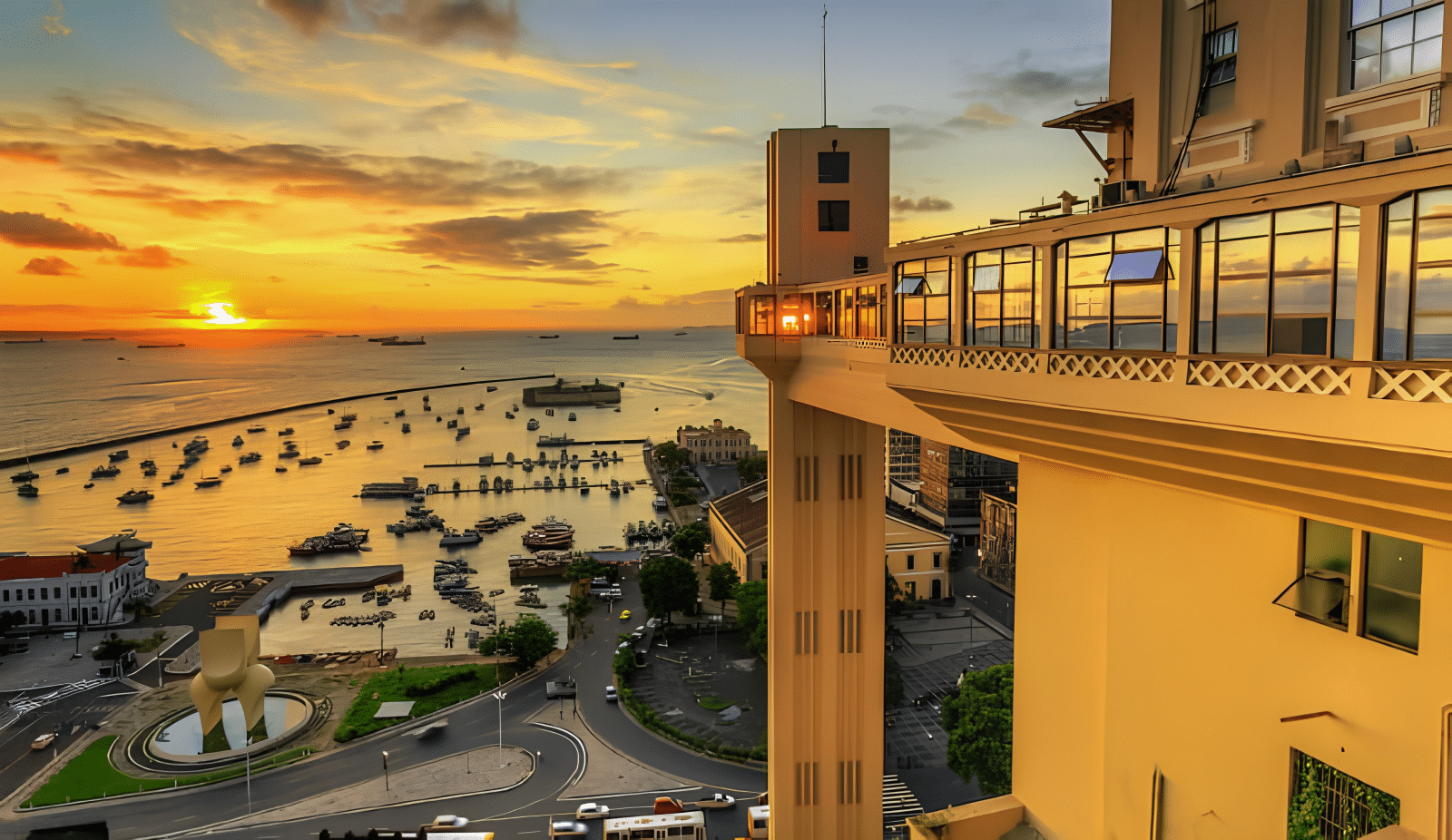
- Salvador = the whole city.
- Historic Centre = the city’s historic and heritage district (larger area).
- Pelourinho = part of the Historic Centre; the best-known tourist and cultural hub.
Why visit the Historic Centre
- Historical and architectural heritage (Baroque churches, colonial townhouses, squares).
- Living culture: museums, music, cuisine and local shops.
- Easy access to attractions such as Pelourinho, Terreiro de Jesus and the Lacerda Lift.
Tip: Set aside at least a day to explore the Upper Town and the Lower Town at your leisure.
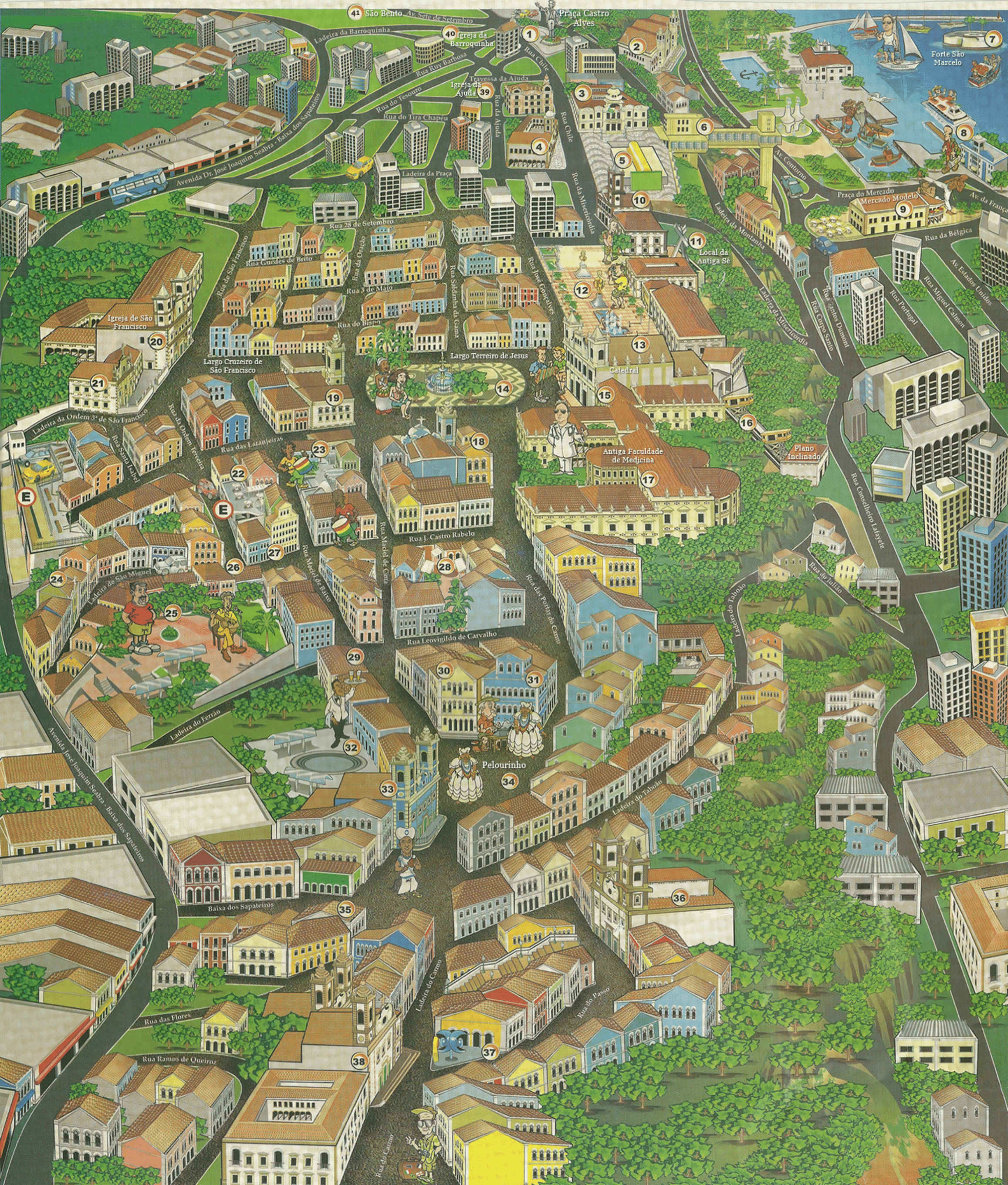
List of attractions (main sights)
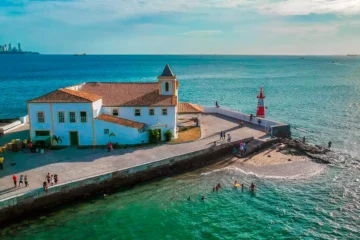
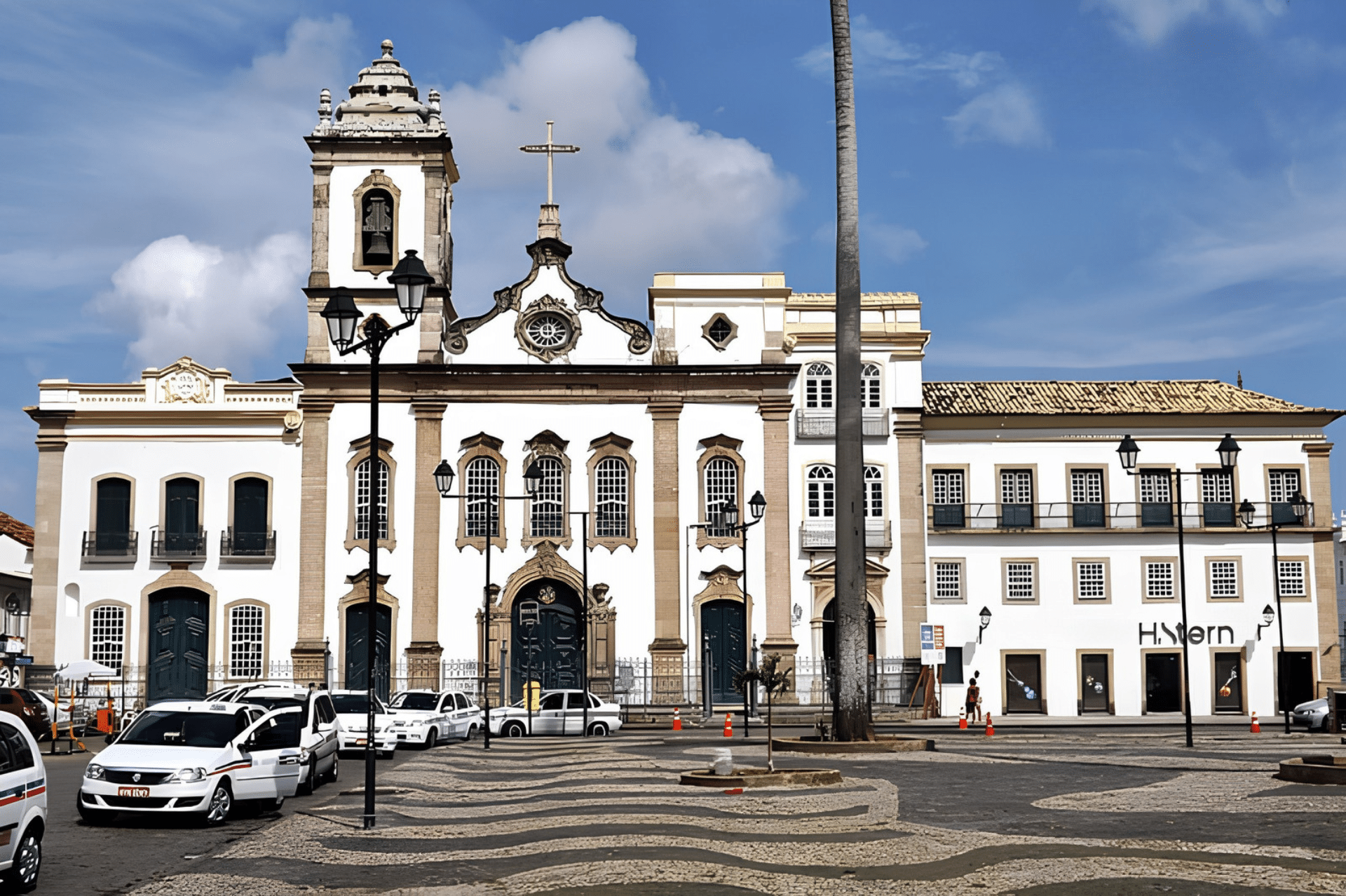
| 1 – Castro Alves Square. Site of the former São João Theatre. Brazil’s first major theatre. | 2 – Church of the Immaculate Conception in Praia. |
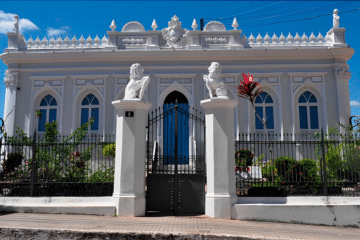
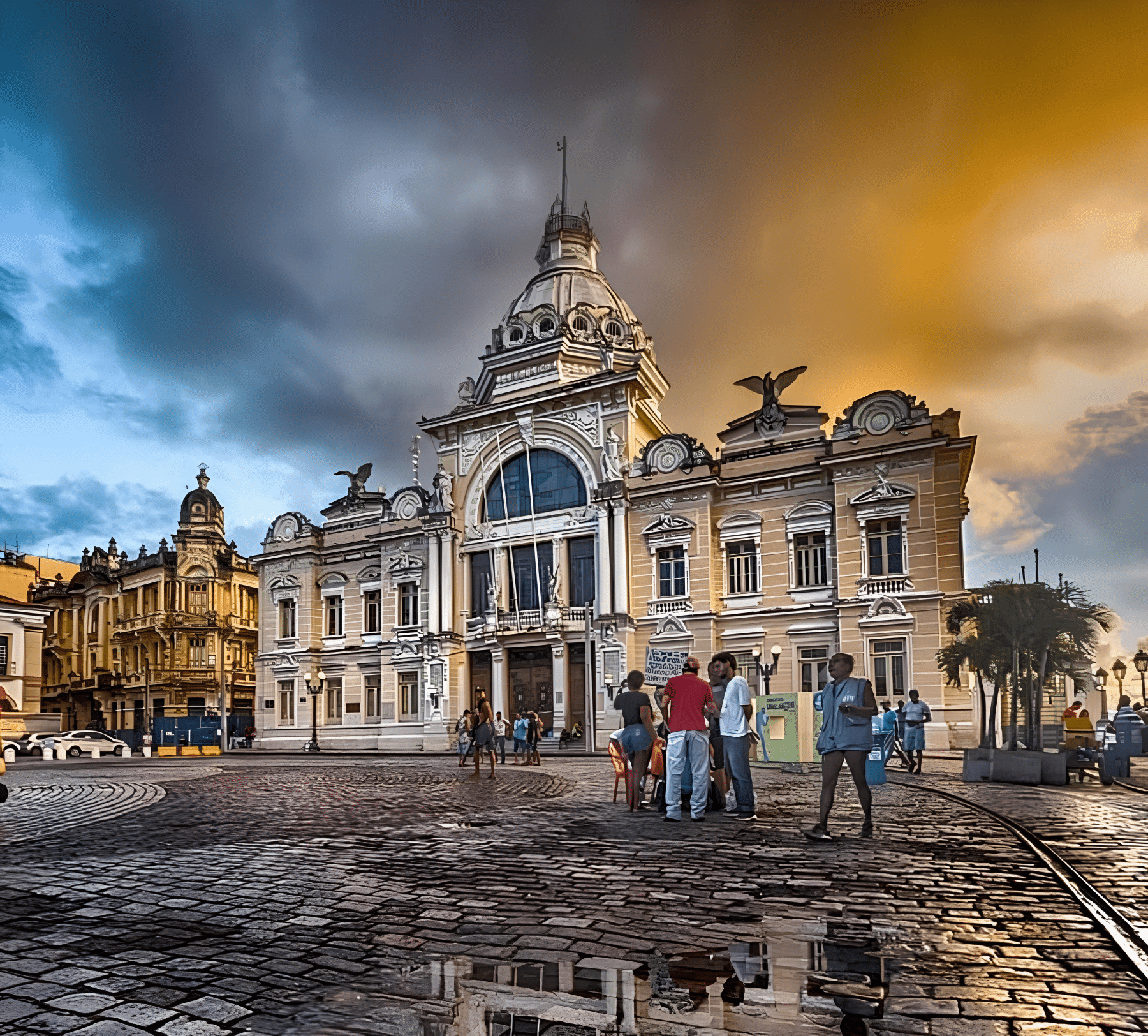
| 3 – Rio Branco Palace. | 4 – City Council. |
| 5 – Town Hall. | 6 – The Lacerda Lift, opened in 1873, was the largest in the world at the time. |
| 7 – São Marcelo Fort. | 8 – Tourist Ferry Terminal. |
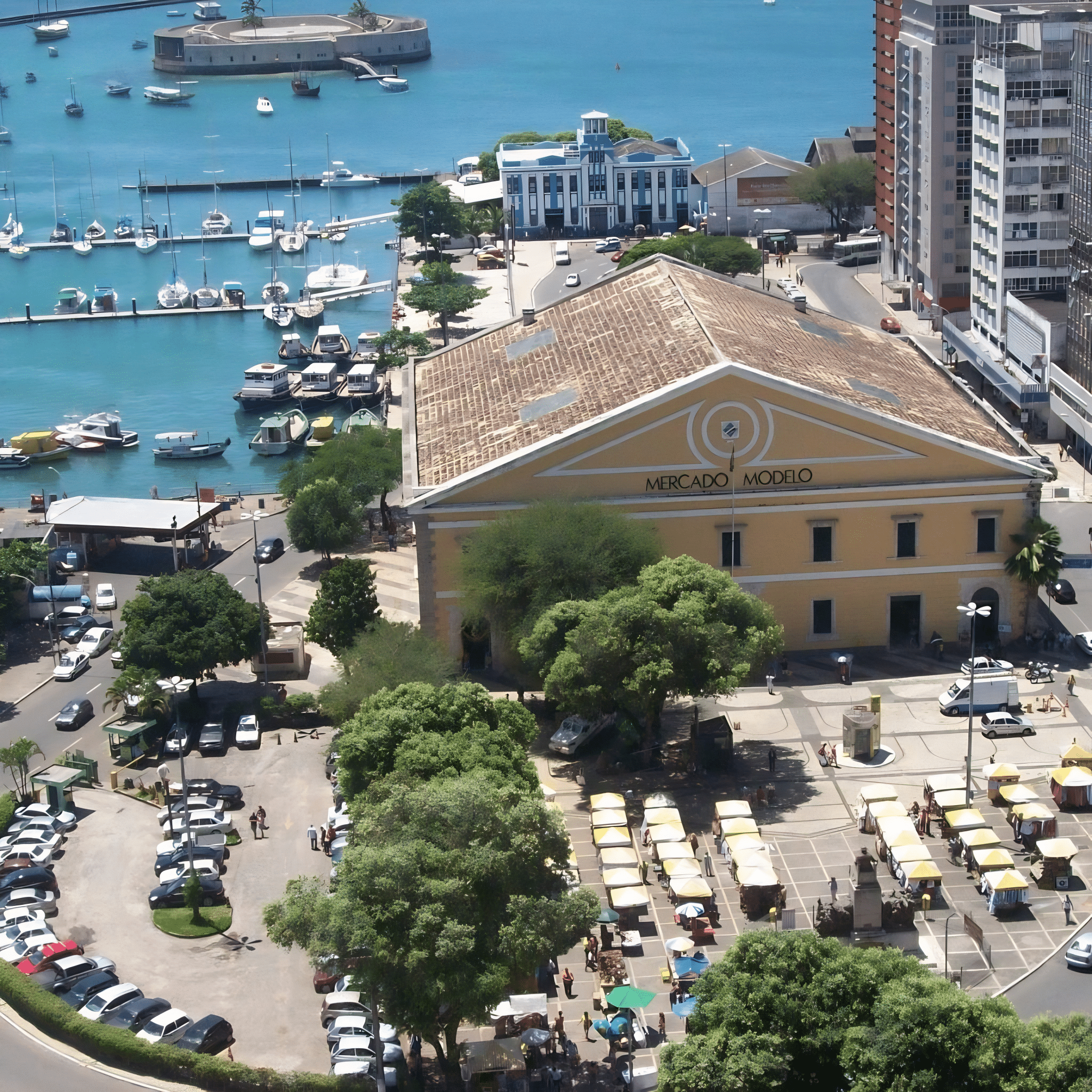
| 9 – Mercado Modelo, Comércio neighbourhood. | 10 – Santa Casa da Misericórdia. |
| 11 – Monument to the Fallen Cross. Site of Brazil’s first cathedral. | 12 – Praça da Sé (which was once home to the old cathedral). |
| 13 – Cathedral Basilica, the former Jesuit church. | 14 – Terreiro de Jesus. |
| 15 – Afro-Brazilian Museum. Faculty of Medicine founded by Prince Regent Dom João in 1808. | 16 – Gonçalves Inclined Plane. |
| 17 – Bahia School of Medicine, ranked number one in Brazil. | 18 – Museum of Archaeology and Ethnology. |
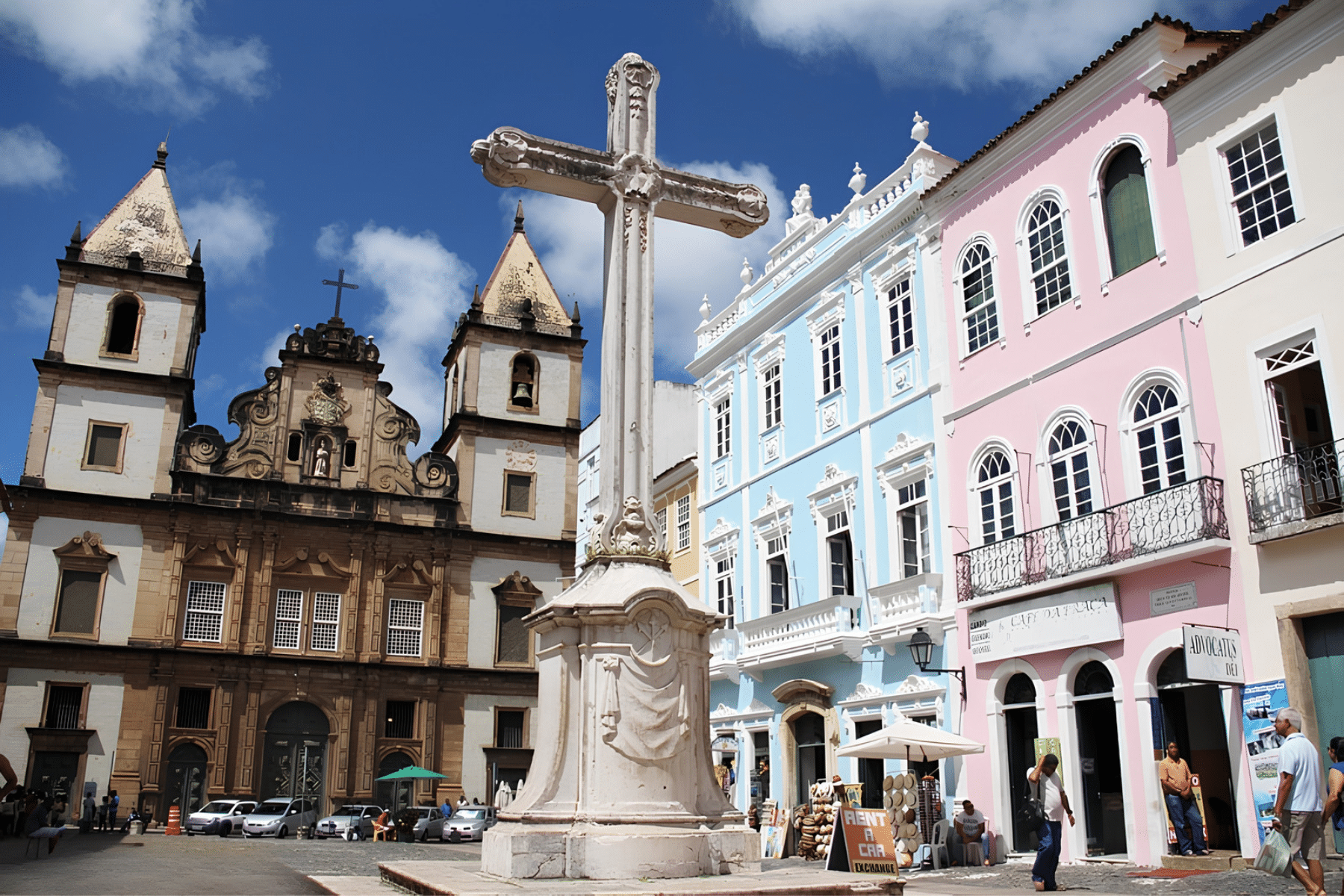
| 19 – Church of São Domingos Gusmão. | 20 – Church and Convent of St Francis. |
| 21 – Church of the Third Order of St Francis. | 22 – Largo Pedro Arcanjo. |
| 23 – Tereza Batista Square. | 24 – St Michael’s Church. |
| 25 – ACM Square. | 26 – Theatre XVIII. |
| 27 – Tile and Ceramics Museum. | 28 – Quincas Berro d’Água Square. |
| 29 – Miguel Santana Theatre. | 30 – City Museum. |
| 31 – Jorge Amado House Foundation. | 32 – Pelourinho Theatre. |
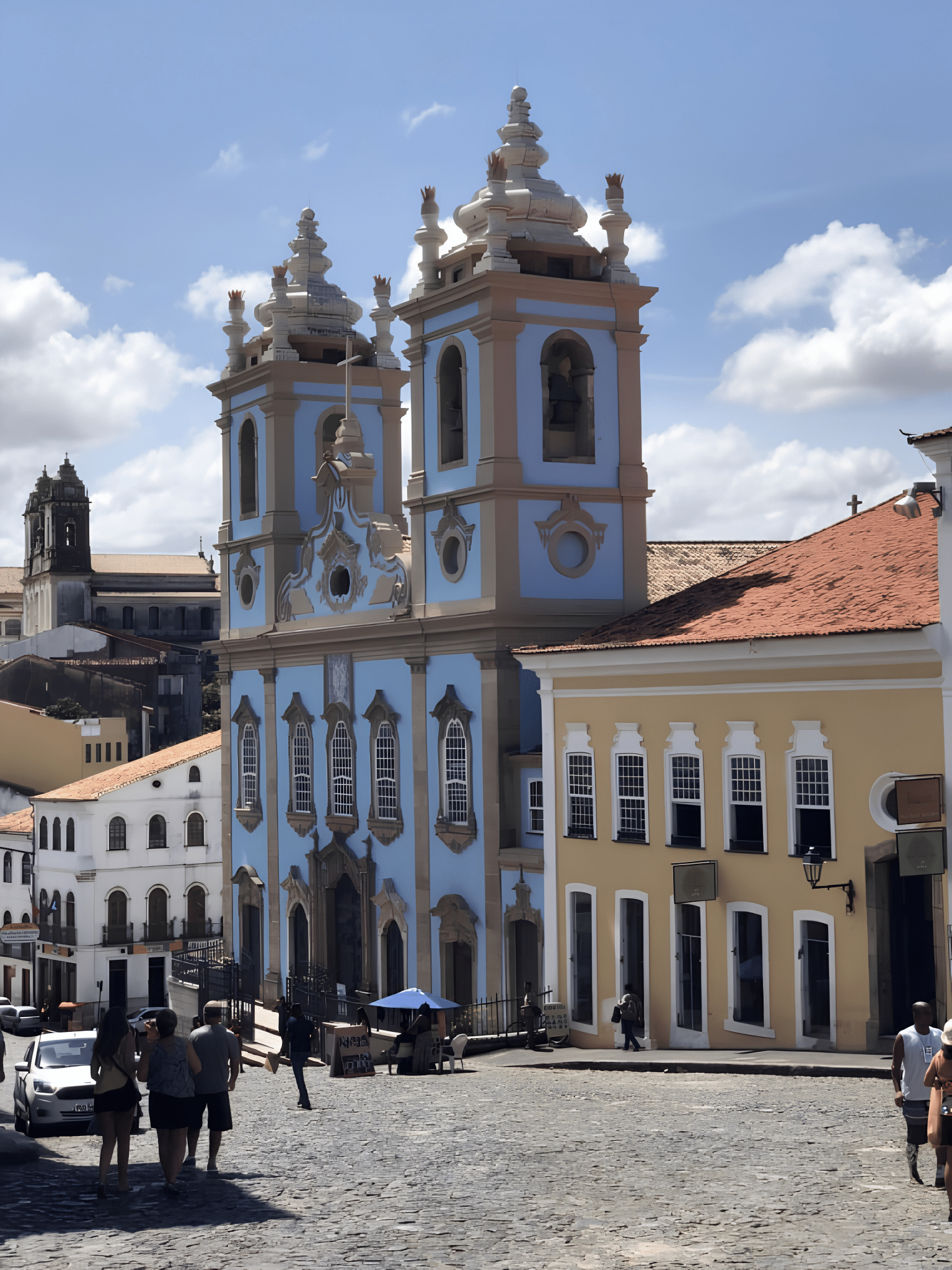
| 33 – Church of Our Lady of the Rosary of the Black People. | 34 – Largo do Pelourinho. |
| 35 – Casa de Benin Museum. | 36 – Church of the Blessed Sacrament on Rua do Passo. Filming location for *The Promise*. |
| 37 – Largo do Carmo. | 38 – Carmo Church. |
| 39 – Church of Nossa Senhora da Ajuda. | 40 – Church of Nossa Senhora da Barroquinha. Cultural Centre. |
| 41 – São Bento Monastery. Founded in 1582, it is the first monastery in the Americas. | 42 – Church of São Pedro dos Clérigos. |
A brief history
Salvador grew alongside the sugar industry and the slave trade — it was the main slave market in the Americas. Many of its squares and buildings bear witness to this complex past, which is key to understanding the city as it is today.
The Upper Town and the Pelourinho
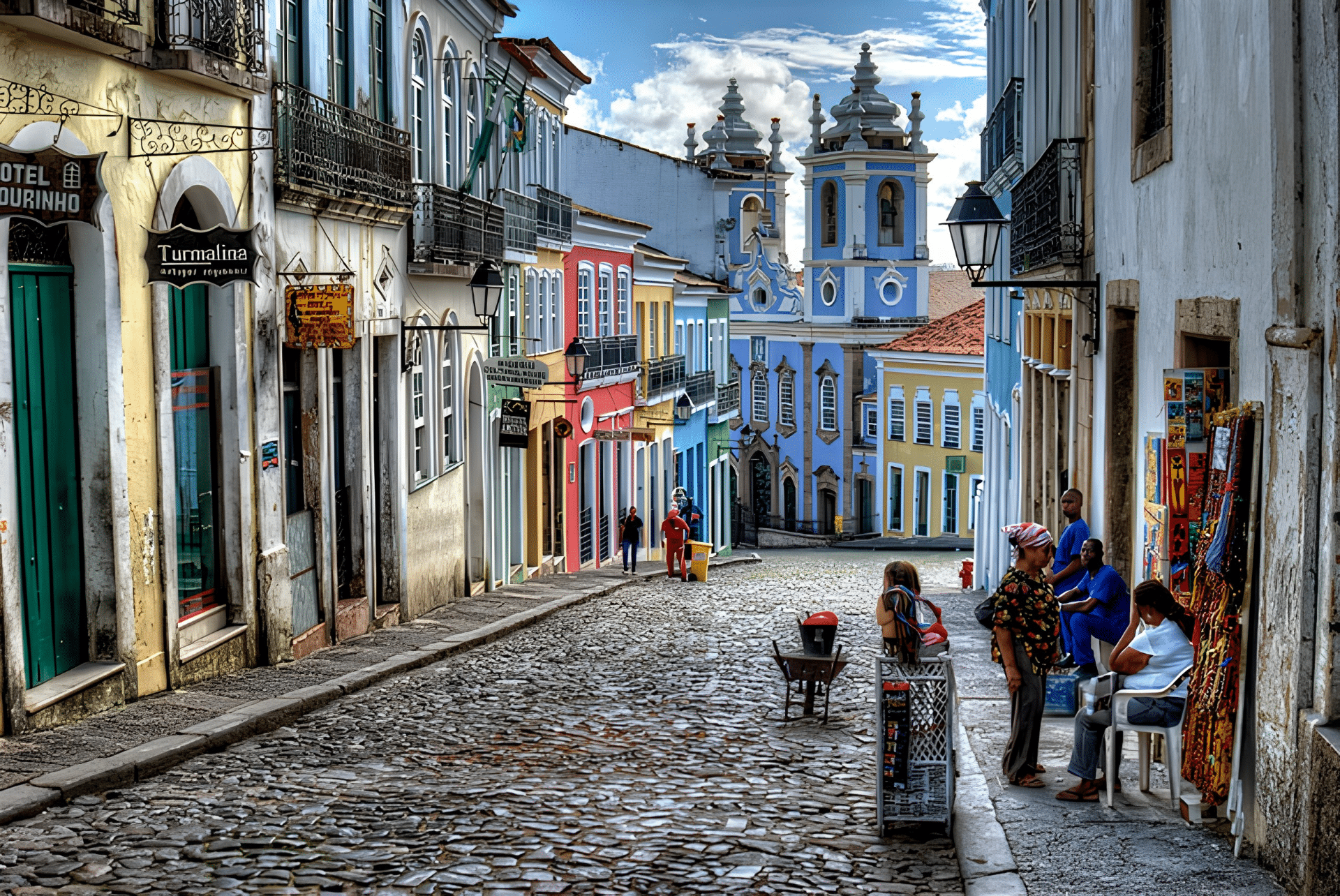
The Upper Town is home to the Pelourinho, Terreiro de Jesus and several Baroque churches (São Francisco, Ordem Terceira, Rosário dos Pretos). The Largo do Pelourinho (Praça José de Alencar) is a hub for cultural life, performances (such as Olodum) and the art market.
Main attractions in the Historic Centre (excluding Pelourinho)
- Lacerda Lift — an iconic link between the Upper Town and the Lower Town.
- Mercado Modelo — crafts, shops and food in the Comércio neighbourhood.
- São Marcelo Fort — a historic fortification in the Bay of Todos-os-Santos.
- Rio Branco Palace — a historic building with a collection and exhibition rooms.
- Castro Alves Square — an important civic and cultural venue in the city.
- Conceição da Praia Church — a historic church of architectural significance.


Restoration, conservation and tourism
Since the restoration decades (particularly the 1990s), the Historic Centre has gained prominence as a tourist destination. In 1985, it was recognised by UNESCO as a World Heritage Site — today it is home to museums, cultural centres and guided tours.
Safety and practical tips
- Keep your documents and personal belongings in a safe place.
- Visit in the morning to enjoy the churches and museums when they’re less crowded.
- Wear comfortable shoes — cobbled streets can be slippery.
- Check local guidebooks and the Tourist Information Centre for itineraries.
Videos and map

Barra e Pelourinho02:33

Igreja e Convento de São Francisco06:40

Centro Histórico de Salvador da Bahia04:13

5 Atrações INCRÍVEIS no Centro Histórico de Salvador04:35

Largo do Pelourinho em Salvador01:24

Terreiro de Jesus em Salvador01:00

História do Palácio Rio Branco em Salvador

Palácio Rio Branco em Salvador - Reportagem02:48
See also
Top tourist attractions in Salvador, Bahia
Publicações Relacionadas
Bahia Art Museum (MAB): Learn about its history and collection
Church of the Third Order of St Francis — History, Art and Baroque Architecture
The most visited churches in Salvador — itinerary and tips
Cathedral Basilica of Salvador — History, Sacred Art and Collection
History of the Cathedral Basilica of Salvador
Find out how to celebrate Carnival in Salvador, Bahia
Convent and Church of Santa Teresa and the UFBA Museum of Sacred Art in Salvador
Church of Nossa Senhora dos Mares (Salvador) — History and Architecture
A History of the Forts and Lighthouses of Salvador (Bahia)
Fort of Nossa Senhora de Monte Serrat History
4 Must-See Museums in Salvador: Art, History and Culture
The Secret History of Salvador, Bahia: Caramuru and the City’s Early Day
History of São Marcelo Fort — Salvador, Bahia
Basílica Santuário Nossa Senhora da Conceição da Praia — history and architecture
Solar do Unhão & MAM-BA — History, Architecture and a Visit
39 Museums in Salvador: Discover the history and culture of Bahia
Places of interest in Salvador — A comprehensive guide
Prostitution, sex, massage parlours and nightclubs in Salvador
Lacerda Elevator — history, construction and visits
Where to Stay in Salvador for Your Best Experience
Churches of Salvador: Architectural and Historical Treasures
Tourist attractions for children in Salvador: Fun and learning
Palaces in Salvador to visit and learn about Brazil's history
History of the Senhor do Bonfim Ribbons — Origin, Meaning and Traditions
Tourist attractions and architectural heritage of Salvador (BA
History of the Church and Convent of São Francisco in Salvador
Discover the reasons for a holiday in Salvador, Bahia
Santo Antônio da Barra Fort — history, Barra Lighthouse and the Nautical Museu
History of the Founding of Salvador, Bahia - History of Brazil
Rio Vermelho is Salvador’s trendiest and most bohemian neighbourhood
Parks and Squares in Salvador for Leisure Activities
Church of São Pedro dos Clérigos — History, architecture and religious art
Bahia Maritime Museum: History of Navigation at the Barra Lighthouse
History of the Church of Nosso Senhor do Bonfim in Salvador
Pelourinho (Salvador) — Historical Guide, Architecture, and UNESCO World Heritage Site
Discover the Magnificence Fort of Nossa Senhora de Monte Serrat
This post is also on:
 Português
  English
  Deutsch
  Español
  Français