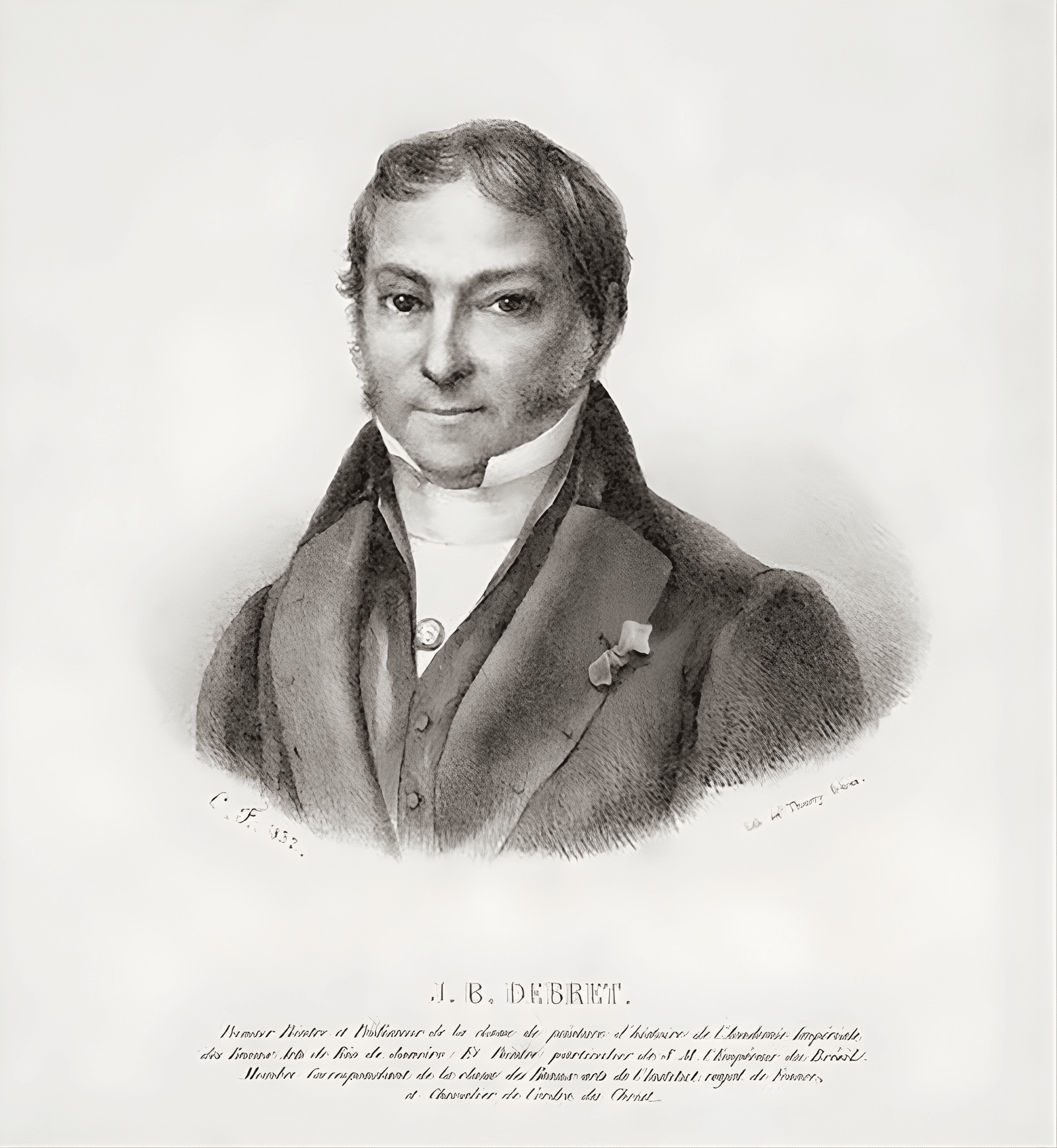
Jean-Baptiste Debret (1768-1848) was a renowned French painter, draughtsman and lithographer, known for his significant contribution to the art and historical documentation of Brazil in the 19th century.
A graduate of the Paris Academy of Fine Arts and a disciple of Jacques-Louis David, he initially stood out for his works celebrating Napoleon Bonaparte. However, his career reached new heights when he joined the French Artistic Mission in Brazil in 1816.
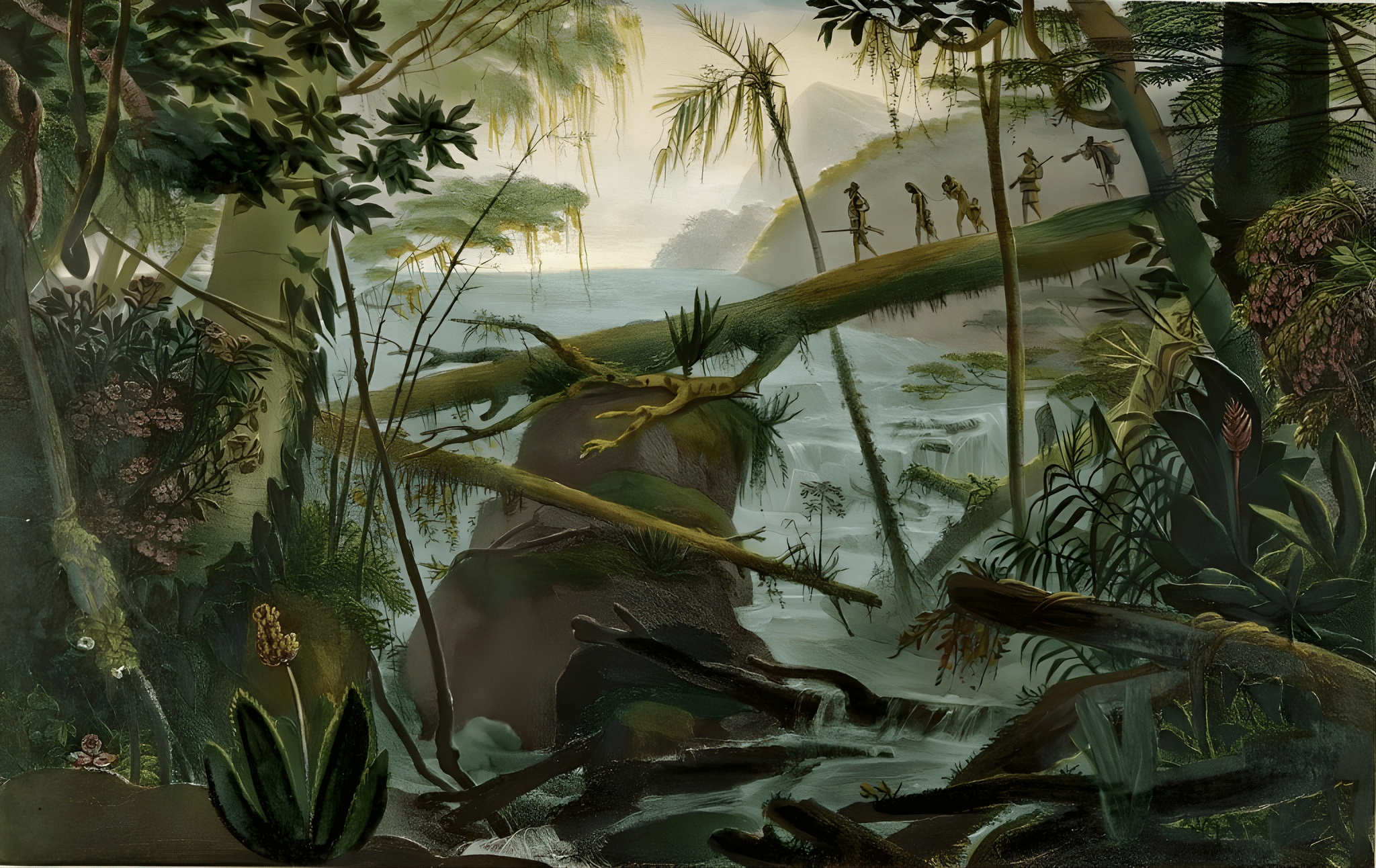
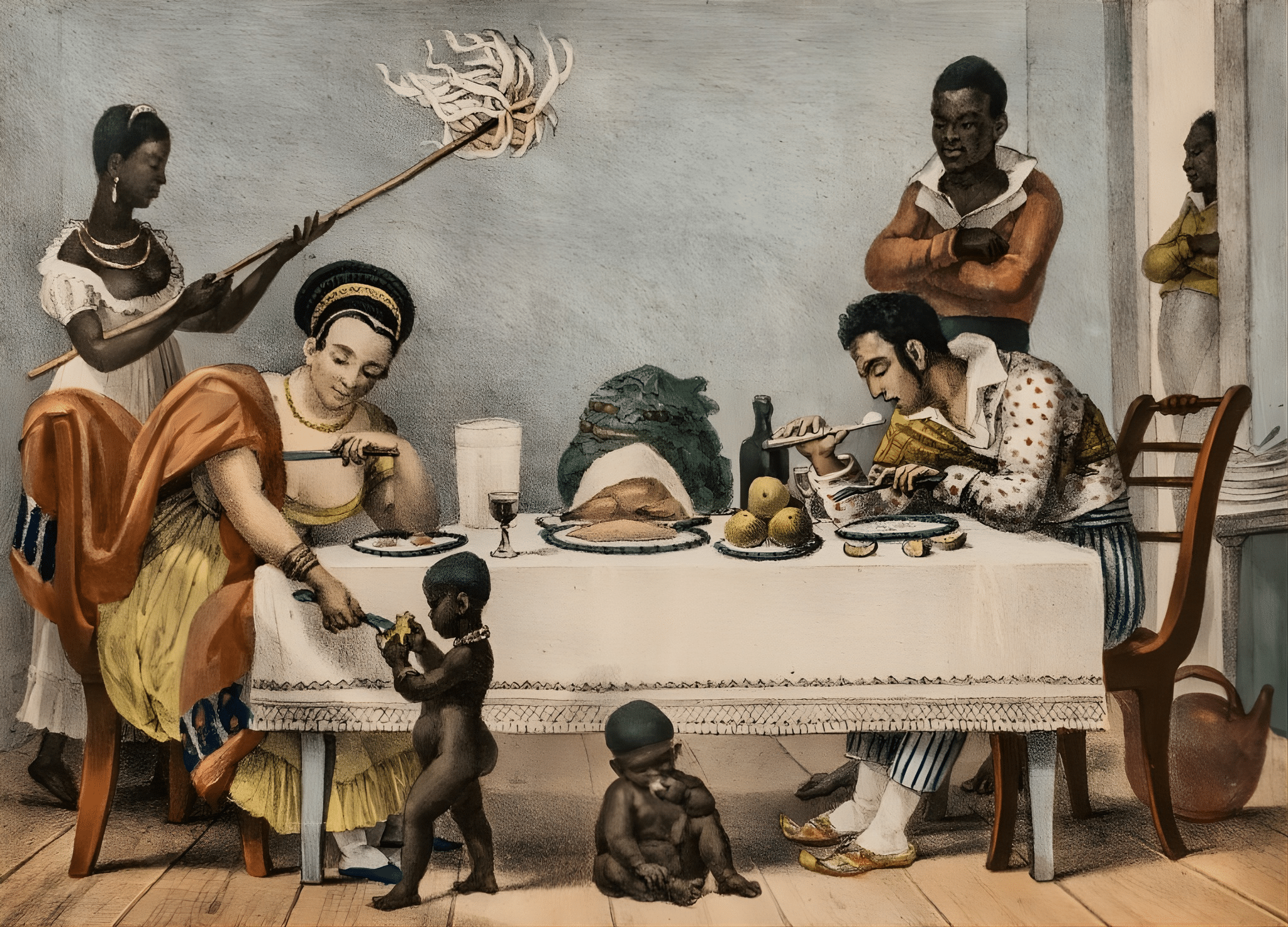
During the 15 years he lived in the country, Debret devoted himself to portraying the Brazilian landscape, indigenous customs, slavery, daily life, and events at the court of Dom João VI and Dom Pedro I.
His main work, “Picturesque and Historical Journey to Brazil”, published in three volumes between 1834 and 1839, combines lithographs and explanatory texts, revealing a detailed and artistic view of imperial Brazil and consolidating his legacy as one of the greatest visual chroniclers of Brazilian history.
Video on the Biography and Works of Jean-Baptiste Debret

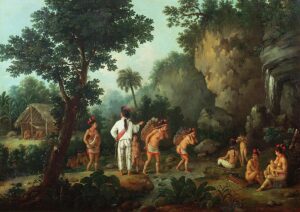
Biografia e as Obras de Jean-Baptiste Debret07:29
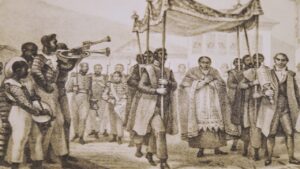
Livro de Debret - Viagem Pitoresca e Histórica ao Brasil01:30
Biography of Jean-Baptiste Debret
Jean-Baptiste Debret (1768–1848) was a French painter, draughtsman and lithographer, renowned for documenting life in Brazil between 1816 and 1831. He was one of the leading members of the French Artistic Mission, a group of artists who came to Brazil at the invitation of Dom João VI.
The mission’s objective was to establish the Imperial Academy of Fine Arts and promote artistic development in the country. During his stay, Debret captured scenes of Brazilian society, including cultural, social, and historical aspects, which remain valuable references to this day.
- Education and Early Career
- Painter to Napoleon’s Court
- Transfer from the Court of Lisbon to Rio de Janeiro
- French Artistic Mission
- Court painter to King John VI
- Court painter to Dom Pedro I
- Book Picturesque and Historical Journey to Brazil
- Works by Jean-Baptiste Debret
1. Education and Early Career
Jean-Baptiste Debret, born in Paris, studied at the Academy of Fine Arts, where he was a pupil of Jacques-Louis David, one of the greatest painters of French Neoclassicism.
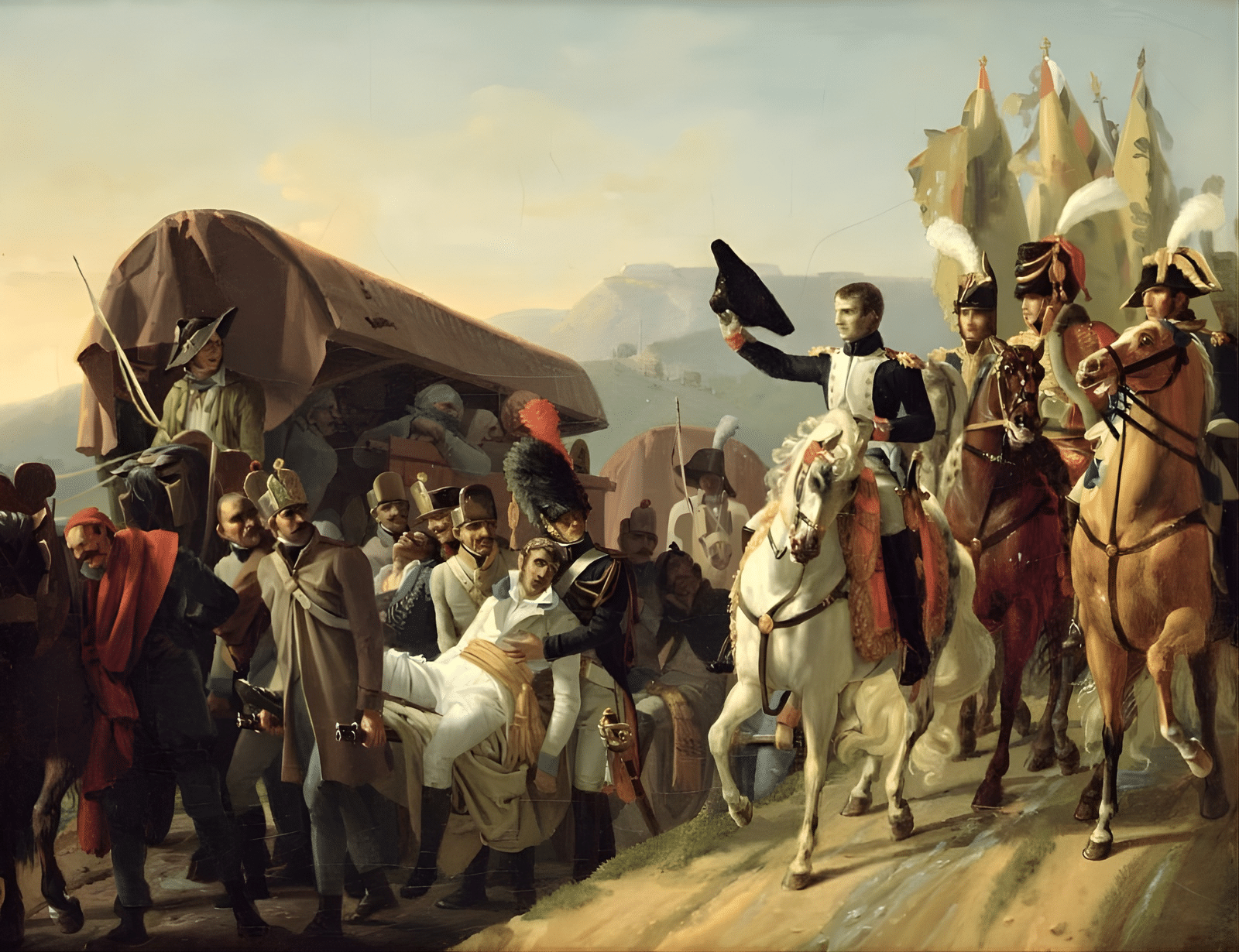
Debret was involved in significant events during the French Revolution, painting patriotic works and historical portraits. He also worked for Napoleon Bonaparte, creating imperial portraits and grandiose scenes celebrating Napoleon’s campaigns.
2. Painter to Napoleon’s Court
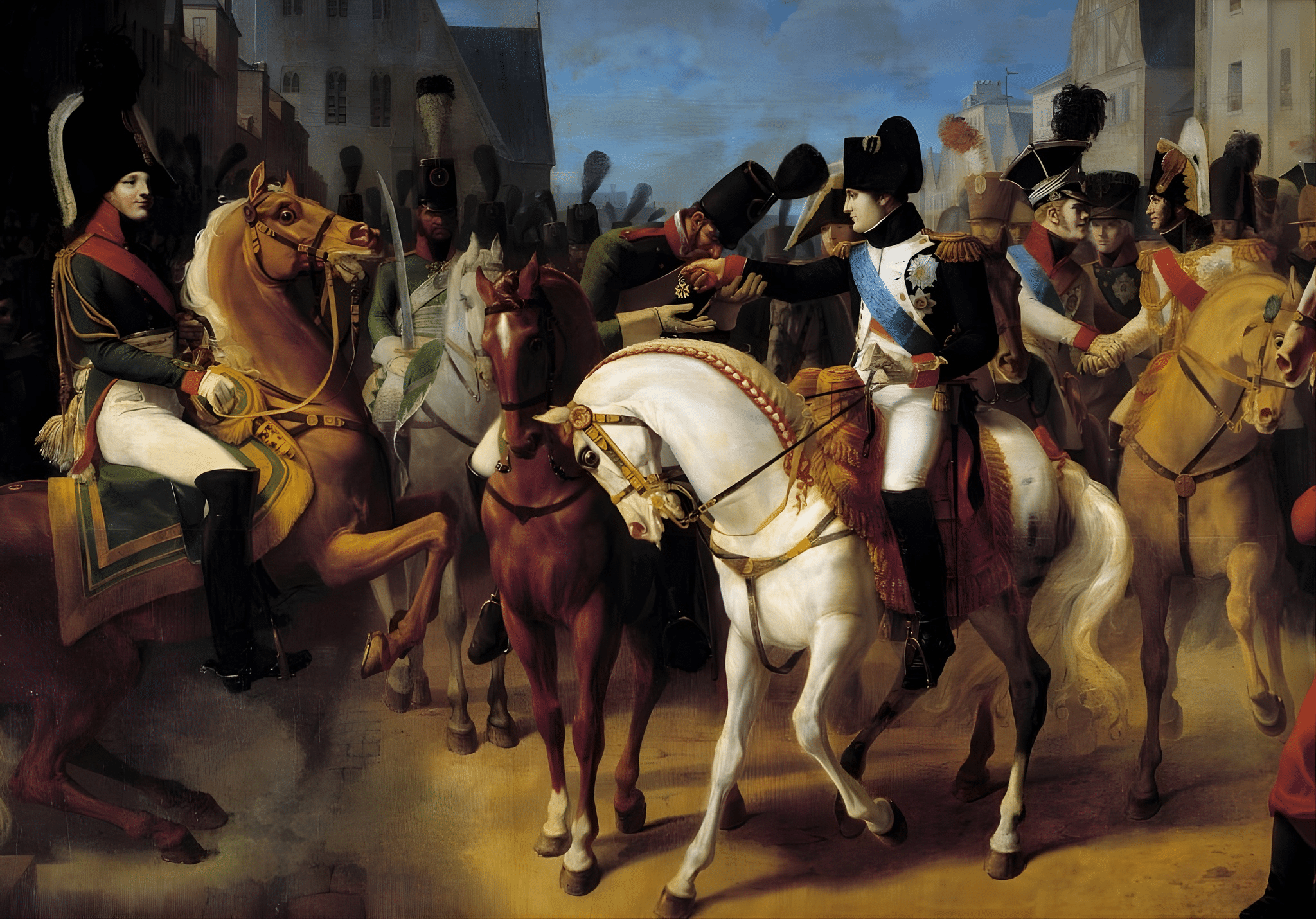
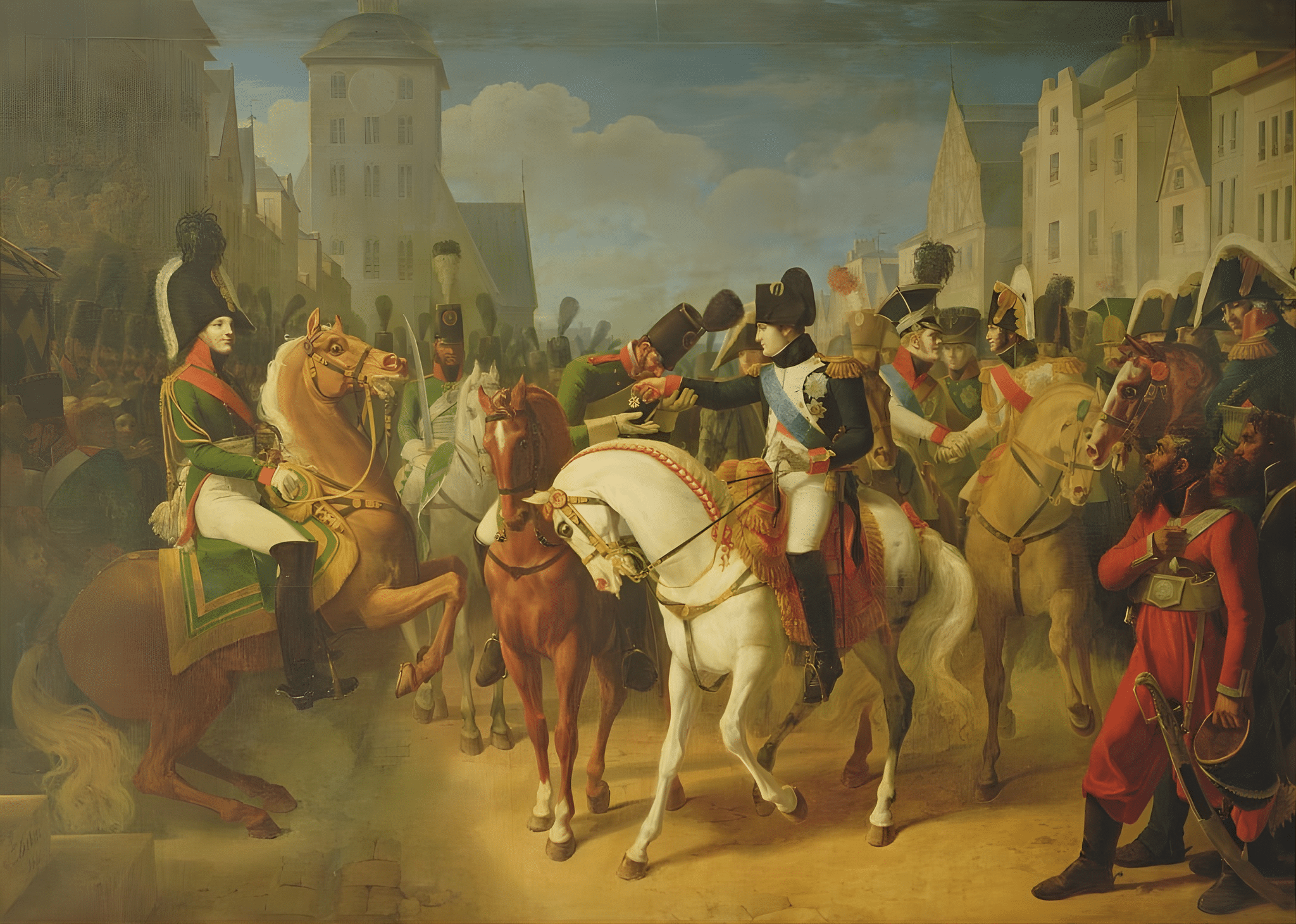
In 1806, Debret began his works dedicated to the glory of Napoleon, commissioned by Vivant-Denon, director of museums.
Among his works, the following stand out: Napoleon Honours Unfortunate Courage (1806), a canvas measuring 3.90m x 6.21m – which received an honourable mention from the Institut de France, “Napoleon Decorates Grenadier Lazareff at Tilsitt” (1807) and “Napoleon Addresses the Bavarian Troops” (1810).
In 1814, with the fall of Napoleon, Debret lost his main financial backer.
Shortly afterwards, Debret received two proposals, one from Tsar Alexander I, who invited him to work in Saint Petersburg, and another from Lebreton, who asked him to join the French artistic mission in Brazil, as requested by Prince Regent D. João.
Having decided to participate in the French mission, Debret set sail for Brazil.
3. Transfer of the Court from Lisbon to Rio de Janeiro
The French Artistic Mission was the precursor to the Brazilian Academy of Fine Arts in Rio de Janeiro.
In 1808, with the Napoleonic invasion of the Iberian Peninsula, the Portuguese emperor Dom João VI transferred the court from Lisbon to Rio de Janeiro.
The arrival of the Portuguese court in Brazil led to the hiring of a group of French artists to organise an art academy modelled on the French Academy.
The aim was to found the Royal School of Sciences, Arts and Crafts, which would bring to Brazil a model of European culture, especially French, training local artists and intellectuals.
This initiative marked the transition from religious baroque to secular neoclassicism, aligning itself with the political and social transformations of the time, such as the opening of ports, the encouragement of industrial production, the creation of military academies, a national library, and the introduction of the press.
Due to financial and political difficulties, the formalisation of the Royal School was postponed until 1820, and in 1824, it was renamed the Imperial Academy of Fine Arts, a title it retained until the fall of the Second Empire in 1889.
The artists of the French Artistic Mission were mentors to the first generation of academically trained Brazilian artists, such as Simplicio Rodrigues de Sá, Manoel de Araújo Pôrto Alegre and José Correia de Lima.
Jean-Baptiste Debret, in particular, documented life in Brazil with his portraits of the royal family and coronation celebrations.
After his return to France in 1820, his students continued his influence, with Dom Pedro I appointing Simplicio de Sá as court painter and Pôrto Alegre becoming the fifth director of the Academy in 1854.
4. French Artistic Mission
In 1816, Debret left his country and went to Rio de Janeiro with the French Artistic Mission, a group invited by the Portuguese government.
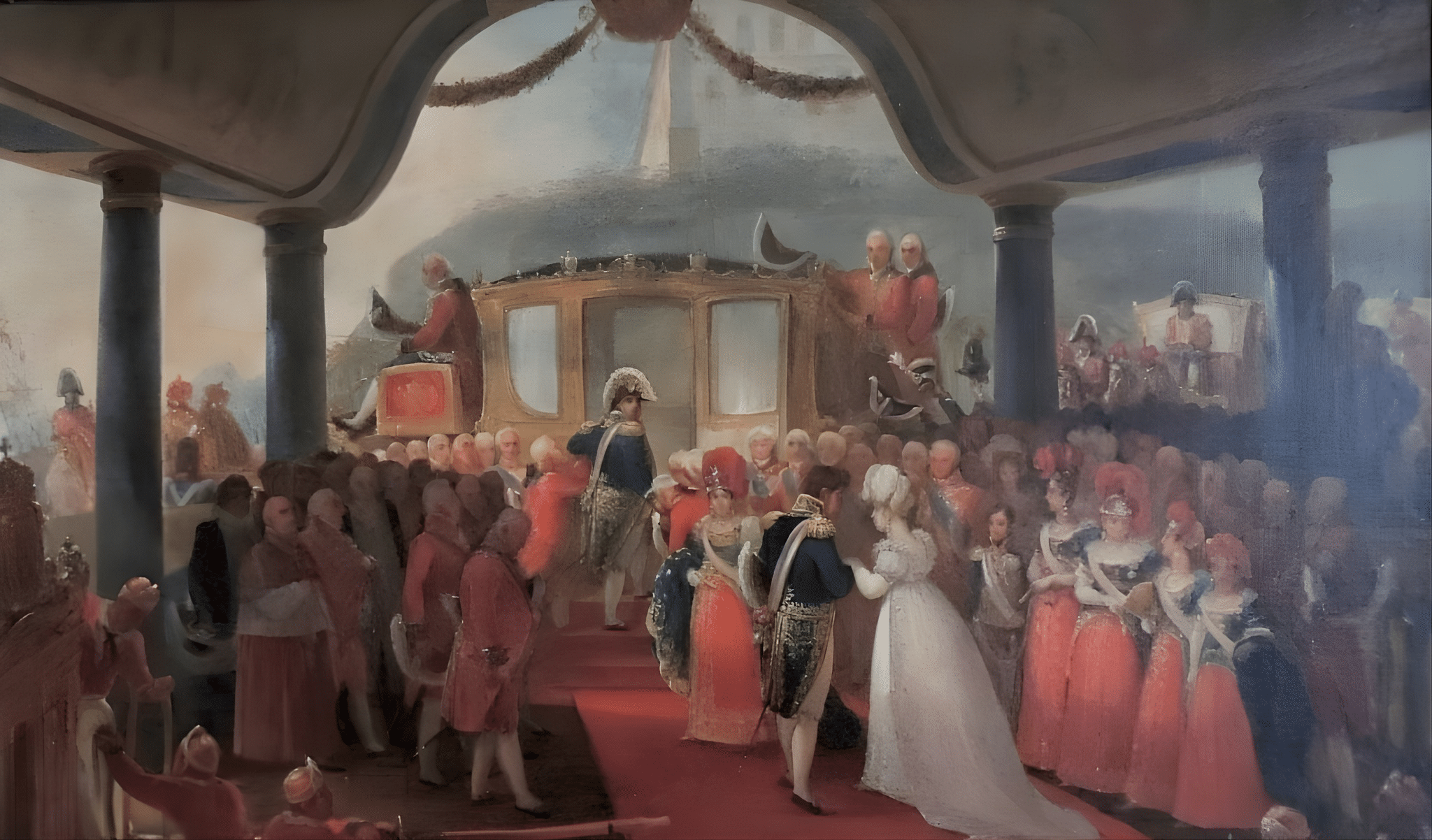
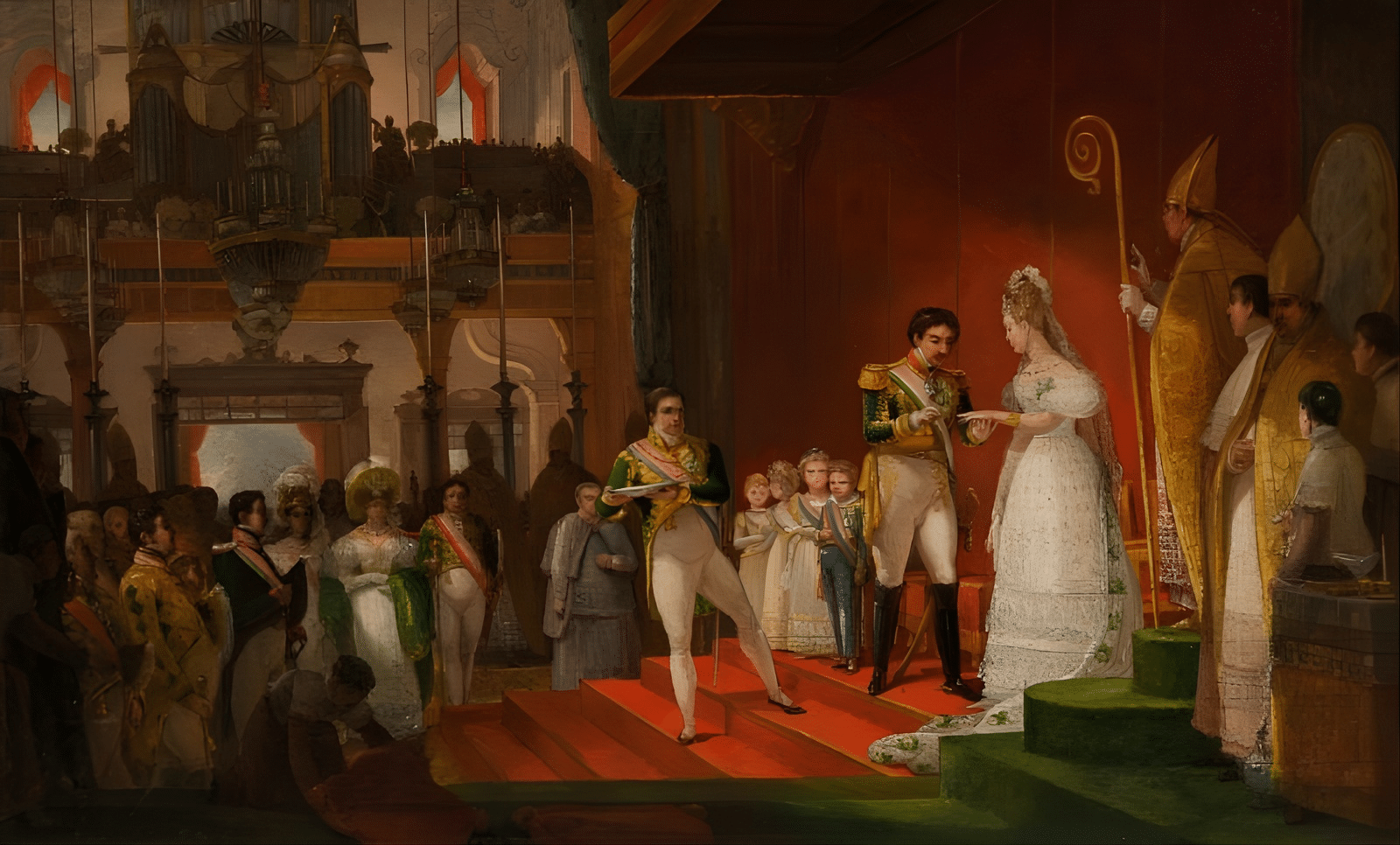
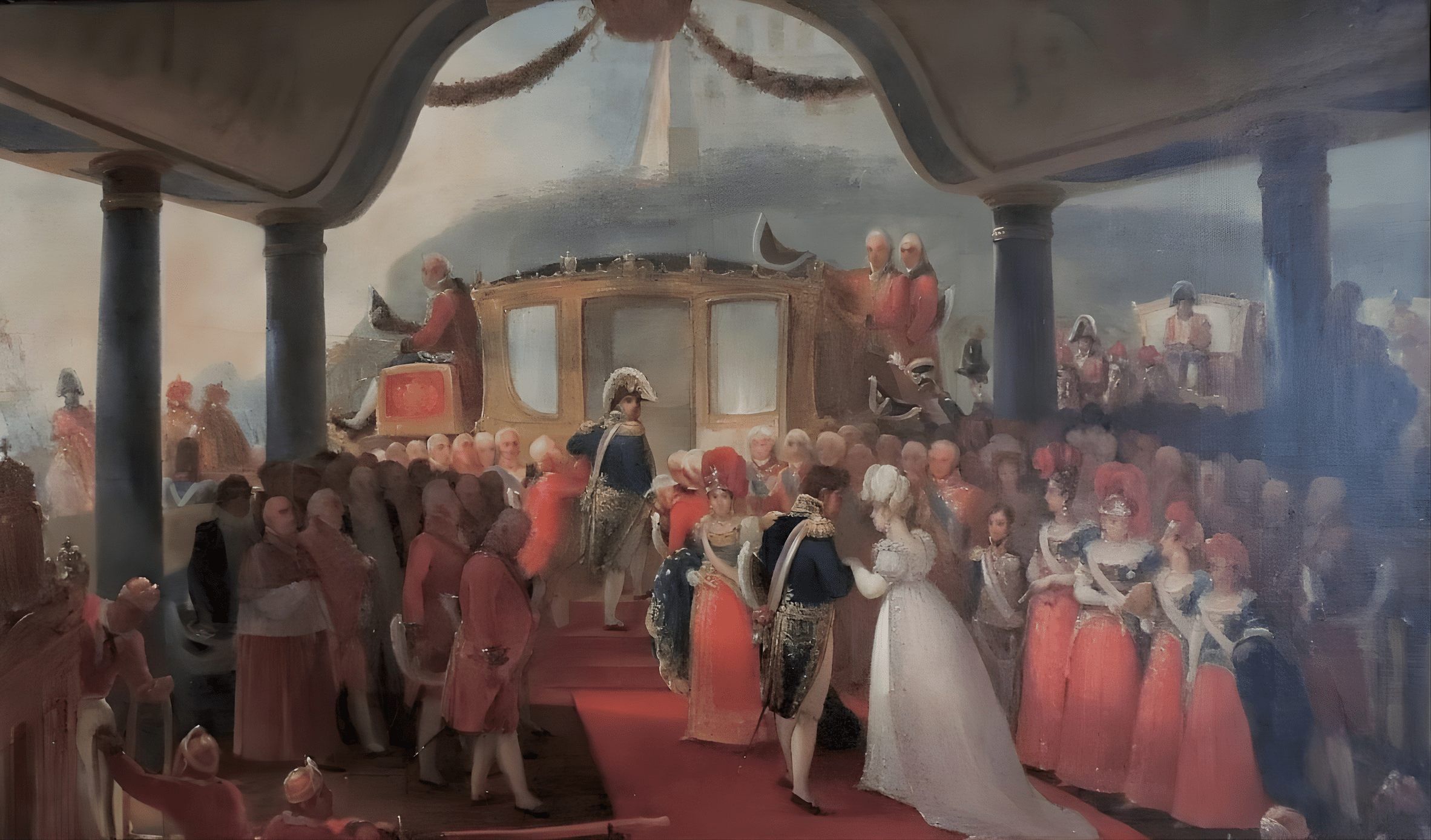
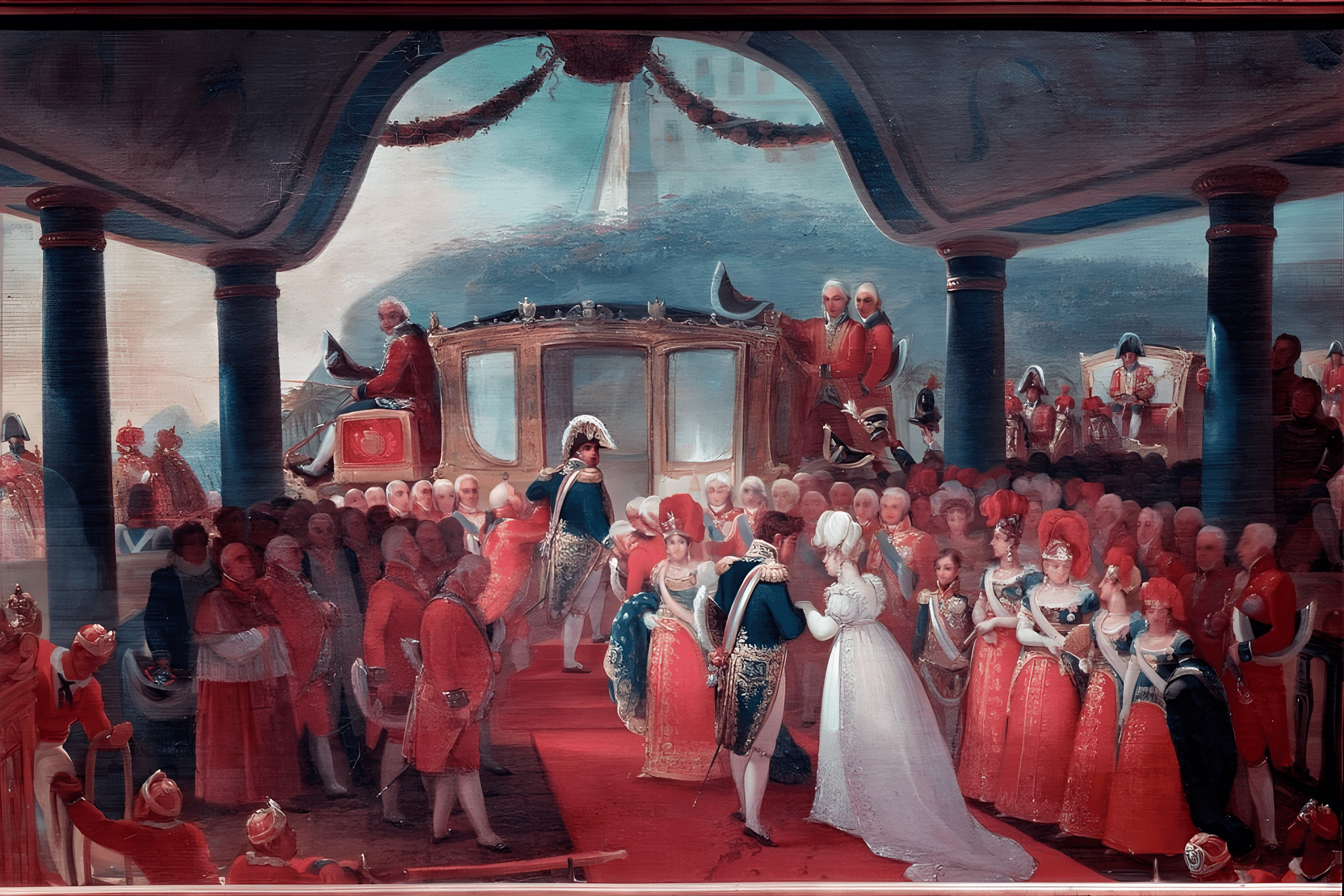
In 1817, Maria Leopoldina of Habsburg-Lorraine (also known as Habsburg Lorraine or Austria) arrived in Rio de Janeiro to marry Emperor Pedro I of Brazil. The bride and groom are depicted accompanied by King John VI of Portugal.
The French Mission group was composed of renowned figures such as landscape painter Nicolas Antoine Taunay (1755–1830); sculptor Auguste Marie Taunay (1768–1824); architect Auguste Henri Victor Grandjean De Montigny (1776-1850); engraver Charles S. Pradier (1768-1848); composer Sigismund Neukomm (1778-1858); and mechanical engineer François Ovide.
Although Debret was known as a history painter, his early works in Brazil included portraits of the royal family, as well as decorative paintings for public events and scenery for the Teatro Real São João in Rio de Janeiro.
The creation of the Brazilian Academy of Fine Arts took ten years, during which time the members of the French Mission were supposed to teach. During this period, Debret gave classes in a private home.
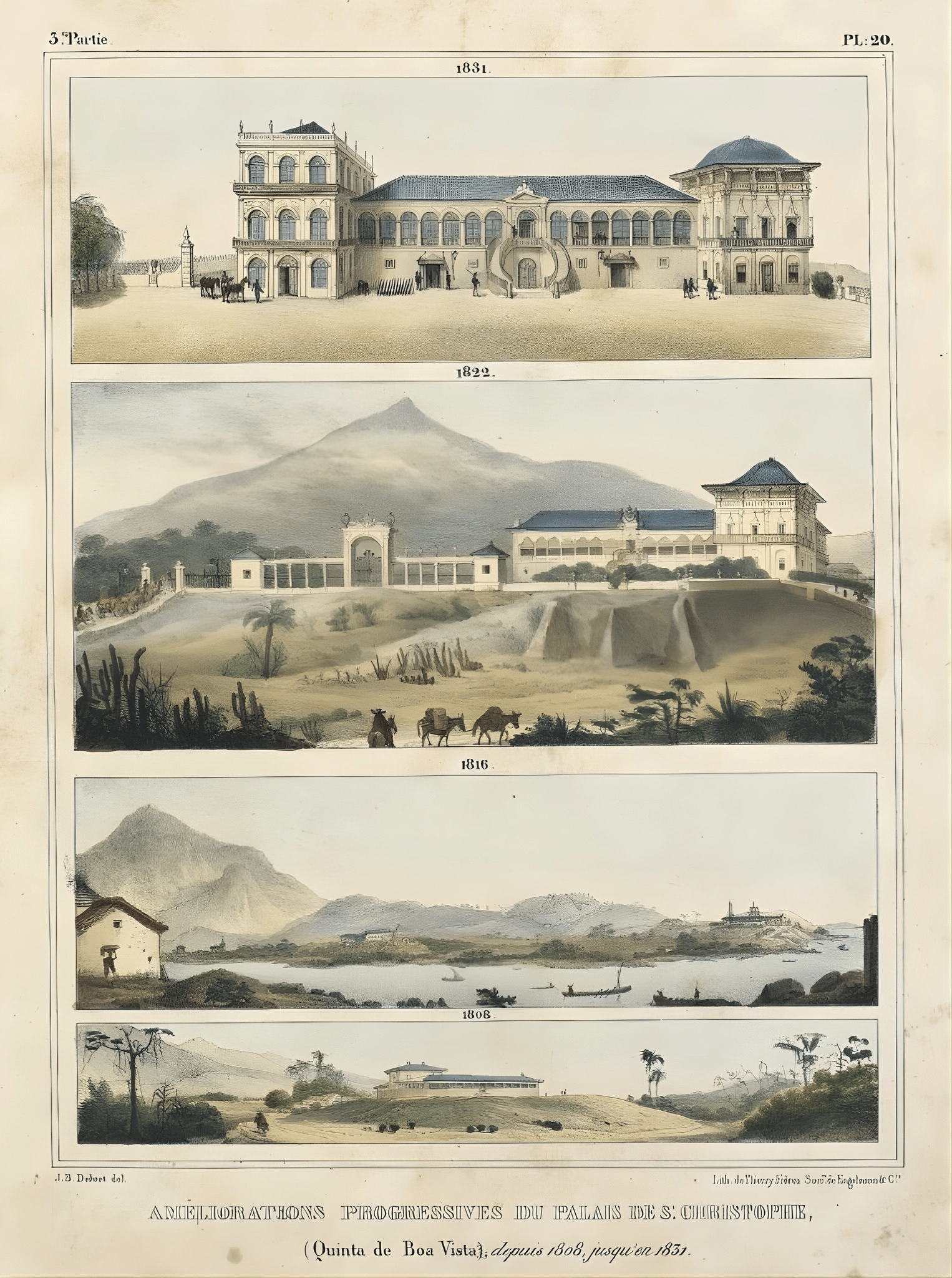
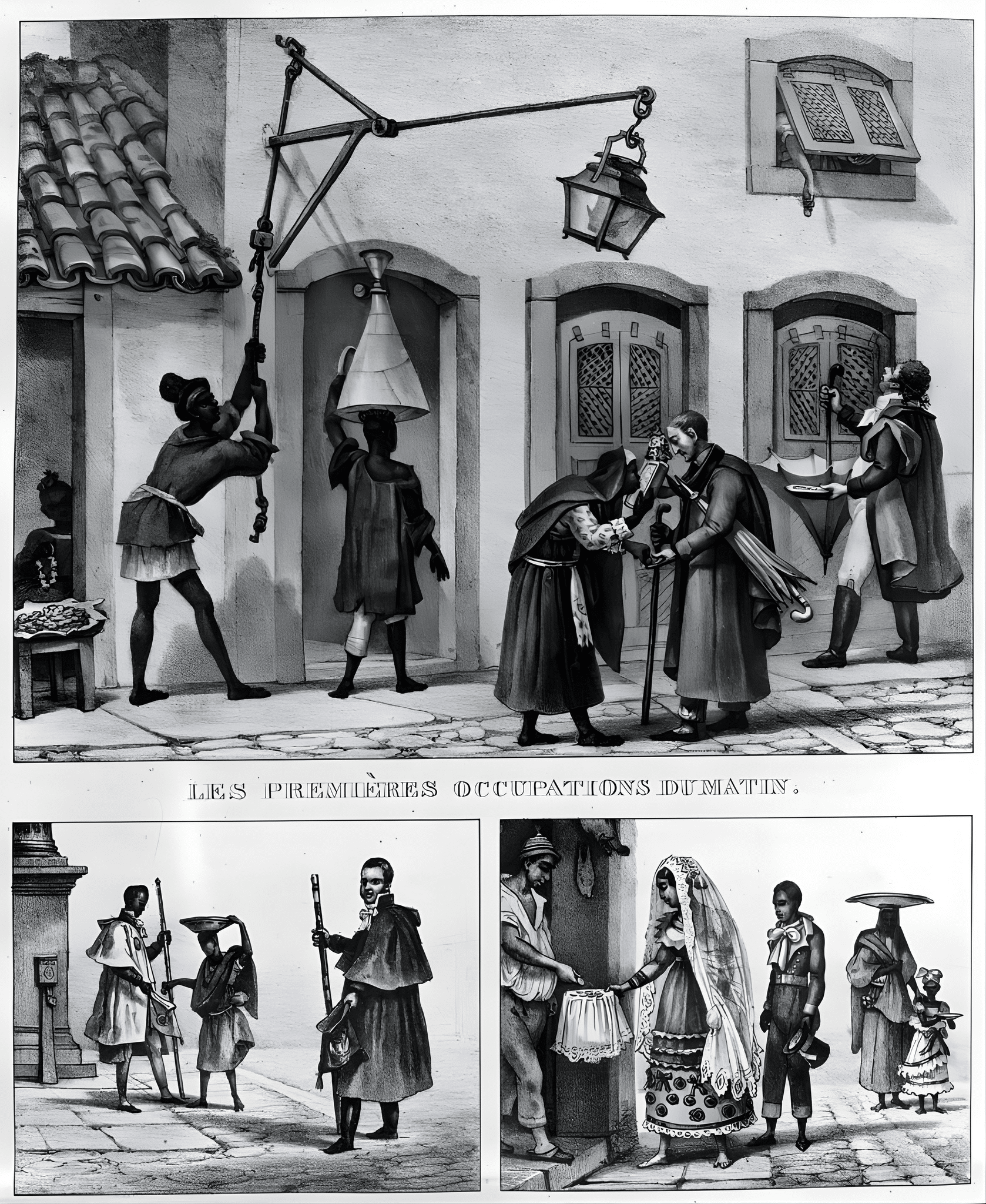
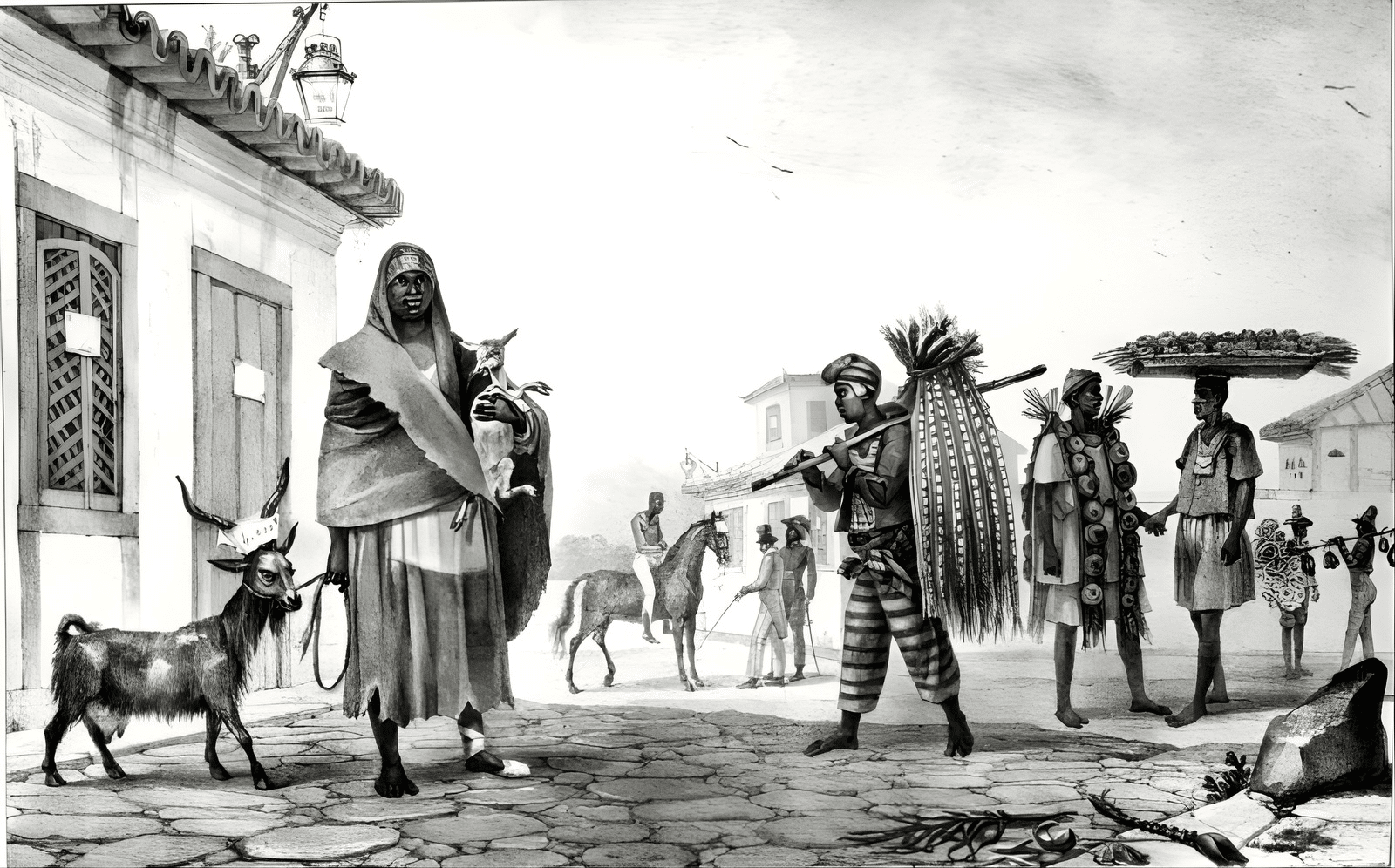
Debret’s most famous work is a series of drawings depicting Brazilian life and culture, published in three volumes between 1834 and 1839, under the title Voyage pittoresque et historique au Brésil.
These drawings and their explanatory texts are considered valuable records of daily life in Brazil in the early decades of the 19th century.
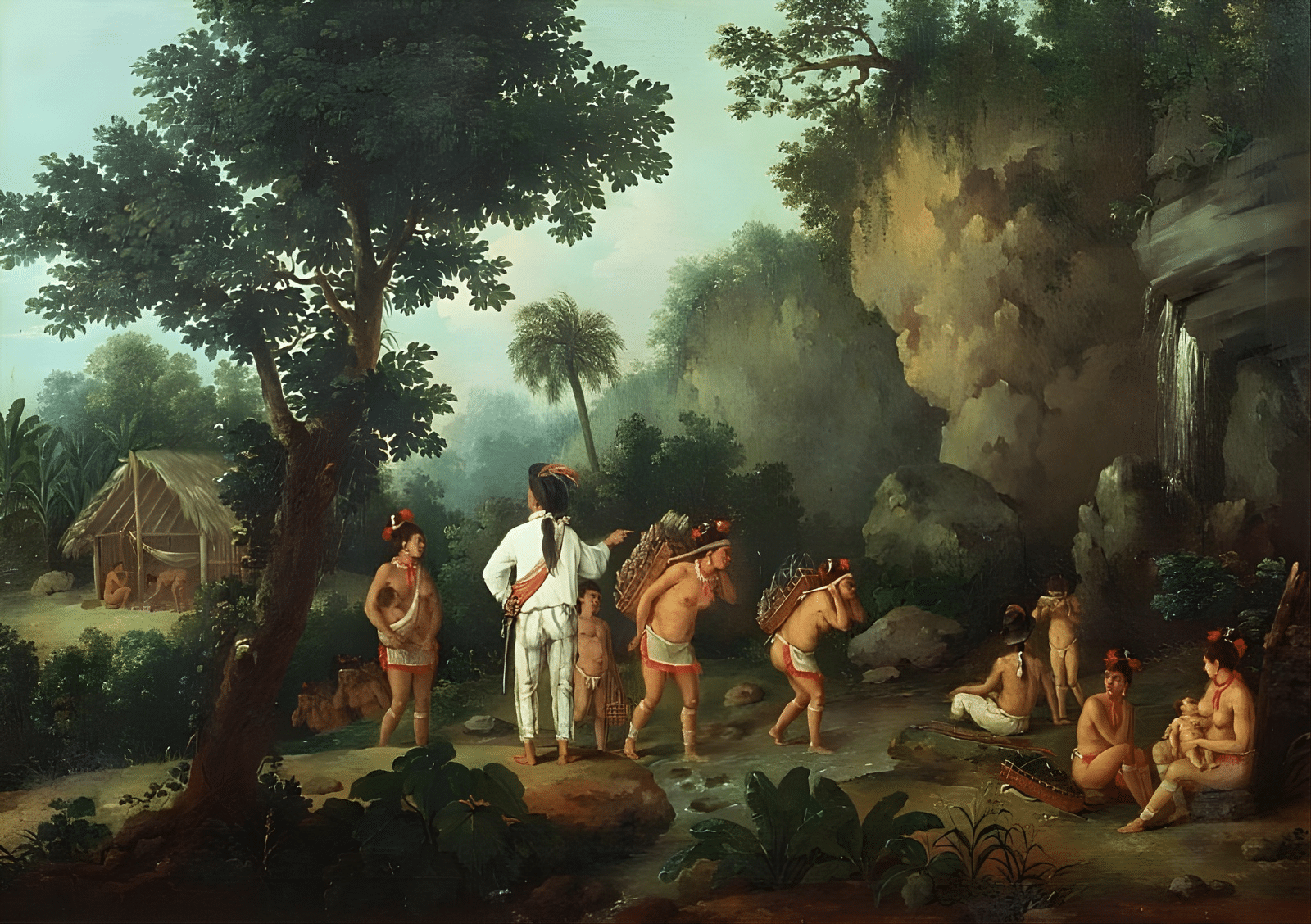
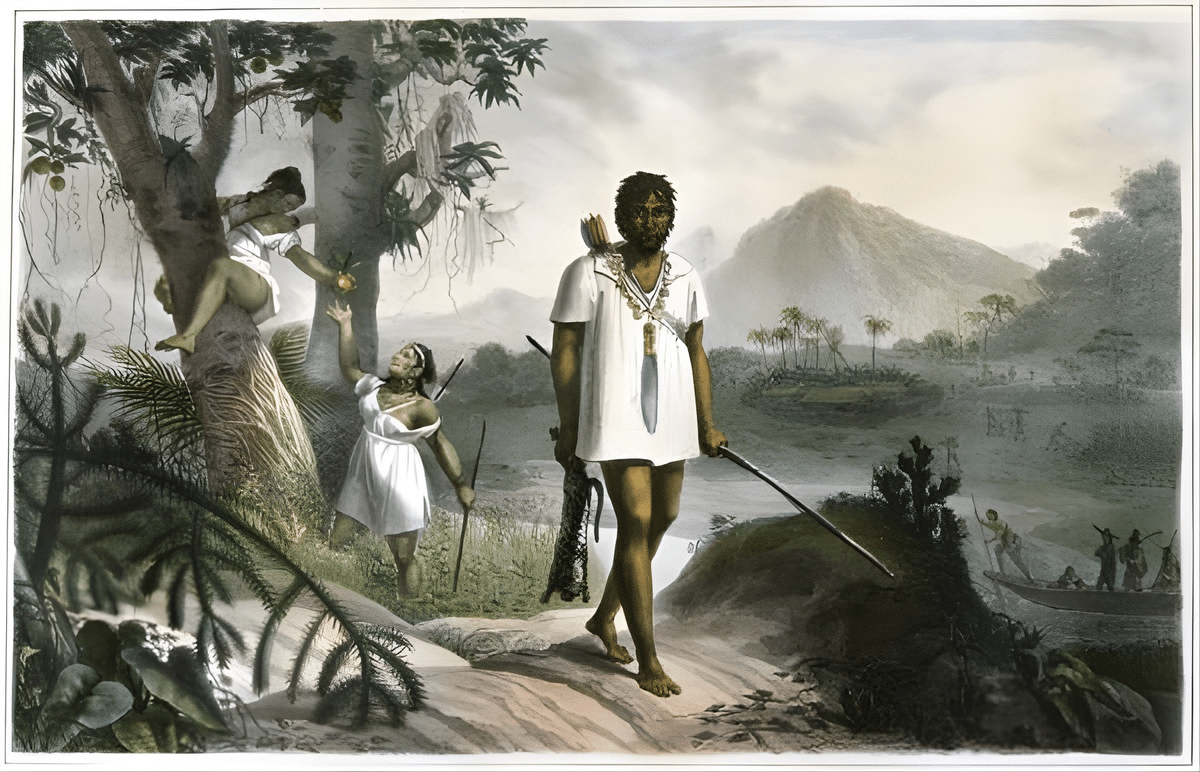
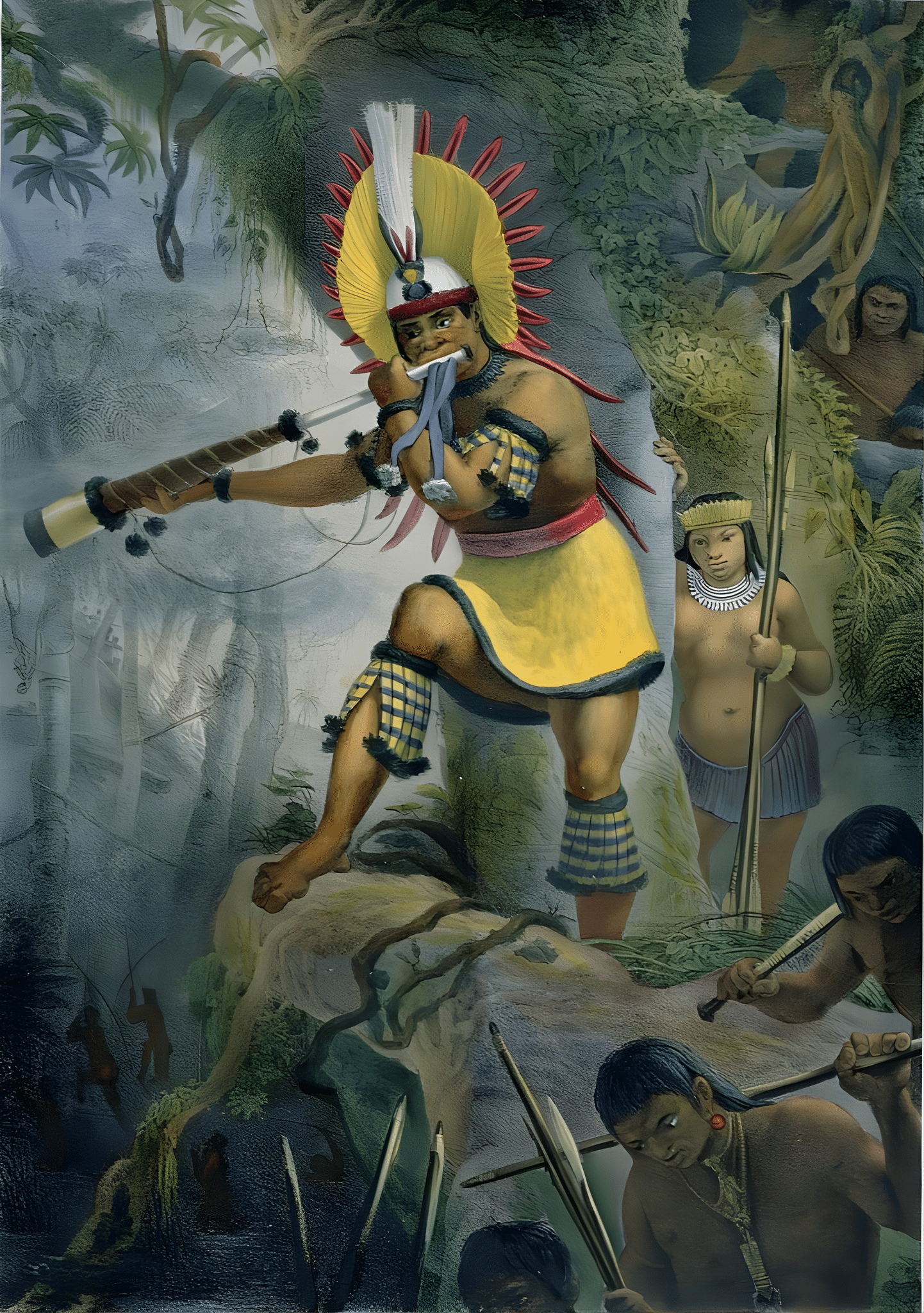
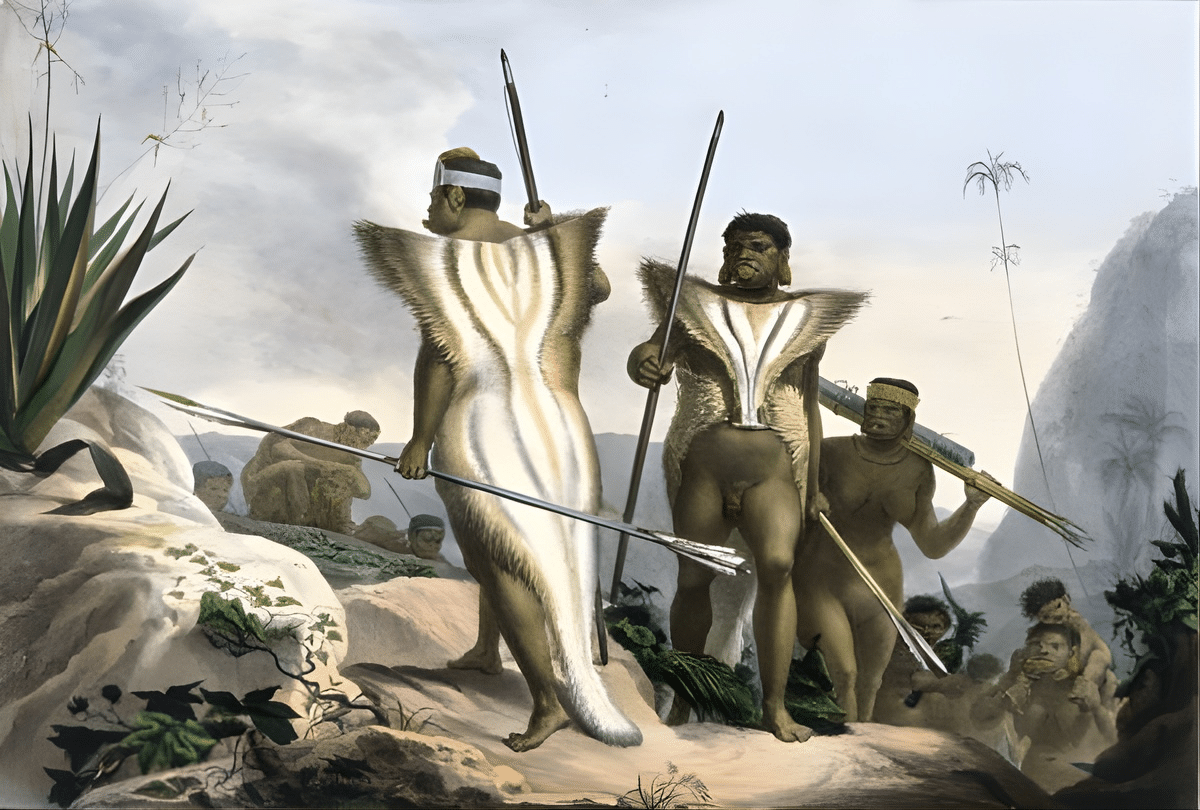
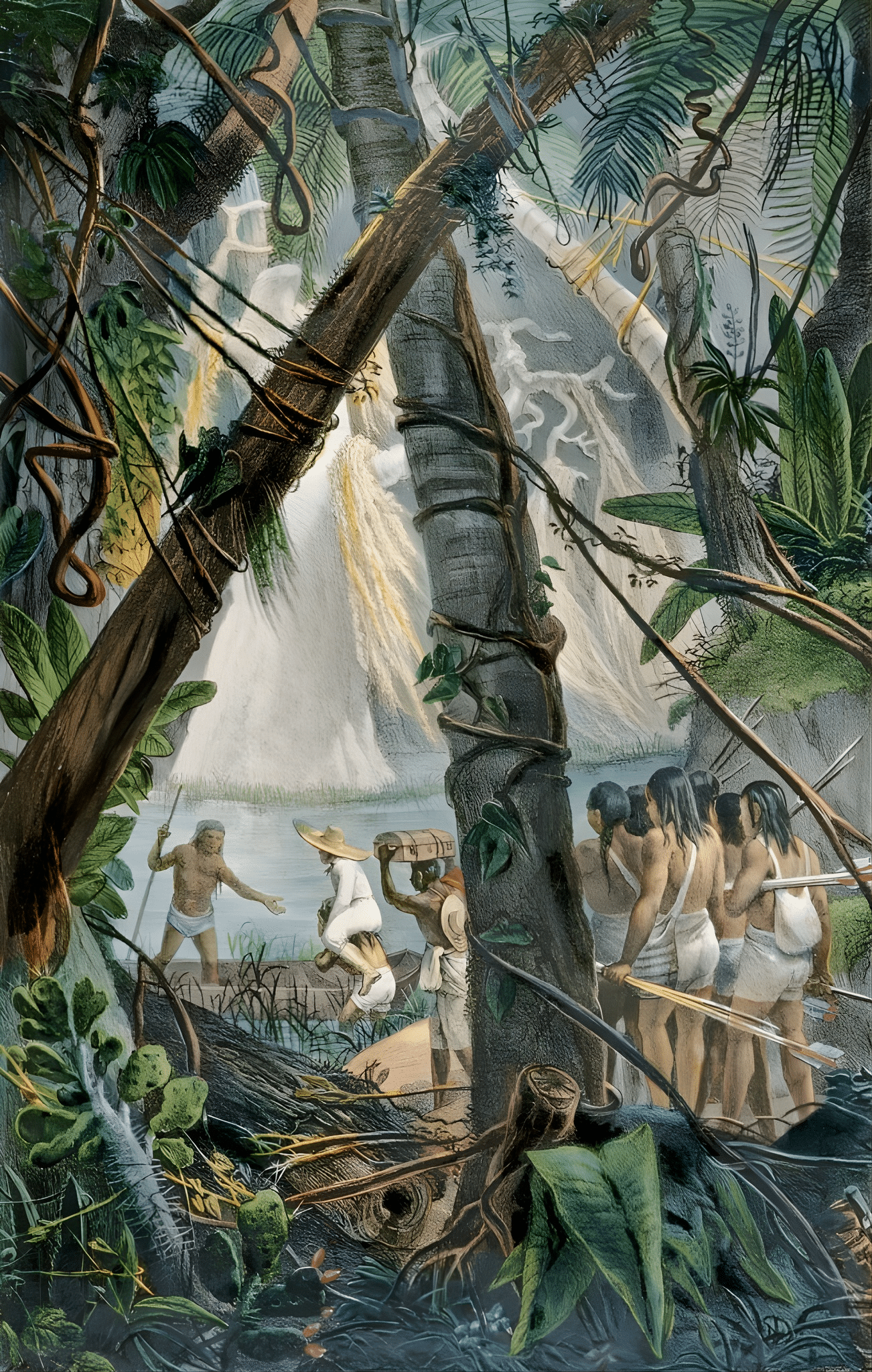
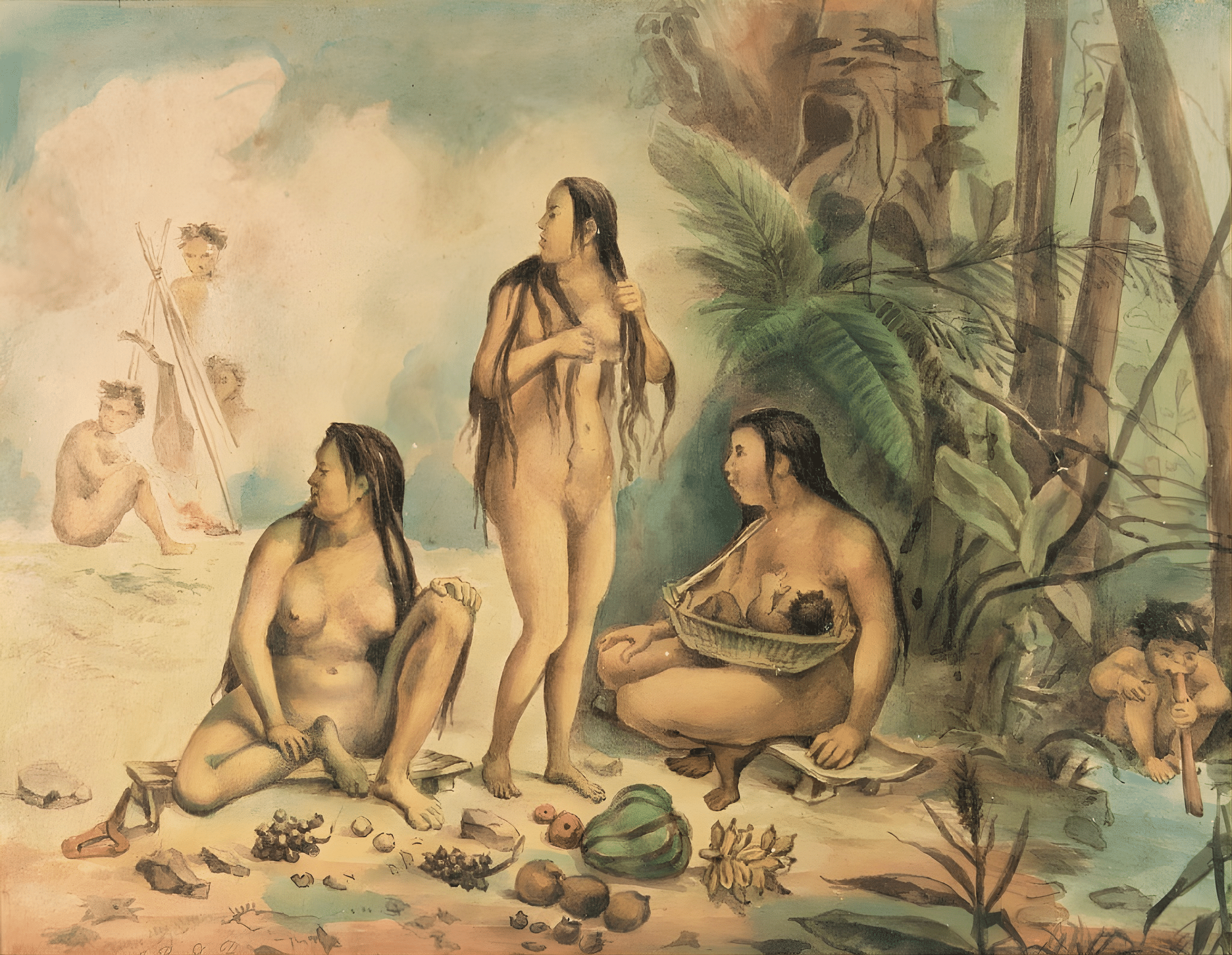
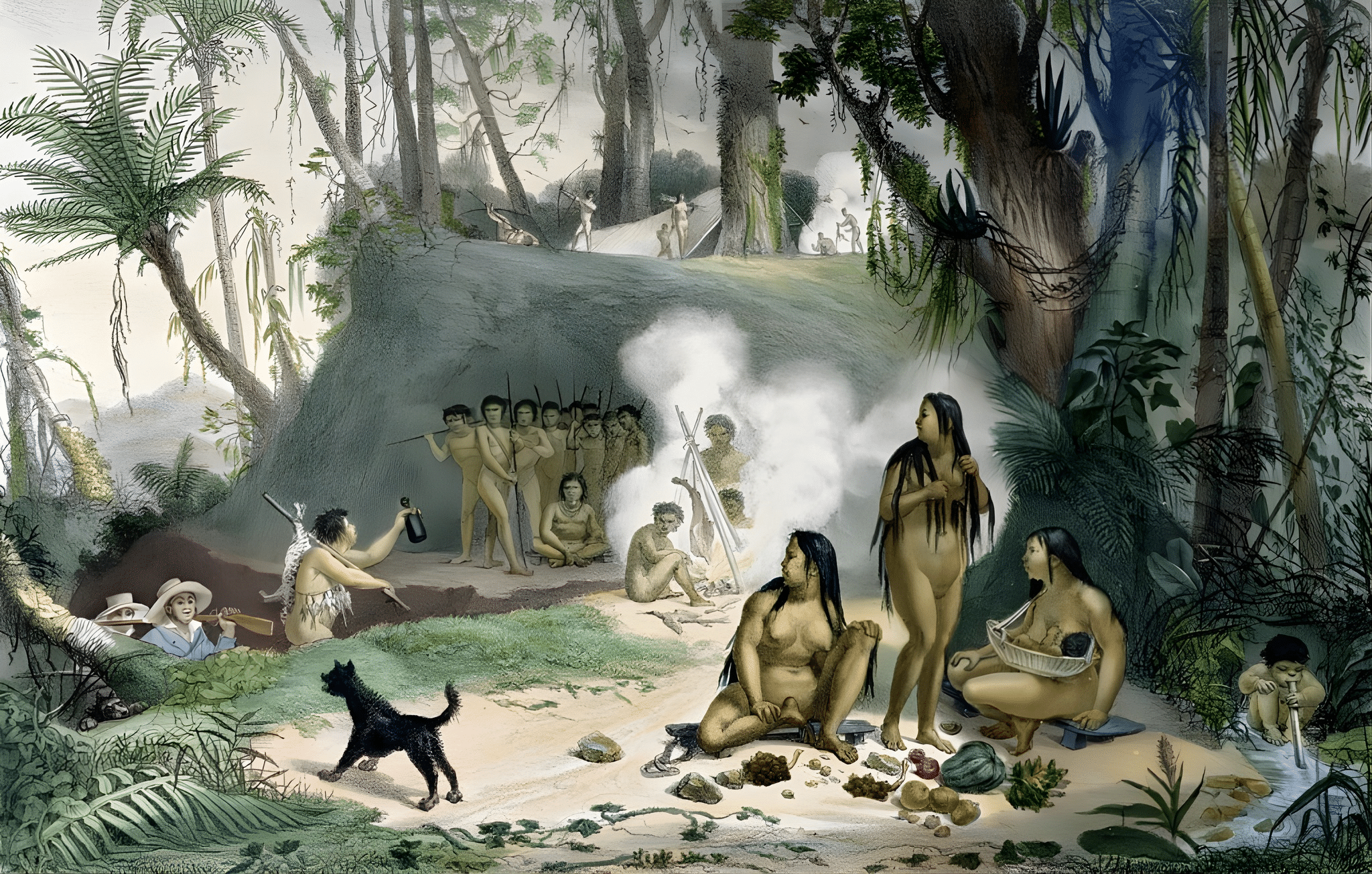
Following what he called “logical order,” Debret begins his book with descriptions of various tribes of Indians.
Although he never travelled beyond Rio de Janeiro, Debret obtained information from other travellers to depict the life of the indigenous peoples in the interior of Brazil.
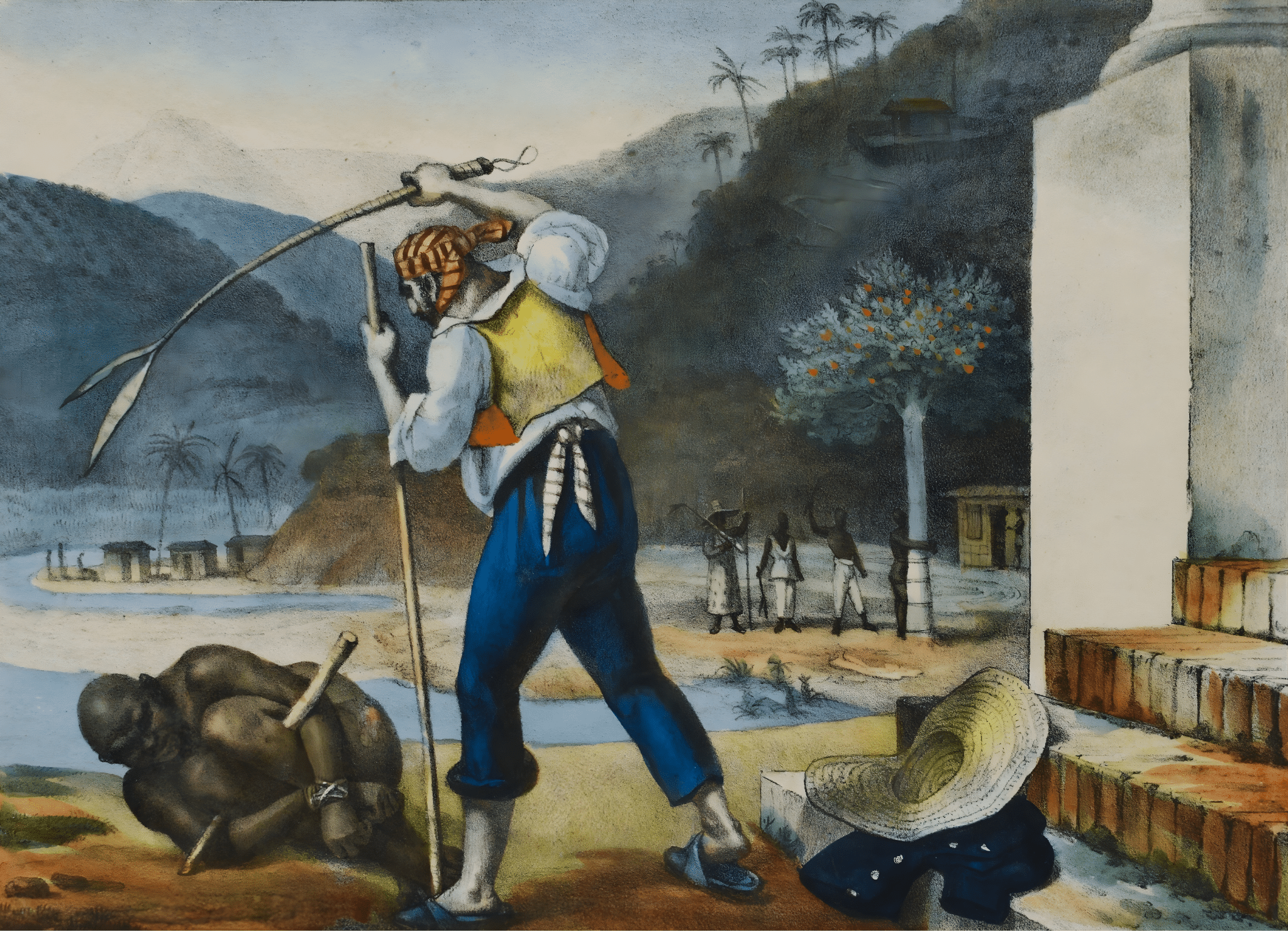
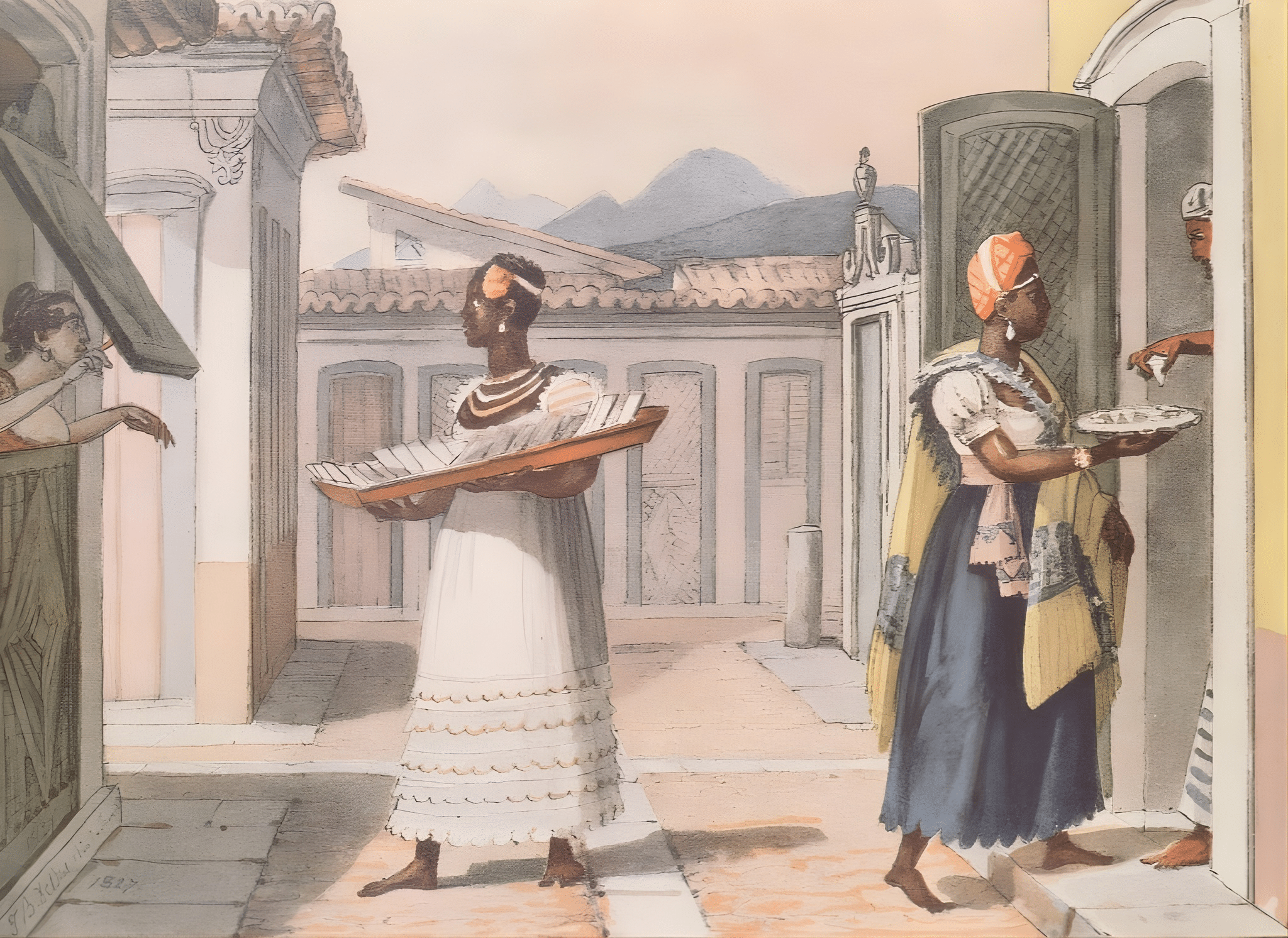
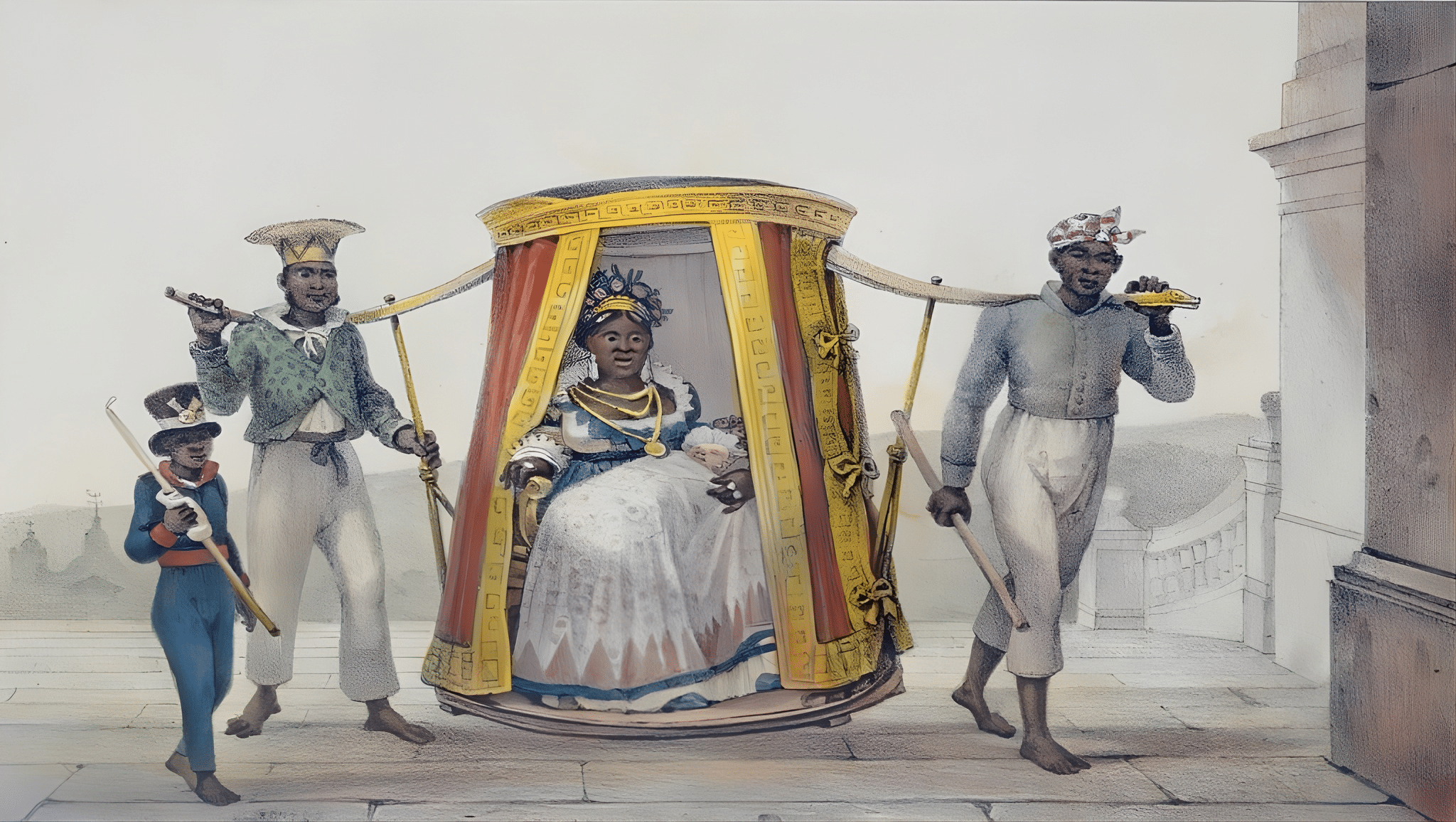
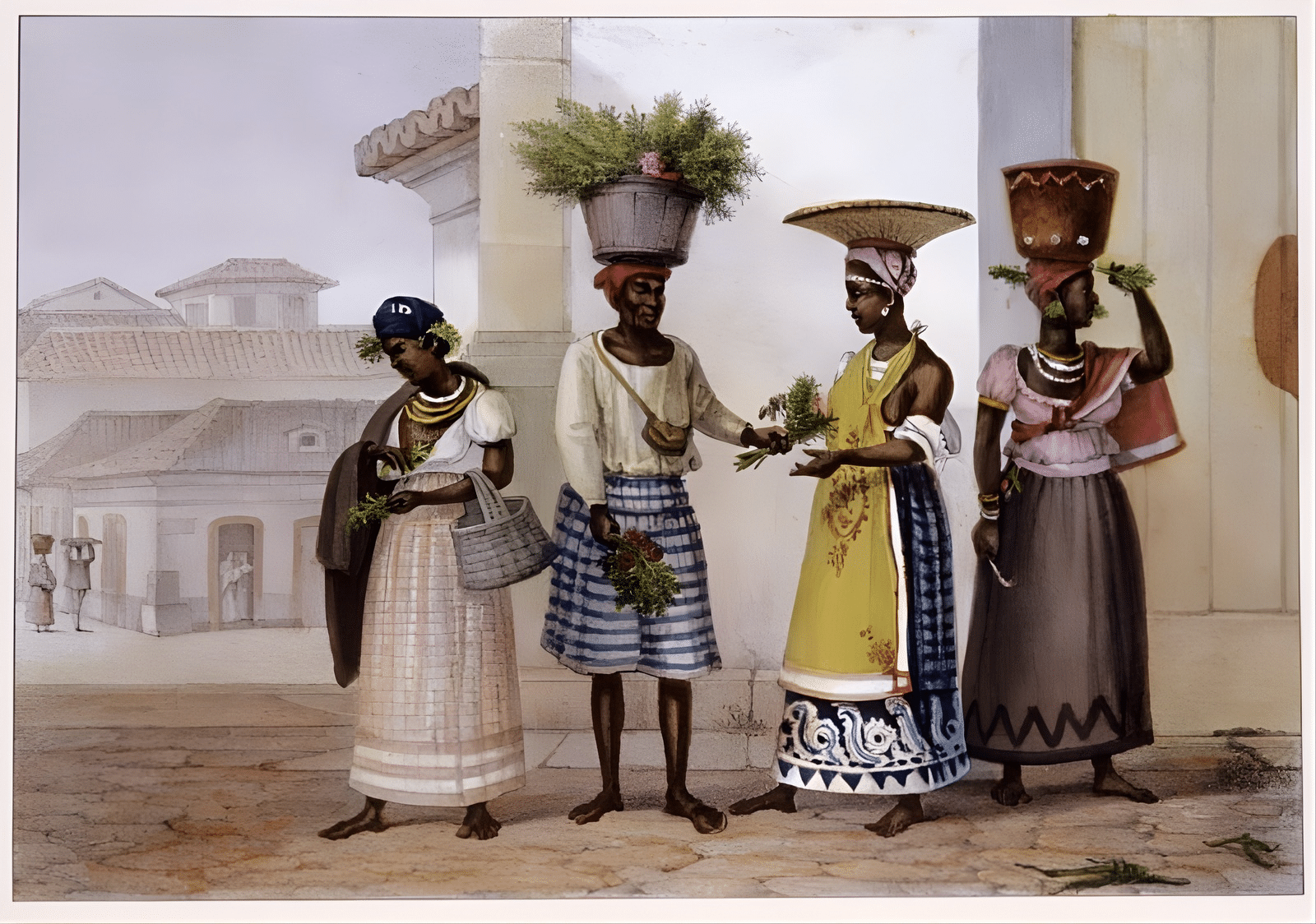
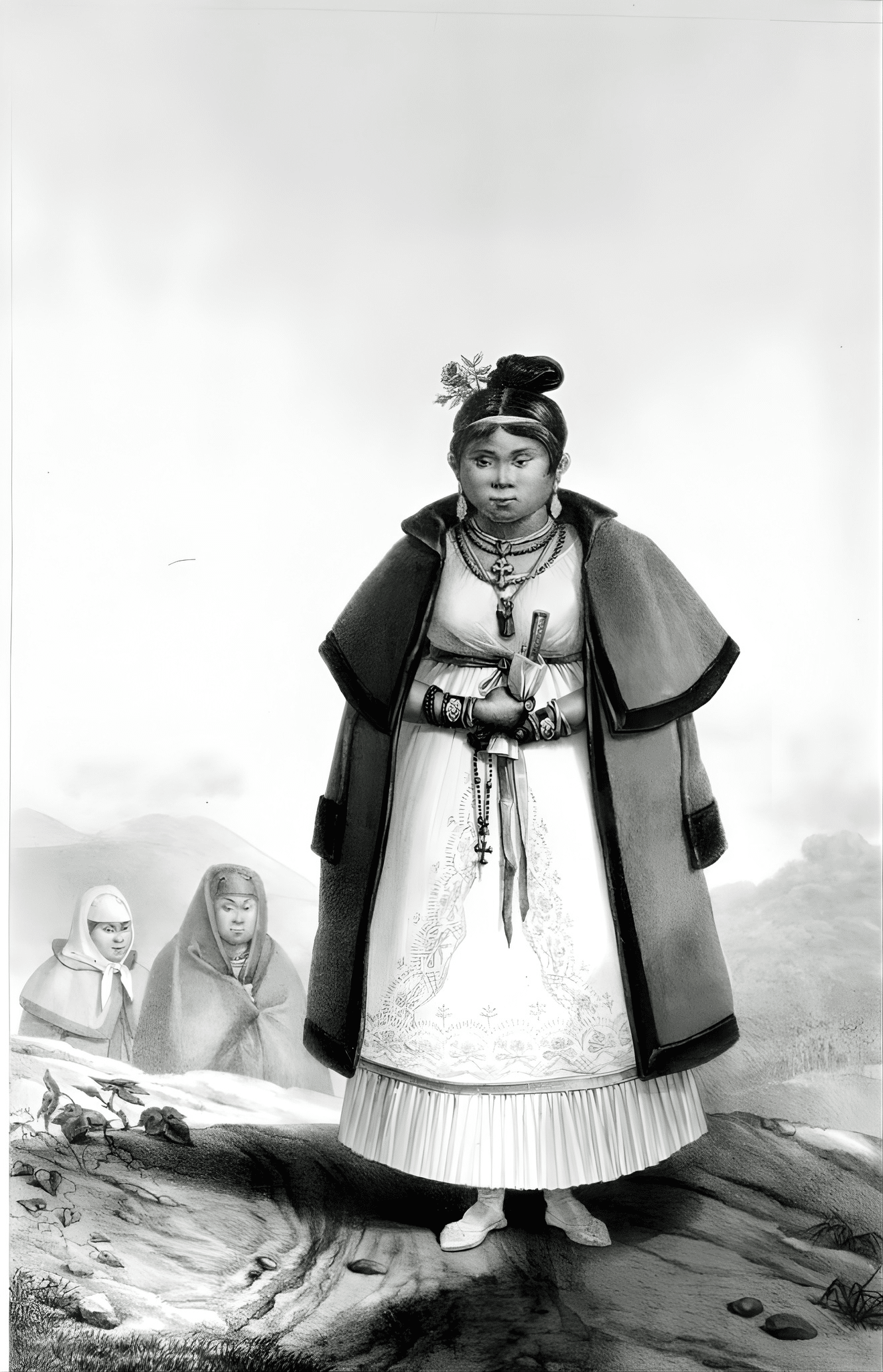
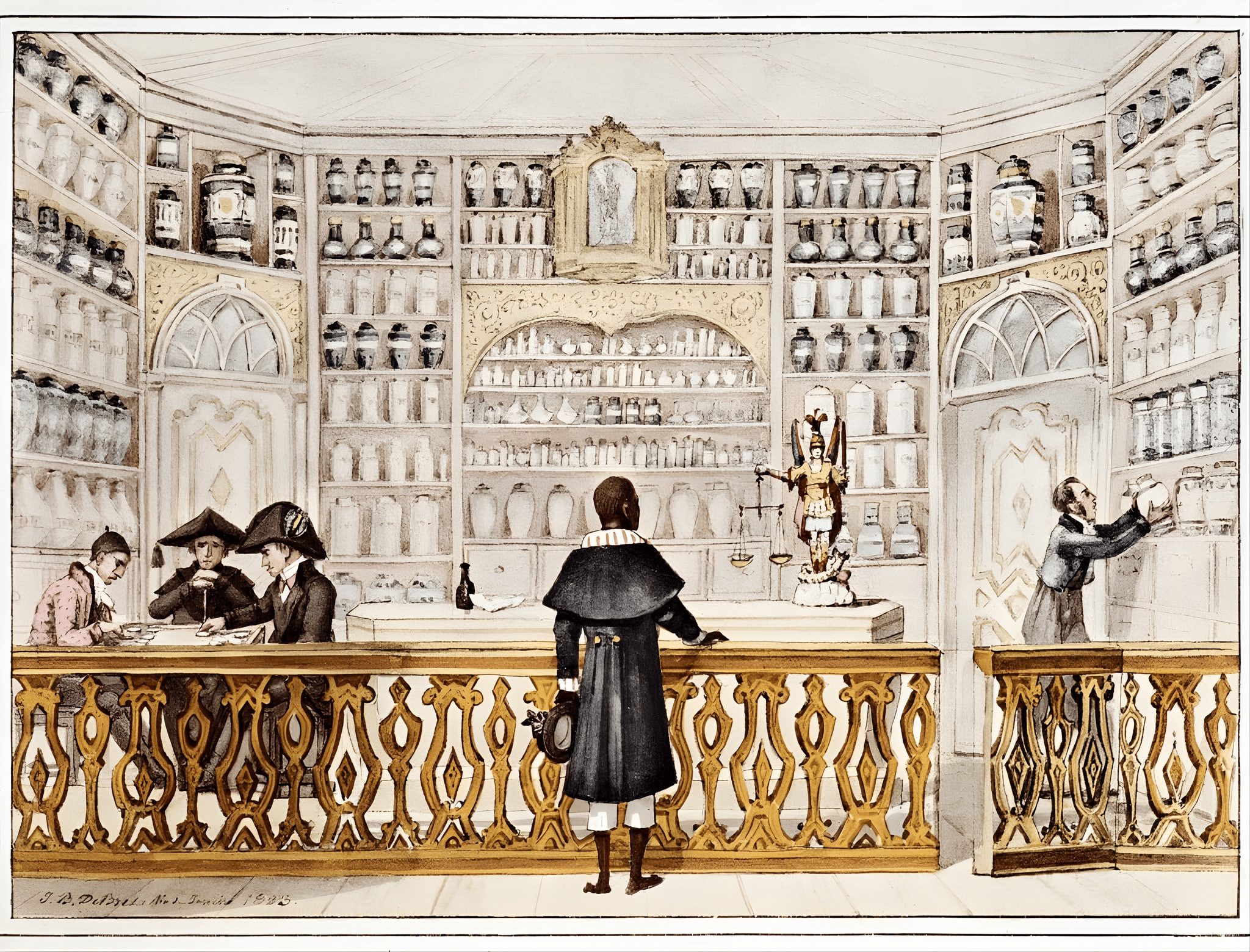
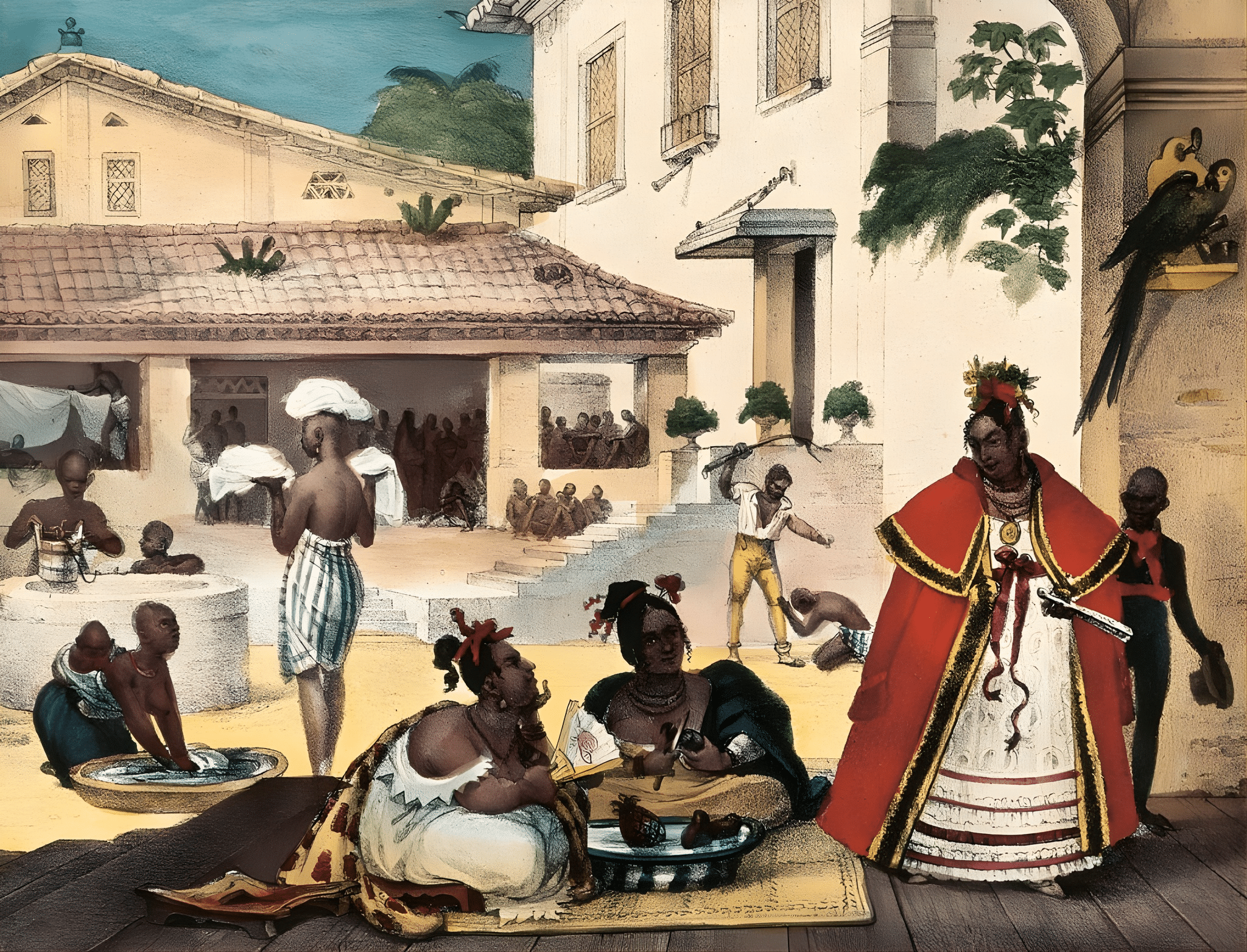
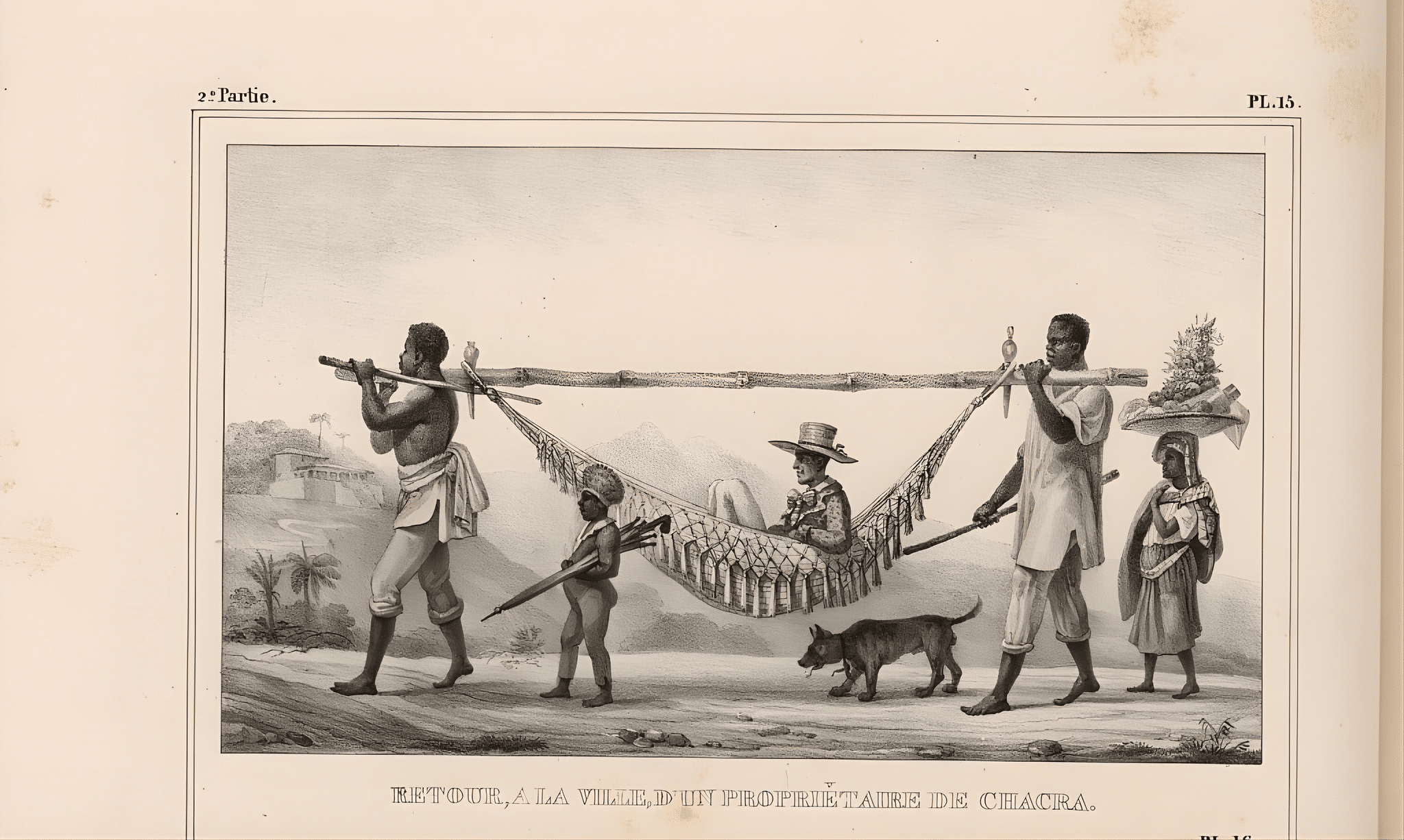
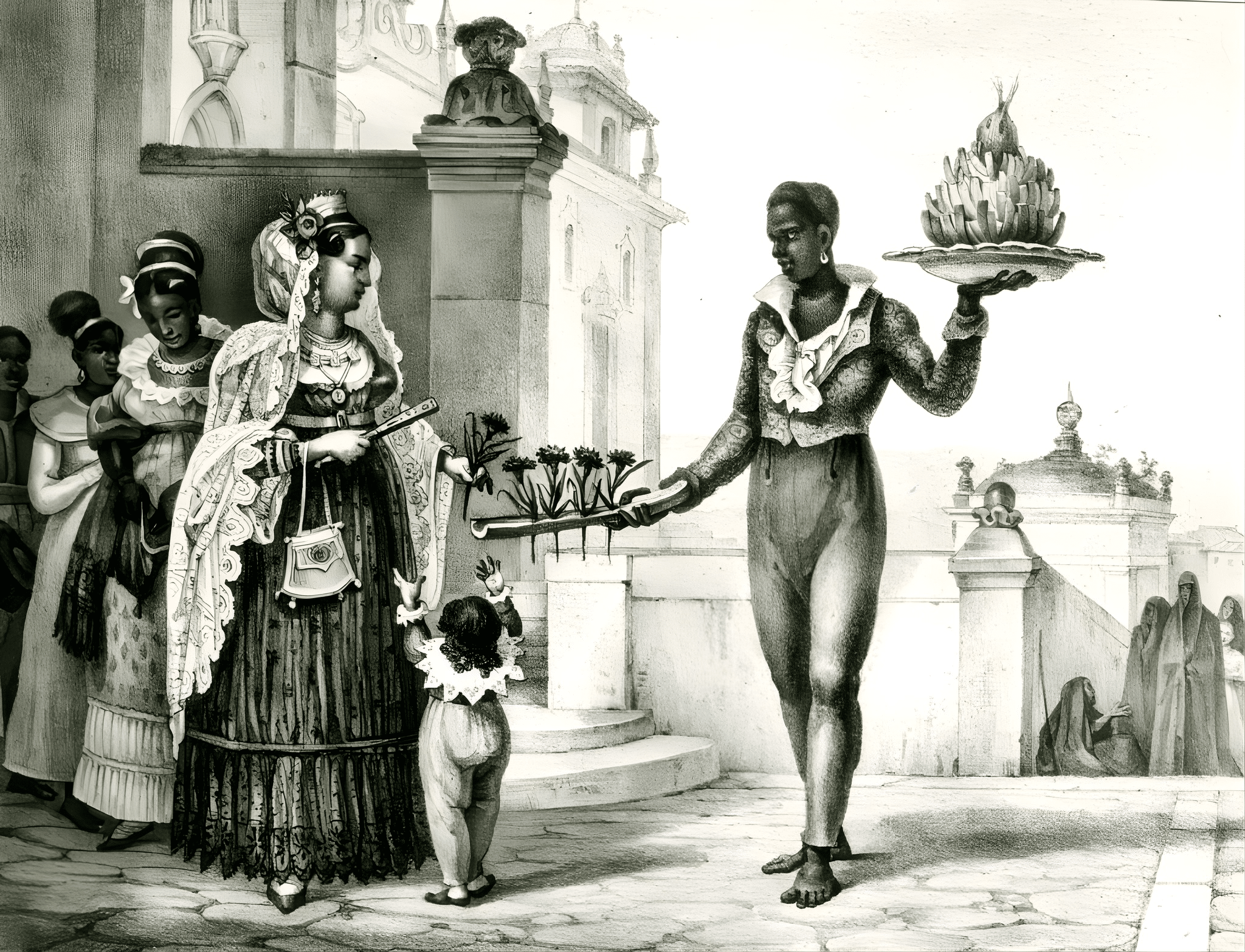
Debret portrayed the lives of slaves in Rio de Janeiro in an incomparable way, and his drawings shocked the members of the Brazilian Historical and Geographical Institute with their striking realism.
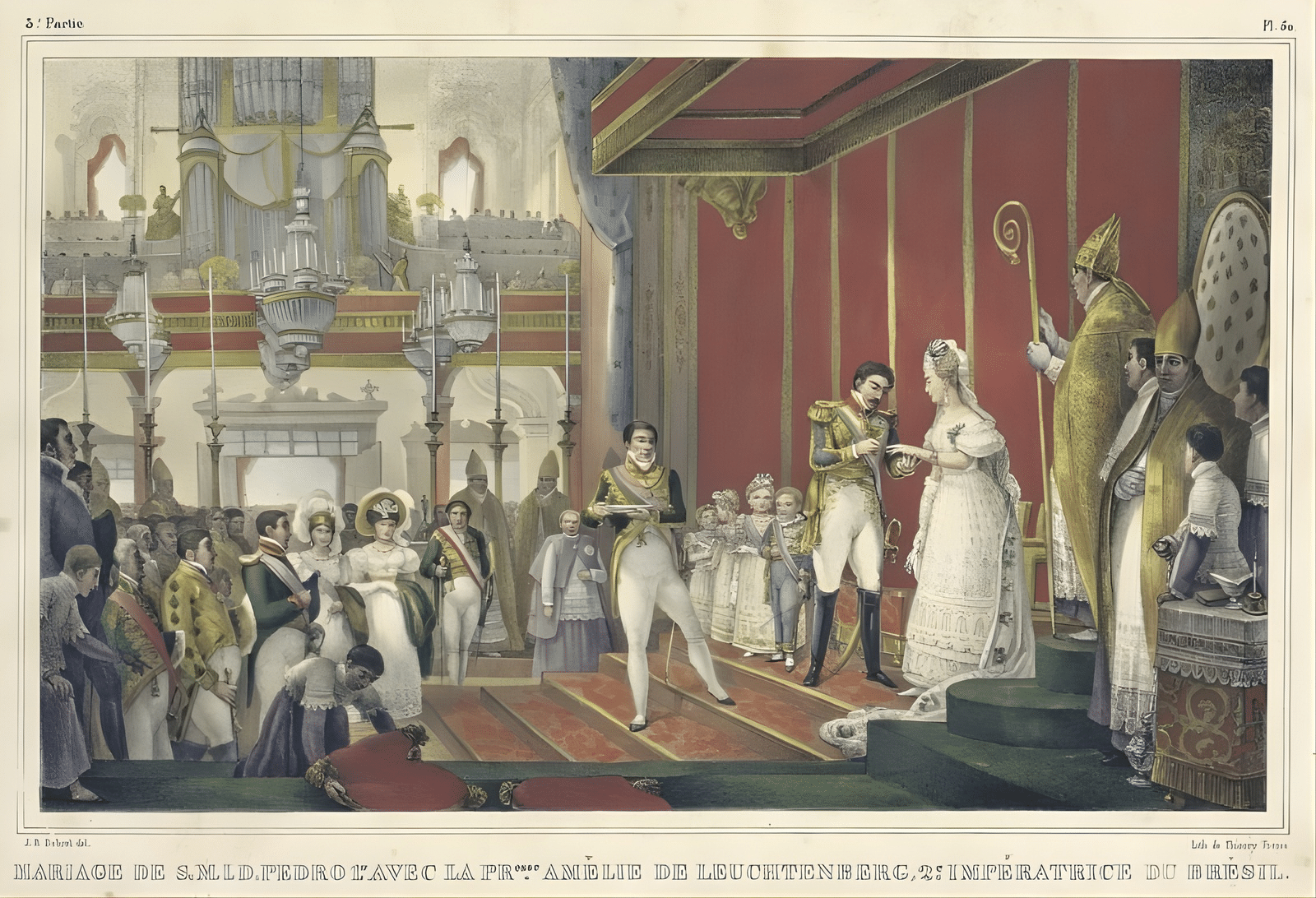
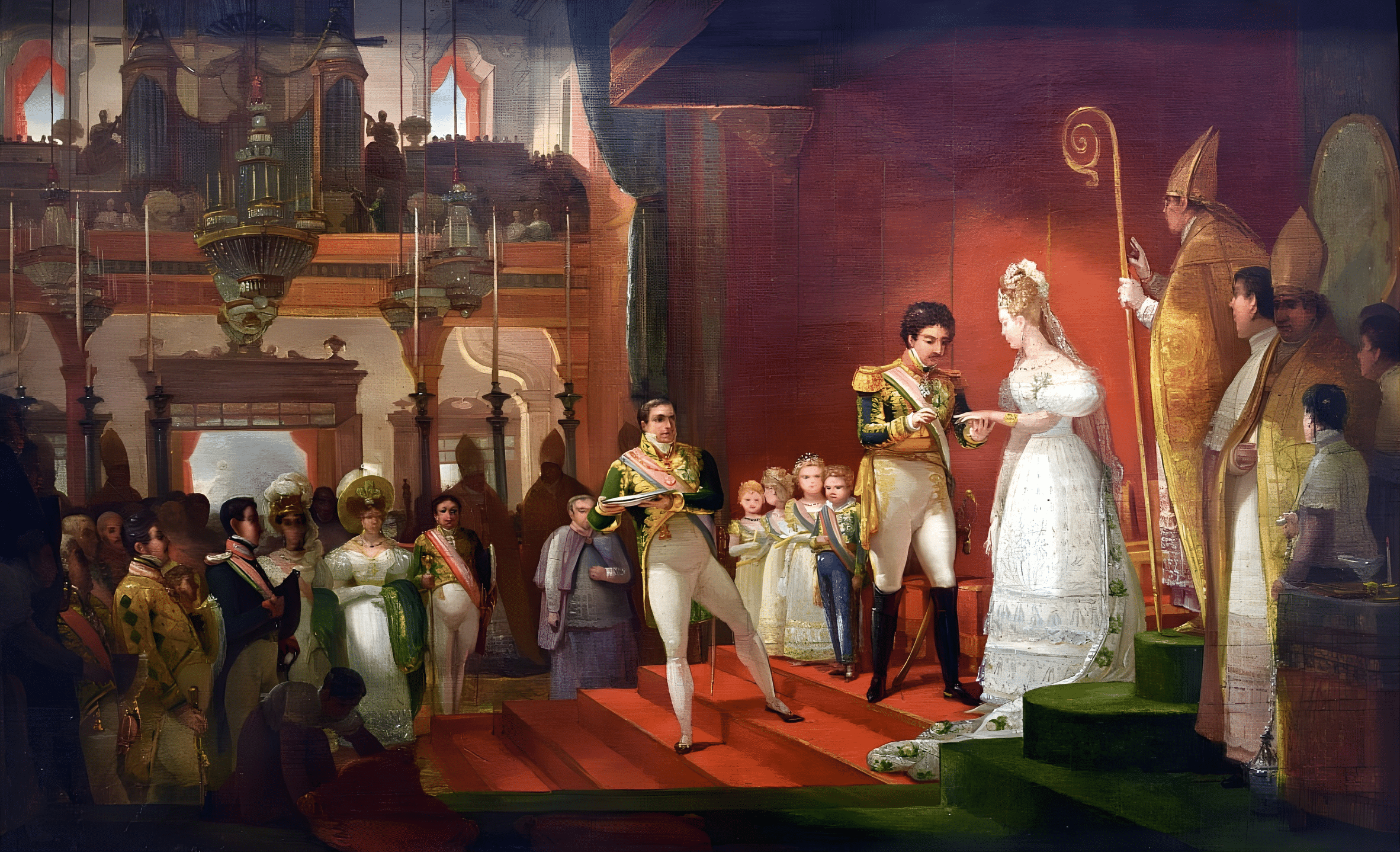
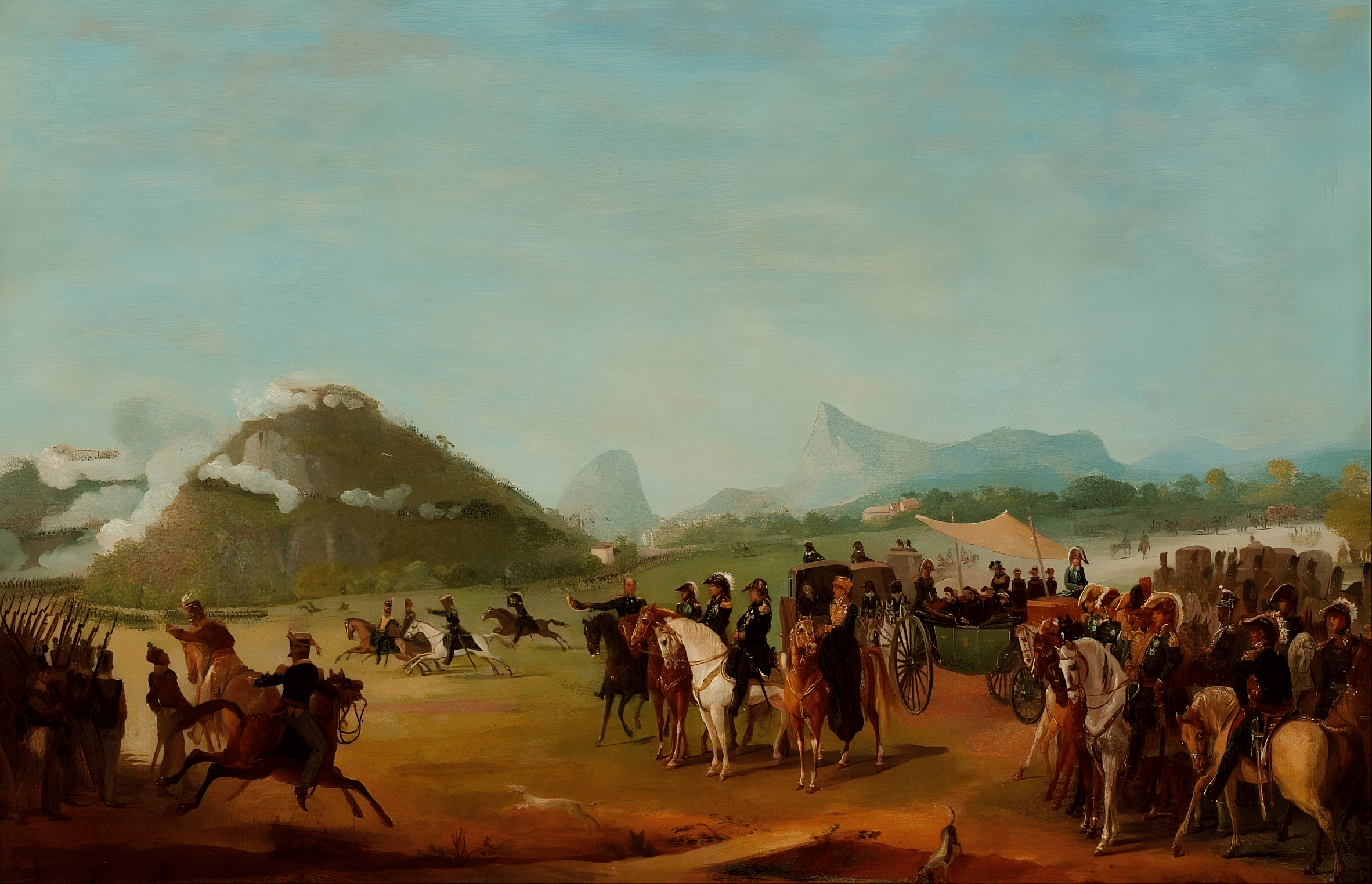
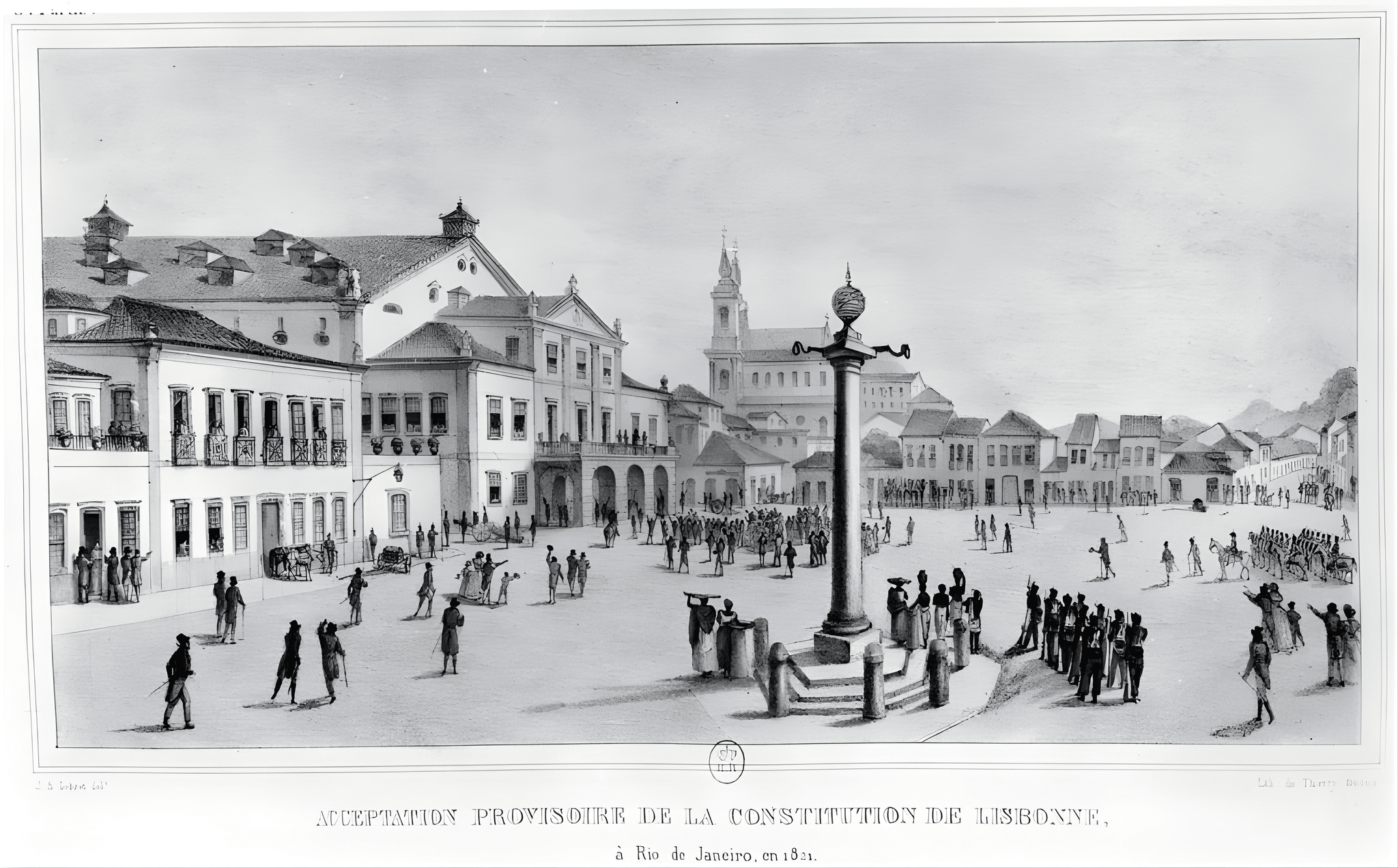
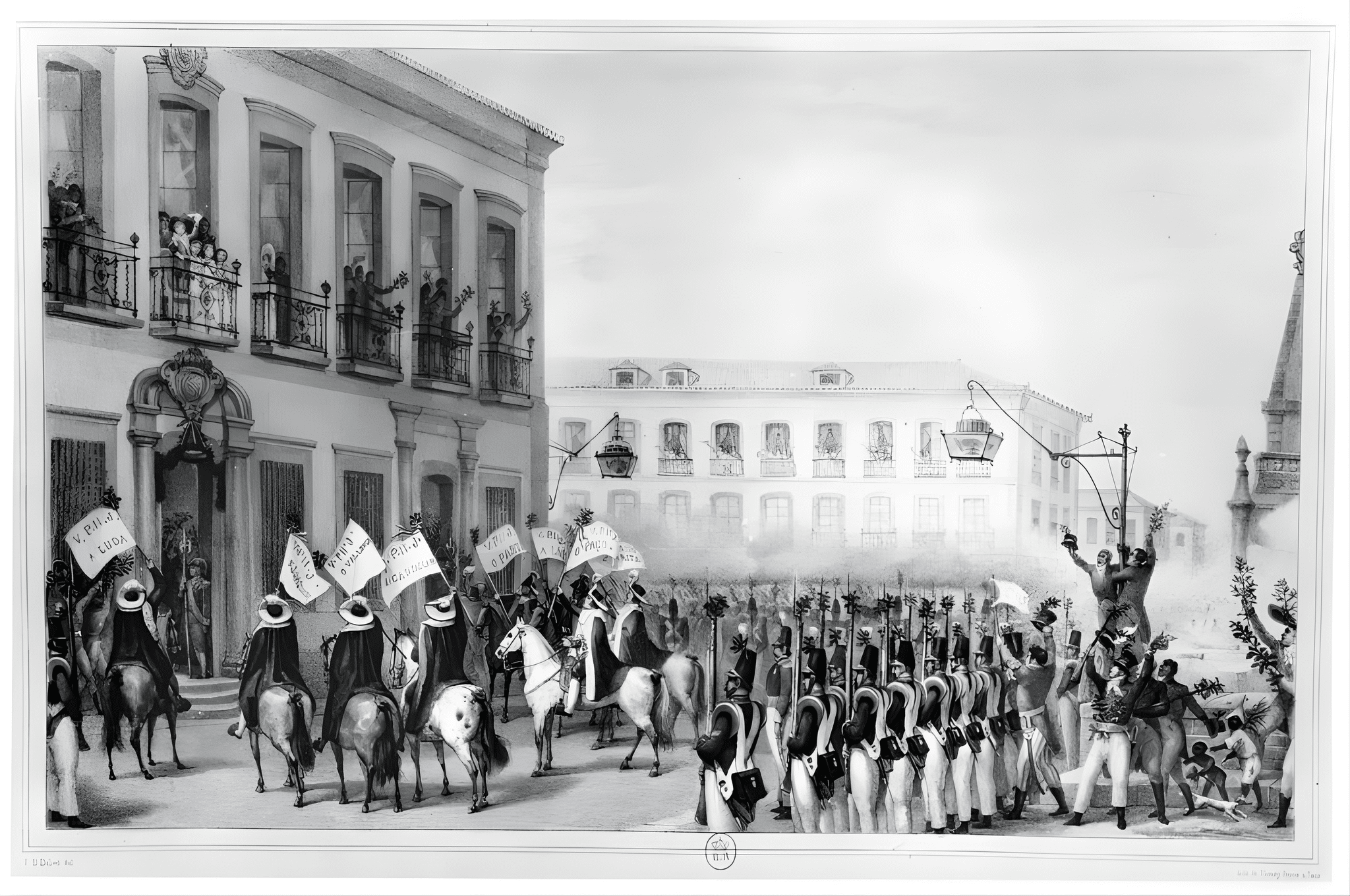
As a history painter, Debret also depicted historical events from the end of the colonial period:
- the arrival of Her Royal Highness Princess Leopoldina in Rio de Janeiro
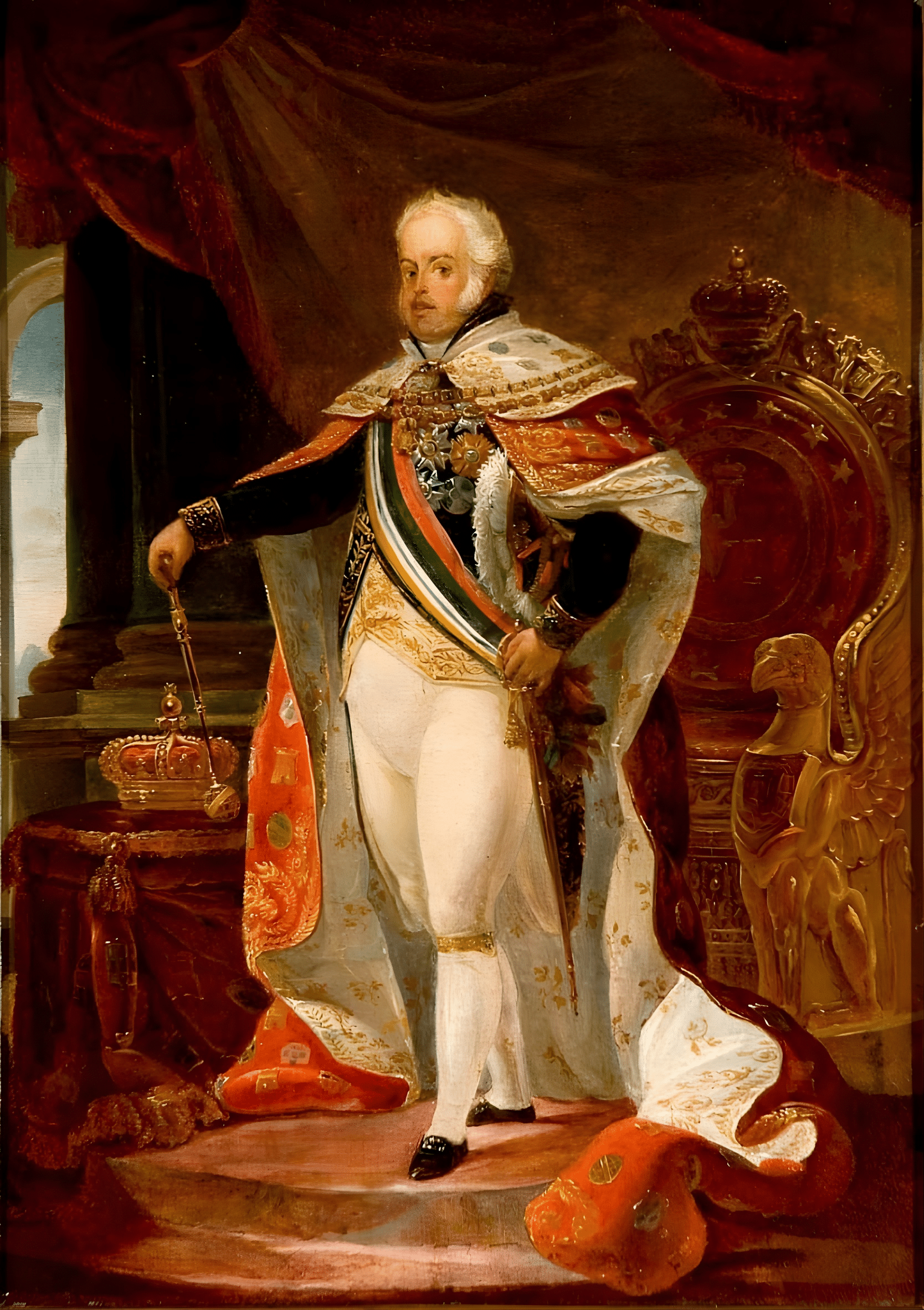
- the coronation of King John VI, the christening of Princess Maria da Glória
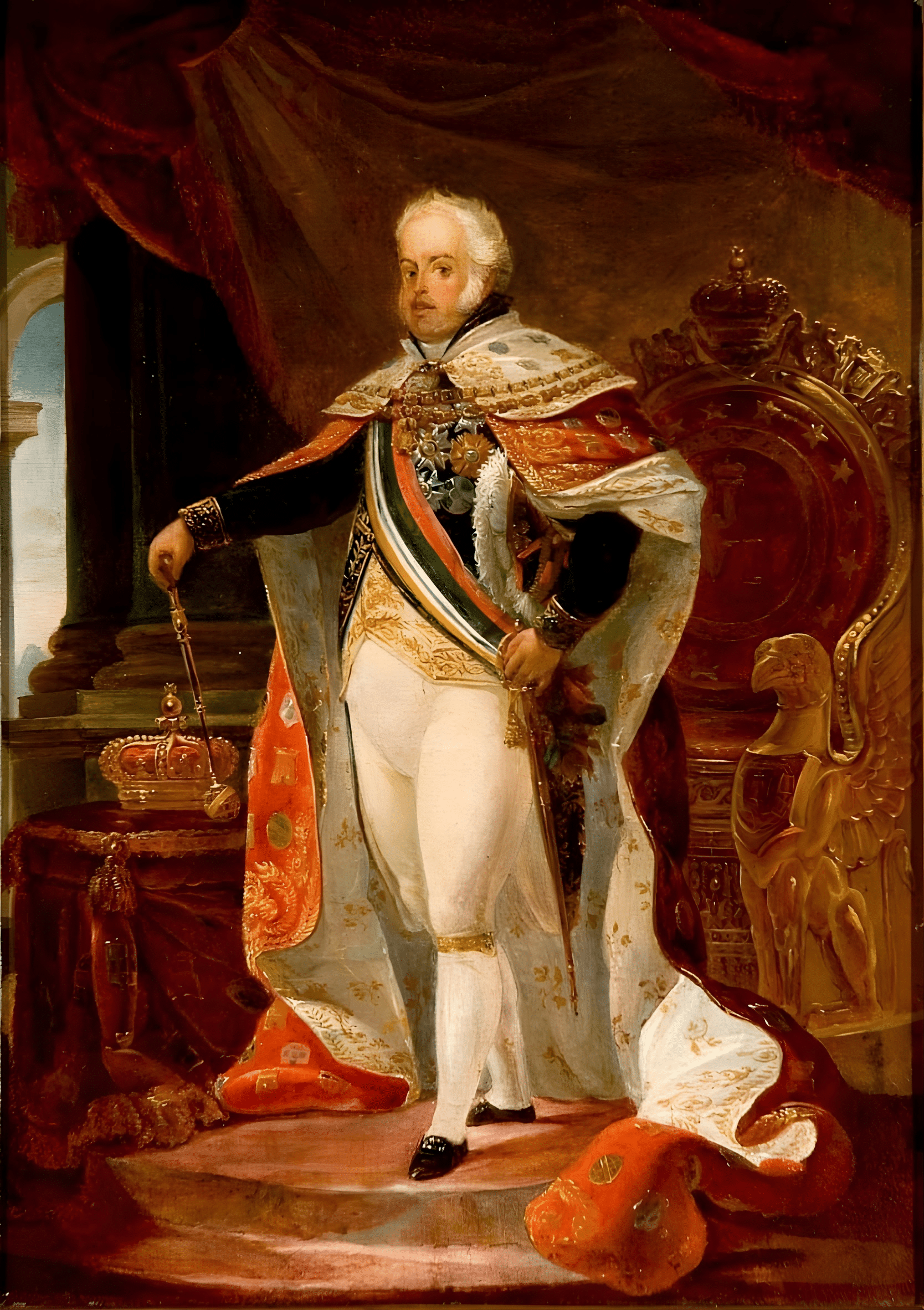
- the oath to the Constitution and the coronation of Dom Pedro I as Emperor of Brazil
5. Painter to the Court of King John VI
Later, Jean-Baptiste Debret became the official painter of the Empire. He produced portraits of the Royal Family and, for many years, worked as a set designer for the Royal Theatre of São João.
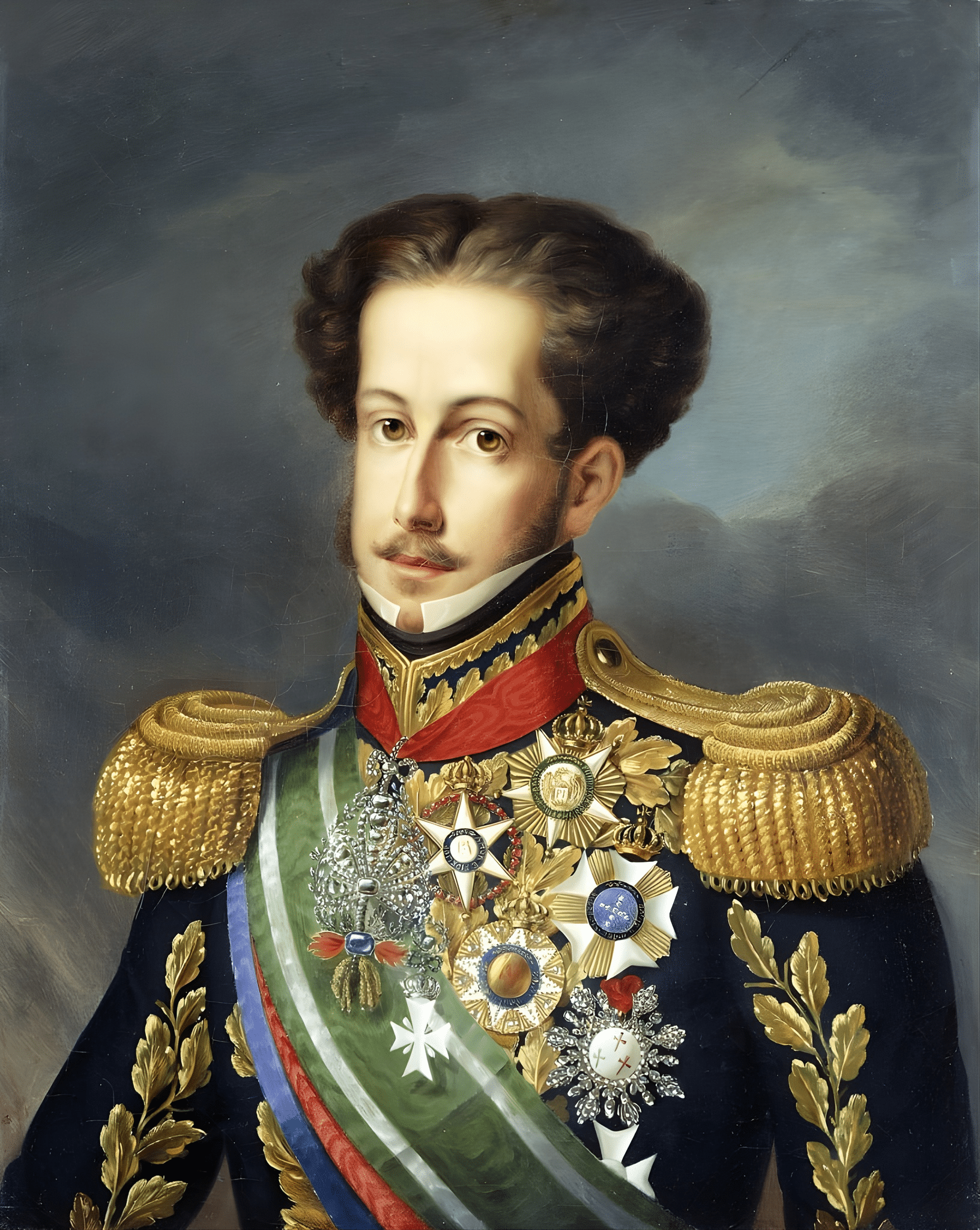
He painted historical paintings and engravings depicting the customs and people of Rio de Janeiro at that time.
6. Painter to the Court of Dom Pedro I
In 1821, with the return of Dom João VI to Portugal, Jean-Baptiste Debret began serving Dom Pedro I, from whom he received the Commendation of the Order of Christ. In 1829 and 1830, the first two art exhibitions were held in Brazil.
In 1831, with the abdication of Dom Pedro I, Debret returned to France, after 15 years in Brazil, taking Manuel de Araújo Porto Alegre with him so that he could perfect his skills in Paris.
The 350 originals of Debret’s engravings made in Brazil are preserved at the Castro Maia Foundation in Rio de Janeiro. The oil paintings are housed at the National Museum of Fine Arts, also in Rio de Janeiro.
7. Book Picturesque and Historical Journey to Brazil
Between 1834, 1835 and 1839, Jean-Baptiste Debret published his monumental work, “Picturesque and Historical Journey to Brazil,” in three volumes. In the first volume, he portrays indigenous culture. In the second, he focuses on the relationship between whites and slaves. In the third volume, Debret devotes himself to the court and popular traditions, always accompanied by explanatory texts that enrich the illustrations and historical context.
8. Works by Jean-Baptiste Debret



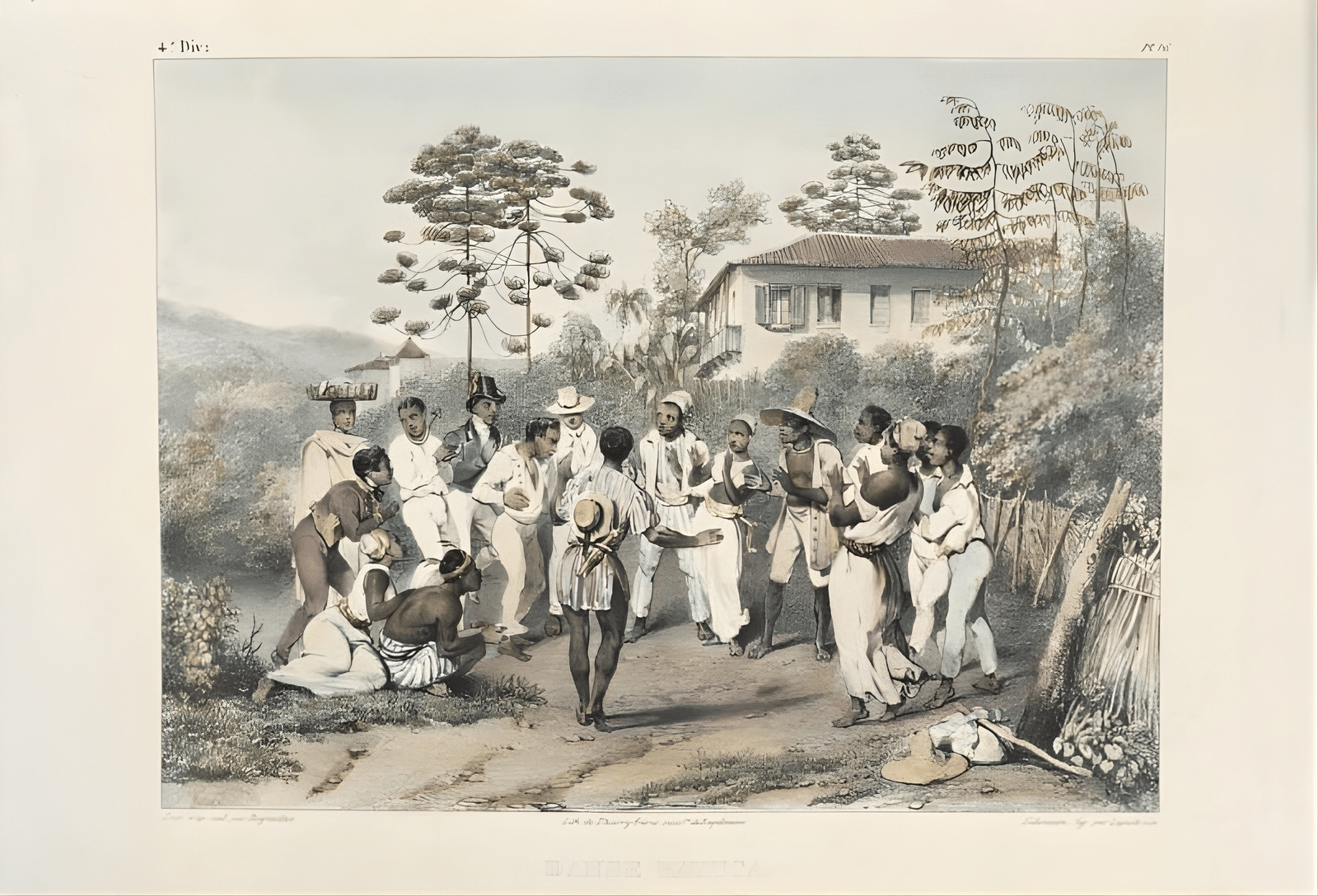
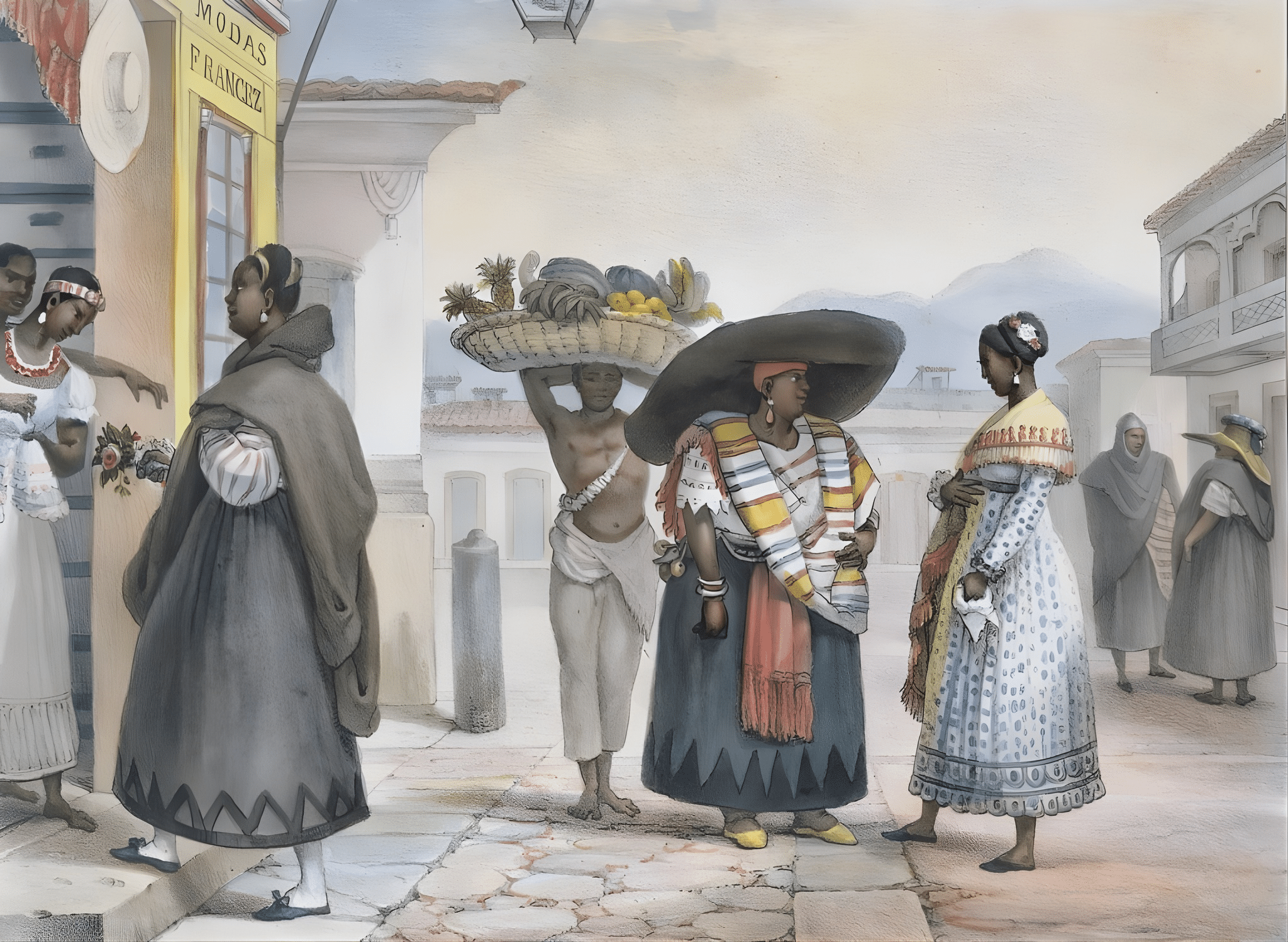
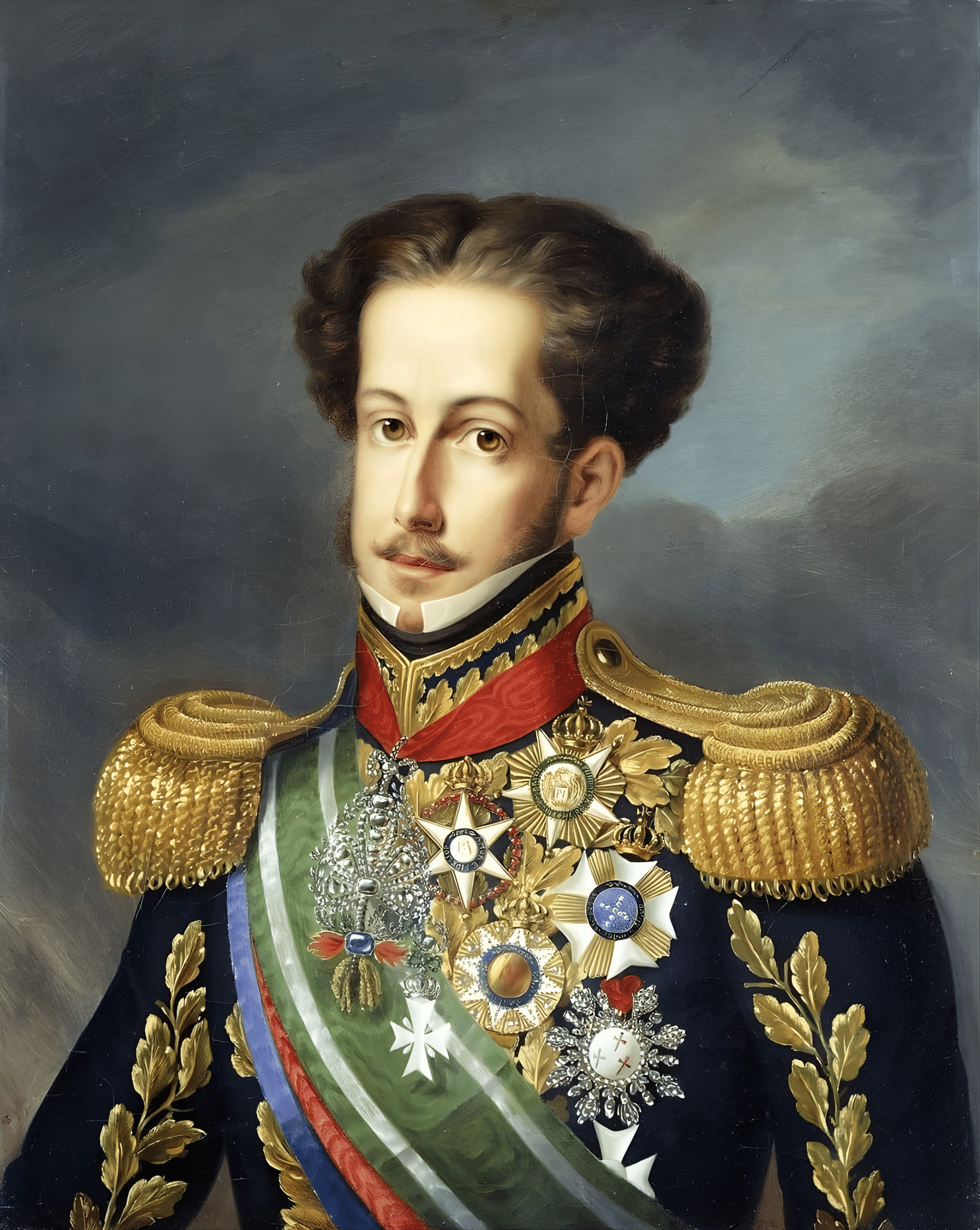
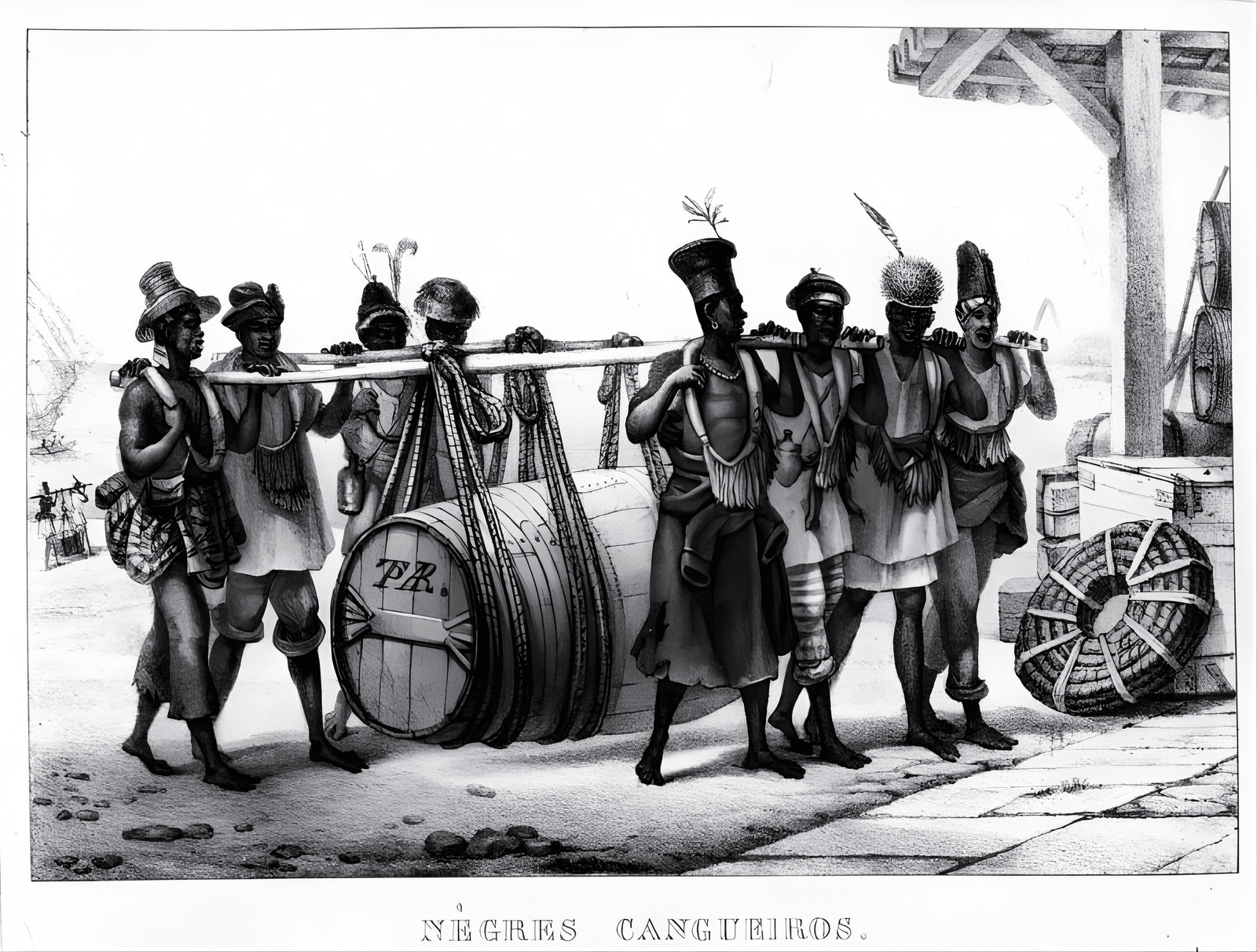


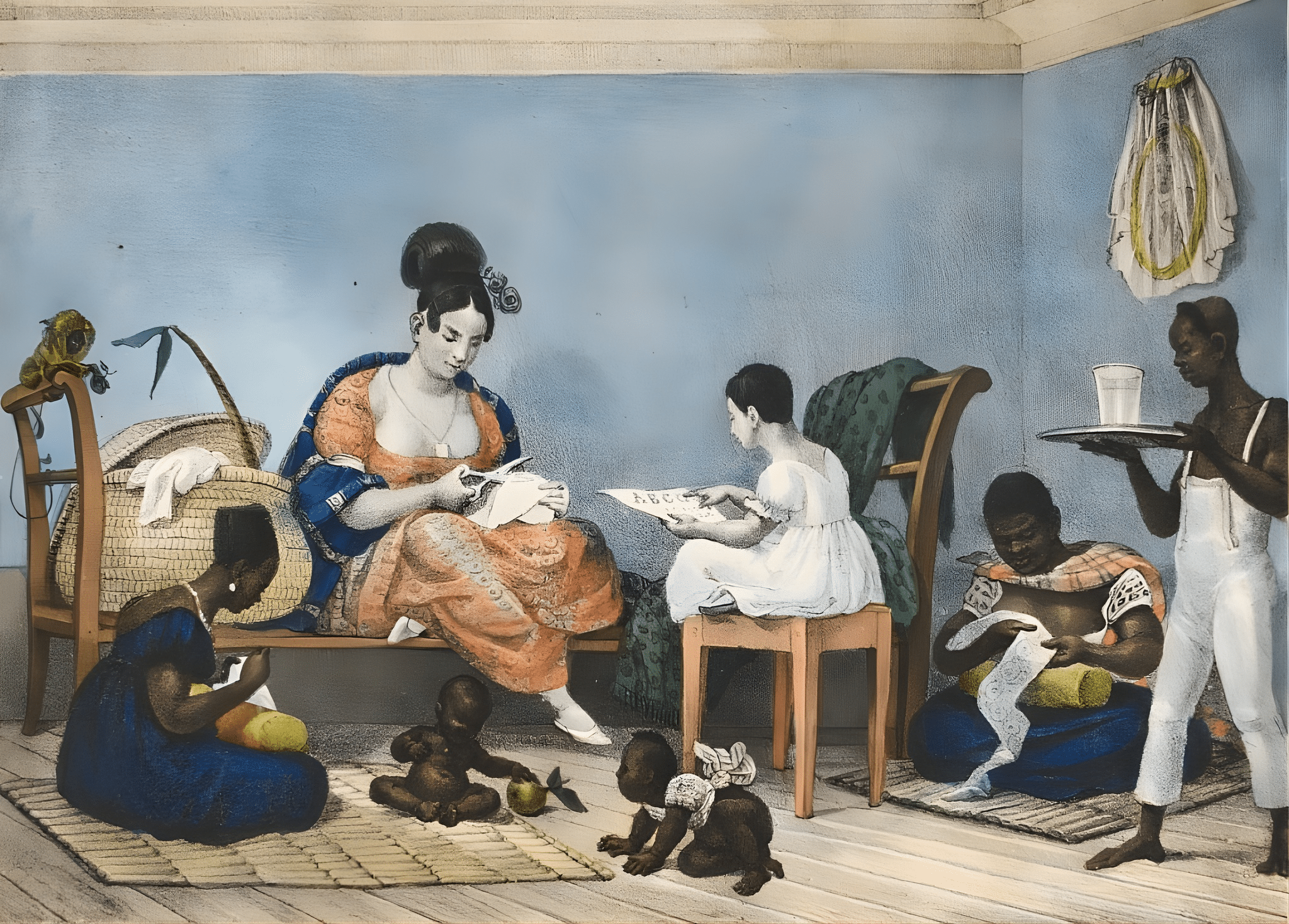
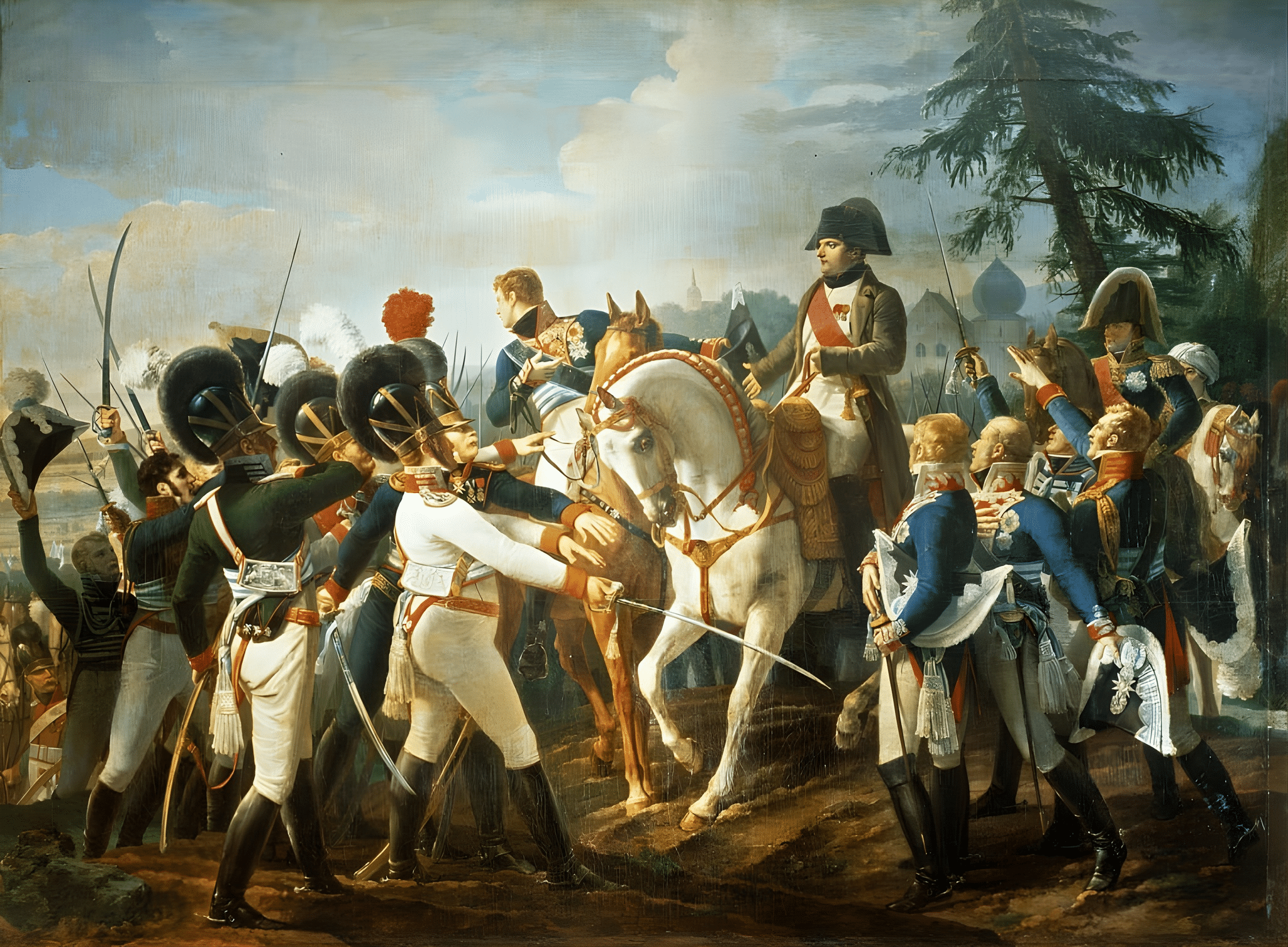
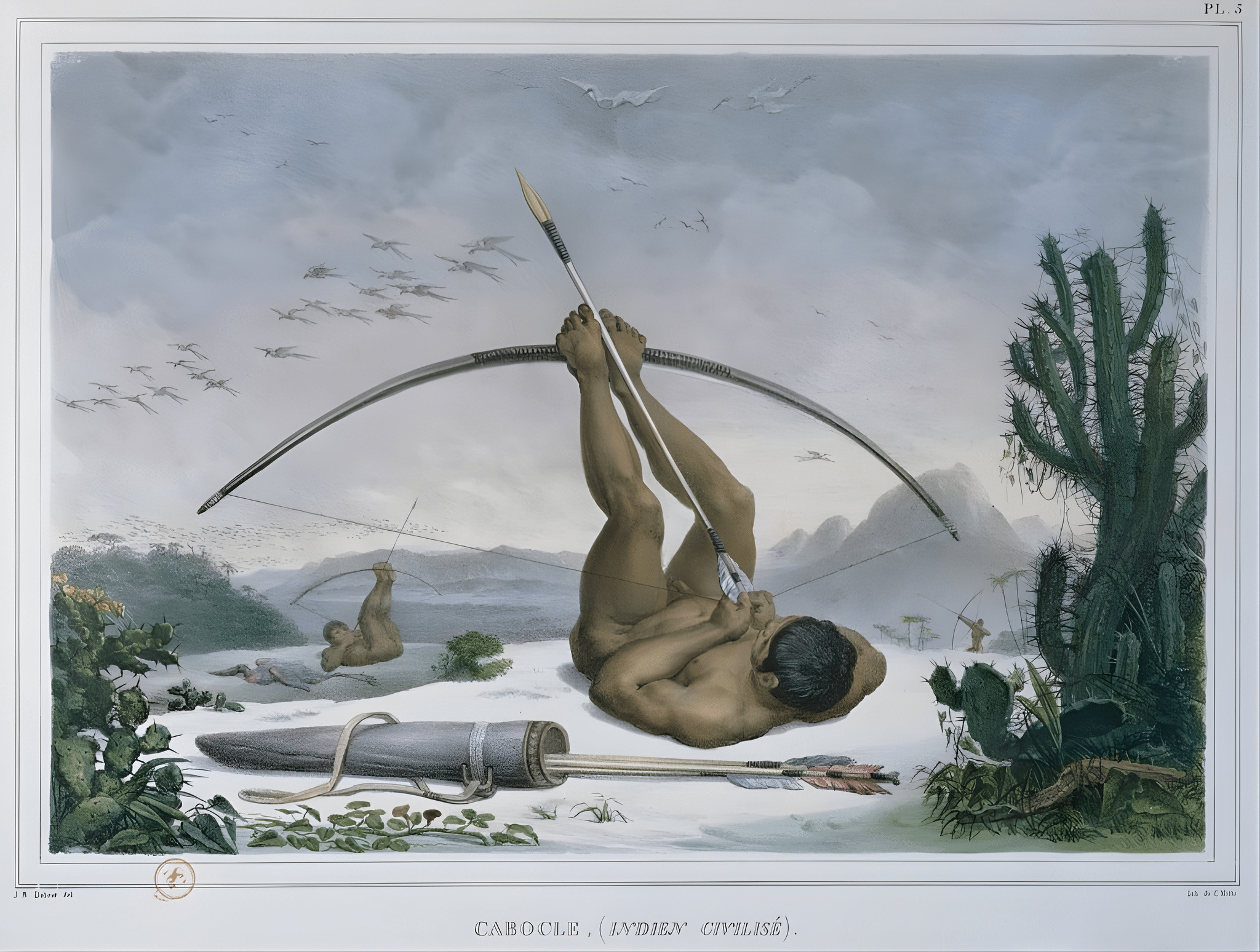
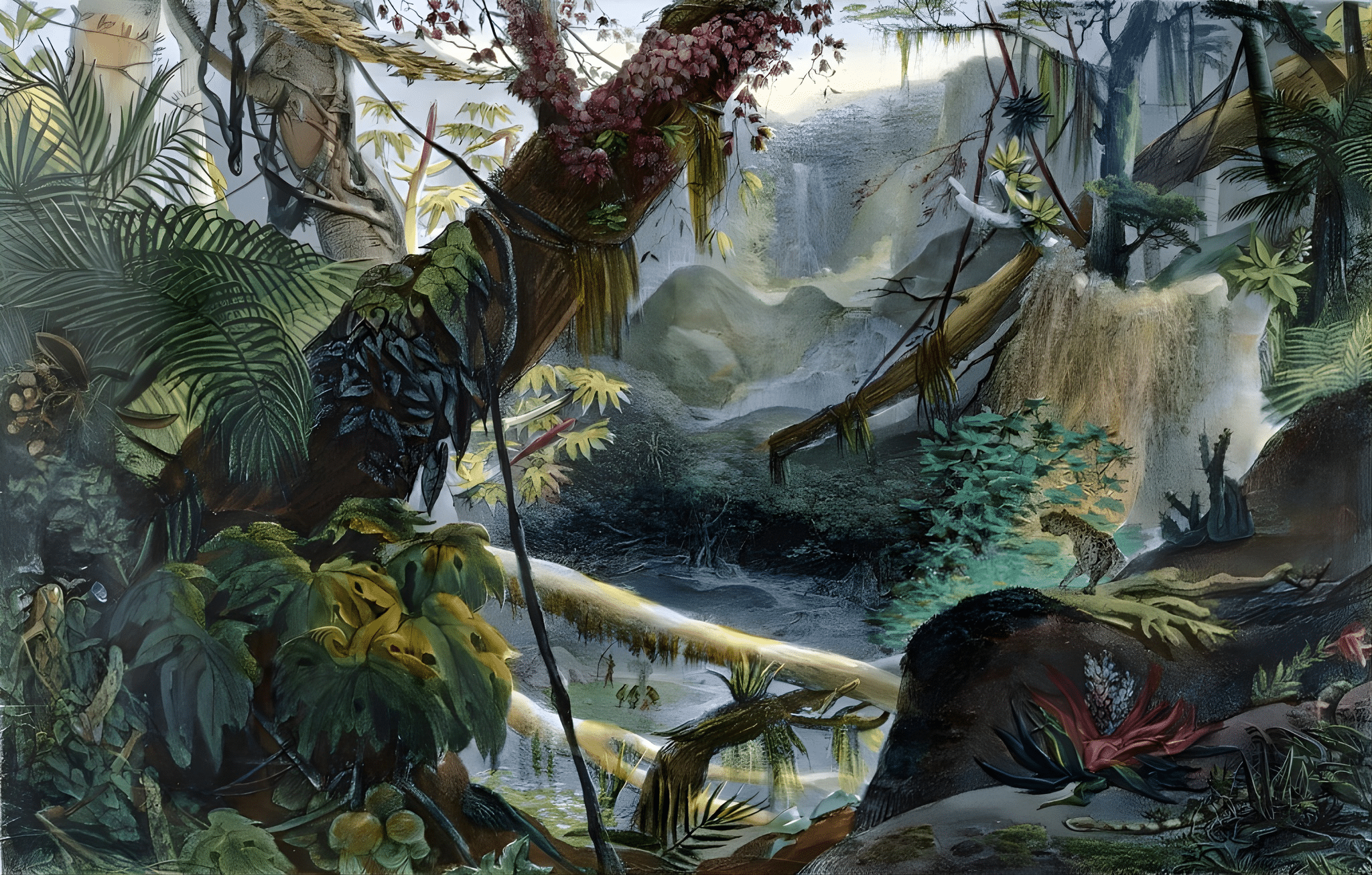
Biography and works of Jean-Baptiste Debret

Publicações Relacionadas
Extreme sports in the Northeast of Brazil: Destinations not to be missed
Geography and Climate Regions of Northeast Brazil
Lampião and Cangaço: Between history and mythology
Música, Ritmos e Danças do Nordeste do Brasil
History and Chronology of the Portuguese Tile Industry
Monte Santo in Bahia: History and Religious Tourism
Colours of houses and buildings in the colonial architecture of the northeast
History of the indigenous peoples of Bahia
Influences and main dishes of northeastern cuisine
History of Afro-Brazilian Religions: Candomblé and Umbanda
Plastic Arts of the Northeast: A Cultural Journey
Northeastern Literature: A Rich Cultural Tapestry
História e Evolução do Trio Elétrico no Carnaval
Biography of Victor Meirelles and analysis of the work "The First Mass in Brazil"
Bobbin lace and embroidery: predominant handicrafts in Ceará
Popular Art from the Northeast of Brazil
History of Northeast Brazil - Chronology and Summary
History and Chronology of the Carnival of Salvador de Bahia
José Américo de Almeida: A Brazilian Literary Icon
Woodcuts and Cordel Literature in Northeastern Brazil
Brazil’s Northeast: Must-See Tourist Destinations
Discover the History of Capoeira in Salvador
June festivals: Tradition and Culture in the Northeast of Brazil
Historic Towns in the Northeast: Explore the Past
Graciliano Ramos: The life and work of the Brazilian writer
Rural Maracatu: A carnival tradition in the interior of Pernambuco
São Jorge dos Erasmos Sugar Mill: A Landmark in Brazil
Franciscans in Brazil: Urban, architectural and artistic heritage
Iemanjá: Discover the Orixá and the Traditional Festival in Salvador
Maranhão's handicrafts have more than 400 years of tradition
King Momo, Pierro, Harlequin and Colombina - Carnival characters
Turban is Religion, Fashion and Culture in Brazil and the World
European architecture - chronology, styles and characteristics
Candomblé: A Blend of African and Catholic Traditions
Itineraries focused on religious tourism in Salvador, Bahia
Diógenes Rebouças and His Architectural Legacy
This post is also on:
 Português
  English
  Deutsch
  Español
  Français