Fernando de Noronha is an archipelago brimming with stunning beaches, each with its own unique characteristics.
Some beaches are ideal for diving, others for swimming, relaxing, surfing, and other activities.

Video about the beaches of Fernando de Noronha

Praias de Fernando de Noronha05:20
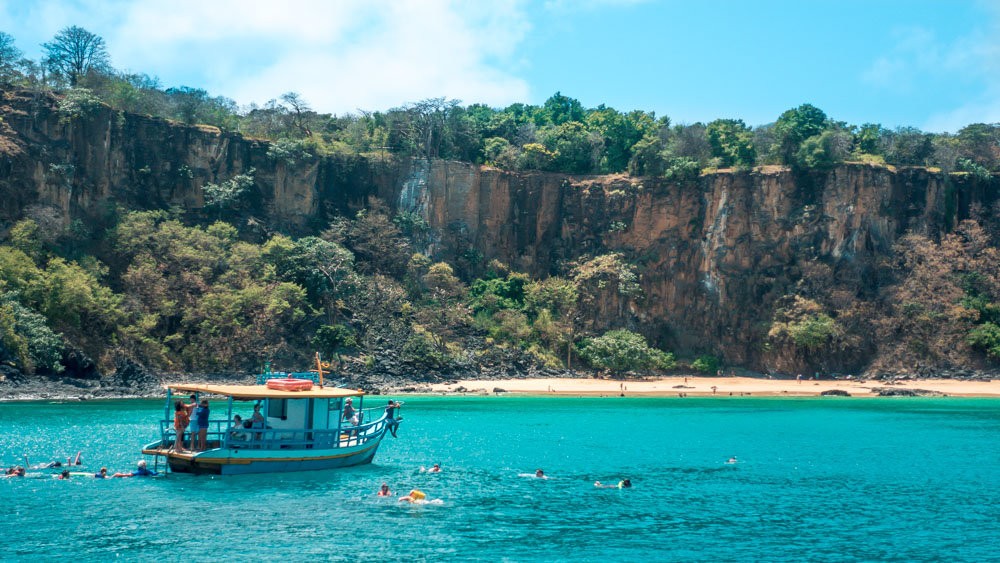
Fernando de Noronha Pontos Turísticos 107:00
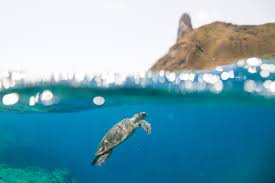
Fernando de Noronha Pontos Turísticos 205:28

See the map of the beaches of Fernando de Noronha

Beaches of Fernando de Noronha
Geographical Division: Inner Sea and Outer Sea
The beaches of Noronha are divided into two regions:
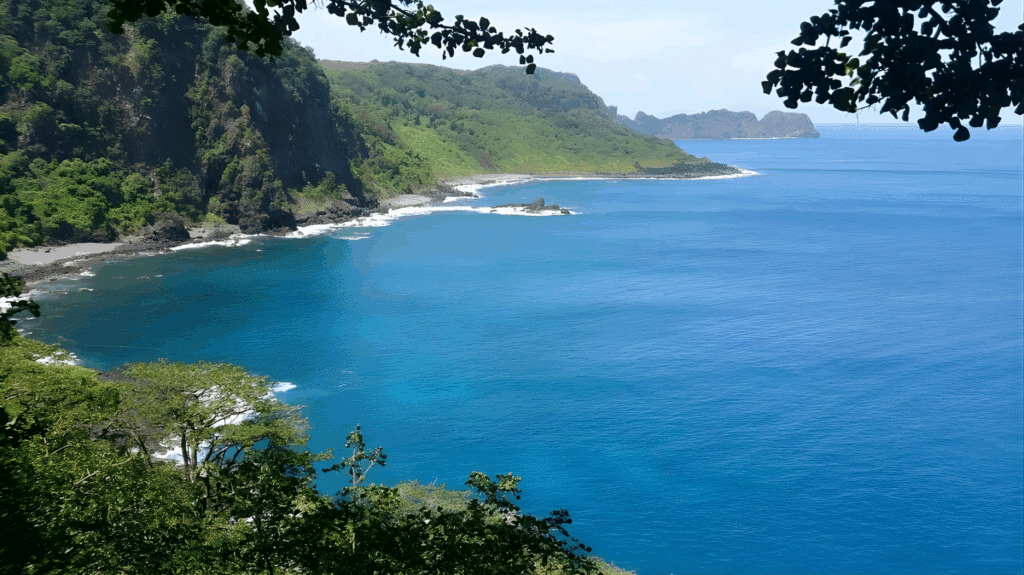
- Mar de Dentro: Facing Brazil, with calmer waters between April and November, ideal for swimming and diving.
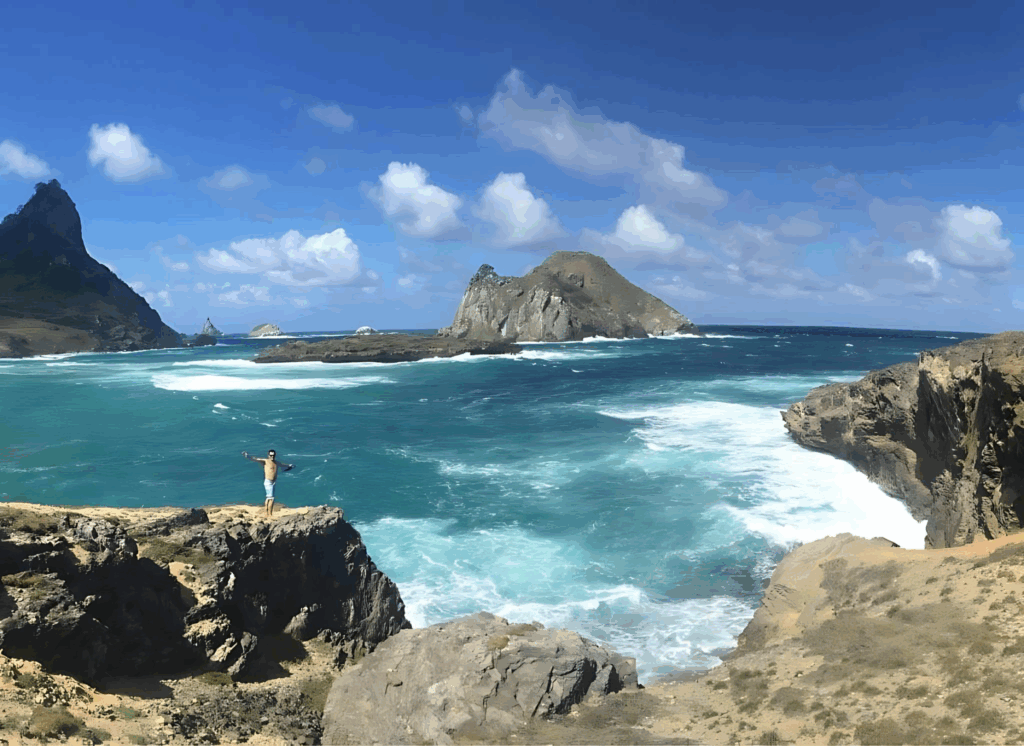
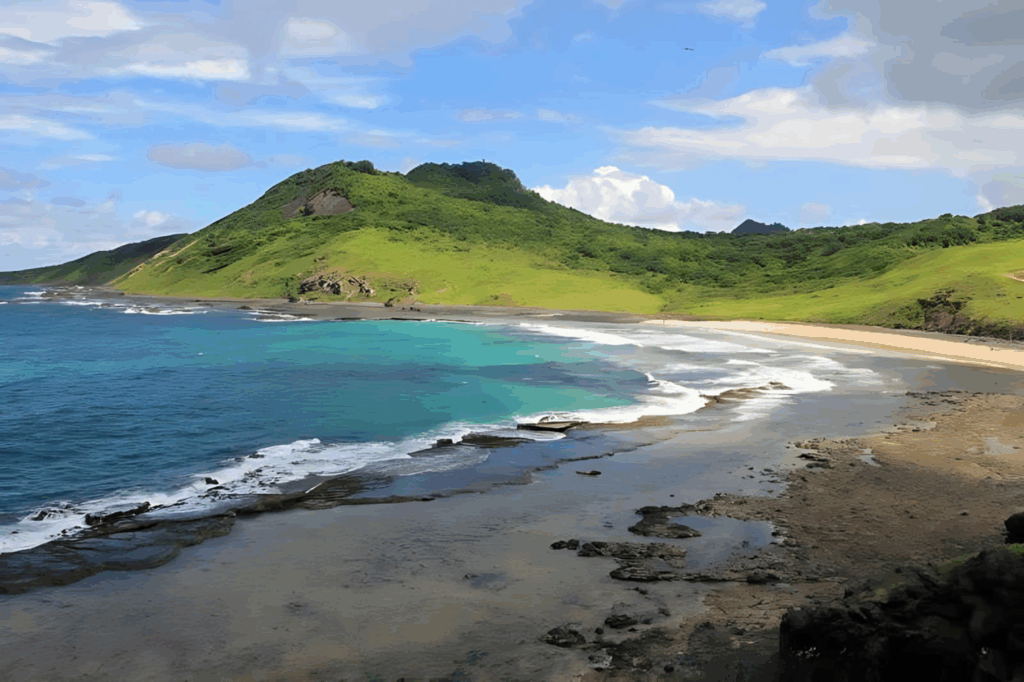
- Mar de Fora: Facing the Atlantic Ocean, with rougher seas, making it ideal for surfing, especially between January and February.
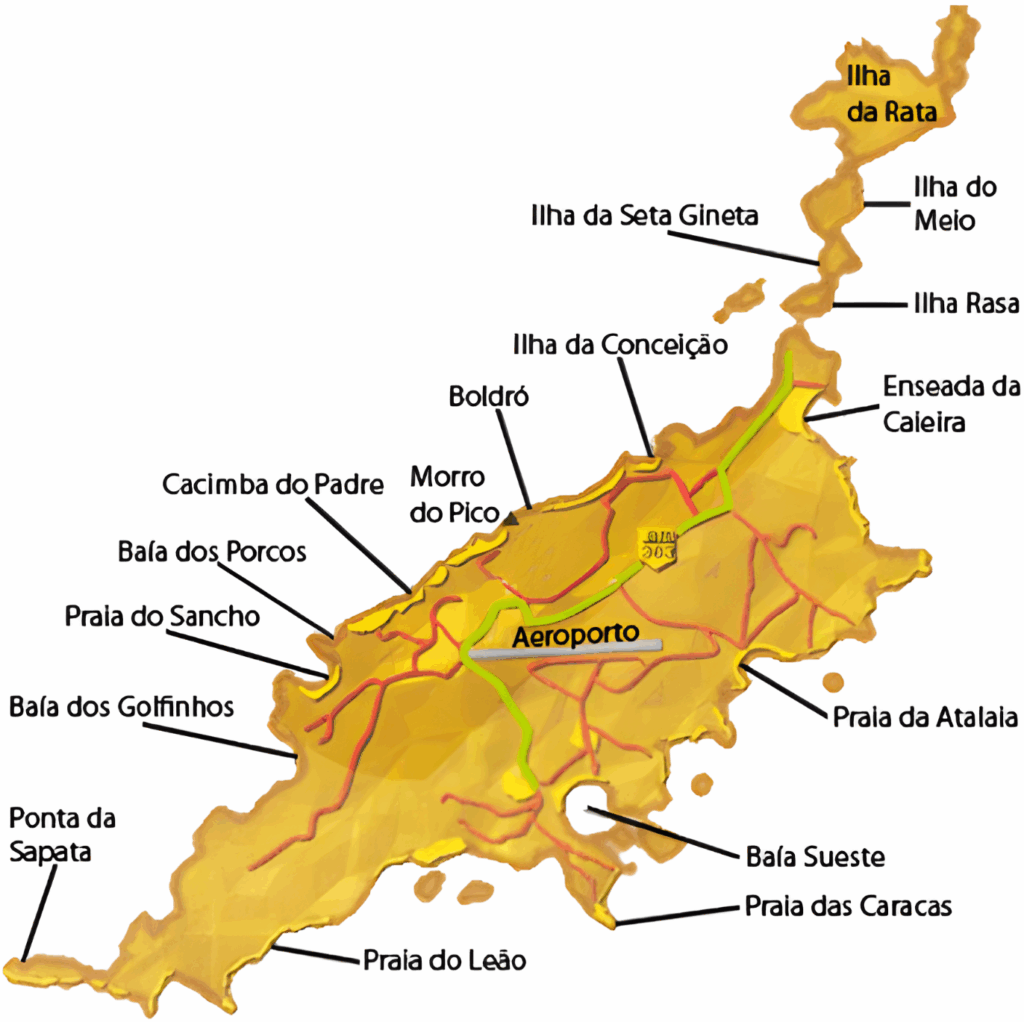
Beaches of the Mar de Dentro
- Santo Antônio Bay and Harbour: A natural anchorage used as a port for unloading vessels. Located near Santo Antônio Fort, an important historical site on the island.
- Biboca Beach: Located below Fortaleza dos Remédios, it consists of black volcanic rocks. It is not recommended for swimming, but you can walk along the shore at low tide.
- Praia do Cachorro: Located near Vila dos Remédios, it features a freshwater spring and a natural pool known as Buraco do Galego.
- Praia do Meio: A small beach between Cachorro and Conceição, with calm waters at low tide and choppy waters at high tide.
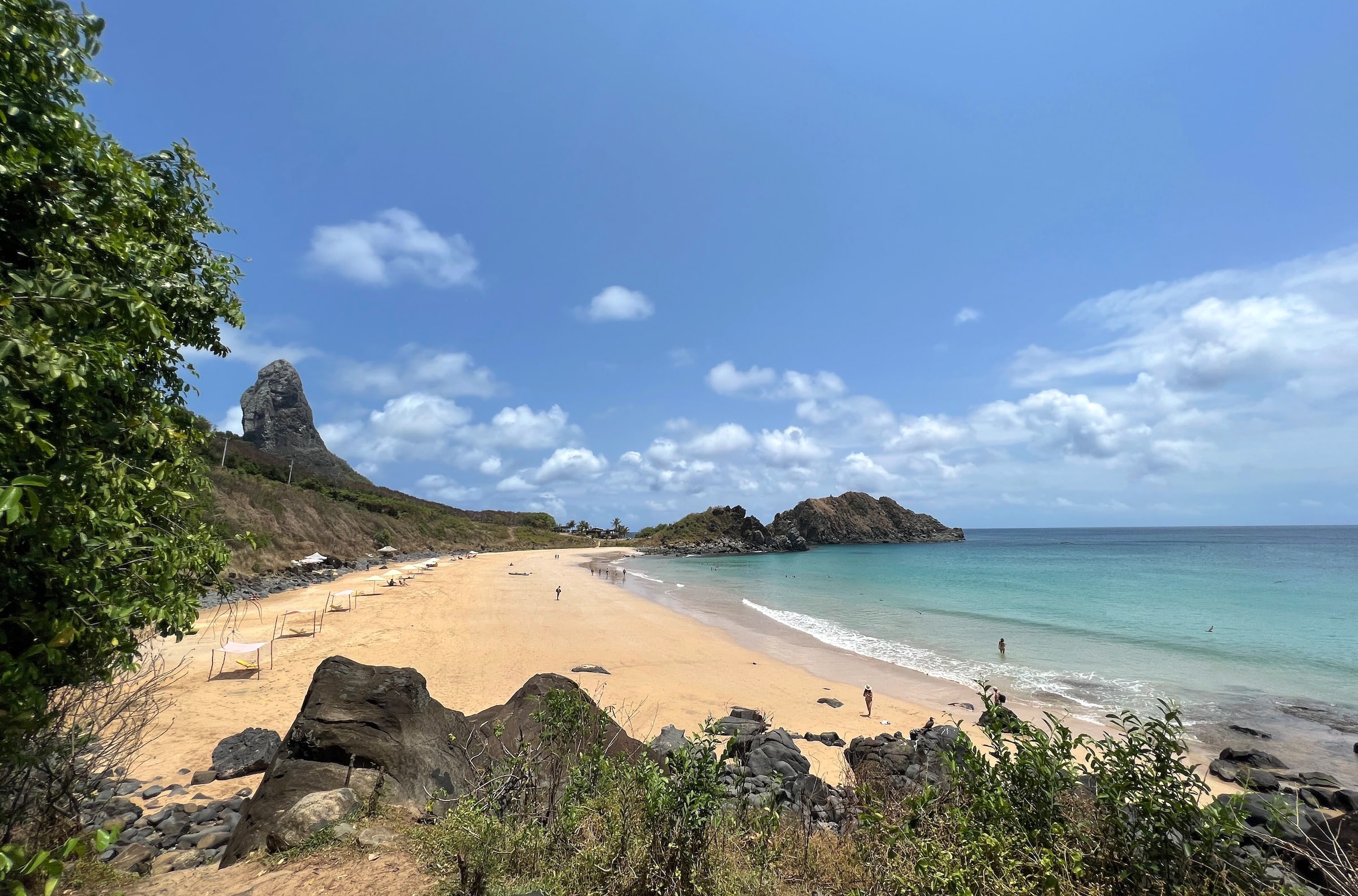
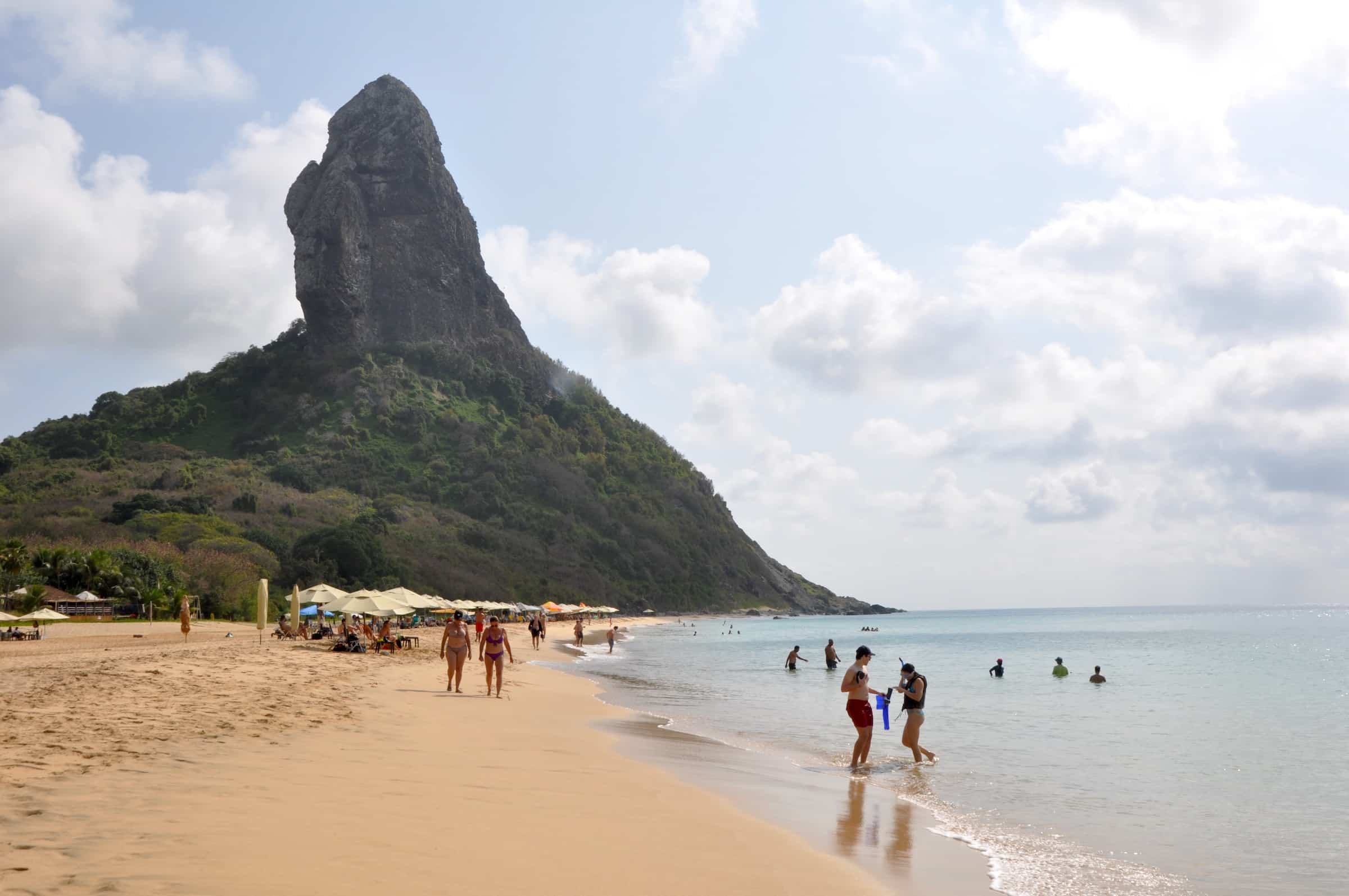
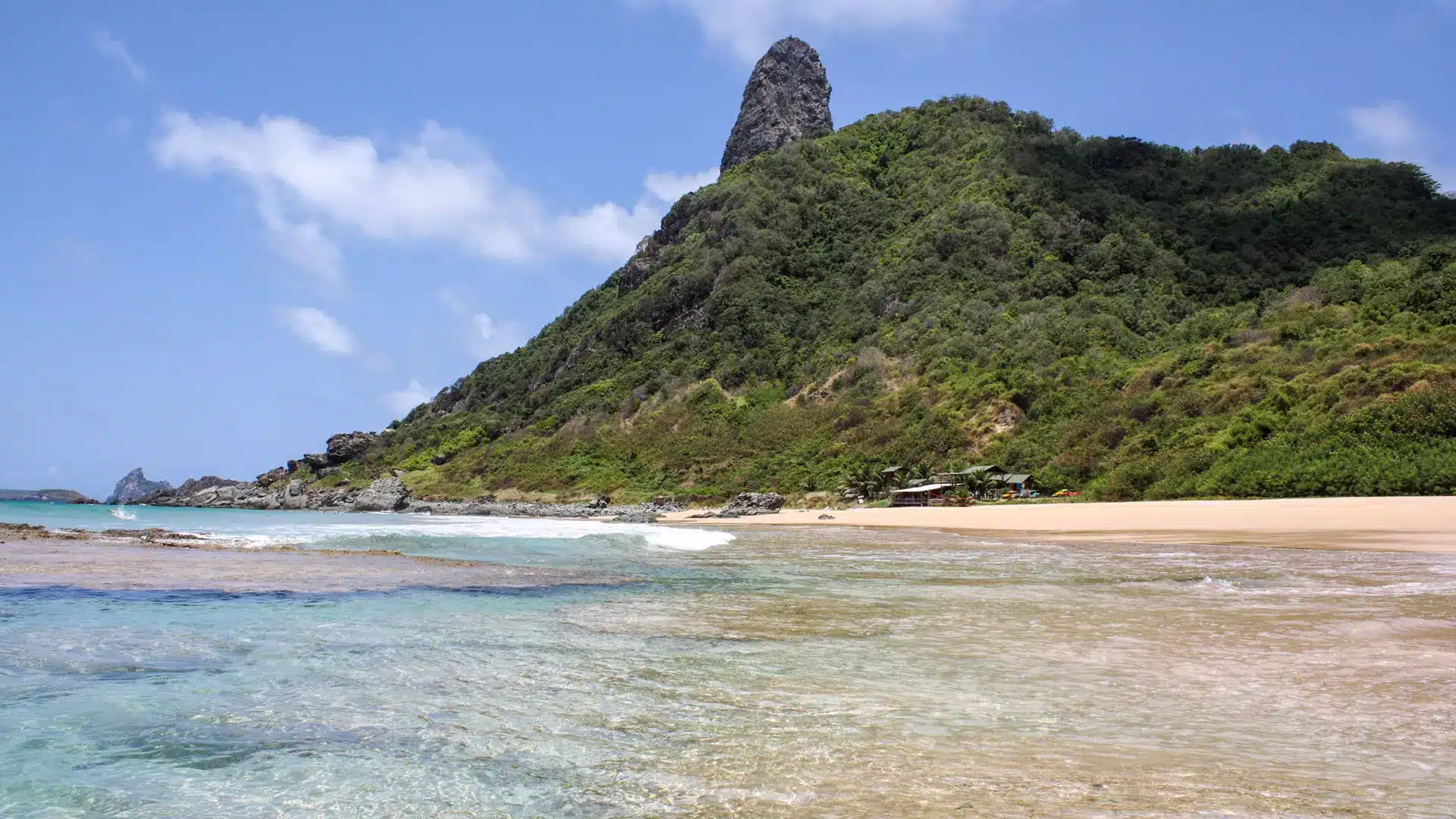
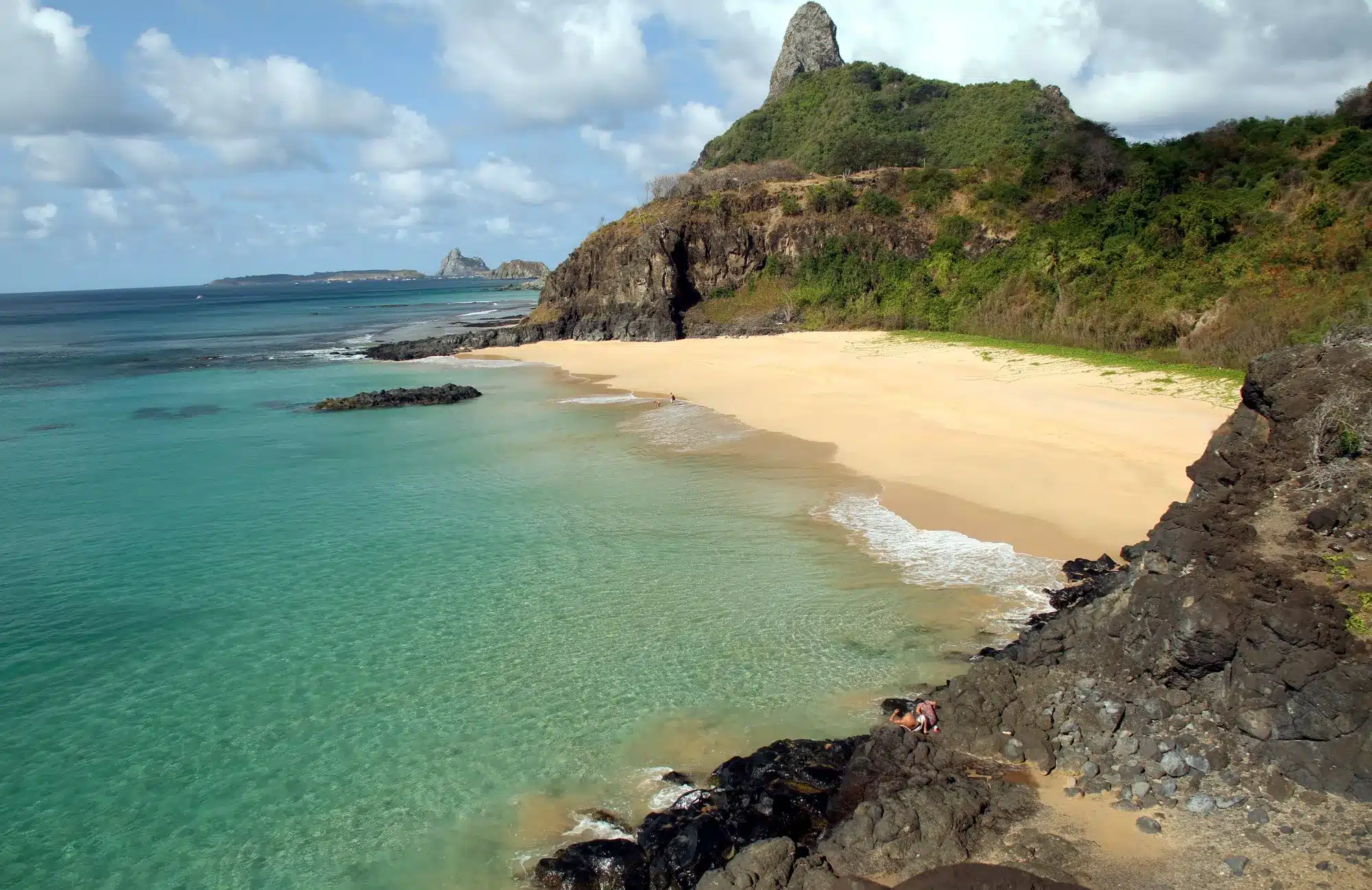
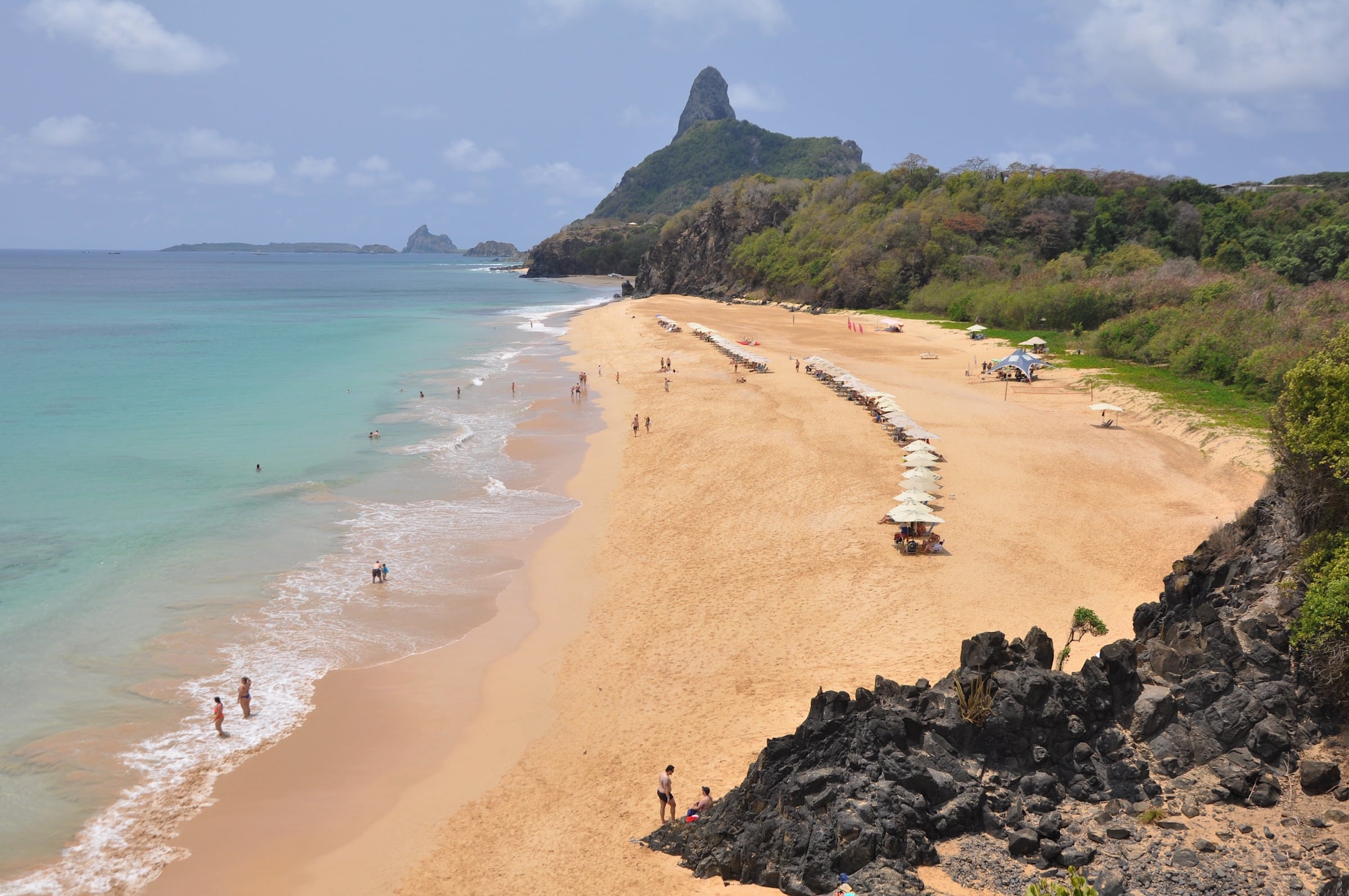
- Conceição Beach (Italcable): At the foot of Morro do Pico, this is one of the most popular beaches, with a long stretch of sand and good waves for surfing at high tide.
- Boldró Beach: Located near the former Telegraph Observation Post, it offers waves ideal for surfing and features the Fort of São Pedro do Boldró as a viewpoint.
- Americano Beach: Small and deserted, it was reserved for military use in the past. Today, it is popular with those seeking privacy.
- Praia do Bode: Accessible via a stony path, it features natural pools and a large rock that serves as a viewpoint.
- Quixabinha Beach: A small beach between Bode and Cacimba do Padre, ideal for swimming at low tide.
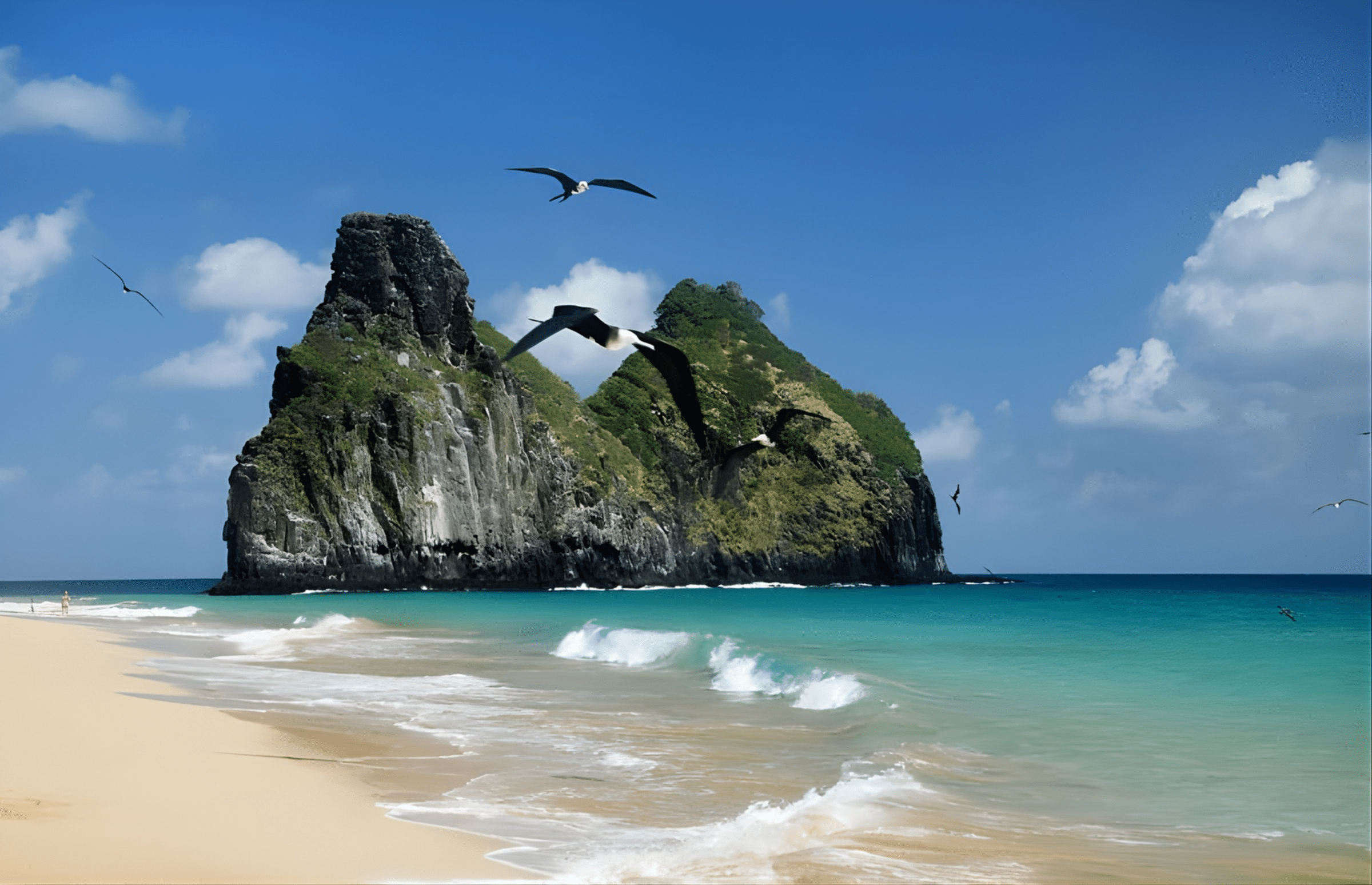
- Cacimba do Padre Beach: One of the longest beaches, famous for Morro Dois Irmãos. Excellent for surfing and diving.
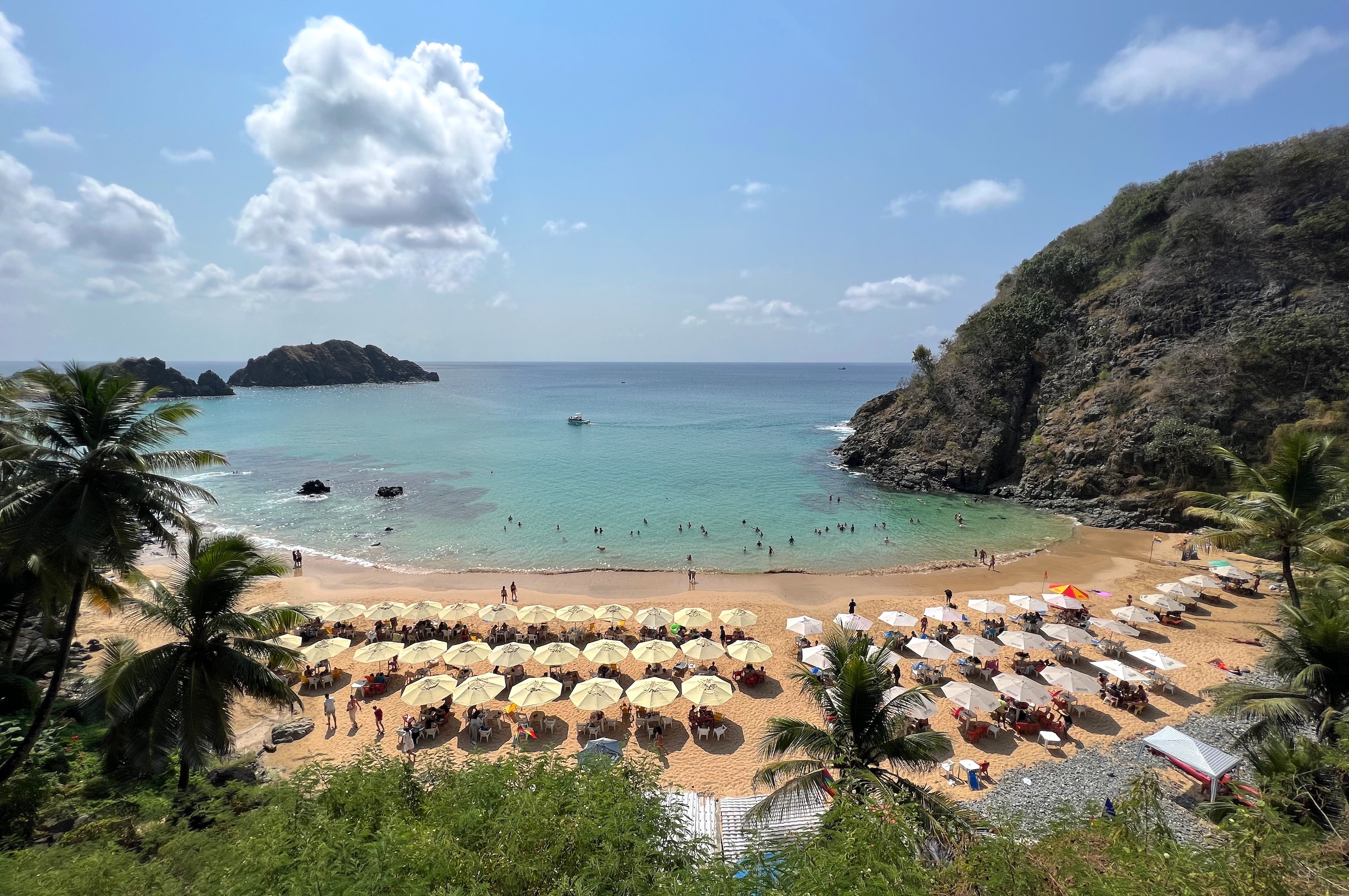
- Baía dos Porcos: A small cove surrounded by rocks, it forms natural pools teeming with colourful fish, with Morro Dois Irmãos as a backdrop.
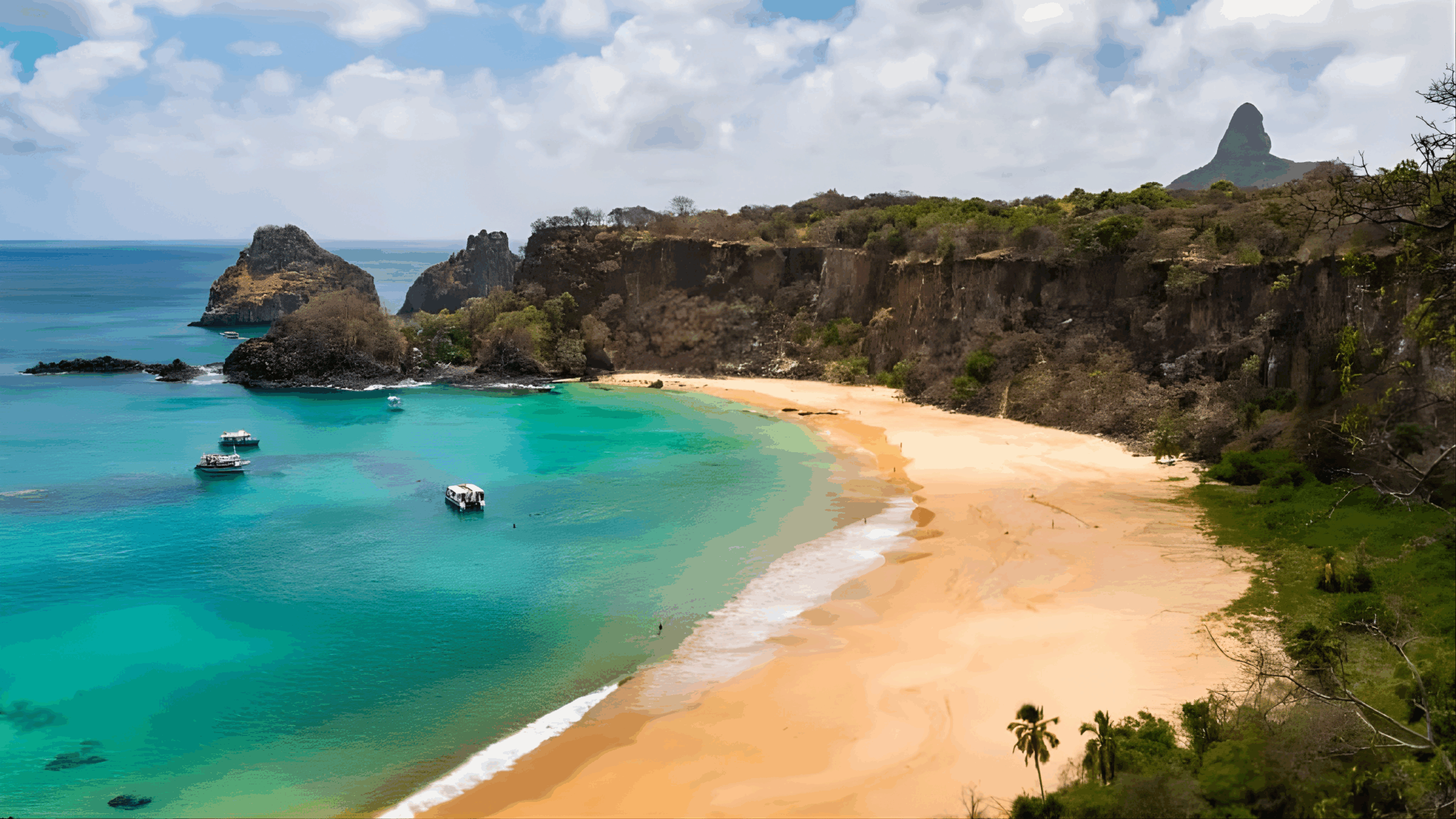
- Sancho Bay: Considered one of the most beautiful beaches in the world, with crystal-clear waters and abundant marine life. Access is via a flight of steps through gaps in the rock.
- Dolphin Bay (Carreiro de Pedra Cove): A breeding and resting ground for spinner dolphins. Access to the bay is prohibited, but the dolphins can be observed from the Dolphin Viewpoint.
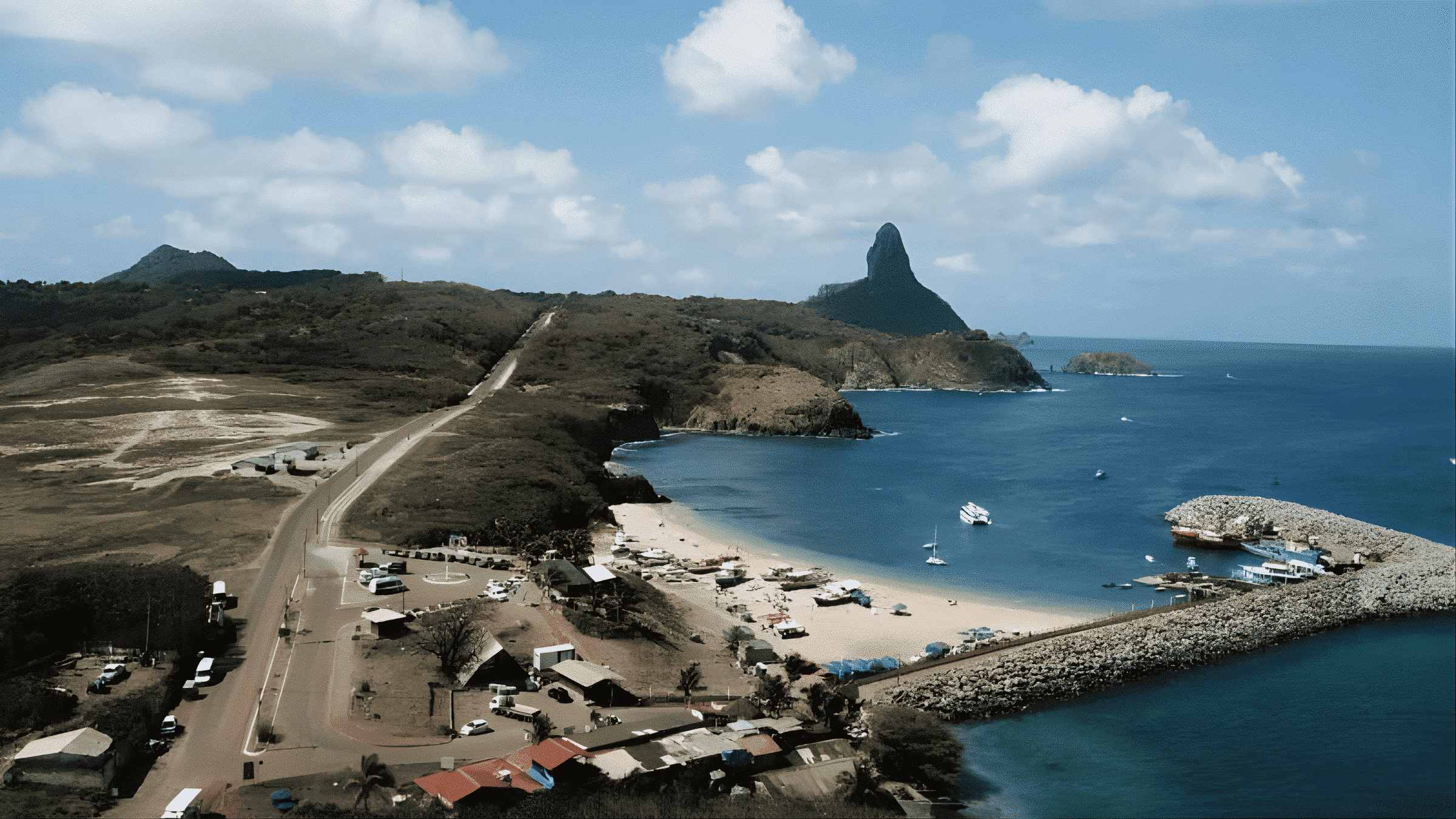



Beaches of Mar de Fora
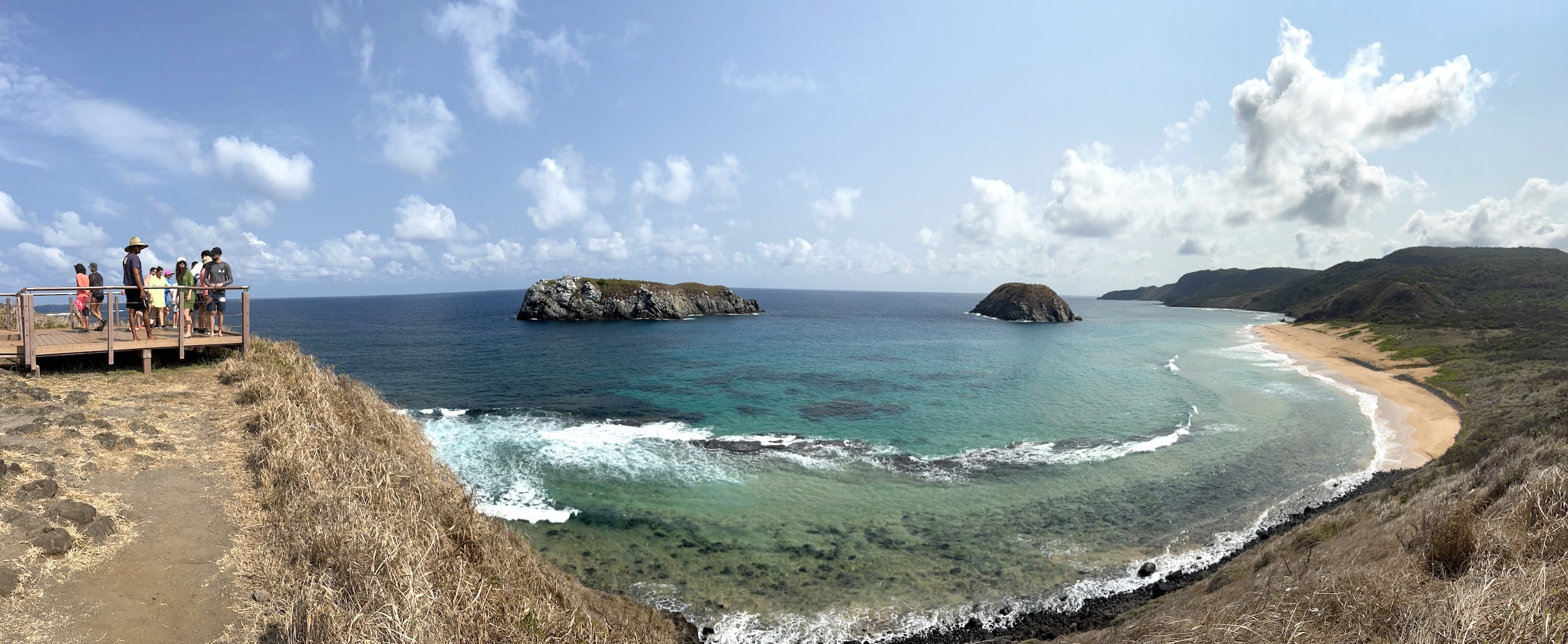
- Praia do Leão: Known for the large number of nesting sites for sea turtles, particularly the green turtle. Access is restricted after 6 pm during the nesting season.
- Ponta das Caracas: An area featuring natural pools nestled amongst the rocks; access is currently restricted due to the dangers of the descent.
- Sueste Bay: With its calm waters, it is one of the best spots for snorkelling and sea turtle watching. It is home to the only mangrove forest on an oceanic island in the South Atlantic.
- Atalaia Beach: Access is restricted, with only 30 people allowed in at a time. At low tide, it forms a large natural pool teeming with marine life.
- Caeira Cove: An area of natural pools surrounded by dunes, with steep, controlled access.
- Buraco da Raquel: A tranquil spot with shallow pools and colourful fish. Access is prohibited to protect the environment.
- Ponta da Air France: A historic site where the French settled in the 1920s. It is not a bathing area, but offers views of the point where the Inner Sea meets the Outer Sea.

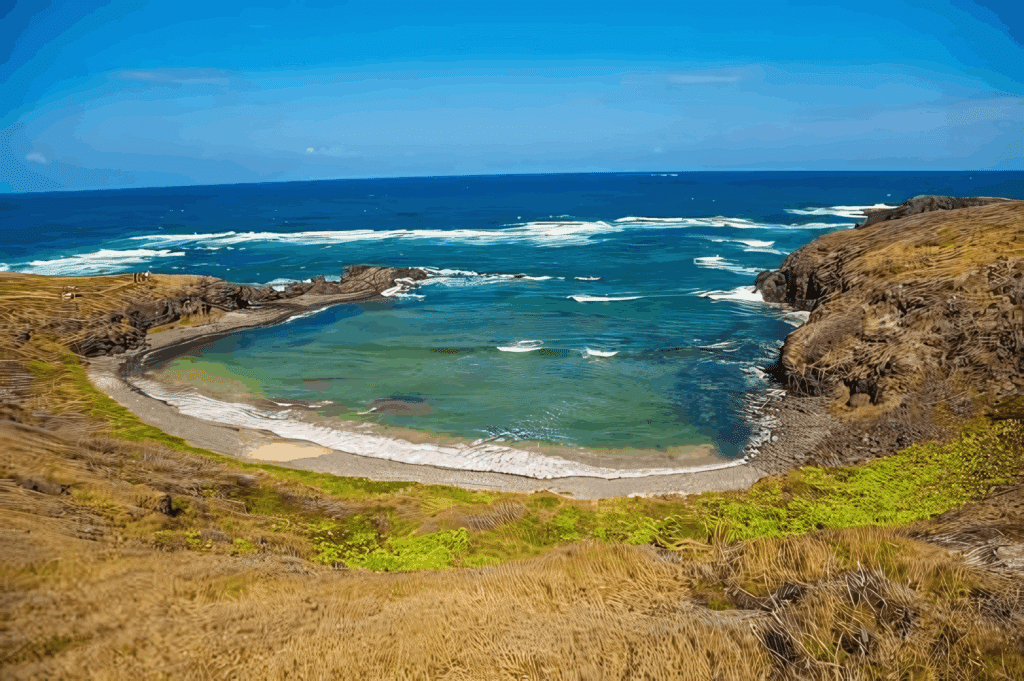
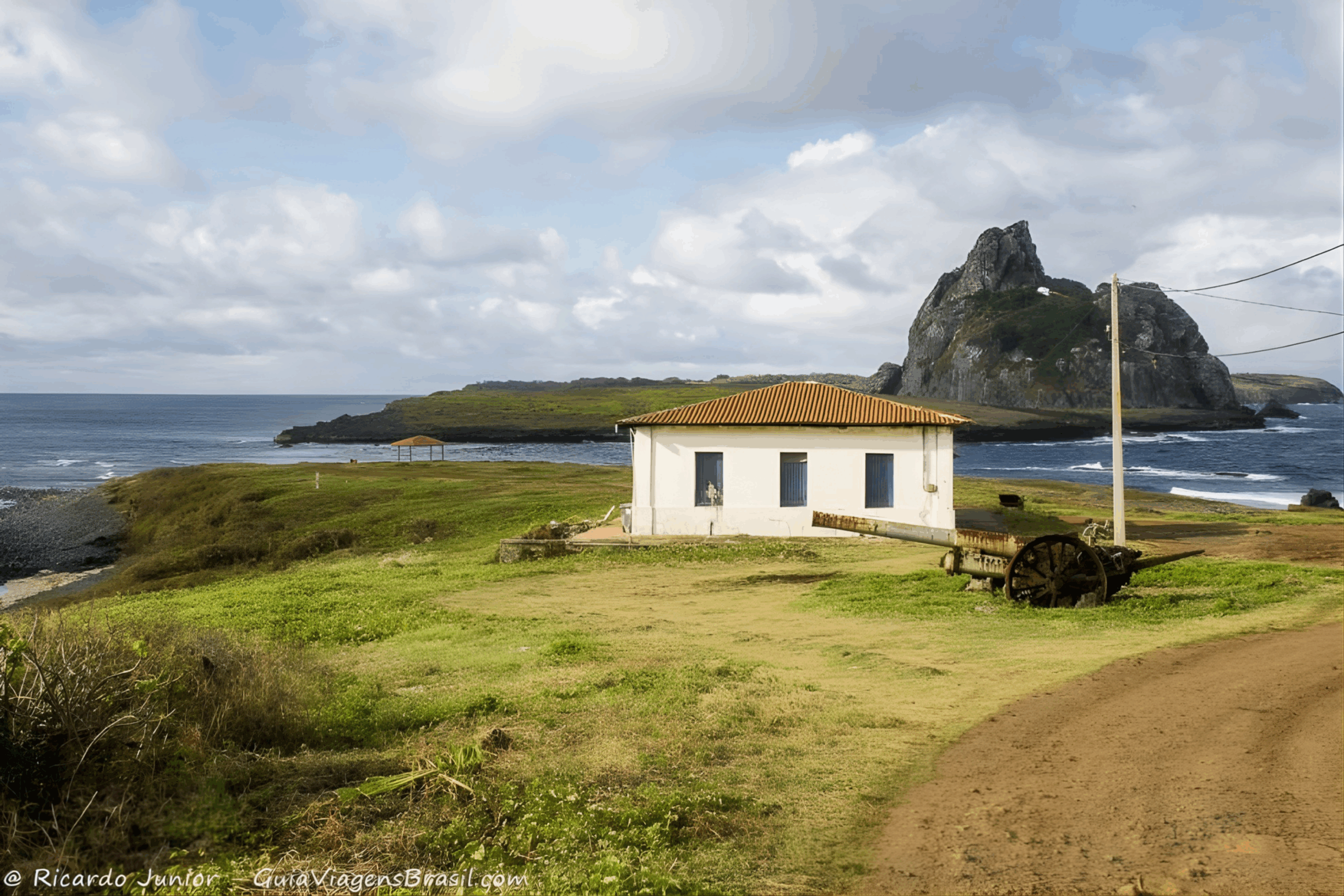
Tourist Guide to the Fernando de Noronha Archipelago

Publicações Relacionadas
Rio do Fogo, RN: Beaches, Parrachos and Paradise-like Lagoons
Rio Grande do Norte Dunes: Buggy Tours and Adventure
7-Day Itinerary in Rio Grande do Norte: Natal, Pipa and Maracaja
Seridó, Rio Grande do Norte: A Comprehensive Tourist Guide
Galinhos, RN: A Complete Tourist Guide — Beaches, Lighthouse and Dunes
Beaches of Fernando de Noronha: A Visitor's Guide
Barra do Cunhaú: things to do, beaches, kitesurfing and nature in Rio Grande do Norte
Rio Grande do Norte: Your Ultimate Travel Guide
Natal, RN: Complete Travel Guide — Beaches, Dunes, and Nightlife
The History of Fernando de Noronha: Geography and Heritage
The North Coast of Rio Grande do Norte: an unmissable 8-day itinerary
How to get there, when to go and what to do in Fernando de Noronha?
São Miguel do Gostoso: A Windsurfing Paradise
Nísia Floresta (RN): Beaches and Lagoons of Rio Grande do Norte
The North Coast of Rio Grande do Norte: A Guide to the Beaches
Tibau do Sul and Pipa Beach (RN): A Comprehensive Travel Guide
8-Day Itinerary in Rio Grande do Norte: Beaches and Culture
Sibaúma Beach — a rustic retreat on the southern coast of Rio Grande do Norte
Maracajaú Beach (RN): Parrachos and the Brazilian Caribbean
Statue of Saint Rita of Cascia in Santa Cruz, RN: faith, religious tourism and devotion in RN
The Southern Coast of Rio Grande do Norte: Beaches and Lagoons
The sinking of the corvette Ipiranga off Fernando de Noronha
Surfing in Fernando de Noronha — Guide to Spots, Season and Tip
Pipa Beach | Pipa Guide (Tibau do Sul) — Beaches and excursions
Spinner Dolphins in Fernando de Noronha: A Guide
Diving in the Fernando de Noronha Archipelago
This post is also on:
 Português
  English
  Deutsch
  Español
  Français