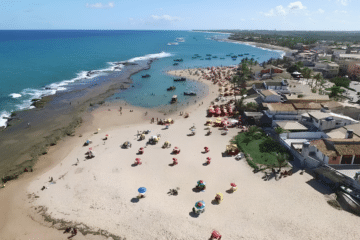
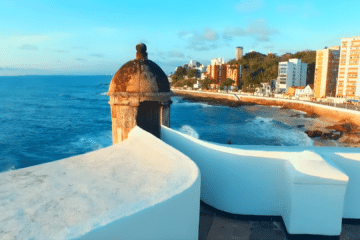
The southern coast of Rio Grande do Norte: beaches, lagoons and must-see attractions
The southern coast of Rio Grande do Norte boasts some of the most beautiful landscapes in the North-East. With its colourful cliffs, dunes, lagoons, coconut groves, mangroves and beaches with warm waters, the region offers plenty of opportunities to relax, take part in sports, go on buggy rides and visit traditional communities.
The itinerary begins on the outskirts of Natal and continues to the border with Paraíba, passing through well-known destinations such as Pirangi, Nísia Floresta, Tibau do Sul, Pipa, Barra de Cunhaú, Baía Formosa and Sagi. If you’re also planning your first few days in Natal, take a look at our complete guide to Natal or the 8-day itinerary through Rio Grande do Norte.
Sea conditions and the shape of the beaches change with the tide. Therefore, anyone planning to visit natural pools, go on boat trips or take part in water sports should check the tide table and confirm the times with local operators.

How to get to the south coast of Rio Grande do Norte
From Natal onwards, part of the south coast can be reached via the Rota do Sol, the RN-063, which passes by the beaches of Parnamirim and Nísia Floresta. Among the main destinations along the route are Cotovelo, Pirangi, Búzios, Tabatinga, Camurupim and Barreta.
To get to Tibau do Sul and Pipa Beach, you can also use the BR-101 and the state roads leading to the municipality. The route may vary depending on your starting point, road conditions and chosen destination. Check out our complete guide to Tibau do Sul and Pipa for more details.
To explore more secluded beaches, dunes and stretches of sand, it is best to hire a accredited buggy driver or use a 4×4 vehicle. In nature reserves, follow the guides’ instructions and avoid driving over dunes, cliffs or vegetation.
Municipalities on the southern coast of Rio Grande do Norte
The southern coast of Rio Grande do Norte encompasses coastal areas in municipalities such as:
- Parnamirim, home to Cotovelo and Pirangi;
- Nísia Floresta, known for its beaches, lagoons and handicrafts;
- Georgino Avelino, associated with the Malembá region;
- Tibau do Sul, a municipality comprising Pipa, Madeiro, Cacimbinhas and Sibaúma;
- Canguaretama, where Barra de Cunhaú is situated;
- Baía Formosa, a destination offering beaches, Atlantic Forest and lagoons;
- Vila Flor, a town with a rich historical heritage and links to the former region of Cunhaú.
Canguaretama is also of historical importance as it is home to the site of the former Engenho Cunhaú, which is linked to the colonial occupation of Rio Grande do Norte.

Videos: things to do on the southern coast of Rio Grande do Norte


Litoral Sul de Natal RN - Praias, Dunas, Lagoas e mais

Litoral Sul do RN03:36

Praia de Pipa RN06:15
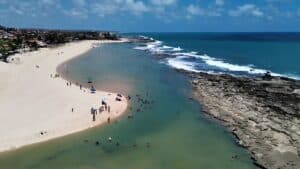
Praia de Barreta – Nísia Floresta

Praia de Sagi RN06:08

Praia de Tabatinga RN03:29

Barra de Tabatinga RN - Mirante dos Golfinhos02:00

Baía Formosa RN03:40

Tibau do Sul - Drone01:34
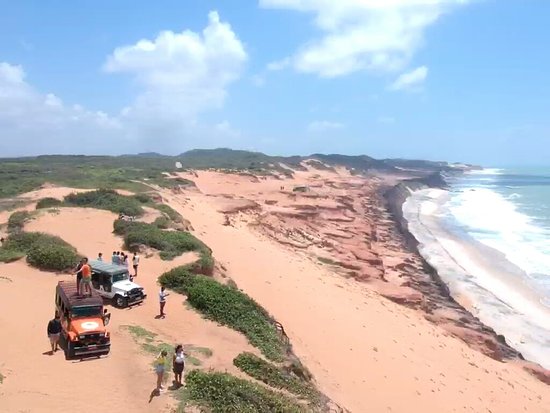
Conheça Praia de Pipa e Tibau do Sul

Praia de Barreta em Nísia Floresta RN07:34

Praia de Búzios RN09:13

Praia de Camurupim RN09:10

Mirante de Cacimbinhas - RN02:39

Praia do Cotovelo RN01:45

Lagoa de Guaraíras RN01:59

Praia de Malembá RN

Praia de Pirangi RN03:48

Praia do Madeiro RN02:51

Praia de Sibaúma RN

Praia do Amor RN02:30
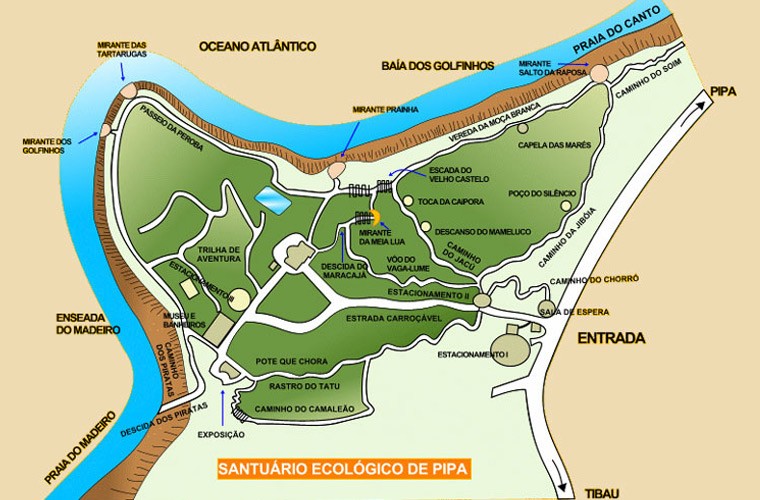
Santuário Ecológico de Pipa RN
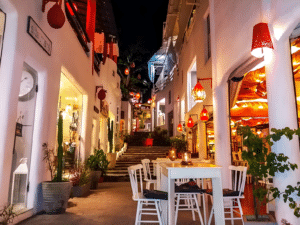
Vilarejo de Pipa e as praias ao redor21:50
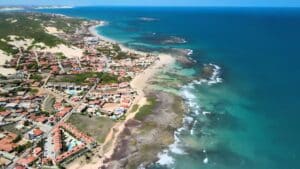
02:01
Top beaches and attractions on the southern coast of Rio Grande do Norte
- Barra de Tabatinga – Nísia Floresta;
- Barra de Cunhaú – Canguaretama;
- Baía Formosa – Baía Formosa;
- Barreta Beach – Nísia Floresta;
- Búzios Beach – Nísia Floresta;
- Camurupim Beach – Nísia Floresta;
- Cacimbinhas Beach – Tibau do Sul;
- Cotovelo Beach – Parnamirim;
- Guaraíras Lagoon – Tibau do Sul;
- Carcará Lake – Nísia Floresta;
- Praia de Malembá – Georgino Avelino;
- Pirangi do Norte and Pirangi do Sul – Parnamirim;
- Madeiro Beach – Tibau do Sul;
- Sagi Beach – Formosa Bay;
- Sibaúma Beach – Tibau do Sul;
- Pipa Beach – Tibau do Sul;
- Praia do Amor – Tibau do Sul;
- Pipa Ecological Reserve;
- Buggy tours and itineraries to the border with Paraíba.
1. Tabatinga Beach and the Dolphin Viewpoint
The Barra de Tabatinga, in Nísia Floresta, combines cliffs, the open sea and stretches of calmer waters. The Mirante dos Golfinhos is one of the most popular spots for taking in the coastal views and, with a bit of luck, spotting dolphins.
The sighting of wild animals depends on natural conditions and cannot be guaranteed. Keep your distance, do not attempt to feed the animals, and follow the guides’ instructions.
The area is also close to Arituba Lagoon, where activities such as kayaking, pedalos and swimming are popular. The availability of equipment, zip lines and facilities may vary depending on the time of year. Find out more in our guide to the beaches and lagoons of Nísia Floresta.

2. Barra de Cunhaú: river, sea and water sports
Located in Canguaretama, Barra de Cunhaú lies where the river meets the sea. The mixing of the waters creates a peaceful setting, particularly in certain sections and at certain times of the tide.
The destination is popular for boat trips, canoeing, motorboating, kitesurfing and other water sports. Before booking, check the operator, the safety equipment and the wind and tide conditions. Find out more in our comprehensive guide to Barra do Cunhaú.

3. Baía Formosa and the Mata Estrela Nature Reserve
Baía Formosa is known for its beaches, which are surrounded by vegetation, and for the Mata Estrela Private Natural Heritage Reserve, one of the most important areas of Atlantic Forest in the state.
The reserve is home to lagoons, sandbanks and a variety of plant and animal species. If you wish to go hiking or visit protected areas, please check in advance the entry rules, whether a guide is required and the permitted visiting hours.
The Araraquara Lagoon, popularly known as the Coca-Cola Lagoon because of the dark colour of its water, is a well-known natural attraction in the region. The colour is linked to the characteristics of the soil and vegetation. Its alleged medicinal properties should not be regarded as proven facts.

4. Praia de Barreta
Barreta Beach, in Nísia Floresta, is popular with those seeking a more peaceful setting, with stretches of sea and mangrove swamps. Kayaking trips and other activities depend on the tide and the services offered by local operators.

5. Búzios Beach
Búzios Beach has a long stretch of sand, beach huts and areas with waves and wind. It is popular with surfers and other water sports enthusiasts, but sea conditions can change rapidly. Please observe the signs and seek advice before entering the water.


6. Camurupim Beach and its natural pools
Camurupim Beach is protected by reefs that form natural pools at low tide. It is one of the best beaches for a peaceful swim, but the pools should only be accessed when conditions are safe and without walking on the coral.
Check the tide table and avoid removing marine life, stepping on the reefs or using products that could harm the marine environment.

7. Cacimbinhas Beach
Located between Tibau do Sul and Pipa, Cacimbinhas Beach is surrounded by cliffs and can be reached via a flight of steps. The viewing point at the top offers a beautiful view of the coastline.
The area is also known for paragliding and wind sports. These activities should be undertaken with instructors and specialist companies, particularly for beginners.

8. Cotovelo Beach
Cotovelo Beach, in Parnamirim, is one of the first stops along the south coast for those travelling from Natal along the Rota do Sol. With cliffs, coconut palms and facilities, it’s a great place to spend the day and enjoy the sea.

9. Guaraíras Lagoon
The Guaraíras Lagoon, in Tibau do Sul, is an estuary of great scenic and economic importance. Boat trips and watching the sunset are among the most popular activities.
The region also has restaurants and food stalls serving fish, prawns and other traditional dishes from the state of Rio Grande do Norte. As with other water-based activities, the trip may be subject to wind, tide and weather conditions.

10. Carcará Lagoon
The Carcará Lagoon, in Nísia Floresta, is known for its clear waters and its setting surrounded by vegetation. It’s a great spot for swimming, kayaking, stand-up paddleboarding and relaxing on the banks of the lagoon.
Facilities may vary. If you’re planning to spend the day there, please check in advance that the establishments are open and bring sun cream, water and insect repellent.

11. Praia de Malembá
Malembá Beach, in the municipality of Georgino Avelino, combines dunes, a long stretch of sand and a more secluded atmosphere. Buggy rides and activities on the dunes are offered by local operators, who always ensure that authorised areas are respected.

12. North Coast and South Coast
The beaches of Pirangi do Norte and Pirangi do Sul, in Parnamirim, are among the best known on the south coast. The region’s main attraction is the World’s Largest Cashew Tree, which can be visited in a dedicated tourist area.
Boat trips to reef areas and natural pools are also common. These itineraries depend on the tide, operators’ authorisation and sea conditions. Please check prices, timetables and facilities before setting off.

13. Madeiro Beach
Praia do Madeiro, in Tibau do Sul, is surrounded by cliffs and vegetation. The beach is accessed via steps, and the spot is popular for surfing, swimming and the chance to spot dolphins.
There is no guarantee you will see any. Do not swim in isolated areas, follow the lifeguards’ instructions and take care when returning via the steps.

14. Sagi Beach and the River Guaju
On the border between Rio Grande do Norte and Paraíba, Praia de Sagi is a fishing village with beaches, dunes and the River Guaju. Raft or boat trips offer the chance to explore the estuary and the mangroves.
Activities such as clay baths and sandboarding may be available through local guides and operators. The colouring of the clay and its uses form part of the tourist experience, but there is no evidence of any rejuvenating or medicinal effects.

15. Sibaúma Beach
Sibaúma Beach, in Tibau do Sul, offers a more peaceful setting, with cliffs, coconut palms and stretches of beach frequented by traditional communities. It’s a good choice for anyone wishing to escape the hustle and bustle of central Pipa and experience a more unspoilt coastal landscape. Read more in our guide to Sibaúma Beach.

16. Handicrafts from Nísia Floresta
As well as its beaches and lagoons, Nísia Floresta preserves traditions linked to handicrafts, lace-making and manual work. Community associations, such as those of the labyrinth weavers of Campo de Santana and the lace-makers of Alcaçuz, help to keep these techniques alive.
Before your visit, please check opening times, addresses and whether the venue is open, as the opening hours of cultural groups and venues may vary.
17. Pipa Beach: the most famous destination on the south coast
Pipa Beach, in Tibau do Sul, is one of the best-known tourist destinations in Rio Grande do Norte. The village boasts guesthouses, restaurants, shops, bars and a lively nightlife, as well as beaches surrounded by cliffs.
Among the most popular activities are boat trips, dolphin watching and walks along the beaches. To protect the landscape, please avoid climbing on unstable sections of the cliffs and obey the safety signs. Check out the full itinerary in our guide to Pipa Beach.

18. Praia do Amor
Praia do Amor is known for its waves, its cliffs and its heart-shaped outline, which can be seen from certain vantage points. The spot tends to attract surfers, particularly when sea conditions are favourable.
At low tide, it is possible to find more sheltered spots for swimming, but it is important to watch out for the currents and not go into the sea in unsafe areas.

19. Pipa Ecological Reserve
The Pipa Ecological Sanctuary is a nature reserve featuring walking trails, viewing points and stretches of Atlantic Forest. The area is ideal for walking and observing the landscape and local biodiversity.
Wear comfortable footwear, take water and insect repellent with you, and follow the local rules. Trails, opening times, admission fees and visiting conditions should be confirmed before your visit.

20. Buggy tour along the southern coast of Rio Grande do Norte
Buggy tours along the southern coast of Rio Grande do Norte take in beaches, cliffs, dunes, lagoons and communities near the border with Paraíba. Some itineraries include Sibaúma, Barra de Cunhaú, Baía Formosa and Sagi.
The duration, route and access to the beaches vary depending on the tide, the condition of the dunes and environmental authorisation. Hire accredited professionals, confirm the itinerary and wear safety equipment.
When is the best time to visit the southern coast of Rio Grande do Norte?
The southern coast of Rio Grande do Norte can be visited all year round, but the weather is generally drier between September and February. Between March and August, there may be periods of heavier rainfall, although there are also sunny days.
To make the most of natural swimming pools and boat trips, the most important thing is to check the tide table. For sports such as kitesurfing, windsurfing and paragliding, also check the wind forecast and the conditions advised by local instructors.
Important tips for travelling along the southern coast of Rio Grande do Norte
- Check the tide table before visiting natural pools and reefs.
- Wear sun cream, a hat, and bring water and suitable footwear for walking on trails and stairways.
- Do not walk on the coral, do not collect shells and do not feed wild animals.
- Avoid going near the edge of the cliffs, particularly after rain or in places where there is no protection.
- Choose licensed buggy drivers, guides and companies for buggy tours, boat trips and extreme sports.
- Check the opening times, prices, how to get there and operating hours of the attractions before you set off.
- On more secluded beaches, take cash, water and essentials with you, as facilities may be limited.
- Please respect local communities, conservation areas and environmental guidelines.
Frequently Asked Questions about the Southern Coast of Rio Grande do Norte
What is the southern coast of Rio Grande do Norte?
It is the coastal strip that stretches from the outskirts of Natal to the border with Paraíba, passing through Parnamirim, Nísia Floresta, Tibau do Sul (Pipa), Canguaretama and Baía Formosa. The region features beaches, cliffs, lagoons and mangroves.
When is the best time to visit the south coast of Rio Grande do Norte?
The region can be visited all year round, but the weather is usually drier between September and February. For natural pools and boat trips, it is essential to check the tide table before you go.
How do you get from Natal to the south coast of Rio Grande do Norte?
The Rota do Sol (RN-063) links Natal to the beaches of Parnamirim and Nísia Floresta. To reach Tibau do Sul and Pipa, you can also take the BR-101 and the state roads leading to the town.
Which is the most famous beach on the southern coast of Rio Grande do Norte?
Pipa Beach, in Tibau do Sul, is the region’s best-known destination, offering guesthouses, restaurants, nightlife and beaches surrounded by cliffs, as well as dolphin-watching trips.
Do you need a 4×4 to visit the beaches on the southern coast of Rio Grande do Norte?
Not all of them — many beaches are accessible via ordinary roads. However, for more remote stretches and dunes, such as those around Malembá and Baía Formosa, 4x4s or buggies driven by accredited buggy drivers are recommended.

Publicações Relacionadas
Sibaúma Beach — a rustic retreat on the southern coast of Rio Grande do Norte
Beaches of Fernando de Noronha: A Visitor's Guide
7-Day Itinerary in Rio Grande do Norte: Natal, Pipa and Maracaja

Pipa Beach | Pipa Guide (Tibau do Sul) — Beaches and excursions

8-Day Itinerary in Rio Grande do Norte: Beaches and Culture

The North Coast of Rio Grande do Norte: an unmissable 8-day itinerary

Rio Grande do Norte Dunes: Buggy Tours and Adventure
Galinhos, RN: A Complete Tourist Guide — Beaches, Lighthouse and Dunes
Maracajaú Beach (RN): Parrachos and the Brazilian Caribbean

Tibau do Sul and Pipa Beach (RN): A Comprehensive Travel Guide

Spinner Dolphins in Fernando de Noronha: A Guide

São Miguel do Gostoso: A Windsurfing Paradise

Statue of Saint Rita of Cascia in Santa Cruz, RN: faith, religious tourism and devotion in RN
Rio do Fogo, RN: Beaches, Parrachos and Paradise-like Lagoons
Barra do Cunhaú: things to do, beaches, kitesurfing and nature in Rio Grande do Norte

Nísia Floresta (RN): Beaches and Lagoons of Rio Grande do Norte
The sinking of the corvette Ipiranga off Fernando de Noronha

Seridó, Brazil: towns, UNESCO Geopark, map and things to do
The North Coast of Rio Grande do Norte: A Guide to the Beaches

Natal, RN: Complete Travel Guide — Beaches, Dunes, and Nightlife
Rio Grande do Norte: Your Ultimate Travel Guide
Fernando de Noronha — A comprehensive guide to beaches, diving and surfing
The History of Fernando de Noronha: Geography and Heritage
Surfing in Fernando de Noronha — Guide to Spots, Season and Tip
Diving in the Fernando de Noronha Archipelago
How to get there, when to go and what to do in Fernando de Noronha?
This post is also on:
 Português
  English
  Deutsch
  Español
  Français