Nísia Floresta: A Tourist Destination in Rio Grande do Norte
Nísia Floresta, situated in the state of Rio Grande do Norte, is a tourist destination known for its beautiful beaches and lagoons.
The city offers a charming combination of coastal landscapes and inland waters, attracting visitors in search of relaxation and outdoor adventures.

A Tribute to a Pioneer
The town is named in honour of the writer and educator Nísia Floresta Brasileira Augusta (1810–1885), one of the pioneers of feminism in Brazil and an advocate for women’s rights and education.
History and Name Change
The town has a rich history dating back to the colonial period, with records dating from the 18th century. Originally known as Papary, the municipality was renamed in 1948 in honour of Nísia Floresta.

Videos – “Beaches and Lagoons of Nísia Floresta, RN”

Praias de Nísia Floresta03:30

Lagoas de Nísia Floresta02:49
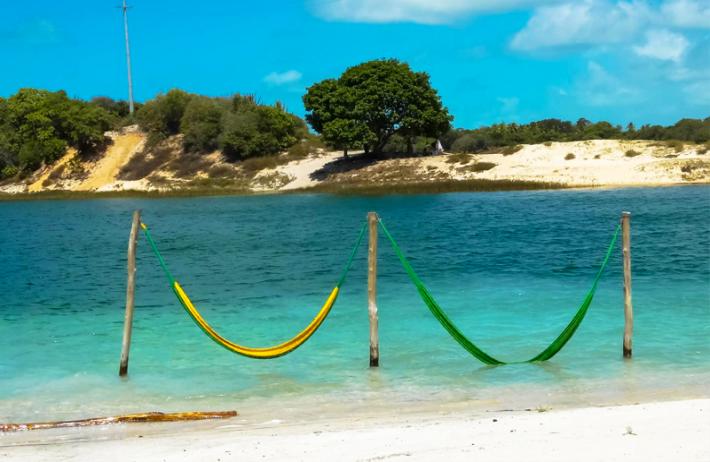
Lagoa de Alcaçuz em Nísia Floresta - RN04:36
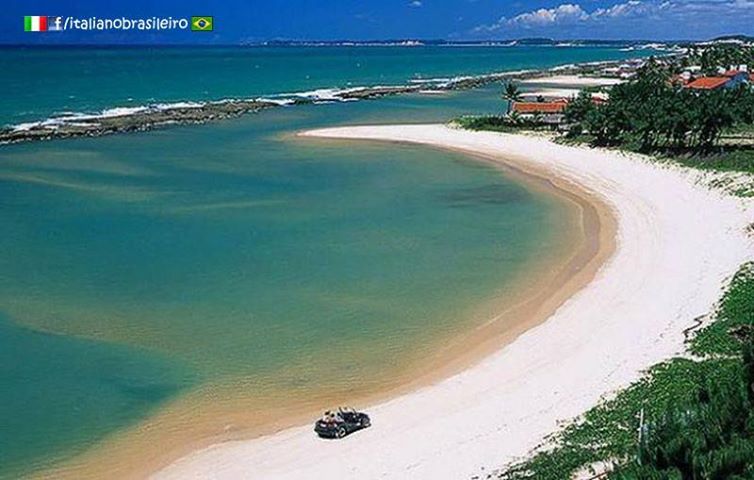
Praia de Tabatinga em Nísia Floresta - RN01:17
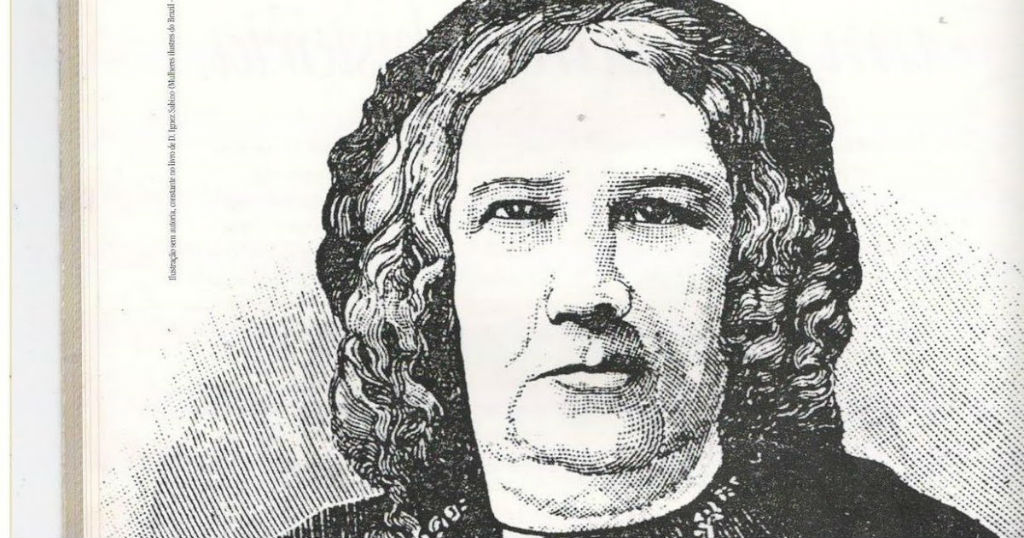
Nísia Floresta a primeira educadora feminista do Brasil05:15
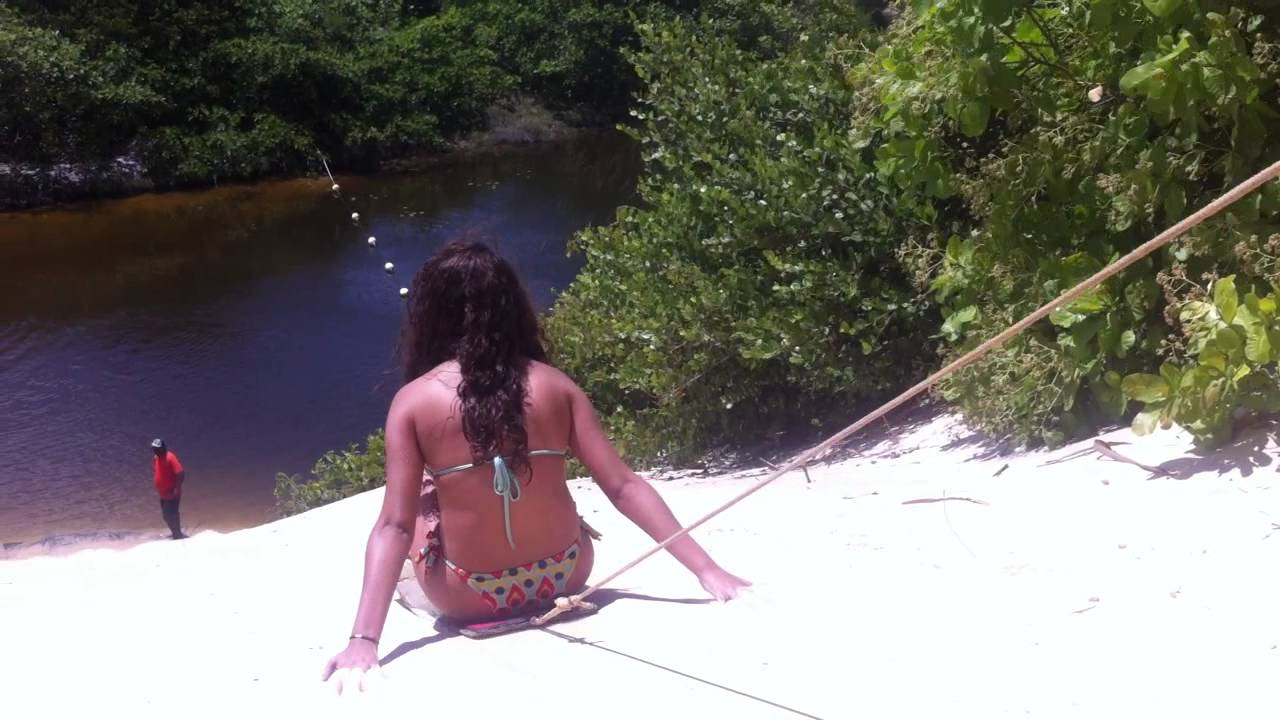
Nísia Floresta RN - Guia de Turismo24:40
Take a look at the tourist map of Rio Grande do Norte
Beaches in Nísia Floresta, RN
Nísia Floresta is famous for its stunning beaches. Below are some of the main ones:
1. Praia de Barreta
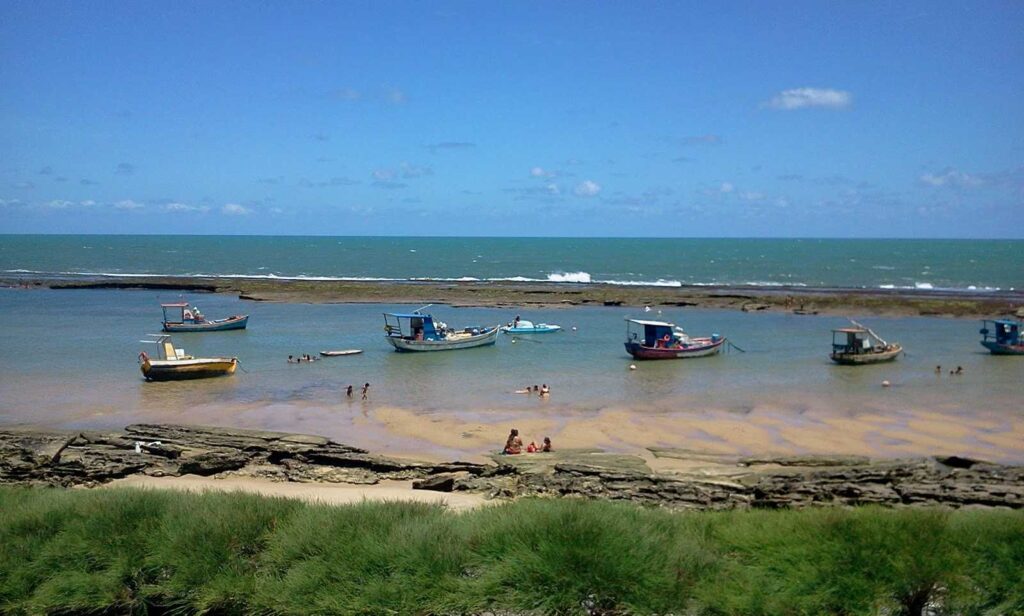
Barreta Beach is renowned for its stunning and unique scenery. The natural pools that form at low tide are ideal for those looking to relax whilst floating in the warm water. The protection provided by the reefs makes this beach extremely safe, especially for children.

2. Búzios Beach
With waters ideal for swimming, Búzios Beach is one of the liveliest beaches, attracting many visitors. The excellent leisure facilities, which include beach huts, kiosks and restaurants, allow tourists to enjoy the sun and take part in sports on the sand.

3. Camurupim Beach
Camurupim Beach is famous for its long stretch of firm sand, ideal for driving a buggy or jeep. At low tide, the reef barrier forms a series of natural pools, creating a safe haven for children.

4. Pirambúzios Beach
Pirambúzios Beach is a peaceful spot where the river meets the sea. It is not very busy and features a veritable string of natural pools formed at low tide, delighting both children and adults alike.

5. Pirangi do Sul Beach
One of the busiest beaches along the Nísia Floresta coastline, Pirangi do Sul Beach is popular with groups of young people. Its waters are ideal for swimming and snorkelling, and the extensive range of beach huts and restaurants offers a variety of tasty local dishes.

6. Tabatinga Beach
Tabatinga Beach is renowned for its golden sands and beautiful cliffs. Groups of dolphins visit its waters every day, particularly in the late afternoon. The strong, long-lasting waves are ideal for surfing.

7. Barreta Beach Waterfalls
The waterfalls at Praia de Barreta are a natural spectacle that occurs when the tide rises and the waves crash over the reef barrier. The water flows slowly over the vast expanse of rock, creating a stunning visual effect, resembling a veil.

The Nísia Floresta Lakes
As well as its beaches, Nísia Floresta is home to a vast complex of lagoons, comprising more than 20 lagoons. The most notable include:
- Arituba Lake
- Bonfim Lake
- Carcará Lake
- Boágua Lake
- Alcaçuz Lake
- Youth Lake


Access to the municipality, which is just 43 kilometres from Natal, is easy and can be reached by buggy, hire car via the Rota do Sol or even by public transport using inter-municipal routes.
Water Sports and Activities
The beaches at Nísia Floresta offer a range of water sports, such as kitesurfing and windsurfing. The small lagoons provide a safe space for children to have fun, although caution is advised.
Cultural Attractions
Handicrafts
- Bobbin Lace or Cushion Lace Craft
The largest concentration of people specialising in lace made using the bobbin or cushion technique is in the Alcaçuz Community, near the lagoon of the same name. This technique, brought over by Portuguese colonisers, is widespread along the Brazilian coast. - Labirinto Lace Craft
The Campo de Santana Community, in the rural area of Nísia Floresta, is home to the largest concentration of women who specialise in producing lace using the Labirinto technique.


Historic Heritage
- Century-old Houses
The street layout of the village of Papary, now known as Nísia Floresta, began to take shape in the early 18th century and features several historic buildings, the most important of which is the Parish Church of Nossa Senhora do Ó. - Papary Railway Station
Completed in 1881, Papary Railway Station is now home to the Marina Camarões Restaurant and was listed by the Rio Grande do Norte State Heritage Authority in 1984. - Dolphin Viewpoint
Situated high up on the cliffs of Tabatinga Beach, it is an important nursery for sea turtles and dolphins, with the latter often sighted in the late afternoon. - Pedra Oca
A cave carved out by the force of the water, which can be visited at low tide; it is one of the most popular spots along the coast. - Church of Our Lady
Built between 1702 and 1755, the Parish Church of Nossa Senhora do Ó is the oldest and most important building in Nísia Floresta, with a high altar adorned with pieces imported from Portugal.


Conclusion
Nísia Floresta is a destination that combines nature, culture and history, offering visitors a rich and varied experience. Whether it’s the beaches, lagoons or cultural attractions, there’s always something to explore and enjoy in this charming municipality in Rio Grande do Norte.
Publicações Relacionadas
Praia de Pipa: Rio Grande do Norte's tropical paradise
Fernando de Noronha archipelago
North Coast of RN: A Guide to Stunning Beaches
Nísia Floresta: Explore Coastal Wonders and Lagoons
Galinhos: Explore Unspoilt Beaches and Dunes
South Coast of RN: Your Guide to Tropical Wonders
Santa Rita de Cássia: A Monumental Pilgrimage Site
Sibaúma Beach — a rustic retreat on the southern coast of Rio Grande do Norte
The North Coast of Rio Grande do Norte: an unmissable 8-day itinerary
Surfing in Fernando de Noronha — Guide to Spots, Season and Tip
8-Day Itinerary in Rio Grande do Norte: Beaches and Culture
Dunes of Rio Grande do Norte: A Paradise for Tourists
How to get there, when to go and what to do in Fernando de Noronha?
Beaches of Fernando de Noronha: A Visitor's Guide
7-Day Itinerary Through Rio Grande do Norte Guide
Wreck of the Corvette Ipiranga in Fernando de Noronha
Spinner Dolphins in Fernando de Noronha: A Guide
Fernando de Noronha — A comprehensive guide to beaches, diving and surfing
Diving in the Fernando de Noronha Archipelago
Barra do Cunhaú in RN: The perfect combination of river and sea
Seridó of RN: Explore Unique Natural Wonders
São Miguel do Gostoso: A Windsurfing Paradise
Tibau do Sul: A Guide to Beautiful Beaches
Rio Grande do Norte: Your Ultimate Travel Guide
Maracajaú: Explore the Brazilian Caribbean Paradise
Rio do Fogo in RN: Discover Local Attractions Today
Natal: The Perfect Destination for Summer Travel
This post is also on:
 Português
  English
  Deutsch
  Español
  Français