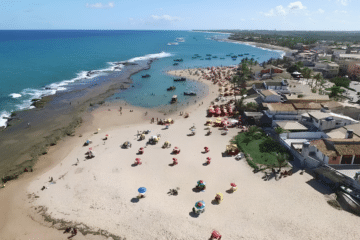
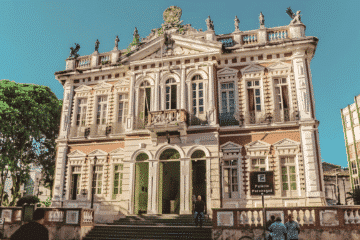
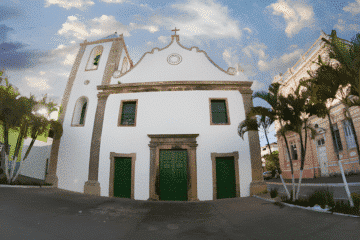
Discover Natal, the capital of Rio Grande do Norte Natal, the capital of Rio Grande do Norte, is one of Brazil’s most popular tourist destinations. Famous for its idyllic beaches, stunning dunes and rich north-eastern culture, the city offers a wide range of attractions, particularly during the summer season and […]
Rio Grande do Norte Travel Guide
Tourism in Rio Grande do Norte: Natural, Cultural and Economic Heritage
The state of Rio Grande do Norte, situated in the north-east of Brazil, stands out as a major national tourist destination.
Renowned for its diverse natural landscapes, such as dunes, beaches, cliffs and hinterlands, the state offers a combination of ecological, cultural and historical attractions.
Rio Grande do Norte is establishing itself as a national tourist destination, offering lush natural landscapes, memorable cultural experiences and excellent infrastructure.
The diversity of attractions ensures there are options to suit all types of tourist, from the adventurous to those seeking peace and relaxation.

1. Overview of Tourism
Tourism in Rio Grande do Norte is strongly influenced by natural factors such as the semi-arid tropical climate and the constant winds.
The hospitality of the Potiguar people contributes significantly to the visitors’ experience.
The capital, Natal, is the state’s main gateway, but tourism is also expanding to destinations such as Pipa,
São Miguel do Gostoso, Maracajaú and Galinhos.
2. Tourist Attractions
2.1 Christmas
- Ponta Negra Beach: a picture-postcard view featuring Morro do Careca.
- Forte dos Reis Magos: a historic 16th-century building.
- Coastal Road: a link between urban beaches and hotels and resorts.
- Parque das Dunas: Brazil’s largest urban Atlantic Forest reserve.
2.2 Genipabu
- Shifting sand dunes with buggy rides.
- Sports such as snow tubing, aerobunda and dromedary rides.
- Genipabu Lagoon, the perfect place to relax.
2.3 Maracajaú
- Parrachos de Maracajaú: ideal reefs for diving.
- Boat and catamaran trips using local facilities.
2.4 Pipes
- Cliffs and the iconic Praia do Amor.
- Dolphin Bay: whale and dolphin watching.
- A lively nightlife and viewpoints such as Chapadão.
2.5 São Miguel do Gostoso
- Beaches such as Tourinhos and conditions for kitesurfing.
- A welcoming atmosphere with sandy streets and guesthouses.
2.6 Chicks
- Seclusion and tranquillity, accessible by boat or 4×4.
- Horse-drawn carriage rides and canoe trips on the River Aratuá.
3. Culture and Events
3.1 Public holidays
- Carnatal (Natal): Brazil’s biggest off-season carnival.
- Caicó Carnival: the third largest in the North-East.
- Feast of Saint Anne (Caicó): a religious and cultural celebration.
- Festa do Boi (Parnamirim): an agricultural and cultural event.
3.2 Natural Heritage
- The World’s Largest Cashew Tree: located in Pirangi do Norte, covering more than 8,500 m².
4. Traditional Cuisine
- Prawns: highlights include bobó and prawns in pumpkin.
- Sun-dried beef with cassava: a traditional dish from the sertão.
- Paçoca de carne de sol: a regional dish made with cassava flour.
- Grilled coalho cheese: a delicacy served on the beaches.
5. Infrastructure and Accessibility
5.1 Access
- Natal International Airport: located in São Gonçalo do Amarante.
- Motorways such as the BR-101 link the capital to the interior.
5.2 Accommodation
- A wide range of hotels, resorts and guesthouses.
- Expansion of the hotel network in Pipa, Maracajaú and São Miguel do Gostoso.
Rio Grande do Norte: Your Ultimate Travel Guide
Holidays in Rio Grande do Norte: An unforgettable experience A holiday in Rio Grande do Norte is an excellent choice for those looking for a combination of paradisiacal beaches, rich culture, delicious cuisine and breathtaking natural landscapes. Strong winds, sunshine, dunes, beaches, cliffs and the friendliness of the people of […]
Fernando de Noronha — A comprehensive guide to beaches, diving and surfing
Fernando de Noronha is an archipelago brimming with stunning beaches, each with its own unique characteristics. Some beaches are ideal for diving, others for swimming, relaxing, surfing, and other activities. Video about the beaches of Fernando de Noronha See the map of the beaches of Fernando de Noronha Beaches of […]
The History of Fernando de Noronha: Geography and Heritage
The Fernando de Noronha Archipelago consists of 21 islands, islets and rocky outcrops of volcanic origin, situated in the Equatorial South Atlantic. The main island, which is also called Fernando de Noronha, is the only inhabited one and accounts for around 91 per cent of the total area of the […]
Surfing in Fernando de Noronha — Guide to Spots, Season and Tip
Fernando de Noronha is a favourite destination among Brazilian and international surfers for its powerful waves and idyllic scenery. The island offers breaks for experienced surfers and more accessible options for intermediate surfers, all set in an area of outstanding natural beauty. Video about surfing in Fernando de Noronha Surfing […]
Diving in the Fernando de Noronha Archipelago
Diving in the Fernando de Noronha Archipelago Diving is Fernando de Noronha’s biggest attraction. The waters are so transparent that the visibility on the seabed can exceed 40 metres. It is an excellent place to observe a natural system with around 230 species of fish, fifteen species of coral and […]
How to get there, when to go and what to do in Fernando de Noronha?
Fernando de Noronha: When to go and what to do Fernando de Noronha is located 545 kilometres from Recife, capital of the state of Pernambuco; 360 kilometres from Natal, capital of the state of Rio Grande do Norte; and 710 kilometres from Fortaleza, capital of the state of Ceará. How […]