Published on · Updated on
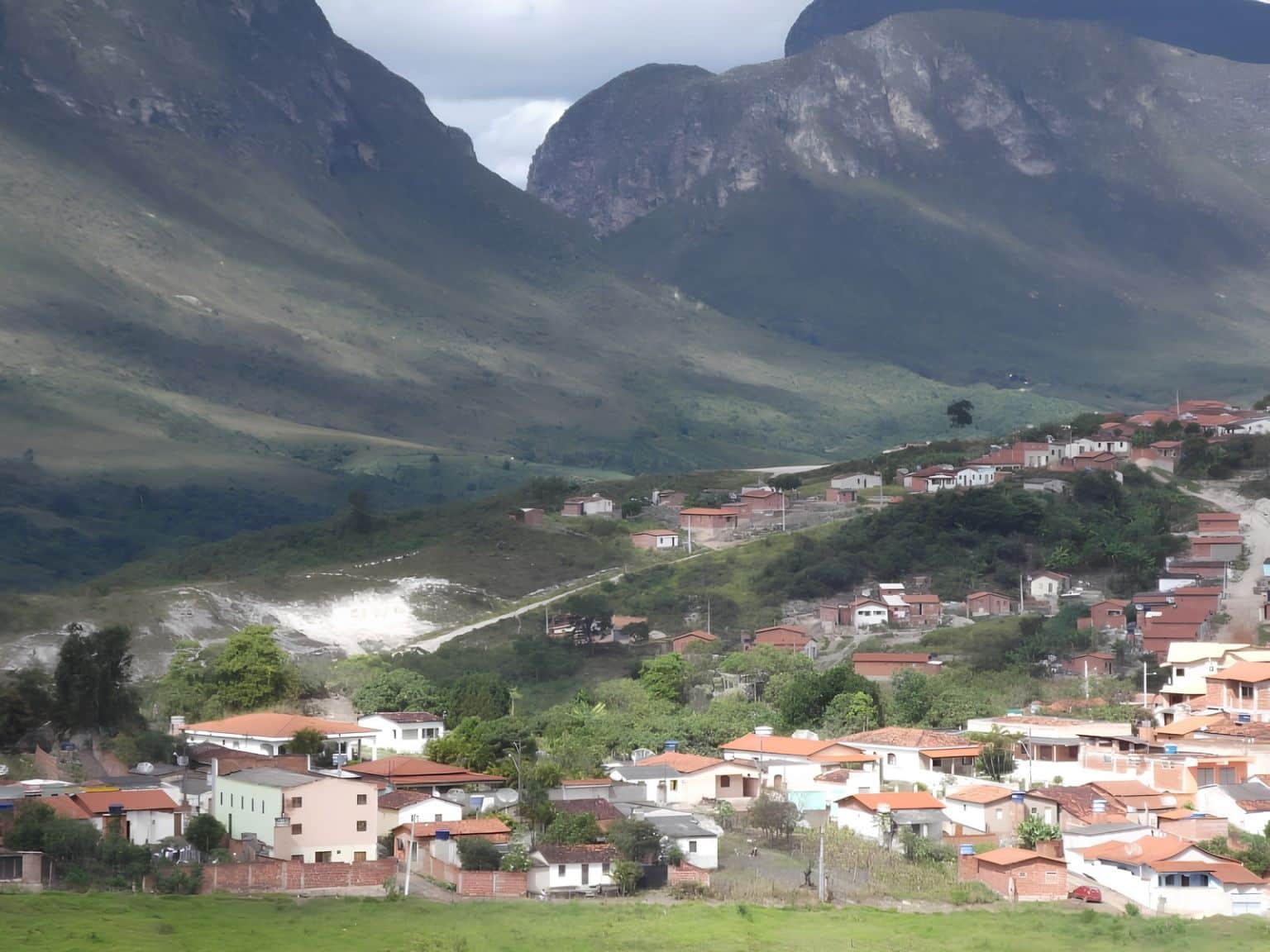
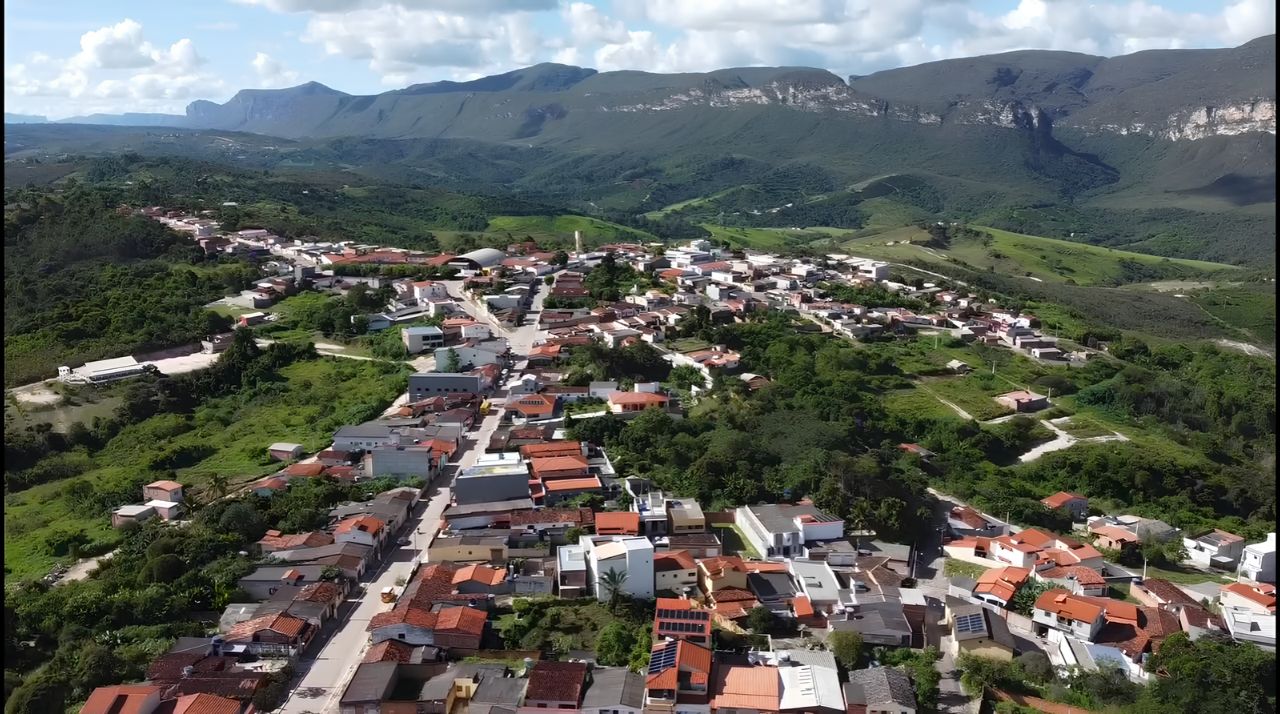
Ibicoara lies in the south of the Chapada Diamantina, in Bahia, and is the gateway to two of the region’s most impressive waterfalls: Buracão and Fumacinha. In addition, the town has a mild climate, coffee plantations and a superb view of the Serra do Sincorá. That is why, in this guide, you will find out what to do in Ibicoara, the town’s history and tips for visiting the waterfalls.
- Where it is: in the south of the Chapada Diamantina, near Mucugê.
- Main attractions: Buracão Waterfall, Fumacinha Waterfall and the Espalhado Municipal Nature Park.
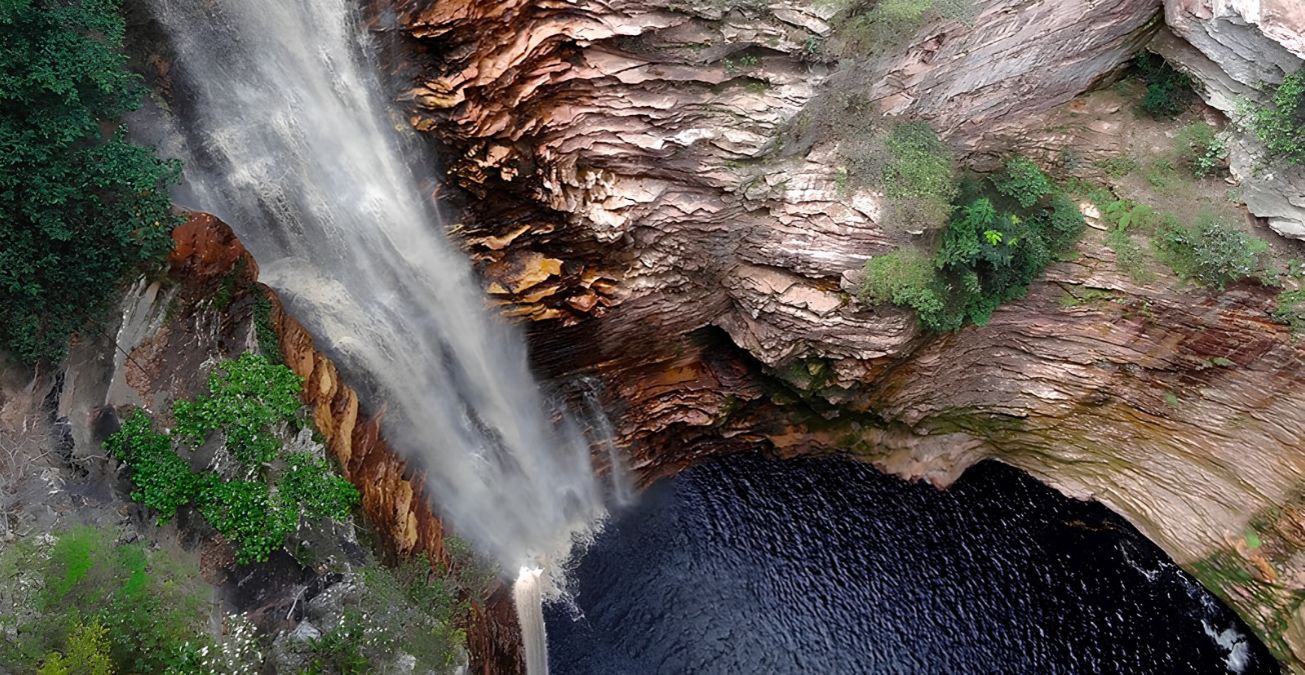
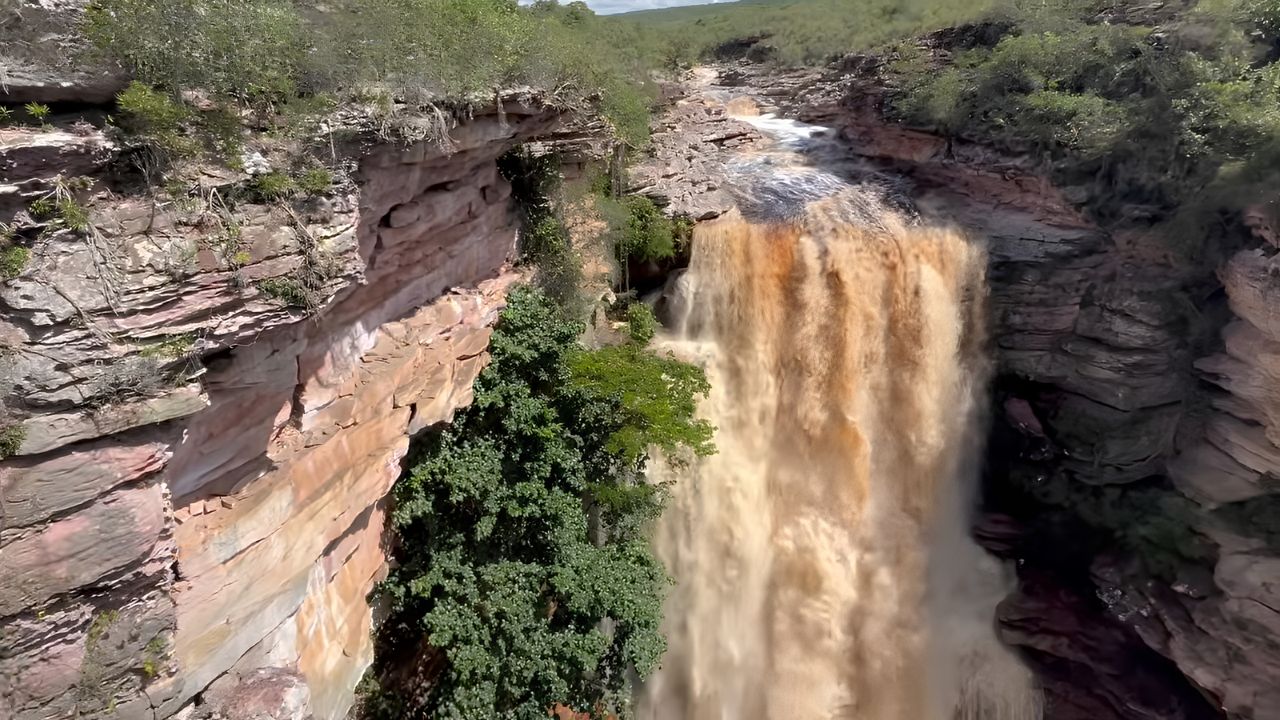
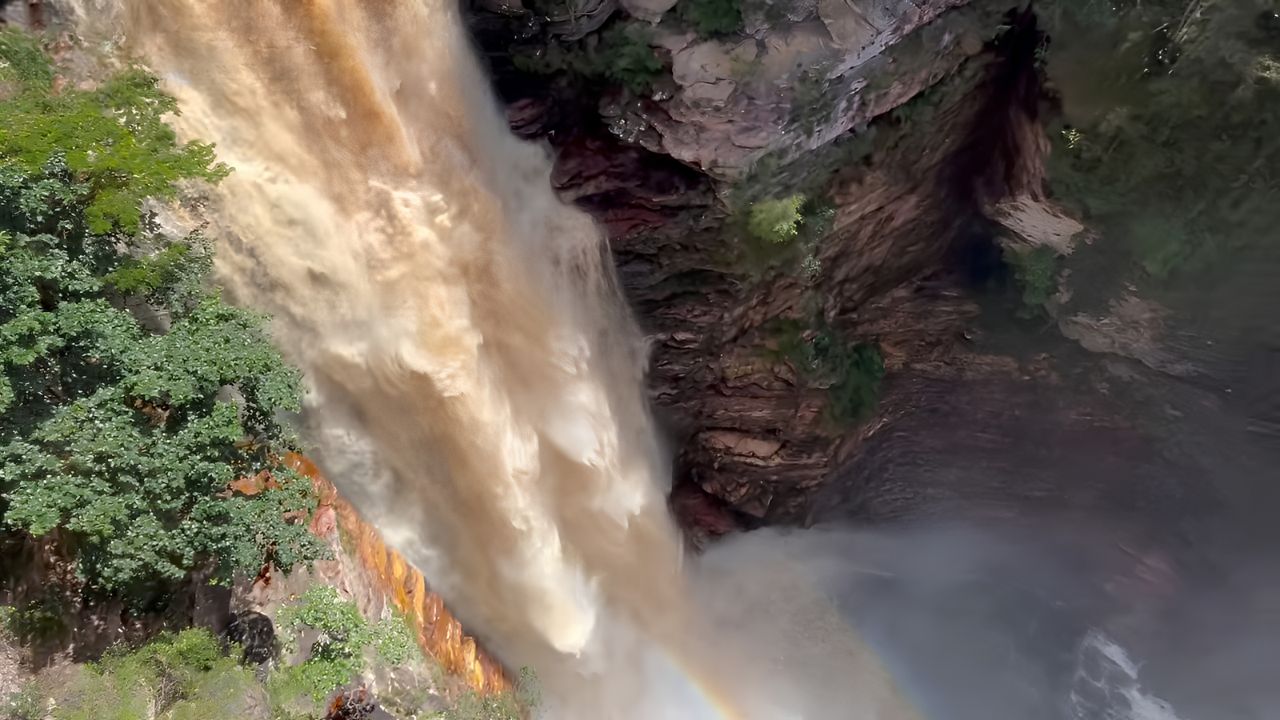
- Buracão: a drop of about 85 m, reached through a canyon wearing a life jacket.
- Guide: in addition, a local guide is required at Buracão and Fumacinha.
- History: it became a municipality in 1962, when it separated from Mucugê.
History of Ibicoara
First of all, Ibicoara began as a resting place for muleteers, who stopped by the rivers on their journeys through the mountains. Later, the place was known as Vila São Bento, when it belonged to Mucugê. The district was then called Cascavel and Igarassu, until it was named Ibicoara in the 1940s. Finally, the town became a municipality in 1962, separating from Mucugê, and was officially installed in 1963. See the Mucugê guide.
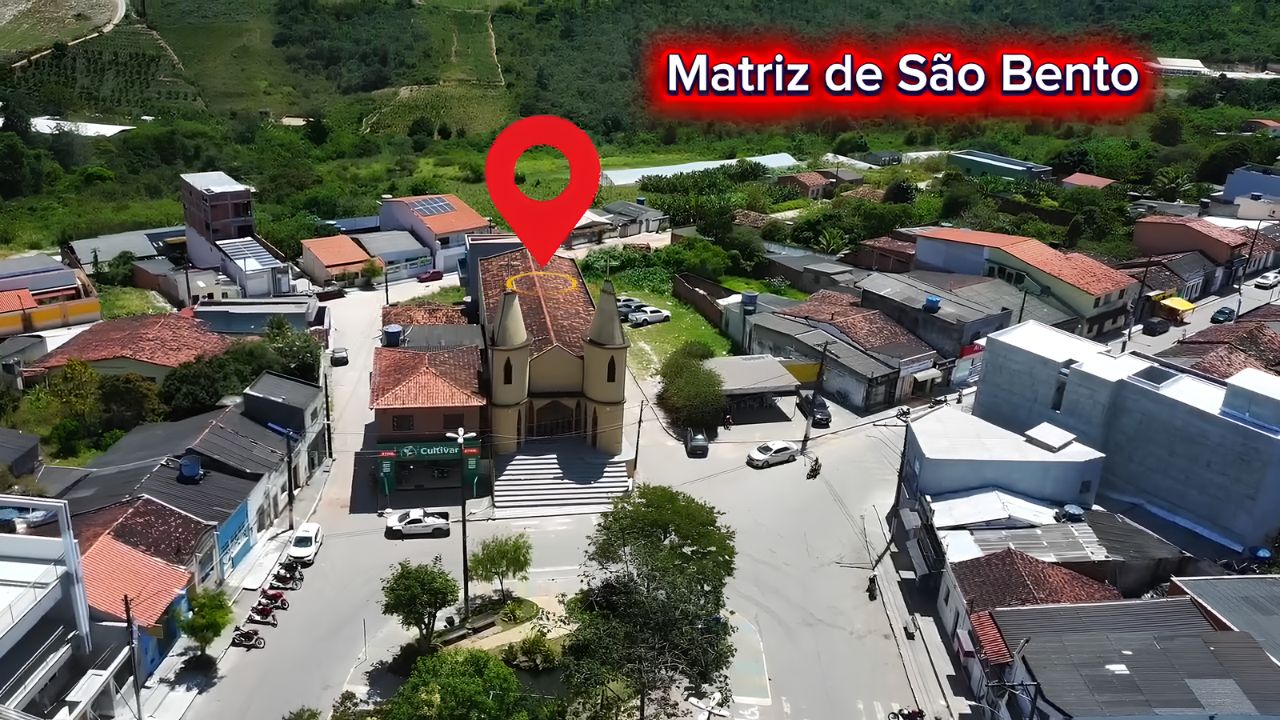
Meaning of the name
According to the most common interpretation, the name Ibicoara comes from Tupi and means “hole in the earth”, from yby (earth) and kûara (hole or burrow). Thus the name recalls the region’s canyons and gorges, such as Buracão itself.
Culture and food
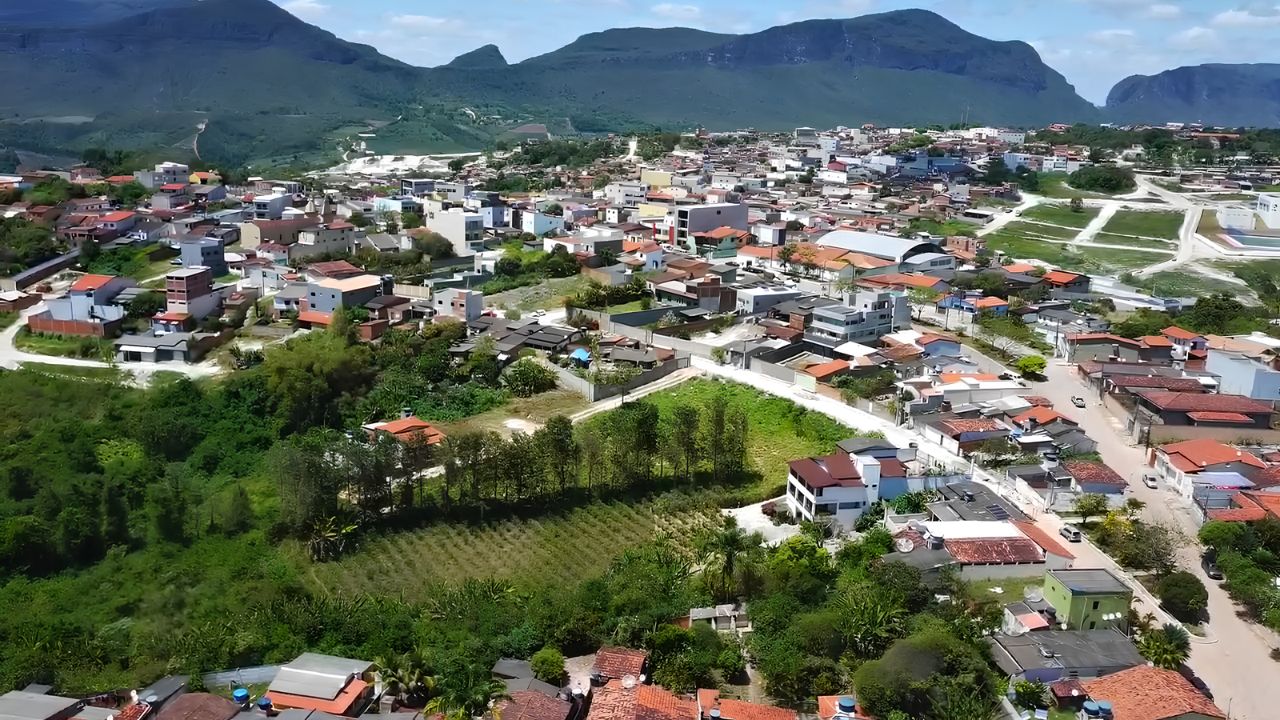
Among local traditions, the Feast of São Bento, the Reisado, the June festivals and carnival stand out. In the kitchen, for its part, you will find typical dishes such as godó, or green banana stew, beiju and cuscuz. Today, the economy relies mainly on coffee, potatoes and tourism.
Video about Ibicoara

Vista aérea de Ibicoara03:13

Ibicoara na Chapada Diamantina04:14

História de Ibicoara na Chapada Diamantina03:20

Cachoeira do Buracão na Chapada Diamantina08:34
Após a chuva na Cachoeira do Buracão04:14
What to do in Ibicoara
First, Ibicoara is the base for the trails of the southern Chapada. Besides Buracão and Fumacinha, the municipality has other falls, such as Licuri, Véu de Noiva, Rio Preto and Penedo. From the town, you can also see the Serra do Sincorá, which dominates the landscape.
1. Buracão Waterfall
Without a doubt, Buracão is Ibicoara’s landmark. The waterfall is about 85 metres high and drops into a narrow canyon. To reach it, visitors walk about 3 km, mostly along the bed of the Espalhado River, and then swim or float through the canyon wearing a life jacket. In fact, the waterfall is about 30 km from town, with much of the way on a dirt road. Read the guide to the Buracão Waterfall trail.
- Trail: about 3 km, usually a 1-hour walk.
- Effort: easy to moderate, with a final descent down ladders.
- Guide: mandatory; life jackets are provided on site.
2. Espalhado Municipal Nature Park
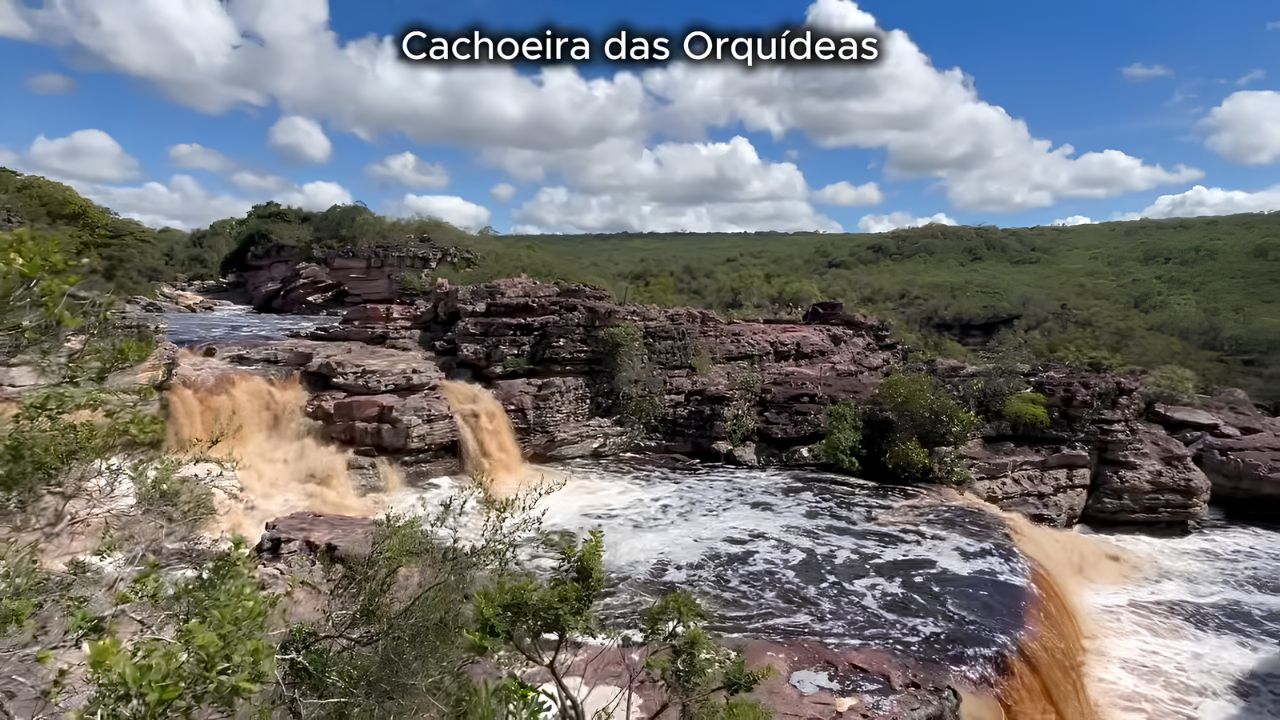
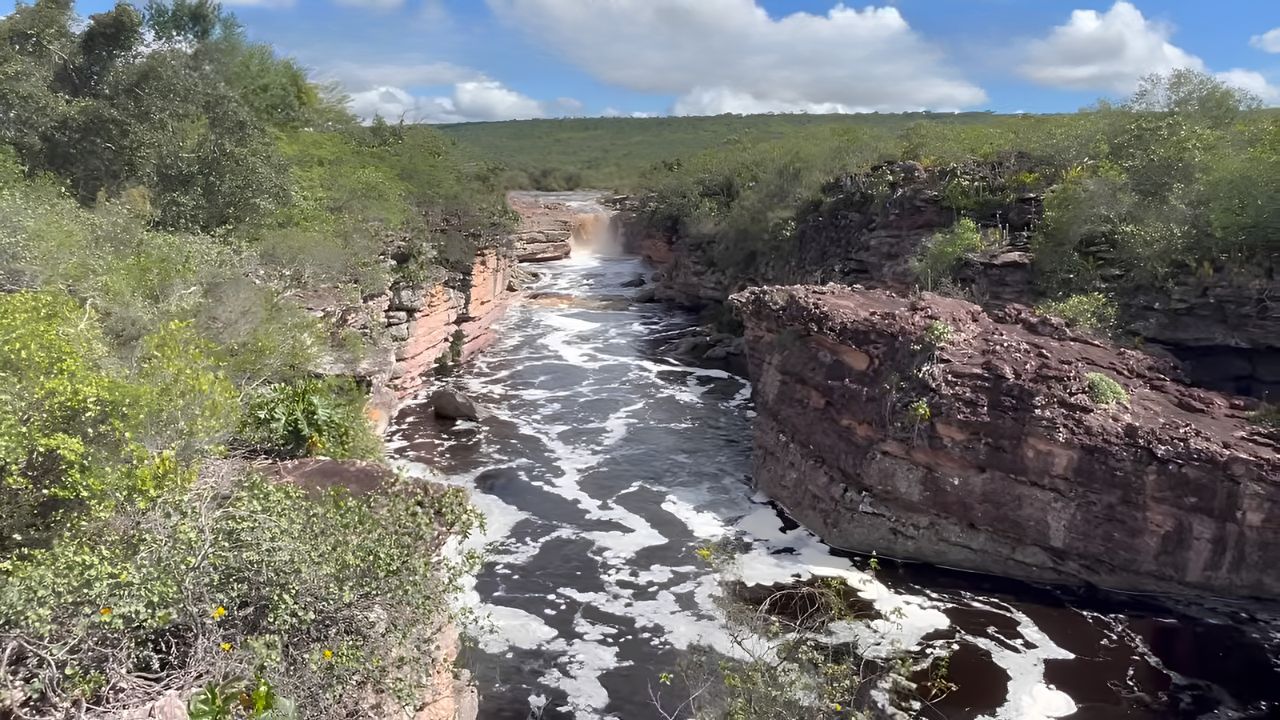
Buracão lies inside the Espalhado Municipal Nature Park. Along the way, the trail passes other falls, such as the Orquídeas and Recanto Verde waterfalls, which are great for swimming. In addition, the river forms small pools and cascades along the route.
3. Fumacinha Waterfall
Fumacinha, on the other hand, is one of the most impressive waterfalls in the Chapada. It drops about 100 metres and lies at the bottom of the Julião Canyon, whose walls rise more than 200 metres, also about 30 km from town. On the lower trail, the walk in takes 3 to 4 hours over rocky ground with stretches of scrambling. That is why it requires good fitness, and a local guide is mandatory.
4. Adventure and ecotourism
Finally, Ibicoara’s canyons also attract fans of rappelling, climbing, cascading and canyoning, the sporting descent of rivers with waterfalls using specific equipment and techniques. These activities, however, should always be done with specialised operators and guides.
Tips for visiting Ibicoara
In general, the climate is cooler than in other parts of the Chapada, especially at night; therefore, bring a jacket. In addition, check rules, fees and trail conditions beforehand, as they change with the rains. Ibicoara combines well with Mucugê and Andaraí. Also see the tallest waterfalls in the Chapada, the complete guide to the Chapada Diamantina, the map of the National Park and the map of the Chapada Diamantina.
Frequently asked questions about Ibicoara
What is there to do in Ibicoara?
Visit Buracão Waterfall, Fumacinha Waterfall and the Espalhado Municipal Nature Park.
In addition, there are other falls, such as Licuri and Véu de Noiva.
How far is Buracão from Ibicoara?
About 30 km, much of it on a dirt road.
Then there are about 3 km of trail to the waterfall.
Do you need a guide for Buracão?
Yes, visits to Buracão are made with a local guide.
In addition, a life jacket is mandatory in the canyon.
How tall is Fumacinha Waterfall?
About 100 metres, at the bottom of the Julião Canyon.
That is why it is among the tallest in the Chapada.
What does Ibicoara mean?
According to the most common interpretation, “hole in the earth” in Tupi.
Thus the name recalls the region’s canyons.

Publicações Relacionadas

History of Lençóis: diamond mining and heritage

Architecture of the Chapada Diamantina: houses and churches

History of the Chapada Diamantina: gold, diamonds, tourism

Birds of the Chapada Diamantina: endemics and where to see
Towns of the Chapada Diamantina: where to stay

Vale do Capão: waterfalls, trails and how to get there

Highest waterfalls in the Chapada Diamantina: top 15

Candombá: the Chapada Diamantina plant reborn from fire

Diamond mining history in the Chapada Diamantina, Brazil

Igatu, the Bahian Machu Picchu: history and what to do

Marimbus: the mini Pantanal of the Chapada Diamantina
Pico do Barbado, Itobira and Pico das Almas: hiking guide

Sempre-viva flower: the Chapada Diamantina symbol in Mucugê

Snorkeling in the Chapada Diamantina: where to float

Rio de Contas, Bahia: things to do, history and peaks

Piatã, Bahia: things to do in the Northeast’s highest town

Palmeiras, Bahia: Fumaça, Vale do Capão and Pai Inácio

Things to do in Mucugê: Byzantine Cemetery and waterfalls
Morro do Chapéu, Brazil: Brejões cave, Ventura and more

Things to do in Lençóis, Chapada Diamantina: 15 sights
Iraquara caves: Lapa Doce, Pratinha and Gruta Azul

Andaraí, Chapada Diamantina: what to do and how to get there

Chapada Diamantina 7-day trek: day-by-day itinerary

Poço Azul, Chapada Diamantina: snorkelling and access

Poço Encantado, Chapada Diamantina: sunbeam and visit
Torrinha Cave: routes, aragonite flowers and access

Lapão Cave: 50 m rappel and cave walk near Lençóis

Vale do Pati trek, Brazil: routes, tips and how to go
Chapada Diamantina hiking: the 8 most popular trails

Orchids of the Chapada Diamantina: rare species to see
Chapada Diamantina map: complete guide and attractions

Fumaça Waterfall: trails, height and how to get there

Buracão Waterfall: trail, how to get there and tips

Chapada Diamantina relief, fauna and flora: complete guide