Travel guides for Bahia, Alagoas, Ceará and the whole of the North-East of Brazil: beaches, ready-made itineraries, culture and accommodation tips. Get inspired and plan your trip.
Chapada Diamantina Travel Guide
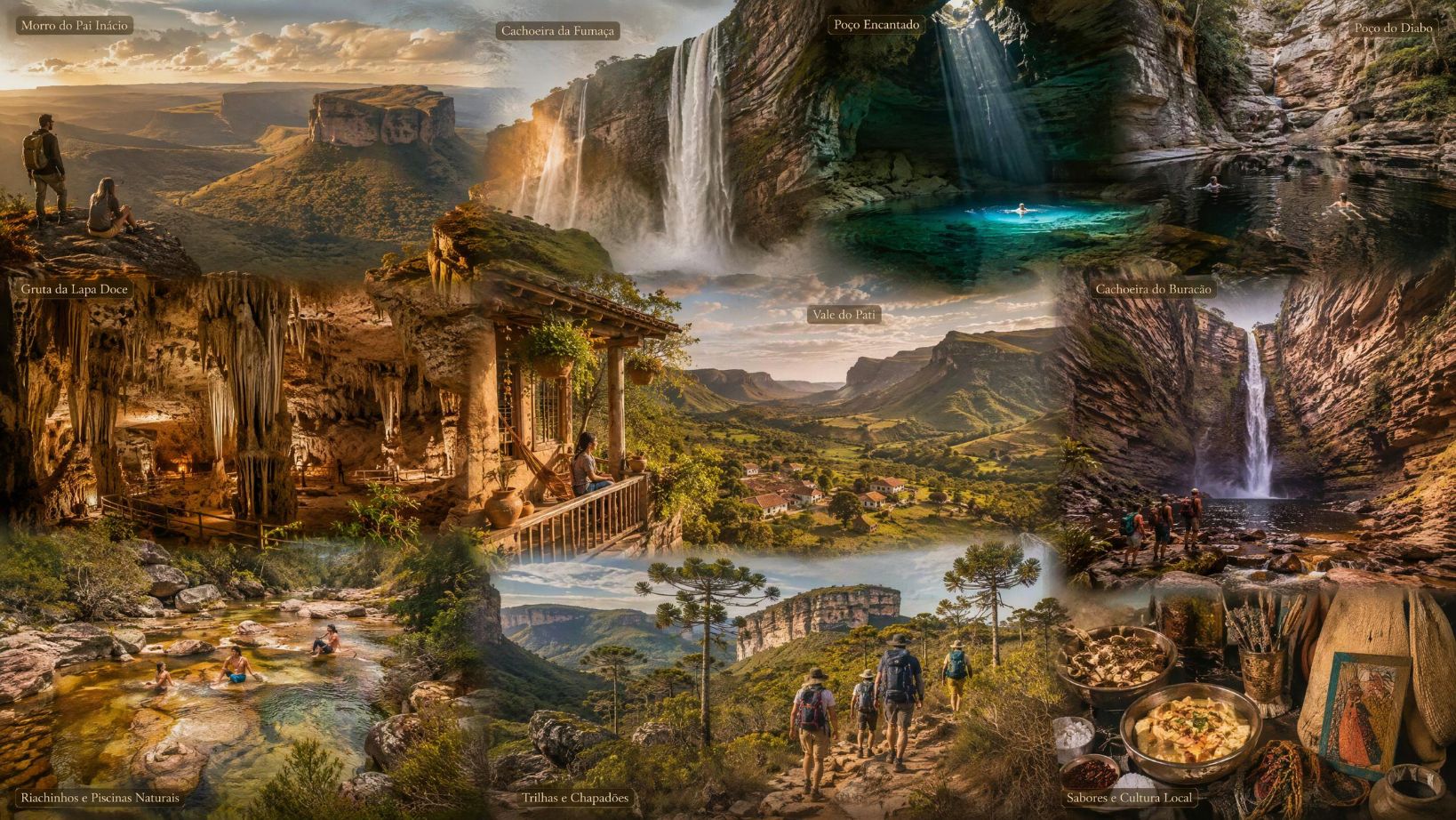
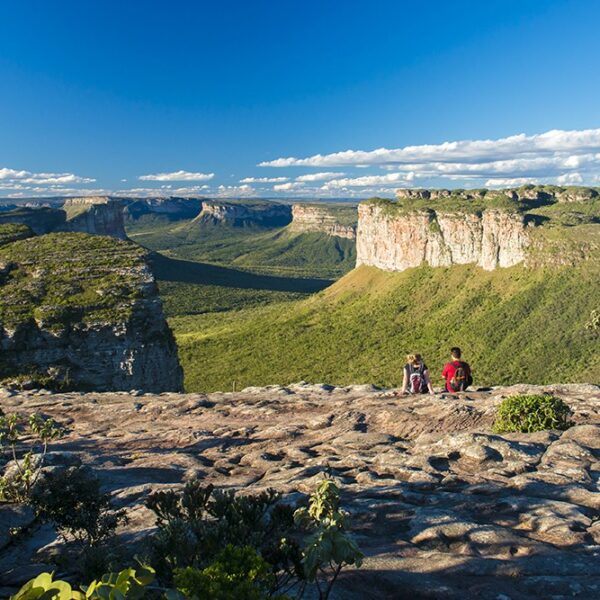
The Chapada Diamantina, in central Bahia, features mountain ranges, high waterfalls, dark rivers, caves, stone villages and footpaths that wind through the Chapada Diamantina National Park.
Tourist Attractions in the Chapada Diamantina, Bahia
This guide to tourism in Chapada Diamantina organises destinations by theme, from base towns to natural attractions, so you can choose your itinerary according to the time you have available and the nature of your trip. For an overview, start with the complete guide to Chapada Diamantina.
Towns and villages in the Chapada Diamantina
Each town serves as a base for a range of attractions. Lençóis is the main gateway and the town with the widest choice of guesthouses, guides and tours.
From Palmeiras you can reach Vale do Capão, a peaceful village that is very popular with hikers.
Mucugê and Andaraí preserve the heritage of the diamond cycle, and it is near Andaraí that Igatu, a village of stone ruins, is situated.
The region also boasts one of the largest cave systems in the country. In Iraquara, known as the ‘city of caves’, it is well worth visiting the main caves in the municipality, such as the Gruta do Lapão.
The Torrinha Cave is notable for its variety of speleothems.
The attractions are spread out, so the most practical approach is to choose one or two base towns and explore the area from there. Allow at least five days to see the main sights, and more time if your plans include trekking. To explore the Chapada within the state, consult the map of Bahia’s tourist regions and the tourist areas.
Frequently Asked Questions
Where is Chapada Diamantina and how do you get there?
The Chapada Diamantina is situated in the centre of Bahia, more than 400 km from Salvador.
The most common way to get there is by car or bus to Lençóis, the main base town, and then on to the other towns and attractions. See the guide to Lençóis.
When is the best time to visit the Chapada Diamantina?
Generally speaking, the driest period, from May to September, is best for hiking and for those who want to minimise the risk of rain. During the rainy season, rivers and waterfalls are fuller, but some trails and crossings may become more difficult. Check the weather forecast before setting off.
How many days does it take to explore the Chapada Diamantina?
In five days, you can visit the main attractions starting from Lençóis. If you want to include the Vale do Capão or a trek such as the one through the Vale do Pati, plan for seven to ten days. See the 7-day route through the Chapada.
What are the main attractions of the Chapada Diamantina?
Among the most popular attractions are the Fumaça Waterfall, the Poço Azul, the Poço Encantado, the Pati Valley, the Iraquara caves and the village of Igatu. Be sure to check out the must-see waterfalls in the Chapada as well.
Which town is the best place to stay in Chapada Diamantina?
It depends on your itinerary. Lençóis has more facilities and things to do; Vale do Capão is quieter and better suited to hiking; and Mucugê and Andaraí are close to historical attractions and Igatu. See the list of main towns and villages.
Do you need to hire a guide in Chapada Diamantina?
On many trails and in many caves, yes, and it is recommended for all long treks. The guides know the routes and the river conditions. Check the current rules for each attraction with your accommodation, the local guides’ association or the park’s management body.
What is the Pati Valley?
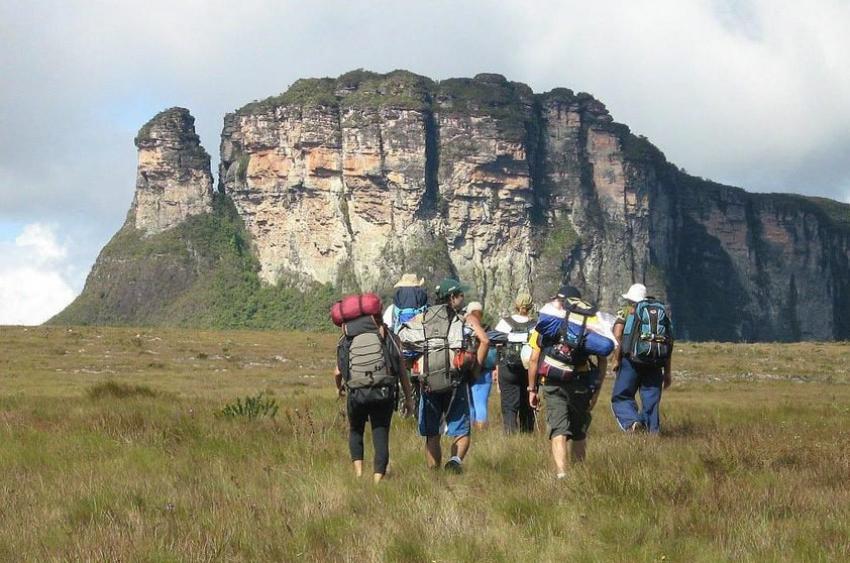
The Pati Valley is a valley within the Chapada Diamantina National Park, known for its multi-day trek on foot, with accommodation in local residents’ homes. See the guide to trekking in the Pati Valley.
Why is the region called Chapada Diamantina?
The name derives from the ‘chapadas’, which are flat-topped plateaus, and from the diamond mining that attracted settlers to the region from the 19th century onwards. Find out more in the history of diamond mining in the Chapada Diamantina.
Discover Palmeiras: History, Culture and Attractions at the Gateway to the Capão Valley Palmeiras was founded in 1890 and experienced its glory days of diamond mining. Historical heritage The old buildings of the Praça da Igreja Matriz do Bom Jesus and the Palacete dos Alcântara are legacies of the mining […]
Mucugê: Discover the natural and cultural beauty of Chapada Diamantina Mucugê is located at an altitude of 900 metres, in the middle of a privileged landscape. The town is surrounded by beautiful mountains, rivers, waterfalls and caves. History and Architecture As you can see, Mucugê is rich in history, with […]
Morro do Chapéu: A tourist destination in Bahia Morro do Chapéu is a Brazilian municipality in the state of Bahia and its main tourist attractions are the Gruta dos Brejões and the Cachoeira do Ferro Doido. History and origin Before the arrival of the Europeans, the area was inhabited by […]
Lençóis, the gateway to the Chapada Diamantina, combines history, colonial architecture and facilities that put visitors at ease: Coronel Horácio de Mattos Airport (LEC), local healthcare services and over 100 accommodation options. The city offers a wide variety of cuisine, cultural events (São João, the Lençóis Festival) and, above all, […]
Iraquara: Discover the city of caves and its cultural and natural wealth in Bahia Iraquara is a Brazilian municipality in the state of Bahia, located in the Chapada Diamantina micro-region. The municipality stands out for its large number of caves, waterfalls and caverns, many of which are open to the […]
Located in the Chapada Diamantina, the city of Ibicoara, which means “hole in the ground”, attracts tourists for its gastronomy, culture and beautiful waterfalls. The city was founded in the 19th century with the arrival of prospectors in the Chapada in search of gold. Originally known as the “village of […]
Discover Andaraí: Natural treasure of Chapada Diamantina Andaraí is full of attractions, located in the centre of the National Park. This municipality stands out for its economic and population boom during the diamond cycle. History and heritage Its preserved houses in the historic centre date back to the golden days […]
Discover the Chapada Diamantina: a paradise of biodiversity and adventure in Bahia The landscape of the Chapada Diamantina, world famous for its rich biodiversity, is made up of mountainous landscapes, free falls, underground lakes, as well as a large number of springs, waterfalls, rapids, canyons and caves. These characteristics make […]
Trekking in the Pati Valley is considered one of the most beautiful in the country. The Pati Valley, located in the heart of the Chapada Diamantina in Bahia, is considered one of the best trekking destinations in Brazil. The region offers a unique landscape of canyons, waterfalls, rivers, mountains and […]
The Chapada Diamantina National Park offers several hiking trails through canyons, caves, steep hills, huge waterfalls, bromeliads and coca-coloured rivers. Lençóis is the town that receives the most tourists and is full of charm, inns and delicious restaurants. Igatu, a pre-Columbian city, is known as the Brazilian Machu Picchu and […]
You can also dive into the Blue Well and enjoy the fantastic experience of swimming in the illuminated well. The cave is approximately 70m high, 40m of which is underwater, and the “swimming” area is 35m long and 20m wide. Poço Azul was discovered in 1920 by prospectors, one of […]
Discover the fascination of the Enchanted Fountain: A natural spectacle of beauty and mystery The Enchanted Well is a spectacle of nature all year round, especially in winter. During this time, a ray of sunlight falls on the surface of the fountain through an opening at the top of the […]
Torrinha Cave: a jewel of the Chapada Diamantina The Torrinha Cave is one of the most complete in Brazil, considering the richness and diversity of its speleothems. When visiting the Chapada Diamantina, be sure to visit the Torrinha Cave. Located in the Iraquara region, the second largest concentration of caves […]
Discover the Lapão Cave: The perfect adventure in Chapada Diamantina For those who enjoy adventure sports, the Lapão Cave in the Chapada Diamantina is the perfect place for abseiling. Altitude and structure Lapão Cave is 47 metres high and is located at the mouth of the largest known quartzite cave […]
The municipality of Iraquara, located in the heart of Bahia, in the Chapada Diamantina, stands out as an important tourist destination thanks to its impressive caves, such as Pratinha, Lapa Doce, Torrinha, Gruta Azul, Gruta da Fumaça, among others. Situated on a vast underground gallery that resembles a “Swiss cheese” […]
Travessia do Vale do Pati: Exploring the beauty and adventure of Chapada Diamantina The Pati Valley Trek in the Chapada Diamantina is considered by many to be the most beautiful trek in Brazil. For those who are willing and enjoy a good hike, this trek in the Pati Valley will […]
Many of the Brazilians and foreigners who visit the caves, waterfalls, rivers, valleys and mountains of Chapada Diamantina do so to practise sports such as trekking, mountain biking, canoeing and abseiling. The former quilombo settlements attract tourists interested in typical dishes and popular festivals. Visual artists, esotericists and people seeking […]
The Chapada Diamantina is an open-air orchidarium, and you can find beautiful orchids on all the trails along the way. This is an Ellongata orchid, the symbol orchid of the Chapada Diamantina National Park. Main endemic orchids of Chapada Diamantina Cattleya Elongata Cattleya Tenuis Adamantinia Miltonioides 1. Cattleya Elongata Description: […]
Discover the Chapada Diamantina: A Natural and Cultural Paradise in Bahia The Chapada Diamantina is one of the most popular destinations for nature lovers. There, you and your family will find a place full of caves, caverns, rivers, waterfalls, trails, hills, amongst other things. Geographical Formation and Biodiversity The Chapada […]
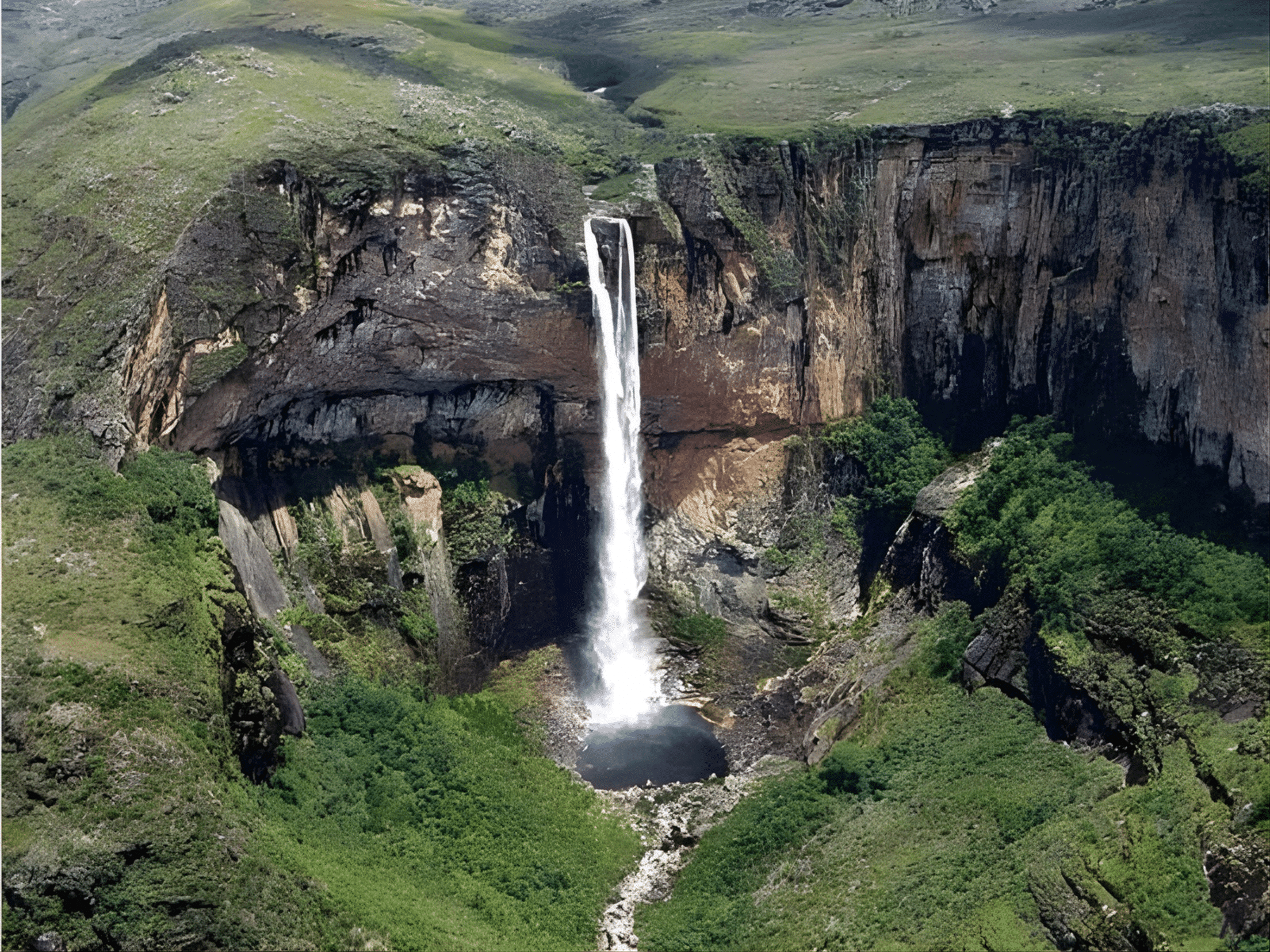
The Fumaça Waterfall: An ecological paradise The Fumaça Waterfall is one of the most famous attractions in the Chapada Diamantina in Bahia, located in the Vale do Capão, a region between the municipalities of Lençóis and Palmeira. Features of the waterfall: The Fumaça Waterfall is considered the second largest in […]