Travel guides for Bahia, Alagoas, Ceará and the whole of the North-East of Brazil: beaches, ready-made itineraries, culture and accommodation tips. Get inspired and plan your trip.
Chapada Diamantina Travel Guide
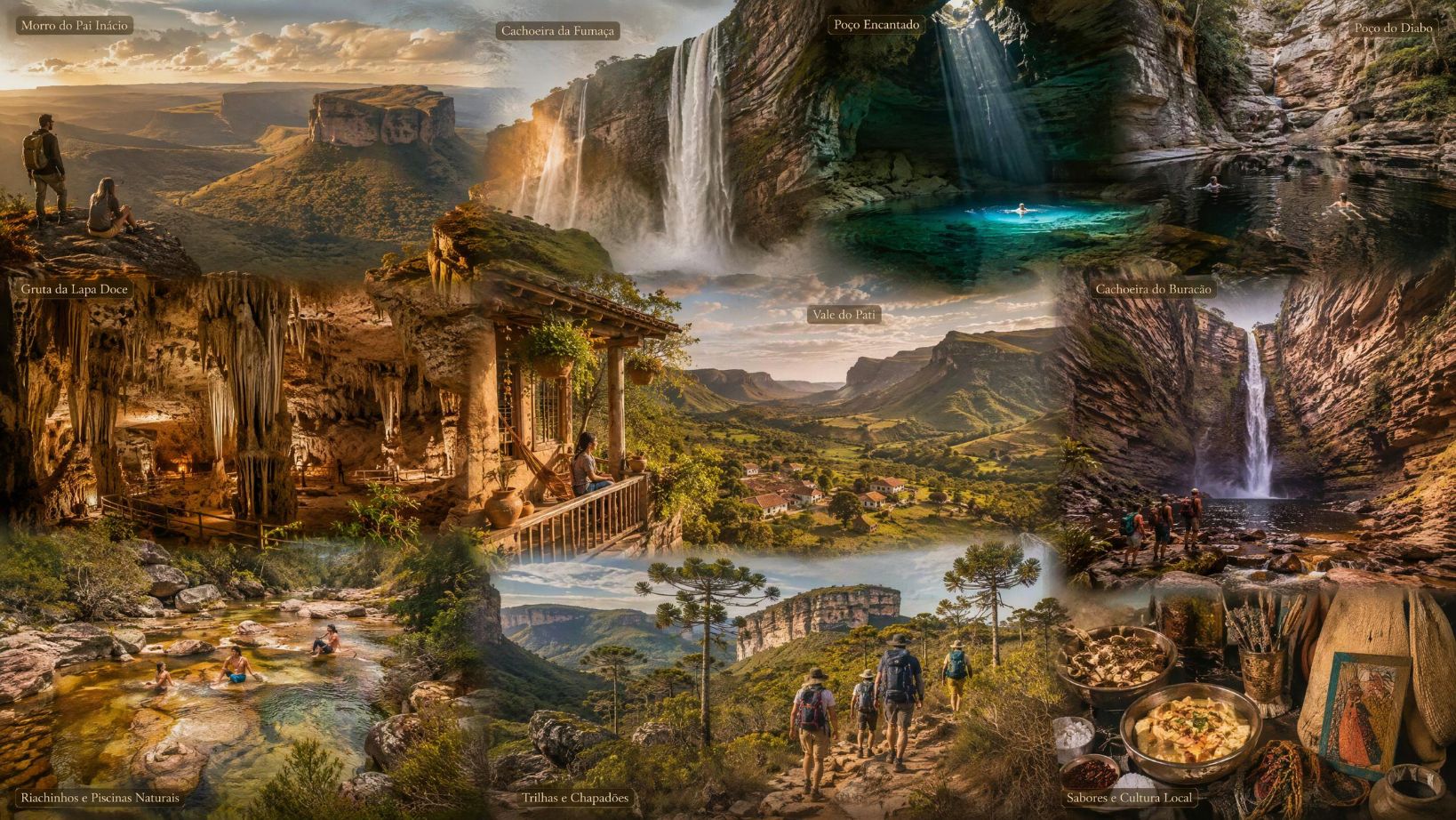
The Chapada Diamantina, in central Bahia, features mountain ranges, high waterfalls, dark rivers, caves, stone villages and footpaths that wind through the Chapada Diamantina National Park.
Tourist Attractions in the Chapada Diamantina, Bahia
This guide to tourism in Chapada Diamantina organises destinations by theme, from base towns to natural attractions, so you can choose your itinerary according to the time you have available and the nature of your trip. For an overview, start with the complete guide to Chapada Diamantina.
Towns and villages in the Chapada Diamantina
Each town serves as a base for a range of attractions. Lençóis is the main gateway and the town with the widest choice of guesthouses, guides and tours.
From Palmeiras you can reach Vale do Capão, a peaceful village that is very popular with hikers.
Mucugê and Andaraí preserve the heritage of the diamond cycle, and it is near Andaraí that Igatu, a village of stone ruins, is situated.
The region also boasts one of the largest cave systems in the country. In Iraquara, known as the ‘city of caves’, it is well worth visiting the main caves in the municipality, such as the Gruta do Lapão.
The Torrinha Cave is notable for its variety of speleothems.
The attractions are spread out, so the most practical approach is to choose one or two base towns and explore the area from there. Allow at least five days to see the main sights, and more time if your plans include trekking. To explore the Chapada within the state, consult the map of Bahia’s tourist regions and the tourist areas.
Frequently Asked Questions
Where is Chapada Diamantina and how do you get there?
The Chapada Diamantina is situated in the centre of Bahia, more than 400 km from Salvador.
The most common way to get there is by car or bus to Lençóis, the main base town, and then on to the other towns and attractions. See the guide to Lençóis.
When is the best time to visit the Chapada Diamantina?
Generally speaking, the driest period, from May to September, is best for hiking and for those who want to minimise the risk of rain. During the rainy season, rivers and waterfalls are fuller, but some trails and crossings may become more difficult. Check the weather forecast before setting off.
How many days does it take to explore the Chapada Diamantina?
In five days, you can visit the main attractions starting from Lençóis. If you want to include the Vale do Capão or a trek such as the one through the Vale do Pati, plan for seven to ten days. See the 7-day route through the Chapada.
What are the main attractions of the Chapada Diamantina?
Among the most popular attractions are the Fumaça Waterfall, the Poço Azul, the Poço Encantado, the Pati Valley, the Iraquara caves and the village of Igatu. Be sure to check out the must-see waterfalls in the Chapada as well.
Which town is the best place to stay in Chapada Diamantina?
It depends on your itinerary. Lençóis has more facilities and things to do; Vale do Capão is quieter and better suited to hiking; and Mucugê and Andaraí are close to historical attractions and Igatu. See the list of main towns and villages.
Do you need to hire a guide in Chapada Diamantina?
On many trails and in many caves, yes, and it is recommended for all long treks. The guides know the routes and the river conditions. Check the current rules for each attraction with your accommodation, the local guides’ association or the park’s management body.
What is the Pati Valley?
The Pati Valley is a valley within the Chapada Diamantina National Park, known for its multi-day trek on foot, with accommodation in local residents’ homes. See the guide to trekking in the Pati Valley.
Why is the region called Chapada Diamantina?
The name derives from the ‘chapadas’, which are flat-topped plateaus, and from the diamond mining that attracted settlers to the region from the 19th century onwards. Find out more in the history of diamond mining in the Chapada Diamantina.
The history of Lençóis, in Bahia, begins with diamond mining. The origins of the town are linked to the discoveries made in 1844 in Mucugê and to the rush of prospectors who, the following year, climbed the mountains and founded the settlement. The Diamond Cycle brought wealth to the town, and the heritage that remains from […]
The architectural style of the Chapada Diamantina, in Bahia, has its roots in mining. In the region’s historic towns, such as Lençóis, Mucugê and Rio de Contas, the colonial buildings feature simple, colourful façades, wooden window frames, adobe or stone walls, and churches with Baroque and Neoclassical features. Rio de […]
The history of the settlement of the Chapada Diamantina, in central Bahia, is the story of a region that was settled late and gradually, always in step with its natural resources: cattle on the outskirts, gold in the 18th century, diamonds and carbonado from 1844 onwards, and, since the 1970s, […]
The birds found in the Chapada Diamantina, in the heart of Bahia, attract birdwatchers from all over Brazil and abroad. Sighting lists for the region include hundreds of species, with some estimates putting the figure at over 400. Among them are birds found only here or in a few mountain […]
The main towns and villages in the Chapada Diamantina region, in the heart of Bahia, serve as bases for exploring the Chapada Diamantina National Park, which protects some 152,000 hectares of waterfalls, caves, archaeological sites and spectacular geological features. Each has its own distinct character: some are historic towns listed by IPHAN, […]
The waterfalls and trails of the Capão Valley make the village, also known as Caeté-Açu, one of the best destinations in Chapada Diamantina. Capão is a district of Palmeiras, lies at an altitude of around 1,100 metres and features waterfalls, natural pools, viewing points and trails leading to the Fumaça Waterfall and the Pati […]
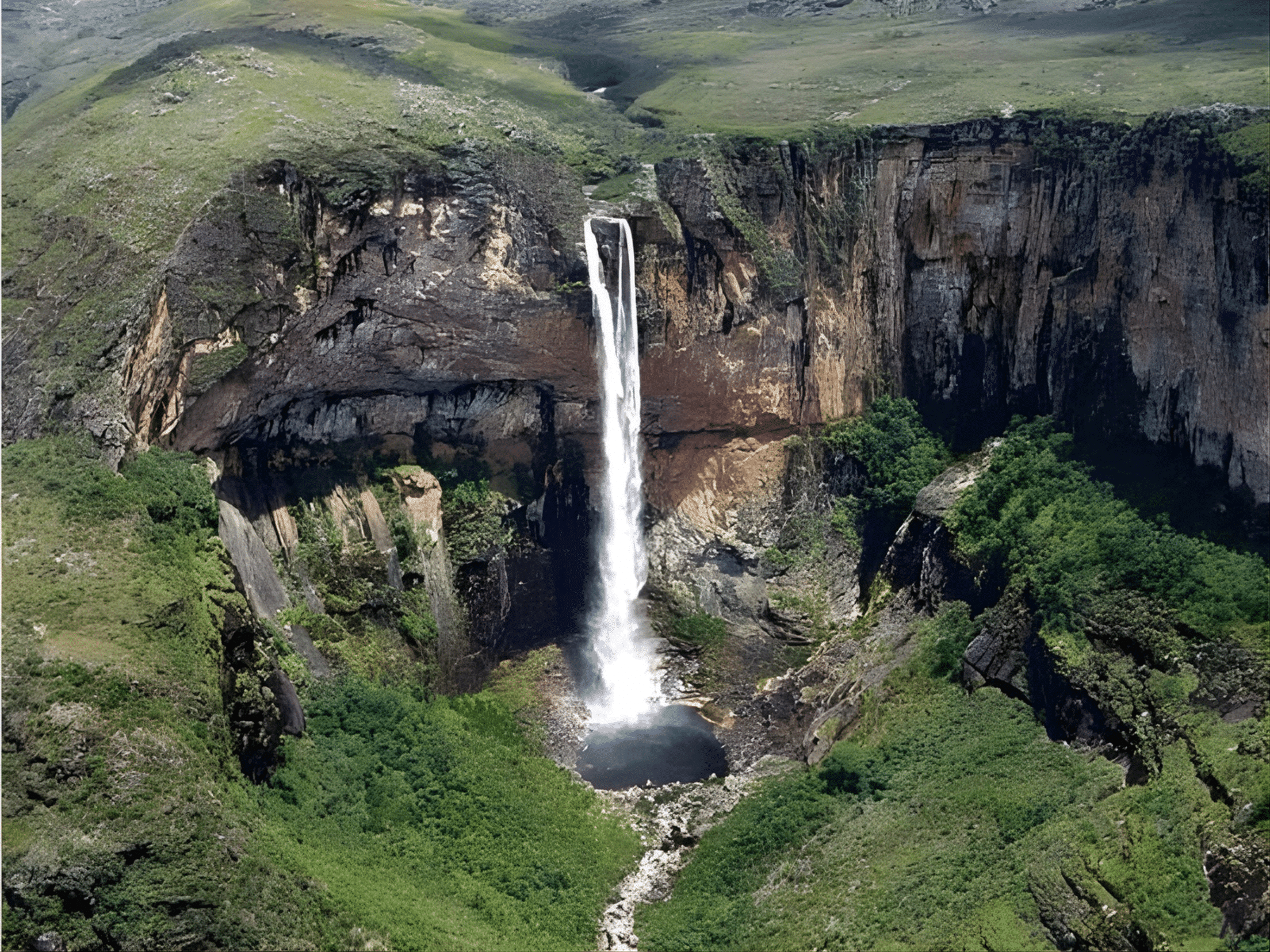
The waterfalls of Chapada Diamantina, in Bahia, are amongst the region’s main attractions. They feature high falls, swimming pools and trails that wind through mountain ranges, canyons and rocky landscapes. In this guide, you’ll discover five outstanding waterfalls in four different towns, with details on their height, trails and access […]
The wonders of the Chapada Diamantina waterfalls A series of large and beautiful waterfalls await you in the Chapada Diamantina. This park, located in Bahia, is known for its rich natural diversity and breathtaking landscapes. Main waterfalls From north to south, you’ll find hundreds of waterfalls in the Chapada Diamantina […]
Candombá (Vellozia sincorana) is a flower typical of and endemic to the Campos Rupestres in the Chapada Diamantina National Park, in Bahia. The plant only blooms en masse after controlled burns, which is why its flowers are a rare sight in Chapada Diamantina. The Candombá, which had not bloomed for 17 years, re-emerged in an area […]
History of mining in the Chapada Diamantina 1. Gold in the Chapada In the 18th century, gold was found in Rio de Contas and Jacobina and became the main wealth of the region. During this period, the Estrada Real was built to facilitate the transport of gold, and later diamonds, […]
The history of Ventura village: Wealth and changes over time Ventura village came into being with the escape of miners from the parish of Lençóis and the discovery of diamonds and carbonate. Ventura village in the parish of Lençóis Around 1840, runaway miners from the parish of Lençóis took refuge […]
Igatu: the jewel of the Chapada Diamantina Igatu is one of the main attractions of the Chapada Diamantina. Located in the state of Bahia in Brazil, Igatu is a district of the municipality of Andaraí. The town is famous for its historic 19th-century stone houses, which date back to the […]
The Marimbus Pantanal: The mini-Pantanal of the Chapada Diamantina Marimbus, located in the Chapada Diamantina between Lençóis and Andaraí, is a marshy region known as the “mini Pantanal”. Its biodiversity and ecosystem are reminiscent of the Pantanal, but with the semi-arid characteristics typical of northeastern Brazil. Marimbus in the Chapada […]
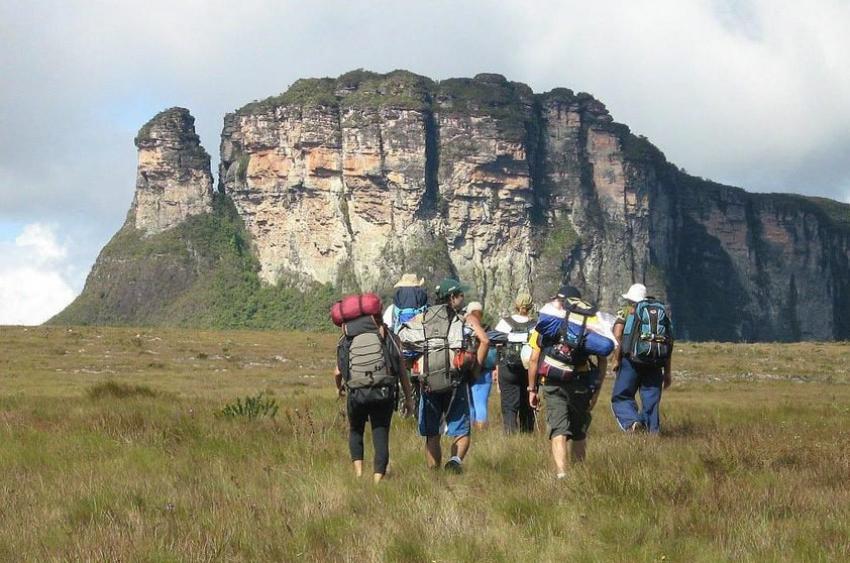
Explore Picos das Almas, Itobira and Barbado: A trekking paradise in Chapada Diamantina This guide explores a special itinerary for trekking enthusiasts in the Chapada Diamantina, focusing on the ascent of the three highest peaks in northeastern Brazil: Pico das Almas, Pico do Itobira and Pico do Barbado. The giants […]
Sempre-Viva is typical of the Chapada Diamantina and has become a symbol of conservation. The Sempre-Viva (Helichrysum bracteatum) is widely used as a cut flower in floral arrangements, both fresh and dried, and is a typical species of the Chapada Diamantina. This annual herbaceous plant, which can grow between 0.7 […]
The dive sites of Chapada Diamantina are true natural treasures, combining crystal clear waters, scenic beauty and unique biodiversity to offer divers and nature lovers an unrivalled experience. Among the most popular sites are Poço Azul and Poço Encantado, known for their stunningly transparent waters where the light creates spectacular visual […]
When we hear about the Chapada Diamantina, the town that immediately springs to mind is Lençóis in Bahia, which, for this reason alone, becomes the top choice for a trip to the Chapada, leading the whole stream of tourists to opt for it, as it has facilities tailored to their needs. […]
If you’re wondering what to do in Rio de Contas, the answer lies in its waterfalls, peaks over 2,000 metres high, unfinished churches from the gold rush era, listed colonial mansions and a history stretching back over three centuries. Rio de Contas is one of Bahia’s tourist destinations that attracts […]
Rio de Contas, one of the oldest cities in the Chapada Diamantina region, is notable for its 17th-century Baroque architecture, which has been preserved to the present day. In 1745, at the height of the gold rush, it was planned as Brazil’s first planned city, reflecting the prosperity of the […]
Piatã is the highest mountain town in the whole of the North-East If you’re wondering what to do in Piatã, Bahia, it’s worth first finding out why this town is so special: Piatã, in Chapada Diamantina, is the highest and coldest municipality in the state and in the whole of the North-East […]