Rio de Contas: A Historic Town in Chapada Diamantina
Rio de Contas is one of Bahia’s tourist destinations that attracts visitors not only for its natural beauty and ecological trails, but also for the preserved memory of the region’s best-preserved colonial houses.
History and Foundation
Located 620 kilometres from Salvador, Rio de Contas was the first town established in Chapada Diamantina, in 1723, still as a village, according to the IBGE. Historical data indicate that the region began to be populated by escaped slaves from the coast of Bahia in 1687.
Origin of the Name
The origin of the name “Rio de Contas” is related to the history of the region and the presence of bandeirantes in the area. The name refers to a type of account, which was an object used to make notes or records, especially in trade and exchange of goods.
Another explanation is that the name may have derived from “contas” (accounts) in the sense of “accounting” or “recording” the wealth that was exploited in the area, mainly during the period of gold mining.
Thus, “Rio de Contas” could symbolise the flow of wealth and intense commercial activity that took place in the region during the 17th and 18th centuries.
City Features
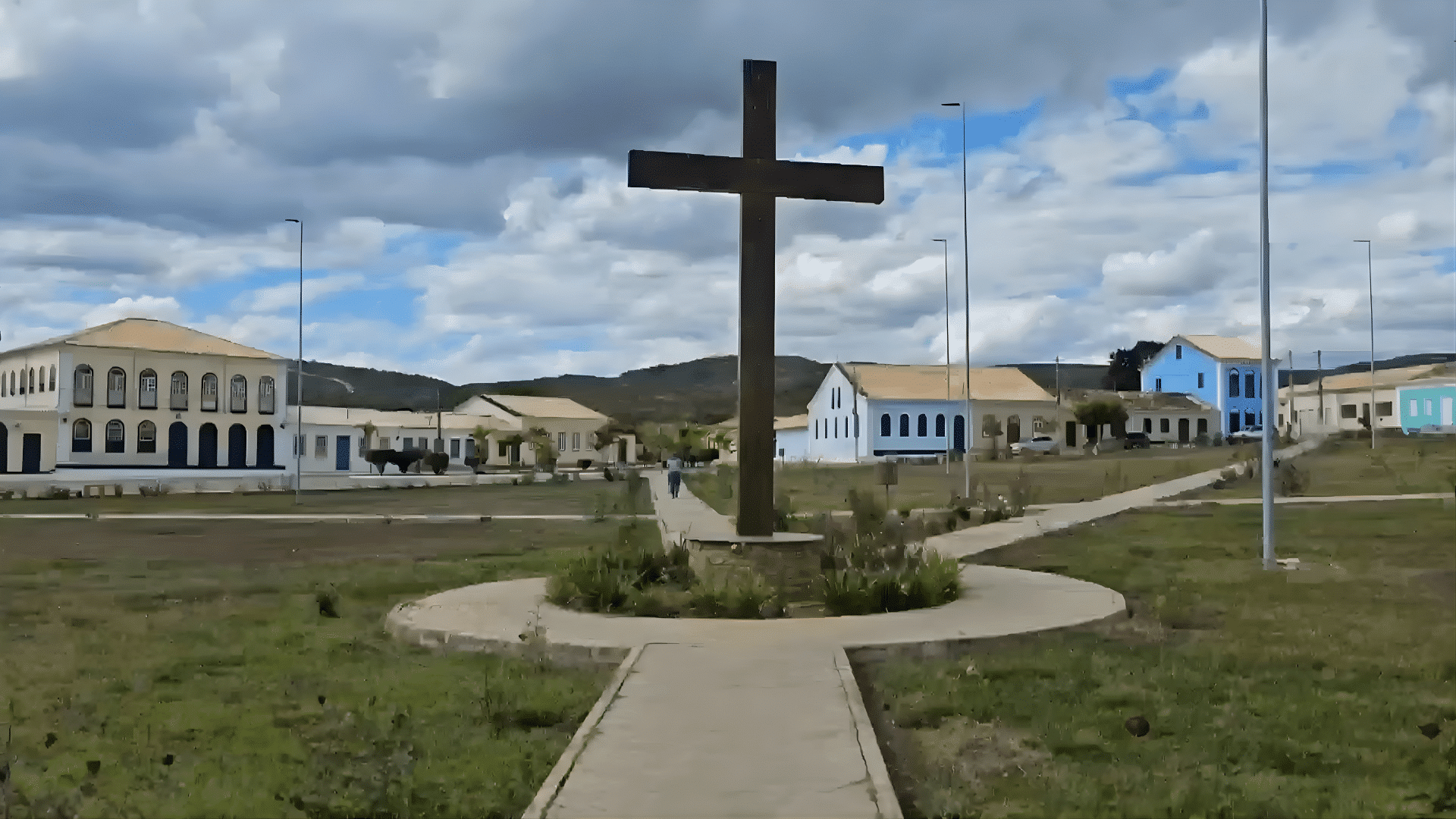
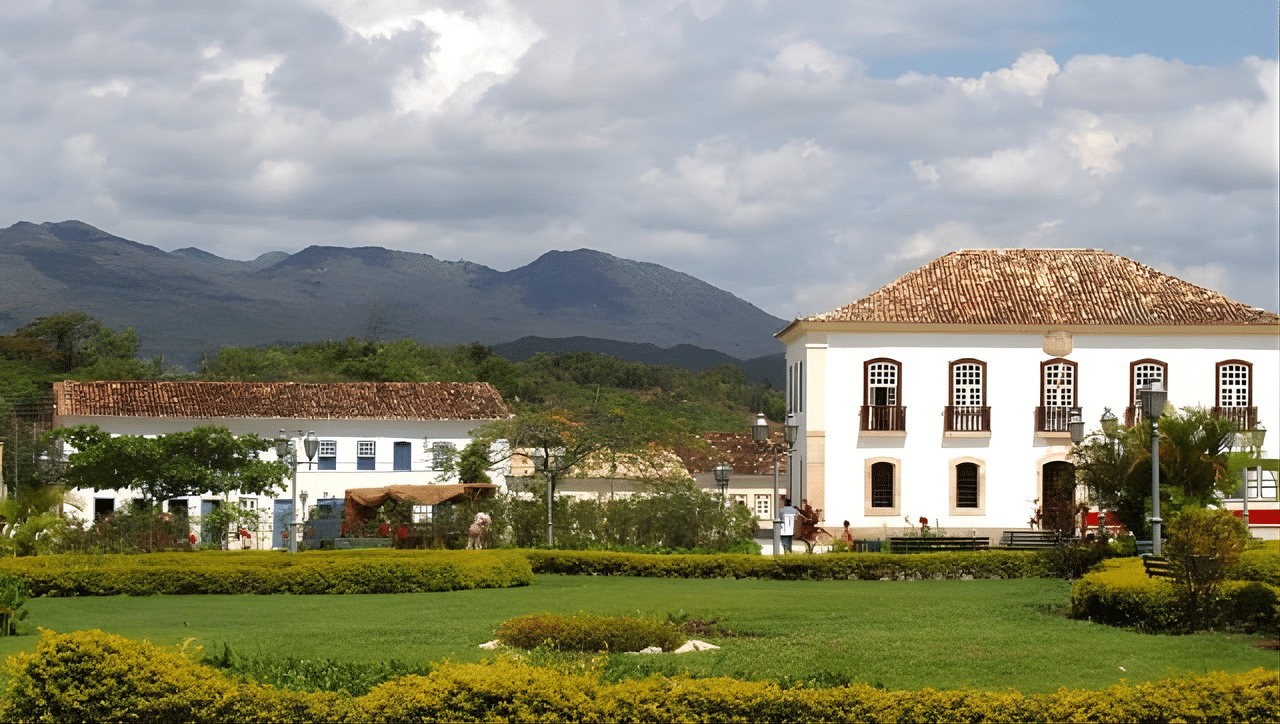
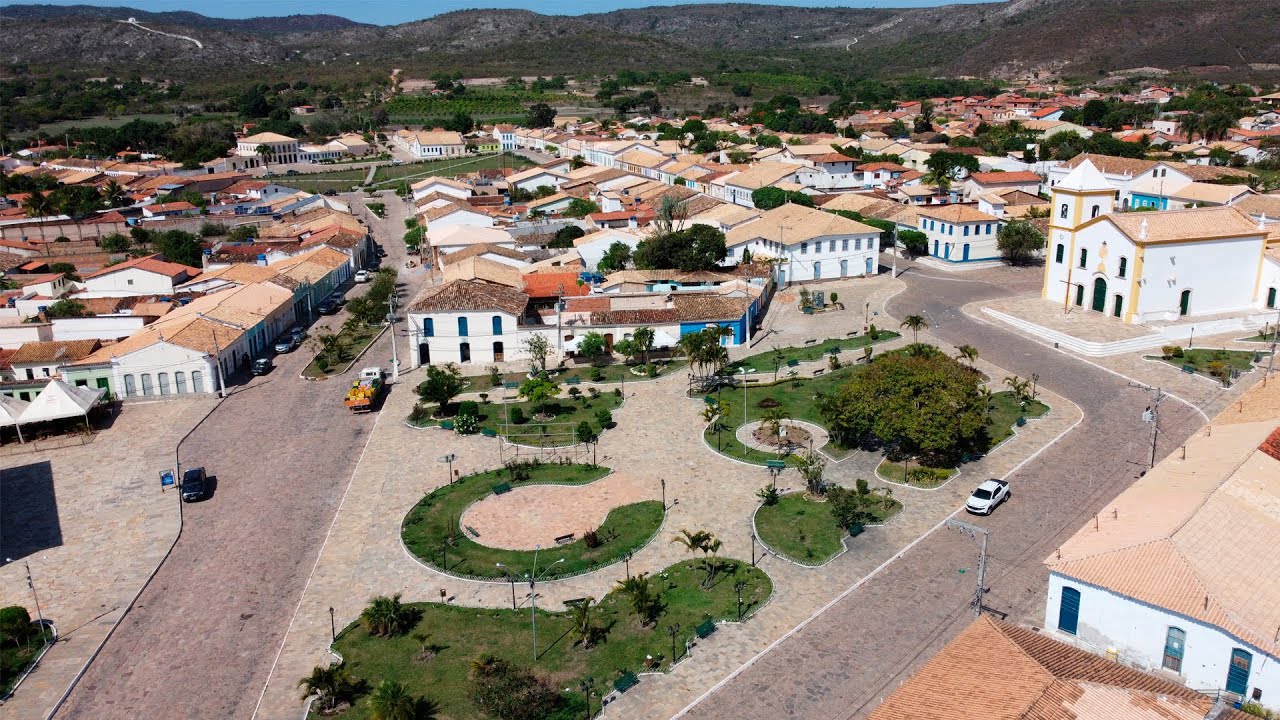
Rio de Contas is considered the first planned city in Brazil.
The city has wide streets and large stone pavements. It is located 56 km from Palmeiras and originated from a resting place where travellers would spend the night, giving rise, at the end of the 17th century, a settlement called Creoulos on the new route between Goiás and Salvador.
Some freed slaves lived there in a community, which explains its original name. Then came the bandeirantes and Jesuits. The discovery of gold deposits caused the village to grow, transforming it into the Village of Nossa Senhora do Livramento das Minas de Rio de Contas.
Architecture and Culture
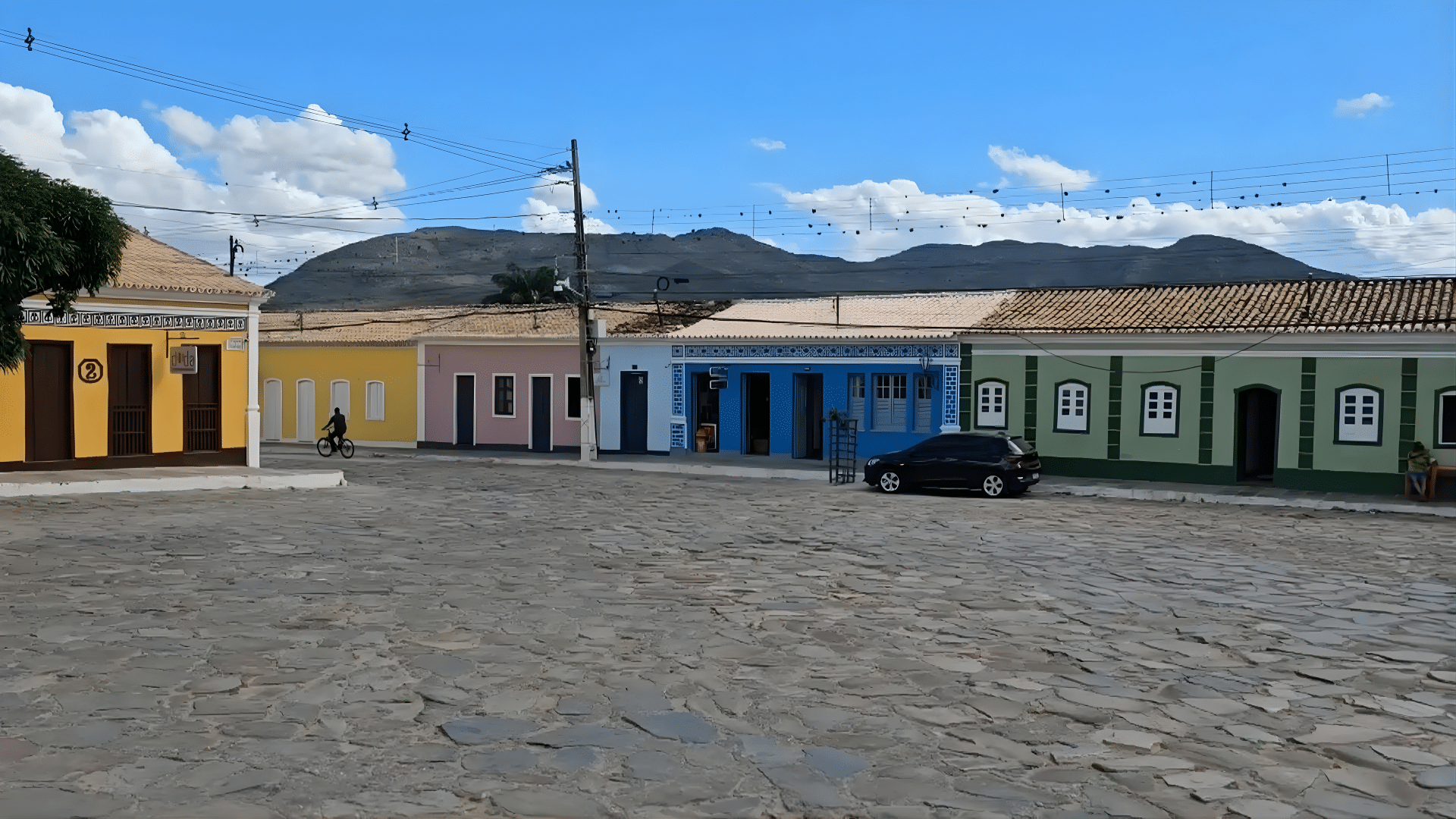
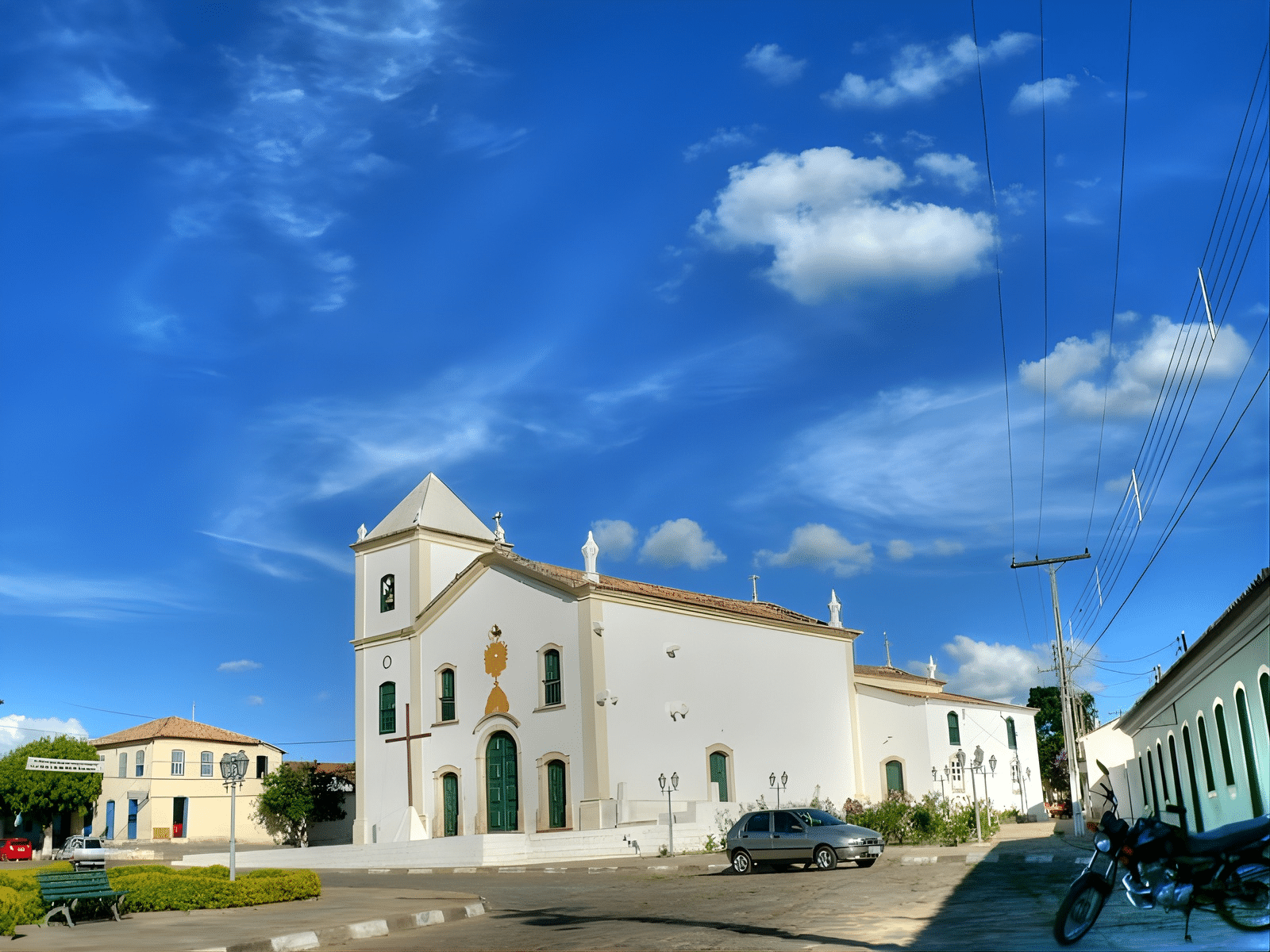
This ancient city preserves more than 400 mansions from the 17th and 18th centuries, built in Baroque architecture and all of which have been restored. Among them are the Town Hall, the churches of Santíssimo Sacramento and Santana, and the São Carlos Theatre.
The Rio de Contas Municipal Archives contain old newspapers, photographs, and documents dating back to the 18th century.
Cinema and Tourism
Scenes from Abril Despedaçado were filmed in the main square under the direction of Walter Salles.
Royal Road
The 6 km stretch of the Old Royal Road, near Rio de Contas, built entirely of stones laid by slaves in the 18th century, is perfect for a walk, with magnificent views.
It was the main access route to Livramento and today is one of the biggest tourist attractions in the region.
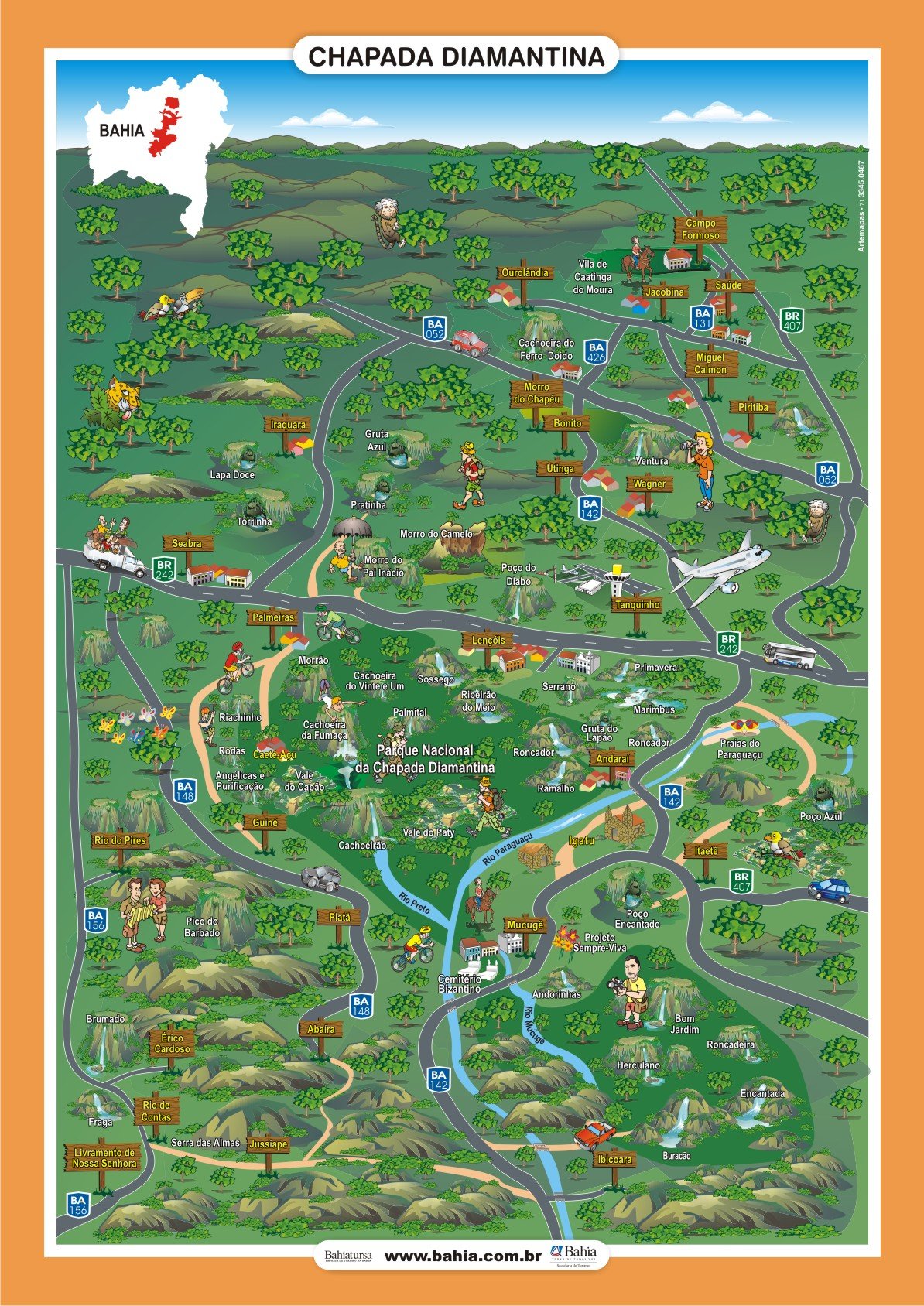
See the map of Chapada Diamantina
See also Tourist Attractions in Chapada Diamantina
Videos about Rio de Contas
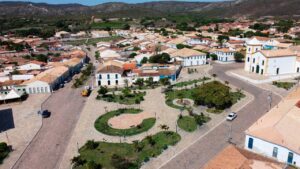
Imagens Aéreas de Rio de Contas
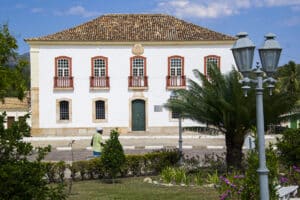
RIO DE CONTAS - SUA HISTÓRIA08:57
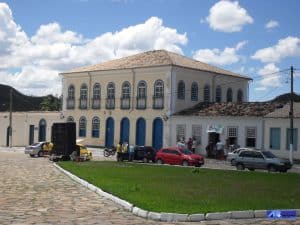
História de Rio de Contas08:39

Rio de Contas Guia de Turismo06:03

Rio de Contas Patrimonio Nacional06:59
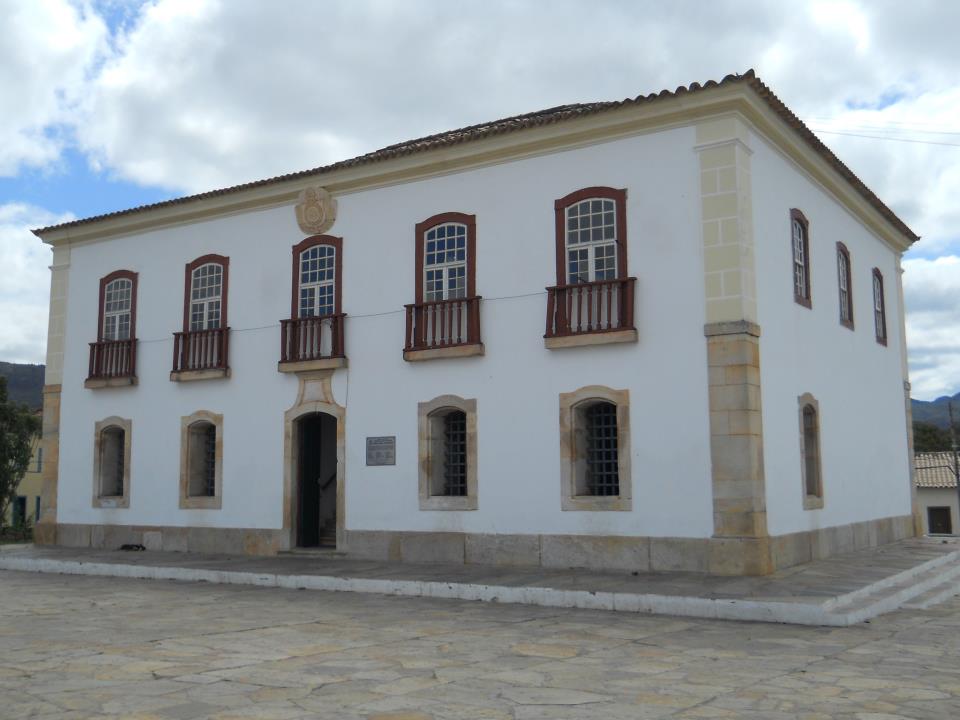
Rio de Contas na Chapada Diamantina12:51

Rio de Contas Dicas de Viagem02:17

Rio de Contas Guia de Viagem07:48
Rio de Contas - Drone12:01
Igreja de Santana em Rio de Contas10:06
AS BELEZAS E A HISTÓRIA DE RIO DE CONTAS08:39
História de Rio de Contas na Chapada Diamantina05:05
Architectural Richness of Rio de Contas
- Jail and Town Hall
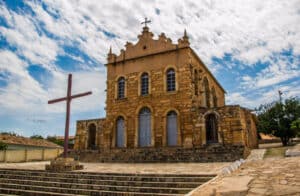
- Churches of Santana
- Church of the Blessed Sacrament in Rio de Contas
- São Carlos Theatre
- Birthplace of the Baron of Macaúbas
- Foundry
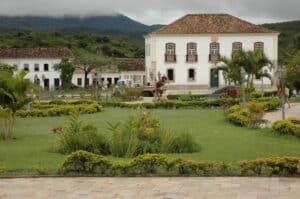
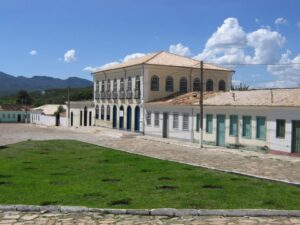
Rio de Contas was the first planned city in the country, featuring wide squares and streets, Baroque churches, and buildings from the second half of the 18th century and early 19th century.
It is one of the rare colonial “new towns,” created by Royal Provision in 1745, which recommended a regular layout and architecture capable of ensuring its beautification.
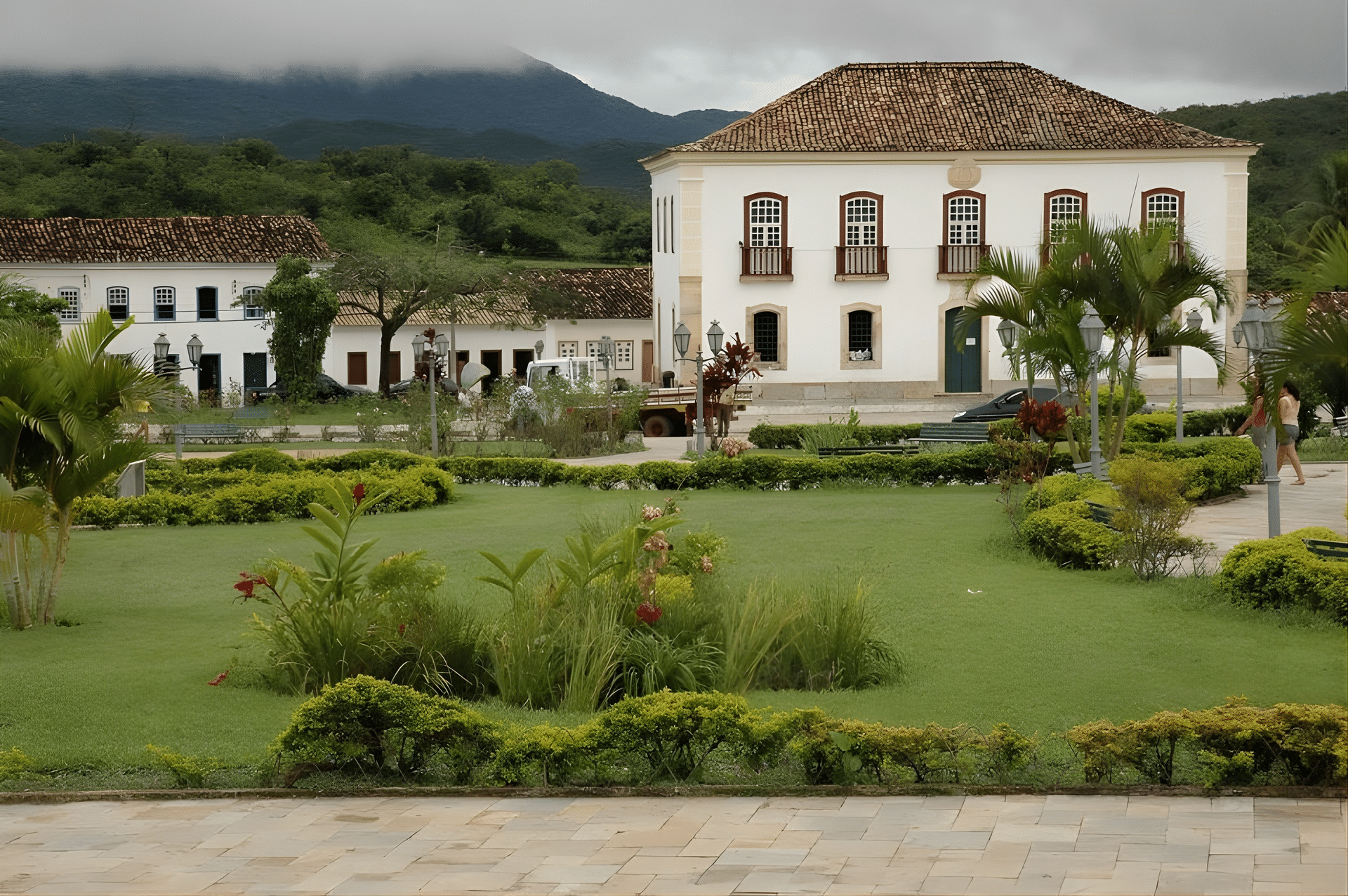
The buildings in the centre are among the most important and beautiful in Bahia. The houses and cobbled streets are very well preserved.
The city was part of the gold route and was a trading post on the Royal Road. The beauty of its streets served as the backdrop for the film Behind the Sun (2001), by filmmaker Walter Salles.
With several natural attractions in its surroundings, the municipality has some of the highest peaks in the Northeast. Among the city’s unique features are the traditional masked carnival and the quilombola villages and those of Portuguese descent.
1. Prison and Town Hall
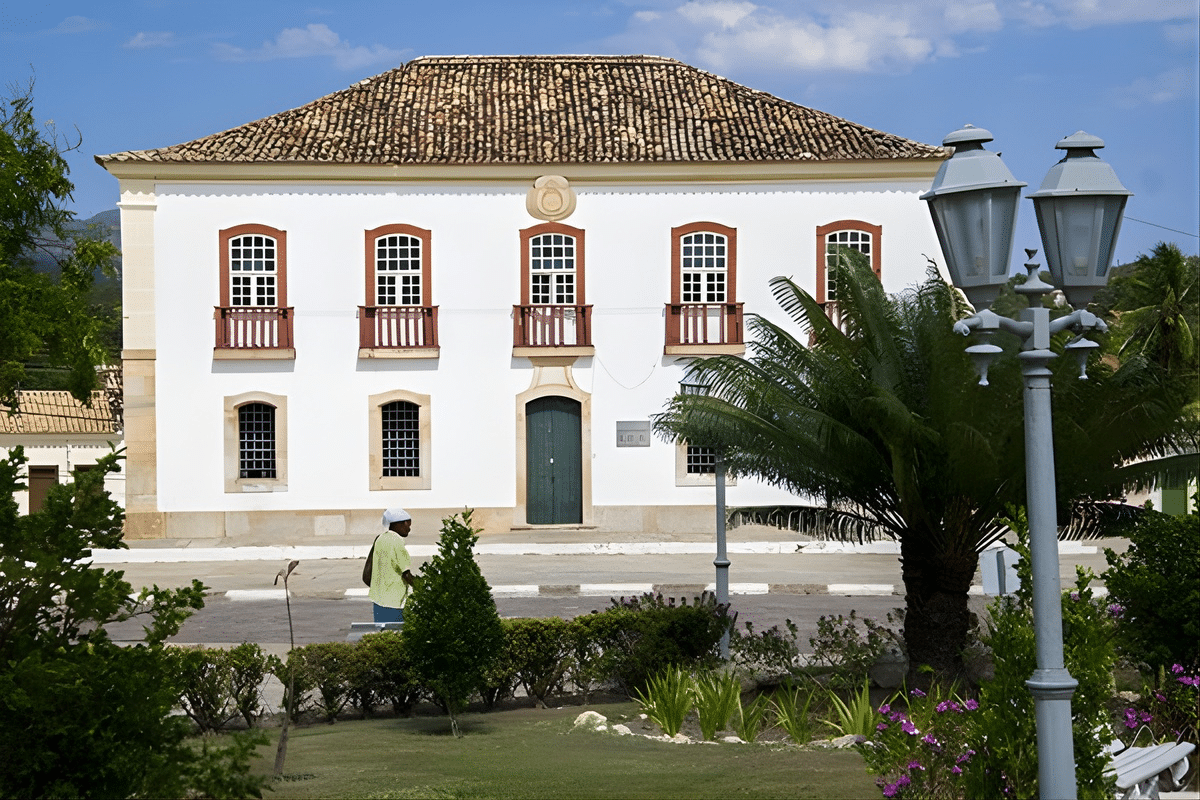
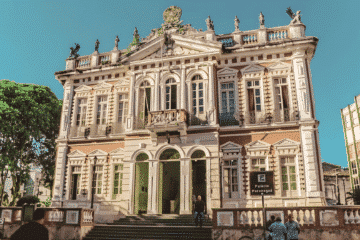
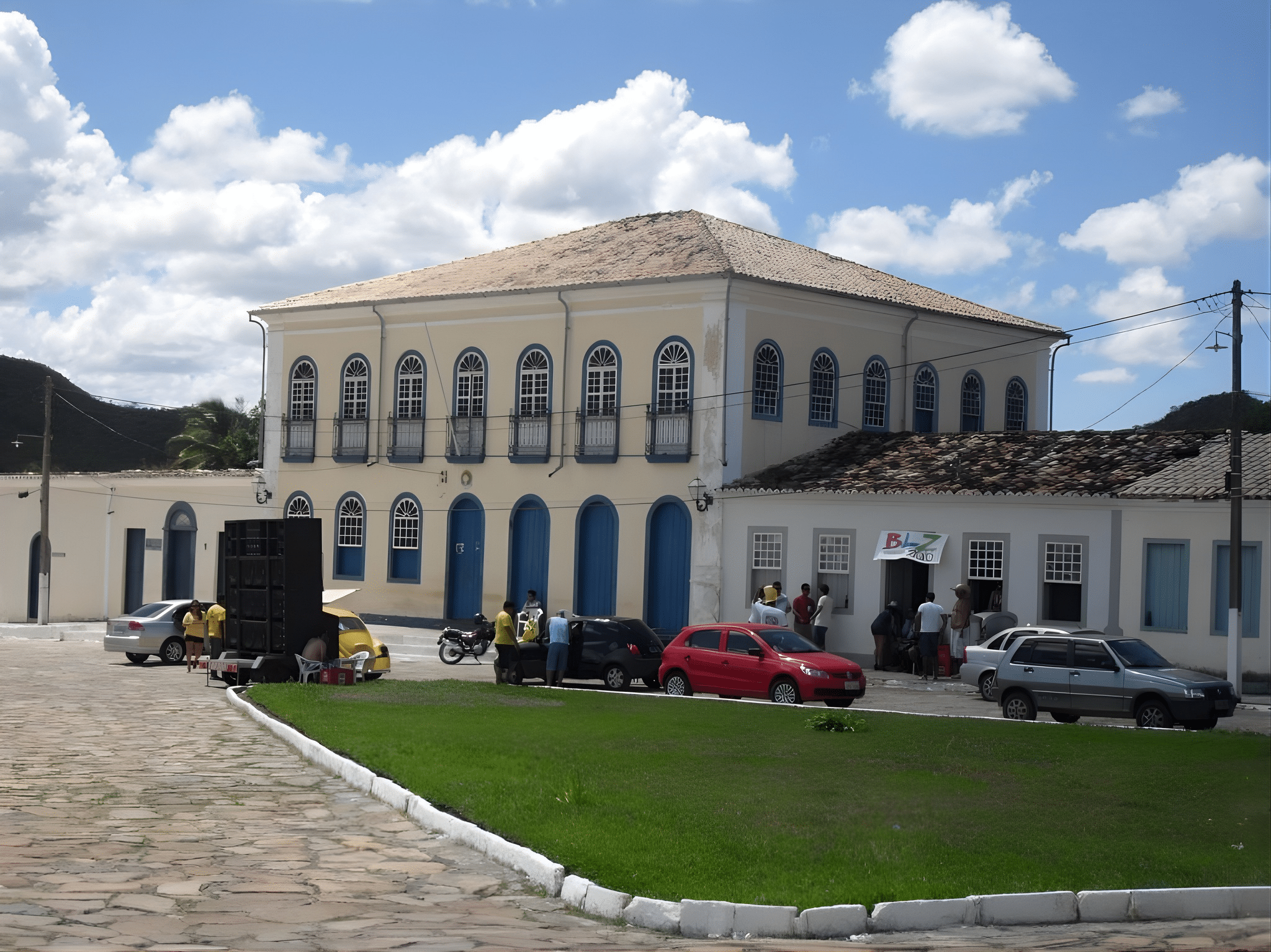
This mansion housed the most feared prison in the entire hinterland of Bahia, which was located on the ground floor, along with the jailer’s house and the guardhouse. The second floor was the location of the City Council and the Court. A unique feature of the building is the people’s bell, installed in the window frame of one of the second-floor windows.
It is located in Praça Senador Tanajura, formerly Praça da Matriz, with immense visibility. Without a doubt, it is the most photographed mansion in the city. Former Jail and Town Hall, now the Courthouse of the city of Rio de Contas.
2. Churches of Santana
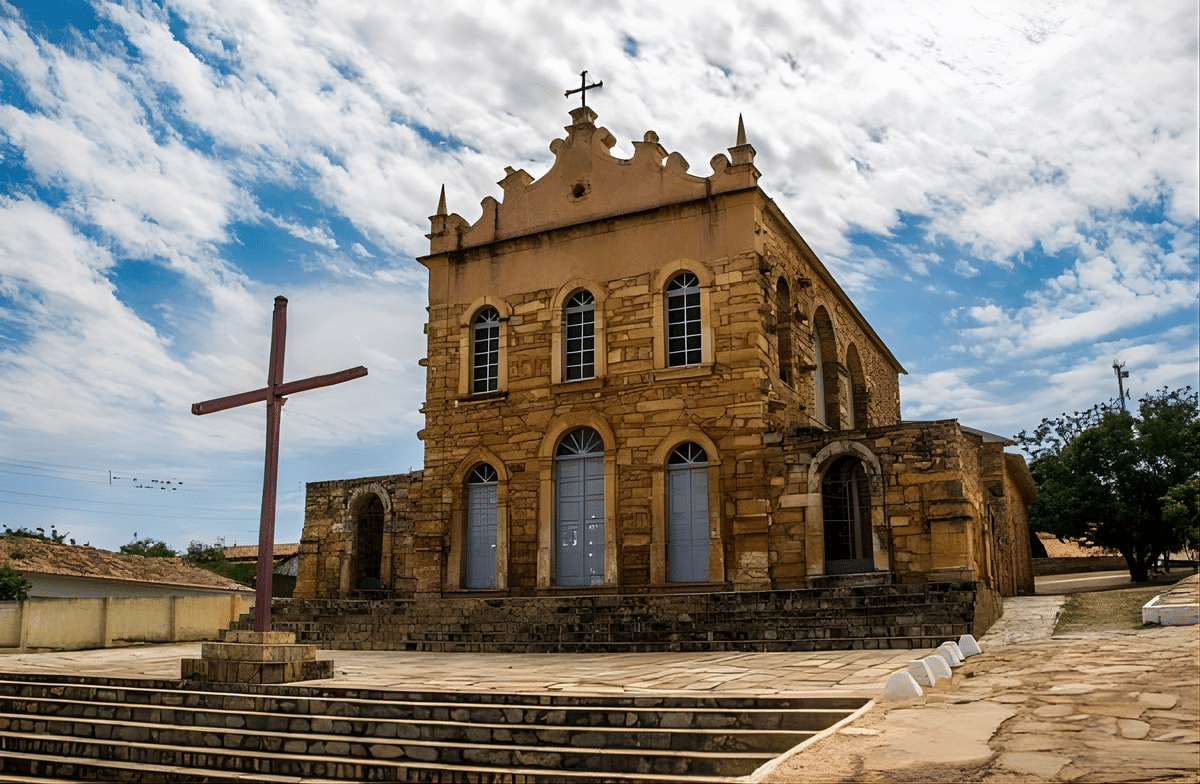
This church is a rare example with three naves and a chancel, which connects to the side sacristies. Built by slaves in the first half of the 18th century, it was never completed.
The works were halted around 1850, when the local population migrated to the diamond mines of Mucugê, Lençóis and Andaraí.
In 1914, as a result of heavy rains, the church roof collapsed. It was only in 1960, after being listed by IPHAN, that new works were carried out to preserve it.
3. Holy Sacrament Church in Rio de Contas
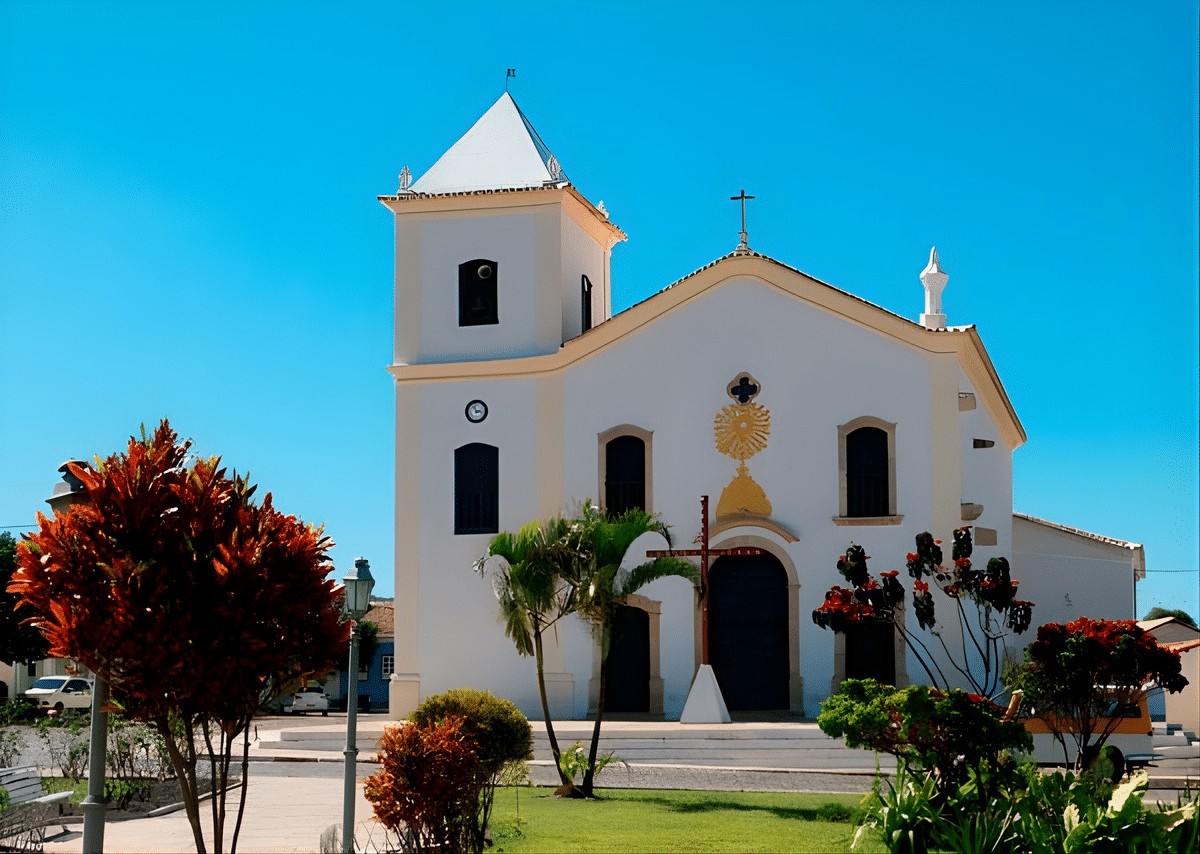
The Mother Church is the finest example of religious architecture preserved in the entire Bahian hinterland. It was built in the 18th century and was never completed.
It was built in stone masonry by slave labour and boasts remarkable carpentry.
The main altar and the two side altars are all covered and gilded with gold leaf. On the ceiling of the chancel there is an illusionist painting, inspired by Italian art. Santíssimo Sacramento Church in Rio de Contas.
4. São Carlos Theatre
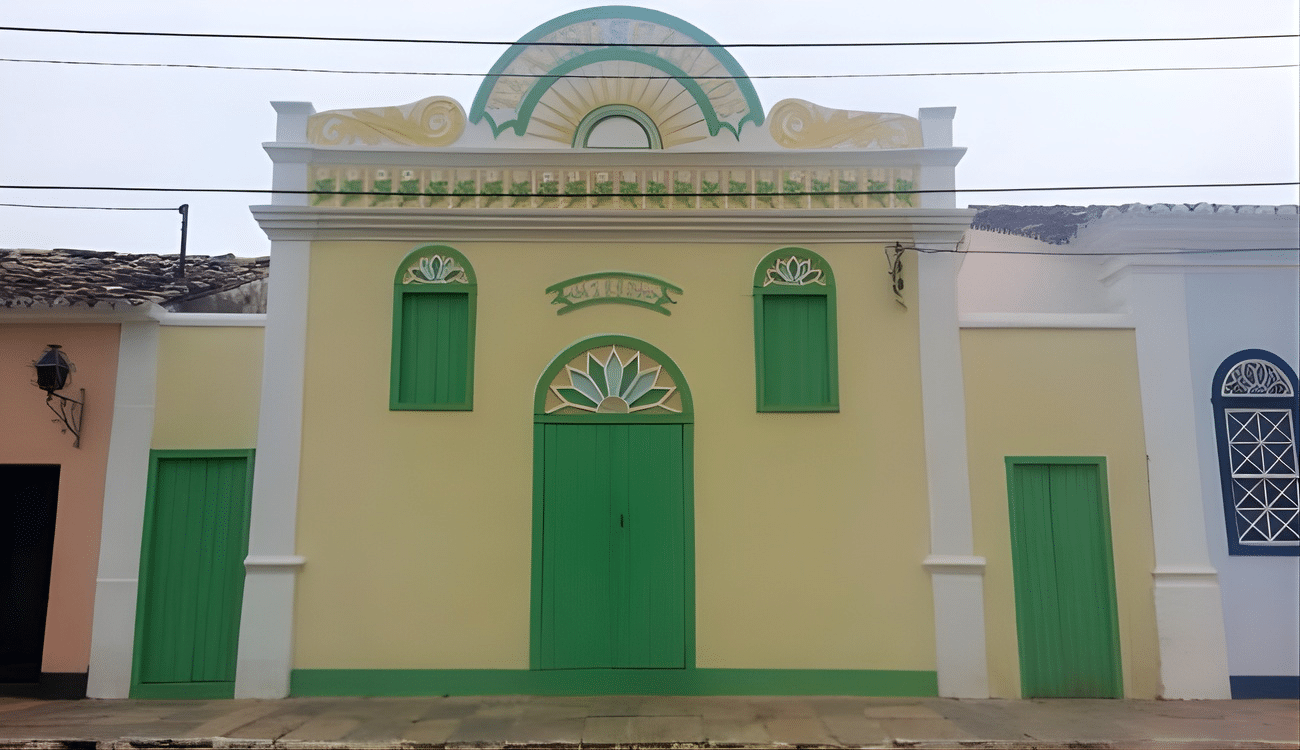
One of the three oldest in Brazil and the oldest in the interior of Bahia. Opened in 1892, it has been the stage for countless performances by local groups and productions from other parts of Brazil. It currently functions as a space for educational and cultural activities.
5. Birthplace of the Baron of Macaúbas
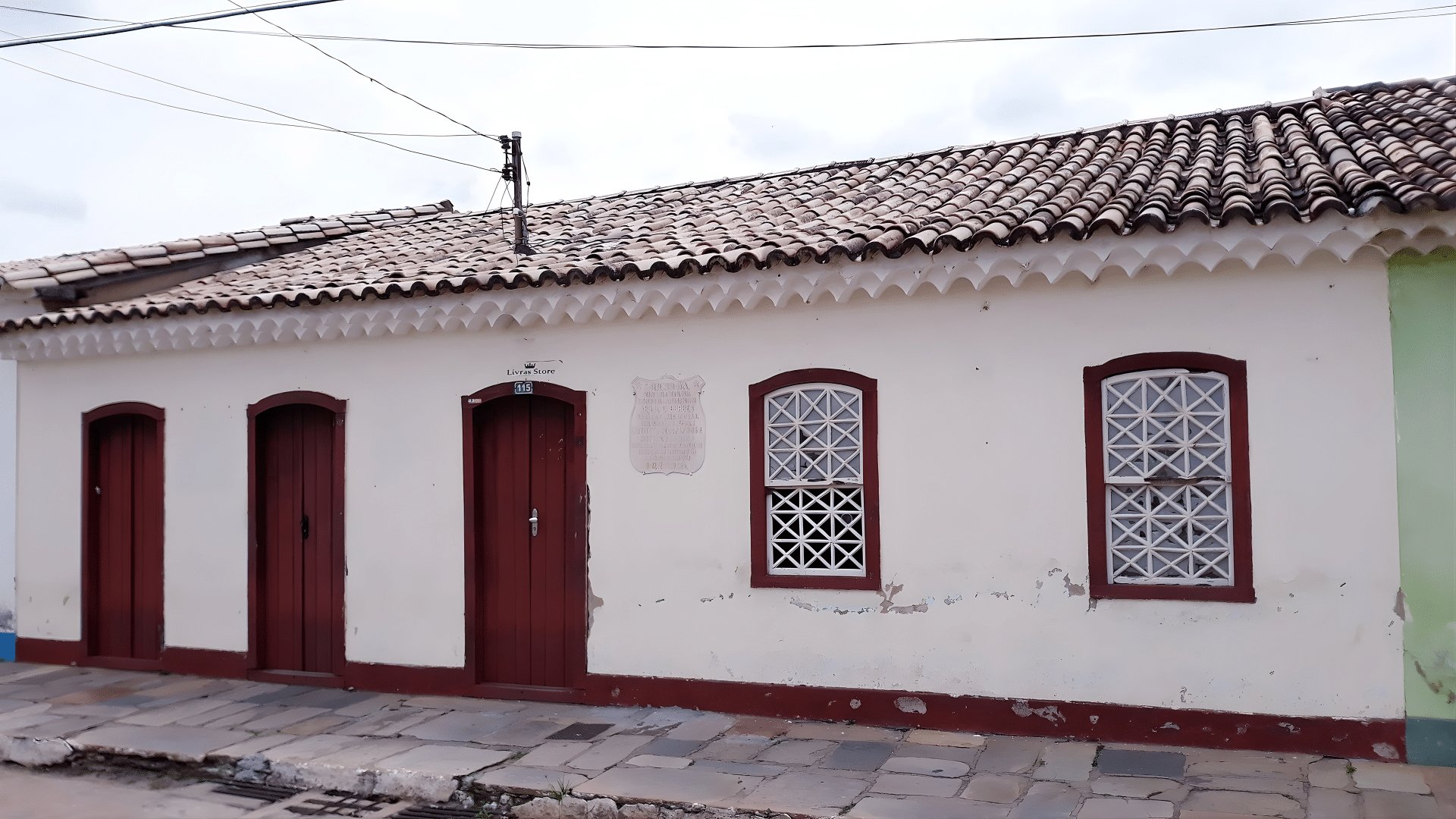
Birthplace of the Baron of Macaúbas, birthplace of Abílio César Borges, the Baron of Macaúbas (1824–1891), a great Brazilian educator.
Probably built in the early 20th century, it is a typical example of diamond mining residences, being of mixed use (residential and commercial). It is currently occupied by the Technical Office of IPHAN and the Municipal Archives of Rio de Contas.
6. Foundry House
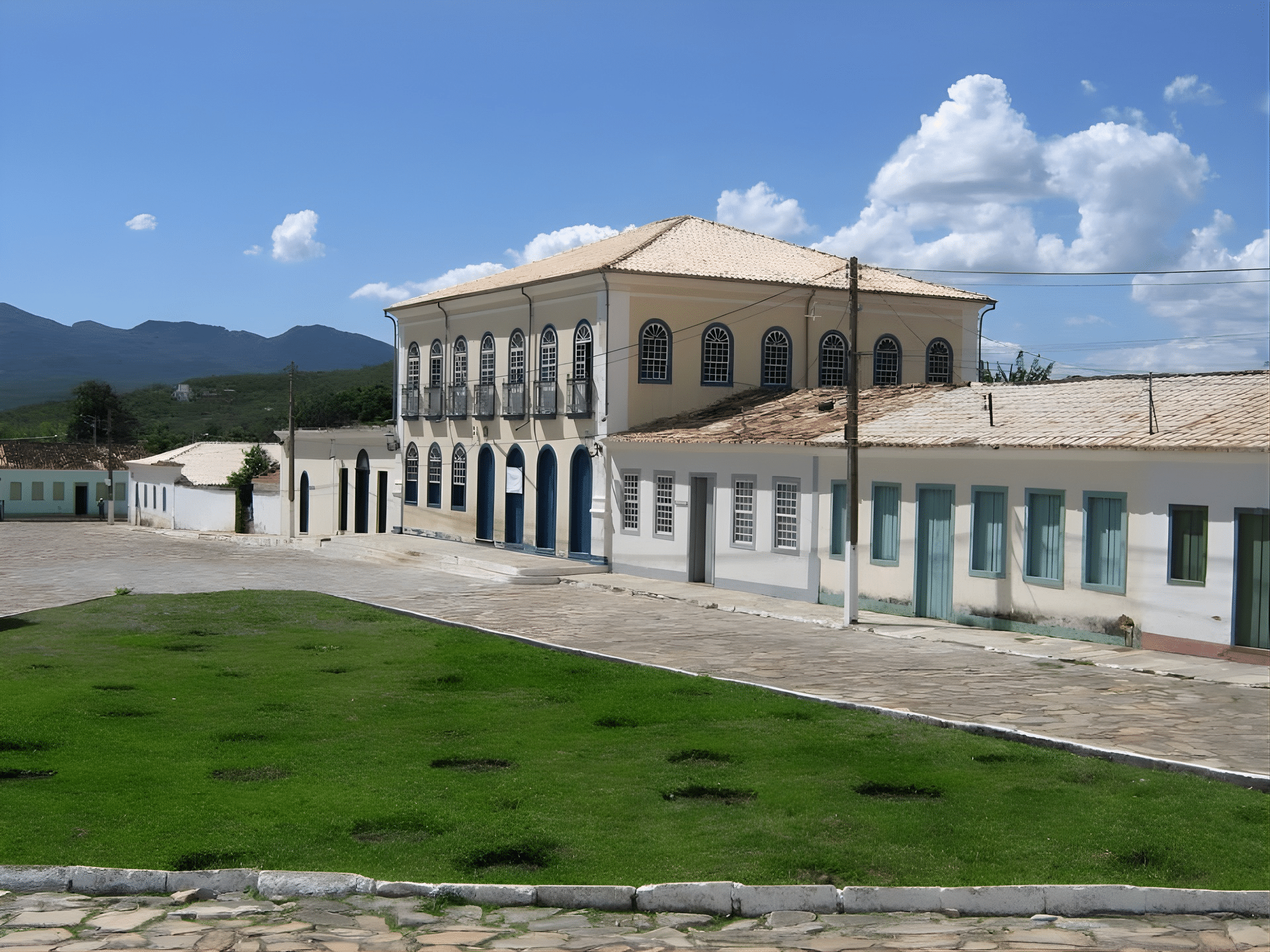
Foundry, where gold was melted down and transformed into bars. It is currently the headquarters of the Rio de Contas Municipal Government.
Tourist Attractions in Rio de Contas
- Peak of Souls
- Fraga Waterfall
- Andorinhas Waterfall
- Barbado Peak
1. Peak of Souls
At an altitude of 1,958 metres, Pico das Almas is not for beginners, but it offers adventurers who reach its summit an incredible view of the entire Chapada Diamantina.
2. Fraga Waterfall
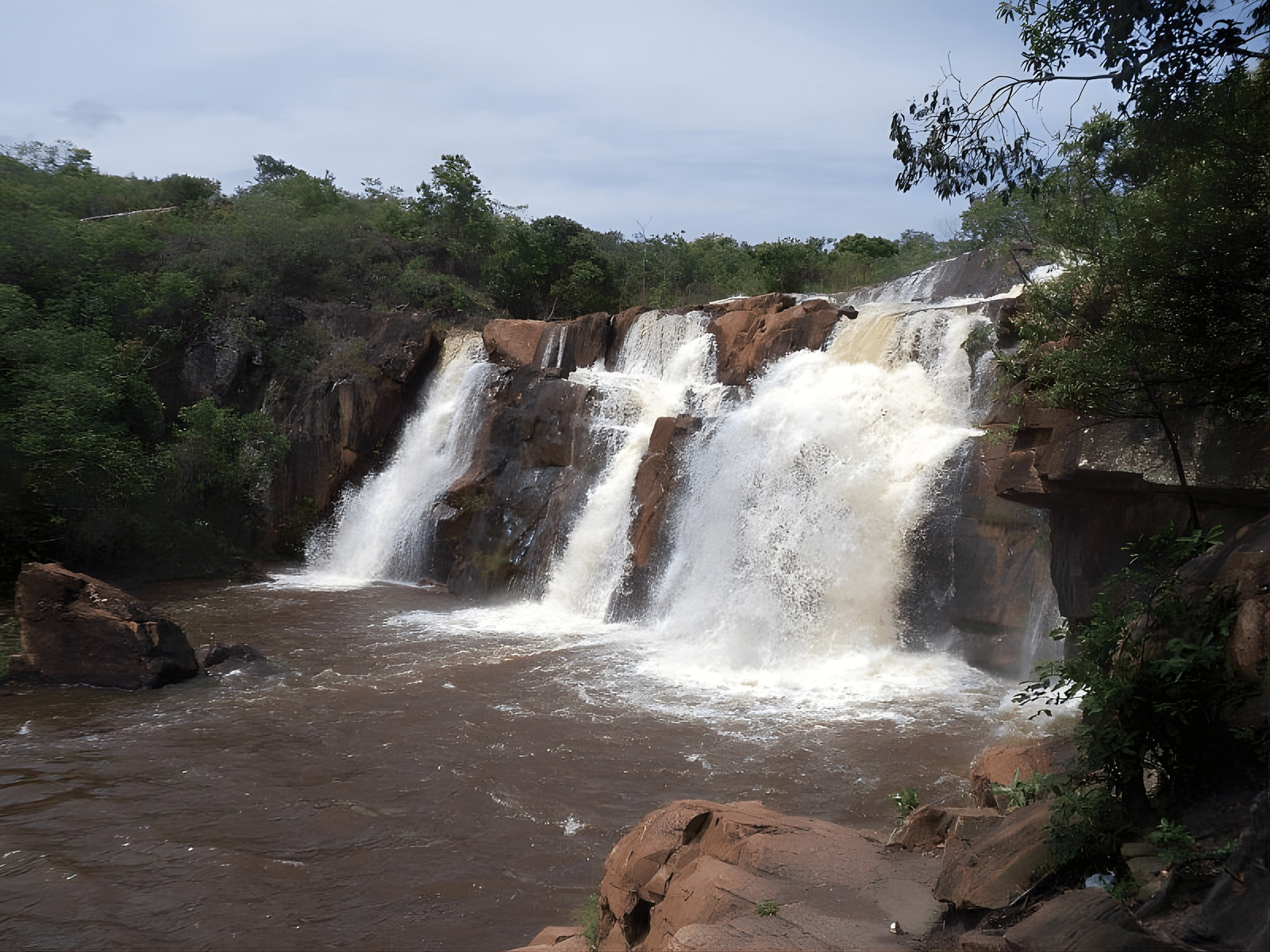
Very close to the city, it is an easily accessible leisure option. Its pools are great for swimming. There is a bar nearby.
3. Swallows Waterfall
Located inside a cave, it is one of the most beautiful places in Chapada.
4. Barbado Peak
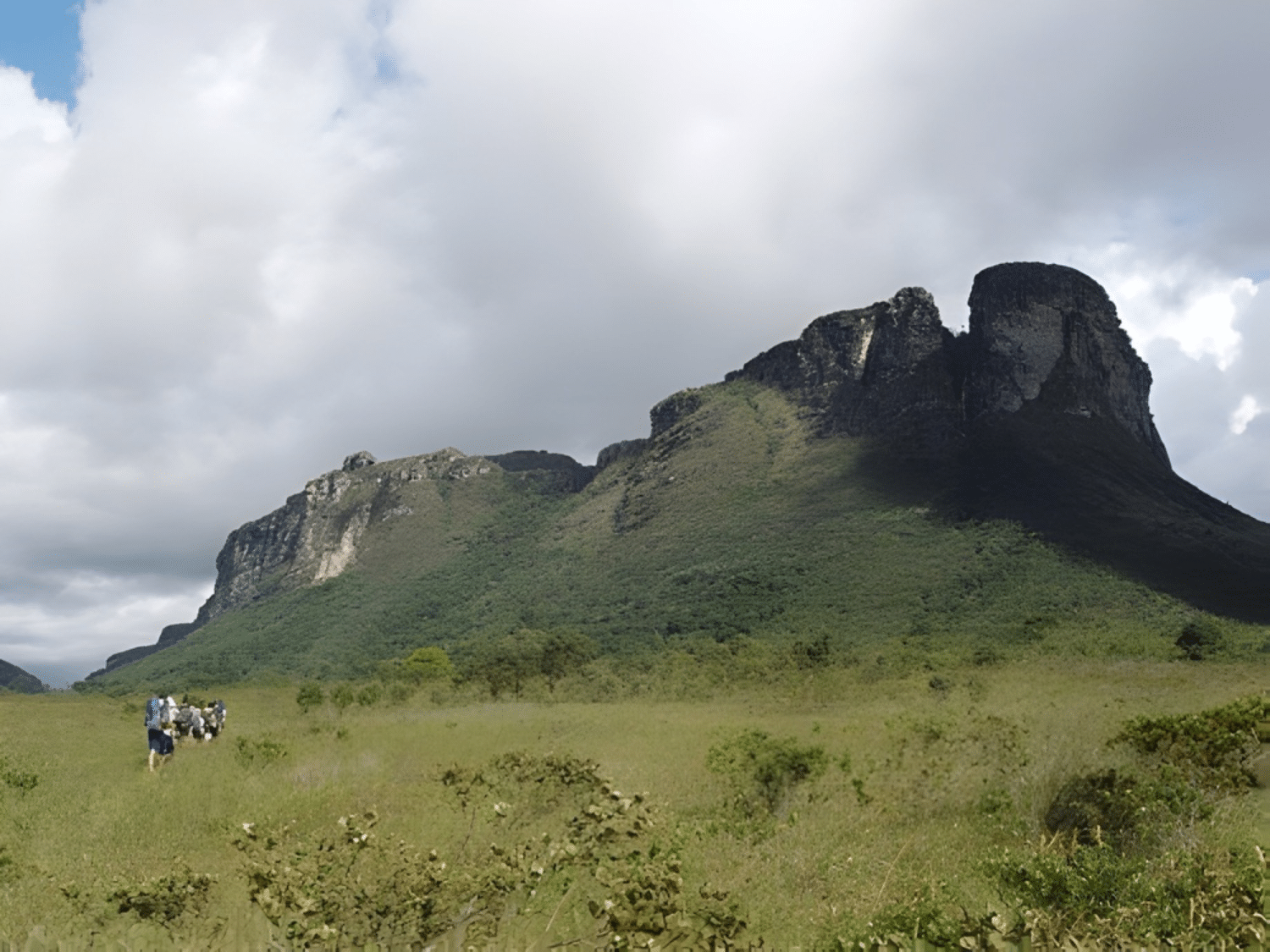
At an altitude of 2,050 metres, this is the highest point in the Northeast and the most visited by mountaineering enthusiasts. Its extraordinary natural beauty is mainly due to the curious rock formations and the presence of evergreens, bromeliads and orchids.
From the top, there is a panoramic view of the neighbouring peaks, such as Pico das Almas and Pico de ltaobira. Talk to the staff at the Rio de Contas Tourist Information Centre and get some reliable maps.
See also the History of Rio de Contas
Bahia.ws is the largest tourist guide for Bahia and Salvador.
Publicações Relacionadas
Waterfalls of Chapada Diamantina: A Guide for Adventurers
History of the Church and Convent of São Francisco in Salvador
Abseiling Sites in Bahia: Top Locations to Explore
Basílica Santuário Nossa Senhora da Conceição da Praia — history and architecture
Ecotourism at Timeantube Lagoon, Praia do Forte
Trekking in the Pati Valley in Chapada Diamantina
Costa do Dendê: A Tropical Paradise in Bahia
Bahia Maritime Museum: History of Navigation at the Barra Lighthouse
Places of interest in Salvador — A comprehensive guide
Costa do Sauípe: Discover Paradise in Bahia
Discover the reasons for a holiday in Salvador, Bahia
Paragliding at Pitinga Beach in Arraial d'Ajuda
Vila de Barra Grande na Bahia: Guia Completo para Turistas
Mata de São João: An unmissable tourist destination on the north coast of Bahia
Barreiras: Where Carnival Meets Adventure Tourism
The Coconut Coast and its tourism heritage
The War of Canudos: Rescuing historical memory
Madre de Deus Island (BA) — Beaches, Islands and Tourism in the Recôncavo
Guarajuba Beach: A Paradise on the North Coast of Bahia
The Tamar Project and turtle conservation
Itaparica Island — Complete Guide: History, Beaches and Tips
Todos os Santos Bay — Nature, History and Water-based Tourism
Bom Jesus dos Passos Island — Travel guide: how to get there, beaches, history and things to do
Extreme Sports in Bahia: Adventure Awaits You
Towns and the Abrolhos Archipelago — The southernmost tip of Bahia
History and sights of Avenida Contorno in Salvador BA
Blue Fountain in Chapada Diamantina: a complete guide
Best Beaches in Bahia: Your Guide to Paradise
Baixio: Between lagoons, dunes and the charm of a village surrounded by nature
Alcobaça (BA) — Travel guide: history, beaches and heritage
Main Towns and Villages in the Chapada Diamantina Region
Solar do Unhão & MAM-BA — History, Architecture and a Visit
Main islands of Todos os Santos Bay | Visitor’s Guide
Discovering Brazil - Porto Seguro is the beginning of Brazil
The highest and most beautiful waterfalls in Chapada Diamantina
Taipu de Fora: Discovering Natural Pools
This post is also on:
 Português
  English
  Deutsch
  Español
  Français