The Cathedral Basilica of Salvador is located in the heart of Pelourinho and is one of the most important sacred buildings in colonial Brazil.
As well as bearing witness to the country’s history and Catholicism, the temple houses 17^(th)-century paintings, rosewood furniture and sacred gold and silver objects.
history and architecture
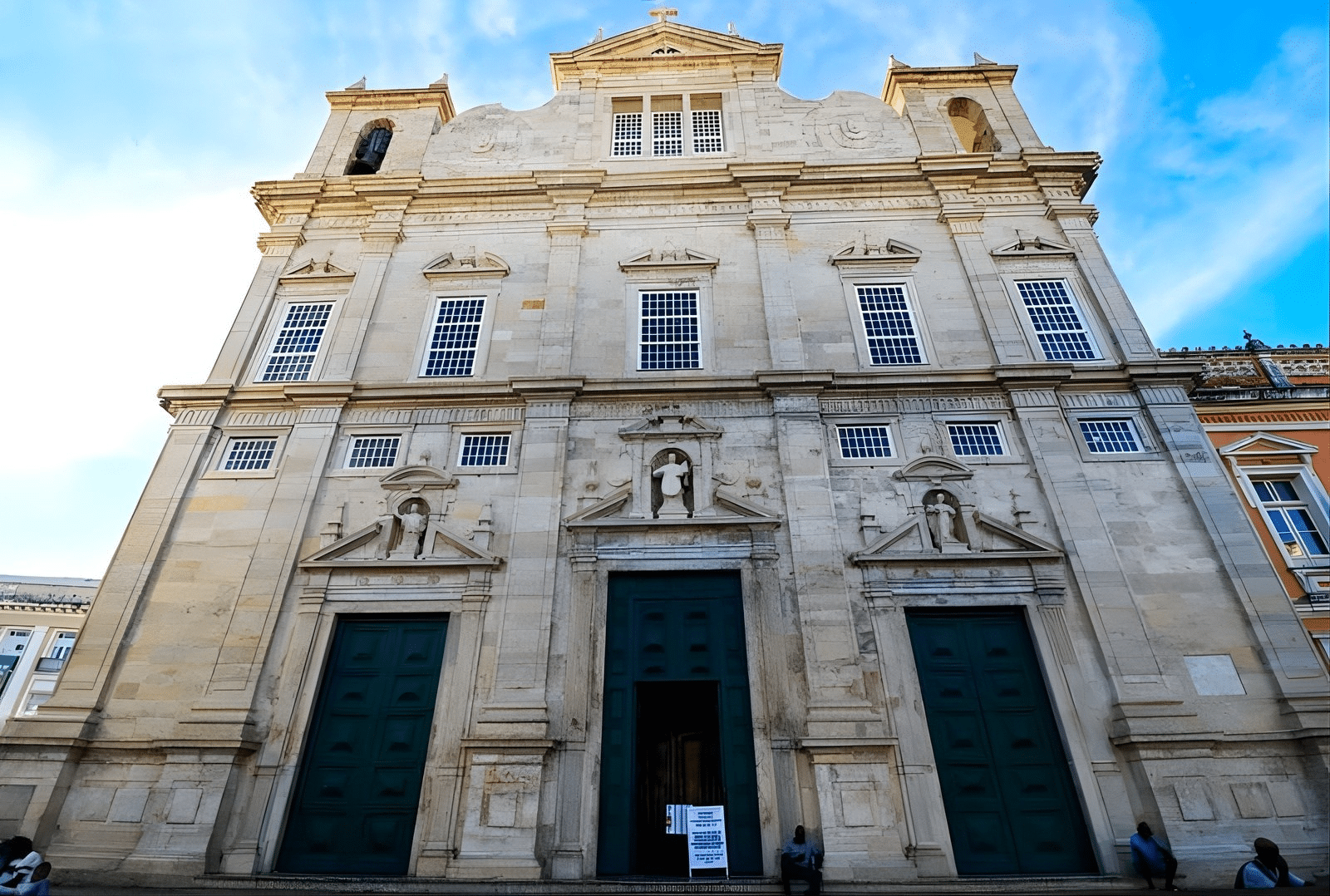
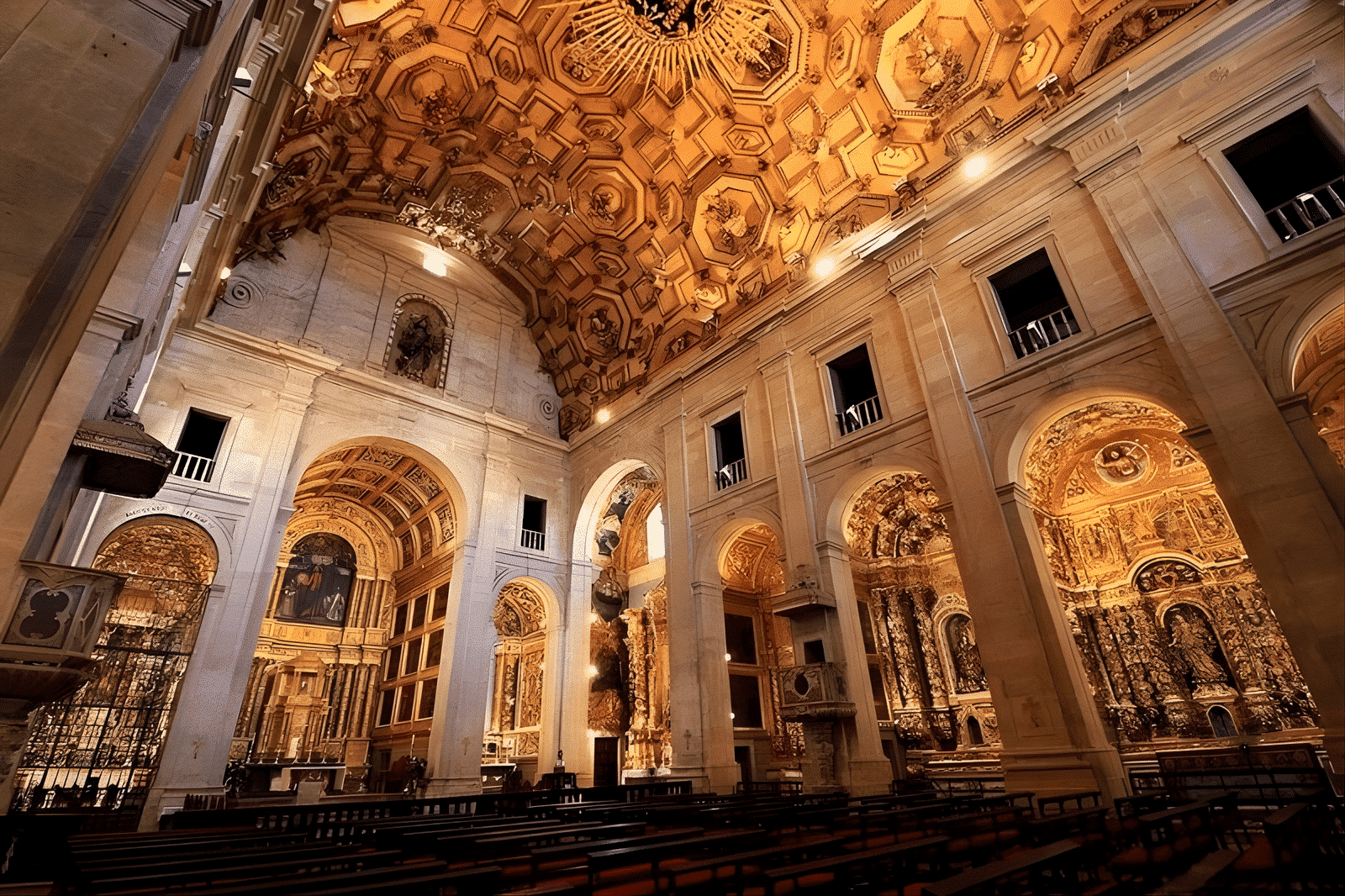
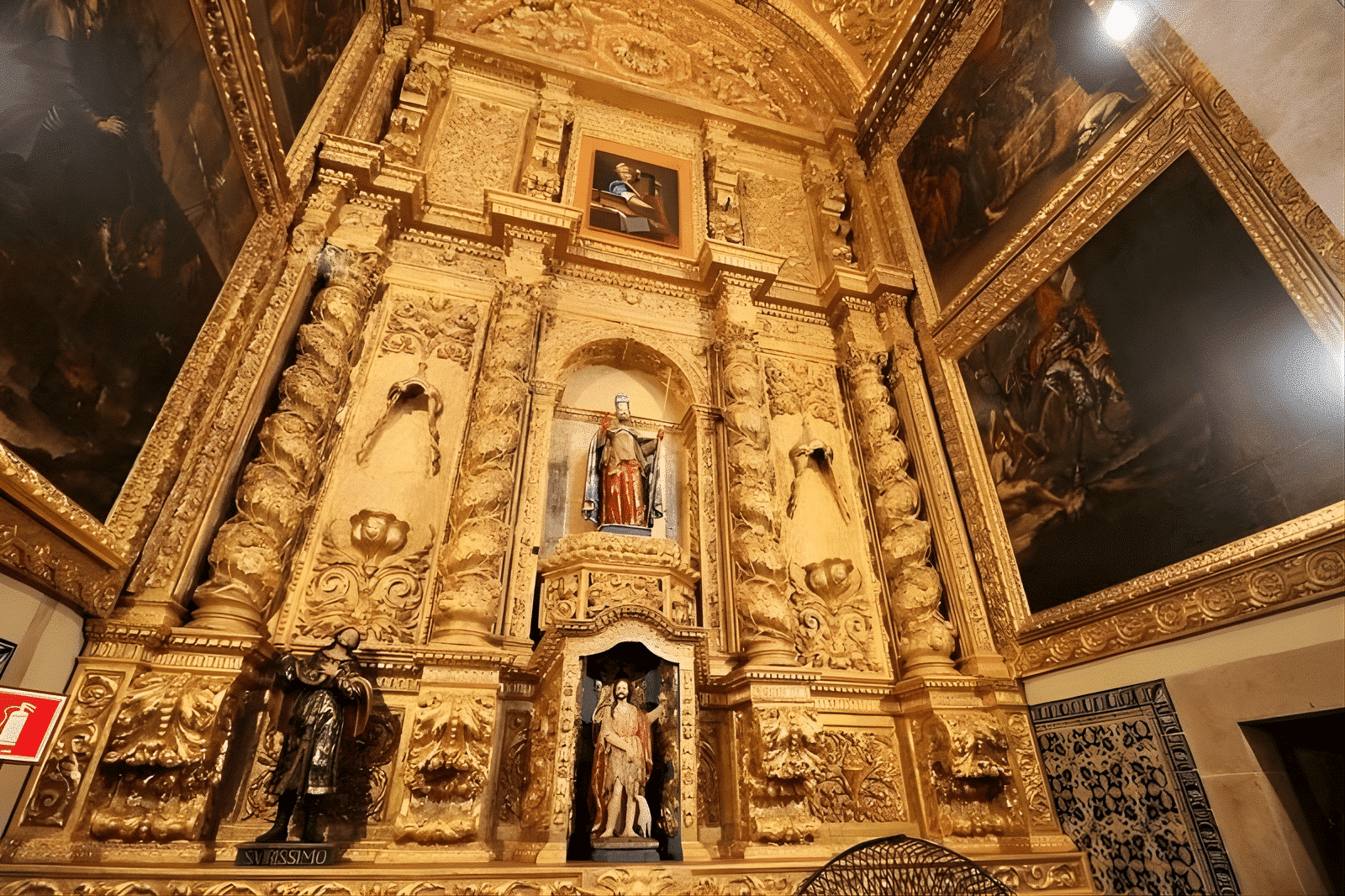
The current church, built by the Jesuits between 1652 and 1672, was the fourth temple of the order in the capital of Bahia and is the last remaining part of the Colégio de Jesus complex. Attributed to Brother Francisco Dias, the work follows the norms of the Council of Trent and features Renaissance and Baroque elements.
- Main construction period: 1657–1672. The frontispiece and towers were completed in 1694.
- The façade is made of Lioz stone, which was imported from Portugal. It features niches dedicated to Jesuit saints.
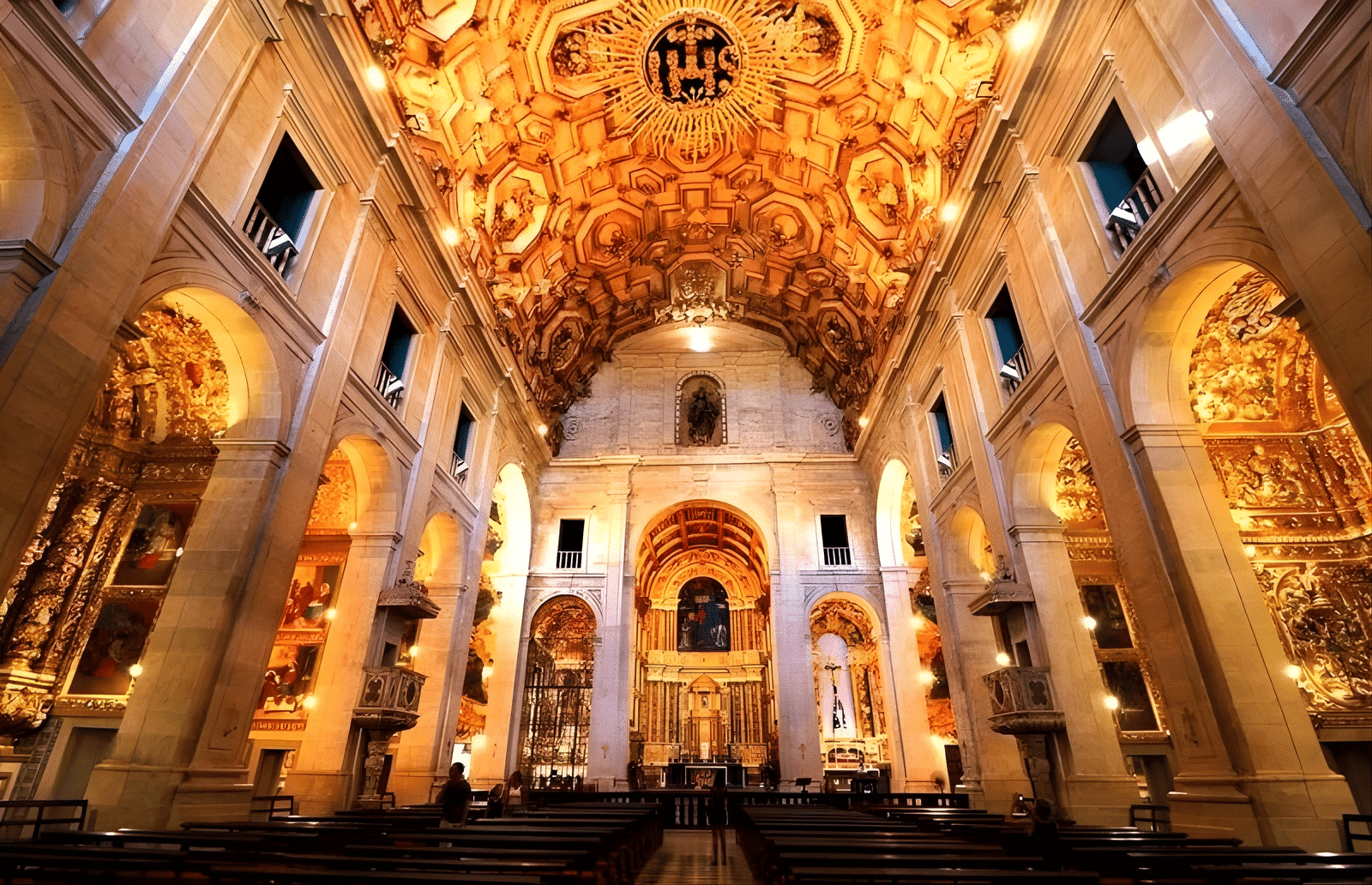
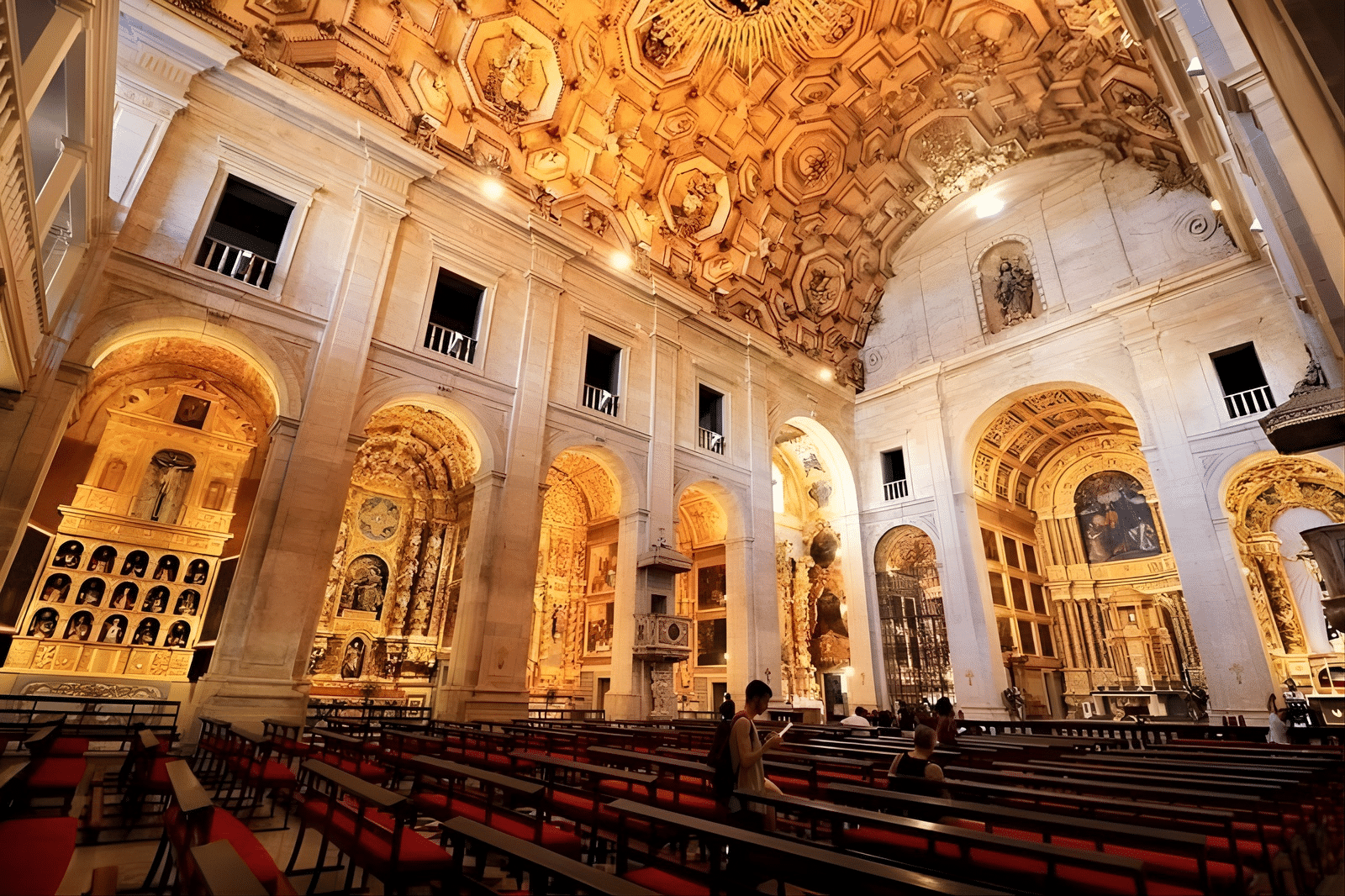
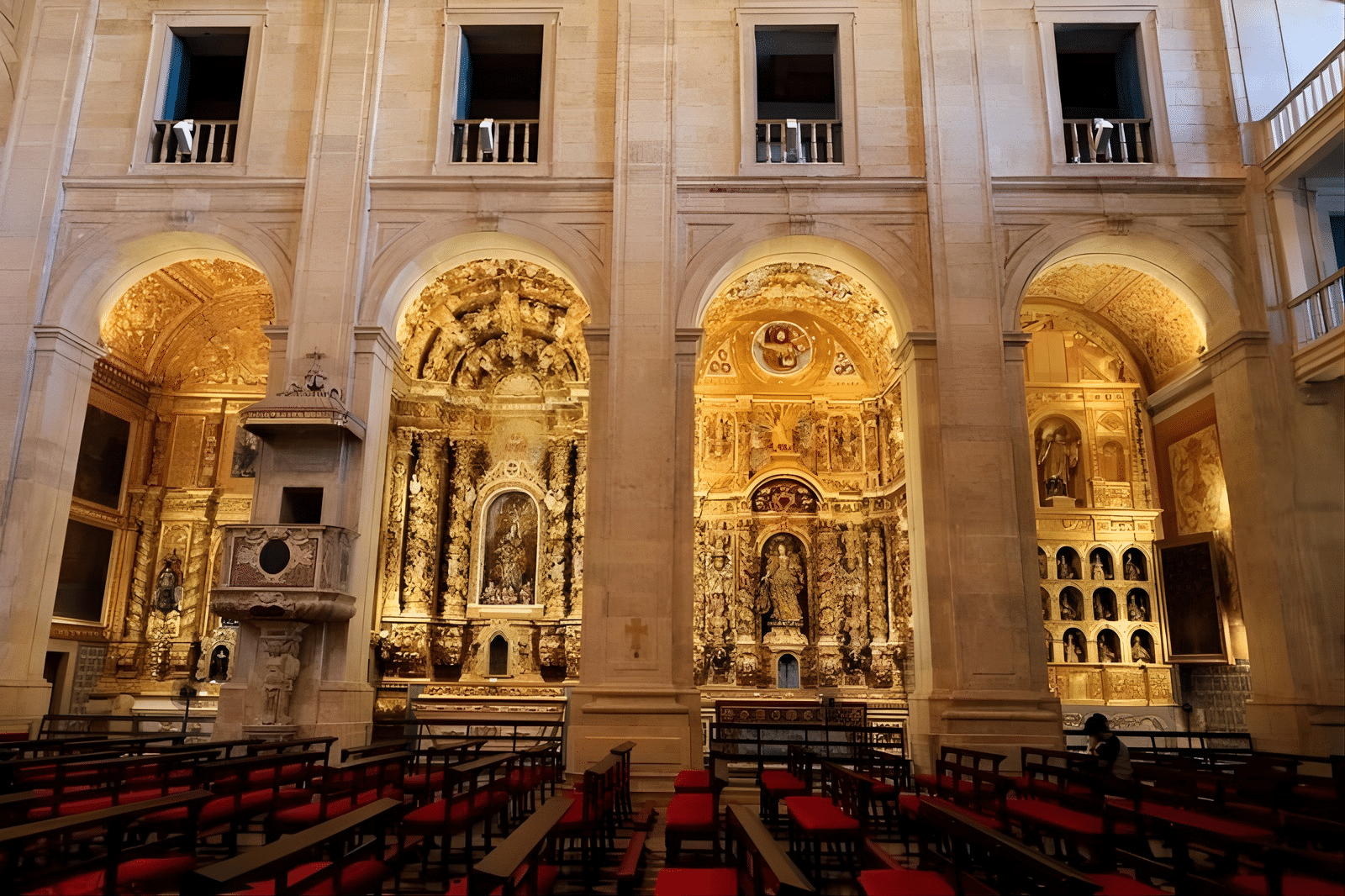
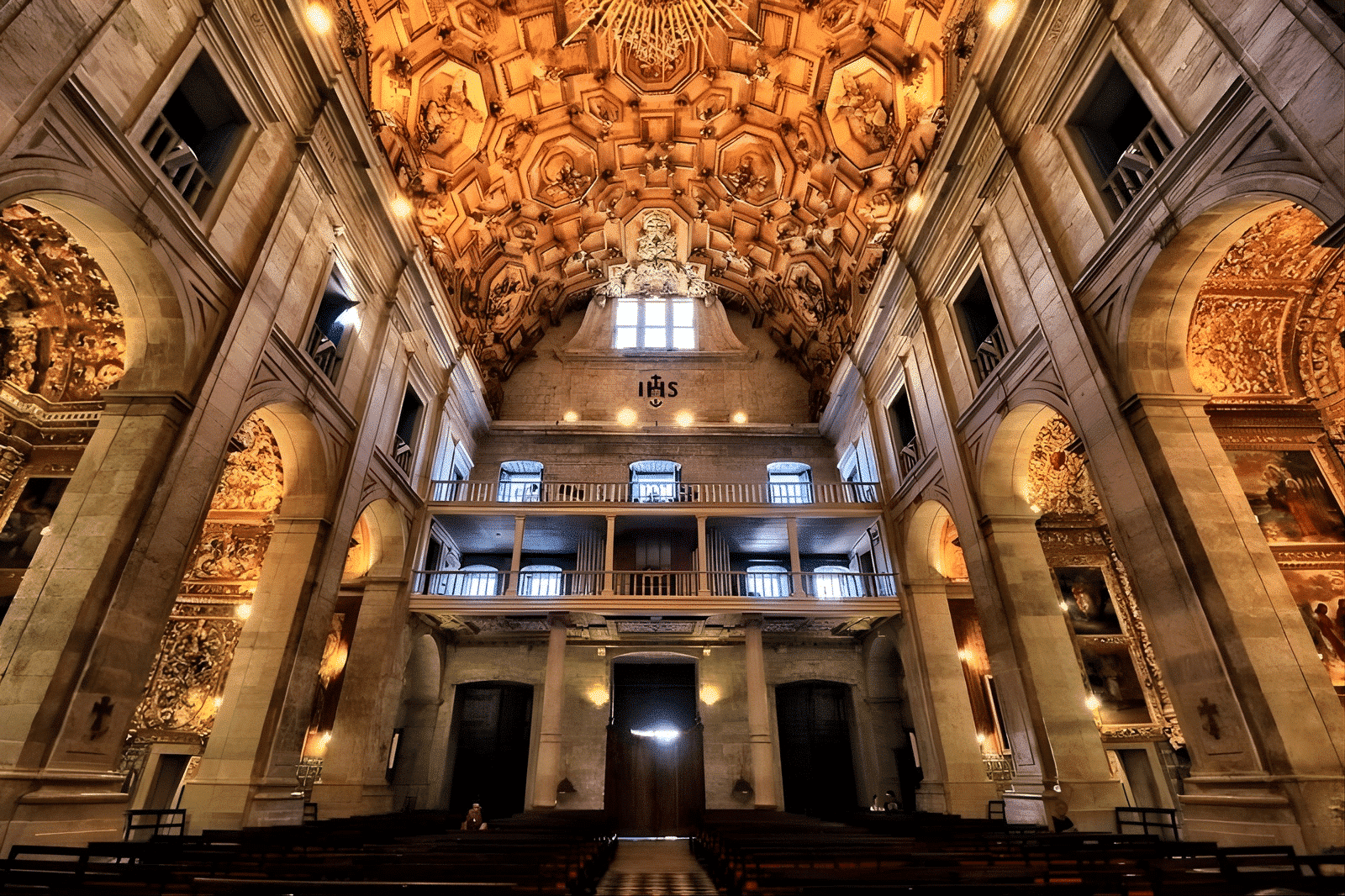
- It has a single-nave layout with side chapels, various altars and gilded wood carvings, as well as lioz marble cladding.
Transformation and protection
Following the expulsion of the Jesuits in 1759, the building was converted into a military hospital and became home to Brazil’s first School of Medicine in 1833. In 1938, the church was listed by IPHAN and its collection was also protected.
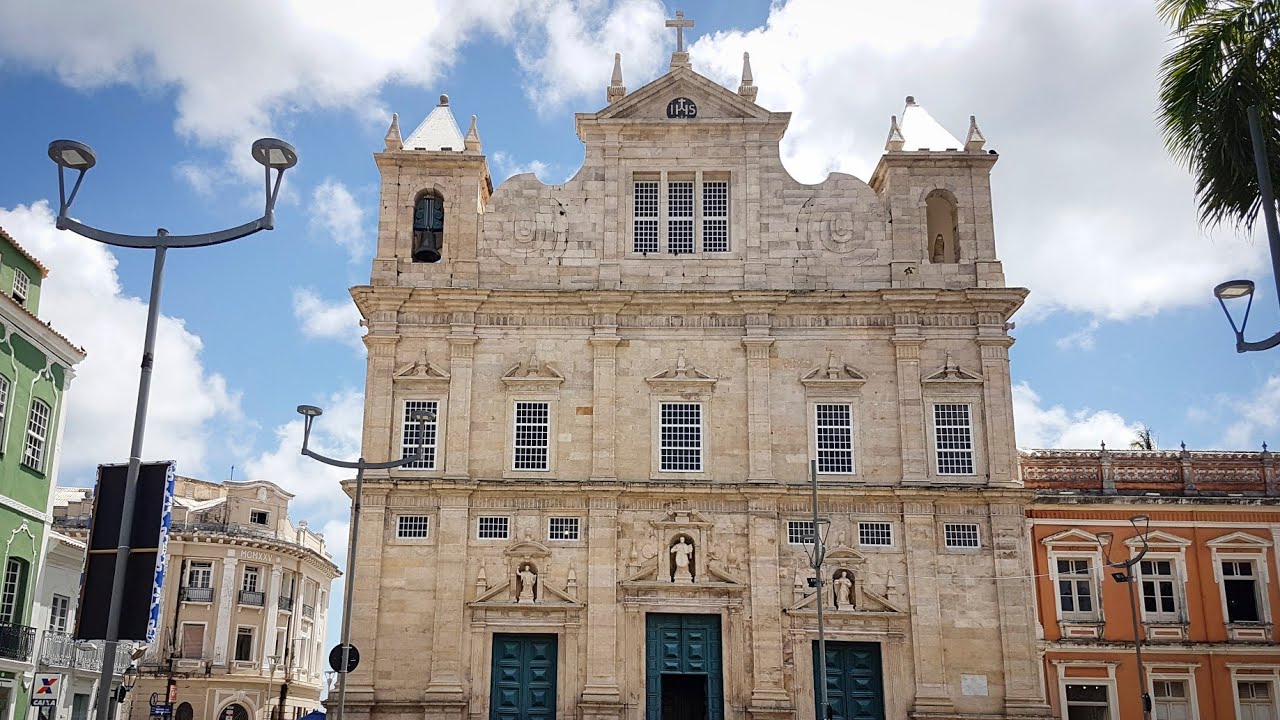
Video: The history and colonial architecture of the Cathedral Basilica of Salvador.
Historia de la Catedral Basílica de Salvador
Also see all the churches in Salvador, Bahia.
The main elements and collection of the Cathedral Basilica of Salvador.
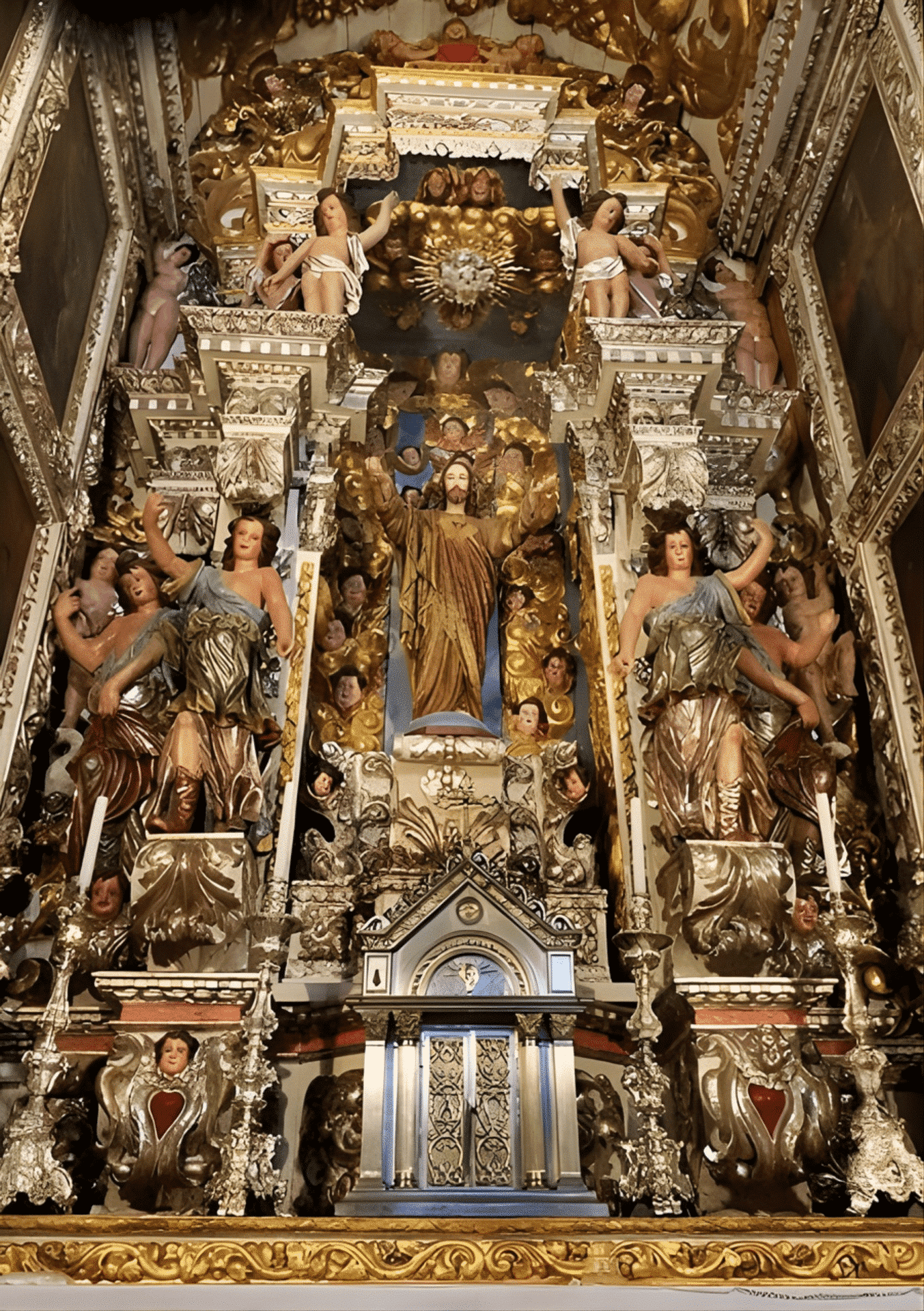
1. Altar Mother
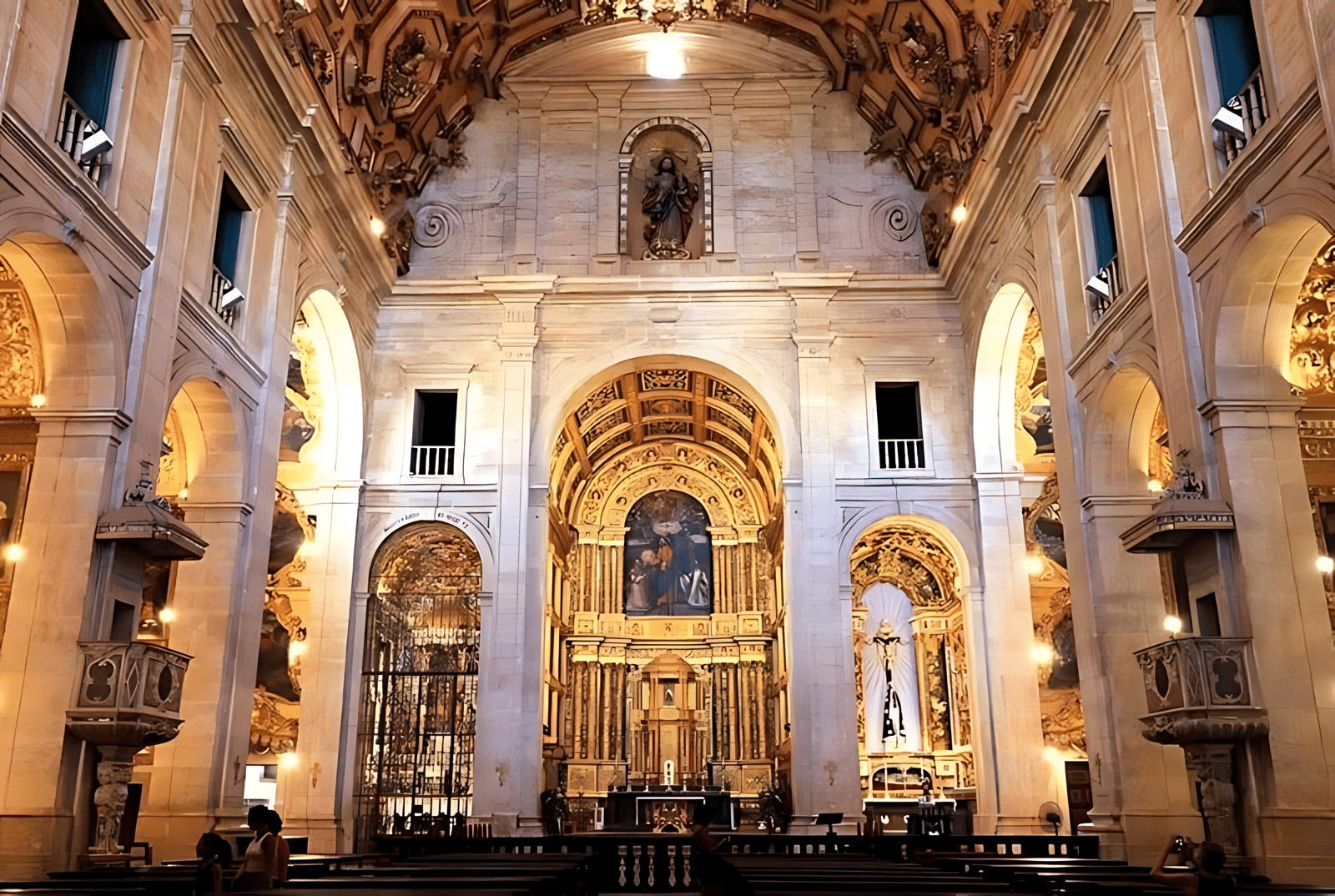
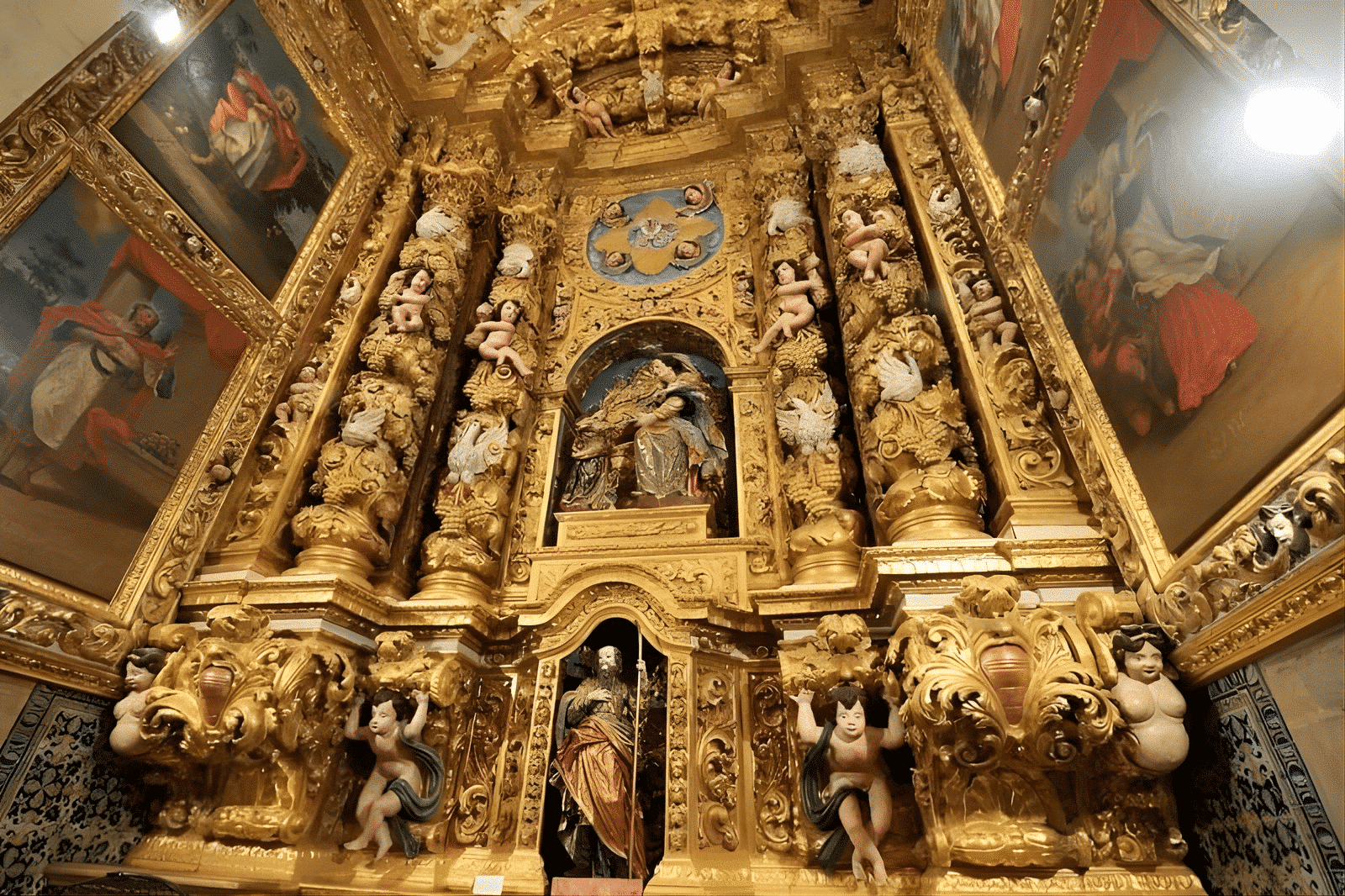
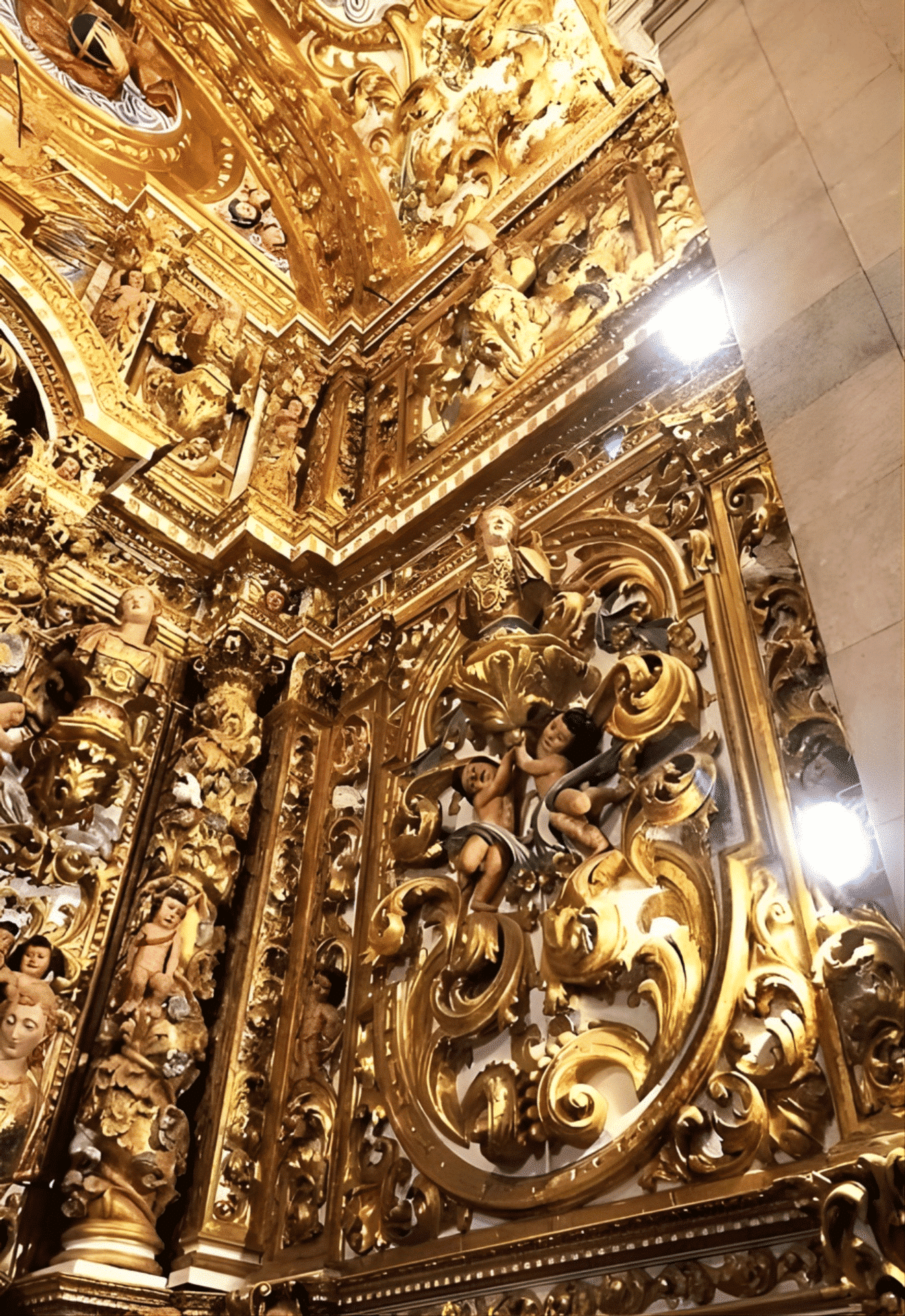
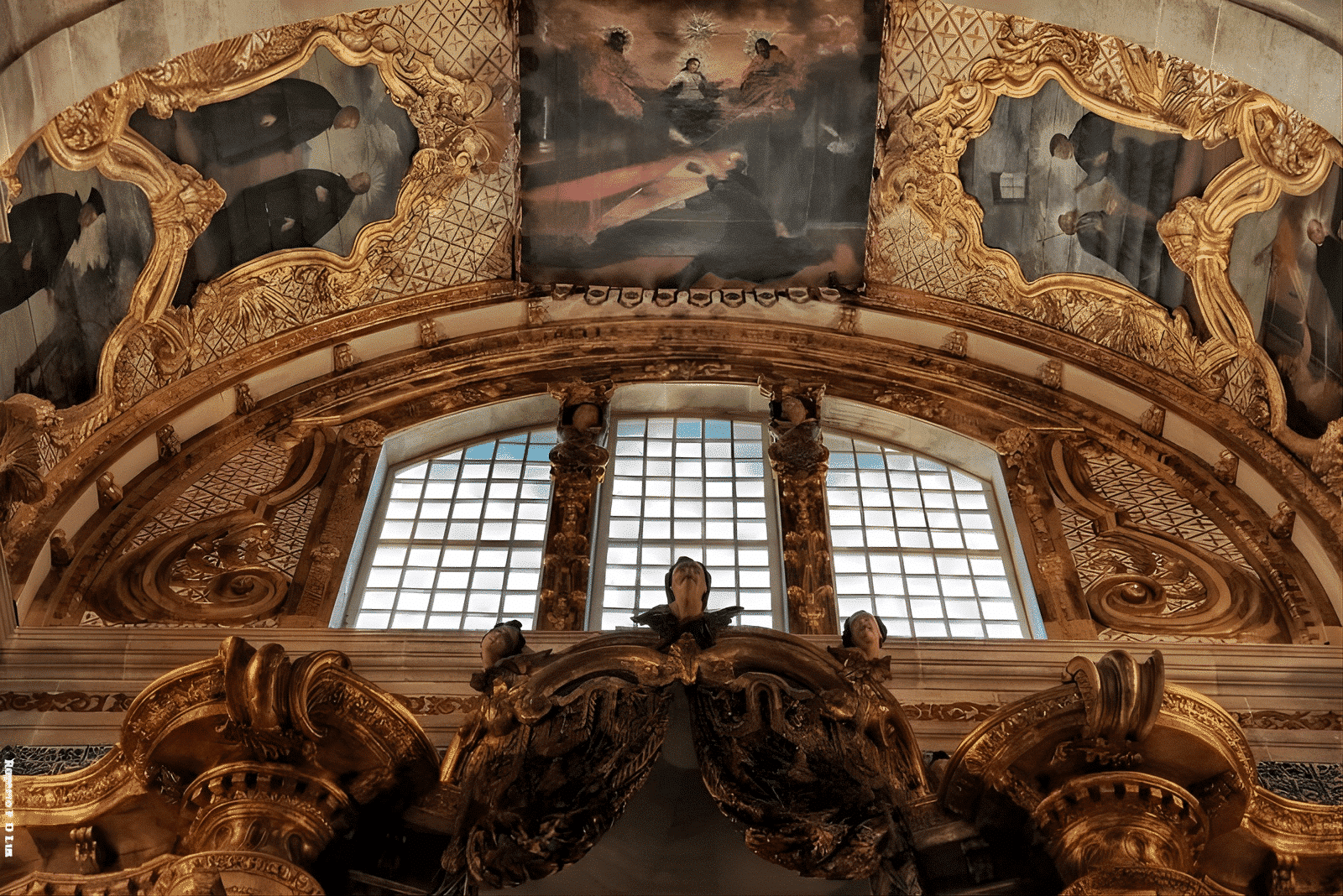
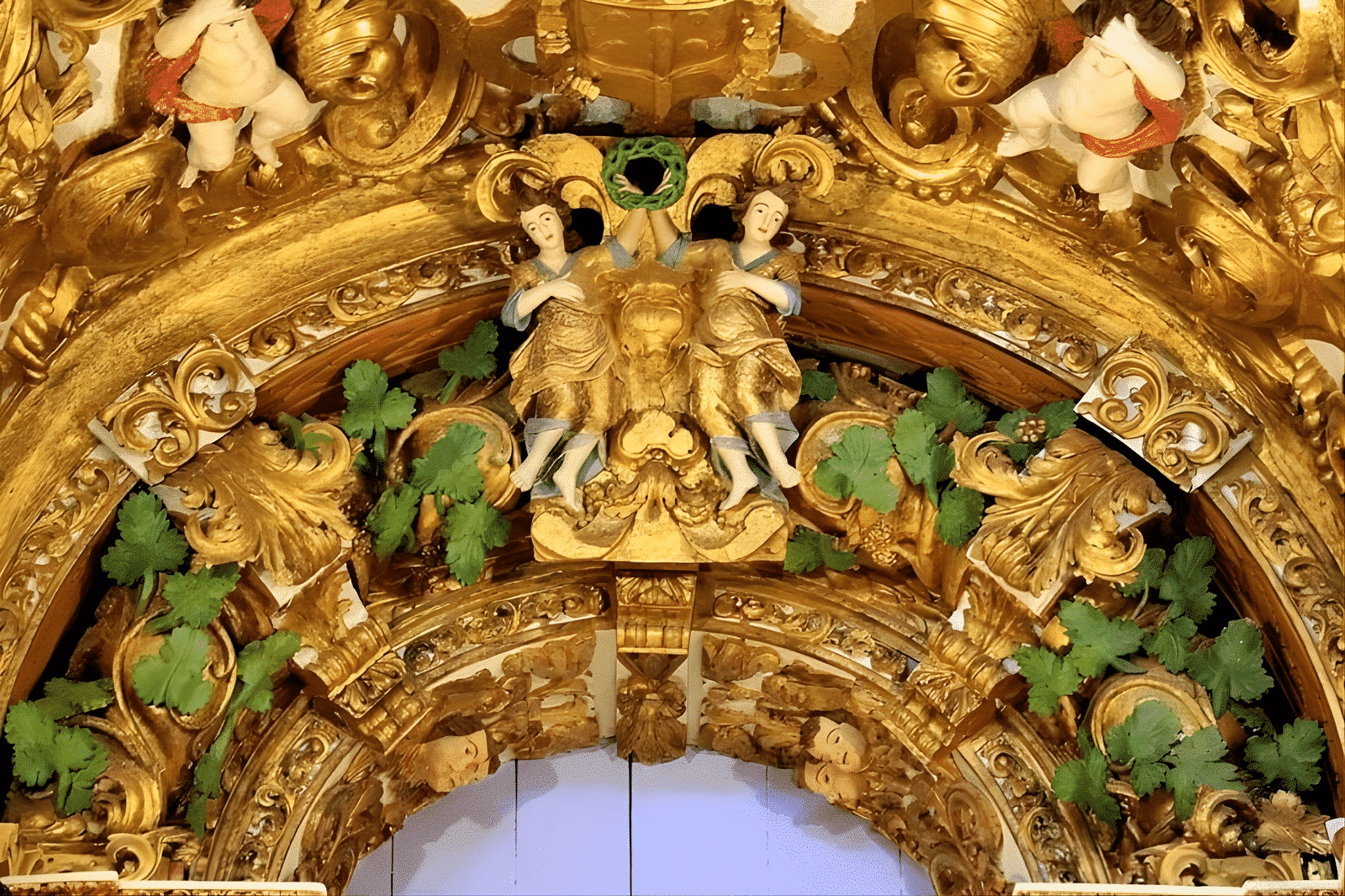
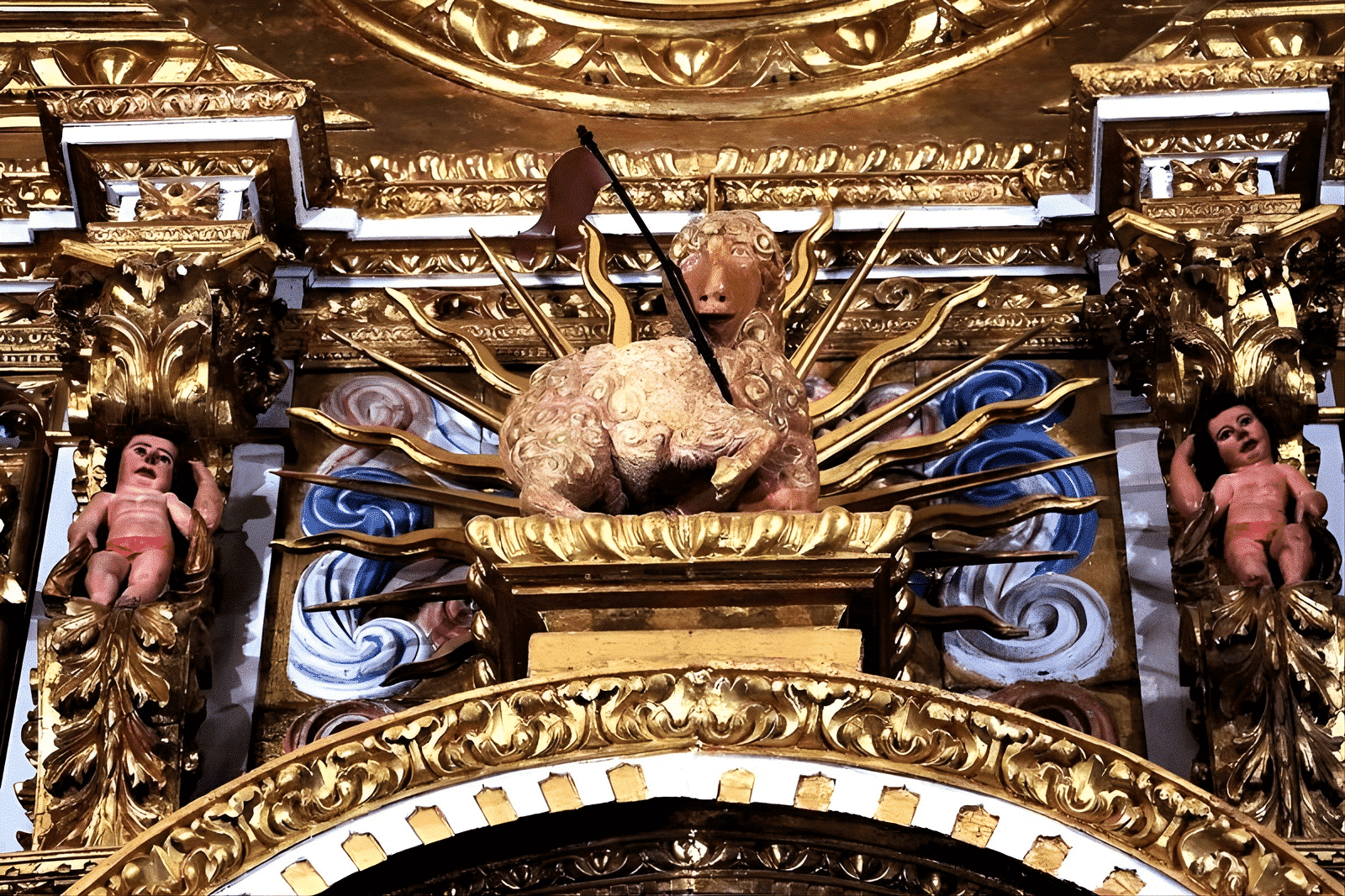
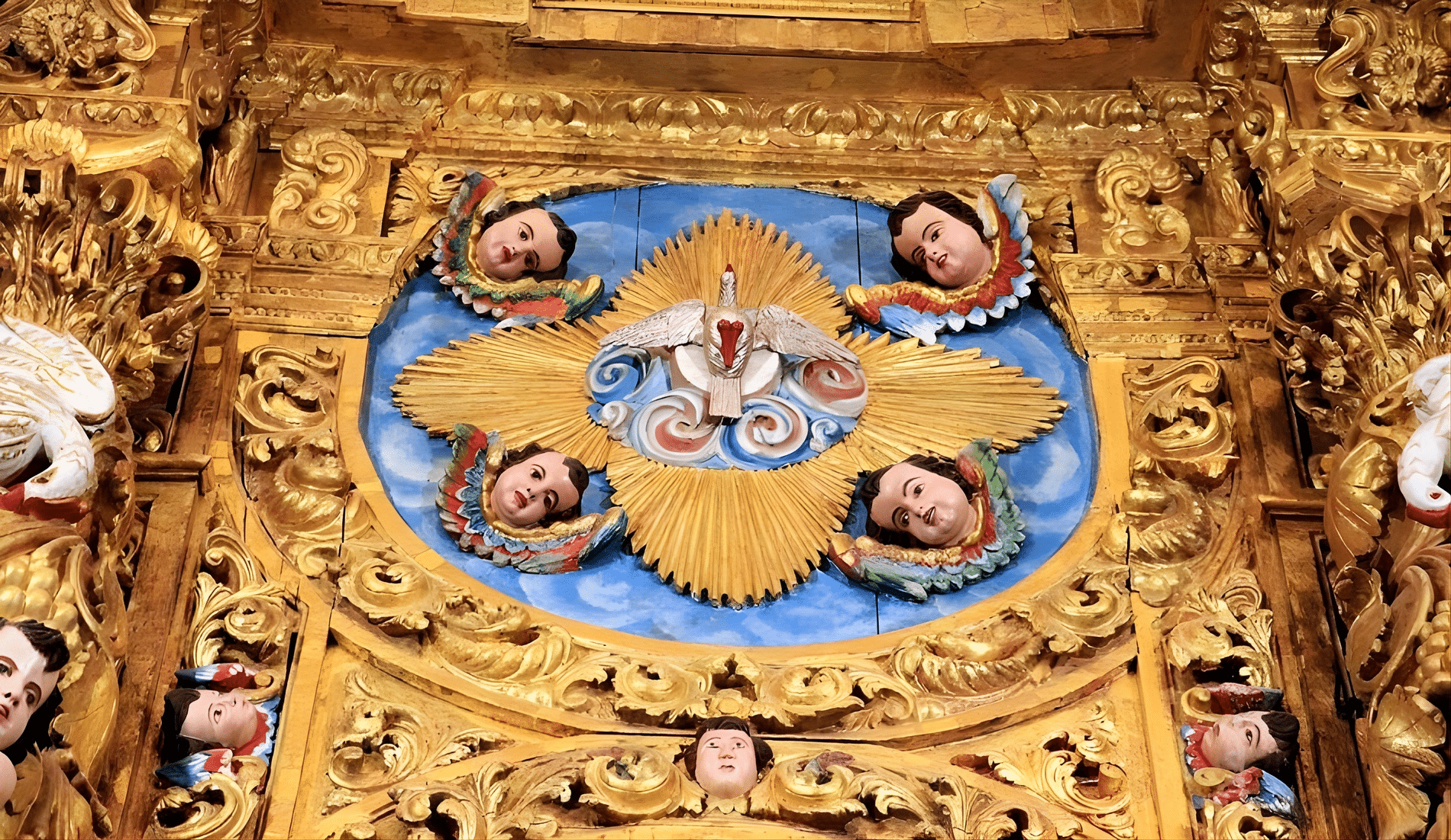
Dating from 1665–1670 and created by Brother João Correia and his assistants, it is one of the few Mannerist carvings in Brazil and is richly gilded. In 1670, an upper dressing room was opened featuring panels depicting Saint Ignatius and Saint Francis Xavier, painted by Domingos Rodrigues.
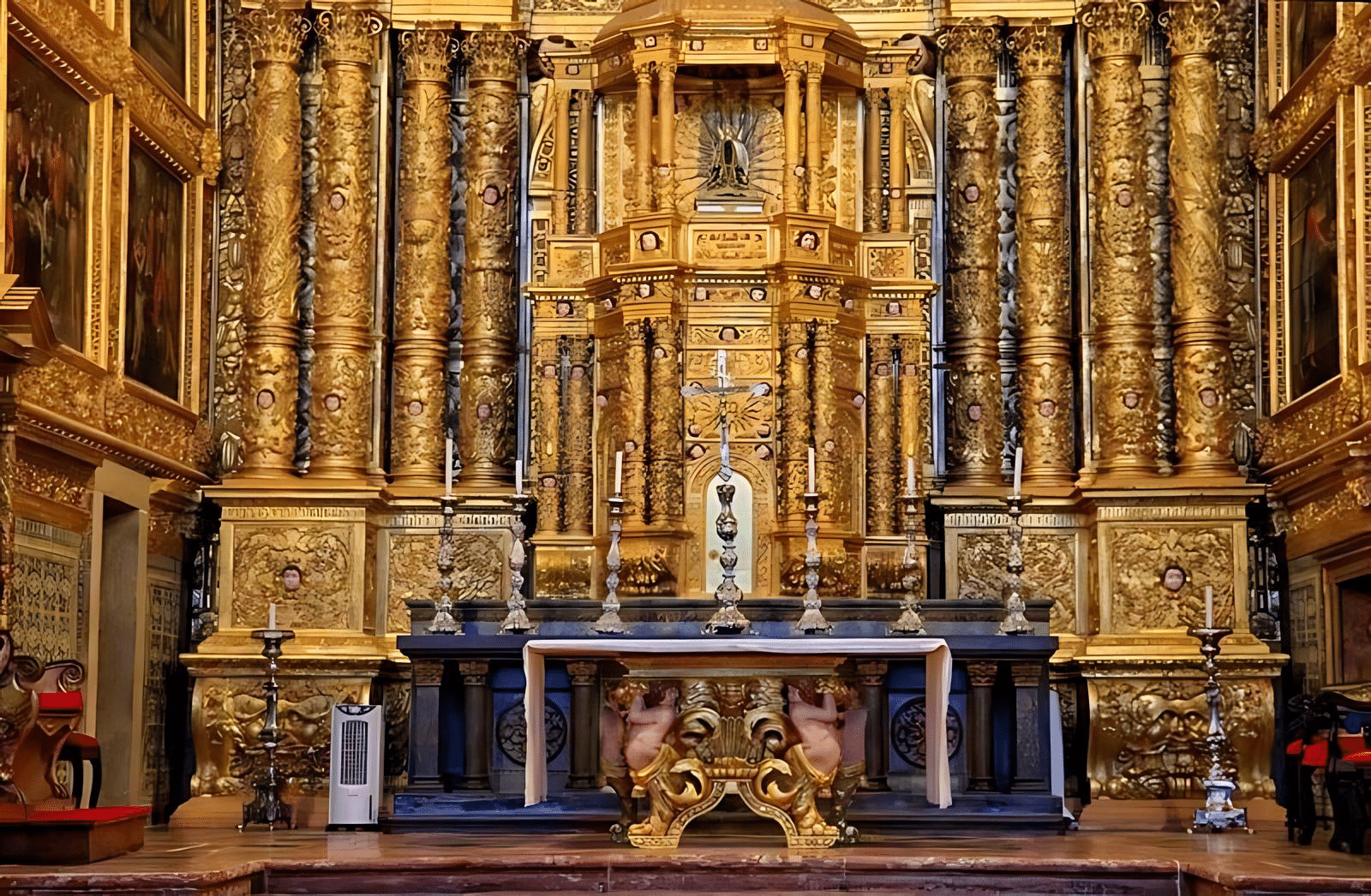
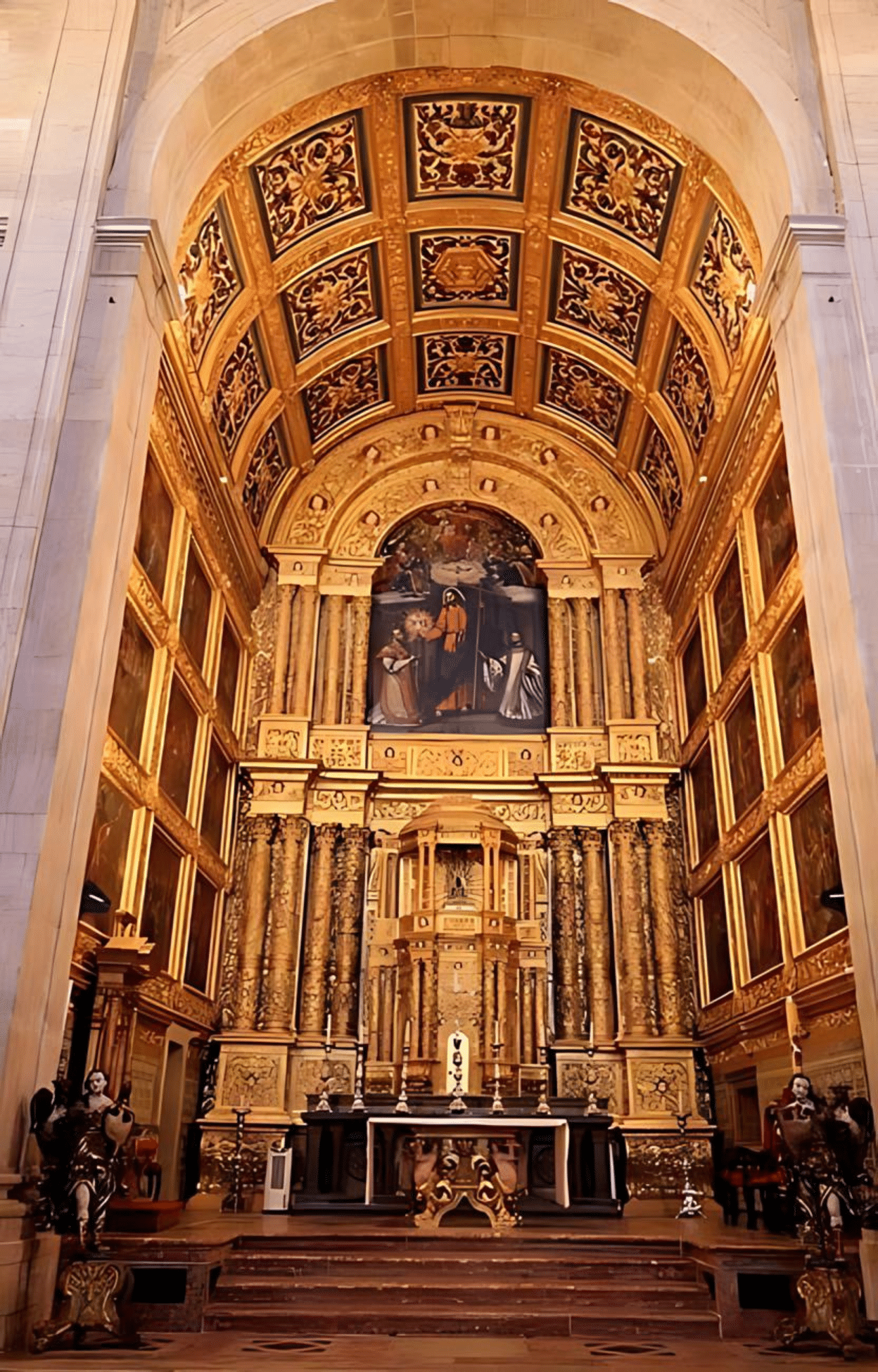
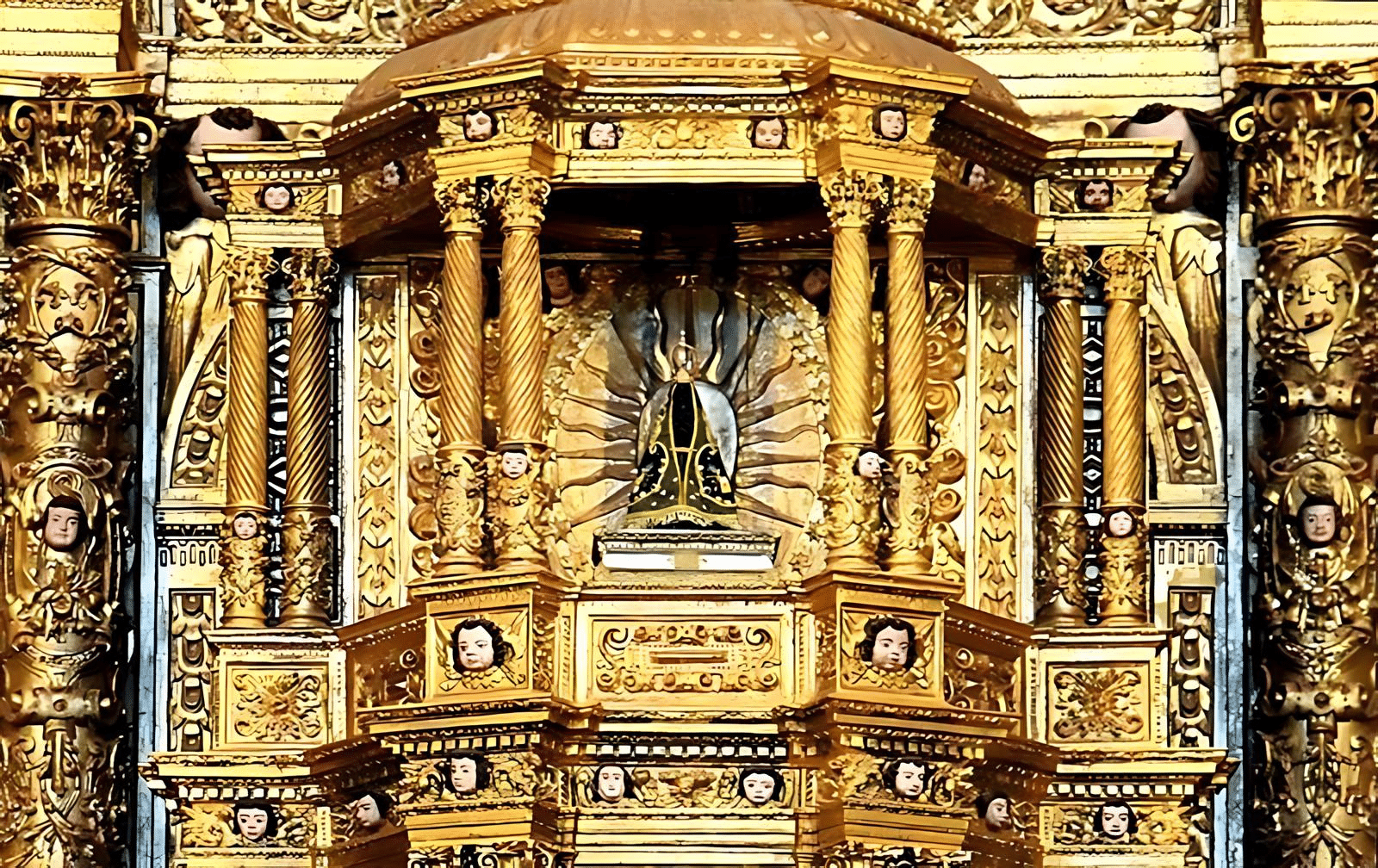
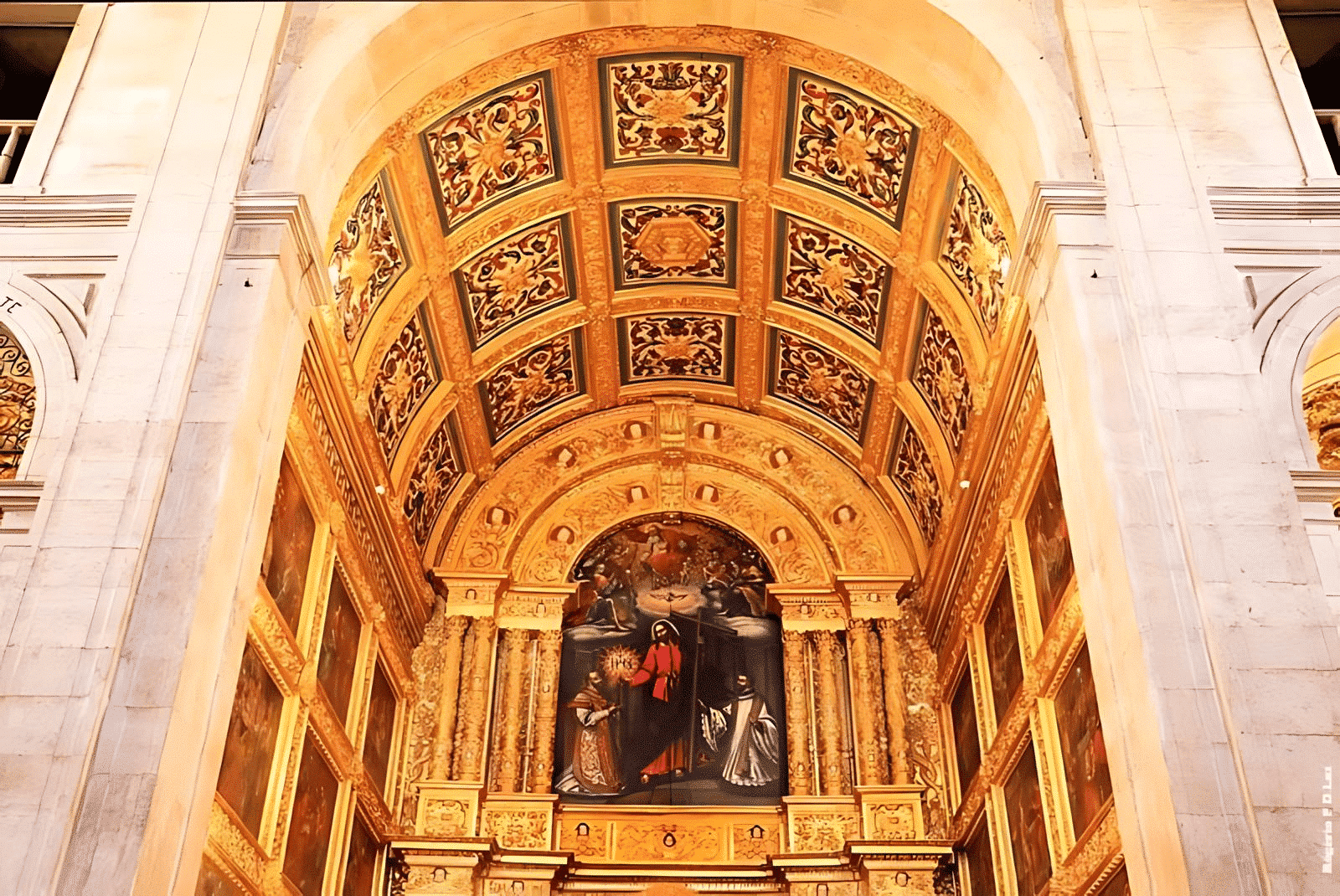
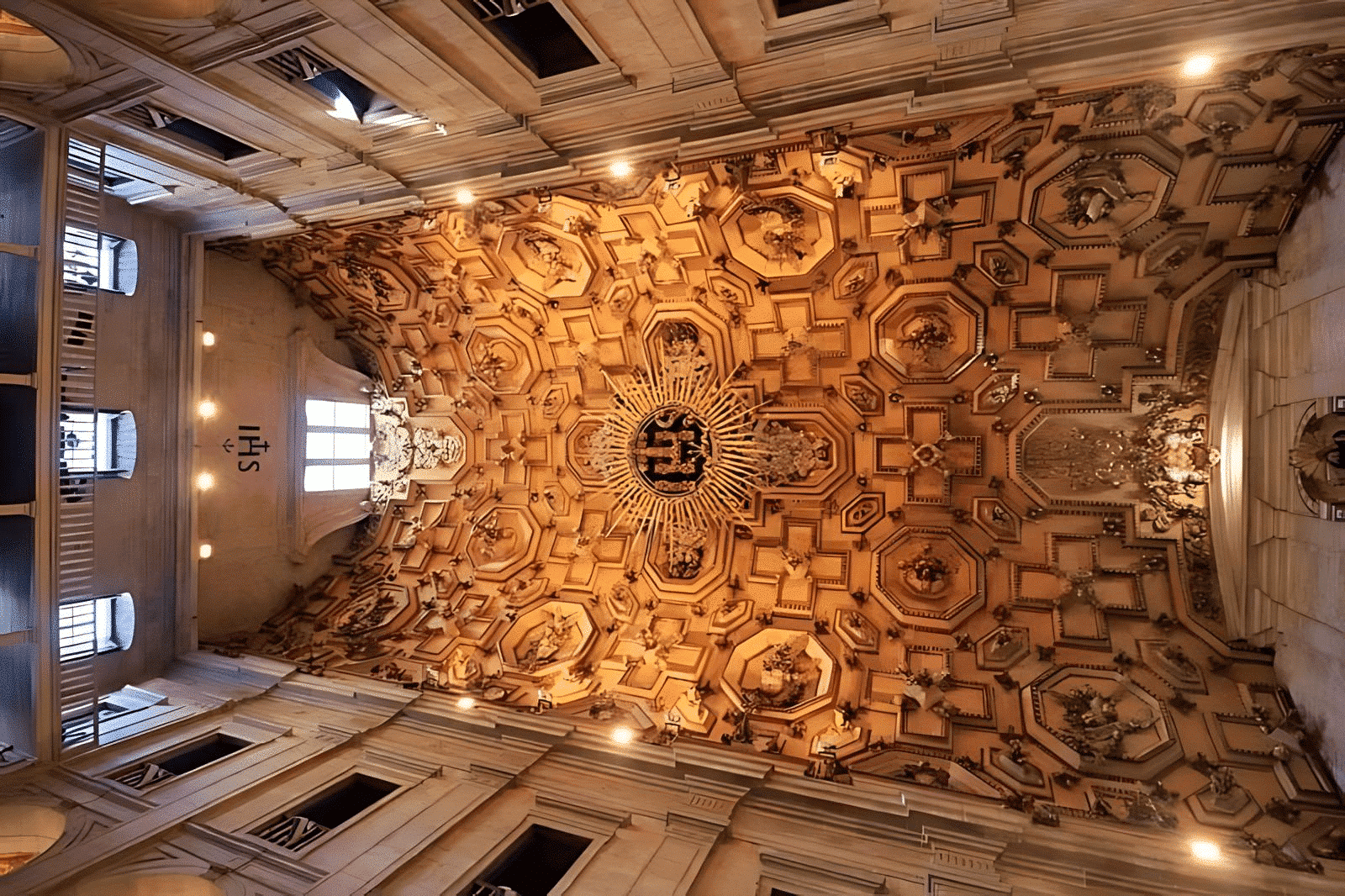
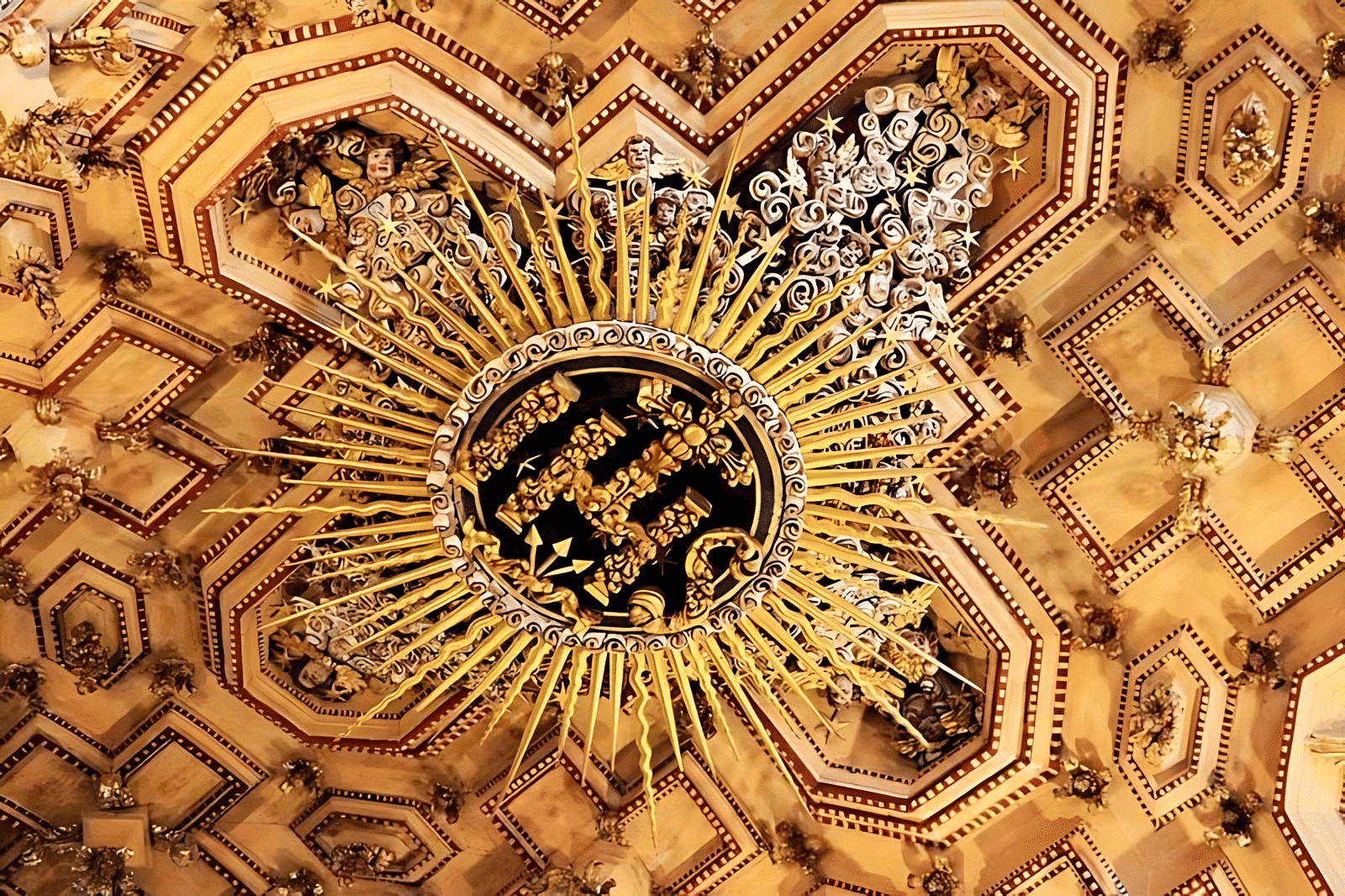
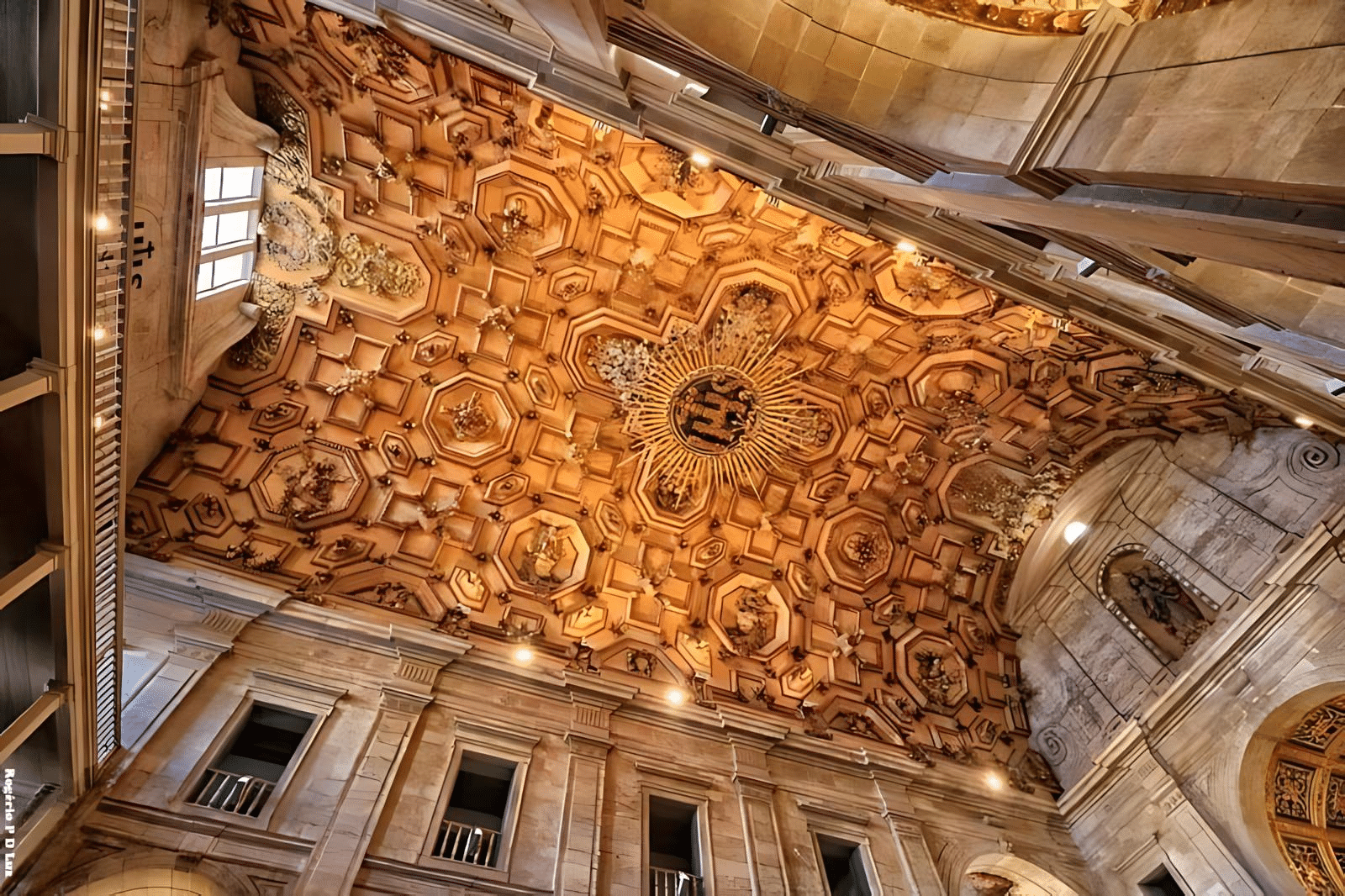
2. Teto da nave
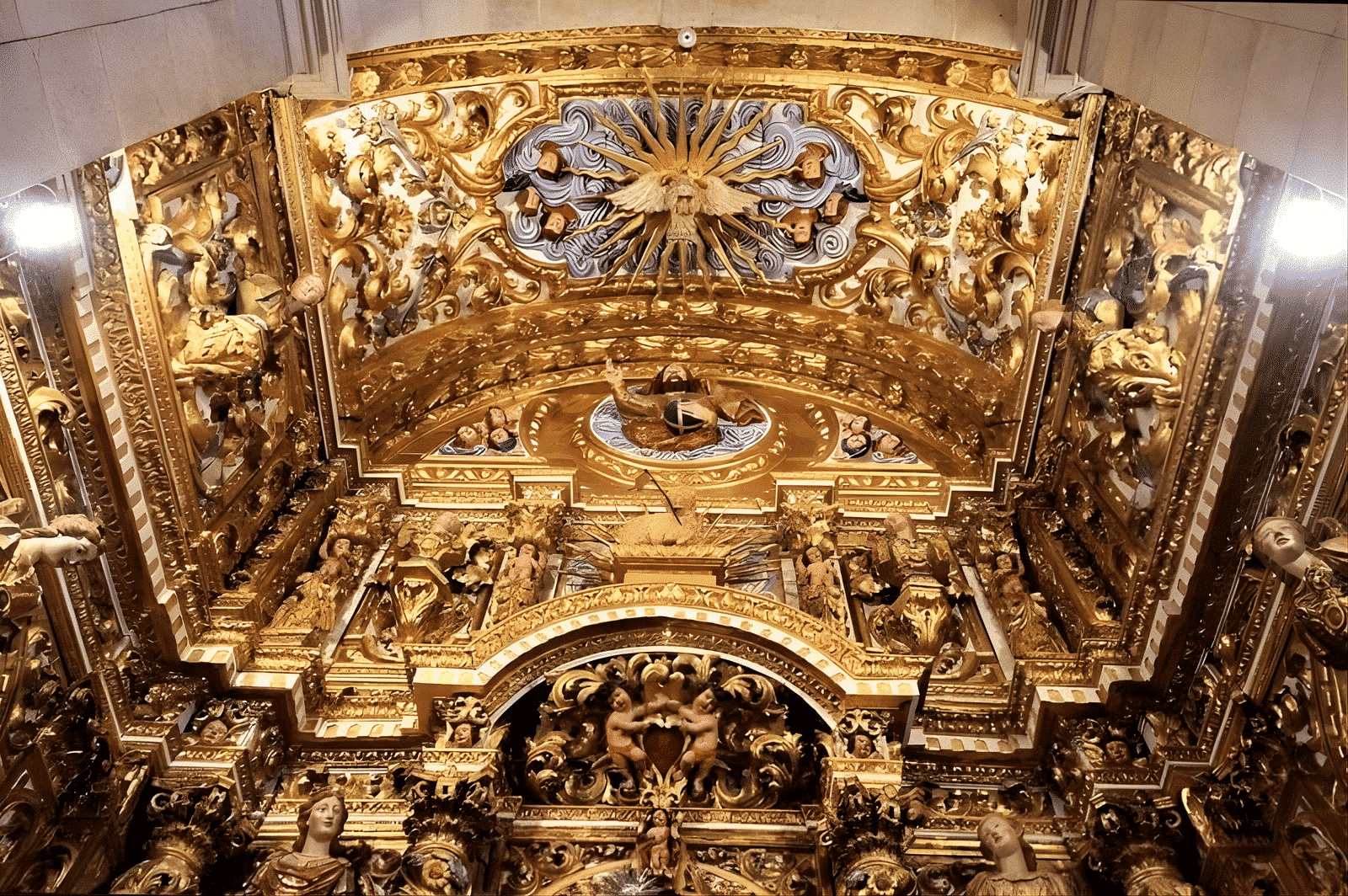
It is decorated with carved Jesuit symbols. In the centre is a large, radiant medallion bearing the monogram IHS (Iesus Hominum Salvator).
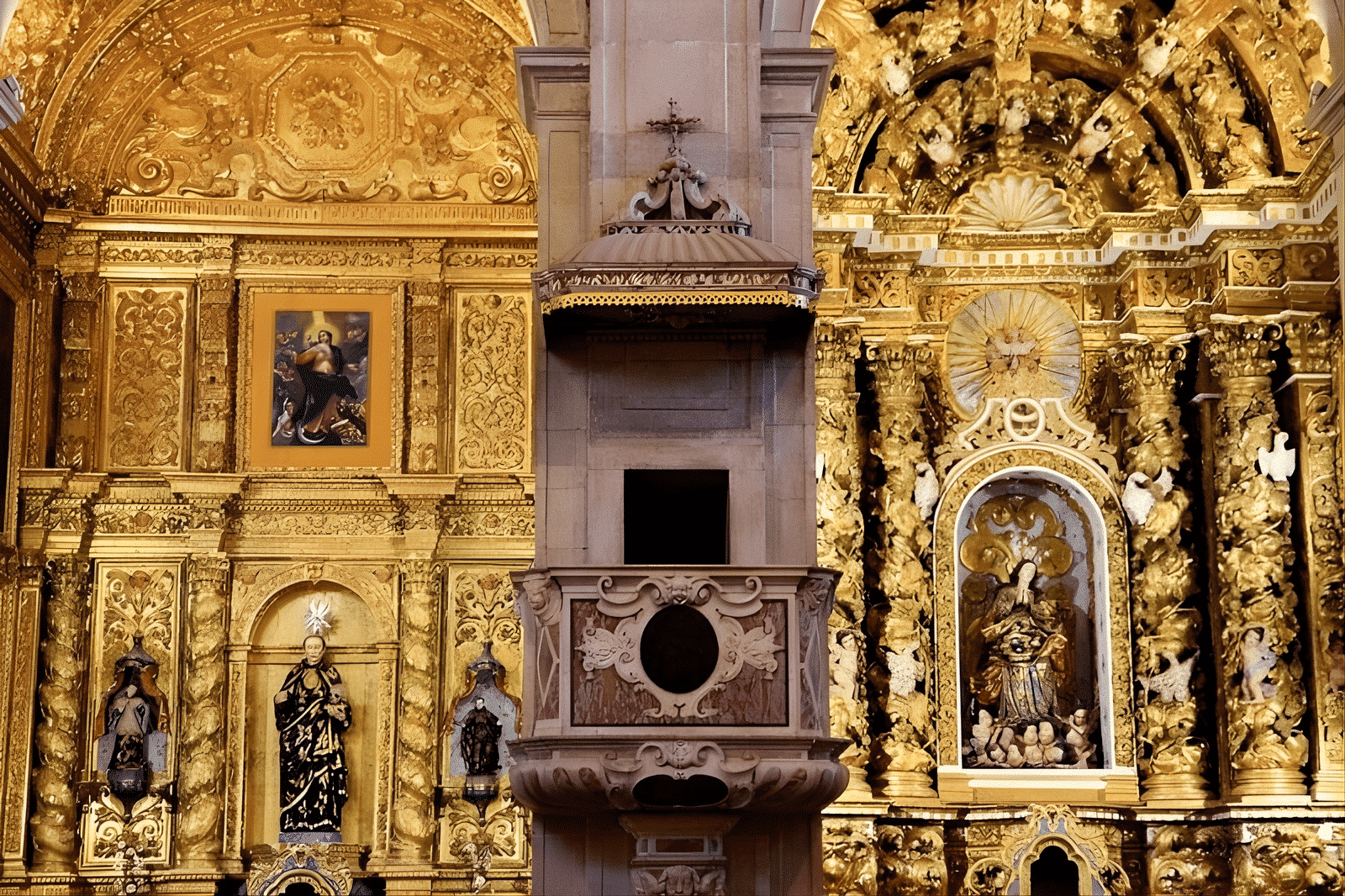
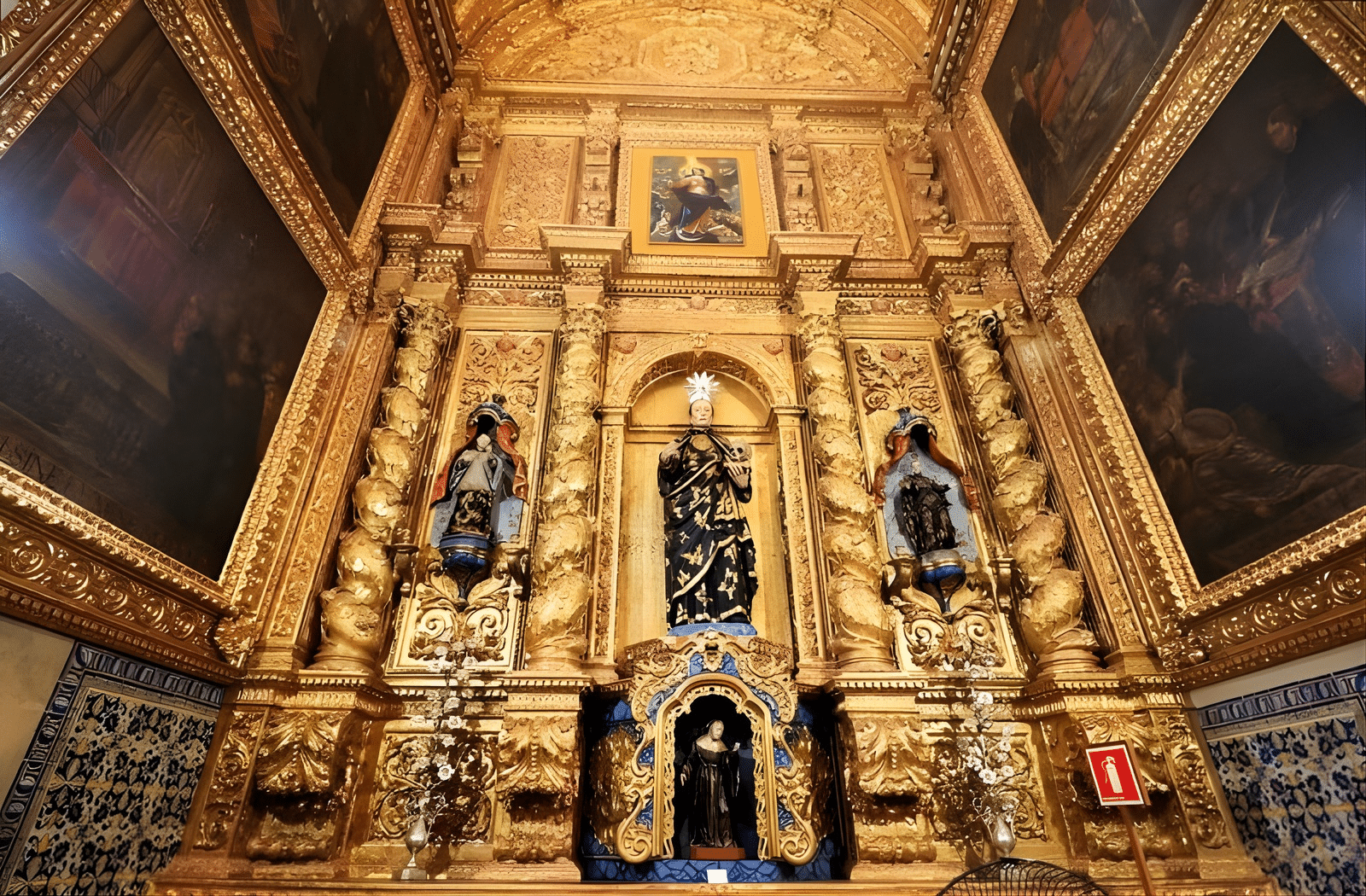
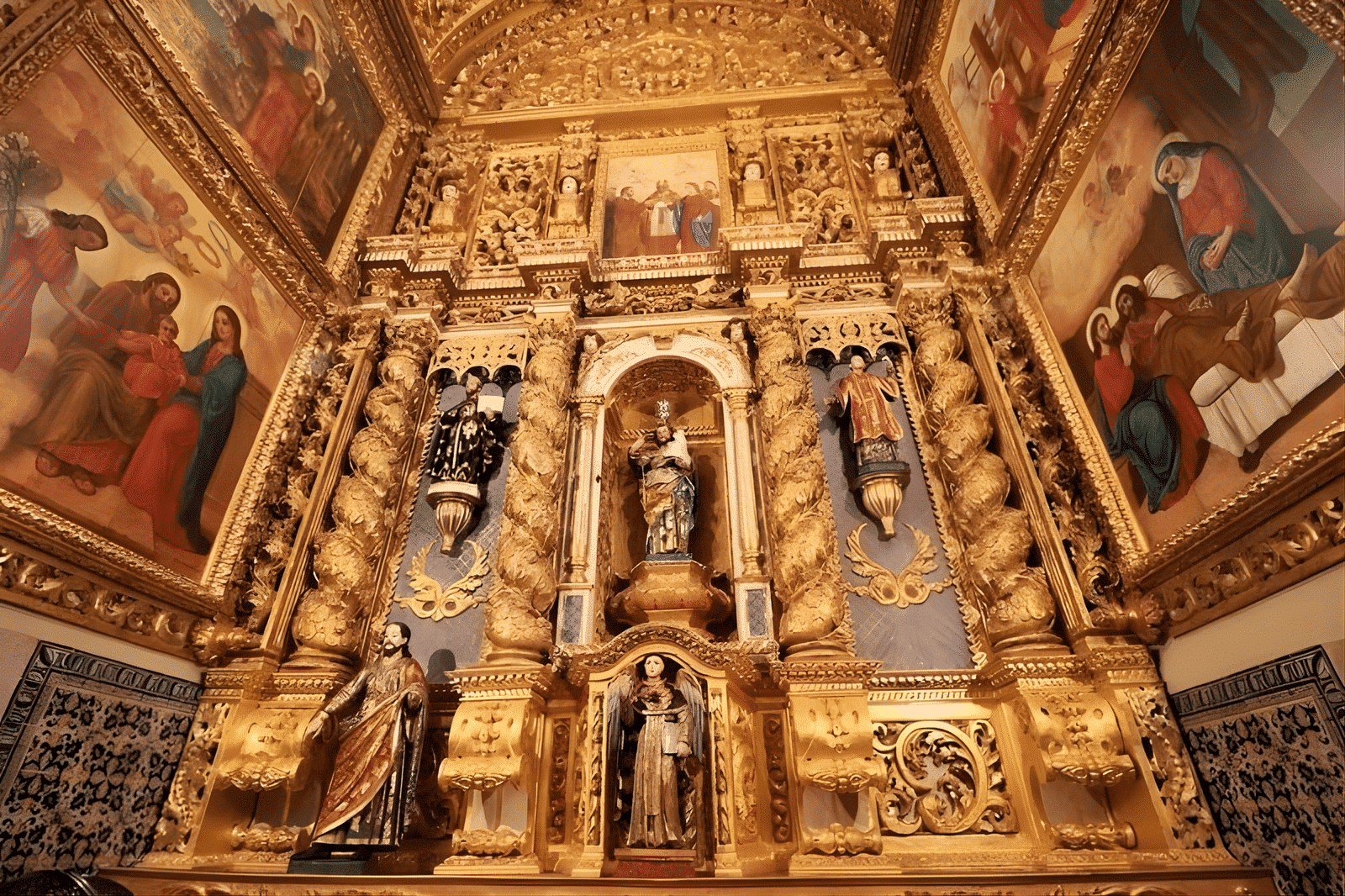
3. Side altars
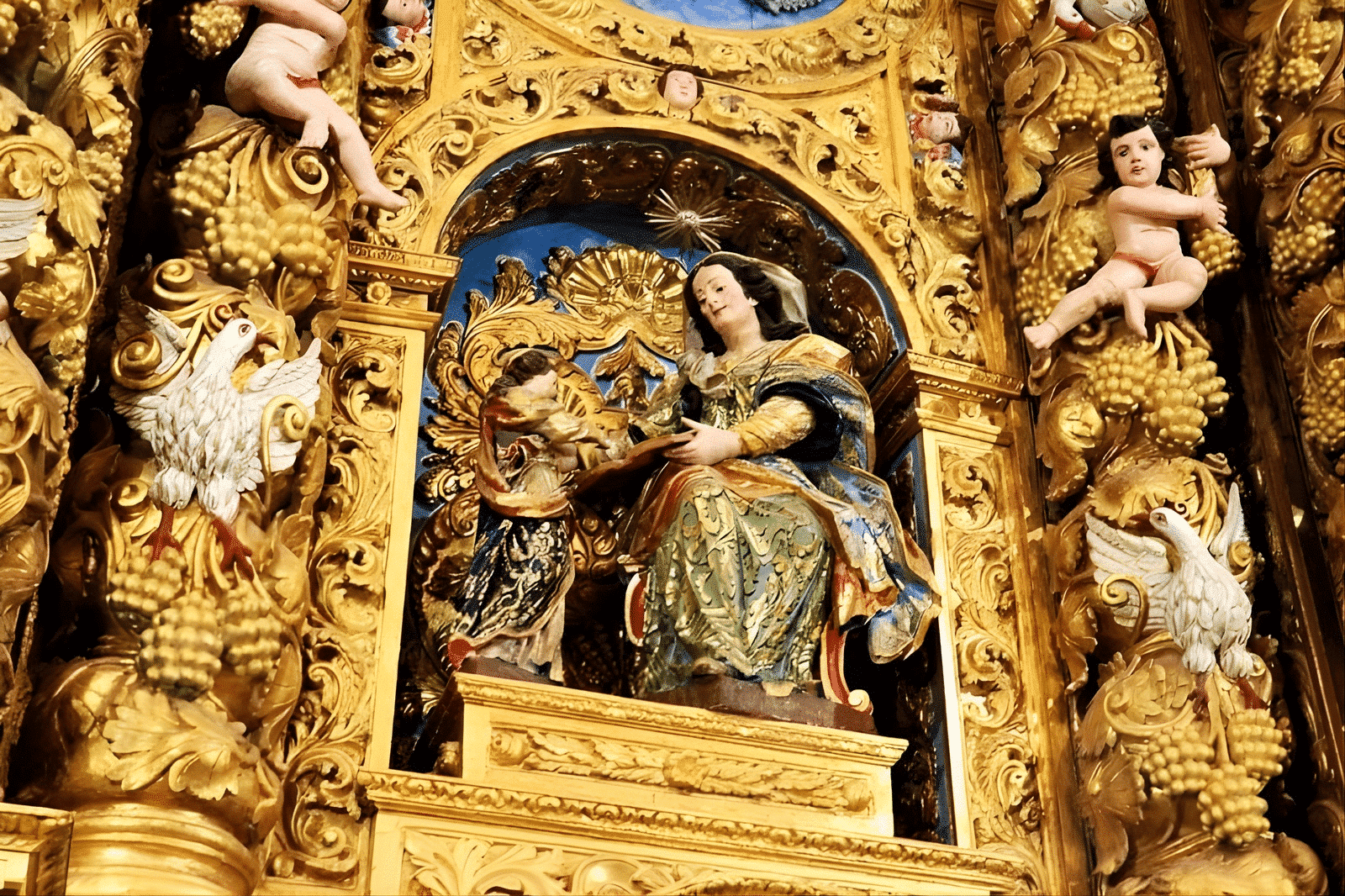
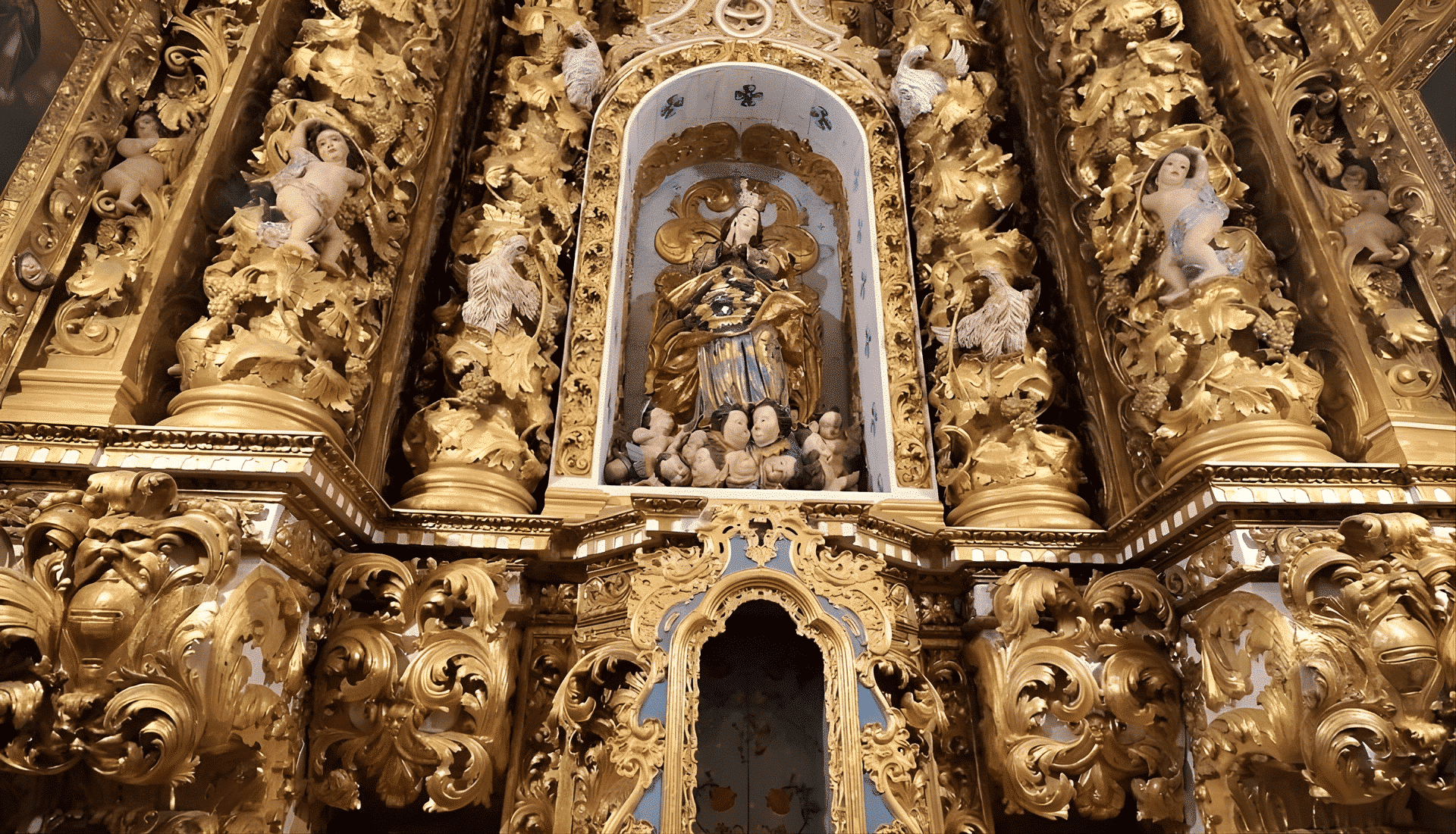
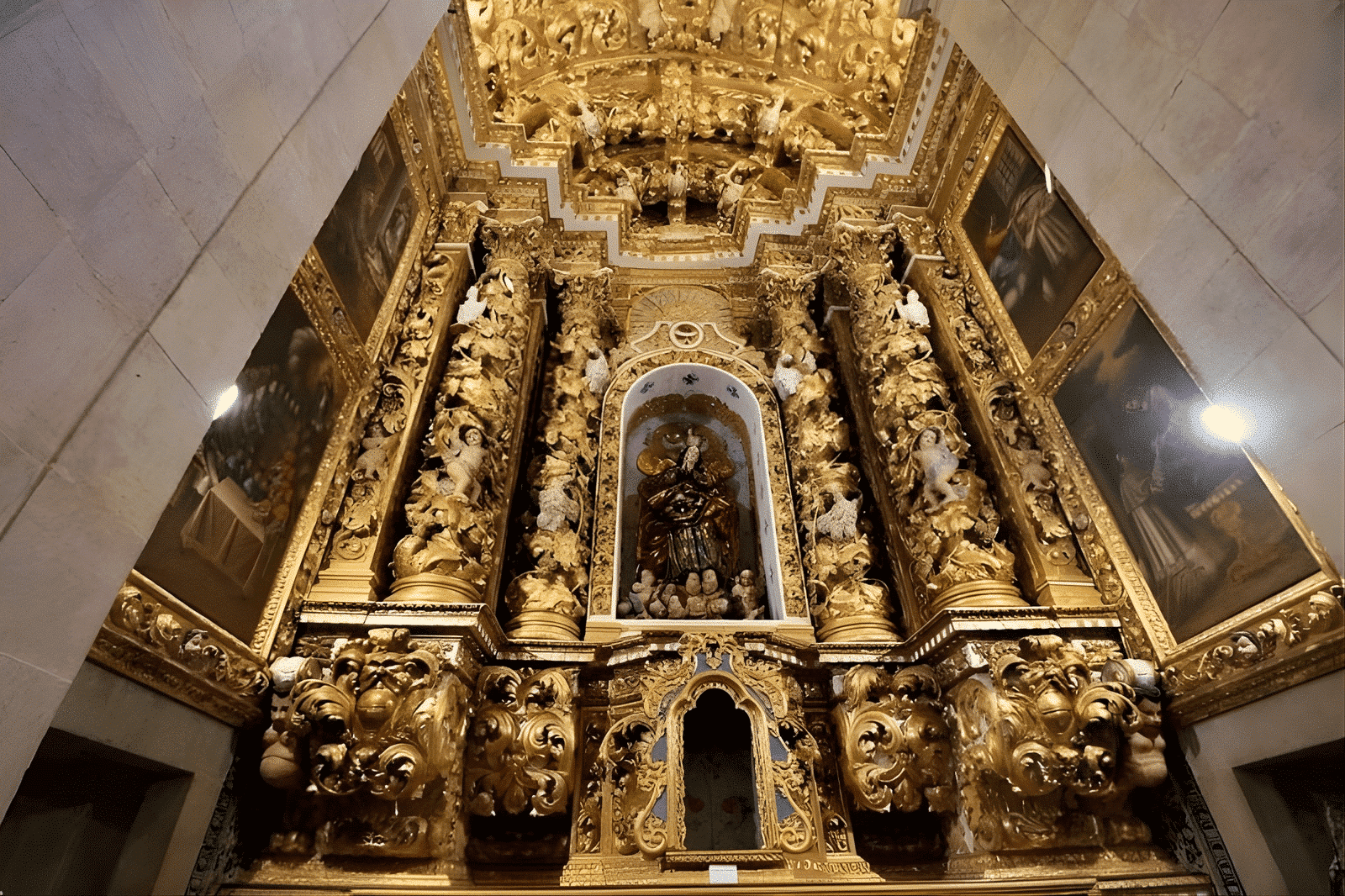
Even though the background has been altered, the chapel to the right of the high altar (now Nossa Senhora das Dores) still has its carvings and statues.
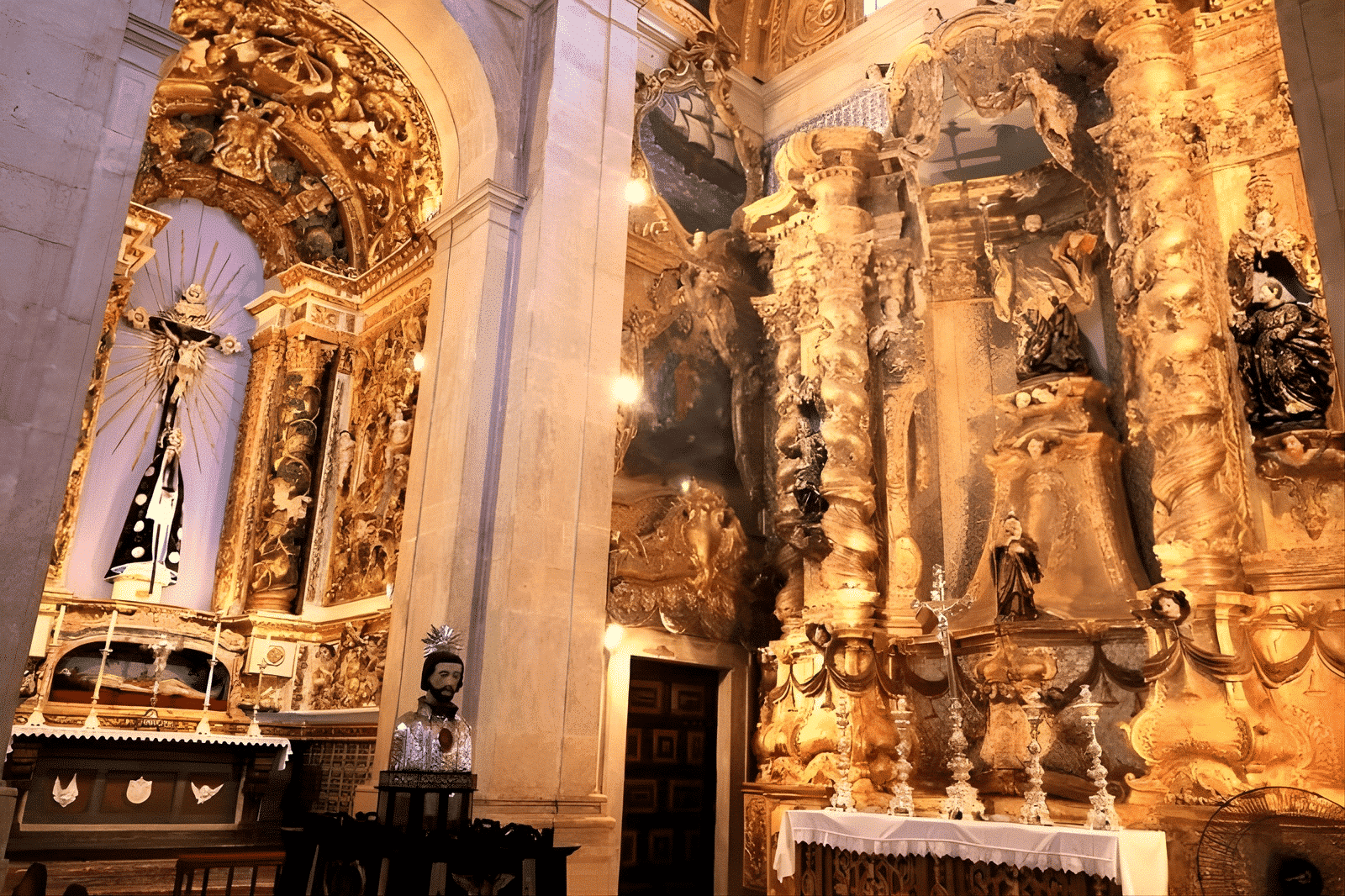
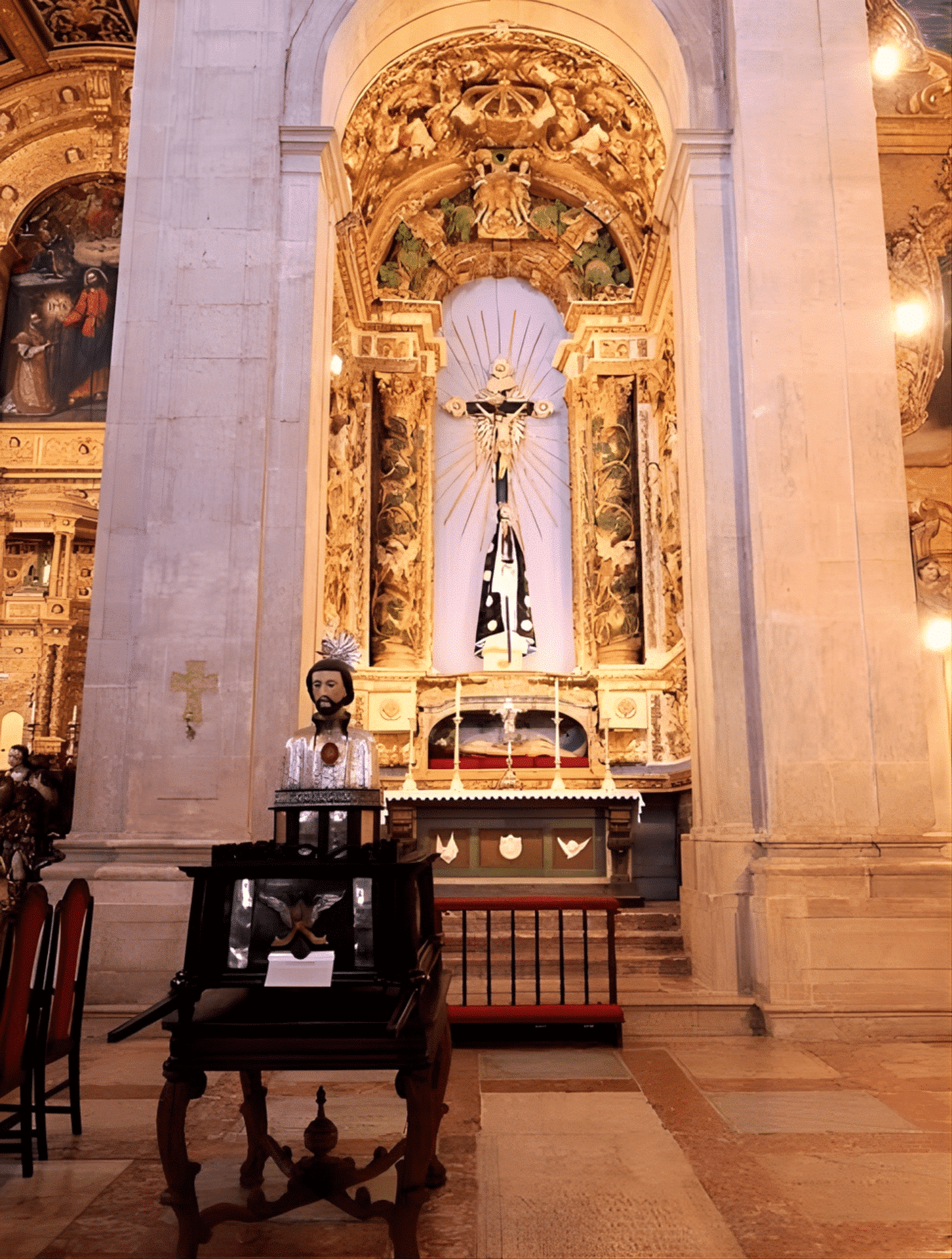
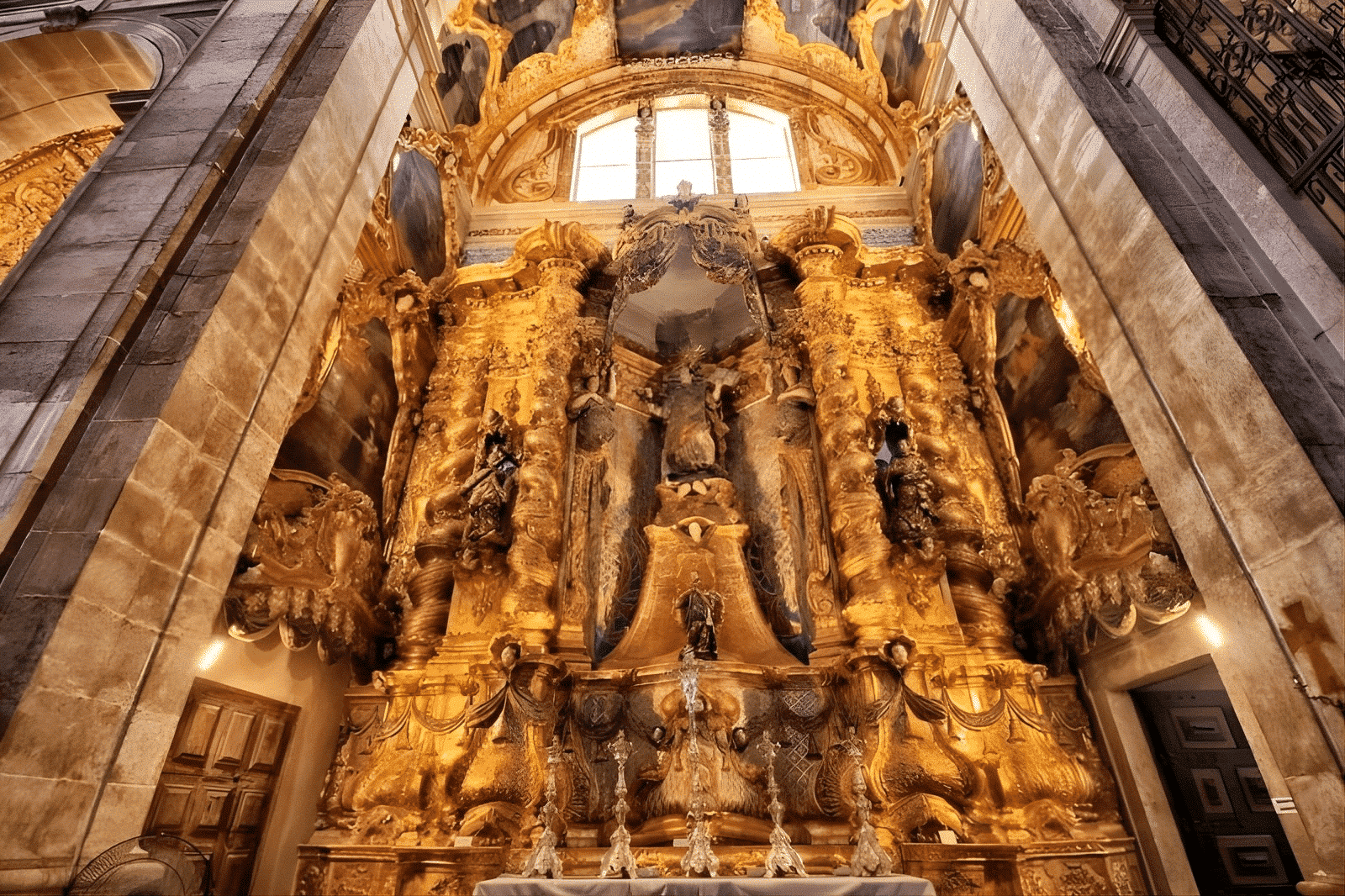
To the left is the Chapel of the Blessed Sacrament, which contains artefacts from the old cathedral, including a diamond-encrusted reliquary, credence tables, and silver palms. The chapels in the transept contain monumental Baroque altars (1754) dedicated to St Francis Xavier and St Ignatius.
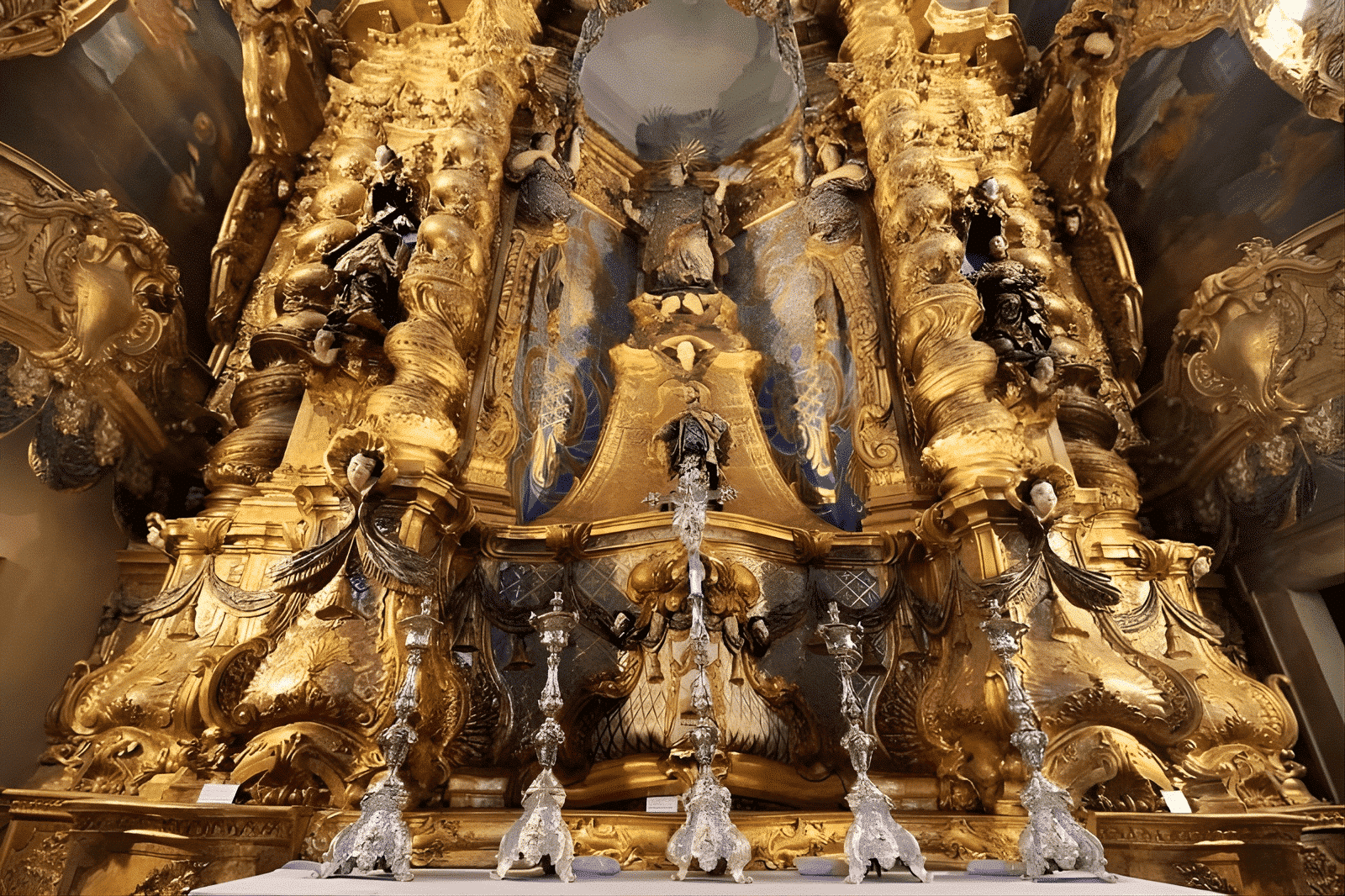
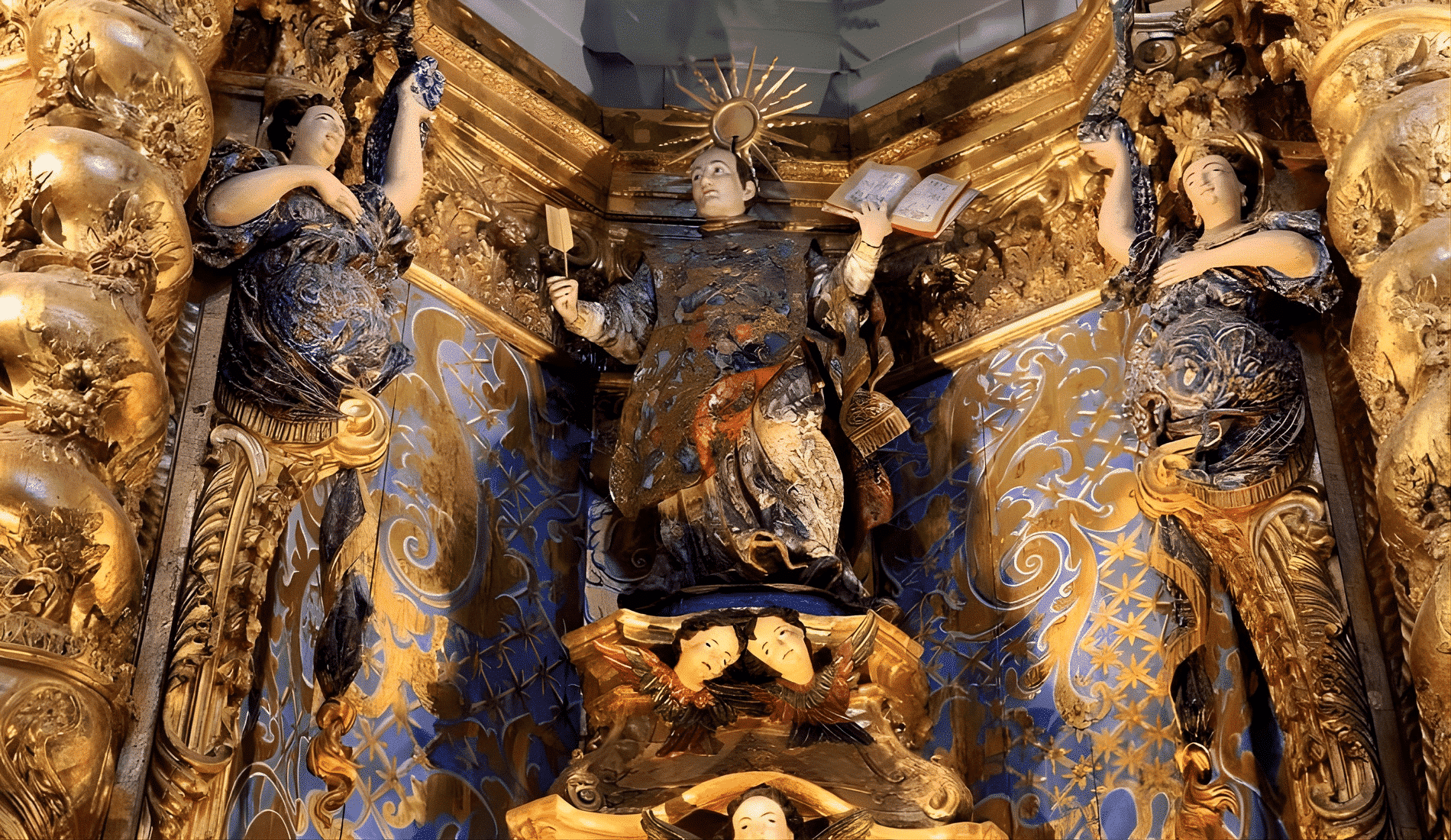
4. Reliquary Busts
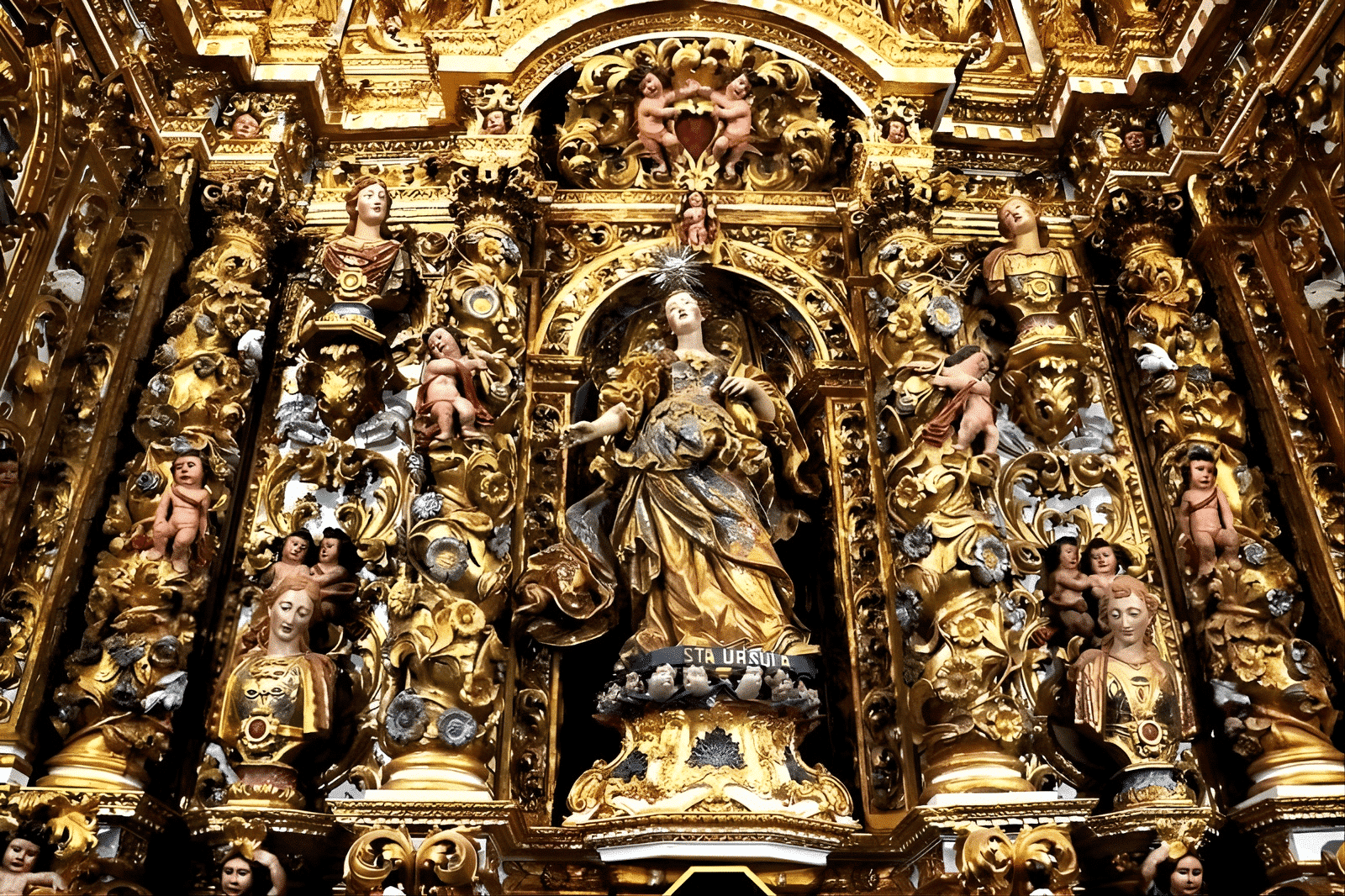
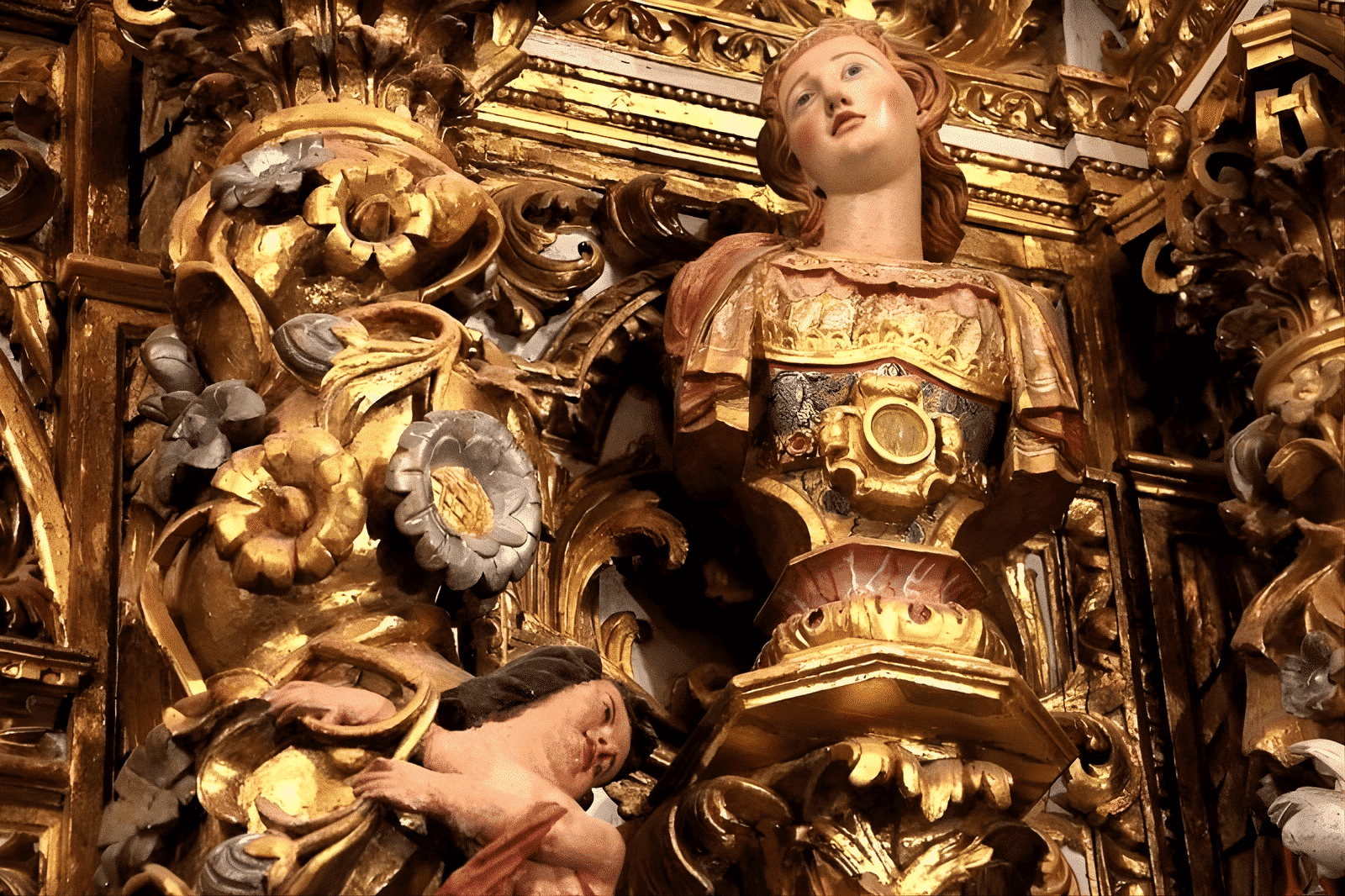
Each of the two altars displays fifteen niches containing reliquary busts — 17^(th)-century terracotta pieces representing martyrs — which have been returned to the temple after a period in the Museum of Sacred Art of Bahia.
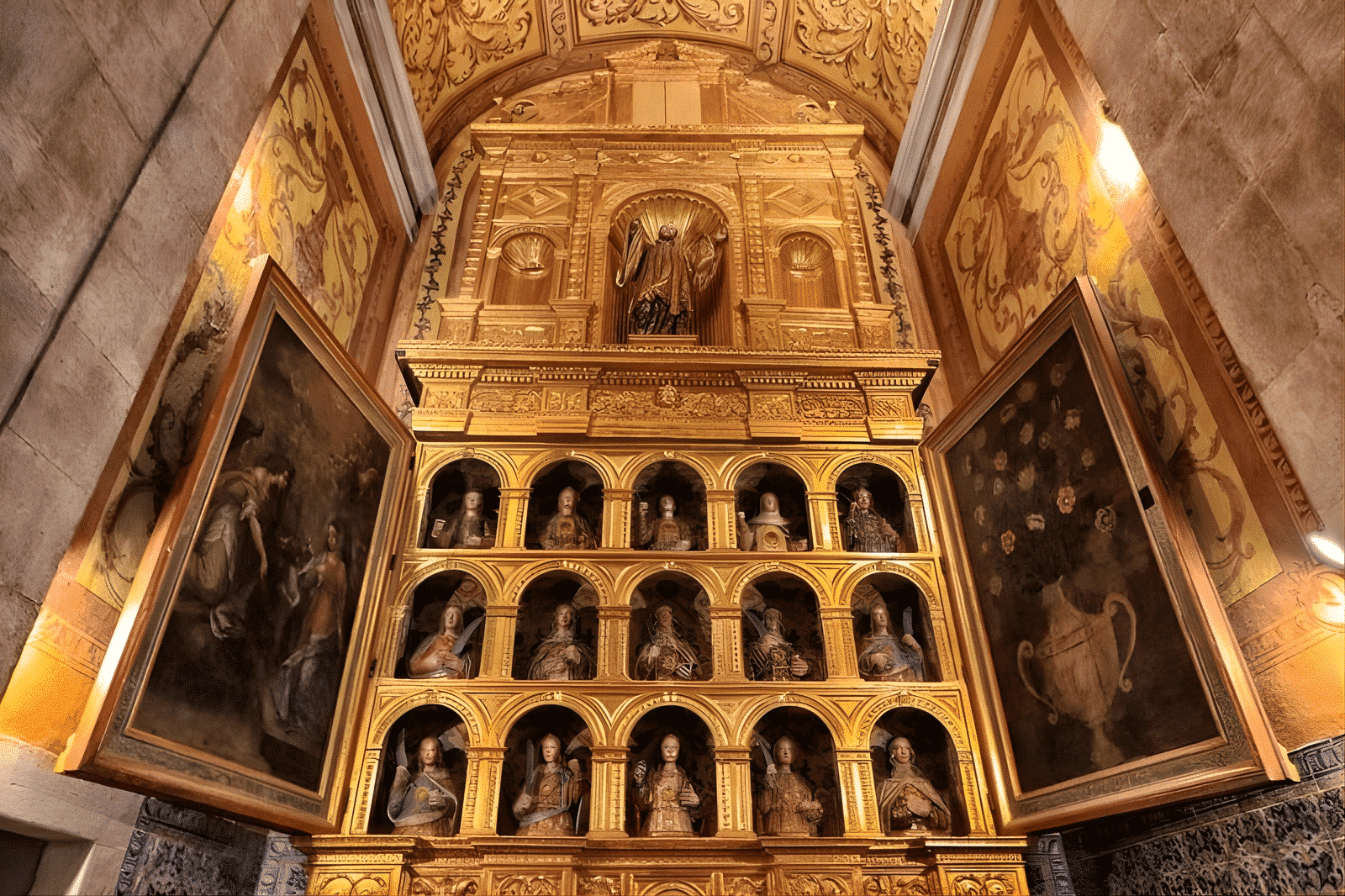
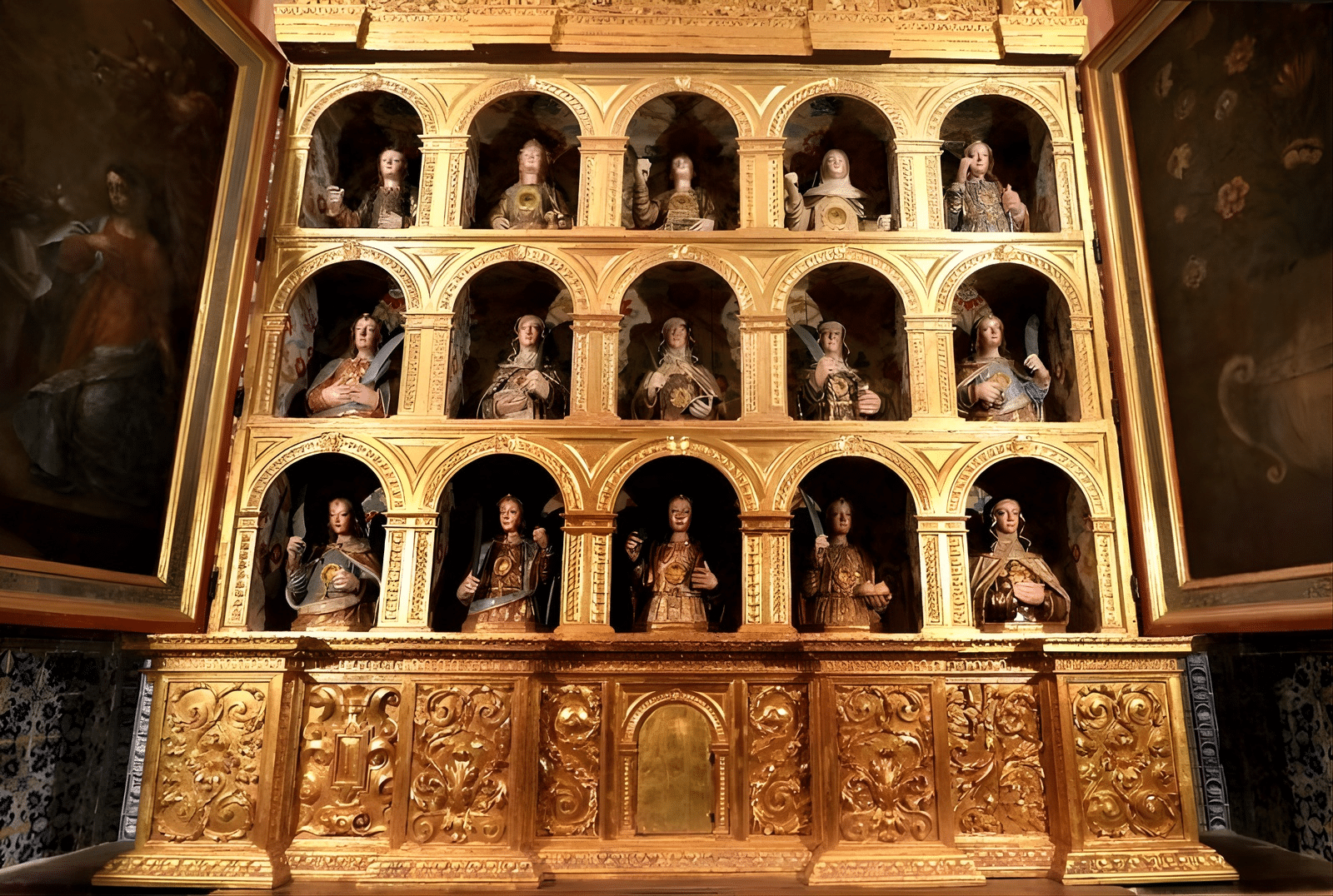
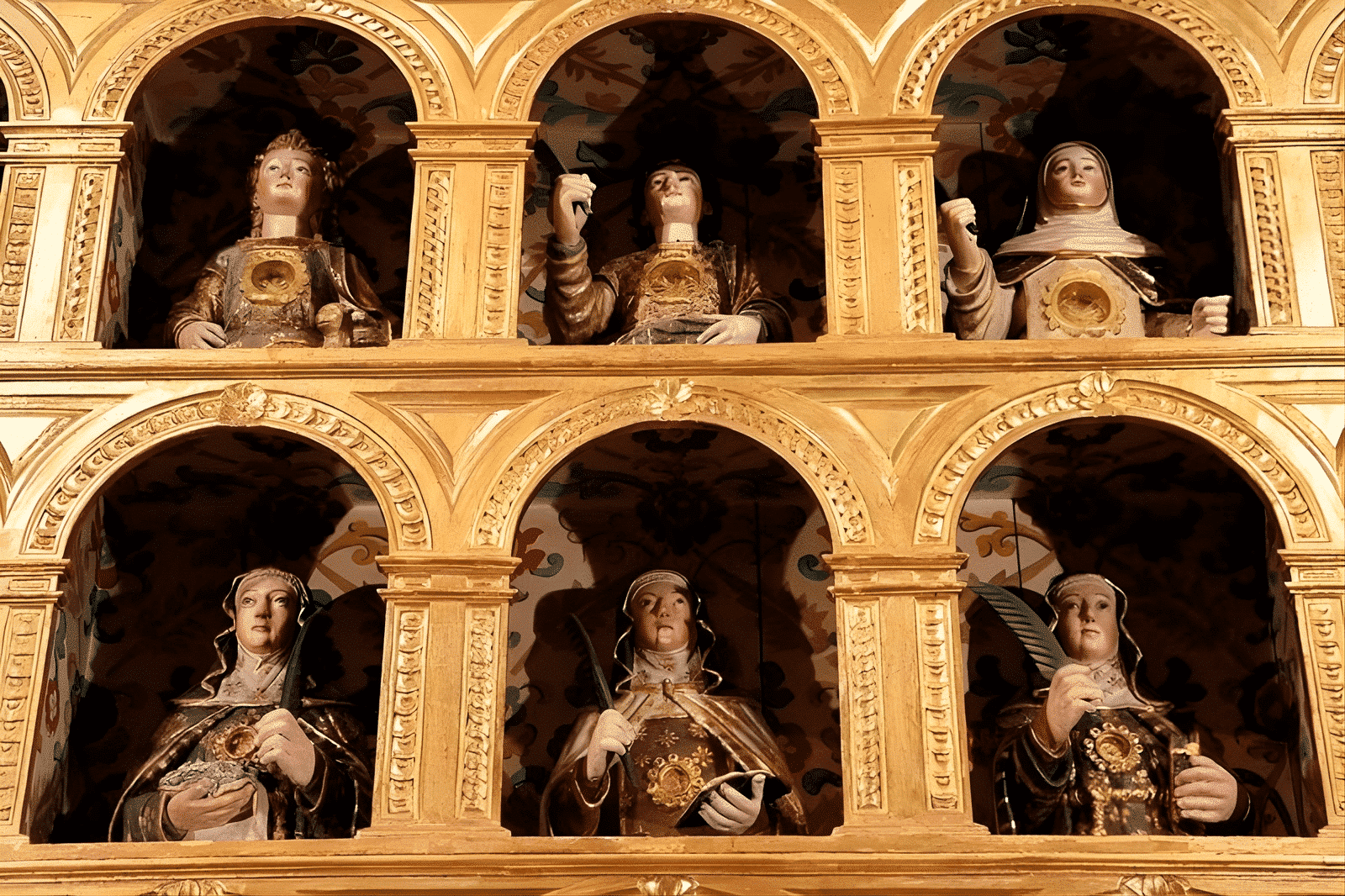
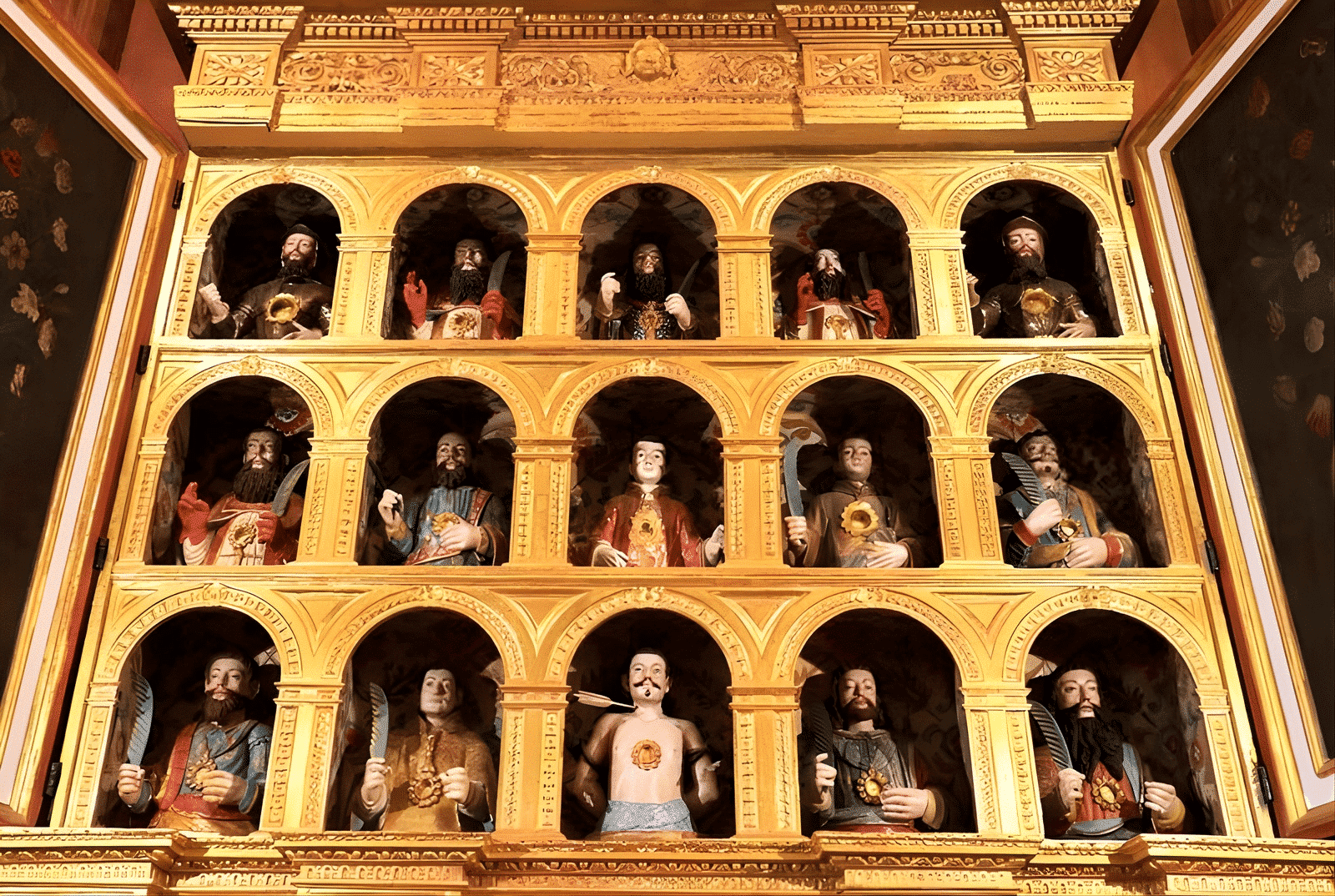
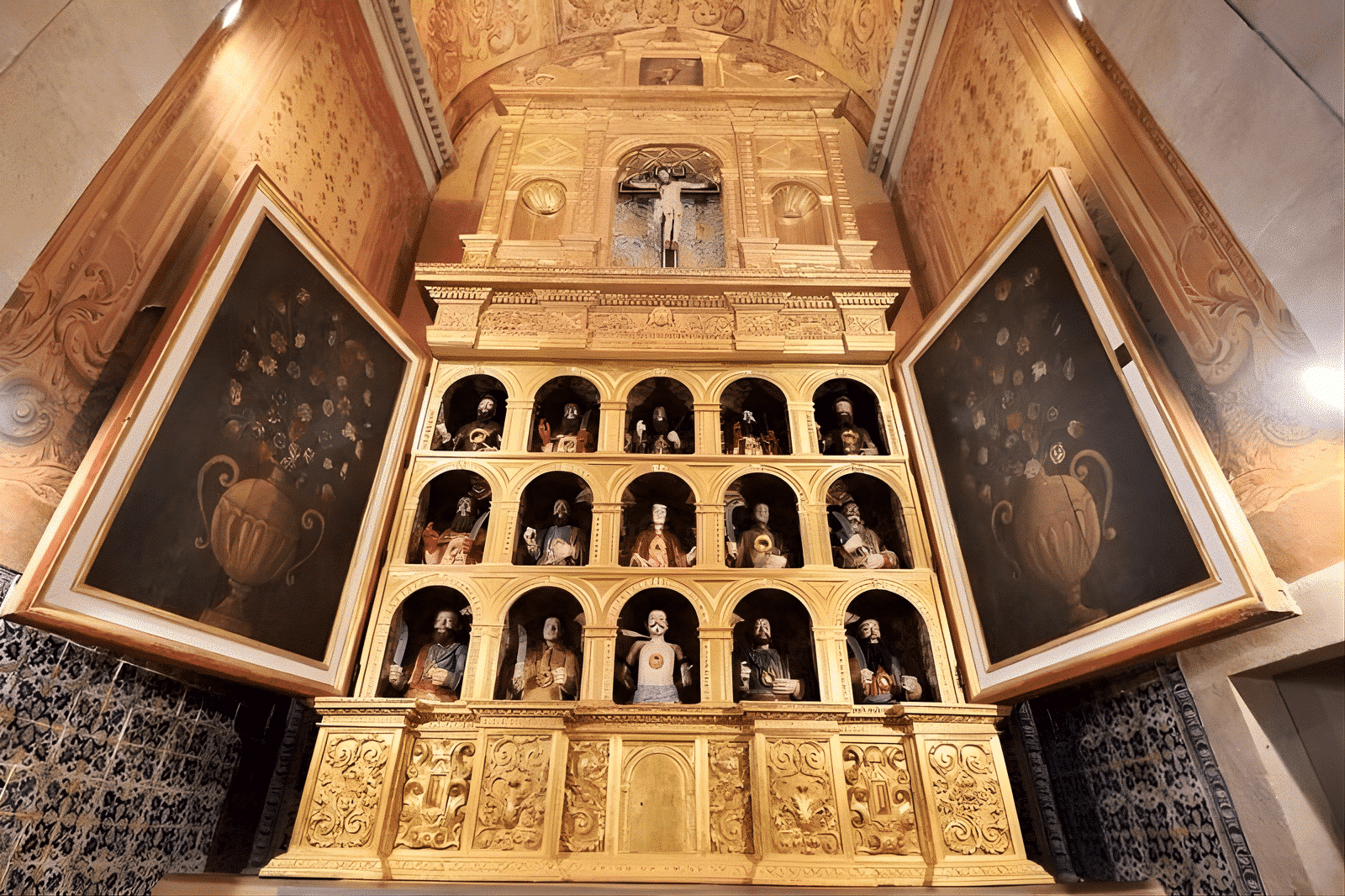
5. Sacristy and baptistery.
The baptistery contains a basin that has been carved from a single block of Lioz stone.
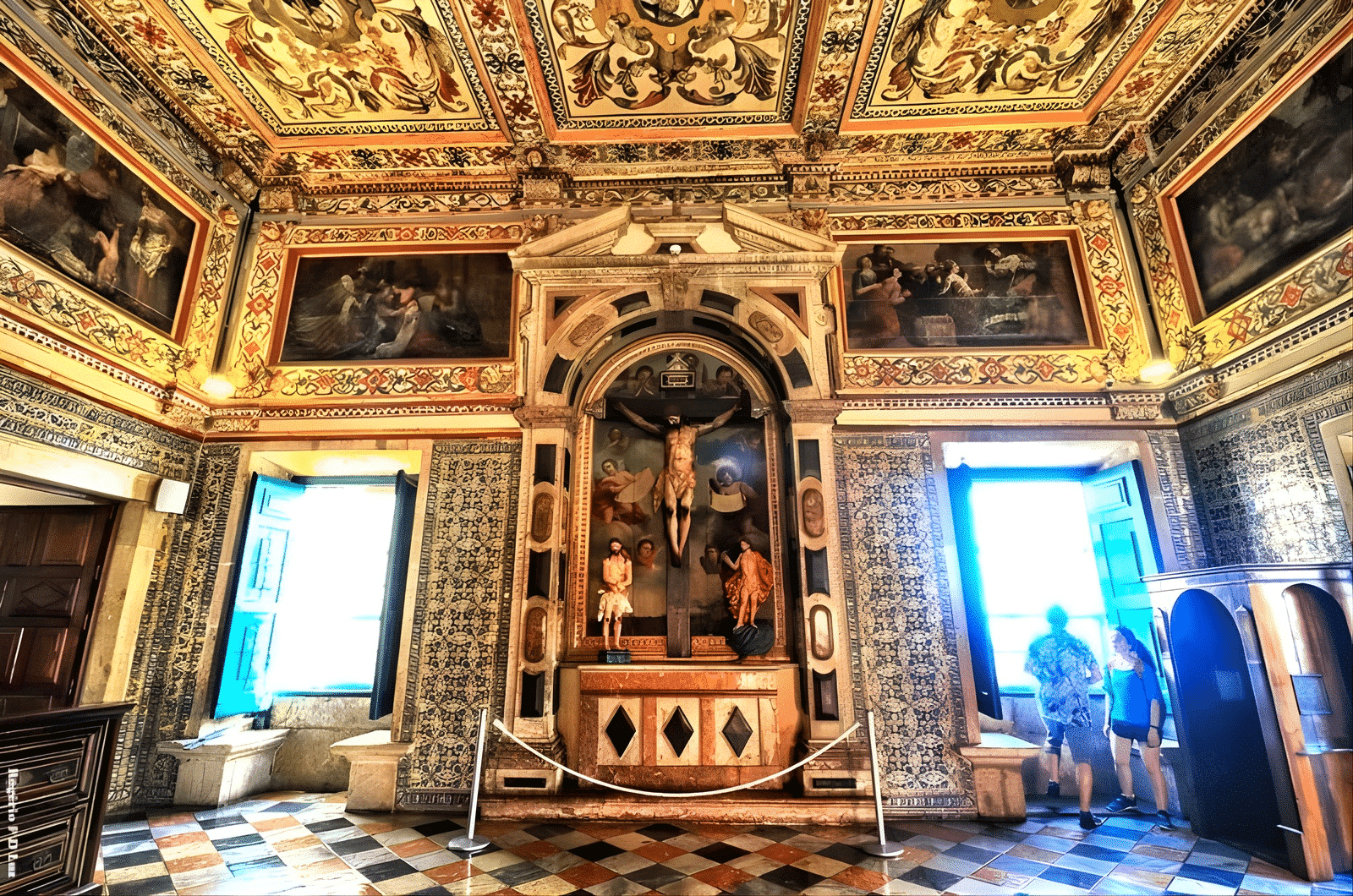
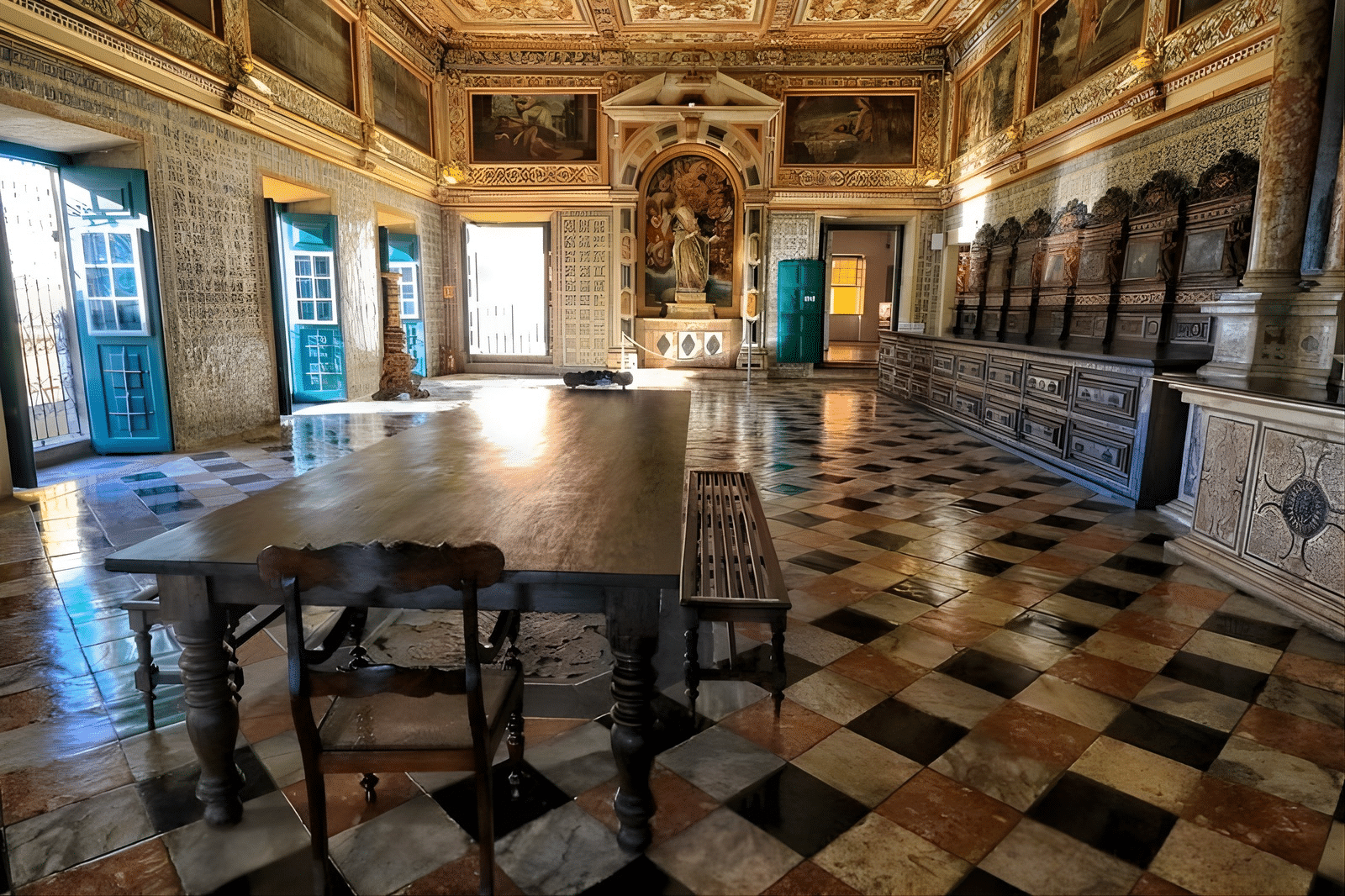
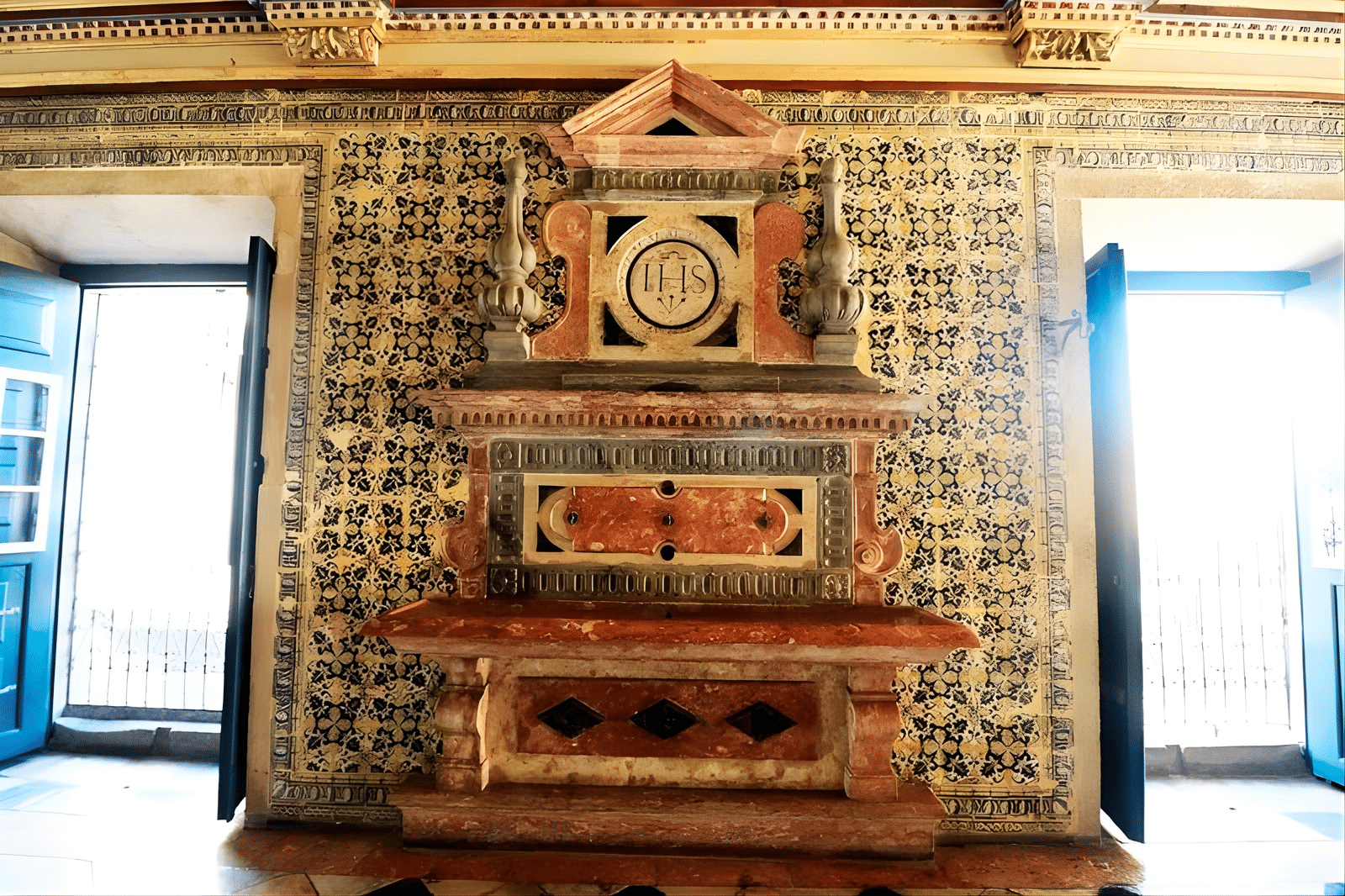
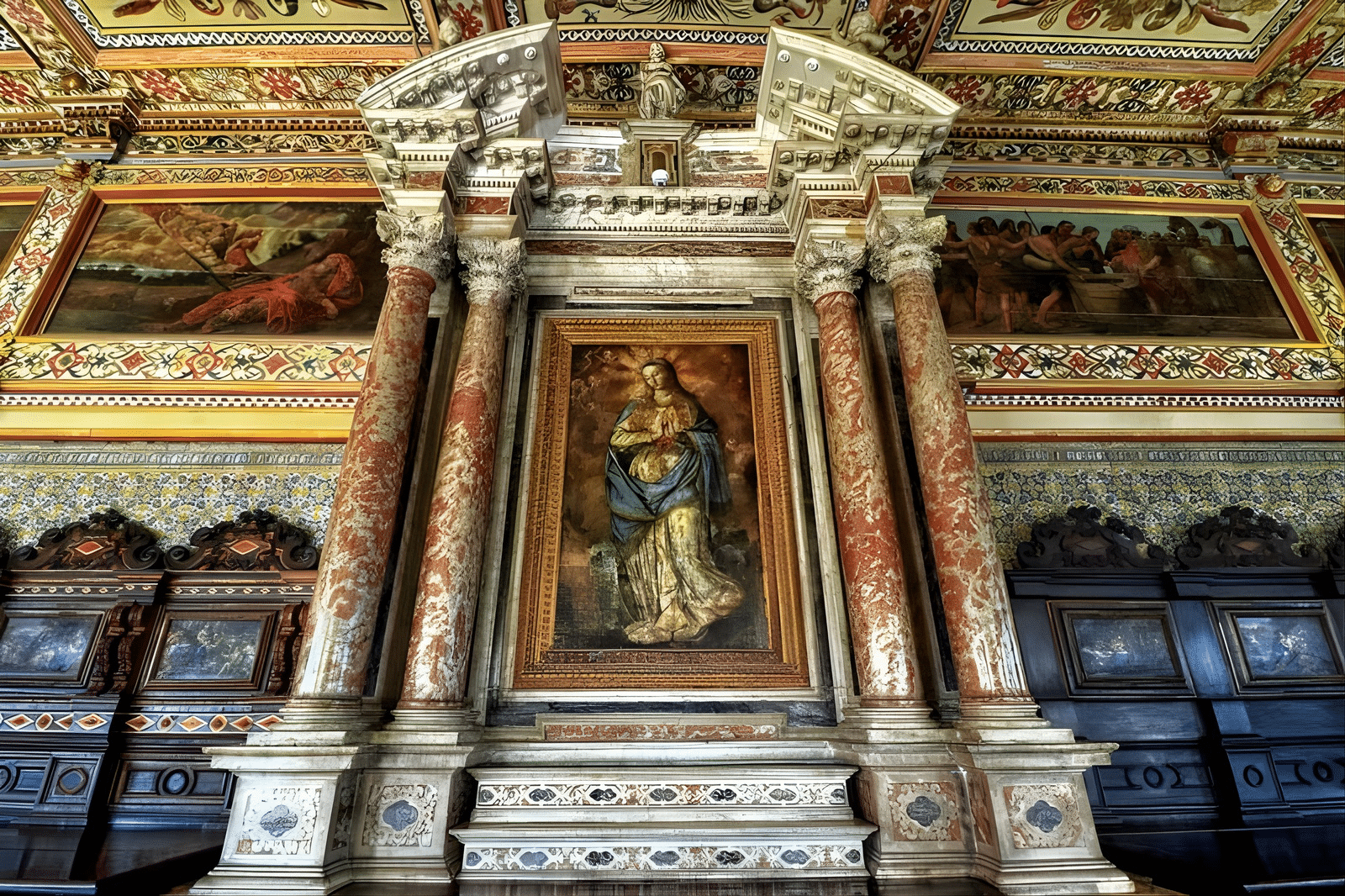
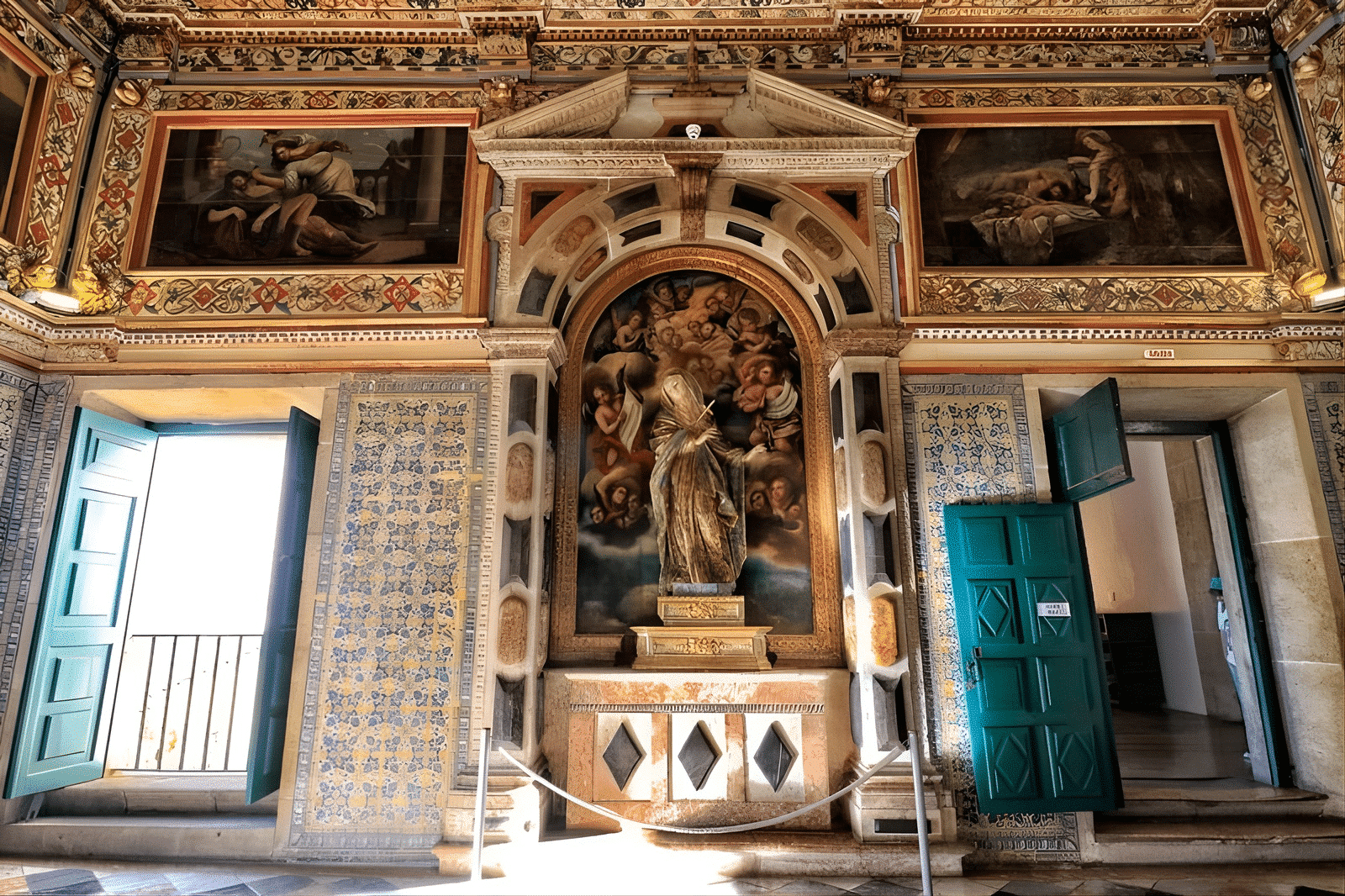
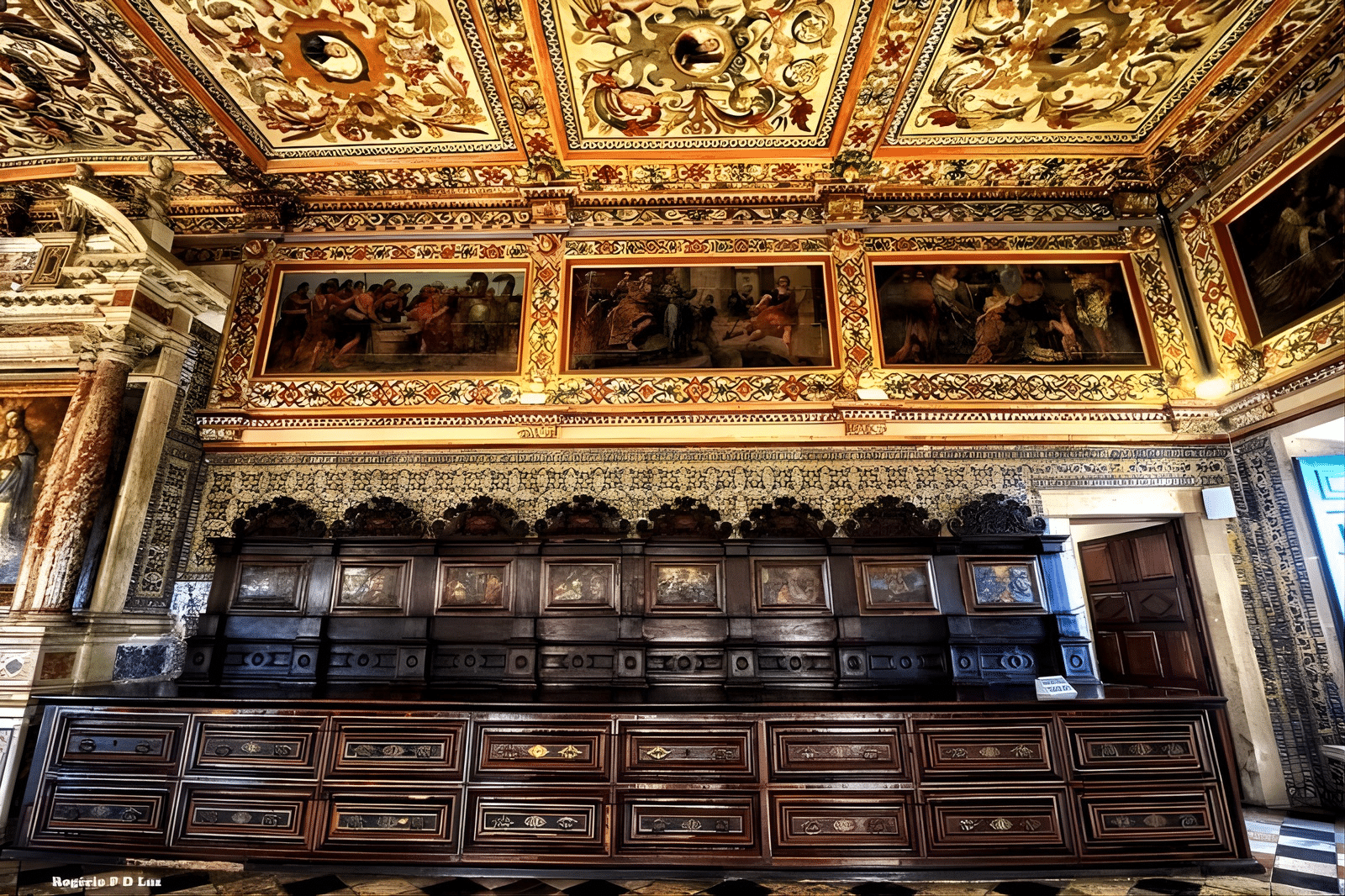
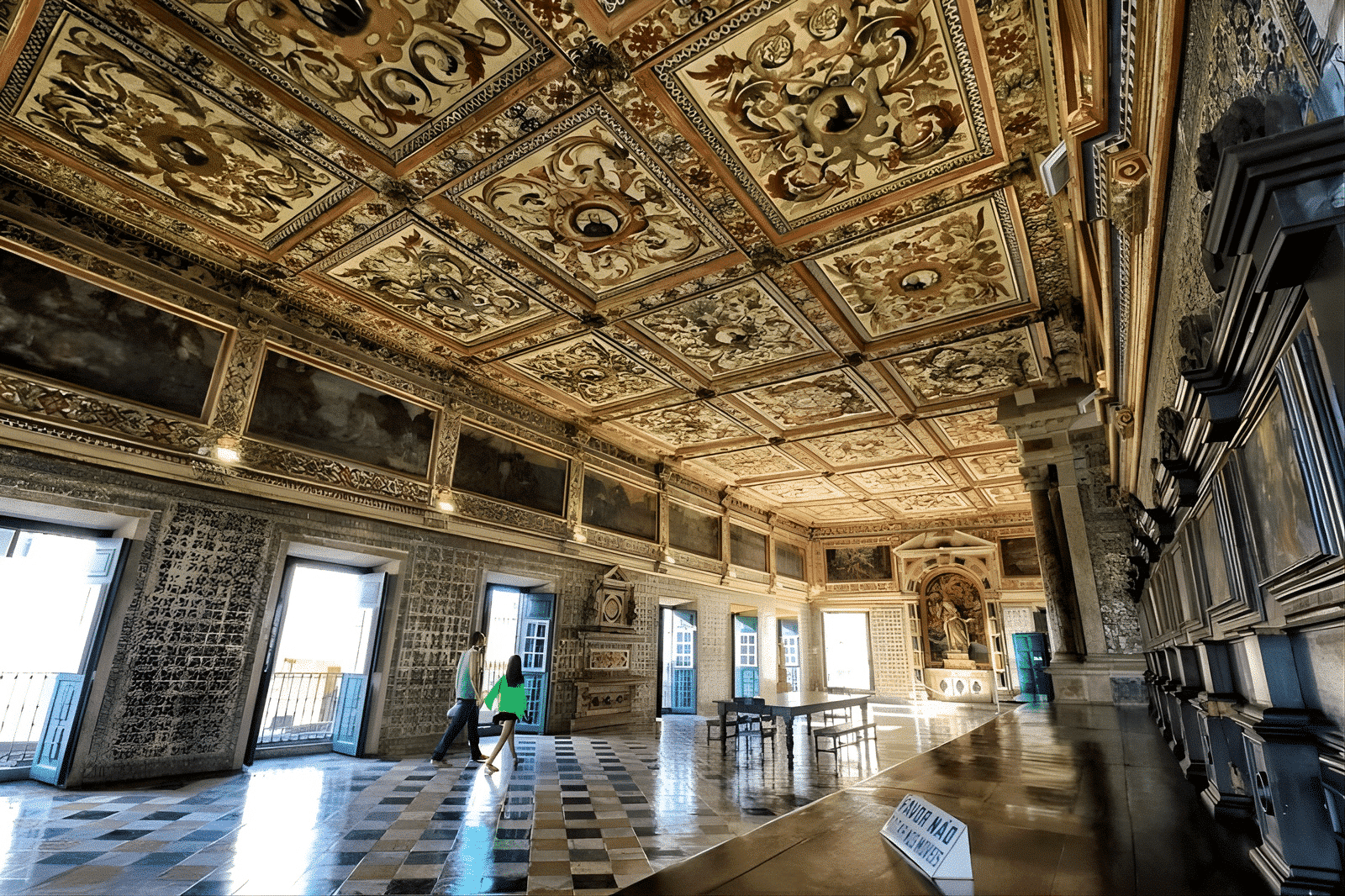
The spacious sacristy contains three Baroque altars made from multicoloured Italian marble, as well as statues, large paintings and a rosewood chest with ivory and tortoiseshell inlays. This chest was carved by Luís Manuel de Matosinhos and Cristóvão de Aguiar.
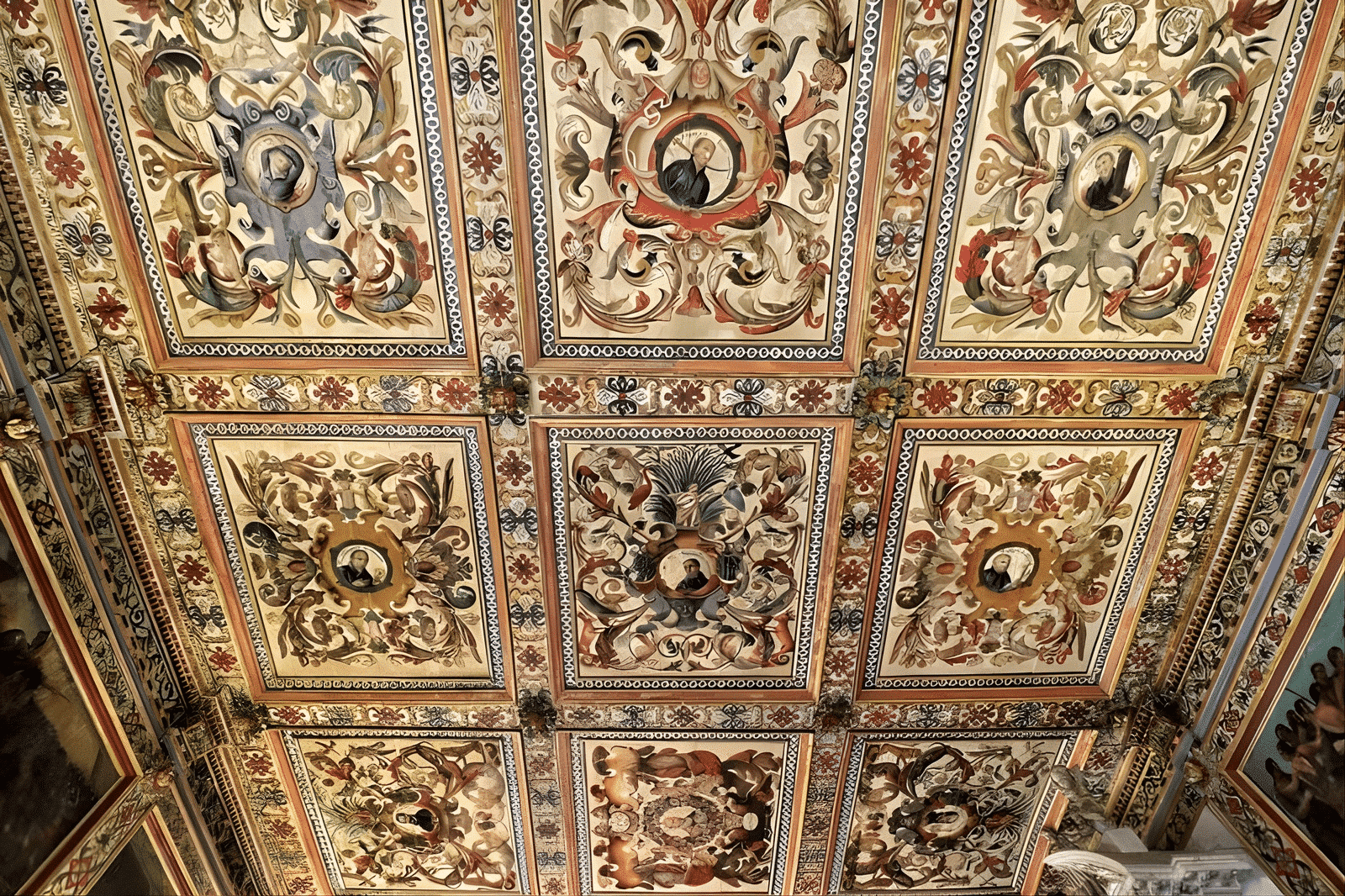
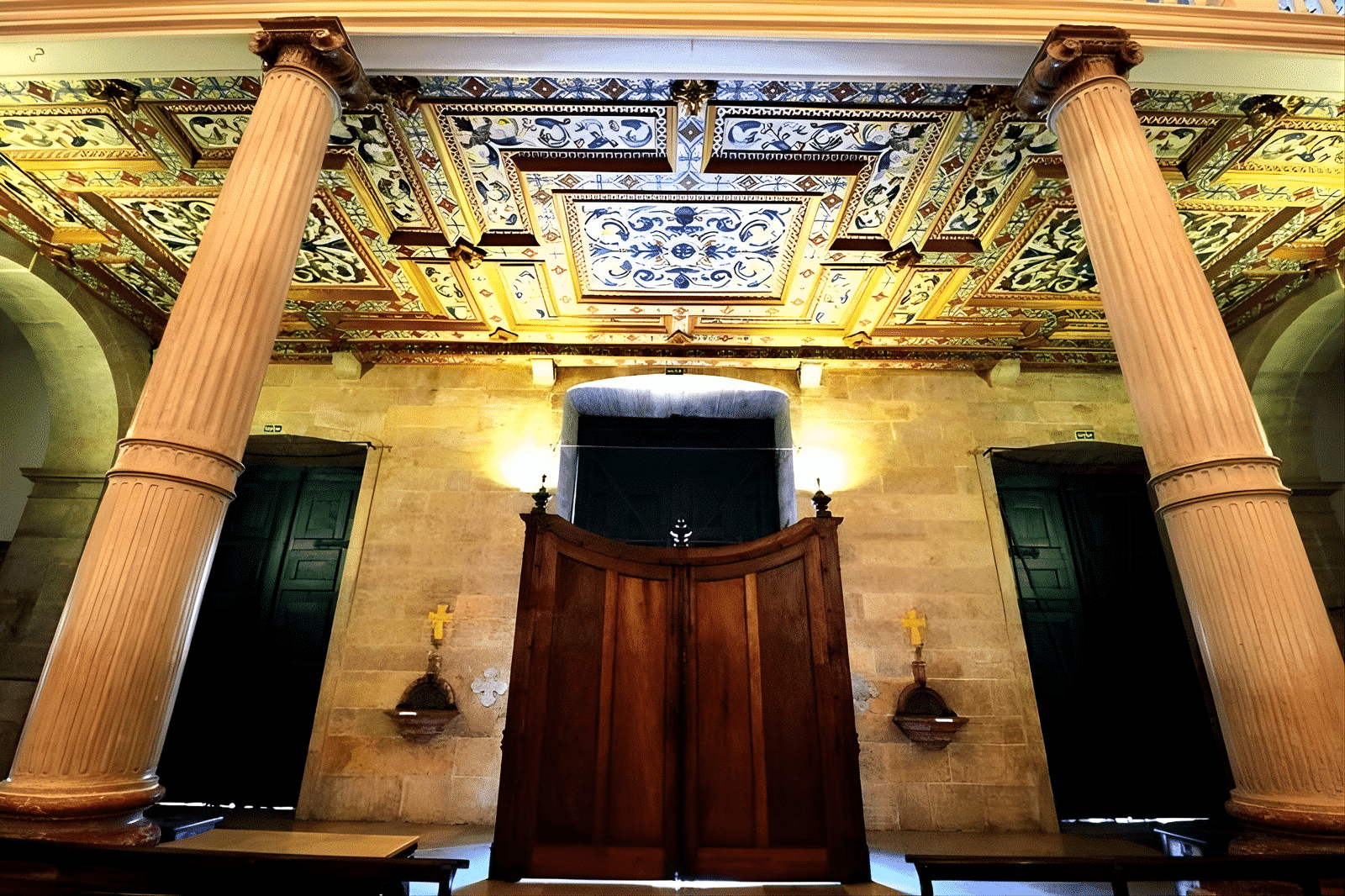
The furniture is adorned with paintings by Gherardo delle Notti, and the coffered ceiling features Jesuit martyrs and apostles. Portuguese tiles cover the walls halfway up.
6. Interior details
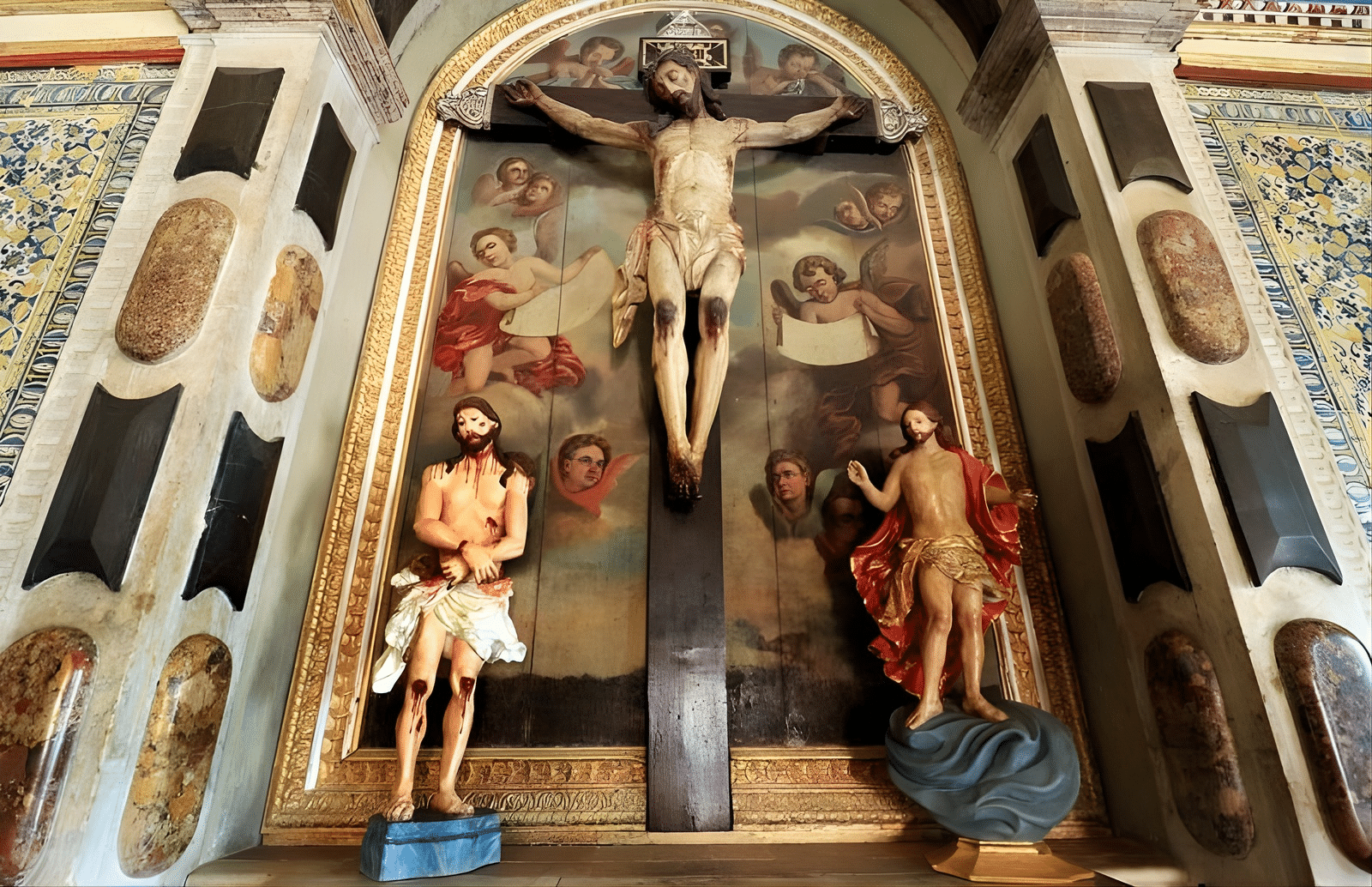
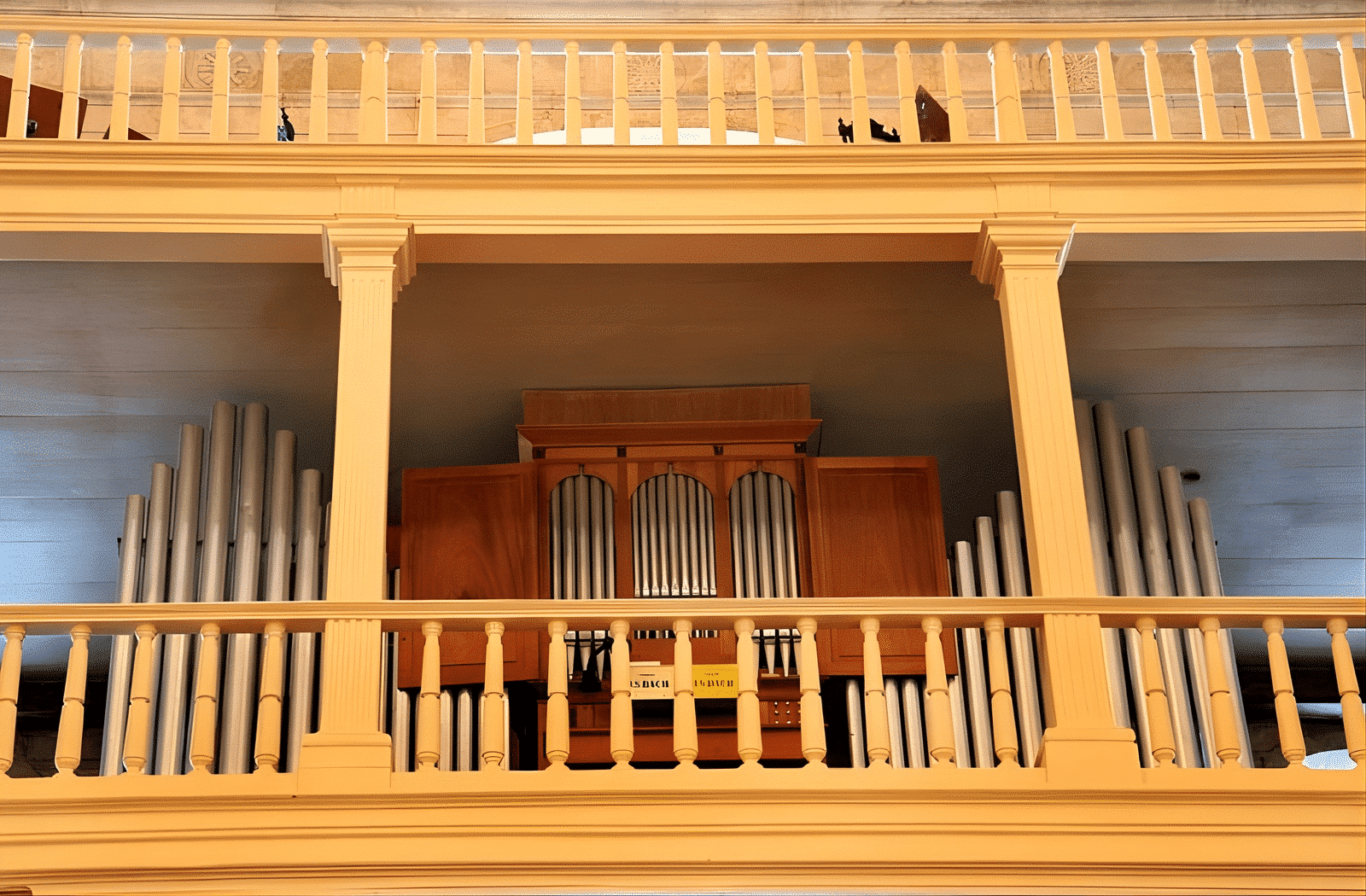
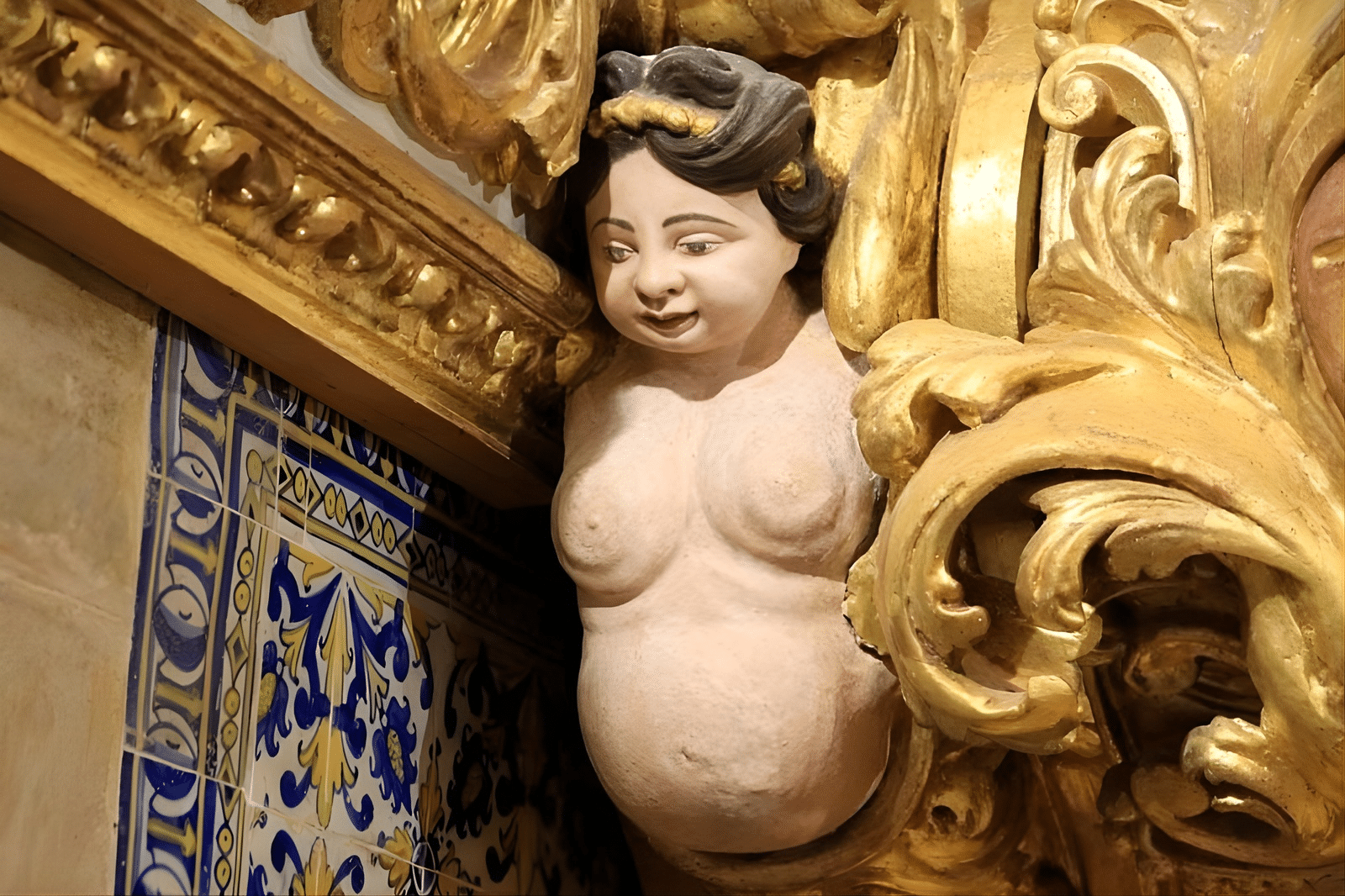
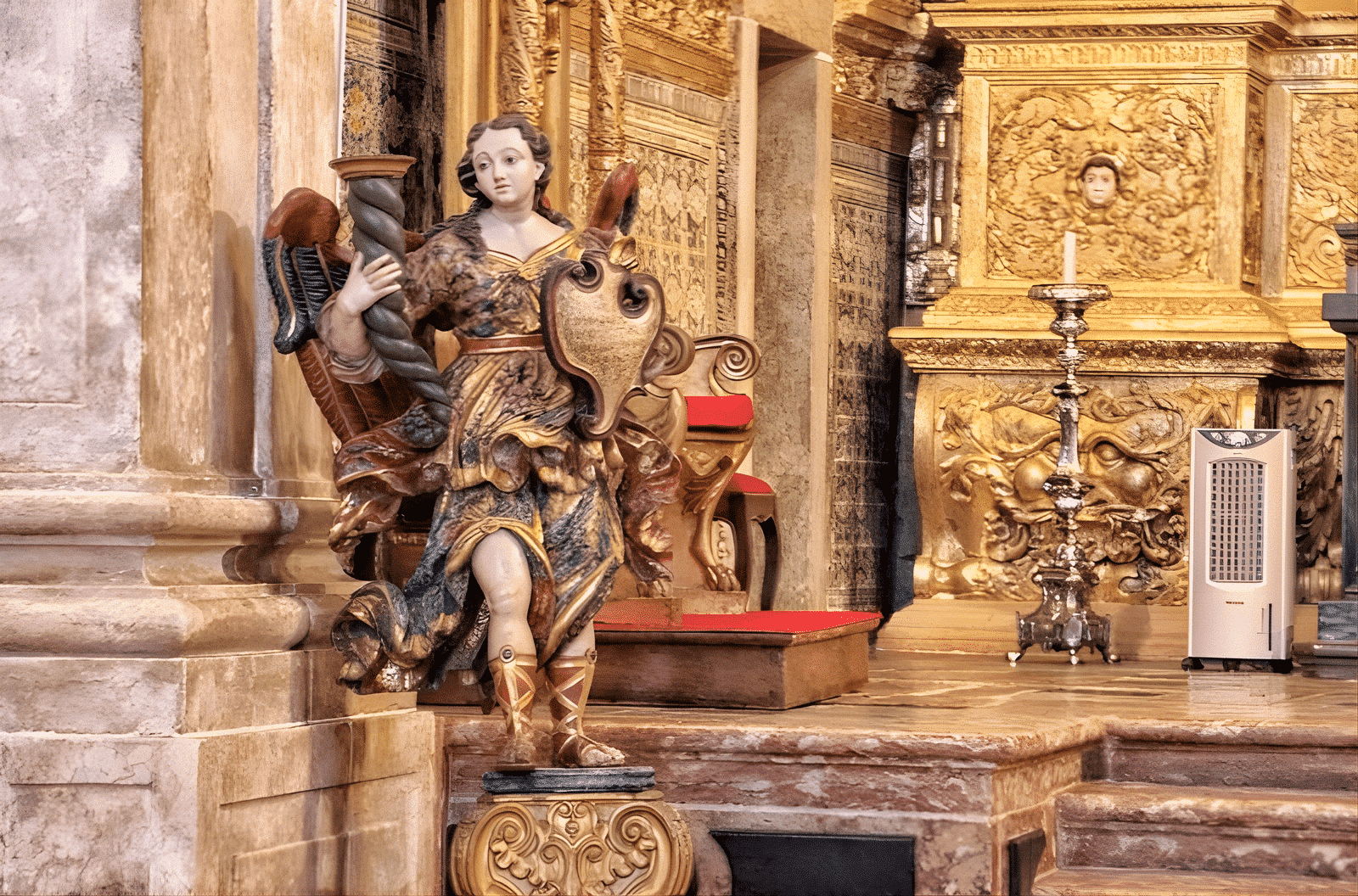
The cathedral houses paintings attributed to Jesuits, such as Domingos Rodrigues, as well as Baroque sculptures and relics. These include a silver-coated reliquary bust of Saint Ignatius, a silver image of Our Lady of Marvels and busts of Saint Ursula and other saints.
Over time, various items have been transferred to the Museum of Sacred Art.

Publicações Relacionadas
Ilhéus (BA) — Beaches, Cocoa Plantations and Cultural Itinerary
Main Towns and Villages in the Chapada Diamantina Region
The best places to visit on the Cocoa Coast in Bahia
Catabrigas Waterfall — A natural haven in Ibirajá, Itanhém (BA)
Discovering Brazil - Porto Seguro is the beginning of Brazil
Ponta de Humaitá — Lighthouse, church and the best sunset in Salvador
Alameda do Sol — Vila da Praia do Forte (BA) | Things to do
Jandaíra: Discover the charm of Mangue Seco
Church and Convent of Santa Clara do Desterro and its History in Salvador
Caraíva: A rustic and unspoilt paradise in the south of Bahia
Tourist Attractions and Documentaries about Chapada Diamantina
Church of Nossa Senhora dos Mares (Salvador) — History and Architecture
Prado (BA) — Beaches, Cliffs and Whale Watching | Whale Coast
Imbassaí Beach: Discover the Best of Bahia
Tinharé Archipelago: Discover Hidden Island Gems
Guarajuba Beach: A Paradise on the North Coast of Bahia
Church of São Pedro dos Clérigos — History, architecture and religious art
Todos os Santos Bay — Nature, History and Water-based Tourism
Descobrimento National Park in Bahia: A Natural Heritage Site
7-day itinerary in Salvador and the surrounding area: Pelourinho, the islands and Praia do Forte
Maraú Peninsula: Explore Its Stunning Beaches
Rio de Contas: Learn about the history of how the city was founded
Ilhéus: A Journey Through Bahia's Rich History
Andaraí is the second largest town in the Chapada Diamantina
Guide to Trancoso (BA) — what to do, beaches and inns
Tourist Guide to the Pantanal in Bahia — Jaguaripe (BA) | Mangroves, Fishing and Excursions
Find out how to celebrate Carnival in Salvador, Bahia
The History of Lençóis in the Chapada Diamantina — Origins, the Diamond Cycle and Heritage
The highest and most beautiful waterfalls in Chapada Diamantina
Island of Fear: Mysteries and Hauntings
Igatu: Explore the 19th-Century Stone Houses
Tourist Attractions in Bahia: main attractions, beaches and cities
Canavieiras: A Hidden Gem in Bahia's Coastline
Salinas da Margarida (BA) — Beaches, Attractions and a Complete Guide
Learn more about the sloth and its unique characteristics
Santa Cruz Cabrália in Bahia — beaches, history and things to do
This post is also on:
 Português
  English
  Deutsch
  Español
  Français