Cariri: A Prime Tourist Destination
1. Natural Wonders of the Chapada do Araripe
The Cariri region, in Ceará, is notable for its strategic location, bordering three states: Piauí, Pernambuco and Paraíba.
Situated in the south of the state, the Chapada do Araripe is an ecological reserve home to natural springs, caves and palaeontological sites, and has established itself as one of Brazil’s five main plateaus.

2. A Centre for Ecotourism and Cultural Tourism
As well as its natural beauty, the Cariri region of Ceará is a hub for ecological and cultural tourism.
The region boasts an authentic cultural atmosphere, surrounded by breathtaking scenery, a deep sense of religious devotion and faith in Padre Cícero, and a wealth of museums, sites of mythological and palaeontological interest, social projects, cuisine and handicrafts.

The Chapada do Araripe is one of Brazil’s five main plateaus.
What to do in Cariri?

Barbalha no Ceará00:58

Crato no Ceará00:59

Juazeiro do Norte no Ceará00:59

Geopark Araripe no Ceará00:59

Museu de Paleontologia de Santana do Cariri02:53

Floresta Nacional do Araripe00:58
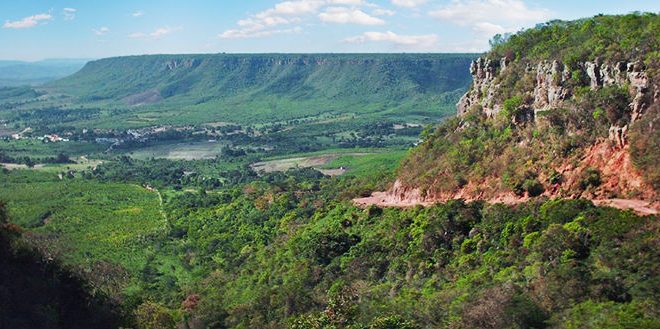
Chapada do Araripe Patrimônio da Humanidade02:05
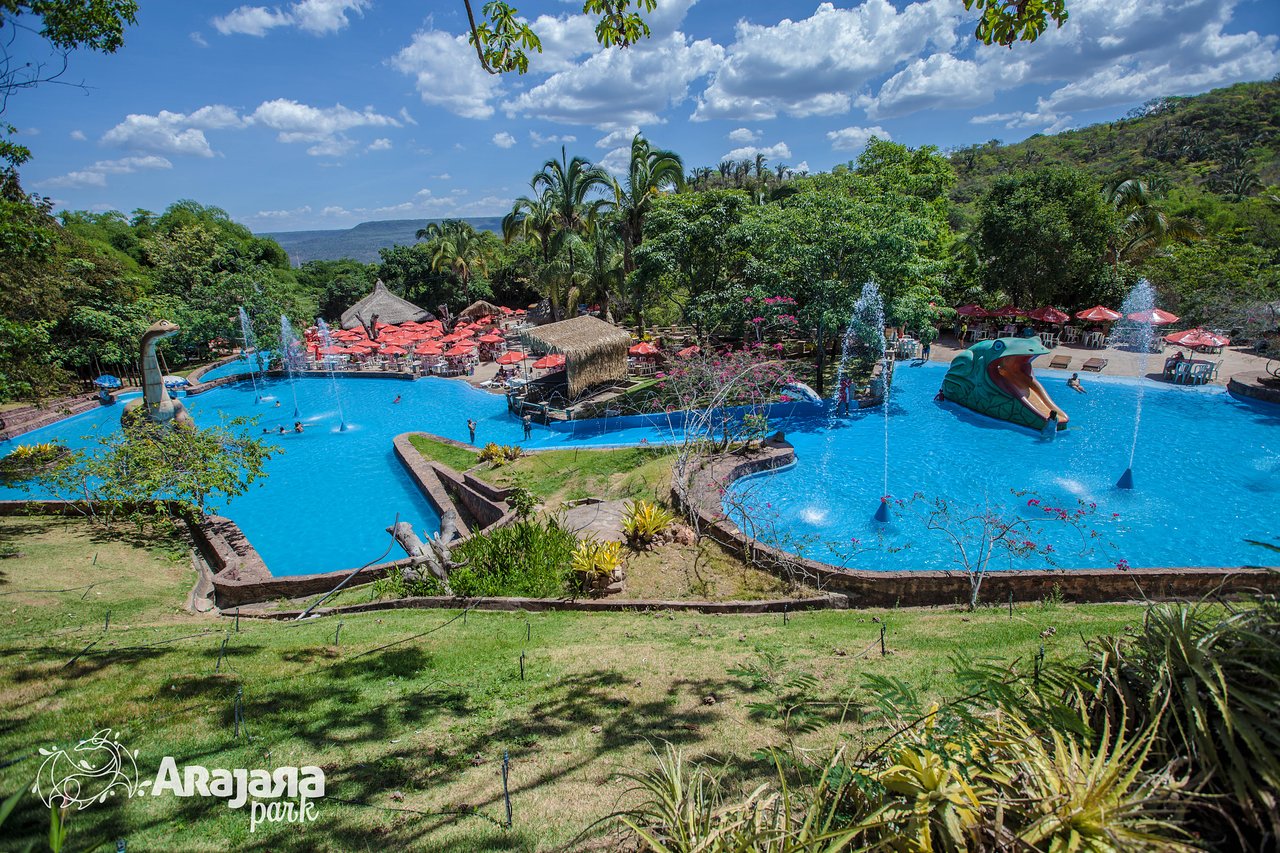
Arajara Park no Cariri04:26
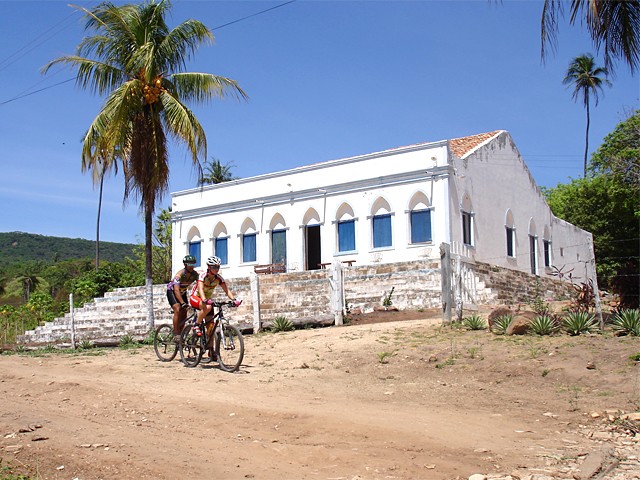
O que fazer em Juazeiro, Barbalha, Crato e Santana32:47
With vast potential for tourism, the region offers a wide range of attractions, making a significant contribution to the local economy.
1. Eco-tourism
Situated on the slopes of the Chapada do Araripe, the region boasts a vast expanse of native forest, teeming with mineral water springs and nature trails. In addition to the environmental protection area, there are private nature reserves that ensure the preservation of the region’s flora and fauna, including endangered species.
2. Riacho do Meio Ecological Park
This park is home to an ecological site within the Araripe Geopark, where visitors can find mineral water springs and marked trails. Although no prior authorisation is required to visit, it is recommended that visitors be accompanied by a tour guide.
3. Caldas Spa
Situated in the district of Caldas, at an altitude of over 700 metres, this spa resort is a great place for leisure, with swimming pools, waterfalls, restaurants and sports courts. The hydromineral spa has two natural hot springs, as well as holiday chalets and the Hotel das Fontes.
4. Arajara Park
Located in the Arajara district, the theme park is 920 metres above sea level and offers swimming pools, water slides and a range of leisure activities, as well as a restaurant and bars.

The park also has a private nature reserve with a nature trail, where visitors can spot the Araripe Pygmy Cuckoo, a bird native to the region that is critically endangered.
5. Historical Tourism
Barbalha is renowned for its rich architectural heritage, with a historic centre that is home to a number of public and private buildings dating from the 18th and 19th centuries. This area, which stretches across approximately 20 streets, invites visitors to explore the local history.

6. Rural Tourism
The rural area of Cariri comprises a number of communities that rely mainly on agriculture for their livelihood, in particular the cultivation of sugar cane and the production of rapadura.
Visits to the sugar mills and the chance to sample the region’s traditional sweet treat attract many visitors, particularly pilgrims who come from Juazeiro do Norte during religious pilgrimages.
7. Religious Tourism
The religious life of the people of Cariri is characterised by a mystique of enchantment and faith, culminating in events such as the festival of Santo Antônio, or the ‘Festa do Pau da Bandeira’, where thousands of worshippers take to the streets to pay homage to their patron saint, carrying a large wooden log.
8. Culture and Folklore
Recognised as one of the greatest bastions of popular culture in rural Brazil, the region attracts tourists during the festivities in honour of the patron saint, Saint Anthony. Various folk groups and June festivals, made up of local residents, keep cultural traditions alive, involving young apprentices under the guidance of master artisans.
9. Feast of St Anthony
The city’s biggest folk festival takes place in June, in honour of Saint Anthony.
The festival lasts around 15 days and is one of the biggest June festivals in Brazil, with a programme that includes the traditional religious ‘trezena’, street fairs and concerts in Parque da Cidade. The festival begins with Pau da Bandeira Day, a local tradition dating back over 100 years.
10. Pedra Cariri Geosite
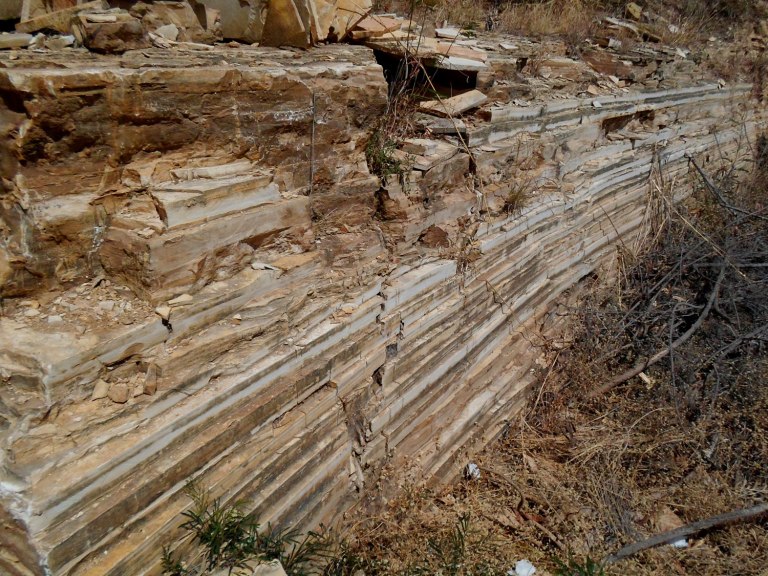
Geossítio Pedra Cariri
The abundance of fossils in the Chapada do Araripe is such that small specimens can be seen on the walls and floors of houses in the region, due to the use of laminated limestone, known as Pedra Cariri.
Many homes are built using these stones, which boost the economy of Western Cariri, particularly in the towns of Santana do Cariri and Nova Olinda.
Key Fossils Found in the Chapada do Araripe
The Chapada do Araripe is one of Brazil’s most important palaeontological regions, home to unique fossils of great scientific significance.
Among the main fossils found, the following stand out:
- Fish fossils: the region is rich in fossilised fish species, such as Osteoglossum, the ancestor of modern fish, as well as various other species dating from the Cretaceous period.
- Reptile fossils: the remains of dinosaurs and other prehistoric reptiles have been found, including the notable Santanaraptor, a theropod dinosaur from the region.
- Amphibian fossils: specimens of amphibians, such as toads and frogs, have been discovered, helping to improve our understanding of the evolution of these animals.
- Insect fossils: the preservation of insects in amber is a striking feature of the Chapada do Araripe, enabling the study of ancient species and their ecological interactions.
- Plant fossils: various fossilised plants, such as ferns and conifers, have been found, revealing information about the flora of the time.
- Mollusc fossils: the remains of molluscs, such as bivalves and gastropods, are common in the region and help us to understand the aquatic environments of the past.
- Pterosaur fossils: the Chapada do Araripe is one of the most important regions where pterosaur fossils, such as those of Tupuxuara, have been found, offering insights into the diversity of flying reptiles.
These fossils are crucial to palaeontological research, enabling scientists to understand the evolution of life on Earth, climate change over geological periods, and the interactions between different species.

The Museum of Palaeontology at the Regional University of Cariri, situated in the region, houses an extensive collection of these fossils and serves as a centre for research and education on the rich palaeontological history of the Chapada do Araripe.
Araripe Geopark: the first UNESCO Global Geopark in the Americas
The Araripe Geopark joined the Global Geoparks Network in 2006, becoming the first UNESCO Global Geopark in the Americas — a pioneering achievement that the region continues to celebrate to this day. It comprises between 9 and 11 geosites, depending on the source consulted, including the Cariri Petrified Forest geosite, with fossilised tree trunks dating back approximately 145 million years.
It is worth updating a commonly held fact about the region: for many years, Araripe was the only UNESCO Global Geopark in Brazil and Latin America, but this has now changed — Brazil currently has six UNESCO Global Geoparks (Araripe, Seridó, Caminhos dos Cânions do Sul, Quarta Colônia, Caçapava do Sul and Uberaba). Araripe remains, however, the pioneer and the most established in terms of tourism amongst them.
Further Information
- Cuisine: Cariri’s cuisine is rich and varied, with traditional dishes such as baião-de-dois, carne de sol with macaxeira, mugunzá and rapadura. Local markets offer a variety of handmade products and traditional regional foods.
- Accessibility: Cariri’s tourist infrastructure is currently being developed, with a range of accommodation options, from simple guesthouses to more comprehensive hotels. Access to the main attractions is made easier by well-maintained roads, and local tour guides can be hired to further enhance the experience.
- Annual events: as well as the Feast of St Anthony, the region hosts other cultural and religious events throughout the year, such as the Feast of Our Lady of Sorrows in Juazeiro do Norte, which also attracts large numbers of visitors.
- Biodiversity: the Chapada do Araripe is a centre for scientific research, particularly in the fields of biodiversity and palaeontology. The Palaeontology Museum at the Regional University of Cariri houses a significant collection of fossils and promotes education and awareness of the importance of environmental conservation.
Major Towns in Cariri

- Barbalha: is renowned for its cultural and historical heritage, particularly during the Festa do Pau da Bandeira. Visitors can explore Arajara Park, a water park, and the Balneário Caldas, which features fountains and natural mineral water pools.
- Missão Velha: known for its natural heritage and fossils, it forms part of the Araripe Geopark, the first UNESCO Global Geopark in the Americas.
- Nova Olinda: offers a range of attractions relating to archaeology, folklore and nature, including the Ponte de Pedra Geosite, where you can see rock carvings.
- Santana do Cariri: renowned for its fossil heritage, it is home to the Palaeontology Museum of the Regional University of Cariri and is known as the Palaeontology Capital of Ceará.
- Juazeiro do Norte (which has its own airport and is the region’s main gateway): an important centre for religious pilgrimage, particularly in honour of Padre Cícero. It boasts a rich culinary tradition and offers opportunities to buy local handicrafts.
- Crato: known for its museums and natural beauty, as well as the Araripe Geopark and nature trails. It is particularly noted for the Lameiro Waterfall, which offers a marvellous view.


How to get to Cariri
The Cariri region is situated in the far south of Ceará, about 500 km from Fortaleza. There are two main ways to get there:
- By plane: Cariri Regional Airport (JDO), in Juazeiro do Norte, receives direct flights from Fortaleza (around a 1-hour flight) and from other state capitals such as São Paulo and Recife. It is the quickest option and the most commonly used gateway for those arriving from outside Ceará.
- By car: leaving from Fortaleza, the most common route is via the BR-116, with distances ranging from 460 to 550 km depending on the route chosen — a journey of 6 to 7 hours.
- By bus: there are regular services from Fortaleza Bus Station to Juazeiro do Norte, with the journey taking approximately 8 to 10 hours.
Once in Cariri, the region’s main towns (Juazeiro do Norte, Crato and Barbalha) are close to one another — generally between 10 and 20 km apart — which makes it easy to travel between them by car or taxi.
Frequently Asked Questions about Cariri
Is the Araripe Geopark still the only one in Latin America?
No. It was the first UNESCO Global Geopark in the Americas (2006), but Brazil now has six UNESCO-recognised geoparks: Araripe, Seridó, Caminhos dos Cânions do Sul, Quarta Colônia, Caçapava do Sul and Uberaba.
What are the main towns to visit in Cariri?
Juazeiro do Norte (religious tourism), Crato and Barbalha (history and nature), Santana do Cariri and Nova Olinda (paeontology and geotourism) and Missão Velha (Araripe Geopark).
When is the best time to visit Cariri?
June is particularly special, thanks to the Festival of Saint Anthony in Barbalha, one of the biggest June festivals in Brazil. Apart from that, the region’s mild climate makes it a great place to visit all year round.
Do you need a guide to visit the Cariri nature reserves?
It isn’t compulsory in all of them, but it is recommended — for example, at the Riacho do Meio Nature Reserve, even though no prior authorisation is required, a local guide helps you make the most of the trails.
Where can you see fossils from the Chapada do Araripe?
The Museum of Palaeontology at the Regional University of Cariri, in Santana do Cariri, houses the region’s main collection, including reptiles, pterosaurs and fossilised plants from the Cretaceous period.
Can you get to Cariri by plane?
Yes. Cariri Regional Airport (JDO), in Juazeiro do Norte, receives direct flights from Fortaleza (around 1 hour) and other state capitals, making it the quickest way to reach the region — much quicker than the roughly 500 km journey by road.
See also
- Religious Tourism in Cariri (CE): Padre Cícero and Pilgrimages
- Tourism in the Cariri region of Ceará: A complete 3-day itinerary through the Araripe Geopark
- Juazeiro do Norte and its Religious Roots
- Icó, Ceará: History, Architecture and Tourist Attractions
- Salgado River Canyon in Lavras da Mangabeira, Ceará
- Ceará: Must-see tourist destinations in Brazil
This region of Cariri is a true cultural and natural treasure, attracting visitors from far and wide with its unique beauty and traditions.

Publicações Relacionadas

Beach Park – Complete guide: attractions, tickets and tips for Porto das Duna
Jericoacoara, Ceará: Complete Guide and 5-Day Itinerary

Guaramiranga: The Complete Guide to the ‘Switzerland of Ceará’ (Itineraries and Tips)

Where to Stay in Fortaleza: Neighbourhoods and Beaches (2026)
What to Do in Fortaleza in 3 Days: A Complete Itinerary
The Best Beaches in Fortaleza and Ceará: A Complete Guide with 22 Options
Religious Tourism in Cariri (CE): Padre Cícero and Pilgrimages
Salgado River Canyon in Lavras da Mangabeira, Ceará

Tourism in the Cariri region of Ceará: A complete 3-day itinerary through the Araripe Geopark
Icapuí, Ceará: The perfect destination for those seeking the ‘Land of the Lobster’

Tatajuba, Ceará: things to do, how to get there and top attractions

Cumbuco Beach (Ceará): The Definitive Guide to Kitesurfing and Leisure
Kitesurfing in Tatajuba — Spots, Access and Season
Serra da Ibiapaba: A Complete Guide to Attractions and Tips
Ubajara National Park: A Complete Visitor’s Guide
Icó, Ceará: History, Architecture and Tourist Attractions
Caetanos de Cima is one of the most beautiful beaches in Ceará
Quixadá, Ceará: Monoliths, the Cedro Dam and the Sertão

The Baturité Massif: A Complete Guide to Tourism in Ceará
Aracati, CE: A Complete Guide to Canoa Quebrada and the Surrounding Area
Aquiraz, Ceará: Guide to Porto das Dunas and Beach Park
Canoa Quebrada, Ceará: A Guide to Cliffs and Beaches
Ceará: The Best of Ecotourism and Extreme Sports in Brazil

Fortim and the Jaguaribe River, Ceará: A Complete Travel Guide

The Costa dos Ventos Route, Ceará: A Complete Guide to 9 Towns
Things to Do in Paracuru, Ceará: Beaches and Sports
The Cliffs Route in Ceará: A Complete Travel Guide
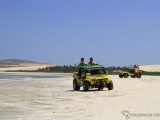
Route of Emotions: An Adventure through North-East Brazil

Juazeiro do Norte: Things to Do and a Guide to Religious Tourism

The Mountains of Ceará: A Guide to Mountain Towns for Tourists
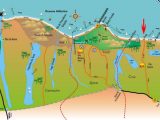
Beaches on the West Coast of Ceará: A Complete Guide

The East Coast of Ceará: A Complete Guide to Beaches and Cliffs
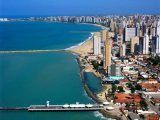
Fortaleza: Complete Guide to What to Do in Ceará's Capital
Ceará: Brazil’s Must-See Tourist Destinations
This post is also on:
 Português
  English
  Deutsch
  Español
  Français