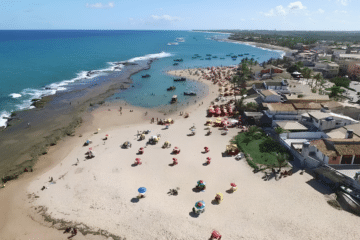
The Route of Emotions links the Lençóis Maranhenses in Maranhão, the Parnaíba Delta in Piauí, and Jericoacoara in Ceará, in a unique journey through north-eastern Brazil. This guide brings together everything you need to plan your trip: the three destinations, how to travel between them and a suggested itinerary.

Travelling the route is an adventure: journeys in a 4×4 along dirt and sandy tracks, windsurfing and kitesurfing on the dunes, speedboat trips through the Delta, and nights spent in a hammock overlooking the sea. You can do it in a few days or over the course of a week, depending on how much time you have.

Explicação sobre a Rota das Emoções no Nordeste05:02
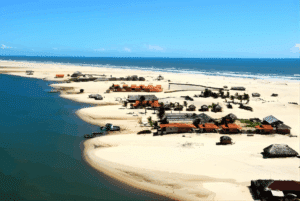
Rota das Emoções: Guia Completo pelo Nordeste08:52

Rota das Emoções no Nordeste06:00
Rota das Emoções - Guia07:01

Rota das Emoções no Nordeste - Guia de Turismo
The three destinations on the Route of Emotions
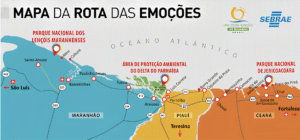
The itinerary comprises three main destinations: Jericoacoara, in Ceará; the Parnaíba Delta, in Piauí; and the Lençóis Maranhenses, in Maranhão. The official route passes through 14 municipalities in total, but in practice the tourist itinerary centres on these three base towns: Jijoca de Jericoacoara, Parnaíba (or Luís Correia) and Barreirinhas.
1. Jericoacoara (CE)
The village of Jeri, in the municipality of Jijoca de Jericoacoara (around 290 km from Fortaleza), is surrounded by dunes and famous for the sunset viewed from the top of the Duna do Pôr do Sol. The beaches lead to Pedra Furada and Serrote on one side, and to Guriú and Tatajuba on the other. It is one of Brazil’s best destinations for windsurfing and kitesurfing, as well as offering stand-up paddleboarding, diving and snorkelling. The area has been a National Park since 1984, managed by ICMBio.


2. Parnaíba Delta (PI)
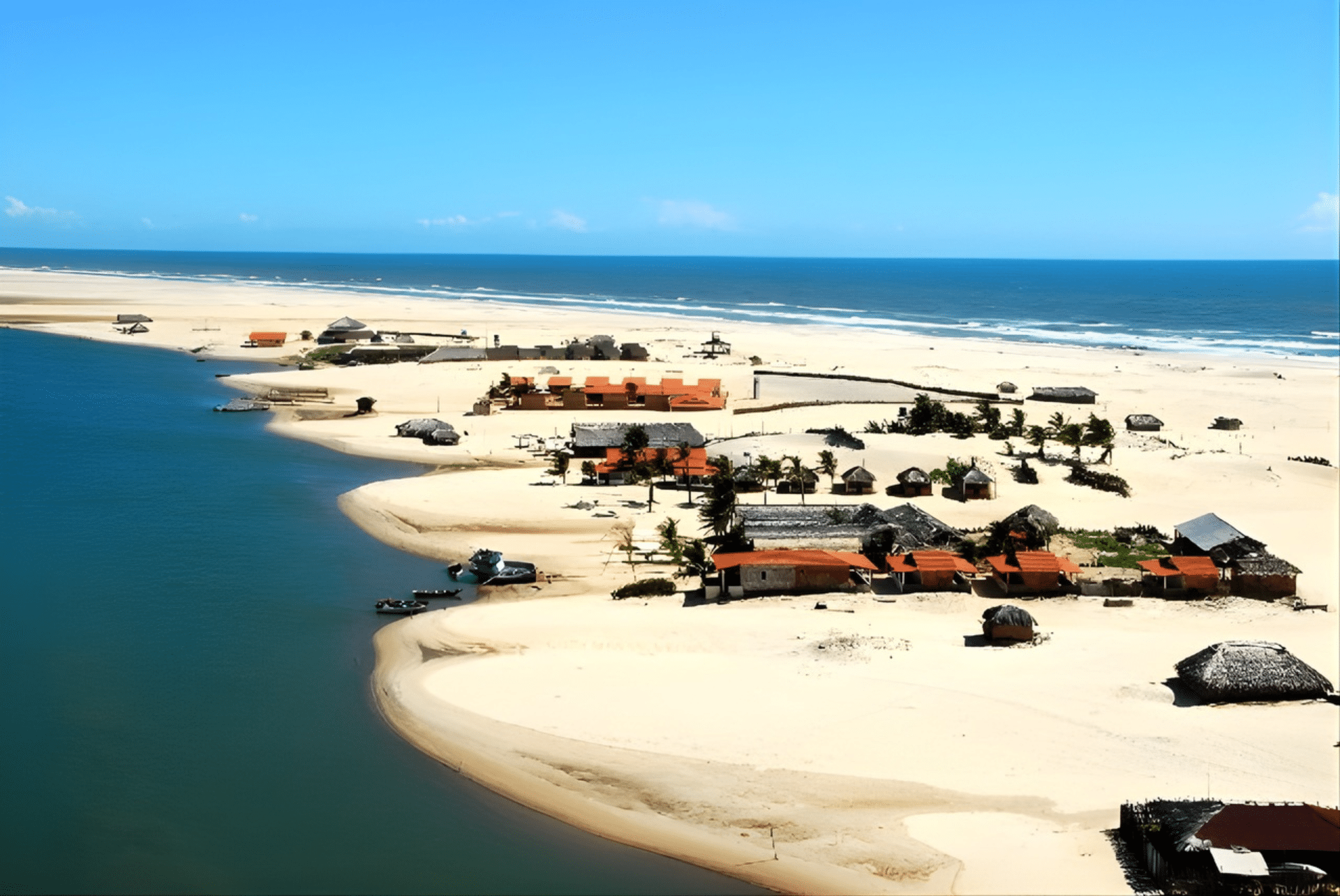
It is the only delta in the Americas that flows into the open sea, and the third largest in the world, with more than 75 islands set amongst dunes, freshwater lagoons and mangrove swamps. The main islands — the Canary Islands, Caju Island and Tutóia — have good tourist facilities, and boat trips usually include the Flight of the Guarás, when hundreds of these red birds return to their nests at dusk.

3. Lençóis Maranhenses (MA)
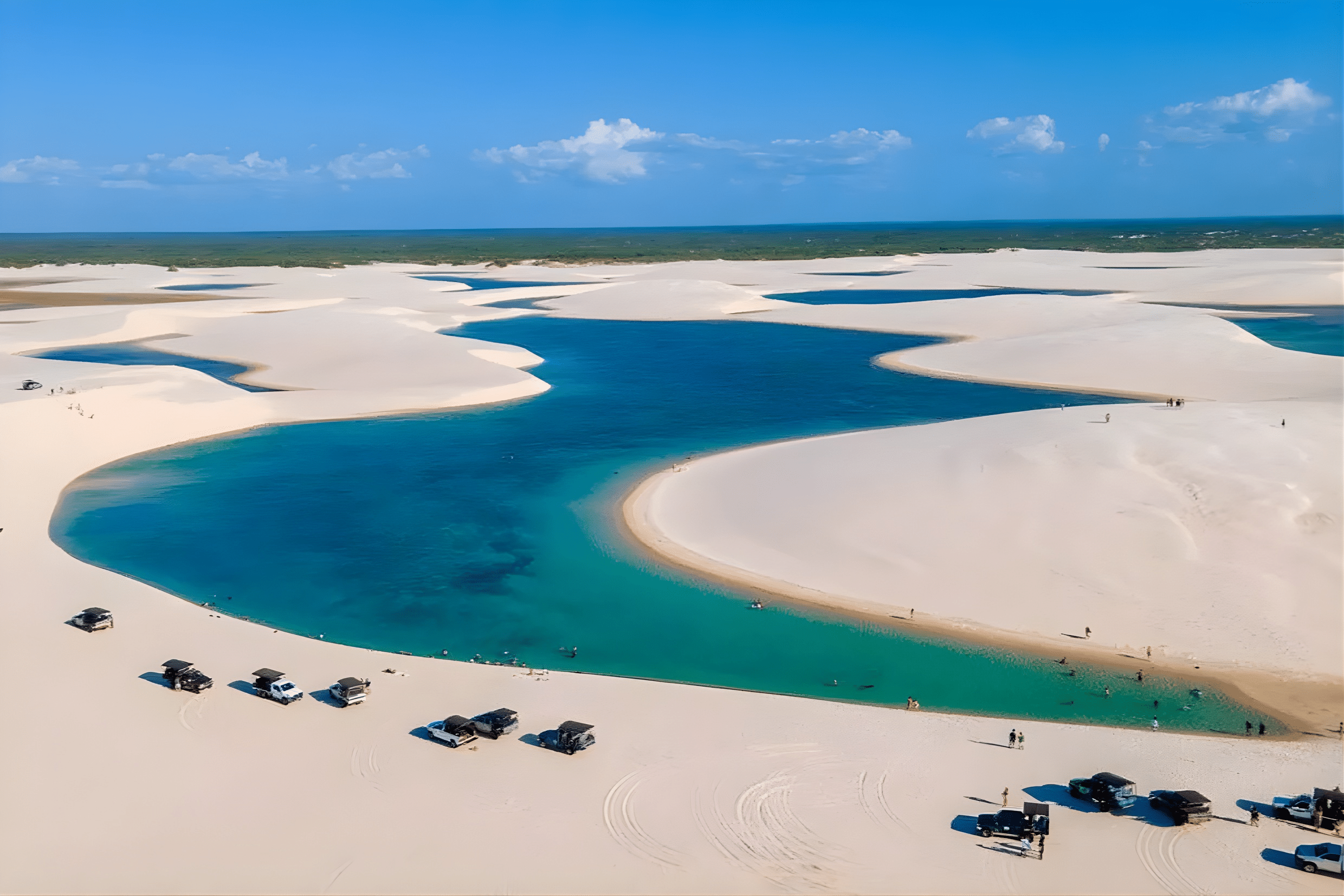
White sand dunes with rainwater lagoons amongst them, covering 155,000 hectares and around 70 km of deserted beaches. The lagoons form during the rainy season (January to April) and are at their fullest and most beautiful between May and September — the best time to visit. Barreirinhas, 260 km from São Luís, is the base town with the best tourist facilities.
How to get between the three destinations
The route covers a total of approximately 900 km of road across the three states:
- São Luís ↔ Barreirinhas: ~4 hours by road (~270 km).
- Barreirinhas ↔ Parnaíba (Delta): ~3h30 by 4×4 transfer, usually on the same day as the speedboat trip through the Delta.
- Parnaíba ↔ Jericoacoara/Jijoca: ~4 hours’ transfer by 4×4, with stops to take in the scenery at Mangue Seco, the Funil Dune and Tatajuba Lagoon.
- Jijoca de Jericoacoara ↔ Fortaleza: ~5 hours by car or bus (~290 km).
Most travellers book packages including private or shared transfers, as much of the journey is along dirt and sand tracks, with no regular public transport.
Suggested itinerary: 5 to 6 days
- Day 1 — Arrival in Jericoacoara and sunset on the dune.
- Day 2 — Buggy tour in Jeri: Pedra Furada, Praia do Preá, Lagoa Azul and Lagoa do Paraíso.
- Day 3 — 4×4 transfer from Jericoacoara to Parnaíba.
- Day 4 — Speedboat trip through the Parnaíba Delta and transfer to Barreirinhas.
- Day 5 — 4×4 tour of the Bonita and Azul lagoons in the Lençóis Maranhenses.
- Day 6 (optional) — Boat trip along the Preguiças River to Atins, then on to São Luís.
You can shorten it to 4 days by cutting out one day’s sightseeing, or extend it by including more free time at each destination.
Summary table
| Destination | Status | Home town | How to get there |
|---|---|---|---|
| Jericoacoara | Ceará | Jijoca de Jericoacoara | ~290 km from Fortaleza |
| Parnaíba Delta | Piauí | Parnaíba / Luís Correia | Boat trip around the islands from Parnaíba |
| Maranhão Sandbanks | Maranhão | Barreirinhas | ~260 km from São Luís |
Frequently Asked Questions
How many days does the Route of Emotions take?
Between 5 and 7 days for the full itinerary, but it can be shortened or extended depending on your time and budget.
When is the best time to visit the Lençóis Maranhenses lagoons?
Between May and September, when the lagoons formed by the rains (January to April) are at their fullest and most beautiful.
Do you need to book a package tour?
It isn’t compulsory, but most travellers book through specialist agencies, as the route involves 4×4 journeys along dirt tracks and boat crossings, with no regular public transport available.
Conclusion
The Rota das Emoções combines natural beauty, vibrant culture and adventure across three states in the North-East, making it ideal for those looking for a trip off the beaten track.

Publicações Relacionadas
Caetanos de Cima is one of the most beautiful beaches in Ceará
The East Coast of Ceará: A Complete Guide to Beaches and Cliffs
Where to Stay in Fortaleza: Neighbourhoods and Beaches (2026)
Tourism in the Cariri region of Ceará: A complete 3-day itinerary through the Araripe Geopark
Quixadá, Ceará: Monoliths, the Cedro Dam and the Sertão
Ceará: The Best of Ecotourism and Extreme Sports in Brazil
Cariri in Ceará: A Comprehensive Guide to Tourism and Culture
The Costa dos Ventos Route, Ceará: A Complete Guide to 9 Towns
The Best Beaches in Fortaleza and Ceará: A Complete Guide with 22 Options
Guaramiranga: The Complete Guide to the ‘Switzerland of Ceará’ (Itineraries and Tips)
Juazeiro do Norte: Things to Do and a Guide to Religious Tourism
Jericoacoara, Ceará: Complete Guide and 5-Day Itinerary
Aquiraz, Ceará: Guide to Porto das Dunas and Beach Park
Religious Tourism in Cariri (CE): Padre Cícero and Pilgrimages
Beach Park – Complete guide: attractions, tickets and tips for Porto das Duna
Icó, Ceará: History, Architecture and Tourist Attractions
Canoa Quebrada, Ceará: A Guide to Cliffs and Beaches
Beaches on the West Coast of Ceará: A Complete Guide
Cumbuco Beach (Ceará): The Definitive Guide to Kitesurfing and Leisure
Fortim and the Jaguaribe River, Ceará: A Complete Travel Guide
Fortaleza: A Guide to Ceará's Vibrant Capital
Ubajara National Park: A Complete Visitor’s Guide
Icapuí, Ceará: The perfect destination for those seeking the ‘Land of the Lobster’
Tatajuba, Ceará: things to do, how to get there and top attractions
The Cliffs Route in Ceará: A Complete Travel Guide
The Baturité Massif: A Complete Guide to Tourism in Ceará
Things to Do in Paracuru, Ceará: Beaches and Sports
Aracati, CE: A Complete Guide to Canoa Quebrada and the Surrounding Area
Salgado River Canyon in Lavras da Mangabeira, Ceará
What to Do in Fortaleza in 3 Days: A Complete Itinerary
Serra da Ibiapaba: A Complete Guide to Attractions and Tips
Ceará: Brazil’s Must-See Tourist Destinations
Kitesurfing in Tatajuba — Spots, Access and Season
The Mountains of Ceará: A Guide to Mountain Towns for Tourists
This post is also on:
 Português
  English
  Deutsch
  Español
  Français