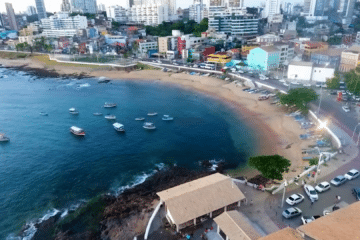
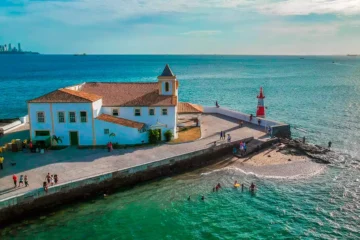
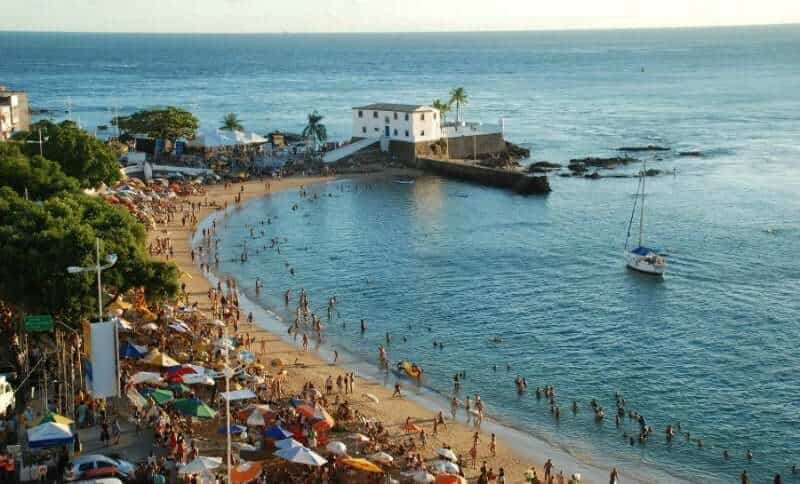
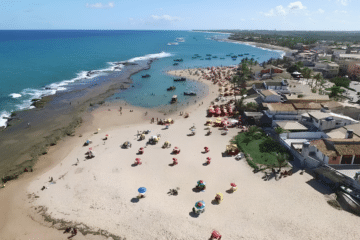
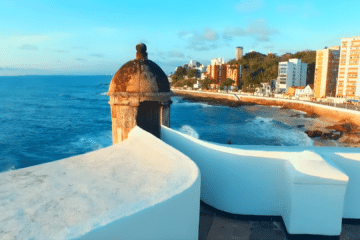
Tatajuba in Ceará is the ideal destination for kitesurfing.
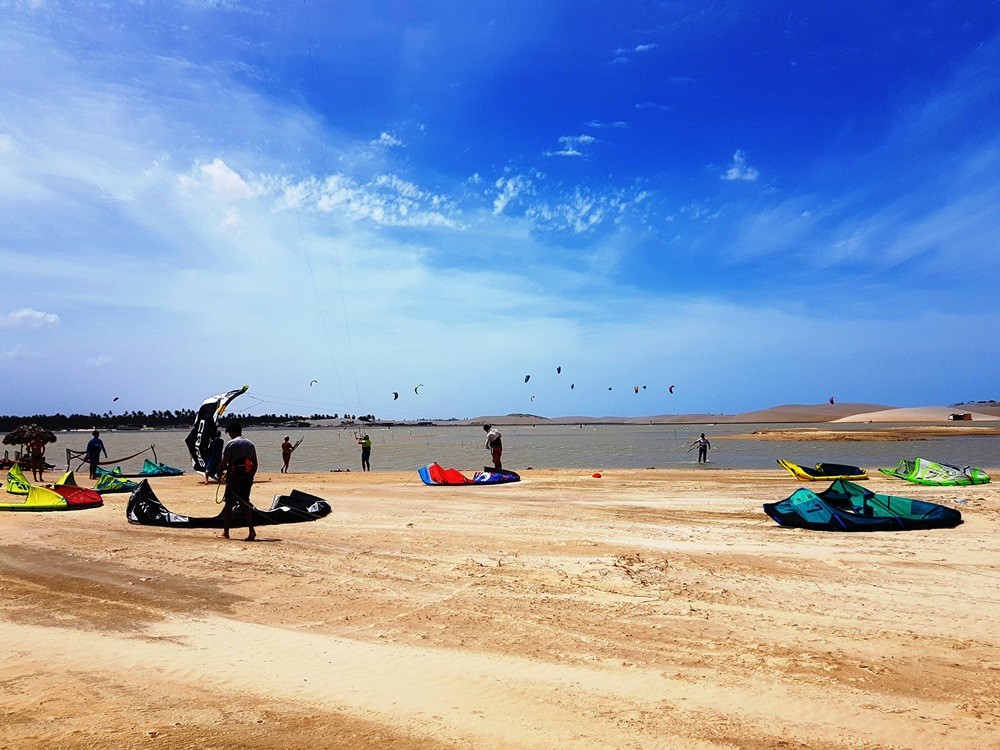
Tatajuba is a beach on the west coast of Ceará, in the municipality of Camocim, known for the beauty of its dunes and lagoons and its excellent wind conditions for kitesurfing. The rebuilt village is referred to by the community as Nova Tatajuba (also informally known as “Vila Kite” or “Vila Nova”).

Videos – Tourist information about Tatajuba

Kitesurf em Tatajuba no Ceará00:57

Tatajuba no Ceará12:08

Passeios em Tatajuba no Ceará05:08
Tatajuba - como chegar04:49
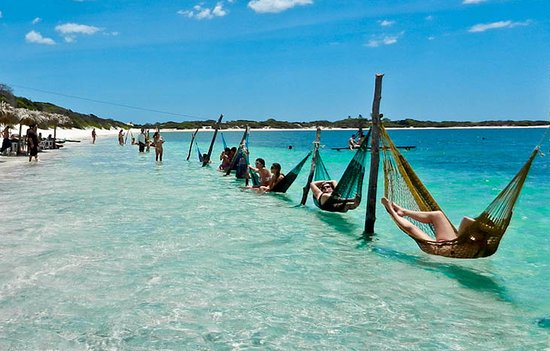
Jericoacoara - como chegar04:00
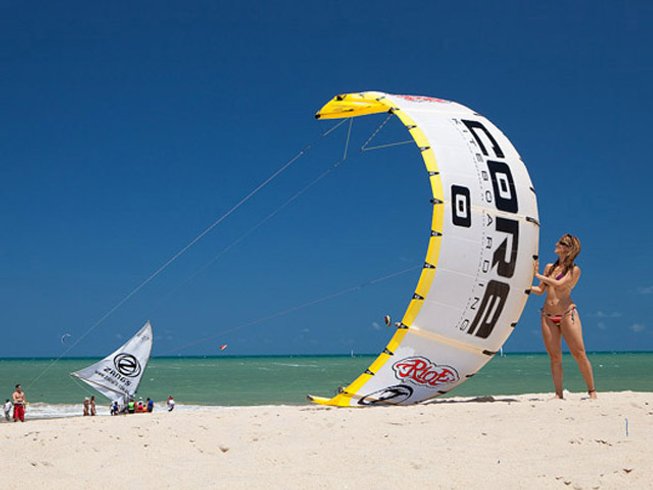
Kitesurf em Tatajuba
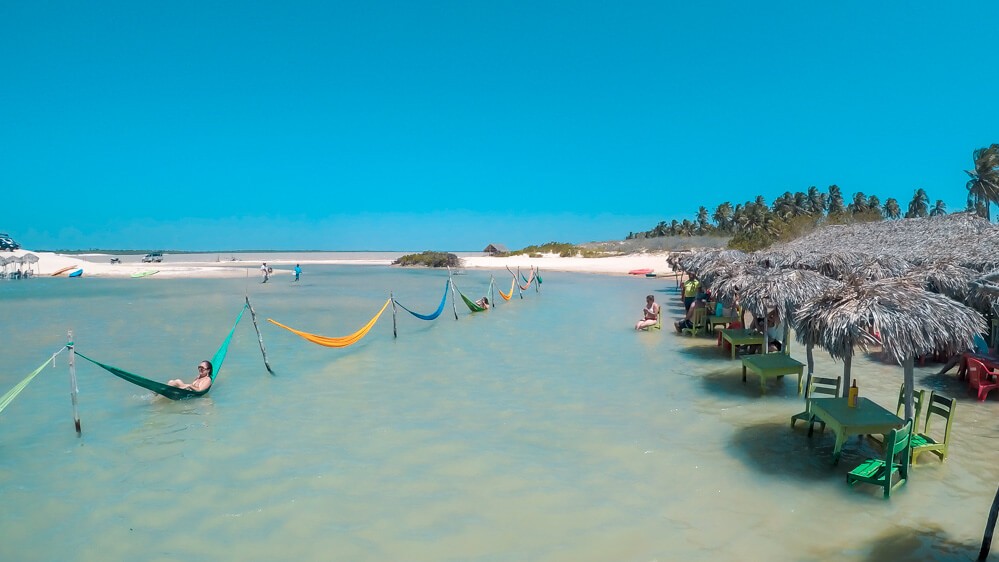
Lagoas de Tatajuba03:04
Vila Kite em Tatajuba
Kitesurf na praia de Tatajuba - na imensa baía03:59
A brief history
In the second half of the 20th century, parts of the old Tatajuba were buried by sand dunes, and part of the community reorganised itself into settlements such as the present-day Nova Tatajuba (Vila Nova). Today, the families maintain ways of life linked to fishing and community-based tourism.
Ecosystem and conservation
Tatajuba is home to a variety of ecosystems: dunes (fixed and shifting), mangroves, interdune lagoons and cliffs. Restricted access (sandy stretches and crossings) helps to preserve the village and the landscape — encouraging a more rustic, community-based form of tourism.

Kitesurfing in Tatajuba


1. General terms and conditions
At high tide, shallow, flat bays and lagoons form, creating ideal ‘flat’ conditions for beginners, freestyle and freeride. Out in the open sea, there are sections with moderate waves and strong winds, which are well suited to intermediate and advanced riders.
2. Top spots
- Tatajuba Lagoon — with its shallow, calm waters, it is very popular with beginners and those who practise freestyle manoeuvres.
- Tatajuba Beach — open sea with the potential for waves; suitable for more experienced kitesurfers.
- Lagoa da Torta — a peaceful setting with calm waters and good visibility, ideal for training.
- Tatajuba Dunes — extensive areas for take-off and landing, as well as ideal settings for sandboarding and buggy rides.
- Guriú Beach (next) — an estuary with calm waters, often used for lessons and skill development.
3. How to get there

Access to Tatajuba involves travelling over sandy terrain and often requires a 4×4 or a buggy. Common routes:
- Via Fortaleza: travel by motorway to the Camocim/Granja area, followed by sections of tarmac and sand — best tackled with a vehicle suitable for sand.
- Via Jericoacoara: Tatajuba is about 25–30 km from Jericoacoara (depending on the route) and part of the journey takes you along beaches and sandy tracks; many kitesurfers make the trip from Jeri.
- Via Camocim: crossing the Coreaú River (by ferry) and a stretch along the coast/beach to Tatajuba; the route taken by those setting off from Camocim.
4. Best time of year
The peak wind season is usually during the dry season, roughly between July and December (some sources and local schools mention consistent winds continuing into January). Check with local schools before travelling.
5. Where to stay
There are rustic options in Tatajuba (guesthouses and community-run accommodation organised by local associations) and a wider range of accommodation in Jericoacoara, which is popular with visitors looking for more facilities. The Tatajuba Community Residents’ Association (ACOMOTA) organises some of the community-based tourism initiatives.
Practical tips
- Check the tide table before planning your session — the lake formed at high tide is very popular.
- Opt for 4×4 or buggy transport for the sandy section and hire local guides where necessary.
- Please respect the mangrove areas, nesting beaches and community rules.
- If you’re a beginner, take lessons with certified local instructors.
Conclusion
Tatajuba (Nova Tatajuba / Vila Nova) is an authentic spot on the west coast of Ceará: unspoilt landscapes, a good variety of kitesurfing conditions and a strong community-based tourism scene. Ideal for those seeking nature, wind and a rustic experience with a strong community focus.

Publicações Relacionadas
The Cliffs Route in Ceará: A Complete Travel Guide
Fortaleza: A Guide to Ceará's Vibrant Capital
Beaches on the West Coast of Ceará: A Complete Guide
Caetanos de Cima is one of the most beautiful beaches in Ceará
Quixadá, Ceará: Monoliths, the Cedro Dam and the Sertão
Icapuí, Ceará: The perfect destination for those seeking the ‘Land of the Lobster’
Canoa Quebrada, Ceará: A Guide to Cliffs and Beaches
Things to Do in Paracuru, Ceará: Beaches and Sports
Cariri in Ceará: A Comprehensive Guide to Tourism and Culture
The Best Beaches in Fortaleza and Ceará: A Complete Guide with 22 Options
Guaramiranga: The Complete Guide to the ‘Switzerland of Ceará’ (Itineraries and Tips)
Salgado River Canyon in Lavras da Mangabeira, Ceará
Jericoacoara, Ceará: Complete Guide and 5-Day Itinerary
Where to Stay in Fortaleza: Neighbourhoods and Beaches (2026)
The Mountains of Ceará: A Guide to Mountain Towns for Tourists
What to Do in Fortaleza in 3 Days: A Complete Itinerary
The East Coast of Ceará: A Complete Guide to Beaches and Cliffs
Cumbuco Beach (Ceará): The Definitive Guide to Kitesurfing and Leisure
Tatajuba, Ceará: things to do, how to get there and top attractions
Route of Emotions: An Adventure through North-East Brazil
The Costa dos Ventos Route, Ceará: A Complete Guide to 9 Towns
Fortim and the Jaguaribe River, Ceará: A Complete Travel Guide
Aquiraz, Ceará: Guide to Porto das Dunas and Beach Park
Serra da Ibiapaba: A Complete Guide to Attractions and Tips
Beach Park – Complete guide: attractions, tickets and tips for Porto das Duna
The Baturité Massif: A Complete Guide to Tourism in Ceará
Ceará: The Best of Ecotourism and Extreme Sports in Brazil
Religious Tourism in Cariri (CE): Padre Cícero and Pilgrimages
Juazeiro do Norte: Things to Do and a Guide to Religious Tourism
Icó, Ceará: History, Architecture and Tourist Attractions
Ceará: Brazil’s Must-See Tourist Destinations
Aracati, CE: A Complete Guide to Canoa Quebrada and the Surrounding Area
Ubajara National Park: A Complete Visitor’s Guide
Tourism in the Cariri region of Ceará: A complete 3-day itinerary through the Araripe Geopark
This post is also on:
 Português
  English
  Deutsch
  Español
  Français