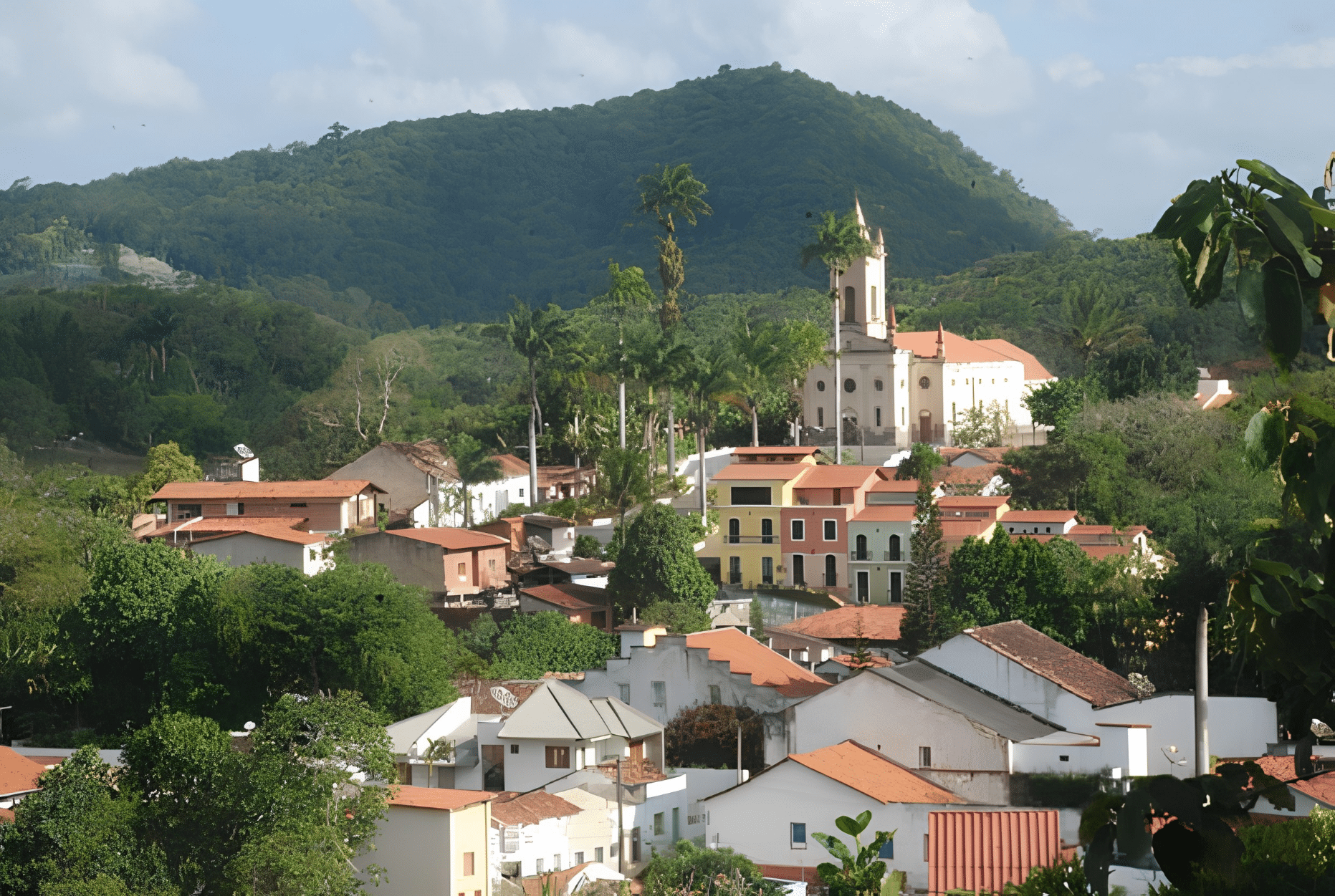
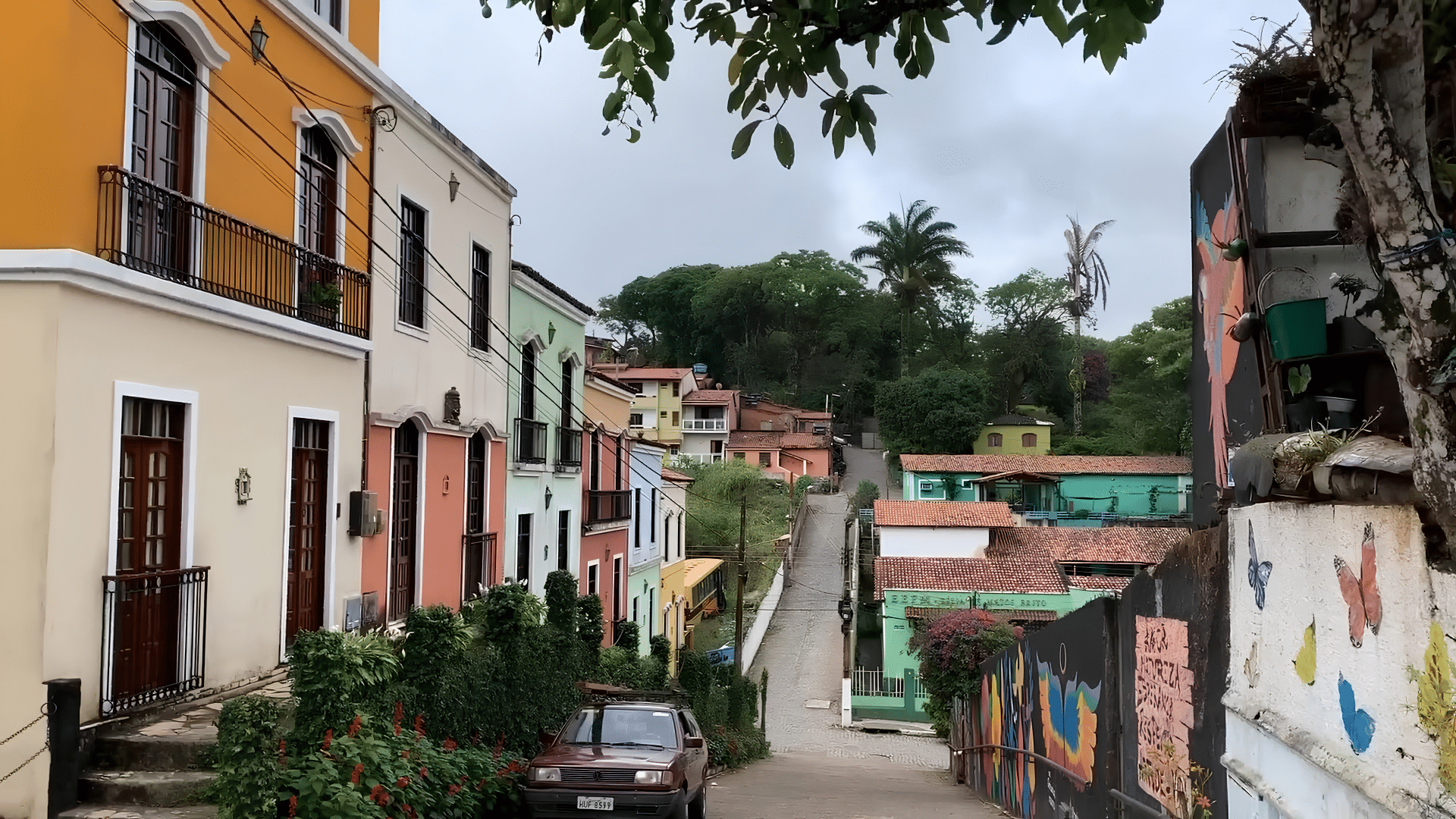
Guaramiranga, known as the Switzerland of Ceará, is a mountain town in the Baturité Massif, famous for its mild climate, unspoilt Atlantic Forest and outdoor attractions.
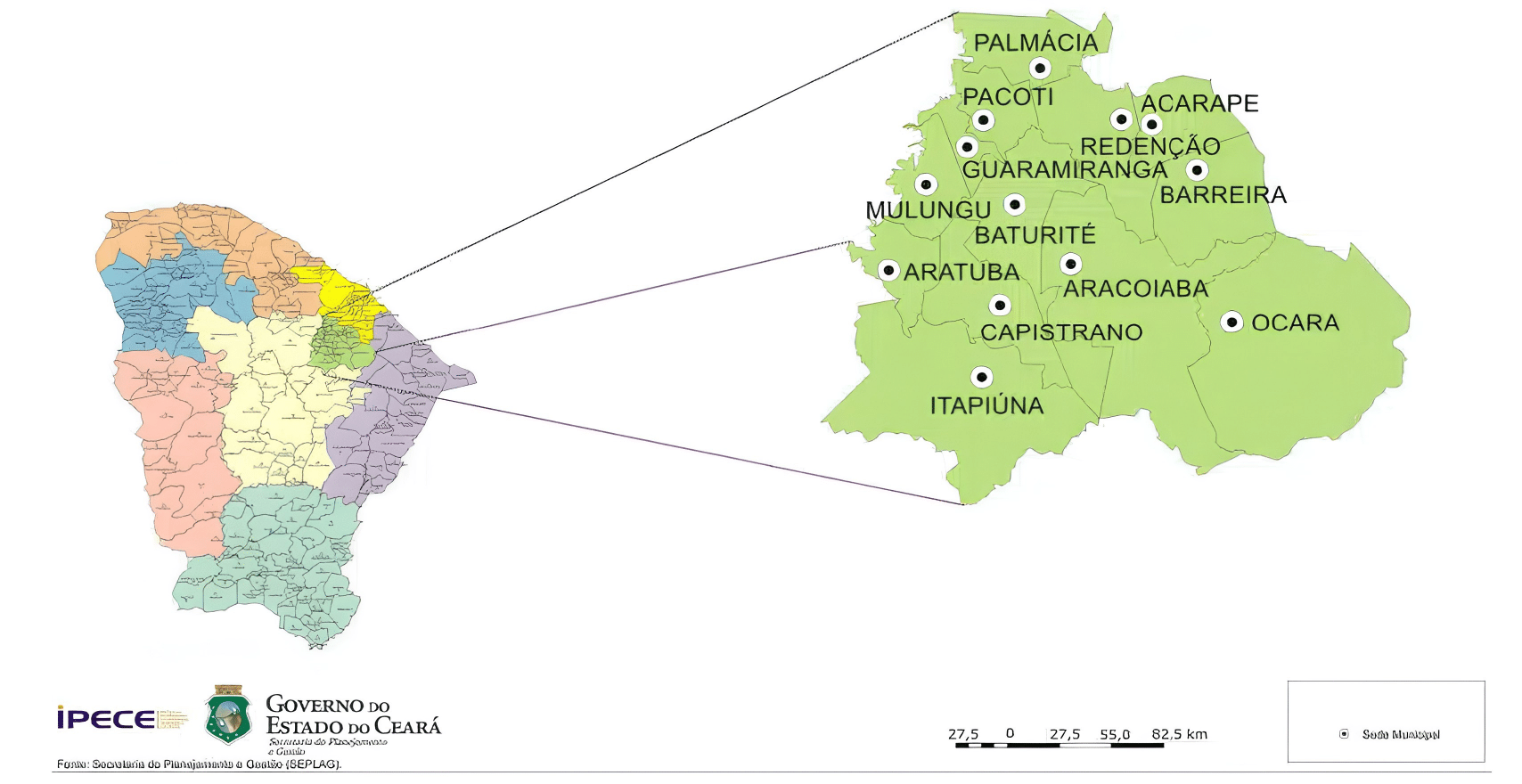
Location and how to get there
Guaramiranga is about 100 km from Fortaleza (depending on the route). The town is situated at an altitude of approximately 865 m, with average temperatures ranging between 14ºC and 25ºC, and lows that can drop to around 10–12ºC in winter, making it ideal for those looking to escape the heat of the coast.
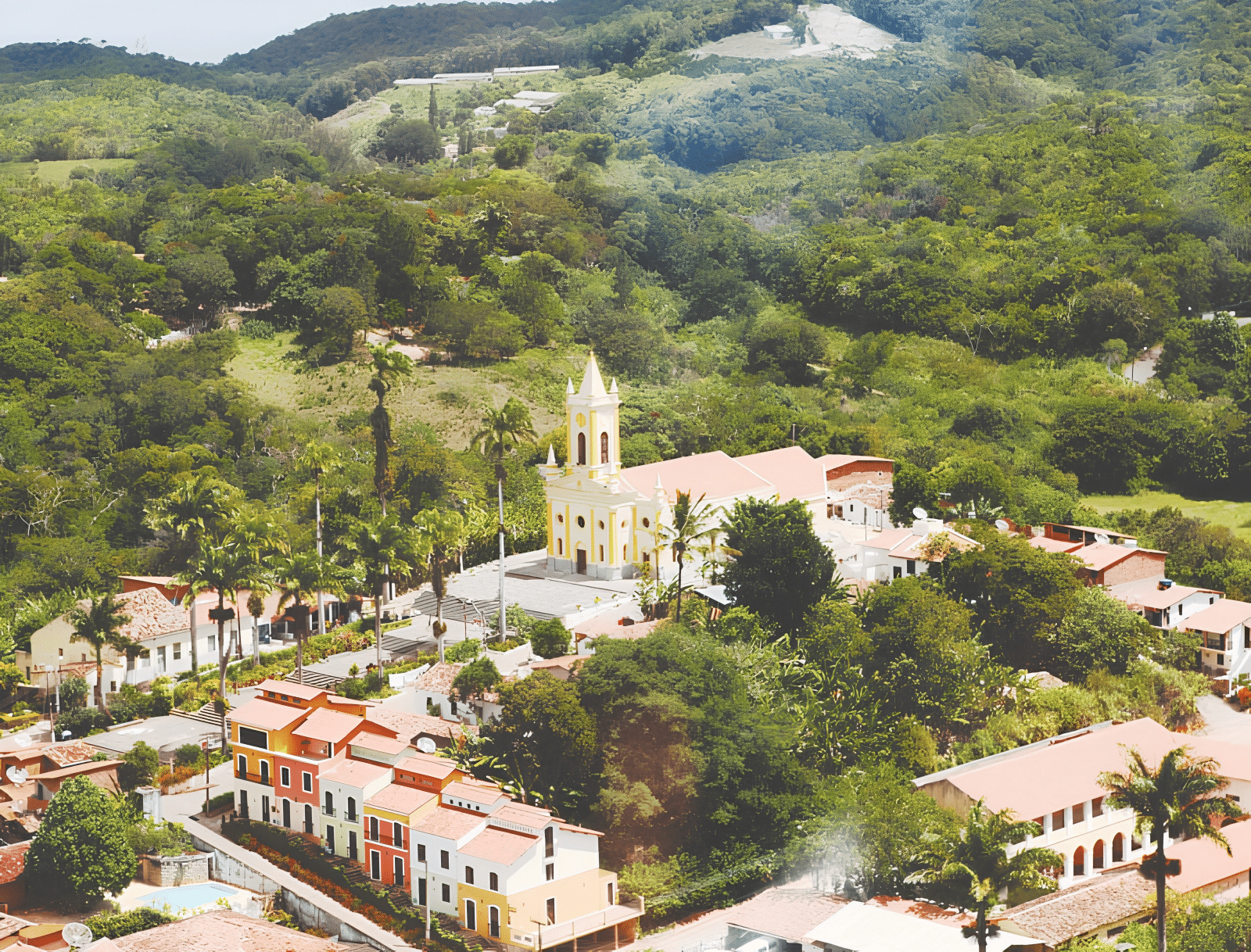
Why visit — climate, nature and culture
The mild climate fosters a lush Atlantic Forest, which forms part of the Baturité Massif Environmental Protection Area (APA). The local flora and fauna make Guaramiranga the perfect destination for ecotourism, birdwatching and photography.
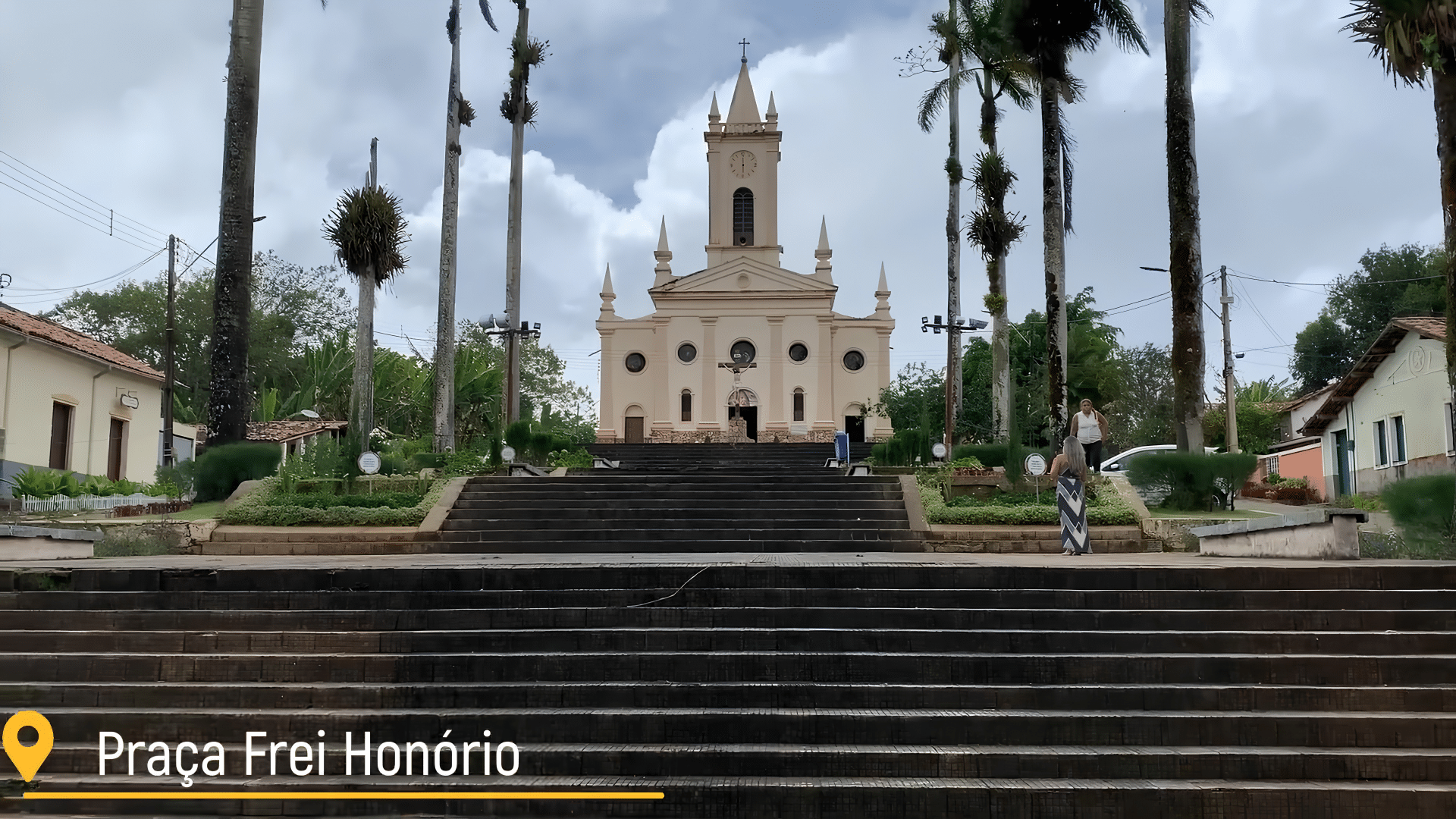
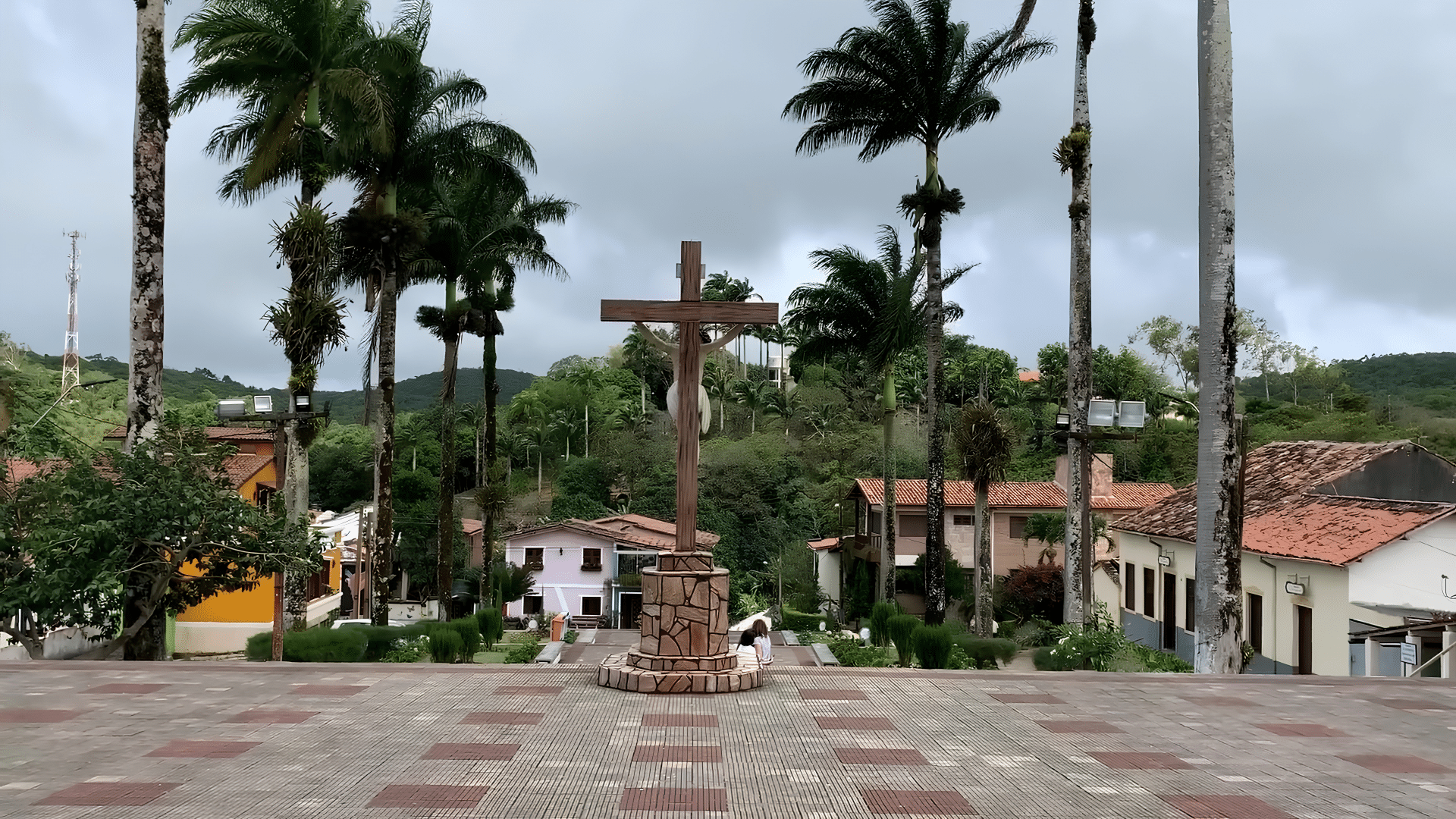
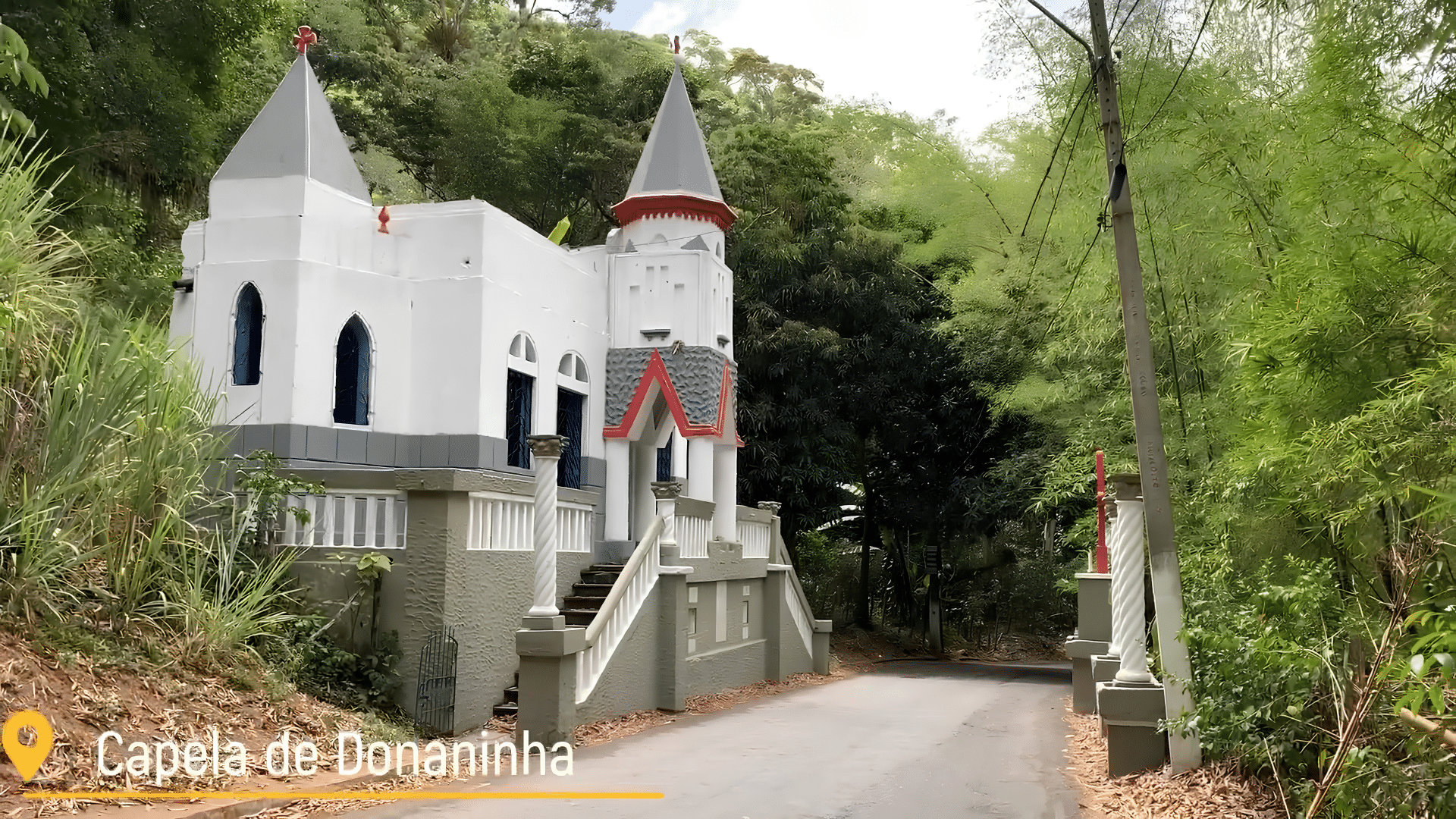
A brief history
The settlement, originally called Conceição, was granted town status in early September 1890. Local documents cite Decree No. 55 (1 September 1890) and Decree No. 59 (4 September 1890), which established the new name Guaramiranga. The name is of Tupi origin and is associated with “red bird”.
Things to do in Guaramiranga — must-see attractions

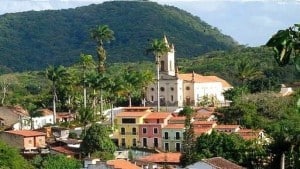
1. Pico Alto Viewpoint
Climb to around 1,115 m to watch the sunset and enjoy a panoramic view of the mountains. It is approximately 8 km from the town centre.

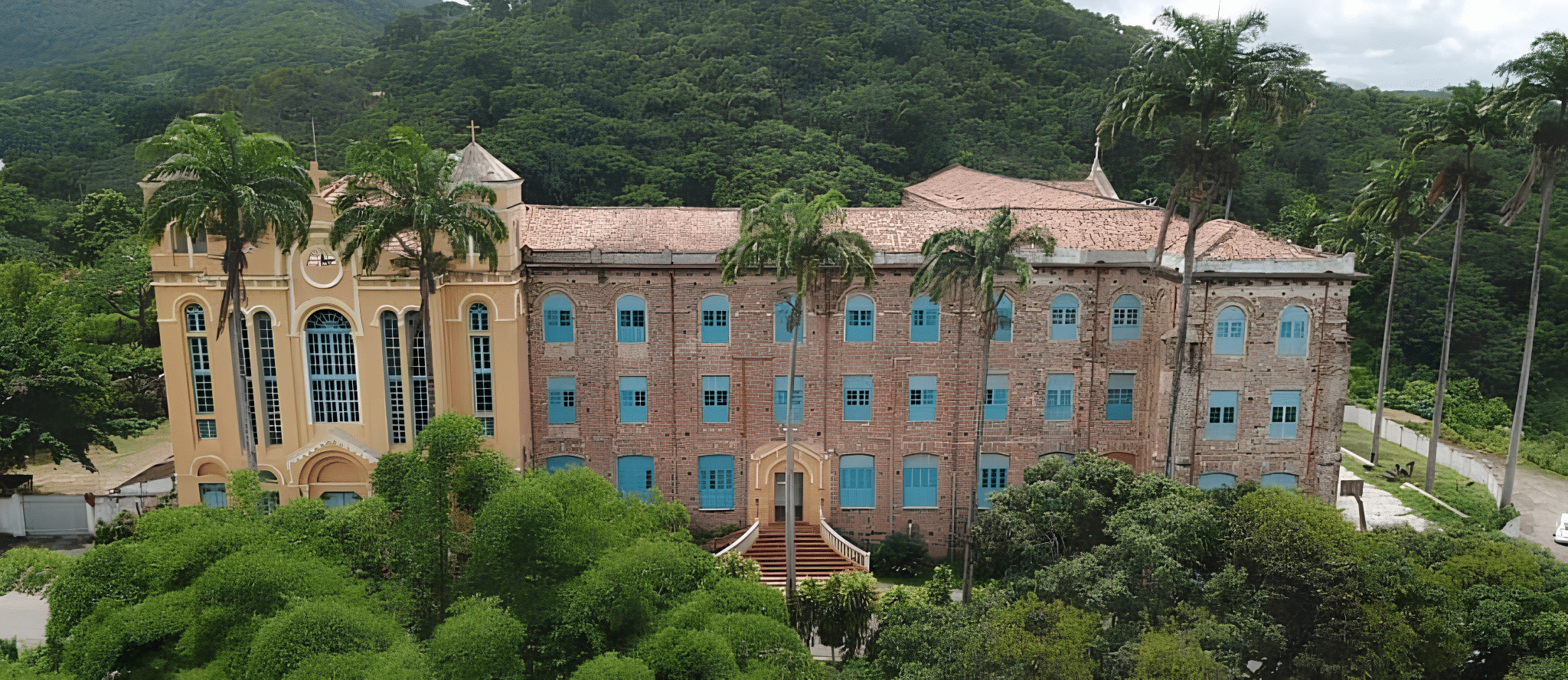
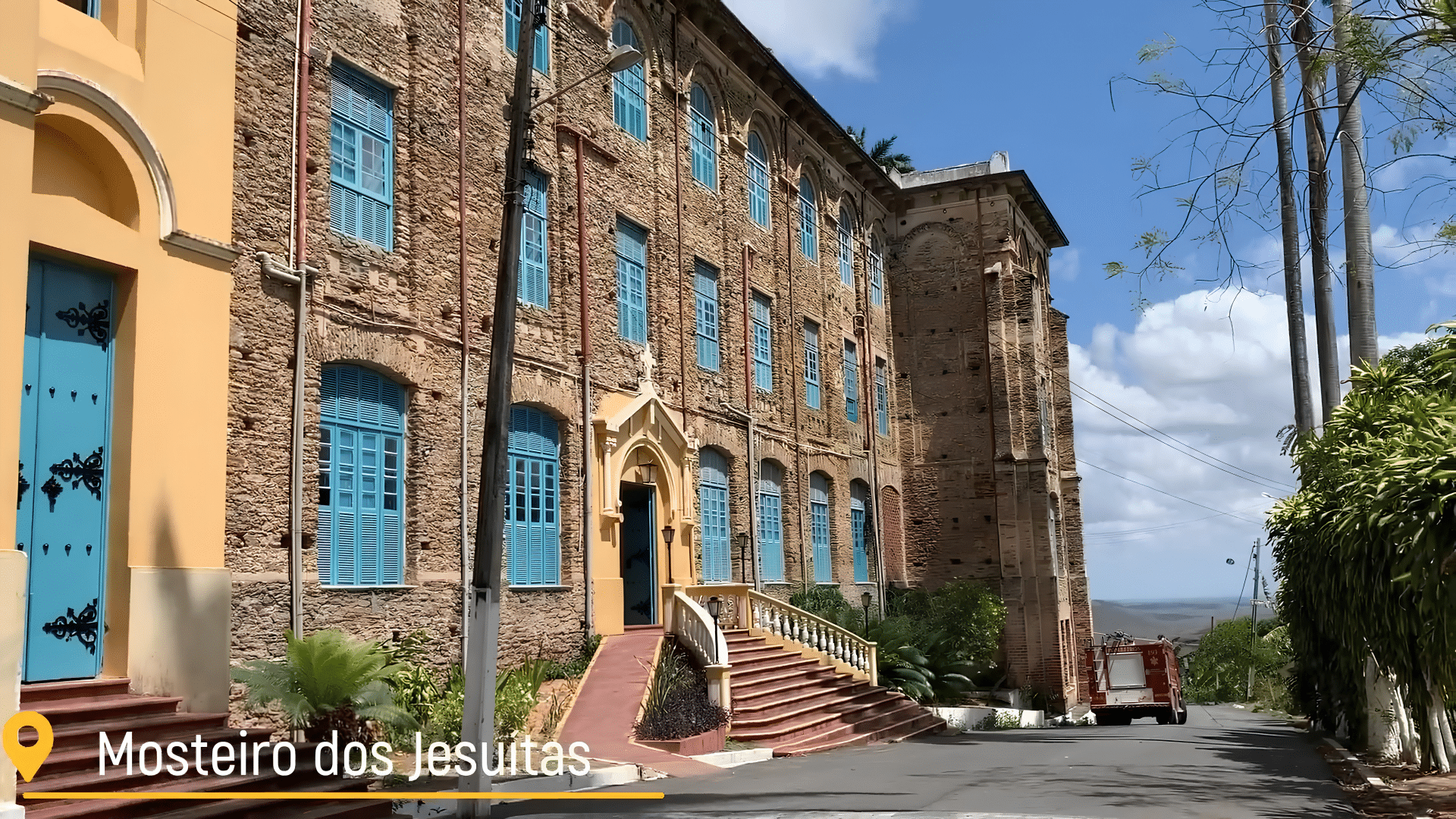
2. Jesuit Monastery (Baturité)
A historic stone building featuring period features; there is a viewpoint within walking distance, about 1.5 km away. The monastery is approximately 14 km from Guaramiranga (approximate distances; may vary depending on the starting point).
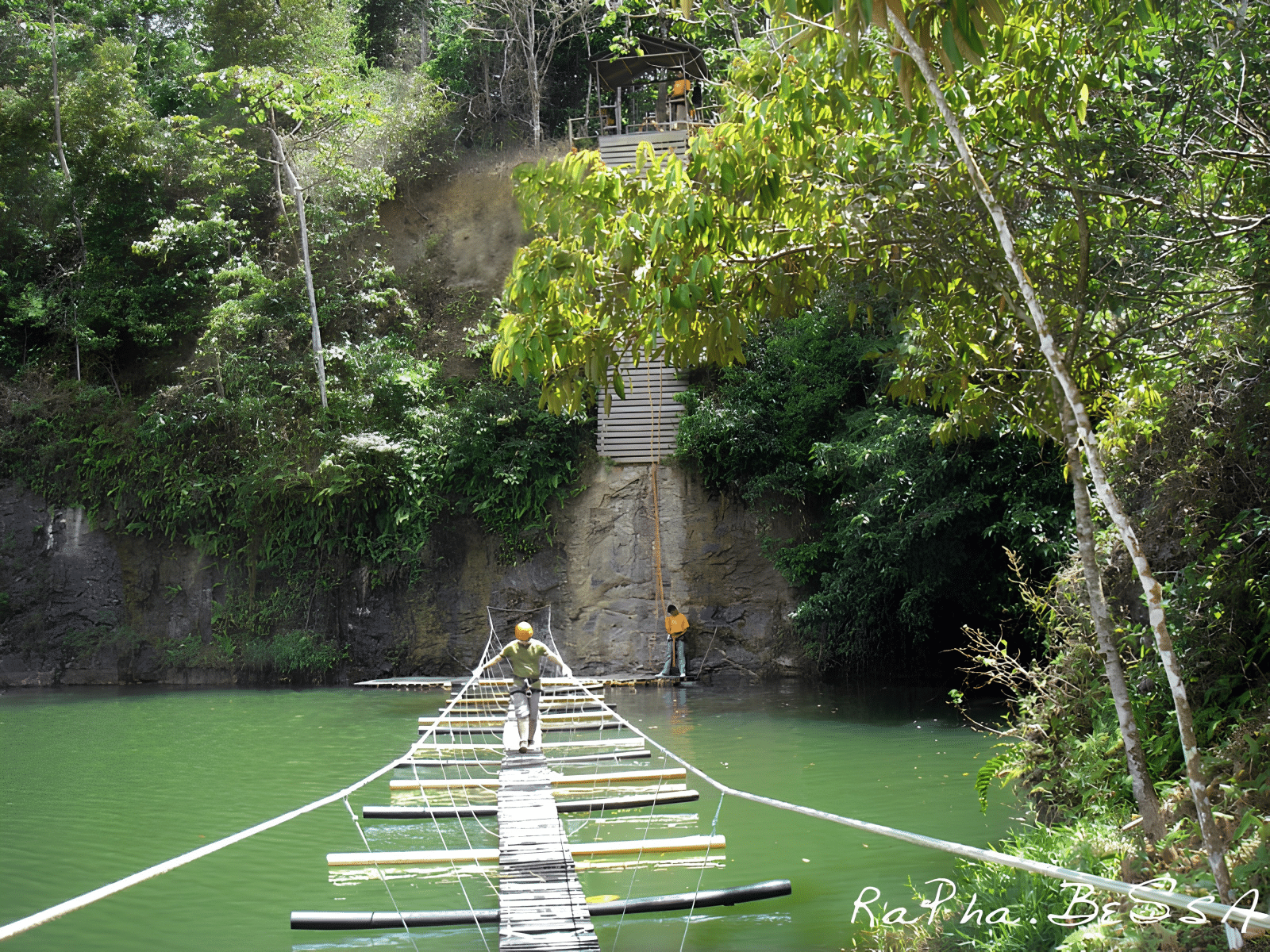
3. Trail Park
A park near the town centre with six guided trails through the Atlantic Forest (1–3 km). Ideal for birdwatching and activities such as abseiling, kayaking and zip-lining — hire accredited guides where necessary.
4. Festival de Jazz & Blues
Traditionally held during the Carnival period, it is a major international instrumental music festival in the Northeast. The programme varies from year to year — check the most recent editions before planning your trip.
5. Waterfalls, lakes and ecotourism itineraries
Explore local waterfalls, hiking trails and camping spots to enjoy the great outdoors. Check access conditions and whether a guide is required for each attraction.
Practical tips
- Best time to visit: all year round; cooler weather between June and August.
- Pack light clothing for the daytime and warm clothes for chilly mornings and evenings.
- Please check opening times and whether booking is required for the monastery, historic guesthouses and adventure activities.
- Book your accommodation in advance during festival periods.
Plan your visit
Publicações Relacionadas
Icó: A Historical Gem in Ceará, Brazil
3-Day Itinerary in Fortaleza and its Surroundings with Unmissable Tips
Porto das Dunas (Aquiraz) — Beach Park, beaches and things to do in 2026
Serra de Ibiapaba: A natural paradise for adventure and ecotourism
Religious Tourism in Juazeiro do Norte and in Northeast Brazil
Aracati: Culture, Beaches and Attractions in Canoa Quebrada
Fortim: Exploring the Beauty of Jaguaribe River
Kitesurfing in Tatajuba — Spots, Access and Season
Paracuru: Your Guide to Water Sports Paradise
Ceará: Must-see tourist destinations in Brazil
Cumbuco: The Ultimate Kitesurfing Destination
Fortaleza: A Guide to Ceará's Vibrant Capital
East Coast of Ceará: A Traveler's Paradise
The 22 Most Beautiful Beaches in Ceará — Itinerary and Tip
Lavras da Mangabeira and the Rio Salgado Canyon Guide
Jericoacoara (Jeri) — Complete Guide and 5-Day Itinerary
Icapuí: Explore the Land of Lobsters
Three-day tour of the Cariri region of Ceará
Ceará Mountains: A Guide to Nature's Wonders
Ecotourism and Extreme Sports in Ceará
Caetanos de Cima is one of the most beautiful beaches in Ceará
Rota das Falésias: Descubra o Paraíso Cearense
Wind Coast Route: Discover Ceará's Hidden Gems
Accommodation options in Fortaleza: best neighbourhoods and beaches
Baturité Massif: A Scenic Destination in Ceará
Route of Emotions: Explore Northeast Brazil's Beauty
West Coast of Ceará: A Hidden Beach Paradise
Ubajara National Park: Adventure Awaits in Ceará
Beach Park – Complete guide: attractions, tickets and tips for Porto das Duna
Cariri in Ceará: An Ecological and Cultural Tourism Destination
Tatajuba Beach: Tips for Visiting this Paradis
Canoa Quebrada: A Beach Lover's Paradise
Quixadá: Exploring the Unique Rock Formations
Juazeiro do Norte: A Cultural and Historical Overview
This post is also on:
 Português
  English
  Deutsch
  Español
  Français