The Mountains of Ceará: A Comprehensive Guide to Mountain Towns for Tourists
The Mountains of Ceará and their mountain towns enjoy a pleasant climate, with temperatures ranging from 17°C and 22°C, attracting tourists from all over the world who are seeking tranquillity, fresh air and a deep connection with nature. If you’re thinking of going on holiday off the beaten track away from the traditional beach resorts, these mountains in the state’s interior are one of the most surprising destinations in the North-East.

Characteristics of the Mountain Ranges
The Serras do Ceará, situated some distance from the coast, are characterised by a variety of mountainous formations, with altitudes exceeding one thousand metres.
The average altitude of the Ceará mountain ranges varies, but can be considered to be around 800 to 1,000 metres, with notable peaks such as Pico Alto, in Guaramiranga, which rises to 1,114 metres, and the Pico da Serra Branca, which ranges between 1,130 and 1,154 metres (the exact altitude varies depending on the source: the IBGE gives 1,130 m, whilst the local council states 1,154 m) — the highest point in the state.
In these areas, the flat valleys are used for fruit growing, and there are many river springs, waterfalls and mineral water springs.

Climate and Ecosystem
With a topography and a climate that provide the ideal setting for adventure sports, the region of Ubajara features a humid landscape and is home to a significant proportion of the vegetation in the state, with forests containing trees up to 30 metres in height.
The state’s main nature reserves are situated on the humid slopes of the Serras do Ceará mountain range, such as the Chapadas da Ibiapaba and Araripe, home to the Ubajara National Park and the Araripe National Forest. In these plateaus, the altitude ranges from 700 to 900 metres.

Areas of High Plant Density
Other areas of vegetation are found in the Serra da Meruoca, on the south-eastern slopes of the state, and in the mountain ranges Guaramiranga, Pico Alto, Maranguape and Baturité.
The latter is home to Pico Alto, which stands at 1,114 metres and was long considered the highest point in Ceará. Situated in Guaramiranga, this mountain is famous for its steep ascent and the opportunity to experience lush natural surroundings, which attract thousands of tourists every year.
The true highest point in the state, however, is Pico da Serra Branca, which forms part of the Serra das Matas mountain range, in the Sertão dos Crateús, some 293 km from Fortaleza. For a long time it was believed that Pico Alto was the highest peak in Ceará, but more recent topographical surveys by the IBGE have confirmed that Pico da Serra Branca is around 18 metres higher. The peak, marked by a monolith with a cross on top, lies between the municipalities of Monsenhor Tabosa and Catunda, and is considered one of Ceará’s “new mountains” (see the feature below). As well as cosy guesthouses, the mountainous regions offer a landscape ideal for adventure tourism, with nature trails of breathtaking beauty.

New for 2026: Ceará is set to become the most mountainous state in the North-East. The Brazilian Institute of Geography and Statistics (IBGE) announced, in June 2026, the reclassification of seven geological formations in Ceará into the official category of mountains, based on the new Brazilian Landform Classification System (SBCR): the Baturité Massif, the Pereiro Massif, the Aratanha Range, the Meruoca Range, the Taquara Range, the Matas Range and the Uruburetama Range.
According to the IBGE, although Bahia has the largest absolute area of mountains in the North-East, Ceará will now top the regional ranking in terms of the ratio between the extent of these mountain ranges and the state’s total area — a great additional argument for those who were already considering the Serras do Ceará as a mountain tourism destination.
The Mountains of Ceará
1. Aratanha Mountain Range
The Serra da Aratanha, also known as the Serra de Pacatuba, is situated in the north of Ceará, within the Fortaleza Metropolitan Area, and encompasses the municipalities of Maracanaú, Maranguape, Guaiúba and Pacatuba, 30 km from Fortaleza.
This mountain range is one of the residual massifs found in the hinterland depressions of Ceará and, together with the Serra de Maranguape, forms an extension of the Baturité Massif.
2. Serra de Baturité
The Serra de Baturité, also known as the Baturité Massif or Serra de Guaramiranga, is situated in north-central Ceará, covering 13 municipalities: Acarape, Aracoiaba, Aratuba, Barreira, Baturité, Capistrano, Guaramiranga, Itapiúna, Mulungu, Ocara, Pacoti, Palmácia and Redenção.
The region is home to the state’s first and largest environmental protection area, the Serra de Baturité Environmental Protection Area (established in 1990), covering 32,690 hectares.
3. Ibiapaba Mountain Range
The Serra da Ibiapaba, also known as Serra Grande, Chapada da Ibiapaba and Cuesta da Ibiapaba, is a mountainous region in the north-west of the state, comprising nine municipalities. The oldest town in the range is Viçosa do Ceará, colonised by the Jesuits in the 18th century, with architecture listed by IPHAN.
4. Serra de Meruoca
Located in the municipality of Sobral, the Serra da Meruoca is about 200 km from Fortaleza and has an estimated population of 14,674 inhabitants. Crystal-clear waters spring from its slopes, forming waterfalls of breathtaking beauty, carving out the granite of the region. Since 2026, the Serra da Meruoca has also been among the landforms officially reclassified as a mountain by the IBGE.
Tourist Attractions in the Mountains of Ceará


Sobral no Ceará03:15

Parque Nacional de Ubajara05:59

Gruta de Ubajara06:00

Serra da Ibiapaba
Ubajara - Pontos Turísticos04:15

Guaramiranga no maciço de Baturité05:25
The main mountain towns in Ceará popular with tourists include Aratuba, Baturité, Guaramiranga, Maranguape, Mulungu, Pacoti, Palmácia and Redenção. See the approximate distance from Fortaleza to each destination:
| Mountain destination | Distance from Fortaleza | Approximate altitude |
|---|---|---|
| Maranguape (Serra de Aratanha) | 30 km | — |
| Guaramiranga (Baturité Massif) | Around 100–110 km | 865 m |
| Baturité (Baturité Massif) | Around 90–110 km | — |
| Pacoti (Baturité Massif) | Around 100–115 km | — |
| Sobral (Serra da Meruoca) | Around 200–250 km | — |
| Ubajara (Serra da Ibiapaba) | Around 320–340 km | 847 m |
1. Maranguape
Maranguape is close to the capital, just 30 km from Fortaleza, and is the birthplace of some notable figures, such as Chico Anísio.

The town is home to the Ypióca Tourist Complex, which combines leisure, entertainment and history, as well as the famous Cachaça Museum.
There are plenty of outdoor sports activities on offer, with trails that allow you to take in the stunning scenery.
2. Sobral, at the foot of the Serra de Meruoca
Sobral is another spectacular destination, situated about 250 km from Fortaleza, in the north of the state, and home to the Serra da Meruoca.

The city is known for its rich culture, with events such as the festival of Nossa Senhora da Conceição and the Winter Festival. Sobral, which is the second most populous municipality in Ceará, is renowned for its historical heritage, including churches, museums and theatres.


3. Ubajara, at the foot of the Serra da Ibiapaba
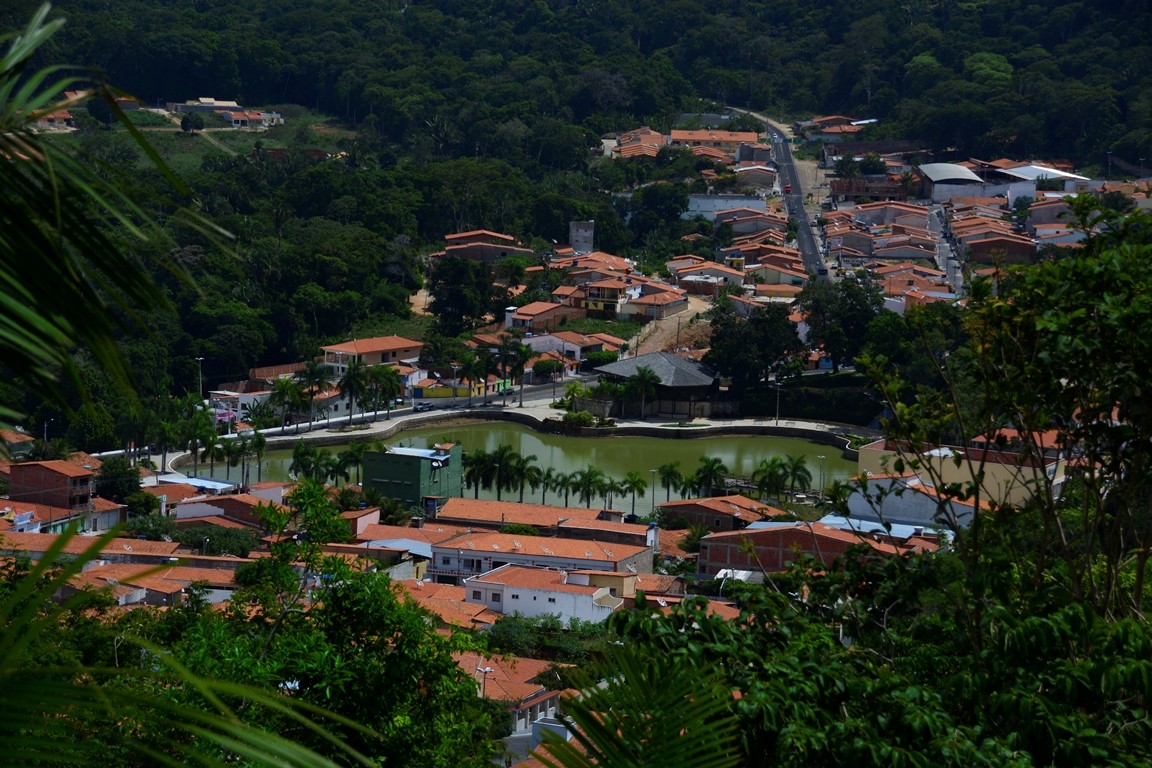
Ubajara, situated about 326 km from Fortaleza, lies at the top of the Serra da Ibiapaba, at an altitude of 847 metres.
The Ubajara National Park, established in 1959 and now considered Brazil’s smallest national park, is one of the main attractions, with its limestone caves, cable car and rich biodiversity.

Hiking Trails and Waterfalls in Ubajara
The park’s classic trail, known as Ubajara-Araticum, links the Visitor Centre to the entrance to the cave, offering a unique hiking experience through the Atlantic Forest. Other trails lead to waterfalls and viewpoints, such as the Cafundó Waterfall.

4. Guaramiranga in the Baturité Massif
The Baturité Massif covers 13 municipalities and is a promising destination for ecotourism. Guaramiranga, situated some 110 km from Fortaleza, is renowned for its mild climate — it is even known as the ‘Switzerland of Ceará’ — and for its adventure activities, such as canoeing, abseiling and hiking.

The city has a packed cultural programme, with festivals and events taking place throughout the year, notably the traditional Jazz & Blues Festival, which is held during the Carnival period.


5. Baturité: the Serra Verdadeira
Baturité, which gives its name to the mountain range, is about 90–110 km from Fortaleza and gained political autonomy in 1858. Its name derives from the indigenous term ‘mbaturití’, which means ‘mountain range of butterflies’.

The town’s main tourist attraction is the aforementioned Jesuit Monastery, which opened in 1927 as an apostolic school and is now open to visitors at weekends, from 8.00 am to 5.00 pm. Other attractions include the Baturité Railway Museum, housed in the old railway station dating from 1882 (complete with a replica of the ‘Maria-Fumaça’ steam locomotive), the Cruzeiro Viewpoint, which stands 20 metres high, and the Perigo Waterfall, on the road between Baturité and Guaramiranga.
6. Pacoti: waterfalls and high-altitude coffee
Neighbouring Guaramiranga within the Baturité Massif, Pacoti is known for the Cachoeira do Perigo (also accessible from the town) and the Mirante da Serra, which offers a panoramic view over the region’s mountains and valleys. It is also one of the historic areas for the cultivation of high-altitude coffee in the Baturité Massif, a tradition dating back to the 19th century and which is now highlighted in rural and gastronomic tourism itineraries throughout the region.

Conclusion
The mountainous region of Ceará is ideal for extreme sports and adventure, offering trails and waterfalls that attract nature and sports enthusiasts. It is highly recommended to use a specialist guide to explore these landscapes safely — and, with several of these mountain ranges set to be officially recognised as ‘mountains’ in 2026, mountain tourism in Ceará is likely to gain even greater prominence in the coming years.
Frequently Asked Questions about the Mountains of Ceará
What are the main mountain towns in Ceará?
The most popular tourist destinations are Guaramiranga, Baturité and Pacoti (in the Baturité Massif), Maranguape (Aratanha Mountains), Ubajara and Viçosa do Ceará (Ibiapaba Mountains) and Sobral, at the foot of the Meruoca Mountains.
What is the highest point in Ceará?
It is Pico da Serra Branca, in the Serra das Matas, between the municipalities of Monsenhor Tabosa and Catunda, with an altitude of between 1,130 m (IBGE) and 1,154 m (according to the municipality). For a long time, it was believed that Pico Alto, in Guaramiranga (1,114 m), was the highest point in the state.
When is the best time to visit the mountains of Ceará?
The months of June to August are usually the coolest and most pleasant for those looking to escape the heat of the coast. The rainy season (January to July, varying by region), on the other hand, makes the vegetation greener, which is ideal for those who prioritise scenery over temperature.
Have the hills of Ceará officially become mountains?
Yes. In June 2026, the IBGE announced the reclassification of seven mountain ranges in Ceará — including the Baturité Massif, the Serra da Meruoca and the Serra das Matas — to the official ‘mountain’ category, making Ceará, proportionally speaking, the most mountainous state in the North-East.
Is it possible to visit more than one mountain range in Ceará on the same trip?
It is possible, but the distances between them are considerable (Guaramiranga and Ubajara, for example, are more than 300 km apart). The most common approach is to choose one region per trip: the Baturité Massif for a weekend break near Fortaleza, or the Serra da Ibiapaba/Meruoca for a longer tour of the countryside.
Do you need to hire a guide to explore the trails and waterfalls?
For easy, signposted trails, it is not compulsory, but it is highly recommended, particularly for activities such as abseiling, canoeing and longer trails within conservation areas such as Ubajara National Park.
Find out more
- The Baturité Massif: A Natural Paradise in Ceará
- Guaramiranga: The ‘Switzerland of Ceará’
- Ubajara National Park: Tourist Guide
- Serra de Ibiapaba: A Natural Paradise for Adventure and Ecotourism
- Ceará: Must-see tourist destinations in Brazil

Publicações Relacionadas
Ceará: The Best of Ecotourism and Extreme Sports in Brazil
Serra da Ibiapaba: A Complete Guide to Attractions and Tips
Tourism in the Cariri region of Ceará: A complete 3-day itinerary through the Araripe Geopark
Religious Tourism in Cariri (CE): Padre Cícero and Pilgrimages
Fortim and the Jaguaribe River, Ceará: A Complete Travel Guide
Things to Do in Paracuru, Ceará: Beaches and Sports
The Baturité Massif: A Complete Guide to Tourism in Ceará
Tatajuba, Ceará: things to do, how to get there and top attractions
Cariri in Ceará: A Comprehensive Guide to Tourism and Culture
Beach Park – Complete guide: attractions, tickets and tips for Porto das Duna
Aracati, CE: A Complete Guide to Canoa Quebrada and the Surrounding Area
Canoa Quebrada, Ceará: A Guide to Cliffs and Beaches
Where to Stay in Fortaleza: Neighbourhoods and Beaches (2026)
Juazeiro do Norte: Things to Do and a Guide to Religious Tourism
Jericoacoara, Ceará: Complete Guide and 5-Day Itinerary
Kitesurfing in Tatajuba — Spots, Access and Season
Salgado River Canyon in Lavras da Mangabeira, Ceará
The East Coast of Ceará: A Complete Guide to Beaches and Cliffs
The Cliffs Route in Ceará: A Complete Travel Guide
Cumbuco Beach (Ceará): The Definitive Guide to Kitesurfing and Leisure
Route of Emotions: An Adventure through North-East Brazil
Beaches on the West Coast of Ceará: A Complete Guide
The Costa dos Ventos Route, Ceará: A Complete Guide to 9 Towns
Quixadá, Ceará: Monoliths, the Cedro Dam and the Sertão
Ceará: Brazil’s Must-See Tourist Destinations
Icó, Ceará: History, Architecture and Tourist Attractions
Caetanos de Cima is one of the most beautiful beaches in Ceará
Aquiraz, Ceará: Guide to Porto das Dunas and Beach Park
Guaramiranga: The Complete Guide to the ‘Switzerland of Ceará’ (Itineraries and Tips)
Icapuí, Ceará: The perfect destination for those seeking the ‘Land of the Lobster’
What to Do in Fortaleza in 3 Days: A Complete Itinerary
Fortaleza: A Guide to Ceará's Vibrant Capital
Ubajara National Park: A Complete Visitor’s Guide
The Best Beaches in Fortaleza and Ceará: A Complete Guide with 22 Options
This post is also on:
 Português
  English
  Deutsch
  Español
  Français