The Serra da Ibiapaba, also known as Serra Grande, is one of Ceará’s leading destinations for nature, adventure and historical tourism. Situated on the border with Piauí, the region boasts a milder climate, viewpoints, waterfalls, walking trails, environmental conservation areas and towns with a rich cultural heritage.

Where is the Ibiapaba Mountains?
The Serra da Ibiapaba is situated in the north-west of Ceará, on the border with Piauí. The main access route is via the BR-222. The distance by road from Fortaleza varies between 260 and 350 kilometres, depending on your destination — Ipu is the town closest to the capital, whilst Viçosa do Ceará is at the far end. Before travelling, check the up-to-date route and take road conditions into account.
Videos about the Serra de Ibiapaba

Viçosa no Ceará11:33

Parque Nacional de Ubajara05:40

Parque Nacional de Ubajara - Reportagem07:23

Serra de Ibiapaba no Ceará
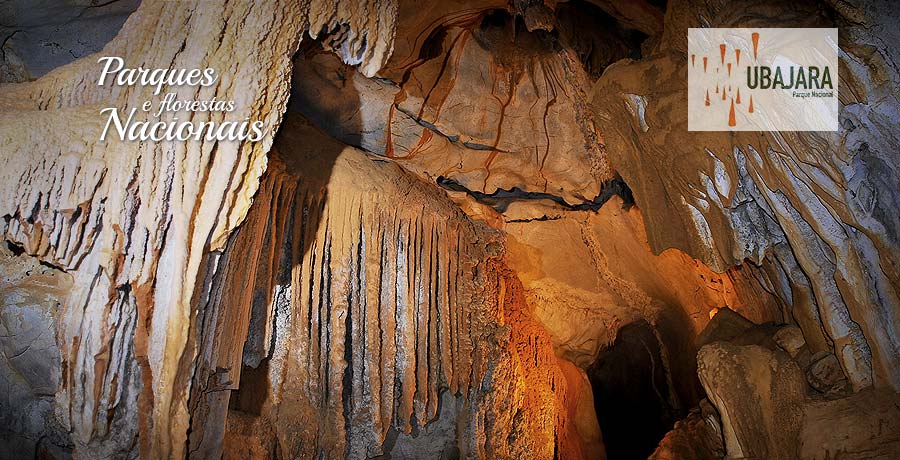
Gruta de Ubajara07:29
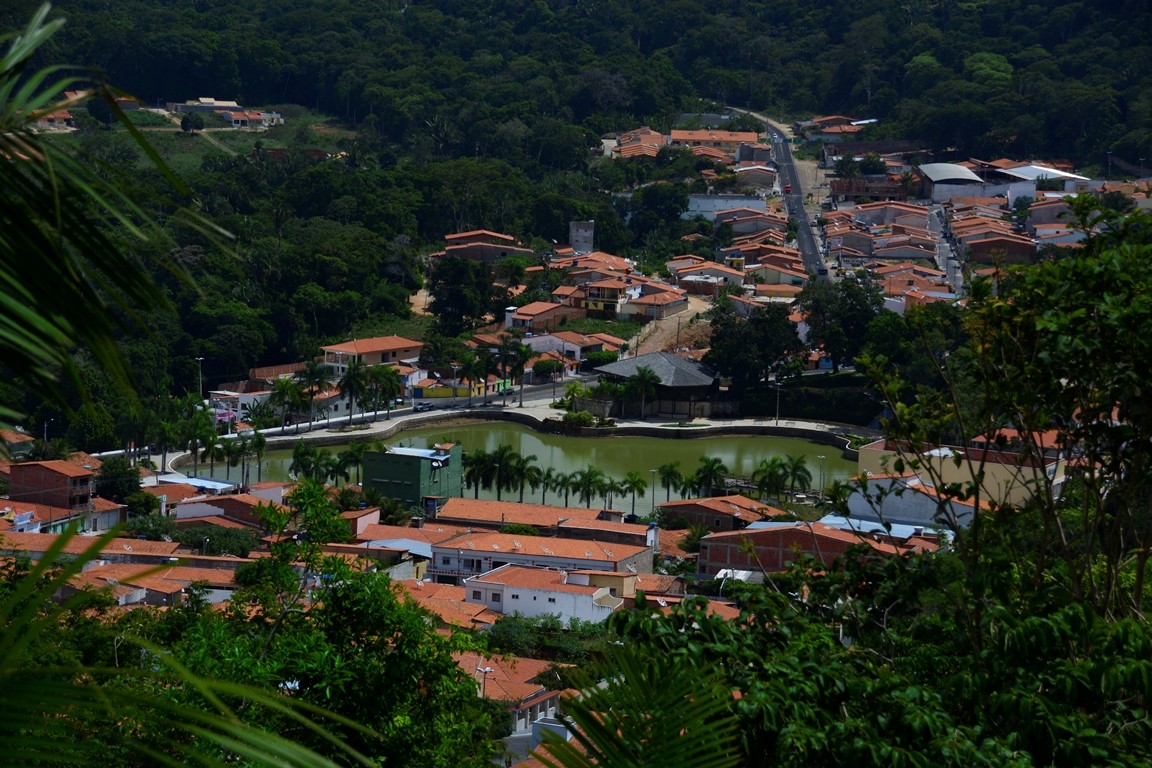
Ubajara - Pontos Turísticos04:15
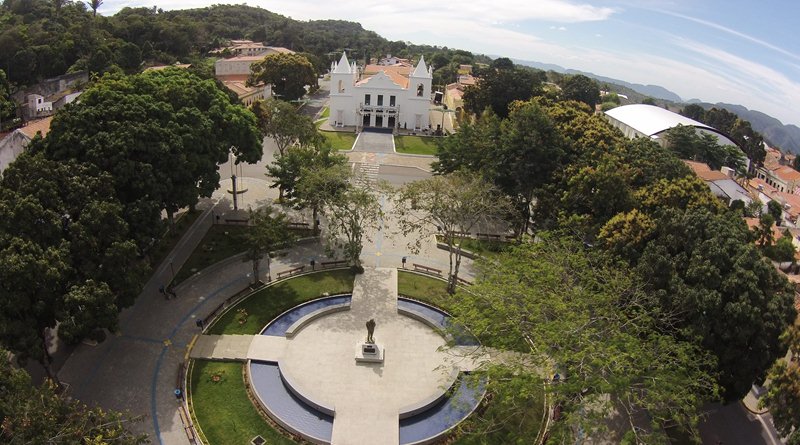
Alguns Pontos Turísticos - Viçosa no Ceará05:42
Tianguá no Ceará04:20
Ubajara - Guia Completo05:40

VIÇOSA DO CEARÁ, A CIDADE HISTÓRICA DA SERRA DA IBIAPABA10:39
Ubajara National Park
The Ubajara National Park is one of the region’s main attractions, protecting areas of Caatinga and Atlantic Forest.

The tour includes walking trails, viewing points and the famous Ubajara Cave. The cave can be reached either by cable car — also known as a funicular — or via a walking trail, which is approximately 7 kilometres long and takes around 4 hours to walk, always accompanied by an accredited guide.
Update: Following refurbishment, the cable car is now operating from Tuesday to Sunday, but access requires prior online booking via the official website bondinhodeubajara.setur.ce.gov.br. For visitor guidelines, opening hours and guide fees, please check the official Ubajara National Park page on the ICMBio website before your trip.
Viçosa do Ceará: history and colonial architecture
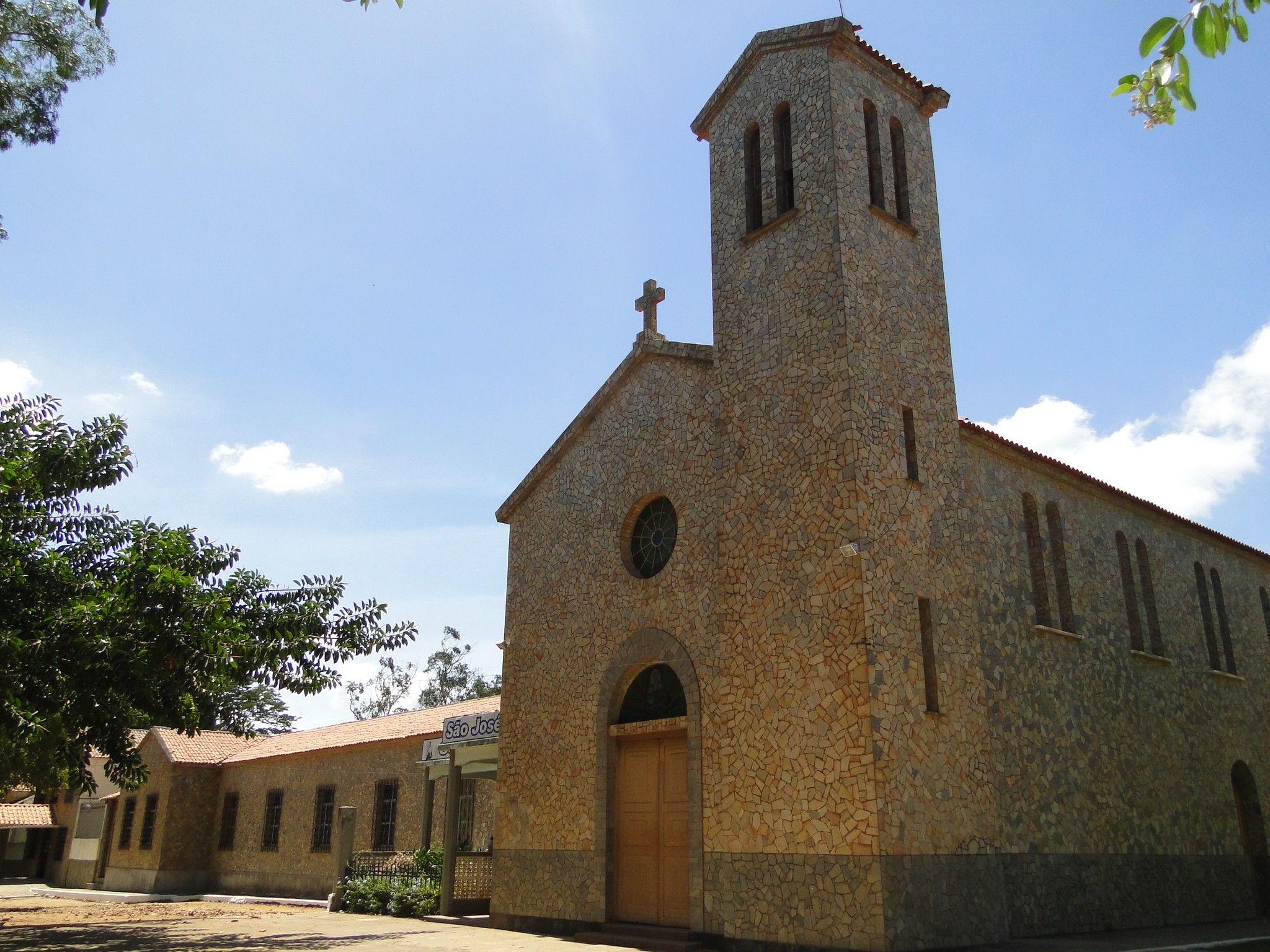
Viçosa do Ceará offers a glimpse into the past. Its origins date back to the former village of Ibiapaba, making it one of the most significant historic centres in Ceará. The Church of Nossa Senhora da Assunção is a landmark of this settlement and stands out amongst the state’s historic religious buildings.


As well as the church, it’s well worth taking a stroll through the historic centre, admiring the grand houses and exploring the city’s cultural venues.
The mouth of the Ipu
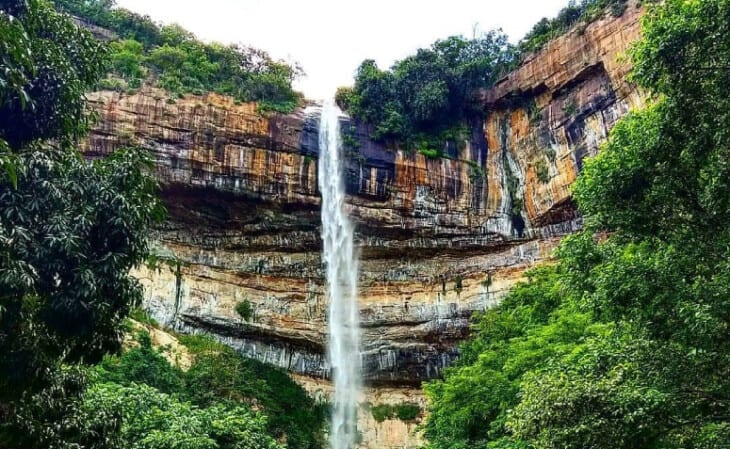
The Bica do Ipu, famous in Brazilian literature — it was the setting for José de Alencar’s novel Iracema — is around 130 metres high. The waterfall is one of the main natural landmarks of the municipality of Ipu and is considered the highest waterfall in Ceará.
The water flow varies with the seasons and depends on rainfall. During dry spells, the waterfall may have a reduced flow or may even dry up completely. You should therefore check local conditions before planning your trip.
Tianguá and ecotourism
Tianguá is a strategic base for exploring the Serra da Ibiapaba and boasts good tourist facilities. The town also serves as a base for activities such as hiking, paragliding, visits to viewpoints and walks in natural areas.
Many attractions are located on private property and may require a guide, a booking or the payment of an admission fee. Please check this information in advance with the site managers.
Tips for planning your trip
- Plan your itinerary: the attractions are spread across various towns in the mountains.
- Please check the following: Natural attractions and the Ubajara Cable Car may be subject to changes due to weather, maintenance or visitor regulations — and the cable car requires advance booking.
- Wear suitable clothing: opt for comfortable footwear that is suitable for hiking.
- Hire local guides: on more challenging routes, make sure you use accredited professionals.
- Take water and sun cream with you: especially on trails and at viewing points.
- Respect the environment: do not leave rubbish behind and do not take plants, stones or other natural features away.
- Check the weather conditions: rain may affect access to footpaths, waterfalls and roads.
- Do not confuse the geoparks: the title of UNESCO Global Geopark belongs to the Araripe Geopark, in the Cariri region, and not to the Serra da Ibiapaba.


Frequently Asked Questions about the Serra da Ibiapaba
What is the distance between Fortaleza and the Serra da Ibiapaba?
It varies between 260 and 350 km, depending on the municipality: Ipu is the closest (around 260 km) and Viçosa do Ceará the furthest (around 350 km). The journey usually takes between 4 and 5 hours by car along the BR-222.
Is the Ubajara cable car running?
Yes, following refurbishment, the Ubajara cable car has resumed operations from Tuesday to Sunday, but you must book in advance online via the official SETUR-CE website.
Is it possible to visit the Ubajara Cave without taking the cable car?
Yes, there is a walking route option, which is around 7 km long and takes 4 hours to walk, always accompanied by a guide accredited by ICMBio.
When is the best time to visit Bica do Ipu?
The water flow is greatest during the rainy season (usually between January and May). During the dry season, the waterfall may have a reduced flow or run dry.
Is the Serra da Ibiapaba the same as the Araripe Geopark?
No. The title of UNESCO Global Geopark belongs to the Araripe Geopark, in the Cariri region of southern Ceará — an area that is geographically distinct from the Serra da Ibiapaba.
Which towns are worth visiting in the Serra da Ibiapaba?
The main ones are Ubajara (National Park and cave), Tianguá (tourist hub and ecotourism), Viçosa do Ceará (historic heritage) and Ipu (Bica do Ipu).
See also
- Ubajara National Park: a must-see destination
- The Mountains of Ceará: Climate and Natural Beauty
- Guaramiranga: The Complete Guide to the ‘Switzerland of Ceará’
- Cariri in Ceará: A Destination for Eco-Tourism and Cultural Tourism
- Ceará: Must-see tourist destinations in Brazil
- Jericoacoara, Ceará: Complete Guide and 5-Day Itinerary
Conclusion
The Serra da Ibiapaba offers a unique blend of nature, culture and history. By planning your trip in advance and checking the official channels of ICMBio, local councils and the organisations responsible for the attractions, visitors can enjoy the region to the full whilst staying safe.

Publicações Relacionadas
Ubajara National Park: A Complete Visitor’s Guide
The Mountains of Ceará: A Guide to Mountain Towns for Tourists
Aracati, CE: A Complete Guide to Canoa Quebrada and the Surrounding Area
What to Do in Fortaleza in 3 Days: A Complete Itinerary
Ceará: The Best of Ecotourism and Extreme Sports in Brazil
The Cliffs Route in Ceará: A Complete Travel Guide
Salgado River Canyon in Lavras da Mangabeira, Ceará
Fortaleza: A Guide to Ceará's Vibrant Capital
Beach Park – Complete guide: attractions, tickets and tips for Porto das Duna
Aquiraz, Ceará: Guide to Porto das Dunas and Beach Park
The Baturité Massif: A Complete Guide to Tourism in Ceará
Cumbuco Beach (Ceará): The Definitive Guide to Kitesurfing and Leisure
Ceará: Brazil’s Must-See Tourist Destinations
Route of Emotions: An Adventure through North-East Brazil
Kitesurfing in Tatajuba — Spots, Access and Season
Canoa Quebrada, Ceará: A Guide to Cliffs and Beaches
Jericoacoara, Ceará: Complete Guide and 5-Day Itinerary
Juazeiro do Norte: Things to Do and a Guide to Religious Tourism
Where to Stay in Fortaleza: Neighbourhoods and Beaches (2026)
Quixadá, Ceará: Monoliths, the Cedro Dam and the Sertão
Tatajuba, Ceará: things to do, how to get there and top attractions
Cariri in Ceará: A Comprehensive Guide to Tourism and Culture
Fortim and the Jaguaribe River, Ceará: A Complete Travel Guide
The Best Beaches in Fortaleza and Ceará: A Complete Guide with 22 Options
Tourism in the Cariri region of Ceará: A complete 3-day itinerary through the Araripe Geopark
The East Coast of Ceará: A Complete Guide to Beaches and Cliffs
Icapuí, Ceará: The perfect destination for those seeking the ‘Land of the Lobster’
Beaches on the West Coast of Ceará: A Complete Guide
The Costa dos Ventos Route, Ceará: A Complete Guide to 9 Towns
Icó, Ceará: History, Architecture and Tourist Attractions
Religious Tourism in Cariri (CE): Padre Cícero and Pilgrimages
Things to Do in Paracuru, Ceará: Beaches and Sports
Guaramiranga: The Complete Guide to the ‘Switzerland of Ceará’ (Itineraries and Tips)
Caetanos de Cima is one of the most beautiful beaches in Ceará
This post is also on:
 Português
  English
  Deutsch
  Español
  Français