Beaches on the West Coast of Ceará: A Complete Guide from Cumbuco to Jericoacoara
The beaches along the west coast of Ceará stretch from Tabuba to the border with Piauí, offering a rich variety of landscapes. If you’re planning a trip along this coast, this guide brings together all the towns, beaches and practical, up-to-date tips to help you put together the perfect itinerary.
Whilst some beaches, such as Bitupitá, are rarely visited by tourists, others, such as the famous Jericoacoara, attract visitors from all over the Northeast and from around the world.
| City | Distance from Fortaleza | Featured |
|---|---|---|
| Caucaia / Cumbuco | ~30–35 km | Kitesurfing and easy access from the capital |
| São Gonçalo do Amarante (Taíba, Pecém) | ~50–58 km | Natural swimming pools and seafood cuisine |
| Parachute | ~88–90 km | The Cracked Rock and the sunset over the dune at Praia das Almas |
| Trairi (Flecheiras, Mundaú, Guajiru) | ~130–145 km | Natural reef pools and nightlife |
| Camocim | ~365 km | Buggy tour and Ilha do Amor |
| Jijoca de Jericoacoara | ~300 km | Dunes, lagoons and an iconic sunset |
| Bitupita | ~430–450 km (via Camocim) | An unspoilt fishing village on the border with Piauí |
Approximate distances by road, travelling from Fortaleza. Journey times vary depending on road conditions and your starting point within the city.

The beaches and villages in this region are renowned for hospitality with which they welcome visitors and for preserving a traditional culture closely linked to the sea.
The dunes and the winds play key roles in this scenario. One example of this is the village of Tatajuba, which was literally swallowed up by the shifting of a dune and relocated to Nova Tatajuba.
From Fortaleza, the best way to reach the beaches on the west coast of Ceará — known as Costa do Sol Poente — is via the motorway known as Estruturante.


Main Towns and Beaches on the West Coast of Ceará

Praia do Preá no Ceará04:03

Jericoacoara no Ceará03:27

Camocim no Ceará01:51

Rota das emoções no Ceará06:00

Trairi no Ceará00:29
10 pontos turisticos mais visitados de Caucaia
Paracuru no Ceará01:57
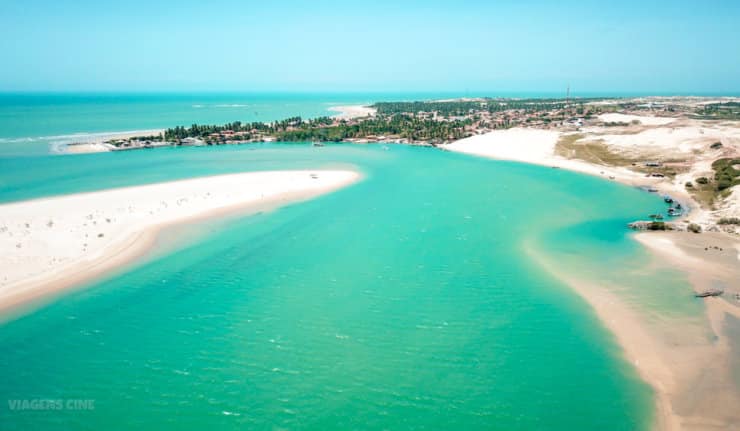
Praia de Flecheiras, Praia de Mundaú e Praia de Guajiru05:03
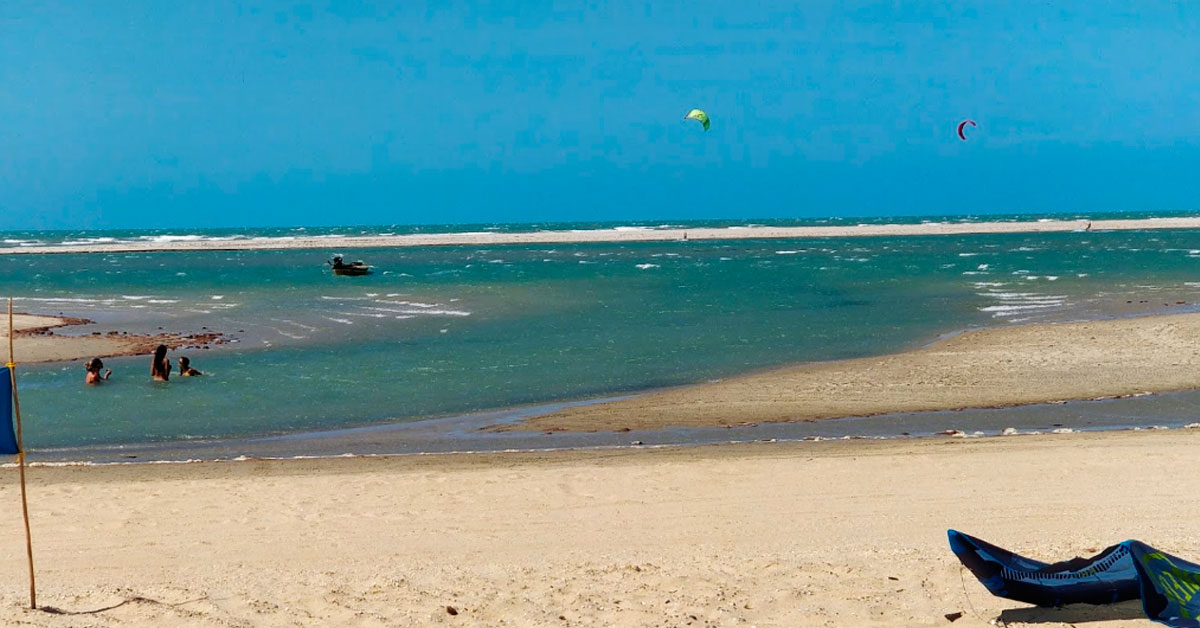
Lagoa de Tatajuba em Camocim03:13
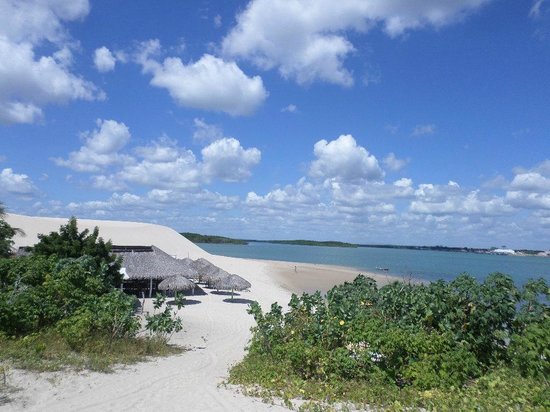
Ilha do Amor em Camocim05:11
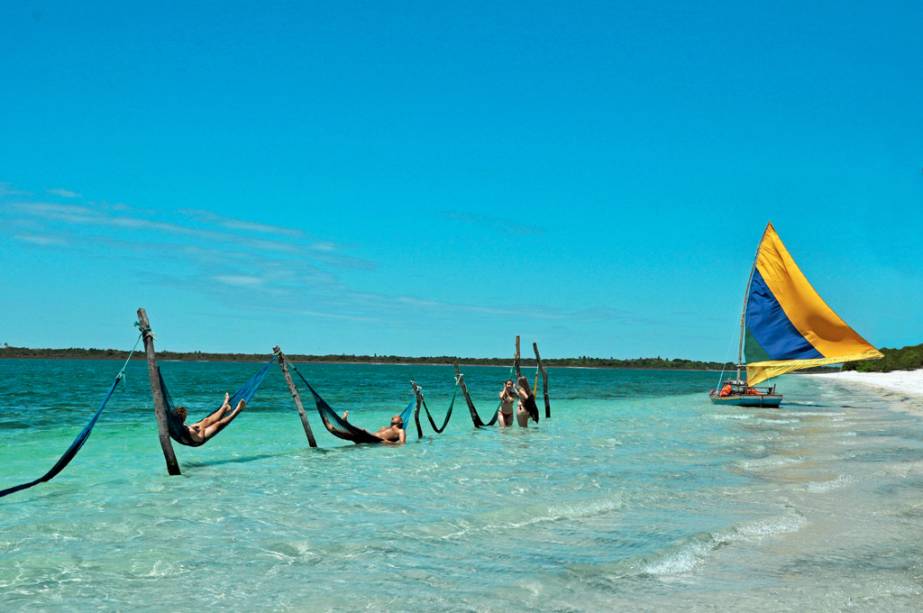
Praia de Jericoacoara no Ceará
Drone - Praia de Jericoacoara no Ceará04:04
10 Dicas sobre Jericoacoara no Ceará02:49
Praia de Bitupita no Ceará
- Municipality of Caucaia
- Municipality of São Gonçalo do Amarante
- Municipality of Paracuru
- Municipality of Trairi
- Municipality of Camocim
- Town of Almofala
- Municipality of Jijoca de Jericoacoara
- Town of Bitupitá
1. Municipality of Caucaia
Caucaia is part of the Fortaleza Metropolitan Area and stands out as one of the main tourist hubs in Ceará, attracting a large number of visitors, particularly due to the influence of the metropolis Fortaleza and Cumbuco Beach.
The Caucaia Coastal Region includes the beaches of Iparana, Pacheco, Icaraí, Tabuba and Cumbuco.


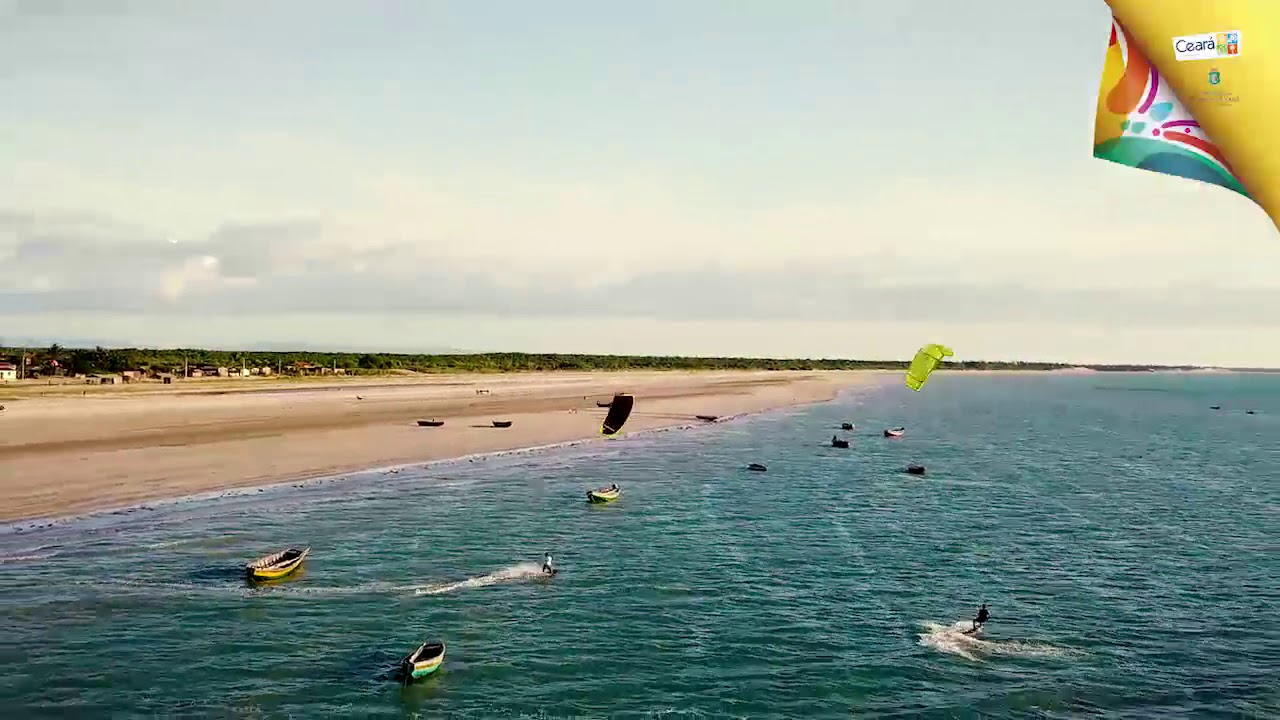
The town is one of the main centres for sailing sports, particularly kitesurfing.
Cumbuco, some 30–35 km from Fortaleza, is the main tourist destination in Caucaia, known worldwide for its natural landscape, which includes lagoons, rivers and dunes, as well as water sports such as kitesurfing and surfing.
Cumbuco also stands out for offering a wide variety of accommodation, including an internationally recognised resort of Portuguese origin. Its proximity to the metropolis of Fortaleza is a major draw.
With 44 km of coastline, Caucaia has 28 km of coastal areas in Caucaia-Sede, whilst the remaining 16 km belong to the district of Guararu and Catuana, which form part of the Cauípe River Environmental Protection Area and the Pecém Ecological Station.
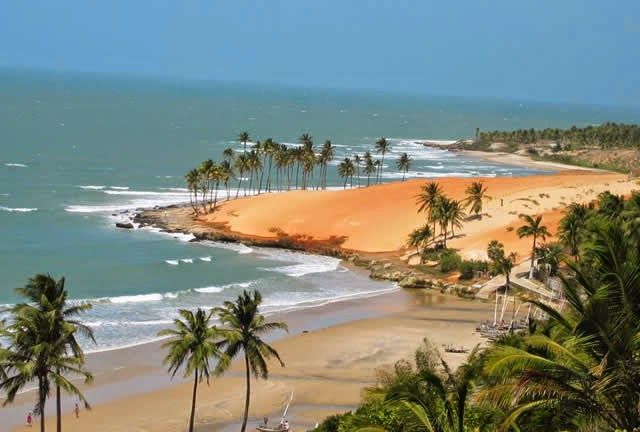
Its beaches are amongst the most popular, both for the warm, clear waters of the South Atlantic and for the dunes of sand, coconut groves, mangroves and natural lagoons, which make this place a paradise of indescribable beauty.
1.1. Caucaia’s beaches: sanctuaries amidst nature
Caucaia is very popular with those who practise extreme sports. The town offers a variety of activities, such as windsurfing, dune tours, jet skis, kayaking and banana boats. Particularly at Cumbuco Beach and Lagoa do Banana, sports tourism and adventure attractions abound, with a variety of trails and excursions.
On many of its beaches, coconut groves and dunes are a common feature, as at Praia do Cumbuco, one of the city’s most popular beaches. Other beaches worth mentioning include:
- Icaraí Beach: famous for its carnival and for hosting various surfing competitions.
- Barra do Cauípe Beach: a popular spot for kitesurfing and buggy rides. Don’t forget to visit Cauípe Lagoon.
- Barra Nova Beach: ideal for families looking for calm waters; the sea is so calm it looks like a lagoon!
- Pico das Almas: perfect for surfers and anyone looking to get back to nature. The lack of facilities is more than made up for by the rustic beauty of the scenery.
- Tabuba Beach: situated at the mouth of the Sapucaí River, it features natural pools and beachside bars.
2. Municipality of São Gonçalo do Amarante
São Gonçalo do Amarante, also known for its Praça da Matriz, pays tribute to the Church of São Gonçalo do Amarante, the town’s patron saint.
Life revolves around the square, where couples meet to spend time together, pensioners gather for a chat, worshippers strengthen their religious bonds, children play, teenagers have a snack and adults enjoy a beer.

The square features a illuminated fountain, benches, kiosks, snack bars, internet access, a car park and playground equipment. It’s a place where everything happens.
2.1. Taíba Beach
Taíba Beach, a former fishing village, has become a major tourist destination thanks to its natural beauty. The hospitable locals are always ready to welcome visitors with warmth and cheerfulness, traits typical of the place.

Its sea is ideal for practising water sports such as surfing, windsurfing and bodyboarding. The nights are lively, filled with forró, pagode and samba dancing.
All along the beach, food stalls serve up delicious dishes such as crab, fried fish, prawns and lobster.
The Escargot Festival, held every August, is a culinary highlight of the region, attracting thousands of tourists from Brazil and around the world and generating jobs and income for the district, which already has 27 snail farms.
The view is a spectacle of colours that captivates with its blue sea, the golden sun and the beach with sand tinged green by the coconut groves.
That’s Taíba for you: a place where neighbours get together for a pleasant chat, ideal for a visit to Ceará.
2.2. Pecém Beach
Praia do Pecém, situated between the beaches of Cumbuco and Paracuru, is located 58 km from Fortaleza, in the municipality of São Gonçalo do Amarante, and can be reached via the Costa do Sol Poente motorway, better known as CE-085, which is in excellent condition.

Pecém offers a beautiful tourist setting, comprising coves and natural pools of salt water, as well as coconut groves, rafts and white dunes, which contrast with the green of the sea.
With inviting waves, it is an excellent spot for surfing.
3. Municipality of Paracuru
Paracuru is about 88–90 km from Fortaleza and has a coastline of around 20 km featuring a wide variety of landscapes.

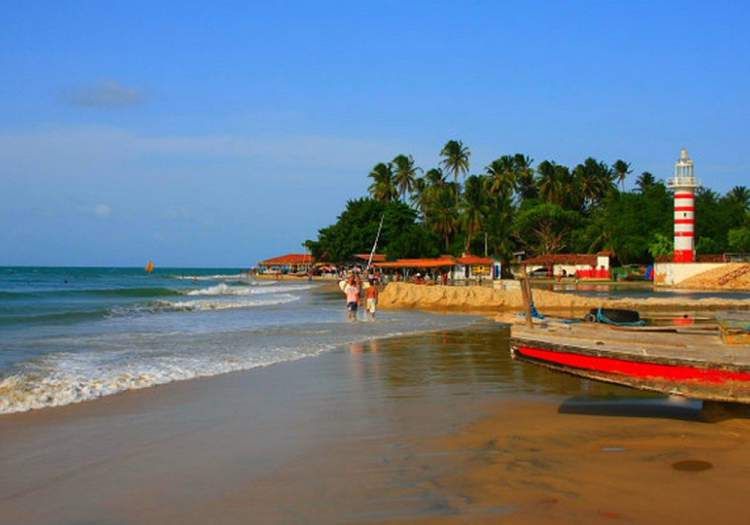
Farol Beach is the main beach in the municipality and the busiest, as it is the closest to Praça da Matriz.

When the tide goes out, Pedra Rachada becomes a picture-postcard scene thanks to the natural pools.
For those looking for a bit more excitement, Quebra Mar beach is ideal, with winds that can reach 40 km per hour, creating perfect conditions for kitesurfing and windsurfing.

At dusk, the view becomes even more breathtaking. The sunset is a must-see from the highest point of the dune at Praia das Almas, a virtually unspoilt spot.
3.1. Praia de Munguba


Munguba Beach: a bustling urban beach in Paracuru, with fishing huts.
3.2. Ronco do Mar Beach

Ronco do Mar is a favourite spot for surfers and young people, with a cluster of beach huts. It is also known as Praia da Igreja Velha.
3.3. Cracked Stone
This beach is situated in a small cove with coconut palms, reefs and natural pools. There are fish pens in the sea and a good selection of beach huts.
3.4. Bica Beach

At Praia da Bica, visitors from neighbouring beaches often bathe in the freshwater springs, which serve as a mooring point for boats.
3.5. Lagoinha Beach

Lagoinha is a well-defined cove with a red dune covered in coconut palms. At high tide, the waves crash against the rocks, making it very busy during the high season and at weekends.
4. Municipality of Trairi
Trairi is situated on the state’s coastline, to the west of Fortaleza, about 130–145 km away, depending on the beach you’re heading to.
Flecheiras Beach is the town’s main attraction, known for its natural pools formed by the coral reefs at low tide.
In Trairi, visitors will find good guesthouses by the sea, offering the chance to go on long, invigorating walks against the backdrop of our magnificent sea.
Tourists who spend their holidays in this town in Ceará return feeling revitalised.
For those looking for excitement and fun, there are also options in Flecheiras.
Bars, restaurants and music venues bring the nights to life. Festivals and sports tournaments are held regularly.
Tourists can climb the dunes to take in the view and visit the small and large lagoons in the middle of the sand. Trairi is synonymous with fun, joy, good food and parties.
Another tourist attraction is Mundaú Beach, where the combination of rare natural beauty is plain to see: the river, the sea, the dunes and the coconut groves.
A boat trip along the river is a great way to discover the area’s natural beauty; those who prefer can take a drive and admire the lagoons and the vegetation lining the coast up close.
It is also worth visiting Guajiru Beach, where you will find shifting dunes of white sand with interdune lagoons and a vast stretch of sand framed by coconut groves.
At low tide, tourists and locals enjoy a lovely swim in the natural pools.
4.1. Embuaca Beach

Embuaca Beach: a fishing village with well-preserved mud-brick houses built alongside the dunes and coconut palms. The sea has a dark colour due to the waters of the Mundaú River.
4.2. Guajiru Beach

Guajiru Beach: a peaceful beach fringed by coconut groves, with calm waters and natural pools.
4.3. Flecheiras Beach

Praia das Flecheiras: it has a wide stretch of compacted sand, with beach huts, guesthouses and hotels, and is suitable for swimming.
4.4. Mundaú Beach

On the shore of Mundaú Beach, the sea, near the Mundaú River, has dark waters. The shore is lined with guesthouses, coconut palms and a stretch of compacted sand.
5. Municipality of Camocim

Camocim is 365 kilometres from Fortaleza, near the famous village of Jericoacoara and the border with Piauí.
With 62 kilometres of beautiful beaches – some deserted and others well-equipped – its main attraction is its natural beauty.
The traditional canoes used for fishing are a typical feature of the landscape. The town has a good tourist infrastructure, including guesthouses, hotels and restaurants, which are particularly busy during Carnival and the micareta in October.
Lovers of eco-tourism and water sports, such as kitesurfing and windsurfing, will find a wide range of options. Hiring a buggy is the main way of getting around between the beaches.
Among the attractions, the Coreaú River Estuary stands out, with boat trips offering the chance to spot birds and mangroves.


Maceió Beach is bustling during Carnival, but offers peace and quiet for the rest of the year, with calm, warm waters.

Tatajuba Beach, famous for its white dunes and Lagoa da Torta, is another major attraction. It can be reached by boat or buggy, and the spot is ideal for those who enjoy extreme sports.

Praia da Barrinha is a quiet fishing village, perfect for relaxing, whilst Praia do Xavier is one of the most beautiful and virtually deserted beaches. Barreiras Beach, with its cliffs, offers an incredible panoramic view.

The vast coconut grove adds to the beauty of the place. A little further on is Praia do Xavier, considered one of the most beautiful beaches in the region and virtually deserted.
Just like Barra dos Remédios Beach, where the Rio dos Remédios meets the Atlantic Ocean, which is one of the last uncrowded beaches in the state.

Just 3 kilometres from the centre of Camocim lies Praia das Barreiras, which is home to imposing cliffs offering an incredible panoramic view.

Finally, Testa Branca Island, or Ilha do Amor, can be reached by ferry and offers stunning views, as well as opportunities for swimming and culinary delights such as fresh crabs.
5.1. Buggy ride
The buggy ride in Camocim is one of the most enchanting experiences to be had on the beaches of Ceará’s west coast. It can last the whole day or be done as a shorter version. After crossing the river by ferry, you arrive at Ilha do Amor, where you’ll find a long sandy beach.
The route includes walks through mangroves, dunes and lagoons. A stop at Funil Dune leads to Lagoa Verde, followed by the Encantada dune and Tatajuba Beach, which features Lagoa da Torta, ideal for swimming.
Visitors can watch the sunset from the Encantada dune or extend their trip to Guriú, where the river forms pools of warm water. It’s a famous postcard view, and anyone who wishes can carry on to Jijoca de Jericoacoara.
5.2. Nova Tatajuba
Nova Tatajuba is a fishing village 32 kilometres from Jericoacoara, built in the 1980s after the old Velha Tatajuba had been buried by dunes.
Today, the village has no electricity and the houses are made of rammed earth, with buggies as the only means of transport. The landscape is characterised by coconut palms and high dunes, the most impressive of which is the Encantada Dune , which is over 30 metres high.
Shrouded in legend, the Encantada dune offers spectacular views and serves as a landmark for fishermen.
6. Town of Almofala
The small coastal community of Almofala, situated between the Aracati-Mirim River and Aracati-Açu River, is home to a real gem: the Church of Nossa Senhora da Conceição dos Tremembés, built in 1712 on land belonging to the Tremembé people and buried by the dunes in 1897.

In the 1940s, the winds revealed the church, showcasing its beautiful Baroque features.
In the square in front of the small church, listed by IPHAN in 1980, the village residents celebrate the Feast of Our Lady of the Assumption in the first week of August and the festivities in honour of the patron saint, Our Lady of the Conception, in the first week of December.
Almofala, which is 12 kilometres from Itarema, can be reached via the BR-402 and CE-434.
7. Municipality of Jijoca de Jericoacoara
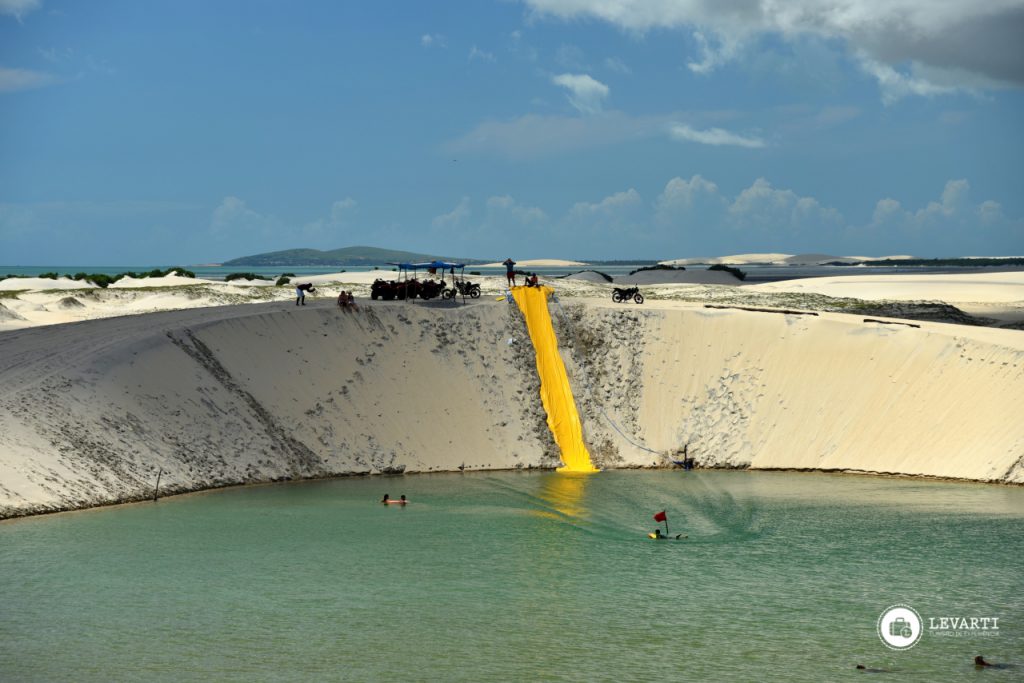
Among its attractions are the Lagoa Azul and the Lagoa do Paraíso, which are ideal for windsurfing thanks to the constant winds.

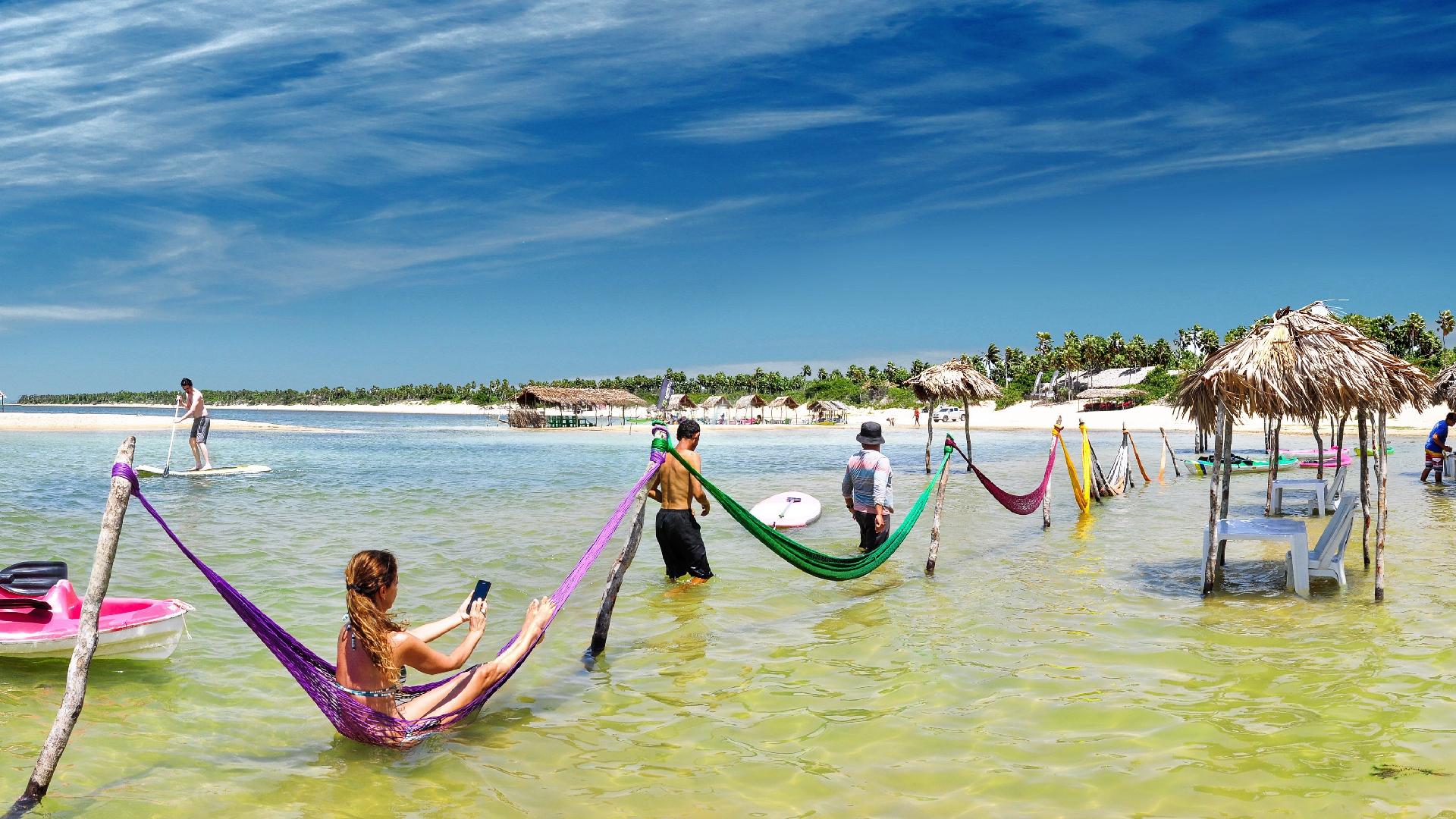
The colour of the water in the lagoons varies in shades of green, depending on the depth; they are perfect for snorkelling and sailing, as well as being ideal for relaxing whilst taking in the beautiful landscape surrounded by dunes.
The best time to visit the lagoons of Jericoacoara is during the rainy season (between March and May), when they are at their fullest.
For windsurfing, the best time of year is from July to November, when the winds are strongest. It is important to remember that the use of motorised equipment is prohibited across the entire length of the lagoons.
7.1. Jericoacoara
Jericoacoara, situated in the municipality of Jijoca de Jericoacoara, about 300 km from Fortaleza, is a fishing village with sandy streets and no street lighting, ideal for those seeking peace and quiet and idyllic scenery.

The village, affectionately known as Jeri, is considered one of Brazil’s most beautiful beaches and has become a cosmopolitan destination. It can only be reached by jeep or buggy, which helps to preserve its seclusion.
Visitors will find sophisticated restaurants and a variety of activities on offer.
To really explore the region, a stay of at least four days is recommended. Jericoacoara is perfect for sports such as windsurfing and kitesurfing, with its beaches offering calm waves and strong winds.
How much does it cost to stay in Jeri? Prices vary considerably depending on the season and location: hostels and shared rooms start at around R$ 70 per night; mid-range guesthouses and hotels range from R$ 250 to R$ 600; and luxury hotels and resorts generally cost over R$ 1,500 per night. As Jericoacoara is the most popular destination on the west coast, it also tends to be the most expensive in the region — smaller towns such as Paracuru, Camocim and the beaches of Trairi usually offer more affordable accommodation options, especially outside the high season (December to February and the festive season).
In February 2002, the area was designated the Jericoacoara National Park, covering 8,863 hectares and protecting dunes, lagoons and mangrove swamps. Since January 2024, the management of visitor numbers and the park’s tourist infrastructure has been under a 30-year private concession granted to the Dunas Consortium, the winner of a federal tender, although the land remains the property of the Federal Government.
Please note the following charges: Since 2022, the municipality of Jijoca de Jericoacoara has been charging the Sustainable Tourism Fee (TTS), of approximately R$ 41.50 per person for stays of up to 10 days (2026 rate, with an additional R$ 4.15 per extra day) — children under 12 and senior citizens over 60 are exempt. The specific National Park entry fee, however, has been the subject of legal proceedings and is currently suspended. Before travelling, it is worth checking the latest situation via the official channels of ICMBio or the Jijoca de Jericoacoara Town Council.


7.2. Pedra Furada
Pedra Furada is one of Jericoacoara’s most iconic sights, accessible via a half-hour walk along the beach. The neighbouring Malhada beach is ideal for a swim.

The rock can only be reached at low tide, but it is also possible to get there by buggy, travelling via the Jijoca lagoon.
7.3. Buggy Tours
There are two options for buggy tours from Jericoacoara. One travels 12 km eastwards, taking in Preá beach and the dunes. The other heads westwards, covering 20 km and passing by the beaches of Mangue Seco, Guriú, Tatajuba Velha and Tatajuba Nova. Both tours last around five hours.
7.4. Sunset Dune
Every day, at around 5 pm, visitors and locals climb the Jericoacoara dune to watch the sunset from a height of 40 metres. The spectacle features colours ranging from violet to orange. At the end, the spectators applaud, whilst some slide down the dune.
8. Town of Bitupitá
The town of Bitupitá has a population of around 6,000 inhabitants and lies on the border between Ceará and Piauí.
It is a rustic fishing village, ideal for a day trip, as it lacks the facilities for an overnight stay.
The village is known for its fish pens, underwater traps made from logs and nets, where the fish get caught. When the tide goes out, the fishermen collect the fish and sell them on the beach.
There are around ten fish markets near the shore at Bitupitá beach, with others up to 10 kilometres from the coast. Visitors can watch the fishermen at work and enjoy fresh fish at the local stalls.
To reach the village, take the BR-402 from Barroquinha, which is 40 kilometres from Camocim, and then travel 35 kilometres along a dirt track, which is recommended for four-wheel-drive vehicles.
Frequently Asked Questions about the Beaches on the West Coast of Ceará
When is the best time to visit the beaches on the west coast of Ceará?
The period from July to November is the best time for those looking for strong winds for kitesurfing and windsurfing. Between March and May, during the rainy season, the lagoons in Jericoacoara and the surrounding area are fuller and more beautiful, although the sea can be rougher during these months.
How many days does it take to explore the west coast of Ceará?
To explore the main towns at a leisurely pace — from Caucaia to Jericoacoara — it’s best to set aside between 7 and 10 days, spending at least one night at each destination. Those with less time can focus on Cumbuco, Paracuru, Flecheiras/Mundaú and Jericoacoara, which are the best-equipped for tourism.
How do you get to the beaches on the west coast of Ceará from Fortaleza?
The Estruturante motorway is the main access route from Fortaleza, linking the capital to the towns on the west coast. Public transport between the towns is limited, so hiring a car or using tourist transfers is the most practical way to get around between the beaches.
What is the difference between the east coast and the west coast of Ceará?
The east coast (Costa do Sol Nascente) features beaches with colourful cliffs and is closer to Fortaleza in several places. The west coast (Costa do Sol Poente) is characterised by extensive dunes, interdune lagoons and better-preserved fishing villages, notably Jericoacoara.
Do you need to hire a buggy or a 4×4 to visit the west coast of Ceará?
For most towns (Caucaia, São Gonçalo do Amarante, Paracuru, Trairi), a standard car is sufficient. However, for more remote areas, such as the route to Bitupitá or trips through the dunes between Camocim and Jericoacoara, a buggy or a 4×4 vehicle is highly recommended.
Is there a fee to pay to visit Jericoacoara?
Yes. Since 2022, the municipality of Jijoca de Jericoacoara has been charging the Sustainable Tourism Fee (TTS), which amounts to approximately R$41.50 per person for stays of up to 10 days (2026 rates). Children aged 12 and under and senior citizens aged 60 and over are exempt. However, the specific entry fee for the National Park is currently suspended following a court ruling — it is best to check the latest situation before travelling.
Is Jericoacoara National Park still managed by the government?
The area remains the property of the Federal Government, but since January 2024 the management of visitor services and the park’s tourist infrastructure has been awarded, for 30 years, to the private sector (the Dunas Consortium), the winner of a federal tender. ICMBio retains responsibility for environmental monitoring and conservation.
Find out more
- Cumbuco: A Must-Visit Destination for Kitesurfing
- Paracuru: Beaches and Water Sports
- Costa dos Ventos: Discover the Hidden Gems of Ceará
- Jericoacoara (Jeri): Complete Guide and 5-Day Itinerary
- Fortaleza: A Complete Guide to the Capital of Ceará
- Ceará: Must-see tourist destinations in Brazil
Tourist Guide to the West Coast of Ceará.

Publicações Relacionadas
Tatajuba, Ceará: things to do, how to get there and top attractions
Quixadá, Ceará: Monoliths, the Cedro Dam and the Sertão
Caetanos de Cima is one of the most beautiful beaches in Ceará
Route of Emotions: An Adventure through North-East Brazil
The Mountains of Ceará: A Guide to Mountain Towns for Tourists
Serra da Ibiapaba: A Complete Guide to Attractions and Tips
Salgado River Canyon in Lavras da Mangabeira, Ceará
The Cliffs Route in Ceará: A Complete Travel Guide
Aracati, CE: A Complete Guide to Canoa Quebrada and the Surrounding Area
Canoa Quebrada, Ceará: A Guide to Cliffs and Beaches
Where to Stay in Fortaleza: Neighbourhoods and Beaches (2026)
Icapuí, Ceará: The perfect destination for those seeking the ‘Land of the Lobster’
Fortim and the Jaguaribe River, Ceará: A Complete Travel Guide
Ubajara National Park: A Complete Visitor’s Guide
Things to Do in Paracuru, Ceará: Beaches and Sports
Icó, Ceará: History, Architecture and Tourist Attractions
Beach Park – Complete guide: attractions, tickets and tips for Porto das Duna
Ceará: Brazil’s Must-See Tourist Destinations
Guaramiranga: The Complete Guide to the ‘Switzerland of Ceará’ (Itineraries and Tips)
Tourism in the Cariri region of Ceará: A complete 3-day itinerary through the Araripe Geopark
Jericoacoara, Ceará: Complete Guide and 5-Day Itinerary
The Baturité Massif: A Complete Guide to Tourism in Ceará
Aquiraz, Ceará: Guide to Porto das Dunas and Beach Park
The East Coast of Ceará: A Complete Guide to Beaches and Cliffs
Ceará: The Best of Ecotourism and Extreme Sports in Brazil
Juazeiro do Norte: Things to Do and a Guide to Religious Tourism
The Best Beaches in Fortaleza and Ceará: A Complete Guide with 22 Options
What to Do in Fortaleza in 3 Days: A Complete Itinerary
Kitesurfing in Tatajuba — Spots, Access and Season
Religious Tourism in Cariri (CE): Padre Cícero and Pilgrimages
Fortaleza: A Guide to Ceará's Vibrant Capital
The Costa dos Ventos Route, Ceará: A Complete Guide to 9 Towns
Cariri in Ceará: A Comprehensive Guide to Tourism and Culture
Cumbuco Beach (Ceará): The Definitive Guide to Kitesurfing and Leisure
This post is also on:
 Português
  English
  Deutsch
  Español
  Français