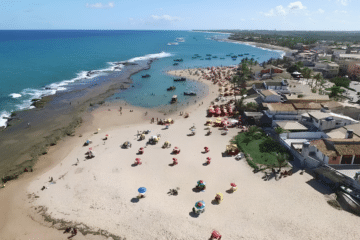
The Costa dos Ventos Route in Ceará attracts sports enthusiasts and tourists keen to enjoy the constant sunshine and favourable winds along the state’s coastline.
Ceará boasts one of the most beautiful coastlines in Brazil, with a variety of colours and shapes, as well as welcoming people. This route includes the municipalities of Acaraú, Caucaia, Itarema, Amontada, Itapipoca, Trairi, Paracuru, Paraipaba and São Gonçalo do Amarante.
Attractions in the Region
The region is also known as “Costa do Sol Poente” and boasts beautiful beaches, many of which are already well-known and much-loved by tourists, such as Flecheiras, Mundaú, Guajiru, Icaraí de Amontada and Praia da Baleia, amongst others.
Experiences and Gastronomy
As well as sporting activities, visitors can enjoy the rich local cuisine and the hospitality of the locals, making the experience all the more memorable.

Kitesurfing season – Ceará
The Costa dos Ventos is easily accessible and close to Fortaleza. Part of the road linking the capital to the destinations on the route has already been widened — such as the section of the CE-090 between Icaraí and Cumbuco, which opened in December 2024 — whilst work continues on other sections, making it increasingly easier to reach the state’s most beautiful beaches.

The kitesurfing season in Ceará runs from July to December. During these months, the winds blow steadily, reaching speeds of up to 36 km/h, whilst short-lived gusts can reach up to 60 km/h. At this time of year, the conditions are perfect for sports such as kitesurfing.
Videos – Tourist Information on the Towns along the Costa Ventos Route in Ceará

Costa dos Ventos no Ceará02:10

Cumbuco no Ceará - Guia de Turístico03:32
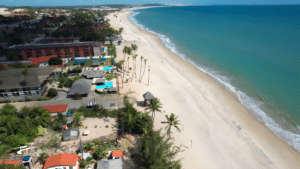
Praia de Cumbuco em Caucaia02:18

Caucaia - vista aérea

Alchymist Lagoa Encantada em Caucaia CE02:28

Praia de Pecém CE01:07

Praia de Taiba CE04:33

Praia de Paracuru - Paracuru - CE04:40

Praia do Ronco do Mar - Paracuru - CE01:54

Praia da Pedra Rachada - Paracuru - CE06:50

Praia de Lagoinha - Paraipaba - CE01:40

Praia de Lagoinha em Paraipaba05:32

Praia de Guajiru - Trairi - CE00:56

Praia de Flecheiras em Trairi01:00

Praia de Flecheiras em Trairi02:34

Praia de Mundaú em Trairi02:12

Praia de Emboaca - Trairi - CE01:27

Praia da Baleia - Itapipoca - CE

Praia de Icaraí de Amontada (Icaraizinho) - CE

Praia de Moitas - Amontada - CE

Praia de Caetanos de Cima - Amontada - CE

Praia de Almofala - Itarema - CE

Praia de Barrinha - Acaraú - CE
Towns on the Costa dos Ventos Route, Cape Verde – Tourist Guide
- Caucaia
- São Gonçalo do Amarante
- Parachute
- Paraipaba
- To pass through
- Itapipoca
- Piled up
- Itarema
- Acaraú
1. To pick out
Caucaia, situated in the Fortaleza metropolitan area, is a diverse tourist destination in Ceará. The town combines stunning beaches, natural beauty and a rich local culture. Here are some of Caucaia’s main tourist attractions:
1.1. Beaches
- Cumbuco Beach: One of the most famous beaches in Caucaia, known for its dunes, coconut groves and lagoons. It is a popular destination for water sports such as kitesurfing and windsurfing, thanks to the constant winds. Buggy rides through the dunes and the famous ‘skibunda’ (sliding down the dunes on a board) are unmissable activities. Find out more in our complete guide to Cumbuco.
- Icaraí Beach: Located near the centre of Caucaia, this is a quiet beach, ideal for families. It has facilities including bars and restaurants serving traditional dishes from Ceará.
- Tabuba Beach: A quieter, less crowded beach, known for its clear waters and reefs. It’s an excellent place to relax and enjoy the natural beauty.
Cumbuco Beach
Cumbuco Beach, situated in the municipality of Caucaia, is a long stretch of beach with firm sand, a calm sea and numerous pebbles near the water’s edge.
One of the things that sets this beach apart is that buggy or quad bike tours of the surrounding area are available from here, with the option of ‘thrill-seeking’ or ‘leisurely’ tours.

If you have some free time, be sure to go on this tour; it takes you along the beautiful Cumbuco coastline, past the region’s dunes, to Lagoa do Cauípe (where lots of people go kitesurfing) and you can even go as far as Porto de Pecém. Many visitors say that the buggy tour is the most fun part of Cumbuco!
Vila do Cumbuco is also a real highlight for those choosing the beach as their destination. The charm of this fishing village makes a visit there all the more appealing.
With a range of guesthouses and restaurants, the village is surrounded by dunes and is close to other attractions, such as Lagoa do Banana, as well as equally well-known beaches, such as Barra do Cauípe and Icaraí Beach.
This setting is complemented by picture-perfect dunes, orange-hued cliffs, coconut groves and lagoons with crystal-clear waters, which lend a special touch to the destination, ensuring a trip filled with unforgettable experiences.
The favourable winds have made Cumbuco Beach one of Brazil’s best destinations for kitesurfing and windsurfing. This has attracted countless foreign enthusiasts of the sport, many of whom have decided to settle in the region, with some even opening guesthouses. It is no surprise that, in 2019, Cumbuco entered the Guinness World Records by bringing together 596 kitesurfers for a simultaneous 2 km crossing — a world record that reinforces the destination’s international reputation.
The proximity of Fortaleza, just 30 km from Cumbuco Beach, means that many visitors to the capital of Ceará take the opportunity to visit beaches such as Barra do Cauípe and Icaraí.
Cumbuco Beach, being the busiest and most central, serves as the starting point for most excursions.
1.2. Natural Attractions
- Lagoa do Banana: One of Caucaia’s main tourist attractions, Lagoa do Banana offers leisure activities such as jet-skiing, banana boat rides and kayaking. The lagoon is surrounded by bars and restaurants, providing a pleasant setting in which to spend the day.
- Alchymist Lagoa Encantada: On the trendy Cumbuco Beach – a global kitesurfing paradise just 30 km from Fortaleza – the Alchymist Lagoa Encantada has opened: a beach club brimming with charm and style, offering the very best in cuisine, music and entertainment.
- Ceará Botanical Park: Located in Caucaia, this park is a great choice for nature lovers. It features nature trails, picnic areas and a sensory garden. It is an ideal place for walks and for learning about the local flora.
1.3. Culture and History
- Caucaia’s Historic Centre: The town has a historic centre with churches and grand houses that reflect the local history. The Parish Church of Nossa Senhora dos Prazeres is one of the main historic landmarks.
- Municipal Market: A vibrant place where visitors can sample the local cuisine, buy handicrafts and observe the daily lives of the locals.
1.4. Activities and Leisure
- Water sports: Cumbuco is one of the best places in Brazil for kitesurfing and windsurfing. There are several schools and venues offering lessons and equipment hire.
- Buggy tours: Buggy tours through the dunes of Cumbuco are one of the most exciting activities in the region, offering incredible views and plenty of fun.
- Walks and Trails: The Ceará Botanical Park and the natural areas around Caucaia are perfect for walks and trails, offering direct contact with nature.
Caucaia is a diverse destination offering a combination of beautiful beaches, outdoor activities, culture and cuisine, making it an excellent choice for tourists wishing to explore the coast of Ceará and enjoy a well-rounded and enriching experience.
2. São Gonçalo do Amarante
São Gonçalo do Amarante, near the Fortaleza metropolitan area in Ceará, is a town that combines natural beauty, history and culture. Here are some of the main tourist attractions in São Gonçalo do Amarante:
2.1. Beaches
- Pecém Beach: Known for its calm waters and tourist facilities, Pecém Beach is a popular spot for swimming, water sports and walks along the seafront. The presence of Pecém Port also makes this an area of great economic importance.
- Taíba Beach: Famous for its waves, Taíba is a popular destination for surfers and kitesurfers. The beach also boasts a charming village with guesthouses, restaurants and bars, offering a welcoming atmosphere for visitors.

2.2 Natural Attractions
- Dunes: The region has several dunes that are perfect for buggy rides and sandboarding, offering stunning panoramic views of the coastline.
- Lagoons: The lagoons of São Gonçalo do Amarante are ideal places for a day of rest and leisure surrounded by nature.
2.3. Culture and History
- São Gonçalo do Amarante Parish Church: One of the city’s most important historic buildings, with architecture dating back to colonial times.
- Historic Centre: Narrow streets and squares that preserve the local history and culture, where you can learn more about the city’s founding and development.
2.4. Activities and Leisure
- Water sports: The region’s beaches are ideal for surfing, kitesurfing and windsurfing, with schools and venues offering equipment and lessons.
- Buggy tours: Exploring the dunes and beaches by buggy is a popular activity amongst tourists, offering adventure and beautiful scenery.
- Small-scale fishing: Fishing is a traditional activity in São Gonçalo do Amarante, and visitors can watch and learn about local fishing techniques.
São Gonçalo do Amarante offers a combination of natural beauty, outdoor activities, culture and history, making it an attractive destination both for tourists seeking adventure and for those who wish to relax and enjoy the tranquillity of the Ceará coast.
3. Paracuru
Paracuru, situated on the west coast of Ceará, is a charming town offering a mix of beautiful beaches, rich local culture and a range of leisure activities. Be sure to check out our comprehensive guide to Paracuru too. Here are some of the town’s main tourist attractions:
3.1. Beaches
- Paracuru Beach: The town’s main beach is known for its clear waters, reefs and natural pools that form at low tide. It is ideal for swimming, diving and relaxing.
- Ronco do Mar Beach: Popular with surfers thanks to its good waves, this beach is also excellent for kitesurfing and windsurfing.
- Praia das Almas: A quiet, uncrowded beach, ideal for those seeking peace and quiet and a more secluded atmosphere.
- Praia da Pedra Rachada: Known for its unique rock formations and natural beauty, it’s a great place to explore and take photos.

3.2. Natural Attractions
- Dunes: The Paracuru dunes are the perfect setting for buggy rides and sandboarding, offering spectacular panoramic views.
- Lagoons: The region’s lagoons, such as Lagoa do Curu, are great places for kayaking, picnics and a dip in fresh water.
3.3. Activities and Leisure
- Water sports: Paracuru is a popular destination for surfing, kitesurfing and windsurfing, with a number of schools and venues offering lessons and equipment hire.
- Buggy tours: Exploring the dunes and beaches by buggy is an exciting activity that allows you to discover the region’s natural beauty.
- Small-scale fishing: By joining local fishermen, tourists can learn about traditional fishing techniques and even take part.
- Trails and Walks: There are several trails in the area that allow visitors to explore the local flora and fauna.
3.4. Culture and History
- Historic Centre: Paracuru has a charming historic centre with churches, squares and colonial houses that reflect the local history and culture.
- Nossa Senhora dos Remédios Parish Church: One of the city’s oldest and most important buildings, situated in the historic centre.
Paracuru is a destination that has something to offer every type of tourist, from those seeking adventure and water sports to those who want to relax on idyllic beaches and explore the local culture. With its natural beauty and warm welcome, Paracuru is an excellent choice for anyone visiting the coast of Ceará.
4. Paraipaba
Paraipaba, situated on the west coast of Ceará, is a tourist destination that charms visitors with its idyllic beaches, dunes, lagoons and a welcoming atmosphere.
The town is best known for its famous Lagoinha beach, but it has much more to offer visitors. Here are the main tourist attractions in Paraipaba:
4.1. Beaches
- Lagoinha Beach: Regarded as one of the most beautiful beaches in Brazil, Lagoinha is renowned for its crystal-clear waters, reddish cliffs, dunes and coconut groves. The panoramic view of the beach is breathtaking, and it is an ideal spot for relaxing, swimming and enjoying water sports.

4.2. Natural Attractions
- Lagoinha Dunes: The dunes are one of Lagoinha’s main attractions. Buggy rides through the dunes are thrilling and offer incredible panoramic views. Another popular activity is ‘skibunda’, which involves sliding down the dunes on wooden boards.
- Lagoa das Almécegas: Situated near Lagoinha beach, this lagoon is perfect for relaxing swims and raft trips. The lagoon is surrounded by lush vegetation and offers a peaceful setting for visitors.
- Lagoa do Jegue: Another charming lake in the region, known for its clear, calm waters. It’s a great spot for water activities and family fun.
4.3. Activities and Leisure
- Buggy tours: As well as the dunes, buggy tours include visits to viewpoints, lagoons and other tourist attractions around Paraipaba. It’s an exciting activity that allows you to explore the region’s natural beauty.
- Water sports: The beaches of Paraipaba, particularly Lagoinha, are ideal for kitesurfing, windsurfing and stand-up paddleboarding, thanks to the constant, favourable winds.
- Walking and Trails: The region offers a number of nature trails that allow visitors to explore the local flora and fauna, as well as enjoy panoramic views of the coastal landscapes.
4.4. Culture and History
- Paraipaba’s Historic Centre: The town has a historic centre featuring churches and buildings that reflect the local history and culture. The Parish Church of Nossa Senhora da Conceição is one of the main historic landmarks.
Paraipaba is a charming destination offering a combination of stunning beaches, outdoor activities, culture and cuisine, making it an excellent choice for tourists wishing to explore the coast of Ceará and enjoy an authentic and unforgettable experience.
5. To get through
Trairi, situated on the west coast of Ceará, is a charming town known for its stunning beaches, natural beauty and tranquillity. It is an ideal destination for those looking to relax, enjoy nature and explore the local culture. Here are some of Trairi’s main tourist attractions:
5.1. Beaches
- Flecheiras Beach: One of Trairi’s most famous beaches, Flecheiras is known for its natural pools at low tide, crystal-clear waters and reefs. It is an excellent spot for diving, swimming and raft trips. The fishing village offers a welcoming atmosphere with guesthouses, restaurants and bars.
- Guajiru Beach: This beach is ideal for those seeking peace and quiet. With its white sands and coconut groves, Guajiru is perfect for walks, swimming and relaxing. It is also popular with kitesurfers due to the favourable winds.
- Mundaú Beach: Known for its natural beauty and the point where the river meets the sea, Mundaú is ideal for boat trips, which offer panoramic views of the dunes and mangroves. The calm waters and dunes make this beach an excellent destination for the whole family.
- Emboaca Beach: A more secluded and unspoilt beach, perfect for those seeking a peaceful retreat in close contact with nature.

5.2. Natural Attractions
- Dunes: The Trairi dunes are perfect for buggy rides, sandboarding and walking. They offer stunning views and are an excellent spot for watching the sunset.
- Mangroves: The mangroves of Mundaú are rich in biodiversity and can be explored on boat trips, during which visitors can observe the local flora and fauna.
5.3. Activities and Leisure
- Water sports: Flecheiras and Guajiru are popular destinations for kitesurfing, windsurfing and stand-up paddleboarding, thanks to the constant, favourable winds.
- Buggy tours: Exploring the dunes and beaches by buggy is a thrilling activity and allows you to discover areas that are less accessible.
- Boat Trips: Boat trips on the Mundaú River are a relaxing way to explore the region, offering incredible views of the dunes, mangroves and the point where the river meets the sea.
- Small-scale fishing: By accompanying local fishermen, tourists can learn about traditional fishing techniques and even take part.
5.4. Culture and History
- Fishing Villages: The fishing villages in Flecheiras and Mundaú offer an authentic taste of the local culture, with opportunities to learn about the way of life of the fishermen and their families.
- Local Handicrafts: Trairi is renowned for its handicrafts, including lace, pottery and straw crafts, which make excellent souvenirs and gifts.
Trairi is an ideal destination for those seeking the perfect combination of tranquillity, natural beauty and local culture. With its idyllic beaches, outdoor activities and warm hospitality, Trairi offers an unforgettable experience on the Ceará coast.
6. Itapipoca
Itapipoca is known as the ‘city of three climates’, as it encompasses beaches, mountains and the hinterland within its own boundaries — contrary to popular belief, the municipality has around 25 km of coastline of its own, with Praia da Baleia and Praia do Maceió being the highlights.
Although the town centre is a little way from the sea, Itapipoca offers a variety of tourist attractions stretching from the coast to the Serra de Uruburetama. Here are some of the main attractions:
6.1. Beaches
- Praia da Baleia: The most famous beach in the municipality, stretching for around 4 km, with dunes, lagoons and a stretch of sand that can be up to 100 metres wide at low tide. Good wind and wave conditions for kitesurfing and sandboarding.
- Maceió Beach: A quieter and less crowded beach than Baleia, ideal for those seeking peace and quiet.
- Barra do Rio Mundaú: The point where the River Mundaú meets the sea, on the border with the municipality of Trairi — a landscape of dunes and mangroves that is a popular destination for day trips.

6.2. Natural Attractions
- Serra de Uruburetama: One of Itapipoca’s natural highlights, the Serra de Uruburetama offers nature trails, viewing points with panoramic views, waterfalls and a wealth of biodiversity. It is an ideal spot for walking, birdwatching and getting back to nature.
- Lagoa das Moças: A beautiful lake surrounded by greenery, perfect for a day out. Visitors can swim, have picnics and enjoy the peaceful surroundings.
6.3. Culture and History
- Historic Centre: The centre of Itapipoca is full of historic buildings, churches and squares that reflect the town’s rich history and culture. The Parish Church of São Sebastião is one of the main historic landmarks.
- Itapipoca Museum: The local museum features exhibitions on the history and culture of Itapipoca, including artefacts, photographs and historical documents.
6.4. Activities and Leisure
- Walks and Trails: The natural areas around Itapipoca are ideal for walks and trails, offering visitors the chance to experience the local flora and fauna at first hand.
- Adventure sports: The Uruburetama Mountains are a popular destination for adventure sports such as abseiling and rock climbing, thanks to their rock formations and challenging terrain.
6.5. Tips for Visitors
- Climate: Itapipoca has a hot and humid climate, with a rainy season between February and May. It is important to be prepared for the heat and humidity.
- Transport: The town is well connected by road and can be reached from Fortaleza in about 2 hours by car; Praia da Baleia is a little further away, about 2½ to 3 hours’ drive.
Itapipoca is a diverse destination offering beaches, mountains and the hinterland all within a single municipality, making it an excellent choice for tourists wishing to explore different landscapes of Ceará in a single trip.
7. Piled up
Amontada, situated on the west coast of Ceará, is a town that combines beautiful beaches, lush natural surroundings and a peaceful atmosphere, ideal for those seeking relaxation and a taste of the local culture. Here are some of Amontada’s main tourist attractions:
7.1. Beaches
- Icaraí de Amontada Beach (Icaraizinho): The region’s main beach, known for its calm waters, coconut groves and peaceful atmosphere. It is a popular destination for kitesurfing, windsurfing and stand-up paddleboarding thanks to its consistent and favourable winds.
- Moitas Beach: A charming, less crowded beach, perfect for those seeking a peaceful retreat. The calm waters and picturesque setting make it ideal for relaxing and swimming.
- Caetanos de Cima Beach: A more secluded and unspoilt beach, with dunes and coconut groves, offering a peaceful and tranquil atmosphere. Find out more in our guide to Caetanos de Cima.

7.2. Natural Attractions
- Dunes and Lagoons: The region boasts several dunes and lagoons that are perfect for buggy rides, sandboarding and walking. The lagoons, such as Lagoa das Flexeiras, are ideal for swimming and picnics.
- Mangroves: The region’s mangroves are rich in biodiversity and can be explored on boat trips, offering an opportunity to observe the local flora and fauna.
7.3. Activities and Leisure
- Water sports: Icaraí de Amontada is a popular destination for kitesurfing, windsurfing and stand-up paddleboarding, with several schools and venues offering lessons and equipment hire.
- Buggy tours: Exploring the dunes and beaches by buggy is an exciting activity that allows you to discover the region’s natural beauty.
- Boat Trips: Boat trips through the mangroves and along the coast are a relaxing way to explore the area, offering stunning views and the chance to spot marine life.
- Small-scale fishing: By accompanying local fishermen, visitors can learn about traditional fishing techniques and even take part.
7.4. Culture and History
- Fishing Villages: The fishing villages of Icaraí de Amontada and Moitas offer an authentic taste of the local culture, with opportunities to learn about the way of life of the fishermen and their families.
- Local Handicrafts: Amontada is known for its handicrafts, including lace, pottery and straw crafts, which make excellent souvenirs and gifts.
Amontada is an ideal destination for anyone seeking a combination of tranquillity, natural beauty and local culture. With its idyllic beaches, outdoor activities and warm hospitality, Amontada offers an unforgettable experience on the Ceará coast.
8. Itarema
Itarema, situated on the west coast of Ceará, is an up-and-coming tourist destination known for its beautiful beaches, dunes, lagoons and peaceful atmosphere.
The town offers a wide range of leisure activities and opportunities to get out into nature, making it an excellent destination for those seeking peace and quiet and natural beauty. Here are the main tourist attractions in Itarema:
8.1. Beaches
- Almofala Beach: One of the best-known beaches in Itarema, famous for its tranquillity, natural beauty and the traditional Almofala Church, which was buried by sand and later rebuilt. It is a great place to relax, swim and stroll along the shore.
- Patos Beach: A more secluded and unspoilt beach, ideal for those seeking a peaceful setting and a chance to get close to nature. The waters are calm and the scenery is enchanting.
- Torrões Beach: Known for its crystal-clear waters and peaceful atmosphere, it is perfect for anyone who wants to relax and enjoy nature without the hustle and bustle.

8.2. Lagoons and Dunes
- Jijoca Lagoon: Situated near Itarema, this lagoon is known for its clear, calm waters. It is an ideal spot for water sports such as stand-up paddleboarding and kayaking, as well as being perfect for a day out with the family.
- Itarema Dunes: The region’s dunes offer stunning scenery and are perfect for buggy rides and activities such as ‘skibunda’, which involves sliding down the dunes on wooden boards.
8.3. Water Sports
- Kitesurfing and Windsurfing: Itarema, particularly the Almofala area, is renowned for its excellent conditions for kitesurfing and windsurfing, thanks to the constant, favourable winds. Several local operators offer lessons and equipment hire.
8.4. Culture and History
- Almofala Church: The historic church in Almofala is an important cultural and historical landmark. Originally built by the Jesuits, the church was partially buried by dunes and subsequently rebuilt. It is a place of great historical and religious significance.
- Tremembé Indigenous Community: Itarema is home to the Tremembé indigenous community, which keeps its traditions and culture alive. Visits to the community can offer an enriching experience, providing an opportunity to learn about the local indigenous culture.
8.5. Tips for Visitors
- Climate: Itarema has a hot and humid climate, with a rainy season between February and May. It is important to be prepared for the heat and humidity.
- Transport: The town is well connected by road and can be reached from Fortaleza in around 2 to 3 hours by car.
Itarema is a charming destination offering a combination of beautiful beaches, outdoor activities, culture and cuisine, making it an excellent choice for tourists wishing to explore the west coast of Ceará and enjoy an authentic and peaceful experience.
9. Acarau
Acaraú, situated on the west coast of Ceará, is a town rich in history, culture and natural beauty. It offers a variety of attractions that delight visitors, from idyllic beaches to historical heritage sites and outdoor activities. It is also the gateway to Tatajuba and Jericoacoara, a little further along the west coast. Here are some of Acaraú’s main tourist attractions:
9.1. Beaches
- Arpoeiras Beach: One of Acaraú’s best-known beaches, Arpoeiras is ideal for those seeking peace and quiet and a connection with nature. Its calm waters and coconut groves are perfect for a relaxing day by the sea.
- Barrinha Beach: A more secluded and unspoilt beach, known for its dunes and mangroves. It’s a great spot for walks and for those who enjoy a wilder setting.
- Córrego das Varas Beach: A beach of rustic beauty, where you can observe the daily lives of the fishermen and enjoy a peaceful atmosphere.
9.2. Natural Attractions
- Acaraú River: The river from which the town takes its name is one of its main natural attractions. Boat trips along the river are a great way to explore the area and observe the local flora and fauna.
- Mangroves: Mangroves are ecosystems rich in biodiversity and can be explored on nature walks, offering the chance to see crabs, birds and other species.
9.3. Culture and History
- Historic Centre: Acaraú has a historic centre featuring churches, squares and grand houses that reflect the town’s rich history and culture. The Parish Church of Nossa Senhora da Conceição is one of the architectural highlights.
- Municipal Market: A vibrant place where visitors can sample the local cuisine, buy handicrafts and observe the daily lives of the locals.
- Acaraú Museum: The local museum offers an insight into the town’s history and culture, with exhibitions of artefacts, photographs and historical documents.
9.4. Activities and Leisure
- Small-scale fishing: By accompanying local fishermen, tourists can learn about traditional fishing techniques and take part in this age-old activity.
- Boat Trips: Exploring the Acaraú River and the mangroves by boat is a relaxing and educational activity, offering a new perspective on the region.
- Walks and Trails: The natural areas around Acaraú are perfect for walks and trails, offering direct contact with nature.
Acaraú is a destination that offers a rich blend of natural beauty, history and culture, making it the perfect place for tourists seeking an authentic and varied experience on the Ceará coast.

Summary table: the 9 towns on the Costa dos Ventos Route
| City | Main beach | Best for | Distance from Fortaleza |
|---|---|---|---|
| Caucaia | Cumbuco | Kitesurfing, nightlife, easy access | ~30 km |
| São Gonçalo do Amarante | Taíba | Surfing, waves, a charming village | ~60 km (Taíba ~72 km) |
| Paracuru | Paracuru Beach | Natural pools, diving | ~90 km |
| Paraipaba | Lagoinha | A landscape, one of the most beautiful in Brazil | ~107 km |
| To pass through | Archery | Natural pools, diving, tranquillity | ~130 km |
| Itapipoca | Baleia Beach | Beach + mountains + hinterland, all in the same municipality | ~170 km |
| Piled up | Icaraí de Amontada (Icaraizinho) | Kitesurfing, peace and quiet, halfway to Jeri | ~200 km |
| Itarema | Almofala | Tremembé indigenous culture, tranquillity | ~189 km |
| Acaraú | Crab traps | The Acaraú River, mangroves, the gateway to Jeri | ~210 km |
Approximate distances by road from Fortaleza to the municipal centre or the best-known beach (where indicated). Use this as a guide when planning your trip and check the up-to-date route before travelling.
Frequently asked questions about the Costa dos Ventos Route in Ceará
Which towns are part of the Costa dos Ventos Route?
Nine municipalities: Caucaia, São Gonçalo do Amarante, Paracuru, Paraipaba, Trairi, Itapipoca, Amontada, Itarema and Acaraú, all on the west coast of Ceará, also known as the ‘Costa do Sol Poente’.
When is the best time for kitesurfing on the Costa dos Ventos?
From July to December, when the winds blow steadily, reaching speeds of up to 36 km/h, with gusts of up to 60 km/h — conditions considered ideal for the sport.
Which beach is easiest to get to from Fortaleza?
Cumbuco, in Caucaia, about 30 km from the capital, is the nearest and one of the best-equipped for tourism and water sports.
Does Itapipoca have a beach?
Yes. Although it is mainly known for its mountains and the sertão, Itapipoca has around 25 km of coastline of its own, notably Praia da Baleia and Praia do Maceió — which is why it is known as the ‘city of three climates’.
Do you need to know how to kitesurf to visit the region?
No. As well as water sports, the route offers buggy rides, sandboarding on the dunes, boat trips through the mangroves and rivers, as well as quiet beaches for those who just want to relax.
How do you get around between the towns on the route?
By car or buggy along the coast, following the CE-085/CE-090 and local side roads. Part of the road has already been widened to two lanes, such as the stretch between Icaraí and Cumbuco, which has made it easier to reach some of the beaches.

Publicações Relacionadas
Jericoacoara, Ceará: Complete Guide and 5-Day Itinerary
Fortaleza: A Guide to Ceará's Vibrant Capital
The Mountains of Ceará: A Guide to Mountain Towns for Tourists
Quixadá, Ceará: Monoliths, the Cedro Dam and the Sertão
Guaramiranga: The Complete Guide to the ‘Switzerland of Ceará’ (Itineraries and Tips)
Things to Do in Paracuru, Ceará: Beaches and Sports
Route of Emotions: An Adventure through North-East Brazil
The Baturité Massif: A Complete Guide to Tourism in Ceará
Serra da Ibiapaba: A Complete Guide to Attractions and Tips
Religious Tourism in Cariri (CE): Padre Cícero and Pilgrimages
Ubajara National Park: A Complete Visitor’s Guide
Aquiraz, Ceará: Guide to Porto das Dunas and Beach Park
Kitesurfing in Tatajuba — Spots, Access and Season
Beach Park – Complete guide: attractions, tickets and tips for Porto das Duna
What to Do in Fortaleza in 3 Days: A Complete Itinerary
Juazeiro do Norte: Things to Do and a Guide to Religious Tourism
Beaches on the West Coast of Ceará: A Complete Guide
Caetanos de Cima is one of the most beautiful beaches in Ceará
Canoa Quebrada, Ceará: A Guide to Cliffs and Beaches
Salgado River Canyon in Lavras da Mangabeira, Ceará
Fortim and the Jaguaribe River, Ceará: A Complete Travel Guide
Tatajuba, Ceará: things to do, how to get there and top attractions
Ceará: The Best of Ecotourism and Extreme Sports in Brazil
Cumbuco Beach (Ceará): The Definitive Guide to Kitesurfing and Leisure
The East Coast of Ceará: A Complete Guide to Beaches and Cliffs
The Best Beaches in Fortaleza and Ceará: A Complete Guide with 22 Options
Aracati, CE: A Complete Guide to Canoa Quebrada and the Surrounding Area
Icapuí, Ceará: The perfect destination for those seeking the ‘Land of the Lobster’
Ceará: Brazil’s Must-See Tourist Destinations
Tourism in the Cariri region of Ceará: A complete 3-day itinerary through the Araripe Geopark
Where to Stay in Fortaleza: Neighbourhoods and Beaches (2026)
Cariri in Ceará: A Comprehensive Guide to Tourism and Culture
The Cliffs Route in Ceará: A Complete Travel Guide
Icó, Ceará: History, Architecture and Tourist Attractions
This post is also on:
 Português
 English
 Deutsch
 Español
 Français