Jericoacoara (Jeri) — Complete Guide and 5-Day Itinerary – Jericoacoara is a village in the municipality of Jijoca de Jericoacoara, in Ceará, situated 300 km from Fortaleza, on the west coast of Ceará.
Why visit Jericoacoara, in Ceará?
Jericoacoara is an iconic destination in north-eastern Brazil: dunes, lagoons with crystal-clear water, the Pedra Furada rock formation and ideal wind conditions for kitesurfing and windsurfing.
Jericoacoara National Park protects dunes, sandbanks and mangrove forests, ensuring unique landscapes and outdoor activities all year round.

Videos – Tourist information about Jericoacoara

Jericoacoara no Ceará05:00

Jericoacoara - Guia de Turismo03:28

Jijoca de Jericoacoara00:56

Kiteboarding em Jericoacoara08:51

Jericoacoara Guia Turismo33:46

Jericoacoara - Drone04:04

Jericoacoara no Ceará - Vista Aérea02:05

Jericoacoara - Como chegar
Jericoacara - melhores passeios + dicas de como economizar02:44:56
The origin of the name Jericoacoara
The name ‘Jericoacoara’ has indigenous origins and reflects the local history and culture. One theory suggests it derives from the term ‘Iriquixaba’, which can be translated as ‘place where nets are made’.
Other etymological theories tend to link ‘jara’ to sand and ‘cora’ to ‘place’ in the indigenous language.
Originally a fishing village, the town has seen its name evolve over time into its current form — a combination that reflects the community’s strong connection to the sea, fishing and the natural landscape.
Entry fees for visiting Jericoacoara in 2026
Sustainable Tourism Levy (TTS): This is the only consolidated tourist levy, charged by the Jijoca de Jericoacoara local council. The fee in 2026 is R$ 41.50 per person, valid for a stay of up to 10 days (with an additional charge of R$ 4.15 per extra day). Children under 12 and senior citizens over 60 are exempt. It is recommended that you pay in advance via the council’s official website to speed up entry to the village.
Jericoacoara National Park: The specific entry fee for the National Park has been subject to interruptions and court rulings — this fee is currently suspended. Before travelling, always check the official channels of ICMBio or the local council to confirm the situation on the date of your visit.
Best time of year and conditions in Jericoacoara
Best time of year for wind and water sports: July to December (winds are most consistent between August and November). Rainy season: January to June — ideal for full lakes. Always check the local forecast before taking part in water sports.


Must-see tourist attractions in Jericoacoara
Sunset Dune
Climb the dune in the late afternoon to see one of Brazil’s most famous sunsets — many tourists sandboard down the dune.

Pedra Furada
Jeri’s landmark: a rock formation with a ‘hole’ in the middle. The best time to reach the base is at low tide; if the tide is high, the Serrote (a nearby hill) offers a superb view.

Lagoa do Paraíso and Lagoa Azul
The lagoons in the region have shallow, warm waters with hammocks suspended over the water — perfect for relaxing and taking photographs. They are usually accessed via 4×4 or buggy tours.


The main beaches of Jericoacoara
Jericoacoara Beach forms natural pools at low tide; Malhada Beach is a favourite with surfers; Preá is the go-to spot for kitesurfing.

Lagun Beach Club (Lagun Beach)
A family-friendly beach club between Preá and Caiçara, featuring a turquoise artificial lagoon, themed swimming pools, a zip line and facilities for families — a growing favourite on itineraries along the east coast.

Buraco Azul (Caiçara)
A lagoon with deep blue waters, accessible via walks along the east coast; it features decks and visitor facilities, and is a popular spot for swimming and taking photos.

The Alchymist Beach Club
A sophisticated beach club on the shores of Lagoa do Paraíso, featuring a restaurant, a VIP area and a jetty — a must-visit for anyone looking for a comfortable daytime experience by the lagoon.

Munzuá Pier Club
A pier club in the Lagamar area with a swim-up bar, swimming pool, speedboat trips and a music programme — a regular stop on east-side itineraries.

Mangue Seco
Where the Guriú River meets the sea, with mangroves and canoe trips to spot seahorses; forms part of itineraries extending as far as Tatajuba.

Tatajuba Beach (Nova Tatajuba)
Tatajuba Beach and the surrounding lagoons offer tranquil beaches, lakeside restaurants and dune landscapes — a popular spot for lunch and peaceful water sports. Find out more in our comprehensive guide to Tatajuba, which is also one of the most popular spots for kitesurfing on the west coast of Ceará.

Jericoacoara Square (Edvá Esmerino Square / Main Square)
The village’s central square: a meeting place with canoe-shaped benches, thatched kiosks and restaurants all around. In the evening, it’s the heart of the local scene.
How to get to Jericoacoara, in Ceará, in 2026


Suggested itinerary: 5 days in Jericoacoara
Day 1 — Arrival and settling in
- Check in at the guesthouse and take a stroll around the village (shops, cafés and restaurants).
- Hike up to the Sunset Dune to watch the sunset; sandboarding is optional.
- Dinner at a local restaurant serving dishes from Ceará.
Day 2 — Lagoons: Lagoa do Paraíso and Lagoa Azul
- 4×4 trip to Lagoa do Paraíso: hammocks in the water, a rest and lunch by the lagoon.
- A visit to the Blue Lagoon on the way back; a swim and some photos in the late afternoon.
Day 3 — Kitesurfing/Windsurfing in Preá (full day)
- Transport to Praia do Preá for lessons or sessions with an instructor; equipment hire available.
- I’ll head back to Jeri at the end of the day for a leisurely evening stroll.
Day 4 — Pedra Furada, Malhada Beach and Serrote
- A trip to Pedra Furada (best at low tide); a walk along the shore with its natural pools.
- A visit to Malhada Beach; a walk up to Serrote for a panoramic view at sunset.
Day 5 — Mangue Seco, Tatajuba and Lagun / Buraco Azul (optional)
- A trip to Mangue Seco, including a ferry crossing and marine life spotting.
- Stop-off in Nova Tatajuba for lunch by the lagoon and a swim.
- If you prefer, you can include a visit to the Blue Hole or the Lagun Beach Club/Munzuá Pier Club on the same day (check the logistics and day-use arrangements).
- Return in the late afternoon for departure or transfer.
Practical tips: book kitesurfing lessons in advance, take sun cream and insect repellent, check the tide times for Pedra Furada, and opt for 4×4 transfers on the sandy routes.
Quick tips on safety and sustainability in Jericoacoara
- Please respect the National Park areas and conservation signs.
- Please do not leave rubbish on the dunes or by the lagoons; use a reusable bottle.
- Check out water sports insurance and sea conditions before you set off.
Frequently Asked Questions about Jericoacoara
How much is the tourist tax in Jericoacoara?
The Sustainable Tourism Fee (TTS), levied by the Jijoca de Jericoacoara local council, costs R$41.50 per person in 2026 and is valid for stays of up to 10 days. Children aged 12 and under and senior citizens aged 60 and over are exempt.
What’s the quickest way to get to Jericoacoara?
The quickest way is to fly directly to Jericoacoara Airport (JJD) in Cruz (CE), just about 30 km from the village — much quicker than flying into Fortaleza, which is 300 km away and requires a 4- to 6-hour land transfer.
When is the best time to visit Jericoacoara?
It depends on what you’re after: from July to December (peaking between August and November), the winds are ideal for kitesurfing and windsurfing; from January to June, the rainy season keeps the lagoons full and gives them a picture-postcard appearance.
Do you have to pay to enter Jericoacoara National Park?
The specific entry fee for the National Park is currently suspended following a court ruling. As this situation may change, it is worth checking with ICMBio or the local council before travelling.
How many days are recommended for a visit to Jericoacoara?
A 5-day itinerary allows you to explore the main attractions at a leisurely pace: the Sunset Dune, Pedra Furada, the lagoons on the east coast (Paraíso and Azul), Preá Beach and the west coast (Mangue Seco and Tatajuba).
Is Jericoacoara a good destination for kitesurfing?
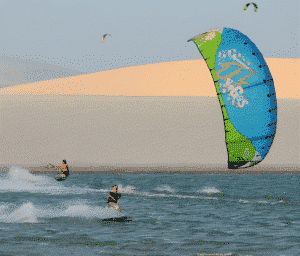
Yes, it is considered one of the world’s best destinations for kitesurfing and windsurfing, thanks to the steady winds between July and December. Praia do Preá is the most popular spot amongst enthusiasts.

Publicações Relacionadas

Beach Park – Complete guide: attractions, tickets and tips for Porto das Duna

Guaramiranga: The Complete Guide to the ‘Switzerland of Ceará’ (Itineraries and Tips)
Where to Stay in Fortaleza: Neighbourhoods and Beaches (2026)
What to Do in Fortaleza in 3 Days: A Complete Itinerary
The Best Beaches in Fortaleza and Ceará: A Complete Guide with 22 Options
Religious Tourism in Cariri (CE): Padre Cícero and Pilgrimages

Salgado River Canyon in Lavras da Mangabeira, Ceará

Tourism in the Cariri region of Ceará: A complete 3-day itinerary through the Araripe Geopark
Icapuí, Ceará: The perfect destination for those seeking the ‘Land of the Lobster’
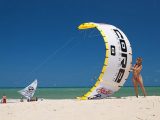
Tatajuba, Ceará: things to do, how to get there and top attractions

Cumbuco Beach (Ceará): The Definitive Guide to Kitesurfing and Leisure
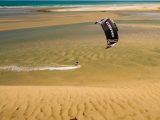
Kitesurfing in Tatajuba — Spots, Access and Season
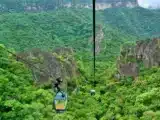
Serra da Ibiapaba: A Complete Guide to Attractions and Tips
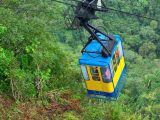
Ubajara National Park: A Complete Visitor’s Guide
Icó, Ceará: History, Architecture and Tourist Attractions
Caetanos de Cima is one of the most beautiful beaches in Ceará
Quixadá, Ceará: Monoliths, the Cedro Dam and the Sertão
Cariri in Ceará: A Comprehensive Guide to Tourism and Culture

The Baturité Massif: A Complete Guide to Tourism in Ceará
Aracati, CE: A Complete Guide to Canoa Quebrada and the Surrounding Area
Aquiraz, Ceará: Guide to Porto das Dunas and Beach Park
Canoa Quebrada, Ceará: A Guide to Cliffs and Beaches
Ceará: The Best of Ecotourism and Extreme Sports in Brazil

Fortim and the Jaguaribe River, Ceará: A Complete Travel Guide

The Costa dos Ventos Route, Ceará: A Complete Guide to 9 Towns
Things to Do in Paracuru, Ceará: Beaches and Sports
The Cliffs Route in Ceará: A Complete Travel Guide
Route of Emotions: An Adventure through North-East Brazil

Juazeiro do Norte: Things to Do and a Guide to Religious Tourism

The Mountains of Ceará: A Guide to Mountain Towns for Tourists
Beaches on the West Coast of Ceará: A Complete Guide
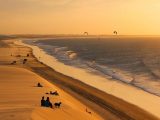
The East Coast of Ceará: A Complete Guide to Beaches and Cliffs
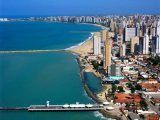
Fortaleza: Complete Guide to What to Do in Ceará's Capital

Ceará: Brazil’s Must-See Tourist Destinations
This post is also on:
 Português
  English
  Deutsch
  Español
  Français