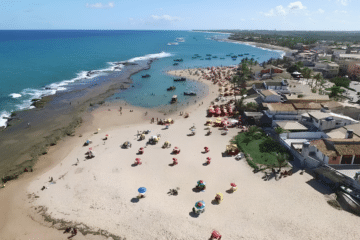
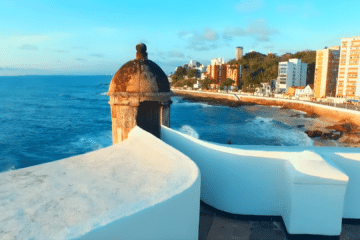
Camamu Bay is one of the largest bays on the Brazilian coast, situated on the Costa do Dendê, between Morro de São Paulo and Itacaré.
Known for its well-preserved mangrove forests, unspoilt islands and rich biodiversity, the region is ideal for sustainable tourism, boat trips and authentic cultural experiences.
Ecosystem and conservation
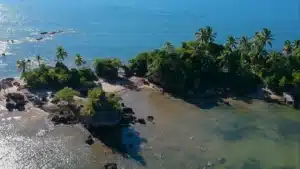
Camamu Bay is home to extensive mangrove forests and remnants of the Atlantic Forest. Much of the region is protected as a conservation area (APA), which helps to preserve the ecosystem and the traditional practices of local communities.
Local traditions
The communities around the bay preserve traditional practices, such as the use of dugout canoes and small-scale fishing, ensuring minimal environmental impact and a way of life closely tied to the sea.
Videos about Camamu Bay

Baia de Camamu e Peninsula de Marau10:15

Baía de Camamu na Bahia01:58
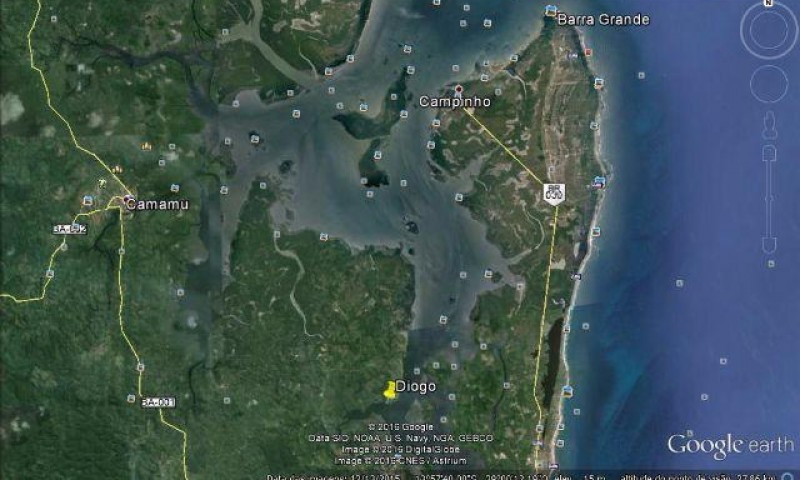
Baía de Camamu e Península de Maraú03:47

Ilha do Goió na Baía de Camamu
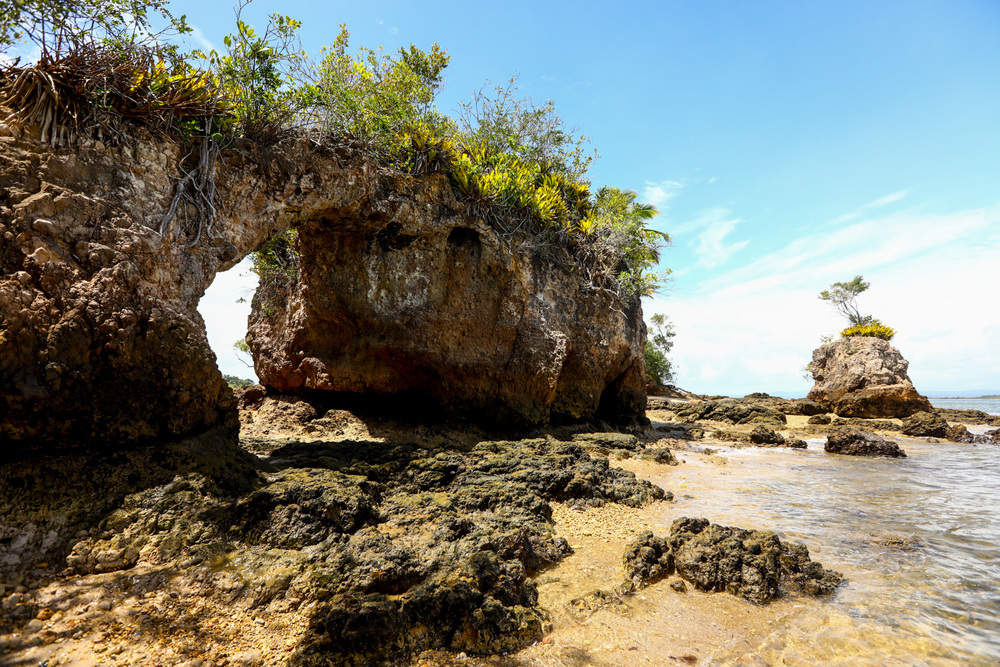
Ilha da Pedra Furada na Baía de Camamu04:56
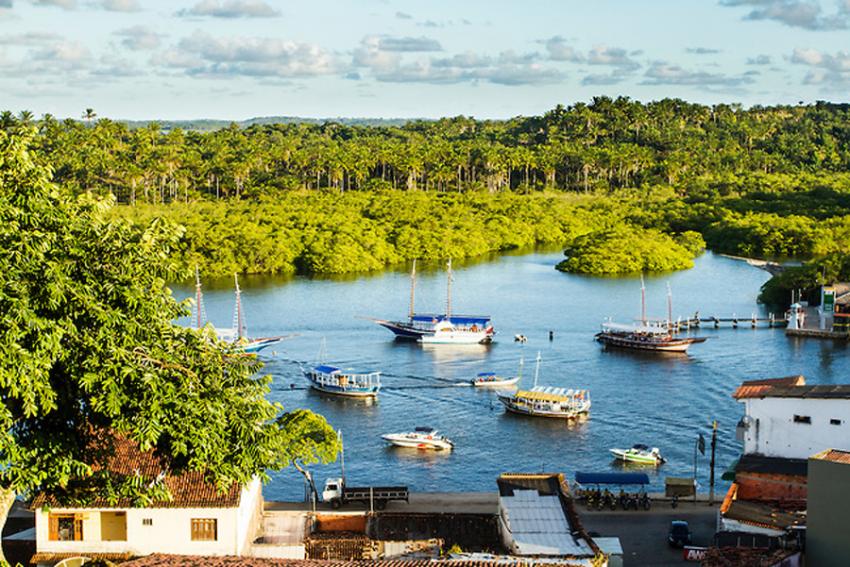
Ilha da Pedra Furada, Ilha Grande e Cajaíba15:14
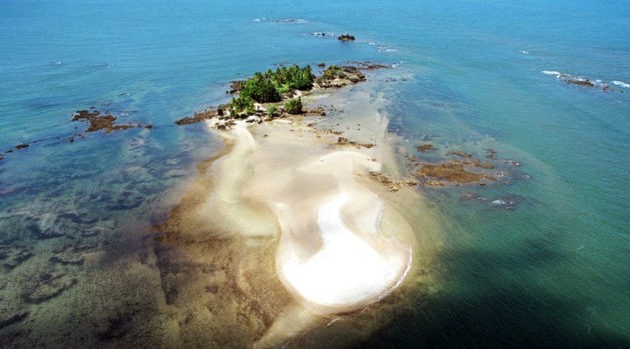
Baía de Camamu - Guia Turístico18:41
Campinho Peninsula de Marau05:05
How to explore the bay
The best way to explore Camamu Bay is by boat: hire a motorboat, join a schooner tour or book a private trip to explore the rivers, canals and islands. It is advisable to set off in the morning to make the most of the day, and to check the tides and local conditions before setting sail.

See the map of the Dendê Coast
Top attractions
- Camamu — the main departure point, featuring a colonial historic centre, viewing points and the Parish Church of Nossa Senhora da Assunção.
- Barra Grande (Maraú) — a charming village with idyllic beaches, guesthouses and stunning sunsets at Ponta do Mutá.
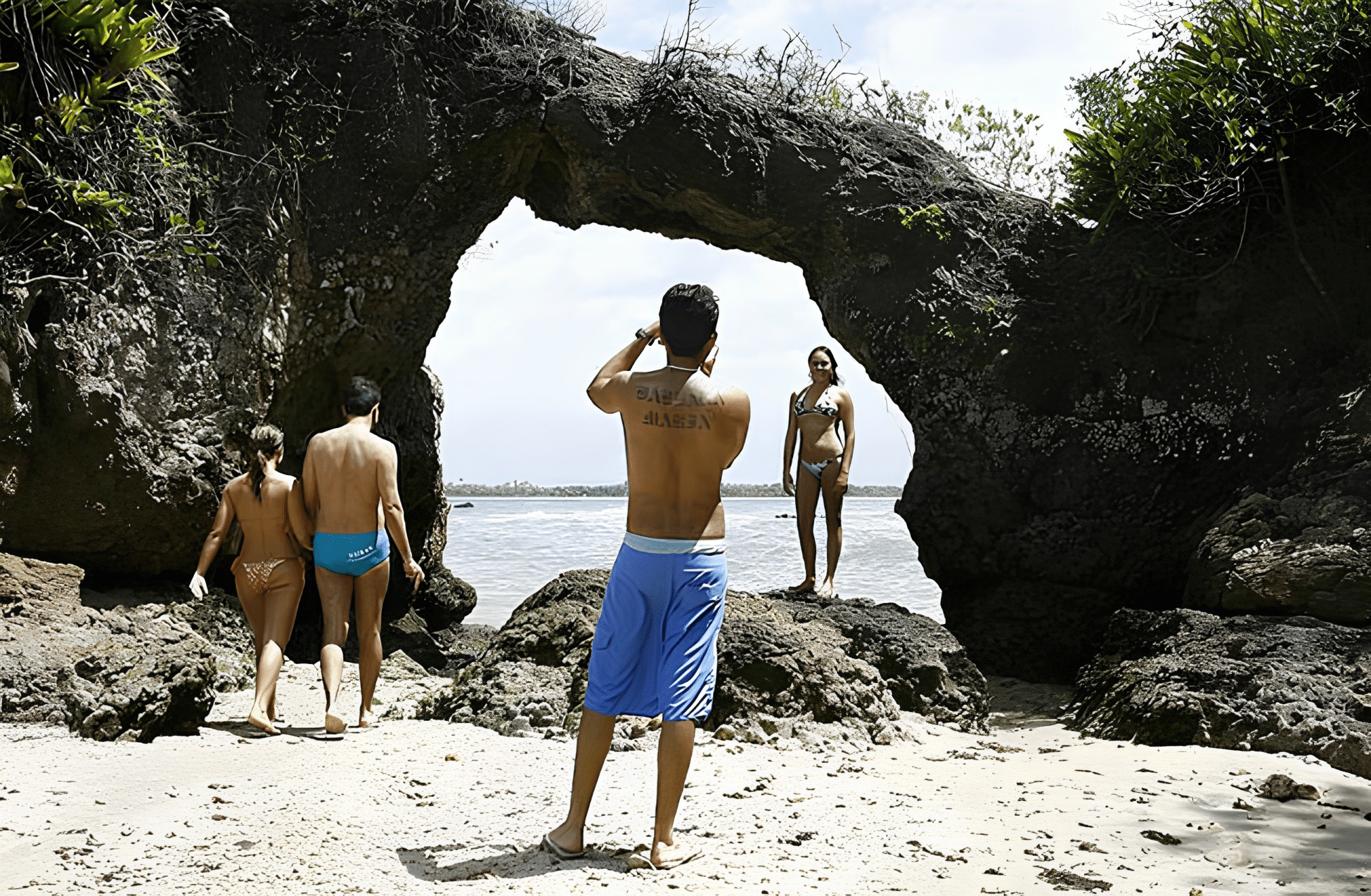
- Ilha da Pedra Furada — an iconic rock formation featuring a natural arch; a common stop on boat trips.
- Ilha Grande — the bay’s largest island, car-free, with quiet beaches, walking trails and guesthouses.
- Sapinho and Ilha do Goió — deserted beaches, mangroves and local cuisine (fish, crab, moqueca).
- Campinho — reefs and diving spots; local history and unspoilt landscapes.
- Tremembé Waterfall — a waterfall that flows into the sea; usually accessible by motorboat and a popular spot for swimming at the base of the falls (check the tide).




Practical tips
- Main access: Camamu town (bus station/transfer service) with departures to the islands; there are also departures from Barra Grande.
- Bring sun cream, insect repellent, water, a snorkel and walking shoes.
- Book tours with operators who adopt sustainable practices and respect protected areas.
- Check the tide table before visiting the natural pools and the Tremembé Waterfall.
Cuisine
Try the local cuisine: moquecas, fresh fish, crabs and seafood served in restaurants on the islands and in the villages along the bay.
Historical information
The town of Camamu has colonial origins and a history dating back to the Jesuit period; the Parish Church of Nossa Senhora da Assunção is a landmark of the local heritage.

Conclusion
Camamu Bay is ideal for those seeking unspoilt nature, water sports and an authentic cultural experience. Steady winds, calm waters and natural shelters make the bay perfect for sailing, diving and relaxing on unspoilt beaches.

Publicações Relacionadas
Bahia Maritime Museum: History of Navigation at the Barra Lighthouse
Mining in the Chapada Diamantina History Explained
Marimbus Pantanal: Adventure in Chapada Diamantina
Maré Island (Bay of Todos os Santos) — beaches, culture and how to get there
Rio de Contas: Learn about the history of how the city was founded
Church of Nossa Senhora dos Mares (Salvador) — History and Architecture
7-day itinerary in Salvador and the surrounding area: Pelourinho, the islands and Praia do Forte
Complete Guide to Visiting Arraial d'Ajuda in Bahia
Palaces in Salvador to visit and learn about Brazil's history
Skydiving in Bahia: An Unforgettable Experience
Morro de São Paulo: Beach Guide and How to Get There
Chapada Diamantina: A Complete Guide to Attractions and Itineraries
History of the settlement of Chapada Diamantina
Torrinha Cave: A Speleological Marvel in Brazil
Picos das Almas, Itobira and Barbado Trekking Guide
Mucuri and Costa Dourada — Beaches, cliffs and ecotourism in Bahia
How to get to Fumaça Waterfall in Chapada Diamantina
Discovery Route in Bahia: History, Culture and Tourism
Churches in Salvador (BA) — a guide: history, architecture and itinerary
Monte Pascoal National Park: Pataxó culture and Brazilian history
Tourist Attractions on the Rio de Contas in Itacaré, Bahia
Wine Tourism in the São Francisco Valley Guide
Main Towns and Villages in the Chapada Diamantina Region
Discover the São Francisco River Valley Region - Tourist Guide
Alameda do Sol — Vila da Praia do Forte (BA) | Things to do
History of the Church and Convent of São Francisco in Salvador
Waterfalls of Chapada Diamantina: A Guide for Adventurers
Bahia Art Museum (MAB): Learn about its history and collection
Humpback whales in Brazil — characteristics, migration and sanctuaries (Abrolhos)
Rio Vermelho is Salvador’s trendiest and most bohemian neighbourhood
Cairu Archipelago: A Guide to Its Enchantment
Best Beaches in Bahia: Your Guide to Paradise
Enchanted fountain in Chapada Diamantina: How to get there
History of the Founding of Salvador, Bahia - History of Brazil
Massarandupió Naturist Beach in Bahia
The highest and most beautiful waterfalls in Chapada Diamantina
This post is also on:
 Português
  English
  Deutsch
  Español
  Français