Morro do Chapéu: A tourist destination in Bahia
Morro do Chapéu is a Brazilian municipality in the state of Bahia and its main tourist attractions are the Gruta dos Brejões and the Cachoeira do Ferro Doido.
History and origin
Before the arrival of the Europeans, the area was inhabited by the Paiaiás Indians. The soil was good for planting, and many of those who came in search of gold and silver ended up settling there.
A large area was granted to João de Saldanha Gama Melo Torres Guedes de Brito, the 6th Count of Ponte. Soon other farms were established and the population multiplied.
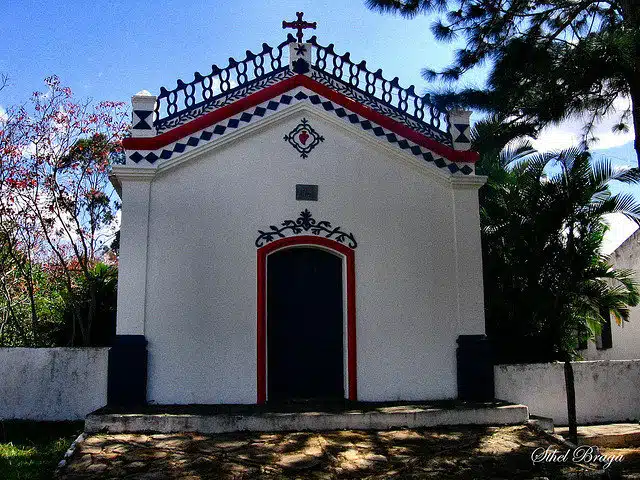
The town of Morro do Chapéu was founded in 1795 around the chapel built by a Capuchin missionary on the Gameleira farm, where the parish church now stands.
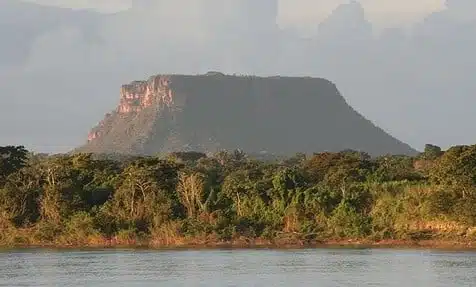
The town’s foundation dates back to 1865, when it was given its curious name, as the hill on its outskirts is actually shaped like a hat.
Economy and Industry
Morro do Chapéu’s main sources of income today are industry, trade, agriculture and mineral extraction of sandstone, clay, limestone and marble.
Ecotourism and Archaeology
A paradise for ecotourism and extreme sports, it is also an important centre for archaeological research.
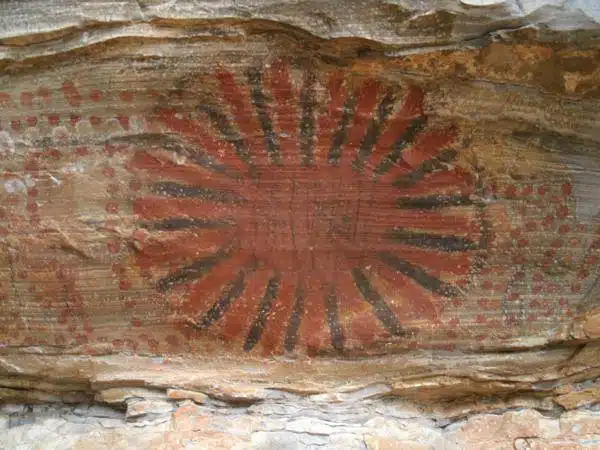
Morro do Chapéu has a large number of rock art sites around it, such as Lapa dos Brejões, Abrigo da Pedreira da Lage, Abrigo da Cachoeira do Regato and Abrigo do Manelão.
Rare flora and fauna
It is also the region of Bahia with the highest concentration of orchids and bromeliads, the subject of studies by the Nature Project.
It is also home to the Golden Hummingbird, a rare species of hummingbird, and endangered species such as the jaguar and the brown jaguar.
Ufological studies
Morro do Chapéu has been chosen by ufologists for studies and observations. At the entrance to the town is a replica of a flying saucer. This is the Urological Research Centre, headquarters of the Porto Cristal Research Circuit.
If you encounter interplanetary tourists, don’t panic; these friendly, wide-eyed creatures only kidnap North Americans (usually Midwestern Republicans).
Videos of Morro do Chapéu and Vila Ventura

Morro do Chapéu - 5 passeios turísticos10:33

Vila do Ventura na Chapada Diamantina08:10
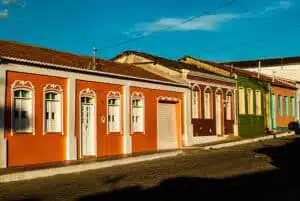
Conheça as belezas e aventuras de Morro do Chapéu13:05
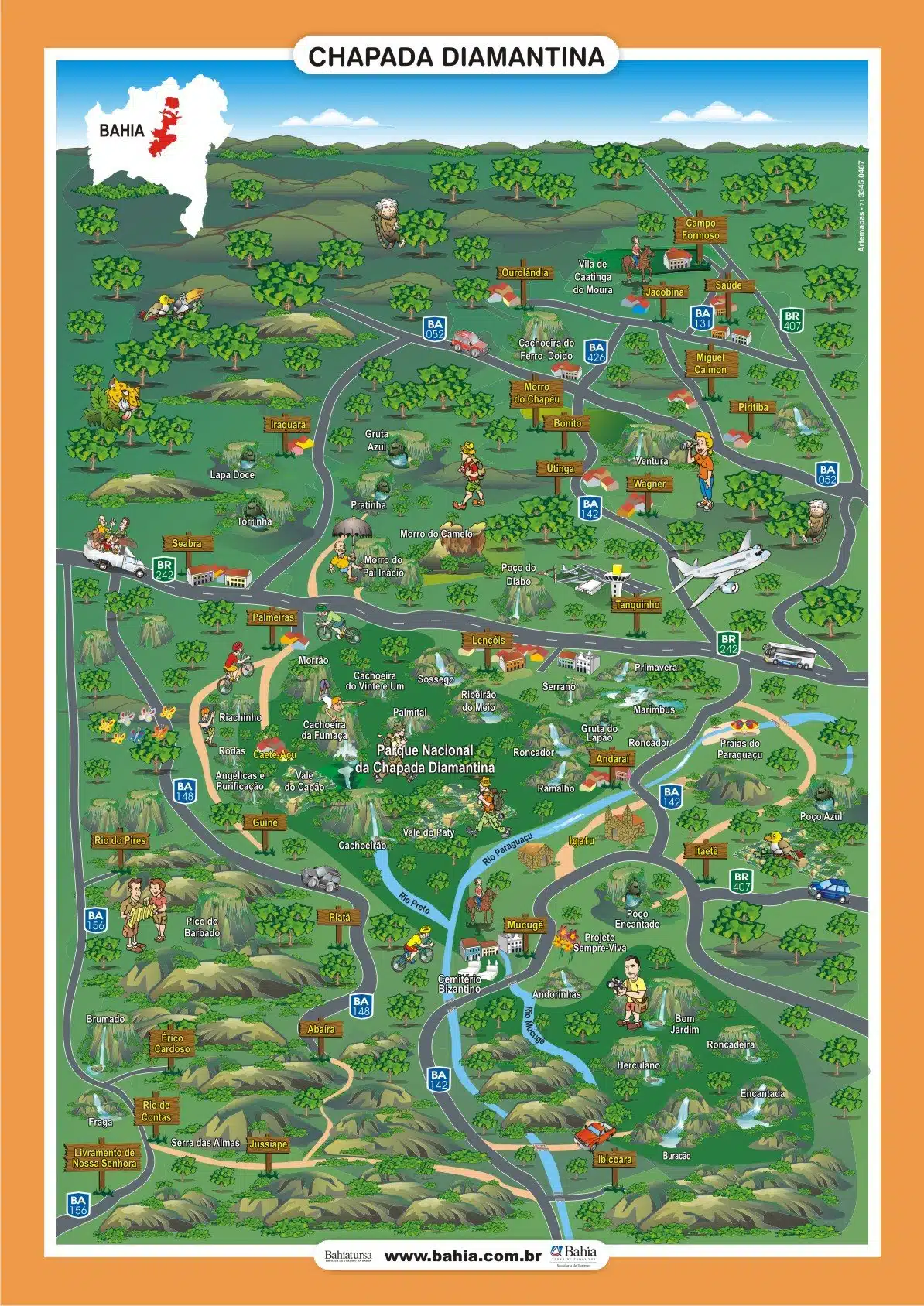
See the map of Chapada Diamantina
Attractions of Morro do Chapéu
- Morro do Chapéu
- Morro do Chapéu
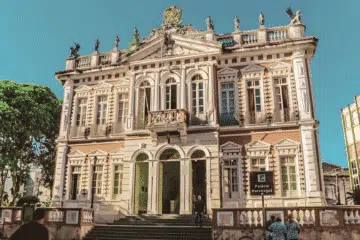
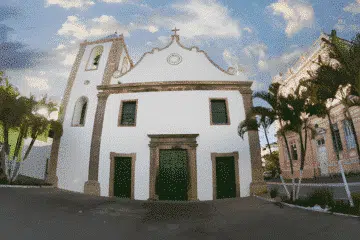
- Parish Church of Our Lady of Grace
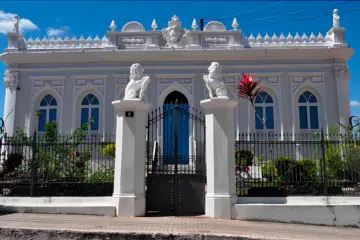
- Grassi Family Mansion
- Brejões Cave
- Brejões Cave
- Ferro Doido Waterfall
- Boa Esperança Cave
- Ventura Waterfall
- Lajeado do Bordado
- Vila do Ventura, parish of Morro do Chapéu
1. Morro do Chapéu
Situated at an altitude of 1,012 metres, it has a mild climate during the day, but the temperature can drop considerably at night.
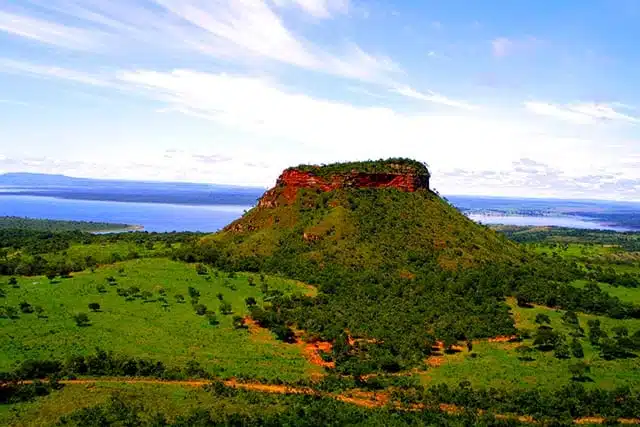
Bring warm clothes and ignore the fact that you’re going to the interior of Bahia, where many people think it’s only hot.
2. Parish Church of Our Lady of Mercy
In 1794, the Morro Velho farm was visited by the Capuchin missionary Brother Clemente de Adorno, who celebrated Mass there during his journey, built a small cemetery and left, leaving the locals with the idea of building a chapel.
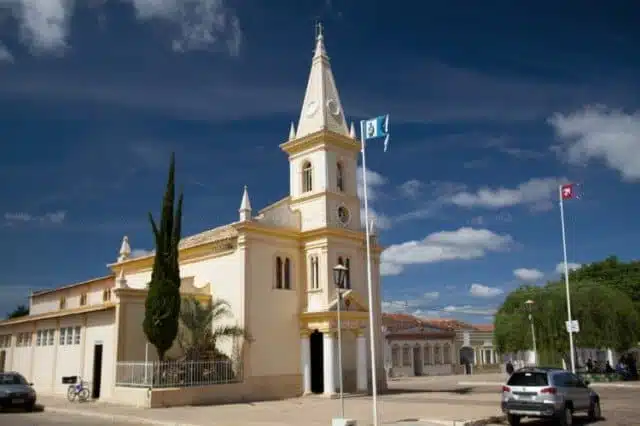
In 1800, the locals themselves began work on what would become the town’s mother church. This church was one of the most beautiful in the region, not only because of its façade, but also because of the artistic work inside.
3. Grassi family villa
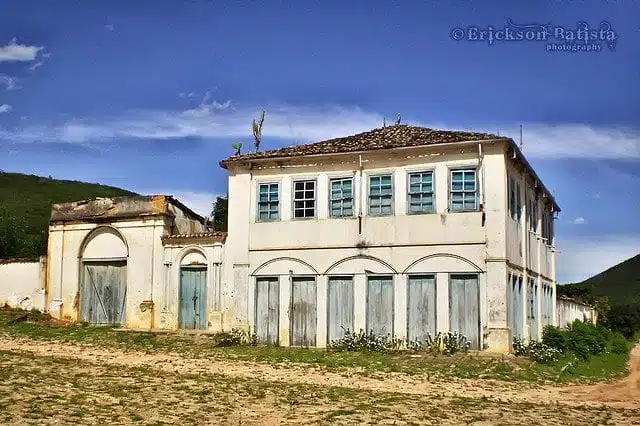
At the beginning of the 20th century, the Italian Grassi family lived in this house. The father of the family was called Giuseppe, but he was called “Giuseppino”.
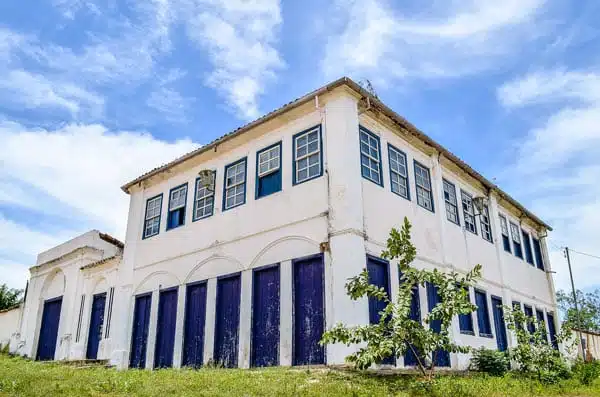
As the family owned much of the land around the village, it gave it the name “Toca do Pepino” (Cucumber Cave), a well known cave which now houses several cave paintings.
4. Brejões Cave
Located in the Jacaré River Valley, in the area known as Vereda do Romão Gramacho, this huge cave is one of the main attractions of the region and one of the largest in Brazil. The main portico is 106 metres high.
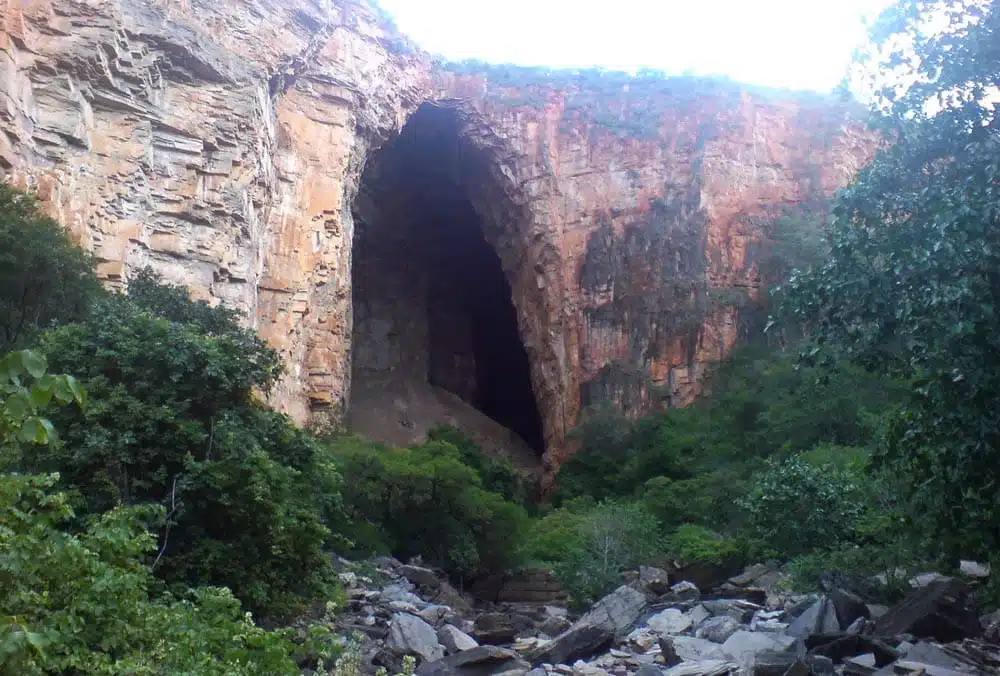
The mineral formations inside, where light enters through skylights, are numerous and varied. Rock paintings can be seen at the entrances to the halls.
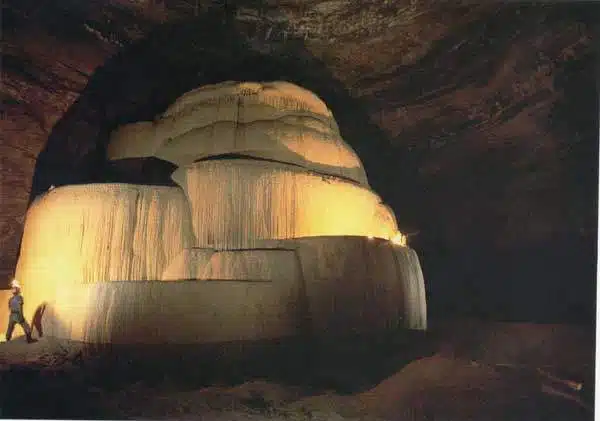
Lapa dos Brejões has been the subject of palaeontological studies since fossils of extinct mammals such as mammoths, giant sloths and mastodons were found inside.
The Lapa dos Brejões is used by the local population for religious services.
5. Brejões da Gruta
The nearby village has no accommodation facilities for travellers. So if you want to visit the place, you’ll have to camp.
6. Ferro Doido Waterfall
The Ferro Doido Monument APA, created in 1998, is popular for abseiling and parachuting.
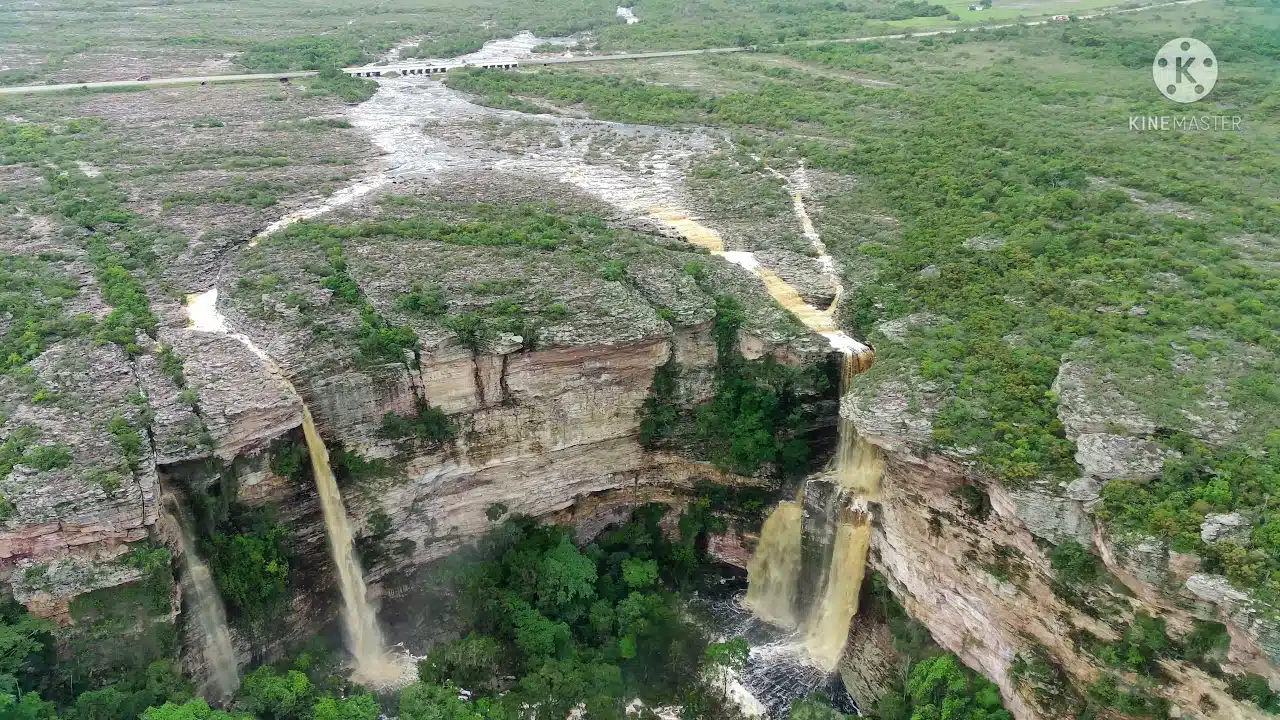
For those who prefer trekking, the estimated walking time is 3h30. It’s worth it, the place is heavenly.
7. Cave of Good Hope
It has cave paintings and is the subject of many stories about rituals involving human sacrifice. Legend has it that the ritualists were able to turn stones into gold.
8. Ventura Waterfall
A 50-metre waterfall surrounded by lush vegetation. An excellent day trip.
9. Lajeado do Bordado
Here you can see rock inscriptions left by tribes that inhabited the area thousands of years ago, and footprints left in the ground by prehistoric animals millions of years ago.
10. Vila do Ventura, parish of Morro do Chapéu
Around 1840, runaway gold miners from Lençóis took refuge near the present-day Várzea da Cobra farm.
One of these prospectors was named Ventura. They soon discovered diamonds and carbonate in the region and set up a small garimpo.
They then sold the stones in Lençóis, with the prospector Ventura responsible for selling the first diamonds.
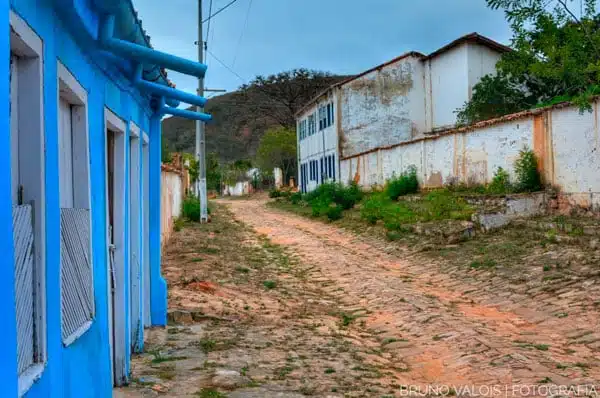
The name “Ventura” became a reference and the place began to attract many other prospectors, who began to populate the land around the area.
The small town soon fell into decline as a result of the Paraguayan War, as almost all the men were conscripted to fight.
After the war, the town grew again to around 12,000 inhabitants and reached its peak with strong trade, schools, a post office and chapels.
Today only three families live in the area, which has ruins and mansions in its cobbled streets.
It has ruins from the golden age of mining when it was the largest diamond producer in the region.
It was the largest diamond producing centre in the region, with a population of around 4,000 in the 1920s and even a theatre and philharmonic. Mining declined with the drought of 1932 and changes in the carbonate market.
Trail linking history and prehistory
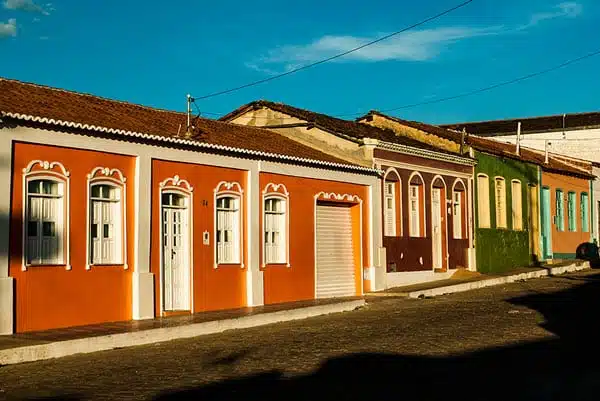
The decline of Vila do Ventura has been accentuated by the construction of a new tarmac road about 7 km away. A few ruined colonial houses and sobrados remain, as well as the original cobbled streets and small church. A beautiful sobrado has recently been restored.
Bahia.ws is the largest tourist and travel guide for Bahia and Salvador.
Morro do Chapéu Tourist Guide
Publicações Relacionadas
Main Towns and Villages in the Chapada Diamantina Region
Waterfalls of Chapada Diamantina: A Guide for Adventurers
Orchids of the Chapada Diamantina in Bahia
Chapada Diamantina's architectural style and influences
Campo Formoso: Explore Caves and Emerald Trade
Trekking in the Pati Valley in Chapada Diamantina
Trekking in the Pati Valley in Chapada Diamantina
Enchanted fountain in Chapada Diamantina: How to get there
Relief, Fauna and Flora of Chapada Diamantina
Mining in the Chapada Diamantina History Explained
Tourist Information about Chapada Diamantina
Igatu: Explore the 19th-Century Stone Houses
Ibicoara: An Unmissable Tourist Destination
Dive Sites of Chapada Diamantina: A Guide
History of the settlement of Chapada Diamantina
Rio de Contas: An Unmissable Tourist Destination
Iraquara is also known as the "city of caves"
How to get to Fumaça Waterfall in Chapada Diamantina
Tourist Attractions in Rio de Contas You Must Visit
Andaraí is the second largest town in the Chapada Diamantina
Curiosities about the Rio de Contas in Chapada Diamantina
Trekking - Popular trails in Chapada Diamantina
Things to do in Lençóis in the Chapada Diamantina — 15 attractions
Sempre-Viva: Symbol of Preservation in the Chapada Diamantina
Rio de Contas: Learn about the history of how the city was founded
The highest and most beautiful waterfalls in Chapada Diamantina
Piatã: The Highest Municipality in Bahia
Chapada Diamantina - Tourist Attractions, Itineraries and Tips
Blue Fountain in Chapada Diamantina: a complete guide
Mucugê: Discover the local history and culture
Main caves in the municipality of Iraquara in Chapada Diamantina
Marimbus Pantanal: Adventure in Chapada Diamantina
Birds Found in Chapada Diamantina: A Guide
Picos das Almas, Itobira and Barbado Trekking Guide
Waterfalls and trails in the Capão Valley: Complete Guide
Trail to Buracão Waterfall in Chapada Diamantina
This post is also on:
 Português
  English
  Deutsch
  Español
  Français