Introduction
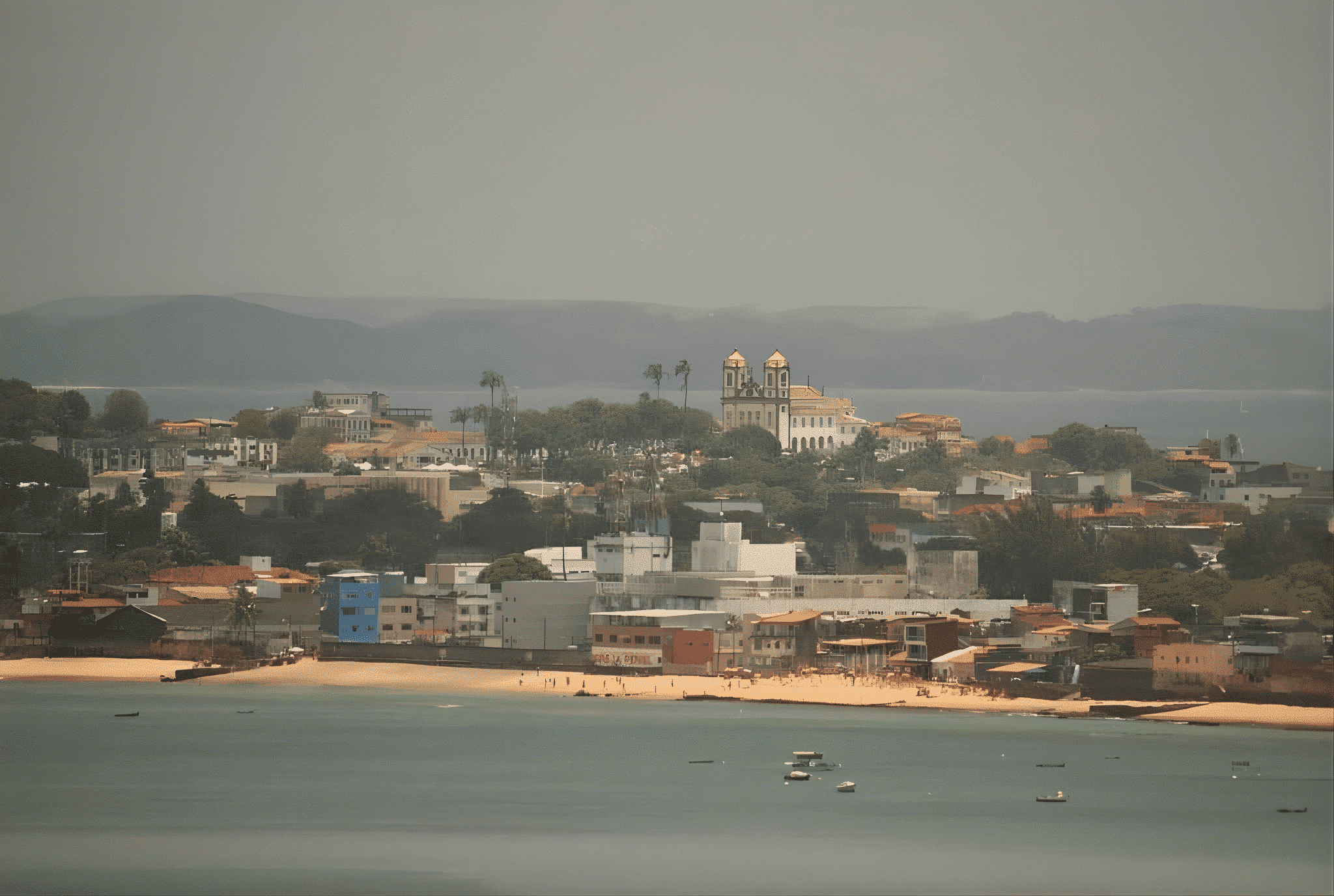
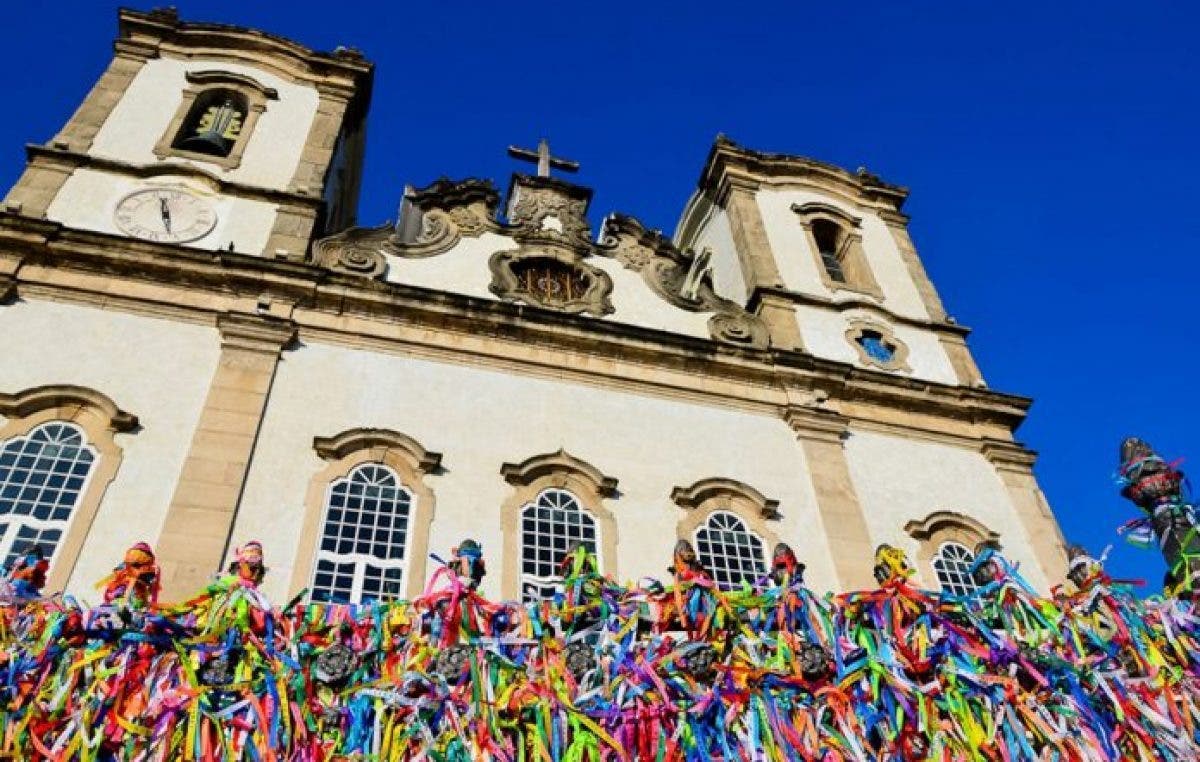
The Church of Nosso Senhor do Bonfim isn’t the prettiest, but it is certainly the most famous in Salvador due to the traditional “Lavagem do Bonfim”, a celebration marked by Baianas throwing water on the steps of the church during a festival that lasts all day, enlivened by afoxé bands.
Dorival Caymmi sang, in one of his songs, “A igreja Senhor do Bonfim”, that Salvador has 365 churches, so that the people of Bahia can celebrate their faith in a different church every day of the year.

Churches of Salvador — faith and art
No one knows for certain whether this is actually the number of Catholic churches in the capital of Bahia, and some say there are even more.
One thing is certain: the Catholic churches built here since the city’s foundation hold stories as well as relics. It is these churches that transport visitors to a past where faith and art stood side by side at the same altar.
The churches of Salvador feature a variety of architectural styles, ranging from Baroque to Neoclassical. They were built using a wide variety of materials, from Lioz stone to gold. Some still retain panels and ceilings painted in oil, tiles from Portugal and sacred images that are works of art.
Details that make the churches of Salvador much more than mere places of worship: they are monuments of inestimable artistic value.

Video
Video – History of the Church of Nosso Senhor do Bonfim
História da Igreja de Nosso Senhor do Bonfim
The history of the construction of Bonfim Church
Originating in Setúbal (17th century)
The Chapel of Senhor do Bonfim, located in Setúbal, Portugal, has a history dating back to the 17th century. The chapel, built in 1669 and initially known as “Guardian Angel”, came to be called Church of Senhor do Bonfim.
Devotion to Senhor do Bonfim gained momentum when King João V, standing before the image of Senhor do Bonfim, made vows for the recovery of his father, King Pedro II.
Theodózio Rodrigues de Faria and the arrival of the statue (1745–1754)
Theodózio Rodrigues de Faria, a naval captain and devout believer, vowed that, should he survive a storm, he would bring the statues of Senhor Jesus do Bonfim and Nossa Senhora da Guia to Brazil. On 18 April 1745, a replica was brought from Setúbal, marking the start of the church’s construction and the worship of Senhor do Bonfim and Nossa Senhora da Guia. The Brotherhood of Devotion to Senhor Bom Jesus do Bonfim was established, recognised by Archbishop Dom José Botelho de Matos.
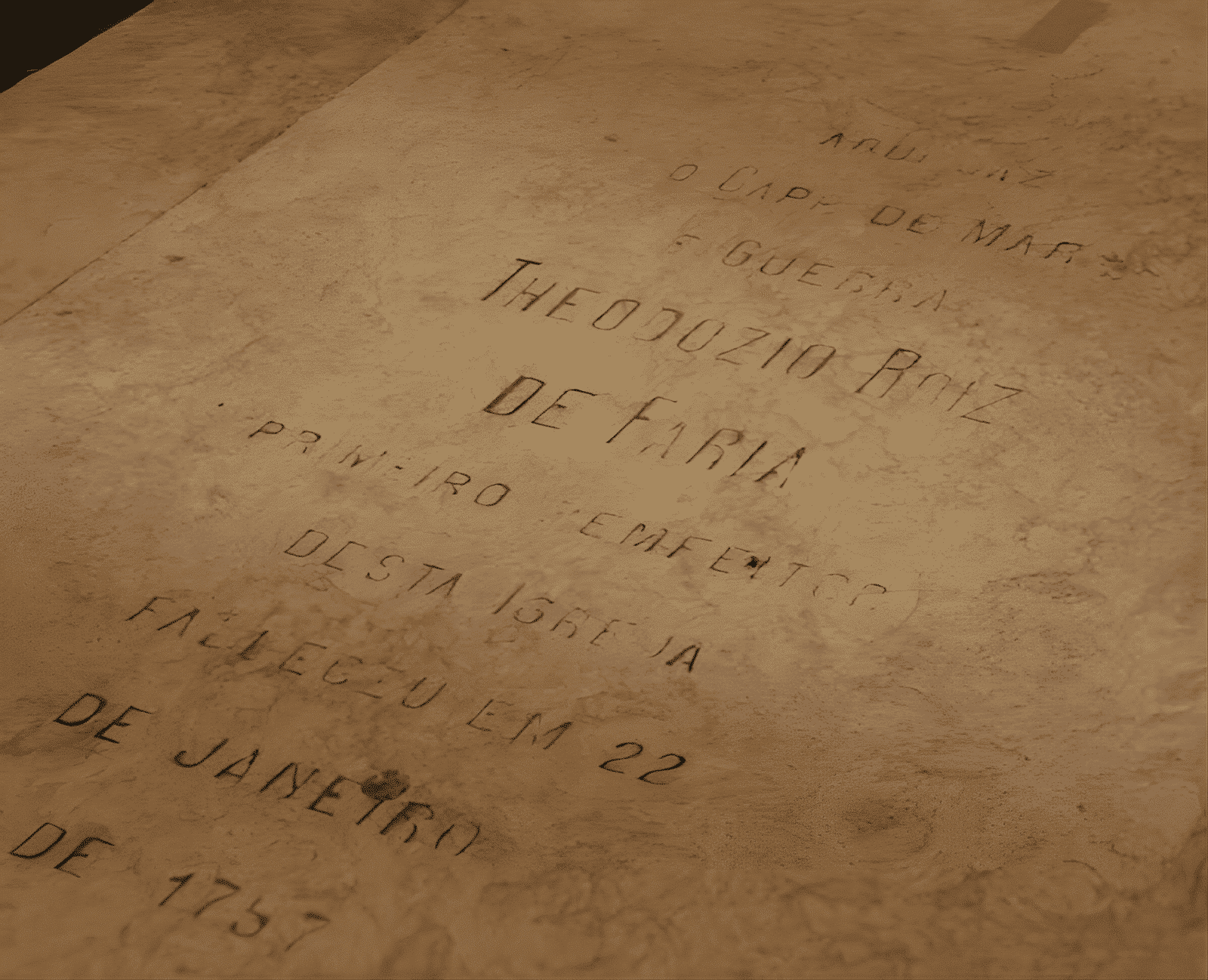
Work began in 1746 and, on 24 June 1754, following the completion of the interior work, the statue was carried in procession from the Capela da Penha to the Colina do Bonfim. The sixth Viceroy of Brazil attended the solemn mass.
In 1772 the building work was completed and, in 1773, the liturgical feast of Bonfim began to be celebrated on the second Sunday after Epiphany, as authorised by Archbishop Dom Sebastião Monteiro de Vide. That year saw the beginning of the tradition of washing the church, initially carried out inside by slaves in preparation for the festival.
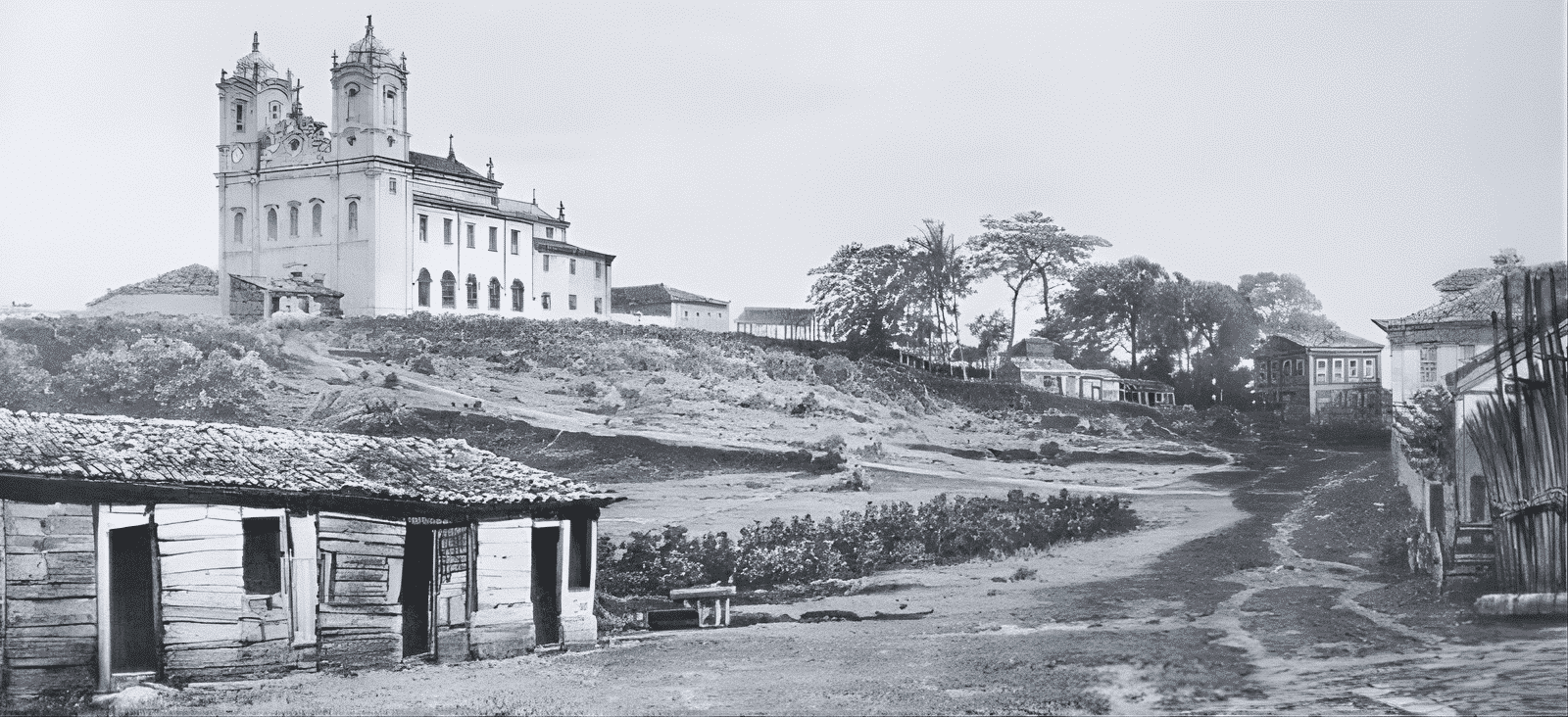
The Washing of Bonfim — the evolution of the ritual
Over time, the washing ceremony inside the church was banned and moved to the steps and the churchyard. The ritual “Lavagem do Bonfim” involves a procession of baianas who walk from the Church of Nossa Senhora da Conceição da Praia to the top of Bonfim, carrying scented water along a route of around eight kilometres.
Related festivities and traditions
The festival of Nossa Senhora da Guia first began to be celebrated on the Monday following the end of the Senhor do Bonfim festival, in 1792.
The famous ribbons of Senhor do Bonfim were introduced in 1809, when they were known as “medidas”, measuring 47 centimetres – the length of the right arm of the statue of Senhor do Bonfim.
In 1862, lighting was provided by carbon dioxide lamps, which replaced oil lamps.
Basilica, museum and papal visit (20th century)
The chapel was elevated to the status of Minor Basilica in 1927 by Pope Pius XI. In 1975, the Museum of Votive Offerings was established, where devotees leave objects as symbols of their faith. On 20 October 1991, Pope John Paul II visited the Basilica and presented the congregation with a gilded silver chalice.
Architecture and religious art
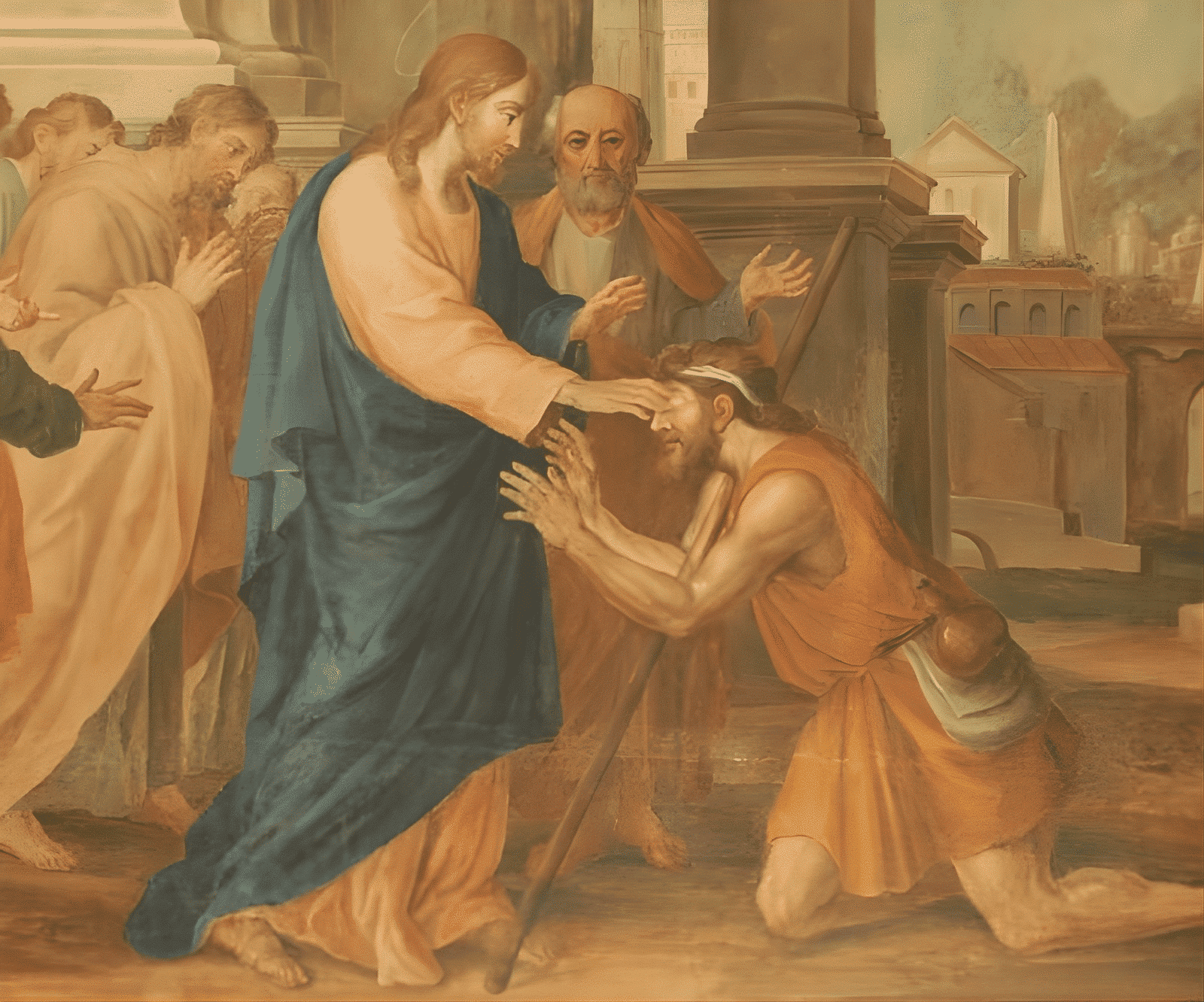
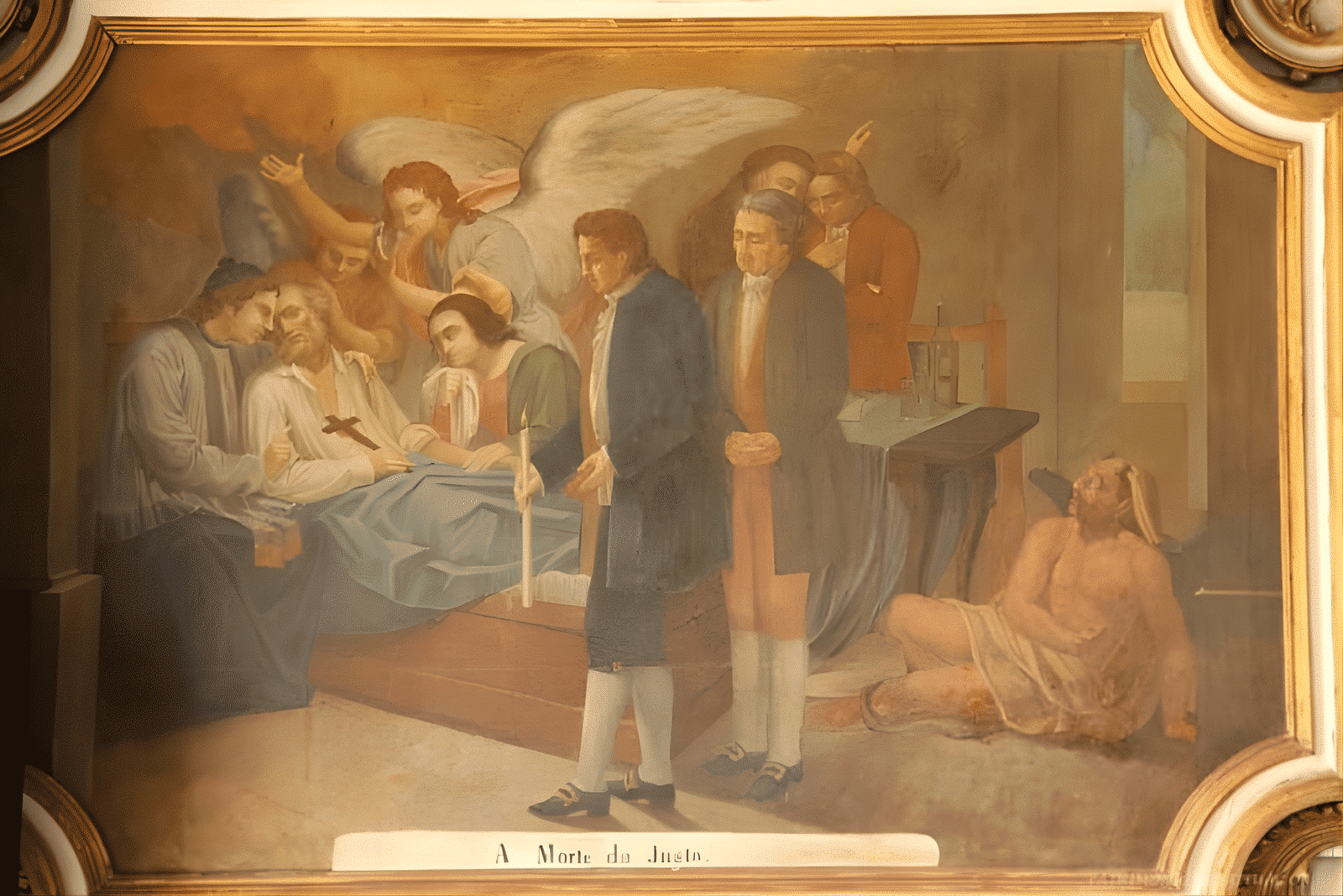
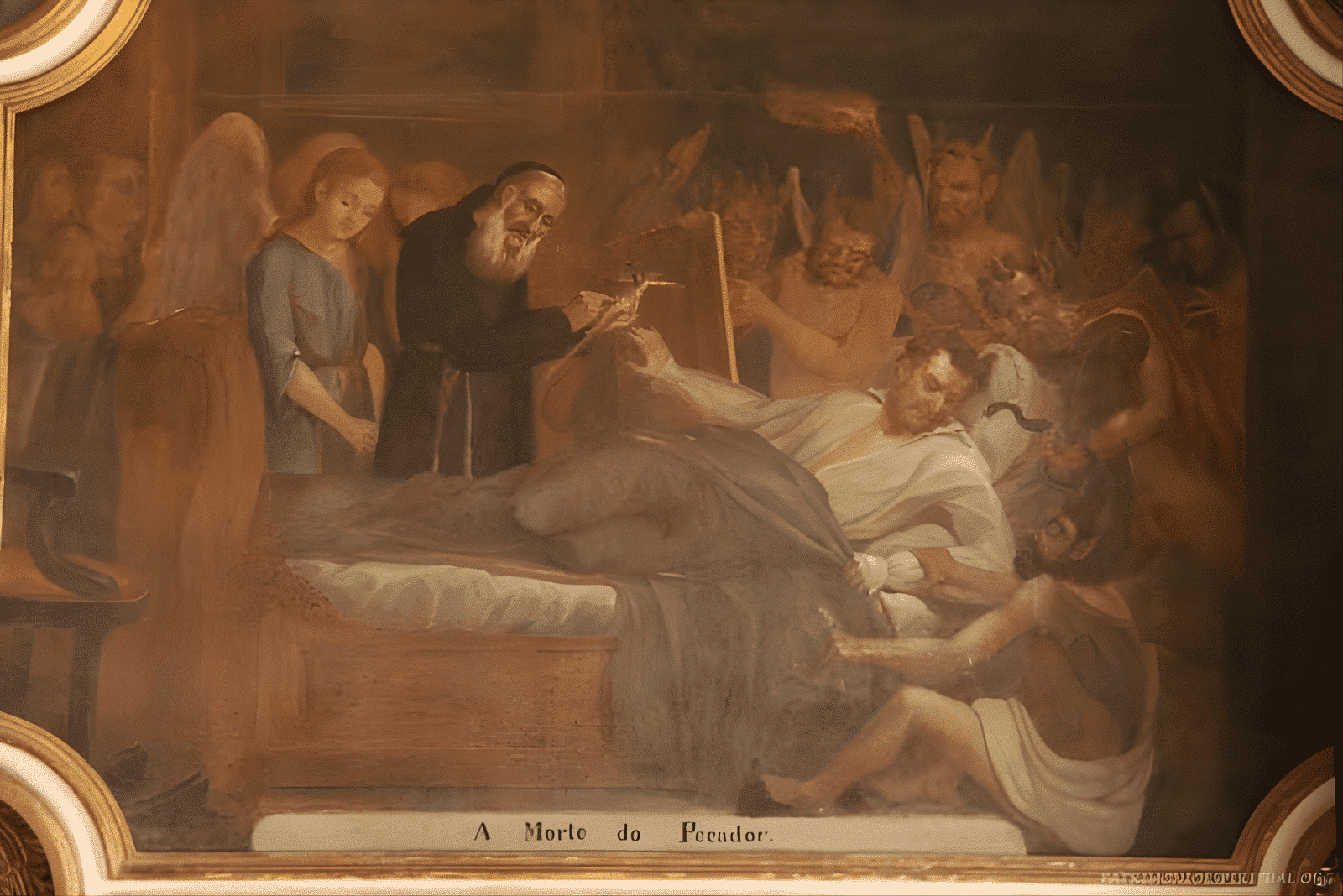
The church features Neoclassical architecture with a Rococo façade, modelled on 18th- and 19th-century Portuguese churches. Its frescoes and tiles make Senhor do Bonfim an icon of Bahian faith, attracting devotees, tourists and pilgrims from all over the world.
History of the Bonfim Festival
The Festa do Bonfim is a key event in the celebration of Bahian culture. According to IPHAN, it has been held without interruption since 1745, combining Catholicism with Afro-Brazilian tradition. Historians trace its origins to the Middle Ages, stemming from devotion to Senhor Bom Jesus.
The festival forms part of the liturgical calendar and the street festivals of Salvador, blending religious and cultural traditions. It begins the day after Three Kings’ Day and ends on the second Sunday after Epiphany — Dia do Senhor do Bonfim.
The procession sets off from the Church of Conceição da Praia in the Comércio district and ends at the Church of Senhor do Bonfim, where the washing of the steps on the Sacred Hill takes place. The Basilica, built in the 18th century, has been listed by IPHAN since 1938 and is recorded in the Book of Fine Arts.
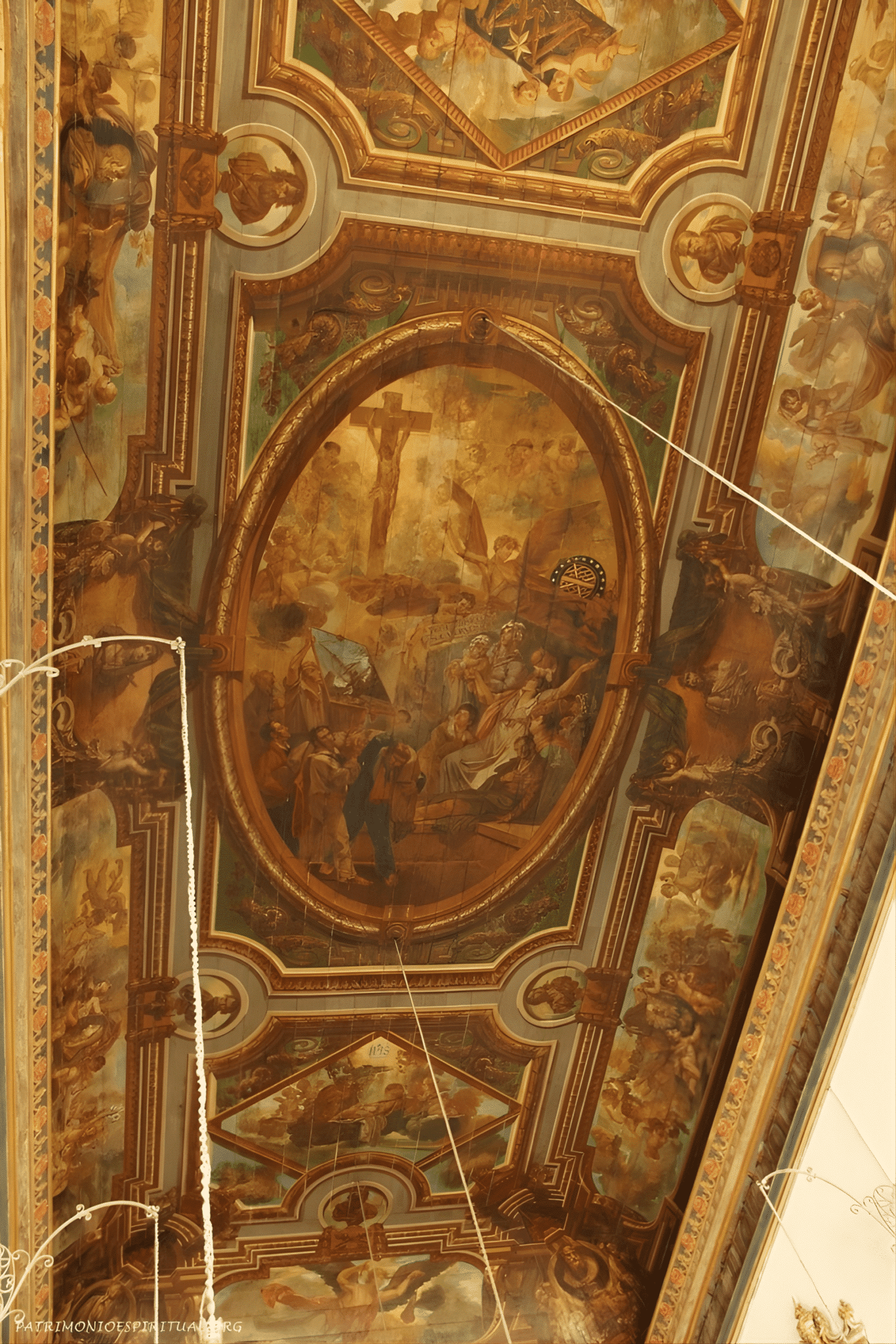
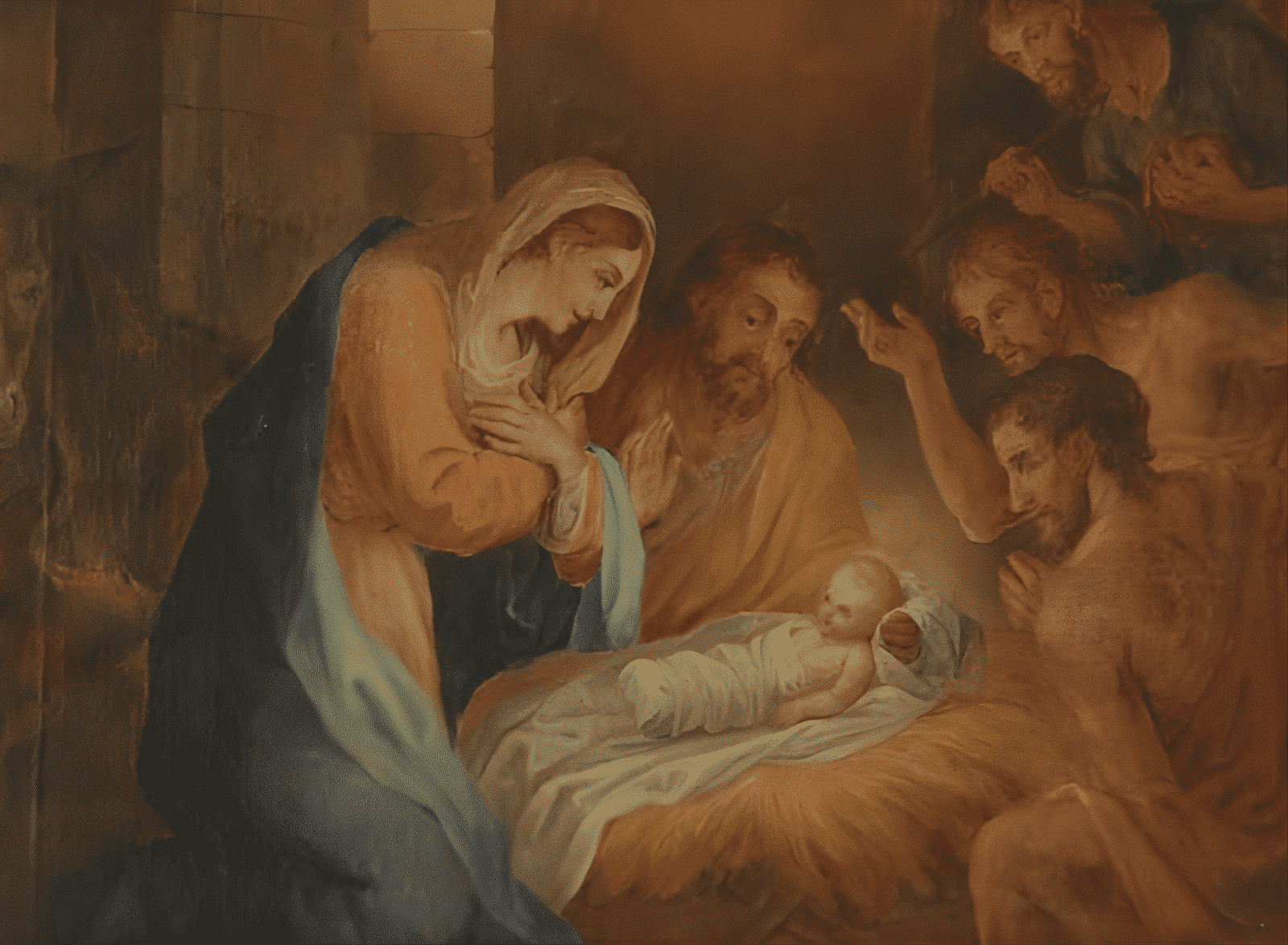
Photos of the interior of the Church of Nosso Senhor do Bonfim
About
Bahia.ws is the largest tourist guide for Bahia and Salvador.

Publicações Relacionadas
Tourist Guide to the Pantanal in Bahia — Jaguaripe (BA) | Mangroves, Fishing and Excursions
Ecotourism in Bahia: discover village of Santo André
Costa do Sauípe, Bahia: Resorts and Tourist Guide
Churches in Salvador (BA) — a guide: history, architecture and itinerary
Iguaí: A Guide to Waterfalls and Relaxation
History and sights of Avenida Contorno in Salvador BA
10 Interesting Facts About Rio de Contas That You Didn’t Know
Church of the Third Order of St Francis — History, Art and Baroque Architecture
Barra do Cahy: Brazil's first beach - history and nature
Church and Convent of Nossa Senhora da Palma in Salvador, Bahia
Tourist attractions for children in Salvador: Fun and learning
Todos os Santos Bay — Nature, History and Water-based Tourism
Mata de São João and Praia do Forte: A Complete Guide
Origin and History of Capoeira in Brazil Explained
Itaparica Island — Complete Guide: History, Beaches and Tips
Places to visit on the south coast of Bahia
Ventura Village: A Rich History of Diamonds
Campo Formoso: Explore Caves and Emerald Trade
Igatu: Explore the 19th-Century Stone Houses
Historic Towns in Bahia: A Journey Through Time
Camamu Bay — A Hidden Paradise in Bahia
A History of the Forts and Lighthouses of Salvador (Bahia)
Belmonte's Rich History and Cultural Heritage
Main Towns and Villages in the Chapada Diamantina Region
Mining in the Chapada Diamantina History Explained
Comandatuba Island: Resort and Family Adventure
History of the Founding of Salvador, Bahia - History of Brazil
History of the Church and Convent of São Francisco in Salvador
Jandaíra: Discover the charm of Mangue Seco
Paranaguá Palace — History, architecture and visiting information | Ilhéus (BA)
Juazeiro: Discover the Land of the Carrancas
What to do on Boipeba Island - Tourist Guide - videos
Barreiras: Where Carnival Meets Adventure Tourism
The Tamar Project and turtle conservation
Extreme Sports in Bahia: Adventure Awaits You
Santo Antônio da Barra Fort — history, Barra Lighthouse and the Nautical Museu
This post is also on:
 Português
  English
  Deutsch
  Español
  Français