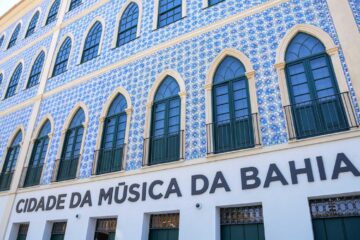
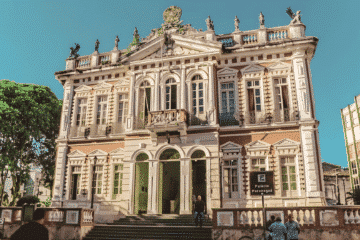
The town of Cachoeira is designated a National Monument
The town of Cachoeira, in Bahia, had its architectural ensemble listed by the National Institute of Historic and Artistic Heritage (IPHAN) in 1971, and was recognised as a National Monument.
Location and architecture
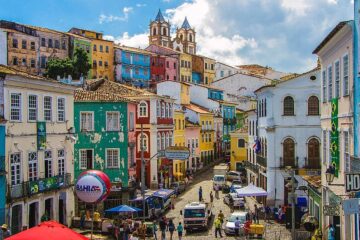
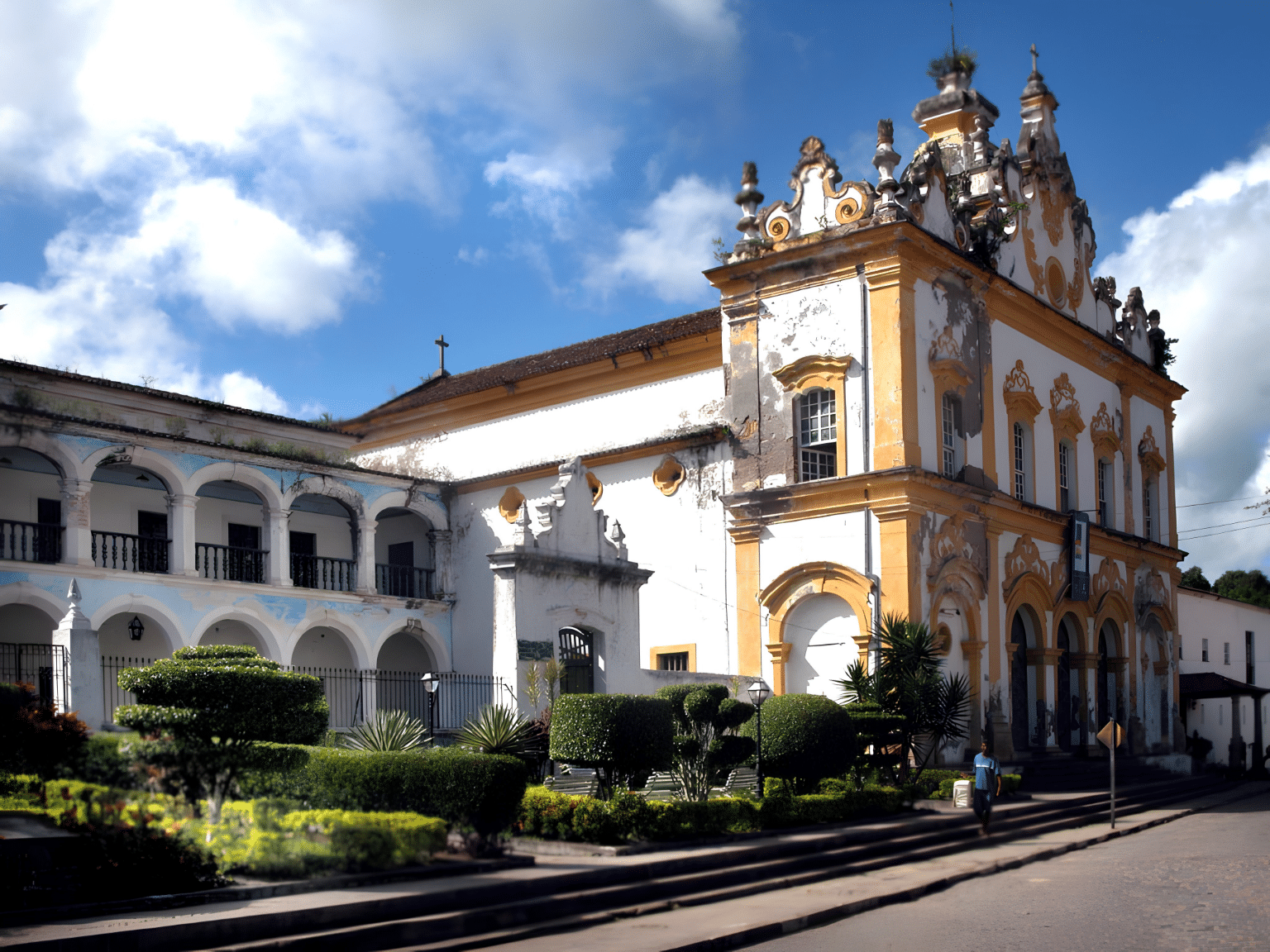
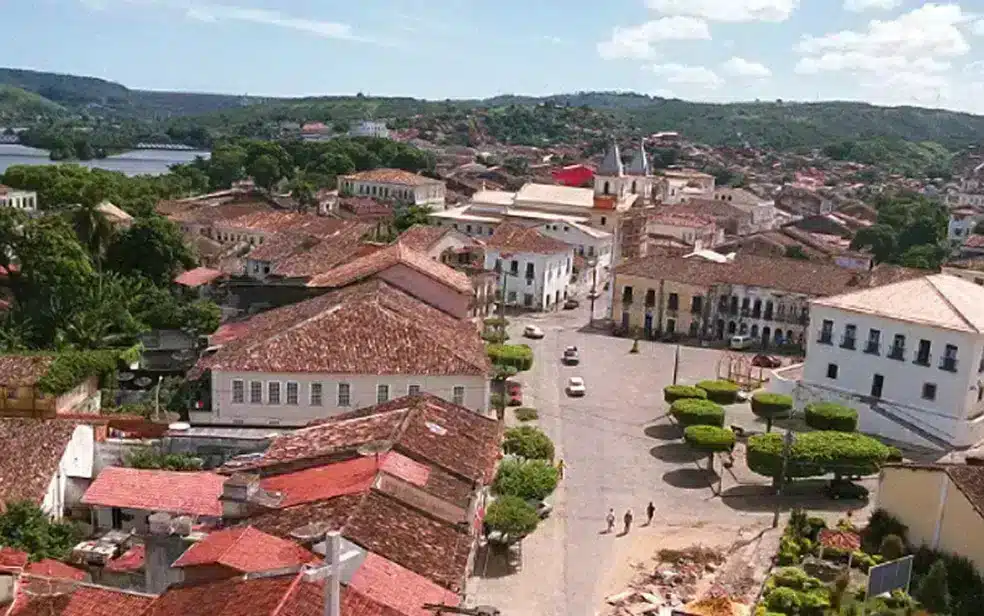
Situated in the Recôncavo Sul, some 100 km from Salvador, Cachoeira boasts one of the most significant collections of Baroque architecture, featuring neoclassical elements. The listed urban complex comprises numerous historic buildings that form part of the town’s cultural landscape.
A wealth of history
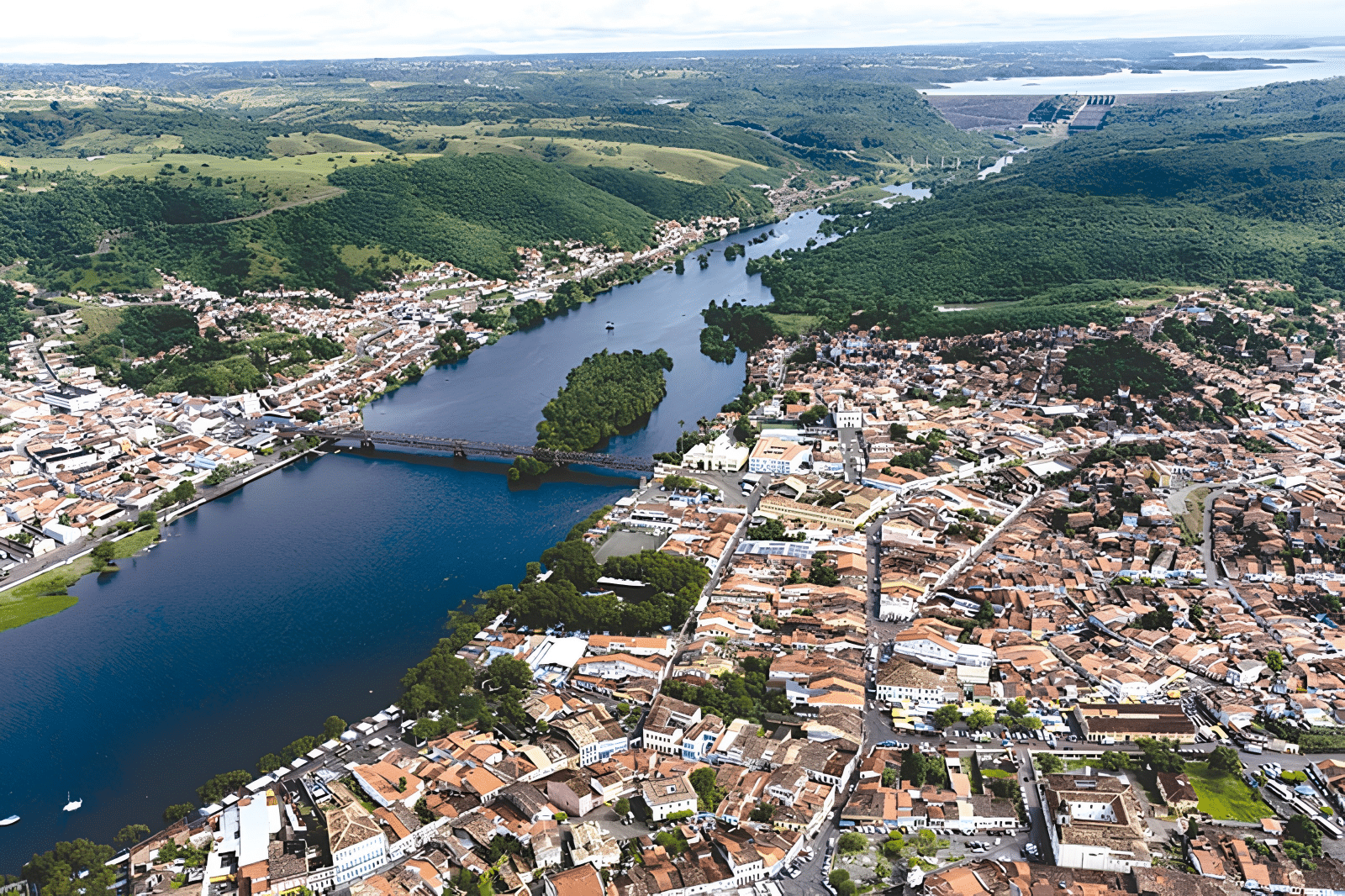
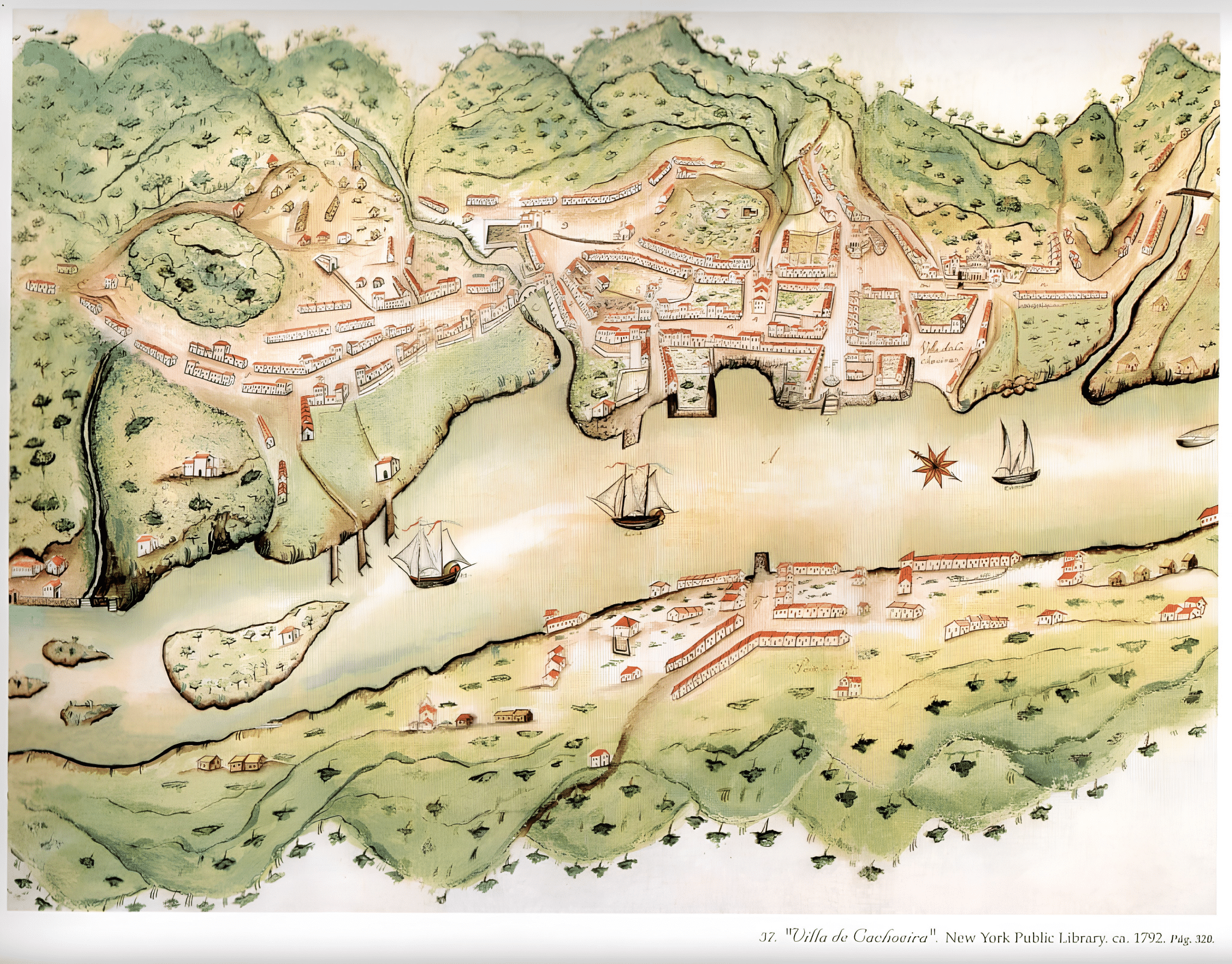
In the 18th and 19th centuries, the economy based on sugar cane and tobacco brought wealth and prestige to Cachoeira, as reflected in the elegance of its townhouses, churches and other urban buildings.
Role in the War of Independence
Cachoeira was one of the centres of resistance during the War of Independence in Bahia, where battalions were organised to fight the Portuguese troops. Notable local historical figures include Maria Quitéria and Ana Néri (1814–1880), who was born in Cachoeira and is recognised as a pioneer of nursing in Brazil.

Economic importance
The cigar industry played a central role in the regional economy. From the second half of the 19th century onwards, factories on the opposite bank of the Paraguaçu River (now São Félix) produced high-quality cigars and related products. With the decline of the sugar industry, the city diversified its agricultural production; there is still production geared towards export in the region.
Architectural heritage and conservation
The 1971 listing protects the architectural complex dating from the 18th and 19th centuries, in the Baroque and Neoclassical styles. Part of the heritage site has been restored at various times, but many buildings still face conservation issues and require ongoing investment.

Infrastructure and access
The Dom Pedro II Bridge, which links Cachoeira to São Félix across the Paraguaçu River, is a historic metal structure whose components were imported from England. The bridge was opened in the 19th century and has undergone refurbishment over the years; caution is advised when crossing it.
Culture and tourism
Cachoeira is known for its large number of Candomblé temples and for its religious festivals and June festivals, which feature masses, processions, cultural performances, traditional food and samba-de-roda. During the festivals, the town welcomes many visitors, and local residents often rent out rooms in their homes.
The Tourist Information Centre (near the Matriz Church, Rua Ana Néri) is a useful place to go for advice on accommodation and itineraries. You can get there by car or bus from Salvador; there are also day trips that include Santo Amaro, Cachoeira and São Félix.
Cachoeira no Recôncavo Baiano11:27
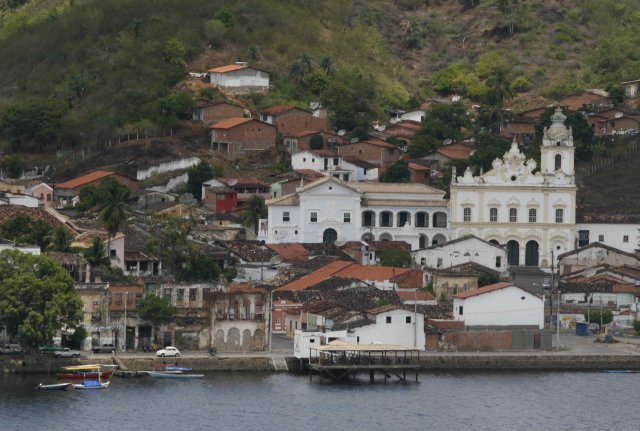
Cachoeira BA - Pontos Turísticos10:32
Cidade de Cachoeira BA - Drone03:48
Cidade Histórica de Cachoeira (BA)02:14
Tourist Attractions and the History of Cachoeira (list)
- Hansen-Bahia Museum
- Our Lady of the Rosary Parish Church
- Confraternity of Our Lady of the Good Death
- Santa Casa de Misericórdia and the Chapel of Santa Bárbara
- Town Hall and Prison
- Imperial Fountain
- Ajuda Church
- Church of the Third Order of St Carmel
- House of Prayer of the Third Order of St Carmel
- Carmo Convent
- Dannemann Cigar Factory
- Hansen-Bahia House
1. Hansen-Bahia Museum
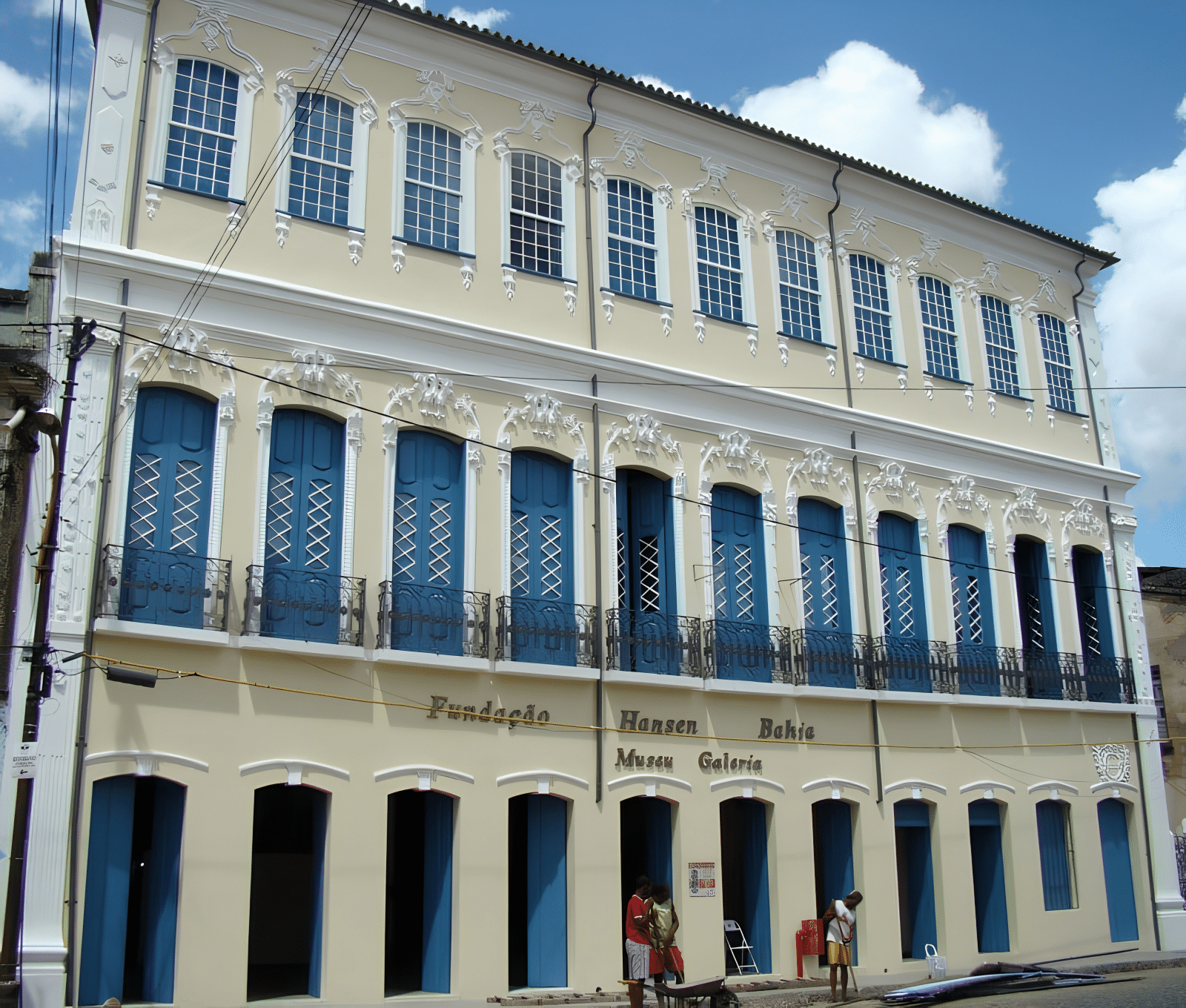
Karl Heinz Hansen (1915–1978), born in Hamburg (Germany), began his artistic career in Sweden and moved to Brazil in 1950, working initially in São Paulo. Enthusiastic about Bahian culture, he settled in São Félix (BA) and began signing his work as Hansen‑Bahia.
A versatile artist, he worked in painting, illustration, printmaking (including woodcut), sculpture, film and poetry. His works have been exhibited in major museums and galleries in Brazil and abroad.
In 1967 he published the album of prints Via Crucis do Alemão e Brasileiro, with text by Jorge Amado, dedicated to the ialorixá Mãe Senhora (Ylê Axé Opô Afonjá).
Works by Hansen-Bahia are held in leading national and international collections and institutions.
2. Our Lady of the Rosary Parish Church
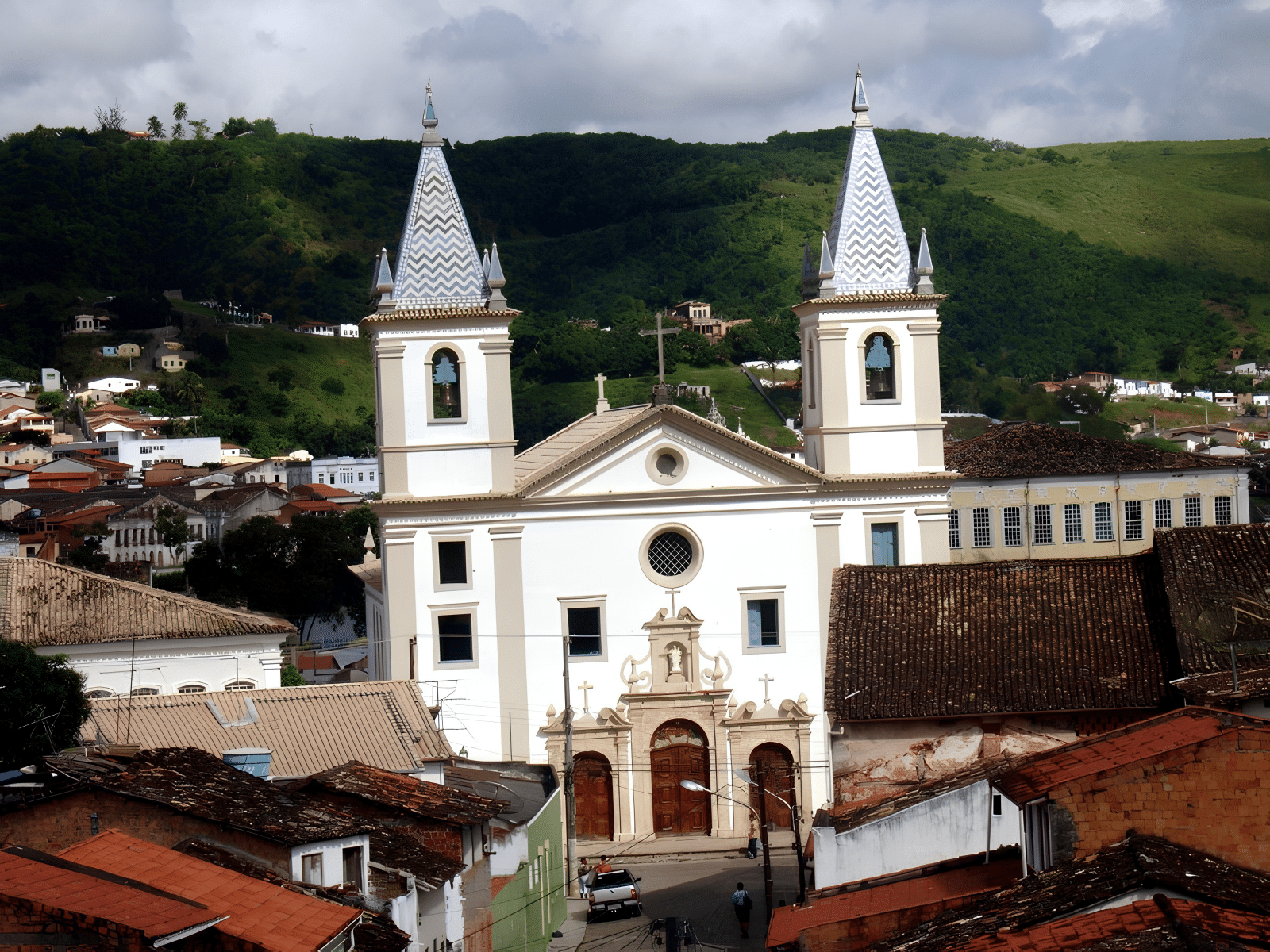
This 17th-century church, a listed and restored building, is notable for its façade clad in lioz and for the panels of Portuguese tiles covering its walls, which are amongst the largest in the country. The church houses the Museu das Alfaias, which contains religious statues, gold and silver artefacts, and liturgical vestments.
3. Brotherhood of Our Lady of the Good Death
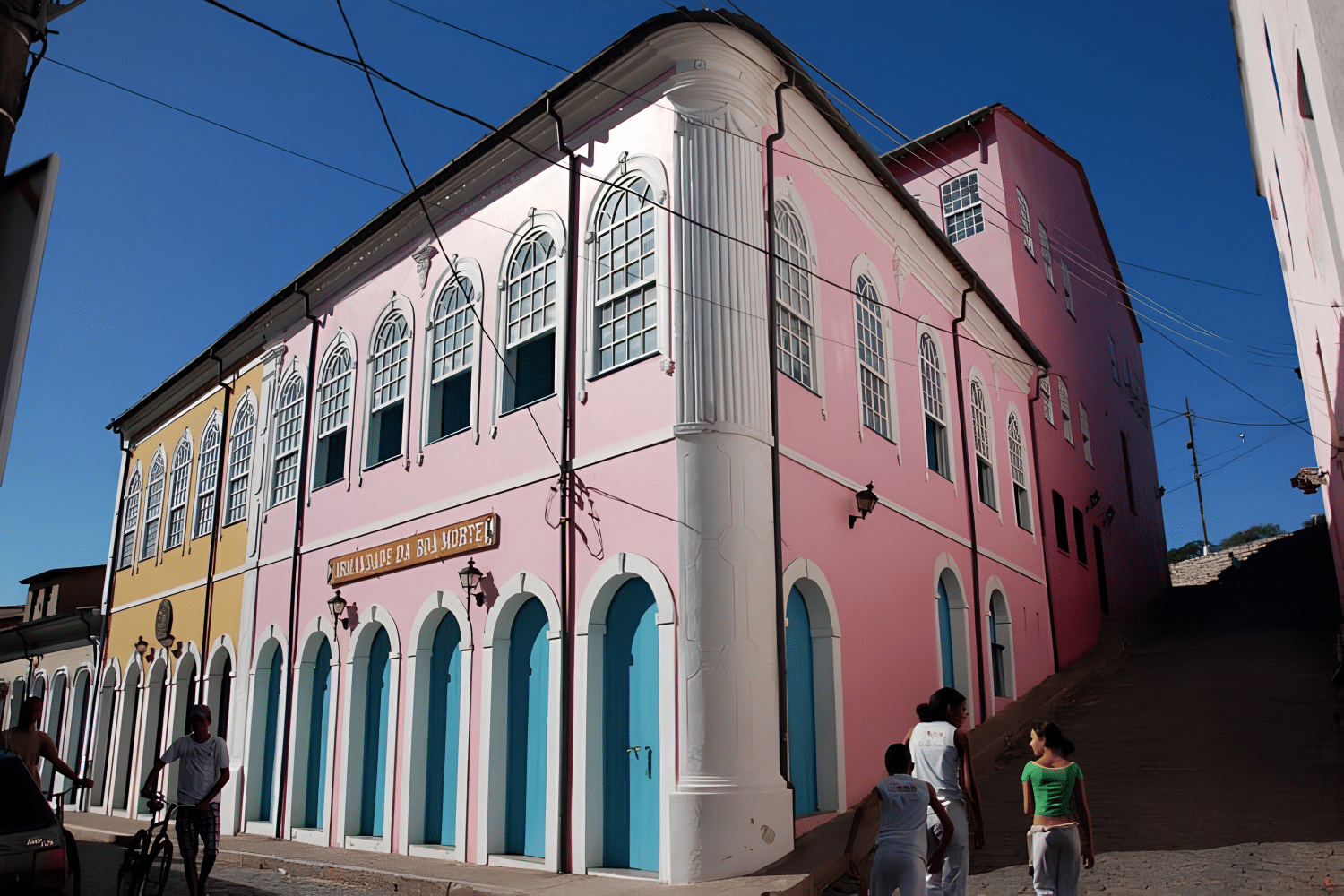
A sisterhood founded by Black women, many of whom were slaves, who formed an Afro-Catholic brotherhood to venerate Our Lady of the Good Death, associated with syncretism involving the orixás. To join the sisterhood, women are usually affiliated with a Candomblé house (Jeje/Gêge, Ketu or Nagô/Batá).
The headquarters features a chapel and a memorial displaying photographs, liturgical objects and an image of the patron saint; the festival is traditionally held in August.
4. Santa Casa de Misericórdia and the Chapel of Santa Bárbara
A Baroque-style building, dating from 1734, which houses the chapel of Santa Bárbara, with a Rococo-style altar and richly carved decorative elements.
5. Town Hall and Prison
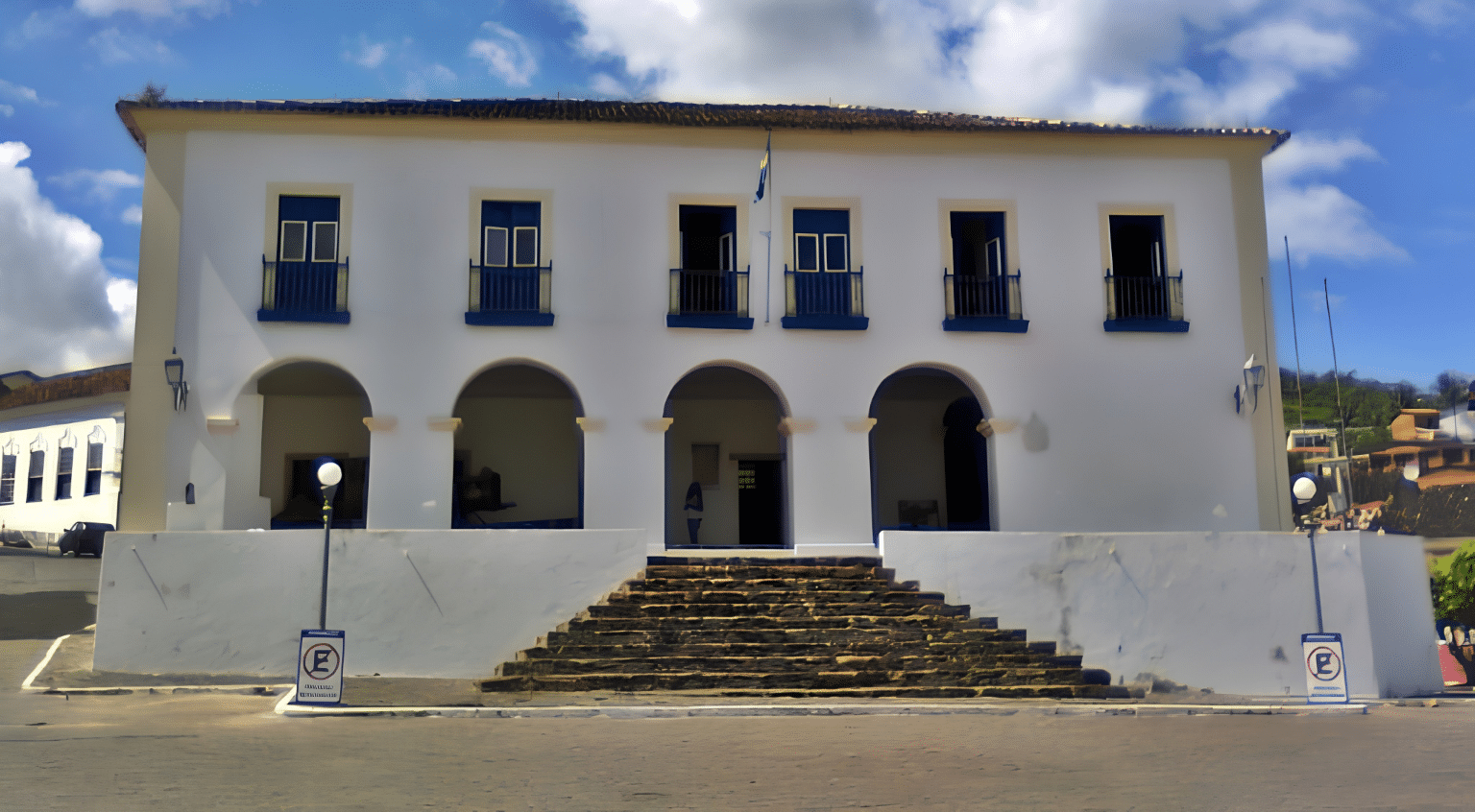
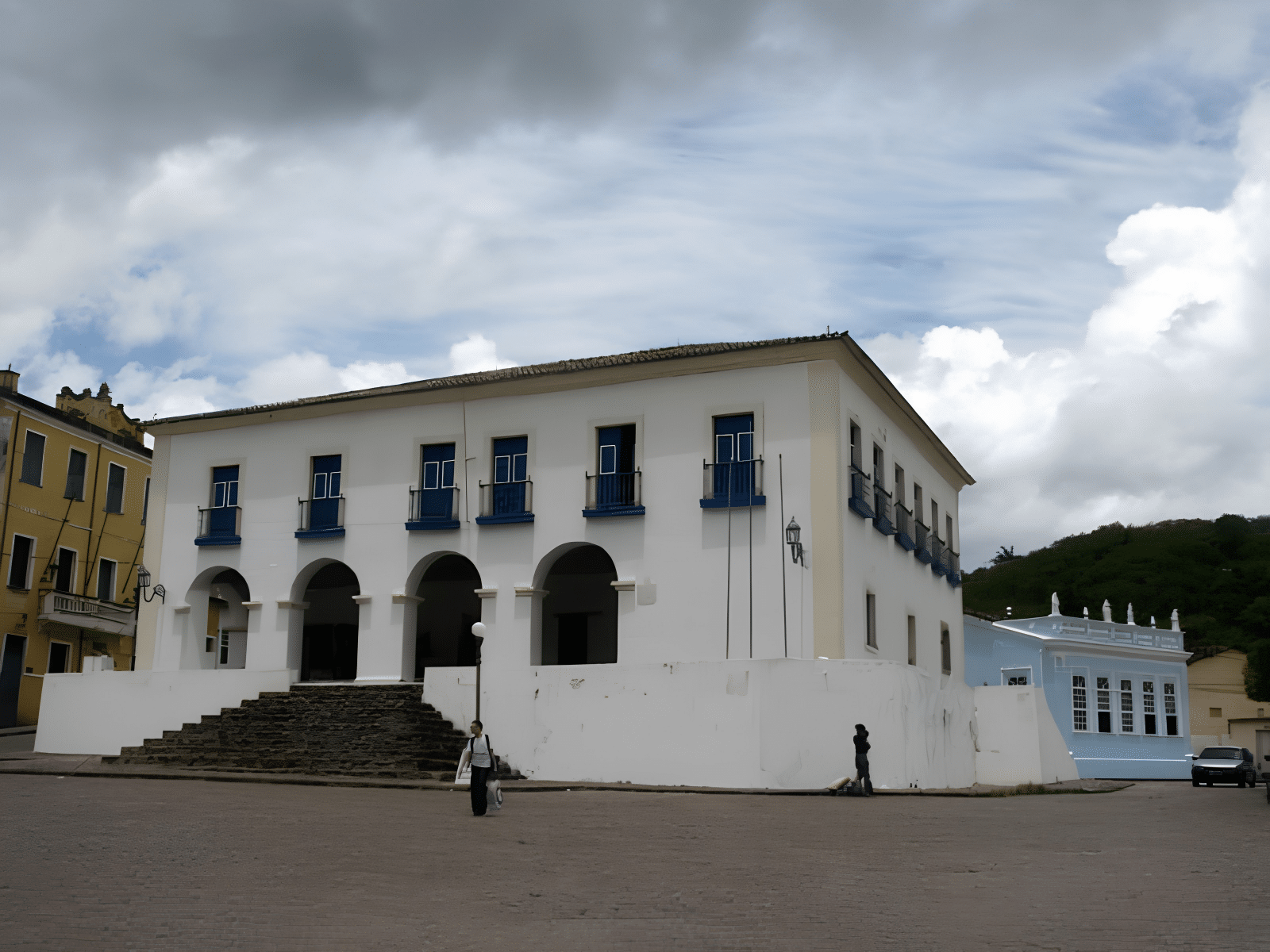
A building dating from 1698, which has been restored and now houses the Town Hall.
6. Imperial Fountain
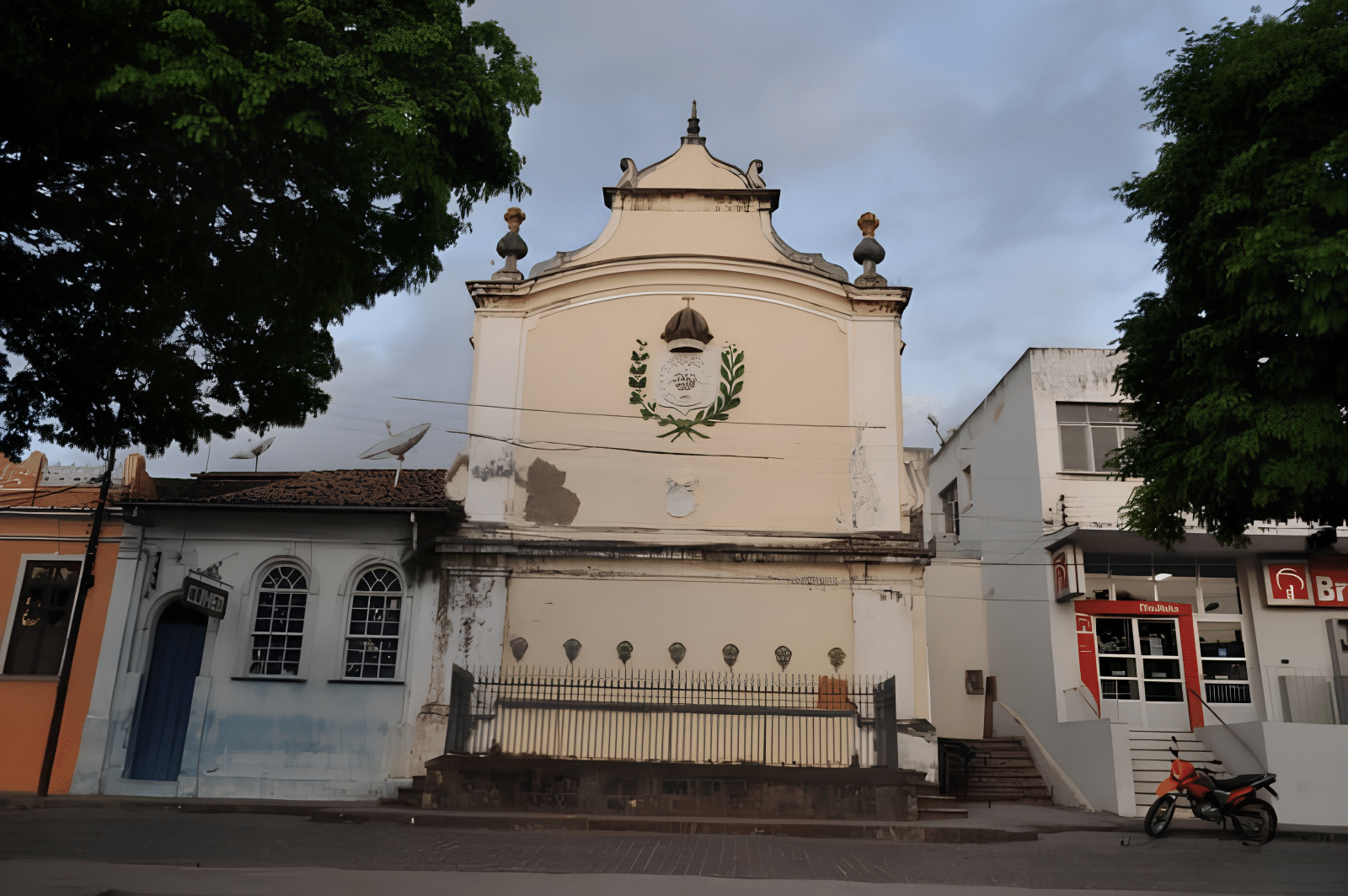
Built in 1827 to supply the town with water, the fountain displays features of the Neoclassical style and is adorned with seven gargoyles and the coat of arms of the Empire.
7. Ajuda Church
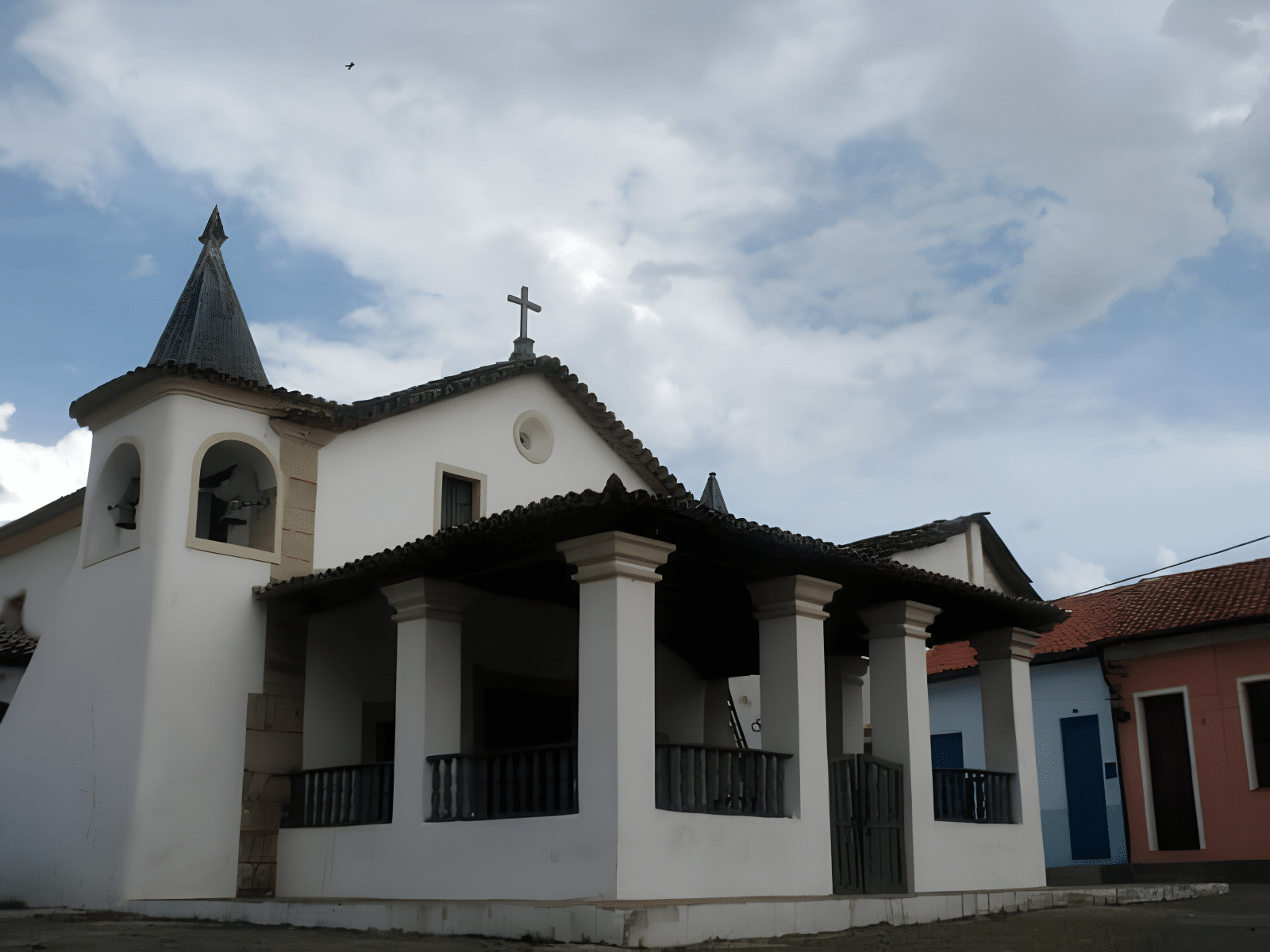
Also known as the Church of Boa Morte, it is considered to be the first church in Cachoeira. It originated as a small chapel dedicated to Our Lady of the Rosary (1595–1606) and was extended in 1637, when it was elevated to the status of parish church. Of particular note is the early painting on the dome, executed in tempera on mortar.
8. Church of the Third Order of St Carmel
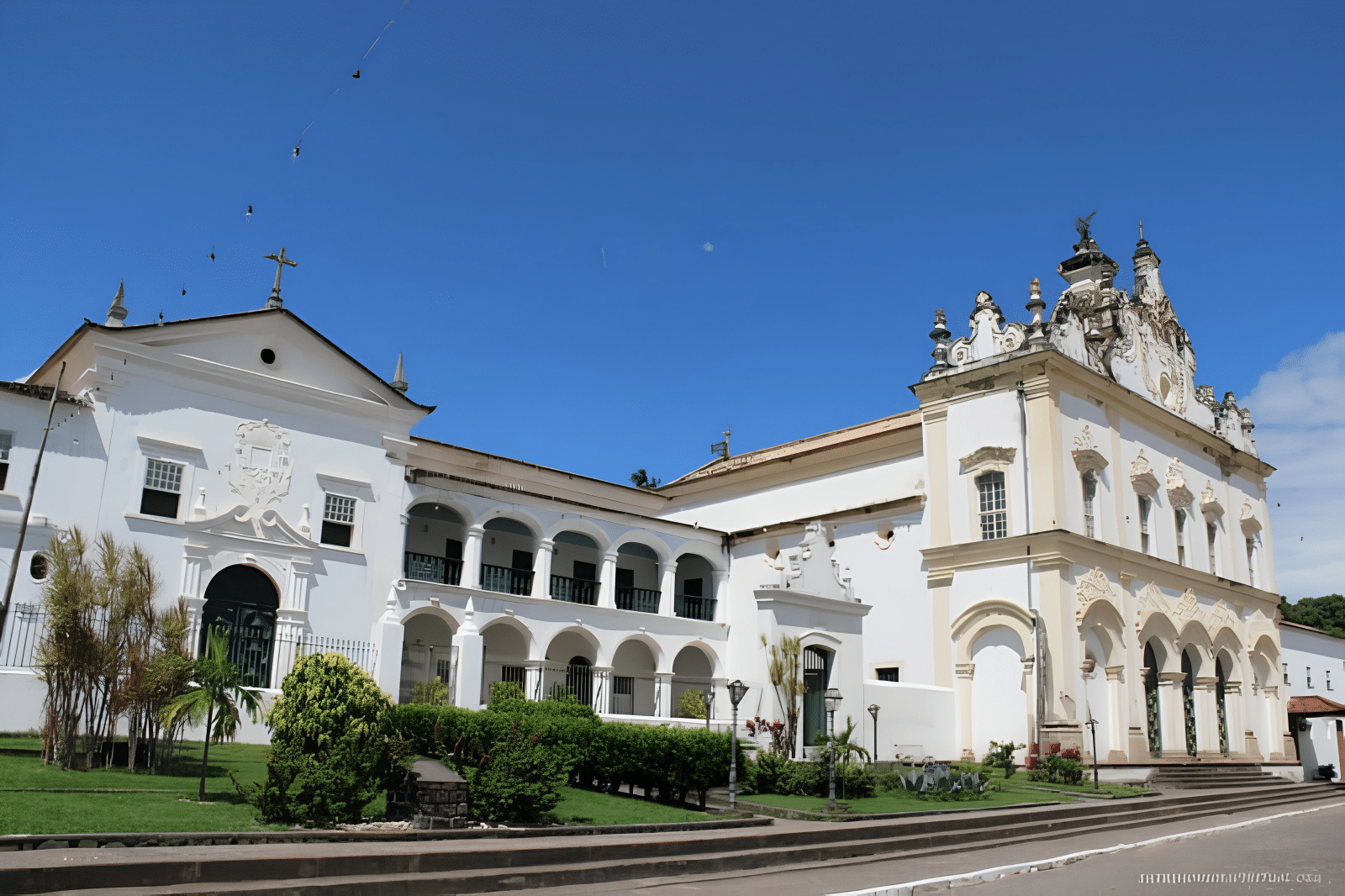
A building dating from the early 17th century, with an interior clad in extensive panels of Portuguese tiles. The altars are in the Baroque style, with richly carved decoration.
9. House of Prayer of the Third Order of St Carmel
An architectural complex begun in 1702 (on land donated by General João Rodrigues Adorno) comprising a chapel, a refectory, a cloister and a cemetery. It now houses a Museum of Sacred Art.
10. Carmo Convent
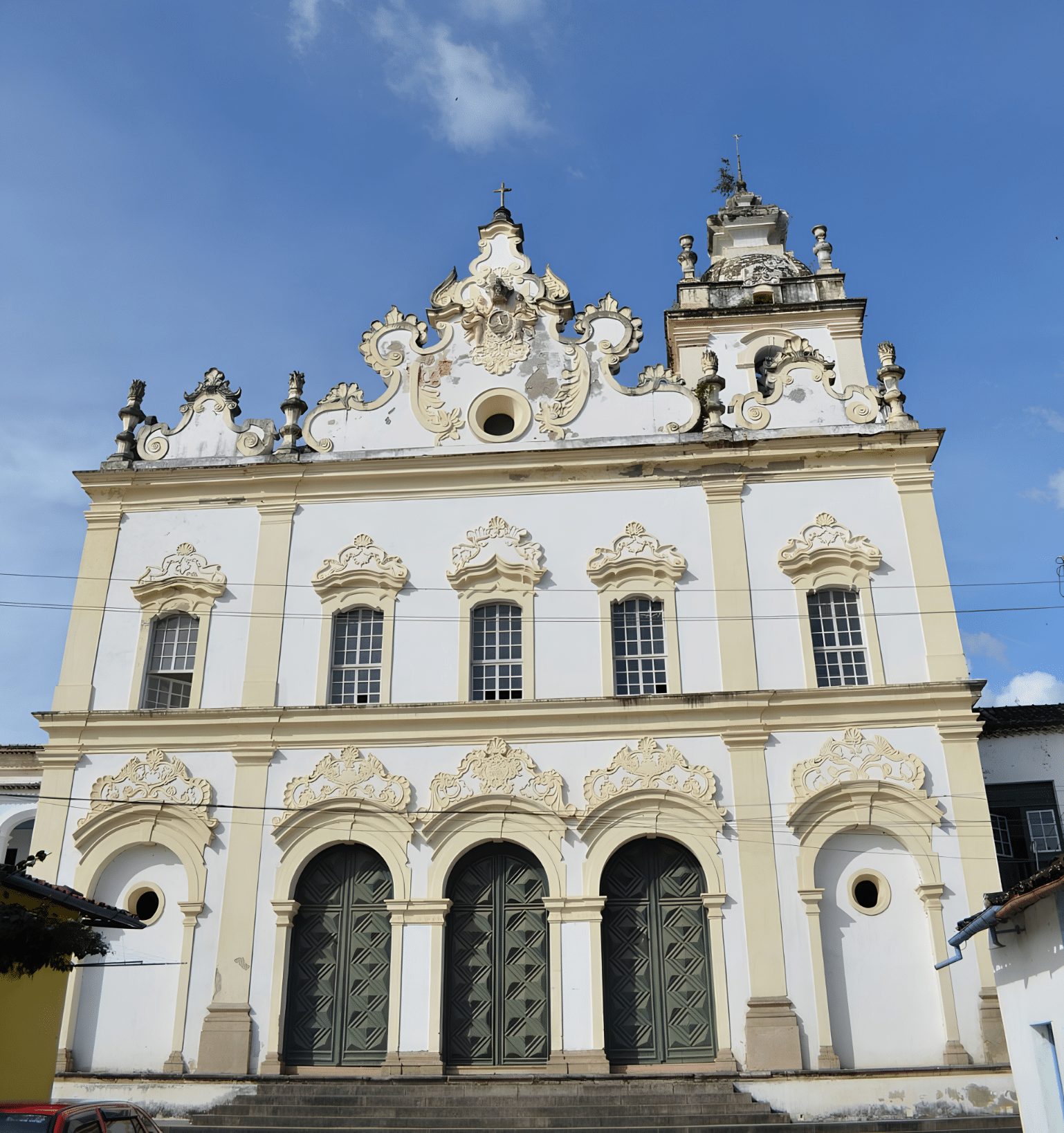
A former Carmelite convent converted for tourism, operating as a guesthouse and restaurant, preserving its historic features whilst offering accommodation and fine dining.
11. Dannemann Cigar Factory

Founded in 1873 by Gerhard Dannemann, it continues to produce high-quality handmade cigars. The building also houses a cultural centre that hosts events such as the Recôncavo Biennial.
12. House-Museum / Santa Bárbara Farm (Hansen-Bahia House)
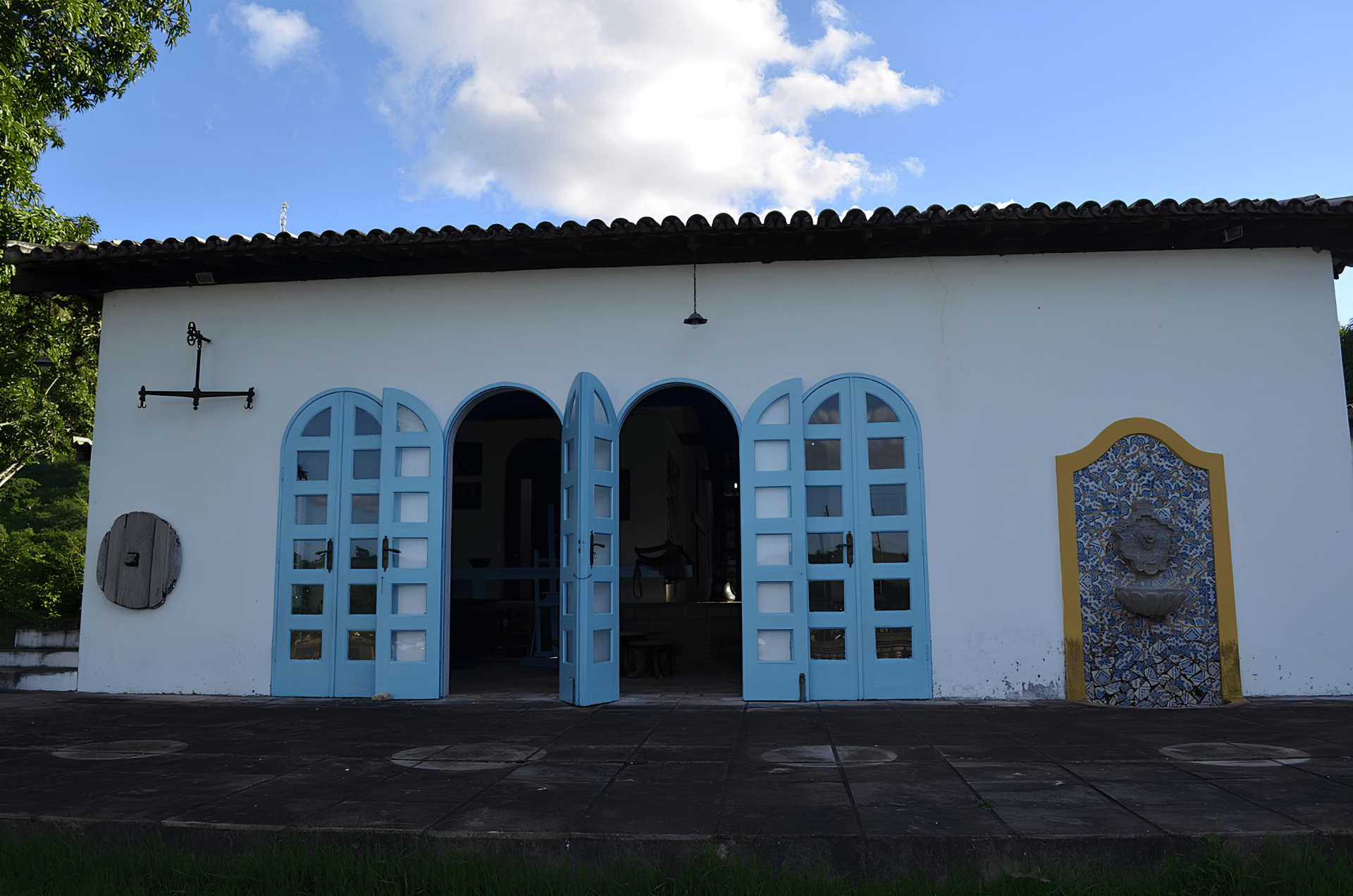
The house where the artist lived, preserved exactly as he left it, now serves as a house museum and houses a collection consisting mainly of engravings: a recent inventory records 4,559 works on paper, 259 framed works and 198 woodblocks. The venue organises artistic activities and courses aimed at the local community.
In the garden there is a posthumous memorial linked to Fazenda Santa Bárbara (São Félix), where the ashes of Hansen‑Bahia and the remains of his wife, Ilse, are interred.
The Hansen Bahia Museum was opened on 19 April 1978, the artist’s birthday. The museum welcomes visitors on a regular basis; current visitor figures are not publicly available from the sources consulted. For precise visitor figures, I suggest contacting the Foundation.
Address: Fazenda Santa Bárbara, s/n – São Félix – BA (also known as Ladeira de Santa Bárbara).
Publicações Relacionadas
Skydiving in Bahia: An Unforgettable Experience
Bahia Art Museum (MAB): Learn about its history and collection
Main caves in the municipality of Iraquara in Chapada Diamantina
Santo Antônio da Barra Fort — history, Barra Lighthouse and the Nautical Museu
Things to do in Lençóis in the Chapada Diamantina — 15 attractions
Find out how to celebrate Carnival in Salvador, Bahia
Santa Cruz Cabrália in Bahia — beaches, history and things to do
Mangue Seco: The Last Beach on the North Coast of Bahia
Discover the Magnificence Fort of Nossa Senhora de Monte Serrat
Ilhéus: A Journey Through Bahia's Rich History
Discover the 23 beaches of Salvador — A complete guide and tips
Bom Jesus dos Passos Island — Travel guide: how to get there, beaches, history and things to do
Maraú Peninsula: Explore Its Stunning Beaches
Lacerda Elevator — history, construction and visits
Paragliding at Pitinga Beach in Arraial d'Ajuda
History of the Senhor do Bonfim Ribbons — Origin, Meaning and Traditions
Rio de Contas: Learn about the history of how the city was founded
Municipality of Entre Rios has first official naturist beach
Birds Found in Chapada Diamantina: A Guide
Places of interest in Salvador — A comprehensive guide
Barreiras: Where Carnival Meets Adventure Tourism
Complete Guide to Visiting Arraial d'Ajuda in Bahia
Enchanted fountain in Chapada Diamantina: How to get there
Barreiras: An Ecological Paradise in Bahia
São Sebastião Cathedral (Ilhéus) — History, architecture and tourism
Towns and the Abrolhos Archipelago — The southernmost tip of Bahia
Porto Seguro's nightlife: Where to have fun
Tinharé Archipelago: Discover Hidden Island Gems
Rafting in Taboquinhas: The Ultimate Adventure Guide
Mucuri and Costa Dourada — Beaches, cliffs and ecotourism in Bahia
Alameda do Sol — Vila da Praia do Forte (BA) | Things to do
The most visited churches in Salvador — itinerary and tips
Morro de São Paulo: Explore the Beaches and Nightlife
Ilha dos Frades — History, beaches and tourist attractions
Mata de São João: An unmissable tourist destination on the north coast of Bahia
Beaches and Waterfalls of Itacaré: A Hidden Gem
This post is also on:
 Português
  English
  Deutsch
  Español
  Français