Santo Amaro, located in the Recôncavo Baiano, is a town rich in history, culture and traditions.
Founded in the 16th century on the banks of the Subaé River, the city’s past is linked to the sugar cane cycle, which has driven its economic and architectural development.
As well as being the birthplace of important cultural events such as the samba-de-roda, Santo Amaro preserves its roots through its religious festivals, such as Nossa Senhora da Purificação, and keeps alive the memory of emblematic figures such as Dona Canô, mother of Caetano Veloso and Maria Bethânia.
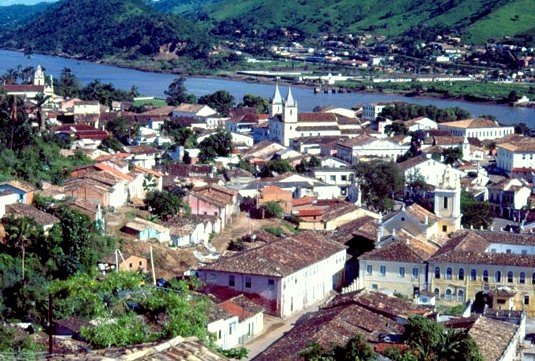
With its natural beauty and historical heritage, Santo Amaro is a destination that combines tradition and culture.
Santo Amaro (also known by its unofficial name of Santo Amaro da Purificação), located in the Bay of All Saints, is the birthplace of Caetano Veloso and Maria Bethânia, where Dona Canô, mother of these icons of Brazilian popular music, lives.
The history of Santo Amaro in Bahia
Since the earliest days of colonisation, myths and beliefs have been part of the lives of its inhabitants. The present-day city of Santo Amaro, in Bahia, was founded in 1557 and grew along the banks of the Taripe River, close to the sea. The first Portuguese colonists lived there, including Major João Ferreira de Araújo and members of the Dias Adorno family.
The Jesuit influence
Years later, Jesuits from the Santo Antão College in Lisbon settled on the banks of the Traripe River and built a chapel dedicated to Our Lady of the Rosary. A village grew up around the chapel and on the surrounding land. Before establishing their rule in the region, the colonists fought several battles with the Tupinambá Indians, who lived on the banks of the Sergi-Mirim and Subaé rivers.
Despite the conflicts that occurred at the beginning of the occupation of this territory, the Tupinambá later collaborated and participated in the construction of the settlement of Nossa Senhora da Purificação e Santo Amaro. According to the study Indigenous Peoples in Southern Bahia, these indigenous peoples inhabited the region that includes the present municipalities above Salvador, the lands around Baía de Todos os Santos and a large part of the present State of Bahia.
The mills of Recôncavo Baiano
Between the 16th century and the first decades of the 20th century, the economy of the municipality was linked to the cultivation of sugar cane: in 1757, there were 61 mills in the region. During the 17th century, colonisation intensified with the creation of sesmarias (plots of land granted by the Portuguese crown to a sesmeiro/farmer). The region became a major producer of sugar cane, tobacco and cassava, with the emergence of mills and flour mills.
In the 19th century, two overland routes connected Brazil and crossed the hinterland through Maranhão and Minas Gerais, with the village of Santo Amaro as their junction. This made it an important trading post and the main sugar port of the Recôncavo Baiano.
In addition to the economic importance of the sugar cane mills, the local population and its leaders participated actively in Brazilian political life (the Tailors’ Revolt, the Sabinada, the Paraguayan War and Brazilian Independence), organising battalions and providing soldiers and supplies.
Elevation to town status
In 1837, the village was elevated to the status of city, with the name Leal Cidade de Santo Amaro (Loyal City of Santo Amaro). Regular steam navigation between Santo Amaro and Salvador began in 1847. The increase in travel and visitors also brought a cholera epidemic that decimated more than half the population in 1855.
In the 20th century, new crops were introduced (palm oil, cocoa and bamboo) and metallurgical, sugar, paper and vegetable oil industries were established, but these activities did not take root. At present, tourism is one of the main sources of income for the municipality.
Culture and traditions
The rural communities on the outskirts of Santo Amaro da Purificação still preserve the old work songs sung at harvest time. It is no wonder that the popular song “Alô meu Santo Amaro, Eu vim lhe conhecer, Santa santamarense, Pra gente aprender” (Hello, my Santo Amaro, I have come to meet you, Saint of Santa Maria, so that we may learn) has become famous.
The authentic samba-de-roda still exists in Santo Amaro da Purificação, especially in the São Braz district, where the group Samba Chula, led by João Saturno, known as João do Boi, stands out. João participated in recordings by the composer Roberto Mendes and was a member of the group Samba da Praia, led by the late Sérgio de Lima, who was a member of the group Samba da Praia, led by the late Sérgio de Lima, who was a member of the group Samba da Praia, led by the late Sérgio de Lima, who was a member of the group Samba da Praia, led by the late Sérgio de Lima, who was a member of the group Samba da Praia, led by the late Sérgio de Lima, who was a member of the group Samba da Praia, led by the late Sérgio de Lima, who was a member of João Saturno, known as João do Boi, who participated in recordings by the composer Roberto Mendes, in a project by Antonio Nóbrega and Maria Bethânia.
Resistance and evolution
The first settlers to arrive on the banks of the Traripe River, near the Jesuit church built in 1557, met with fierce resistance from the indigenous population.
After the murder of a priest in the church, the place gained a reputation as being cursed, and the population moved to the banks of the Subaé River. The Capel of Santo Amaro was built there, and the settlement grew as farms sprang up around it, producing sugar cane, tobacco and cassava.
The city was founded in the 16th century, but as a district. Emancipation did not come until 1837, when the place called “Nossa Senhora da Purificação e Santo Amaro” became Santo Amaro da Purificação.
It did not take long for the village to become an important marketing centre for these products, which allowed it to survive after the end of the sugar cane cycle.
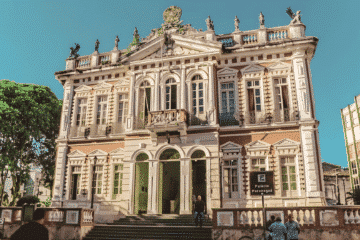
The town has preserved buildings from its economic heyday and its natural beauty.
Video about Santo Amaro, Bahia

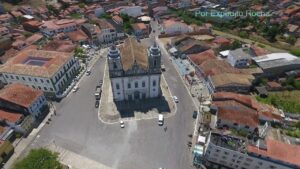
História de Santo Amaro da Purificação BA07:08

Santo Amaro da Purificação na Bahia05:00
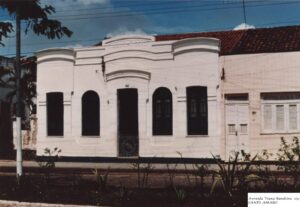
Casa de Dona Canô02:51
Who were Caetano Veloso and Maria Bethânia?
Caetano Veloso and Maria Bethânia are two of the most important and influential artists in Brazilian popular music, both originally from Santo Amaro, Bahia.
Caetano Veloso, born in 1942, is a singer, composer, writer and filmmaker best known for his contribution to the Tropicalismo movement of the 1960s.
This movement revolutionised Brazilian music by mixing elements of pop culture and traditional music with international influences such as rock and pop. Known for his poetic lyrics and political activism, Caetano is a central figure in Brazilian music and culture. His hits include “Alegria, Alegria“, “Sampa” and “Você é Linda“.
Maria Bethânia, born in 1946, is one of the greatest performers of Brazilian music, known for her powerful voice and striking presence.
Her career began in the 1960s, and she is known for her interpretations of samba, MPB (Brazilian popular music), regional songs, and songs celebrating northeastern culture and Brazilian folk traditions. Bethânia is also known for her theatrical performances, which combine music and poetry. Among her most famous songs are “Água de Março”, “Negue” and “Reconvexo”.
Both are brothers and part of a family deeply rooted in Bahian culture, whose mother is the iconic Dona Canô, a central figure in the cultural life of Santo Amaro.
Points of interest in Santo Amaro
Santo Amaro, in Bahia, offers several tourist attractions that reflect its rich cultural, historical and natural heritage.
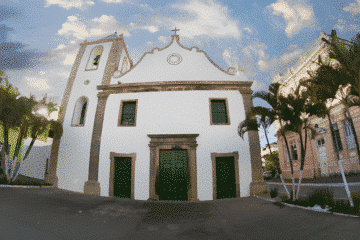
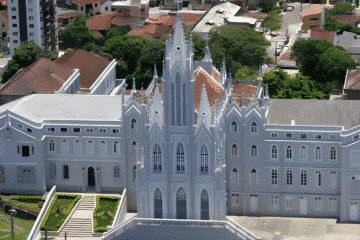
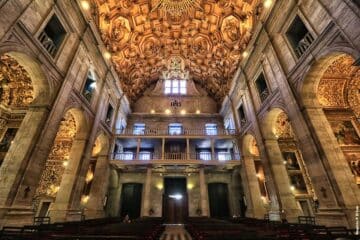
1. Church of Our Lady of the Purification
Completed in 1700, the interior is decorated with Portuguese tiles and oil paintings on wood by José Joaquim da Rocha.
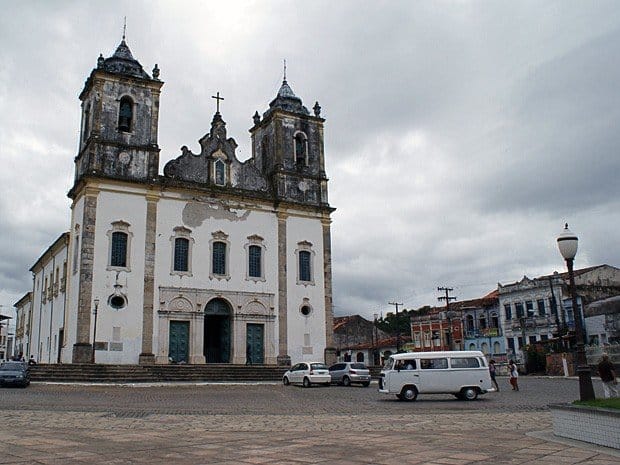
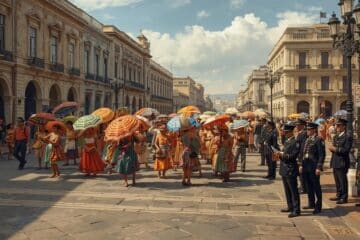
The festivities in honour of the patron saint, which begin a week before 2 February, the day dedicated to her, are organised by Dona Canô.
The climax of the festival is a ritual similar to that of the Festa do Bonfim, with the participation of more than 400 baianas, who wash the steps and floor of the church with água de cheiro (scented water).
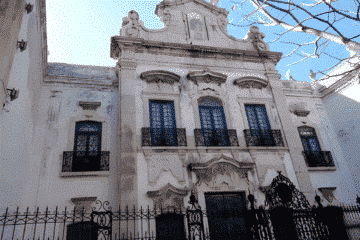
2. Museum of the Humble
The church has a valuable collection of 19th century furniture and religious art, some of which dates back to the 17th century and once belonged to mill chapels.
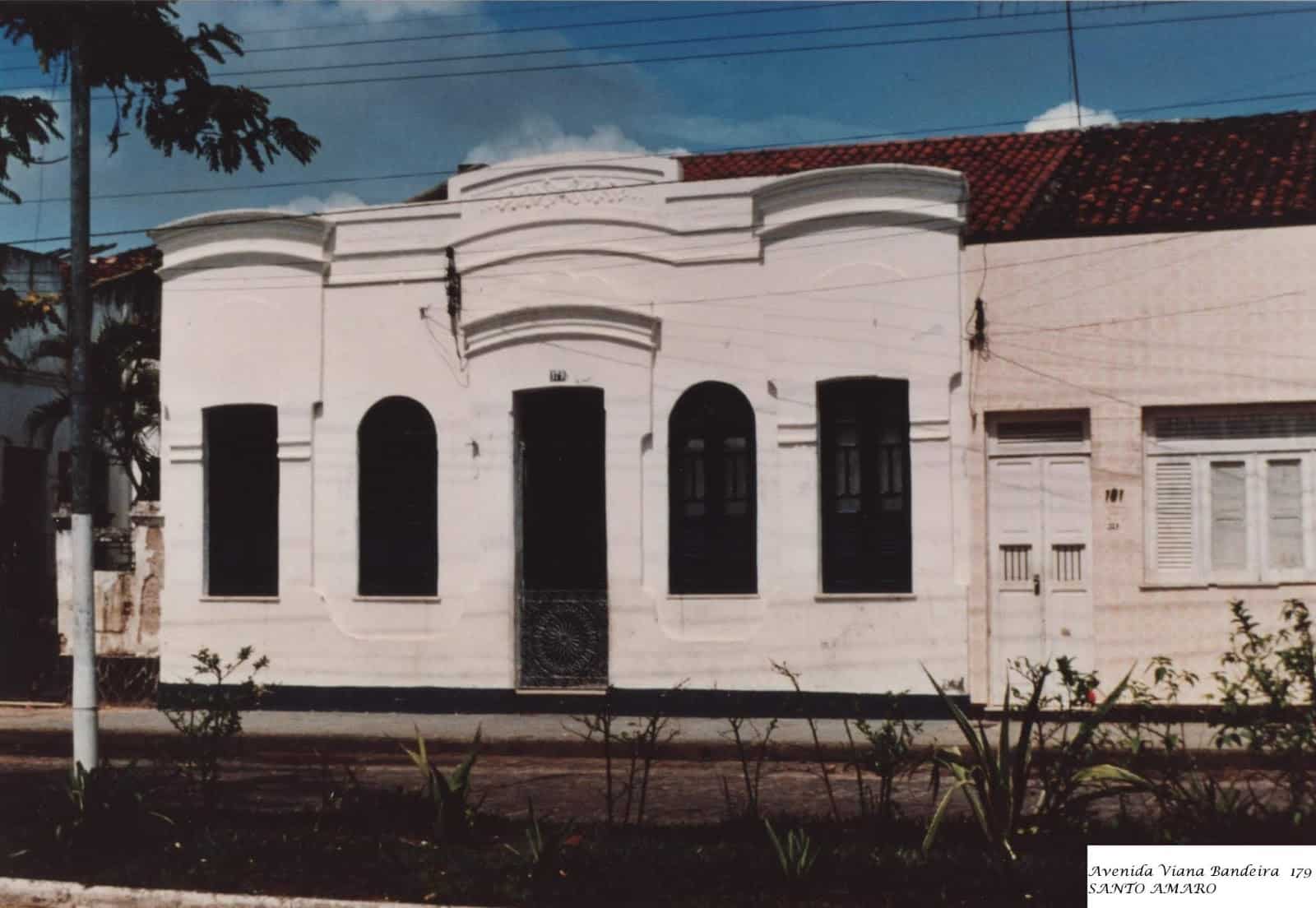
3. The House of Dona Canô
The home of Claudionor Viana Telles Velloso, matriarch of the family of Caetano Veloso and Maria Bethânia, is a tourist attraction that preserves the memory of local culture.
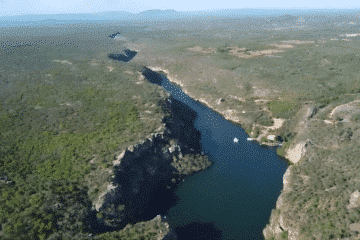
4. Subaé River
The river is an important natural landmark of the city, along whose banks settlements and farms have developed, driving the local economy during the sugar cane cycle.
5. Paths of Samba de Roda
Santo Amaro is one of the birthplaces of authentic samba-de-roda, and it is possible to enjoy performances of this cultural heritage, especially in the district of São Braz, with traditional groups such as Samba Chula de João do Boi.
6. Urubu Waterfall
The Waterfall is 38 metres high and has five cascades.
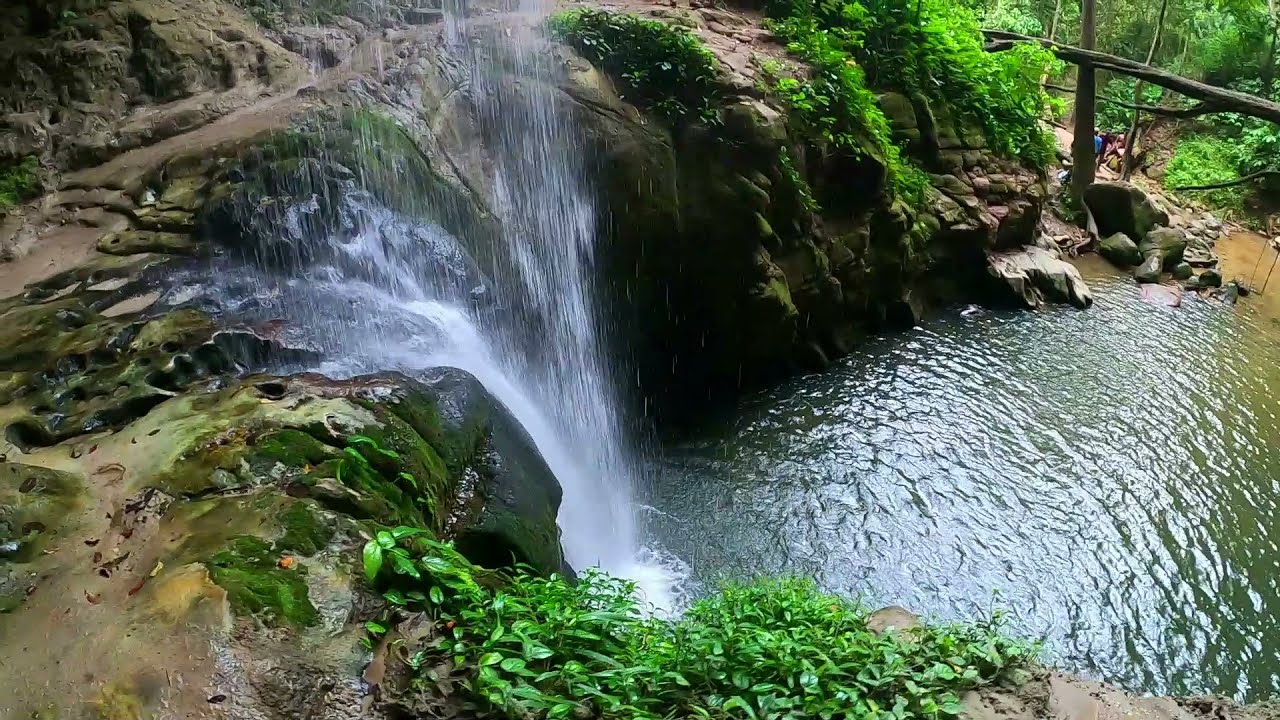
Access is only permitted in the company of accredited guides from the Ministry of Culture, who can be contacted for appointments.
Bahia.ws is the largest tourist guide for Bahia, Salvador and the Brazilian Northeast.
Publicações Relacionadas
Tourism in São Francisco do Conde (BA) — Tips and Attractions
Tourist information about Bom Jesus dos Passos Island
Ilha do Medo: Mistérios e Assombrações
Documentary about Itaparica Island na Bahia
Salinas da Margarida (BA) — Beaches, Attractions and a Complete Guide
History of the island of Itaparica in the Bay of All Saints
Discover the beauty and diversity of the Bay of All Saints
Madre de Deus: a paradise in the Recôncavo Baiano
Todos os Santos Bay: Nature, History, Culture and Tourism
Candeias: History of the Feast of Our Lady
Bahia Pantanal: A Hidden Ecological Gem
Main islands of Todos os Santos Bay
Ilha de Maré: The beauty of Todos os Santos Bay
History and characteristics of Todos os Santos Bay
City of Cachoeira: Bahia's Hidden Historical Treasure
Ilha dos Frades - History, Beaches and Attractions
Itaparica Island: A Gem in the Bay of All Saints
This post is also on:
 Português
  English
  Deutsch
  Español
  Français