Published on · Updated on
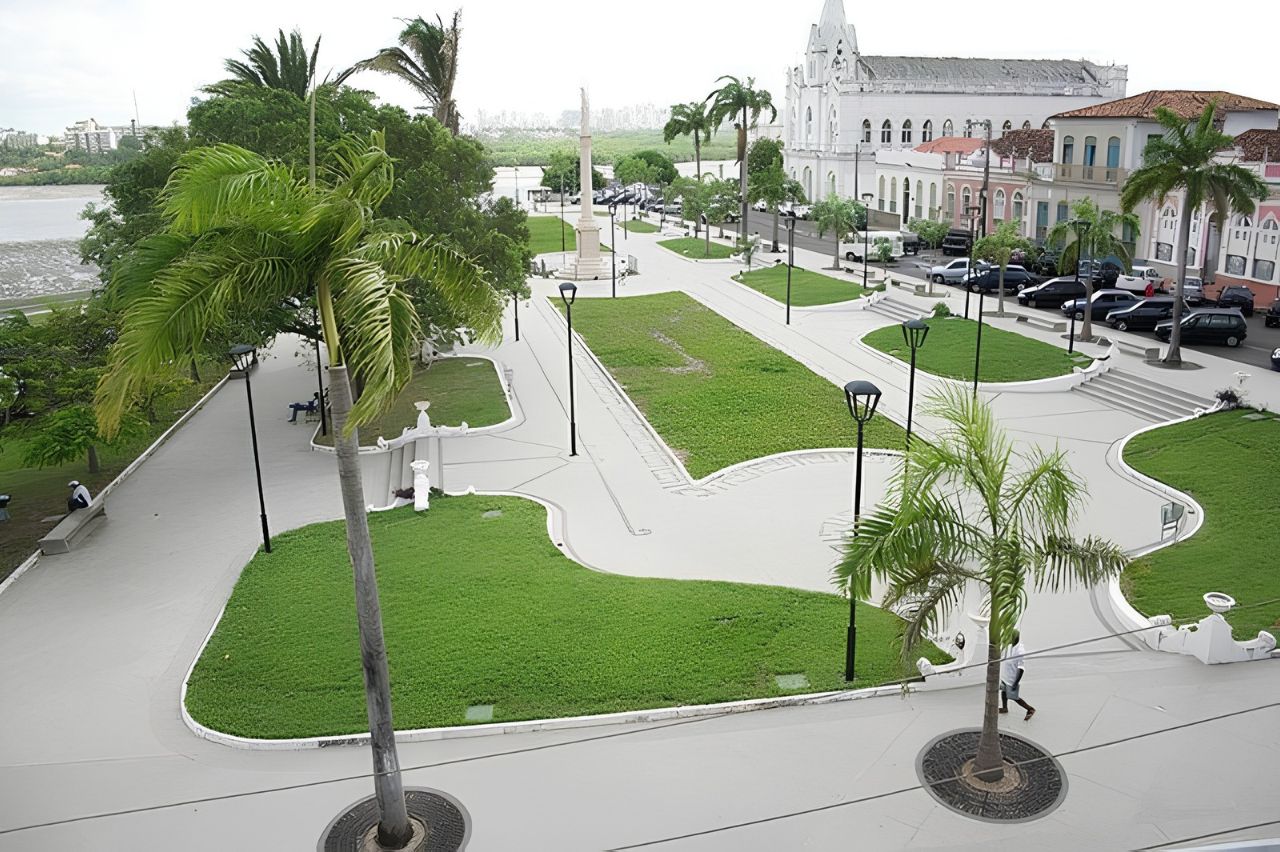
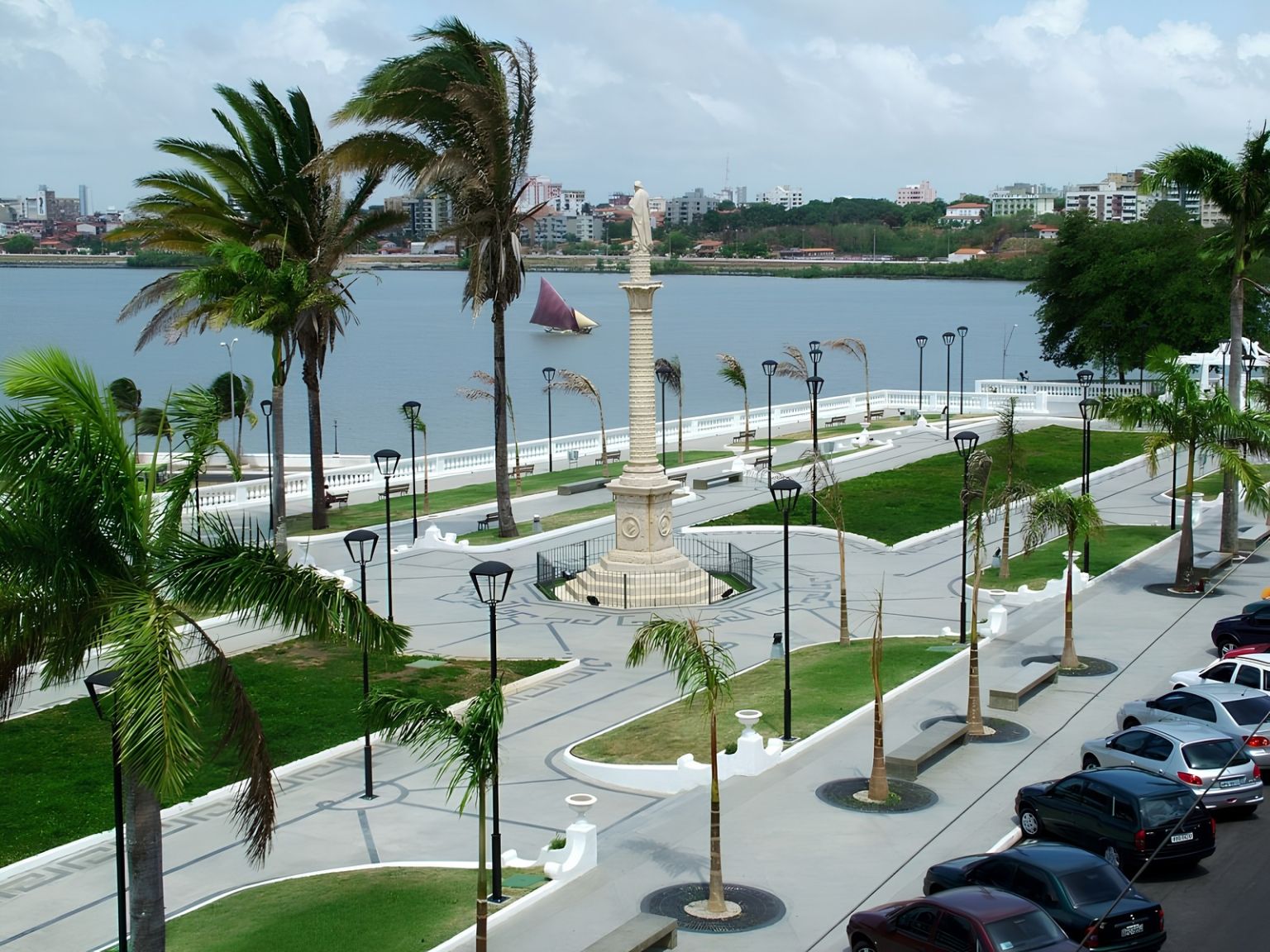
Gonçalves Dias Square (Praça Gonçalves Dias) is one of the most beautiful lookout points in São Luís do Maranhão. It lies in the bairro dos Remédios, at the end of Rua Rio Branco, on a promontory facing the rio Anil. Inaugurated in 1873, it also honors the Maranhão-born poet Gonçalves Dias and is known as Largo dos Amores (Lovers’ Square).
- Where it is: bairro dos Remédios, at the end of Rua Rio Branco, in São Luís (MA).
- Nickname: Largo dos Amores; formerly, Largo dos Remédios (Square of Remedies).
- Highlights: the poet’s statue, the Igreja dos Remédios, the bandstand and palm trees.
- View: the rio Anil, the ponte do São Francisco and the sunset.
- Nearby: Palácio Cristo Rei (Rectorate of UFMA, the Federal University of Maranhão) and Praça Maria Aragão.
Where Gonçalves Dias Square is located
Gonçalves Dias Square lies in the bairro dos Remédios, at the end of Rua Rio Branco, near the historic center of São Luís. In addition, it was built on land that belonged to the Ordem de São Francisco, on a promontory facing the rio Anil.
Therefore, from there you can see the ponte do São Francisco and the neighborhood of the same name, on the other side of the river. Moreover, a long staircase connects the square to Praça Maria Aragão, just below.
See also the São Luís travel guide.
Largo dos Amores
The square was once called Largo dos Remédios. Later, it was given the poet’s name, but sweethearts nicknamed it Largo dos Amores. After all, its gardens became a meeting place for couples, especially at sunset.
In turn, the nickname suits the poet’s story. In fact, Gonçalves Dias fell in love with Ana Amélia and asked for her hand in marriage, but her family turned down the proposal because of the writer’s mixed-race ancestry.
Video about Gonçalves Dias Square

Praça Gonçalves Dias em São Luís
Who was Gonçalves Dias
Antônio Gonçalves Dias (1823–1864) was born in Maranhão and is one of the greatest poets of Brazilian Romanticism. In 1843, while still a student in Coimbra, he wrote Canção do Exílio (“Song of Exile”), in which he praises his homeland as seen from afar.
Later, in 1864, he died in the shipwreck of the ship that was bringing him back to Brazil, near the coast of Maranhão. For this reason, the statue on a tall column at the center of Gonçalves Dias Square is São Luís’s tribute to its poet.
What to see in Gonçalves Dias Square
Igreja de Nossa Senhora dos Remédios
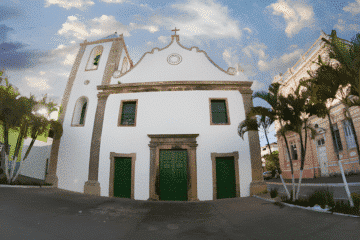
Facing the square stands the Igreja de Nossa Senhora dos Remédios, with a neo-Gothic façade, a rare style in São Luís. It began as a chapel in 1719 and was renovated later on.
In addition, during the church festivities, the square’s bandstand hosts artistic performances.
Palácio Cristo Rei
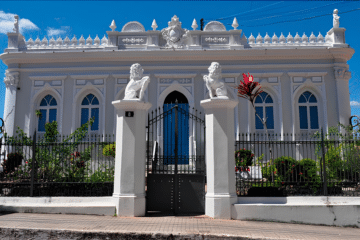
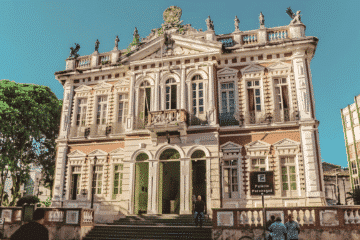
The surroundings also feature colonial mansions, such as the 19th-century Palácio Cristo Rei. First, it was the home of a traditional family, which later donated it to the Church. Thus, it became the first seat of the Diocese of São Luís and, afterwards, housed the former Faculty of Philosophy.
Today, however, it is home to the Rectorate of the Federal University of Maranhão (UFMA), with a collection on the institution’s history that is open to visitors.
Frequently asked questions about Gonçalves Dias Square
Where is Gonçalves Dias Square?
It is in the bairro dos Remédios, that is, at the end of Rua Rio Branco, in São Luís (MA).
Thus, it is just a few minutes from the historic center.
Why is Gonçalves Dias Square called Largo dos Amores?
Because it became a meeting place for sweethearts, who gave it that nickname.
Moreover, the name recalls the poet’s love story.
When was Gonçalves Dias Square inaugurated?
In 1873, on land owned by the Ordem de São Francisco.
Before that, the site was called Largo dos Remédios.
Who was Gonçalves Dias?
A Romantic poet from Maranhão (1823–1864), author of Canção do Exílio.
That is why the square has a statue in his honor.
What is there to see near Gonçalves Dias Square?
The Igreja dos Remédios, the Palácio Cristo Rei and Praça Maria Aragão.
In general, it is worth arriving in the late afternoon to watch the sunset.

Publicações Relacionadas
7-day itinerary through Maranhão

Tiles from São Luís do Maranhão: History, Art and Heritage

Best Time to Visit Lençóis Maranhenses for Water Fun
Historical and Artistic Museum of Maranhão Overview

Fonte do Ribeirão (São Luís): history, galleries and legends
Arthur Azevedo Theatre and its Rich History
History of João Lisboa Square in São Luís do Maranhão

Maranhão Natural History and Archaeology Research Centre
Casa de Nhozinho: A Journey Through Maranhão Culture
Rua do Giz in São Luís do Maranhão - History and Architecture

História da Igreja de São José do Desterro em São Luís do Maranhão

João do Vale Theatre and Its Rich History
Convento das Mercês: Historical Significance Unveiled

Cine Éden: A Historic Cinema in São Luís

Barreirinhas: the gateway to Lençóis Maranhenses

Santo Amaro do Maranhão: The Paradise of the Lagoons

Exploring Caburé: The Enchanting Peninsula of Maranhão

Atins: A Hidden Gem on the Maranhão Coast
Historical curiosities about São Luís do Maranhão

History and Colonial Architecture of São Luís do Maranhão

Access to the Lençóis Maranhenses National Park

Maranhão Beaches: the 10 Most Beautiful on the Coast

Pedra Caída Complex: Your Guide to Adventure

Chapada das Mesas National Park Adventure Guide

Cafua das Mercês: Preserving Black Memory Today

Convent and the Church of Nossa Senhora do Carmo History

Benedito Leite Public Library's Rich History

Cristo Rei Palace: Architecture of the 19th Century

Josué Montello House of Culture in Maranhão History

Church of Nossa Senhora dos Remédios History

Church of Our Lady of Victory: Historical Significance
Catarina Mina: The Story Behind the Alley

Casa Real Empório: History and Culture Combined

La Ravardière Palace: A Historic Monument in the City

Palácio dos Leões: A Historical Landmark Tour