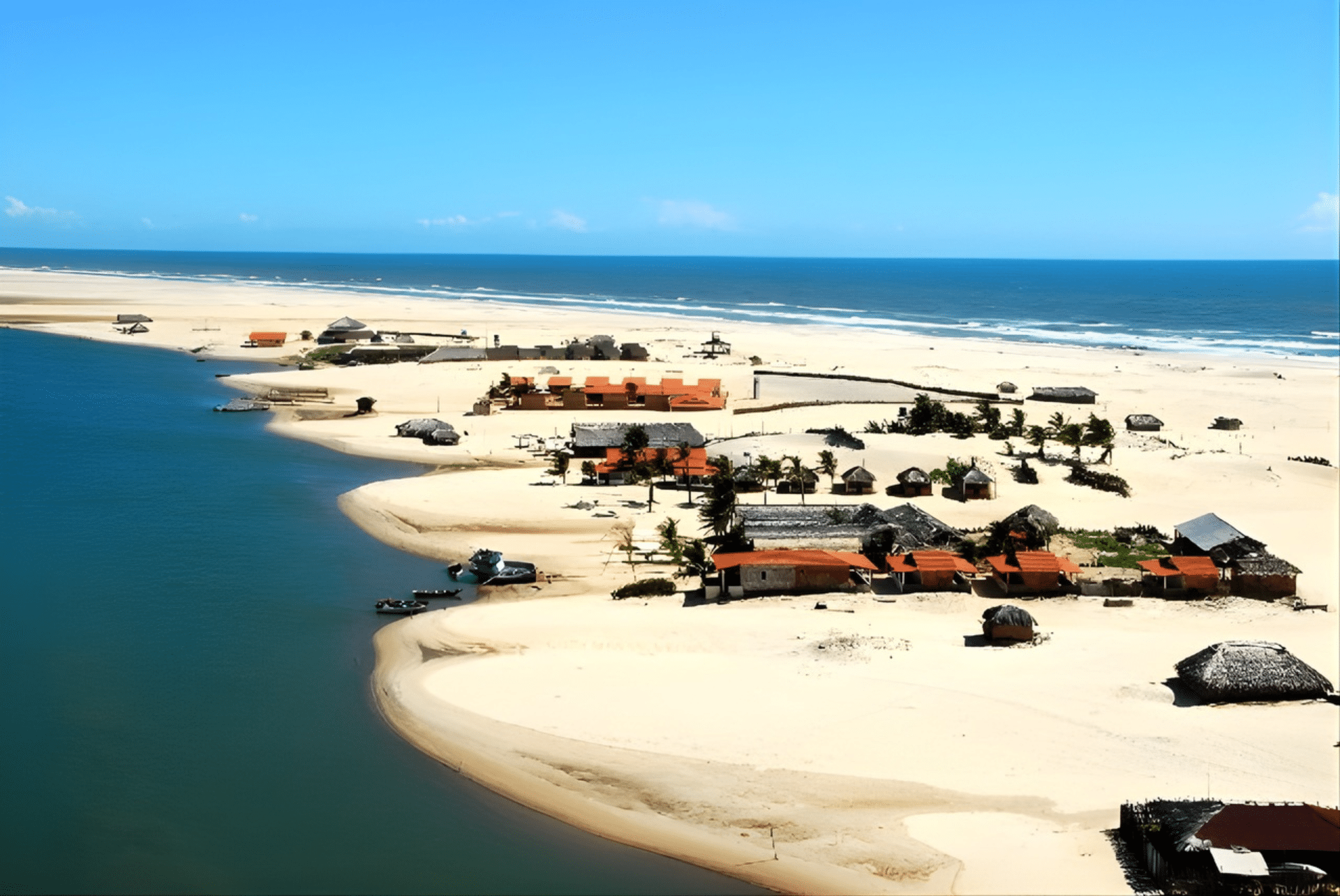
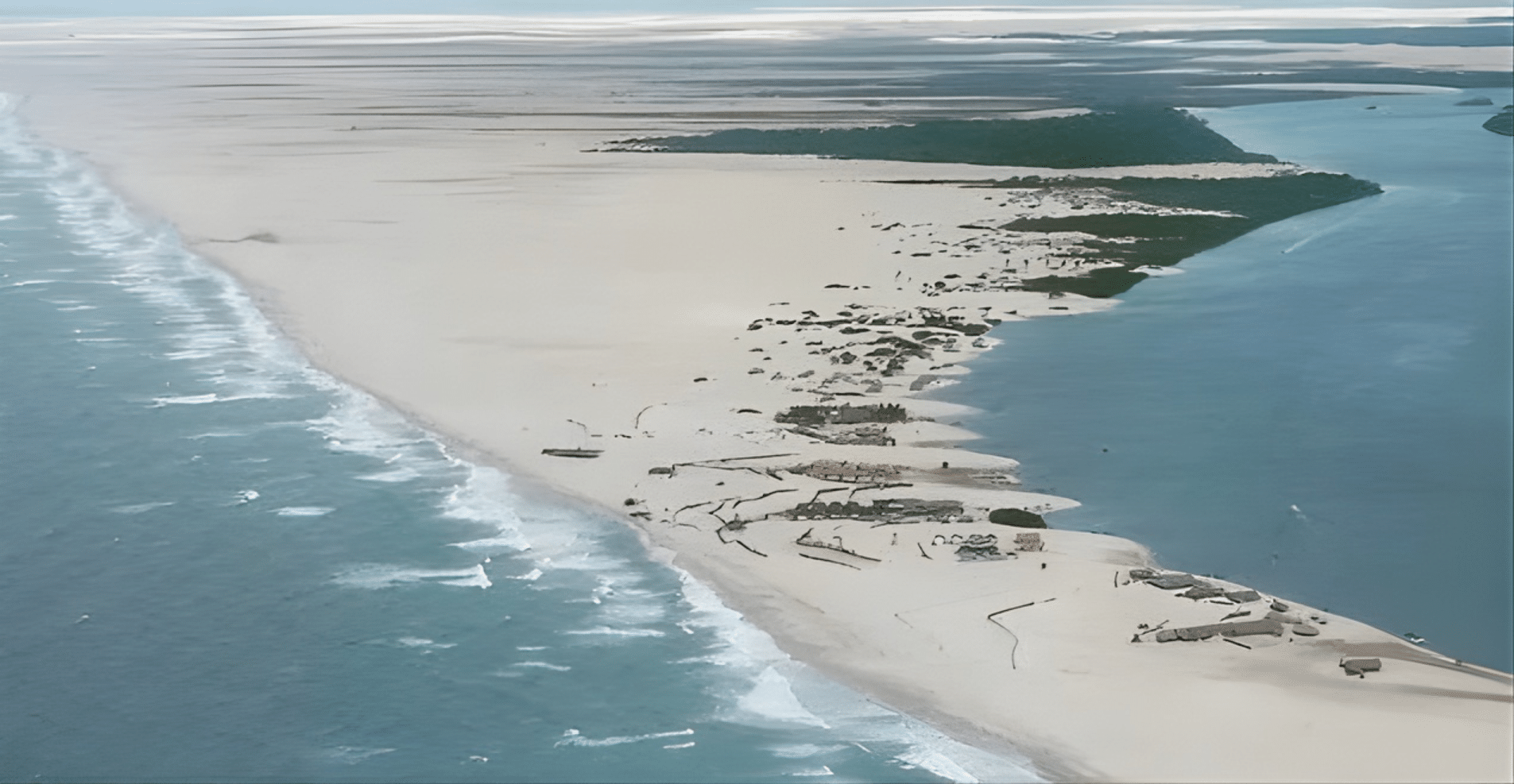
The small, charming peninsula of Caburé lies between the Preguiças River and the Atlantic Ocean, near Barreirinhas in the Lençóis Maranhenses region.
It is a popular stop for boat and speedboat tours, offering a combination of beach, river and dunes in a tranquil setting.
How do you get to Caburé?
There are three main options:
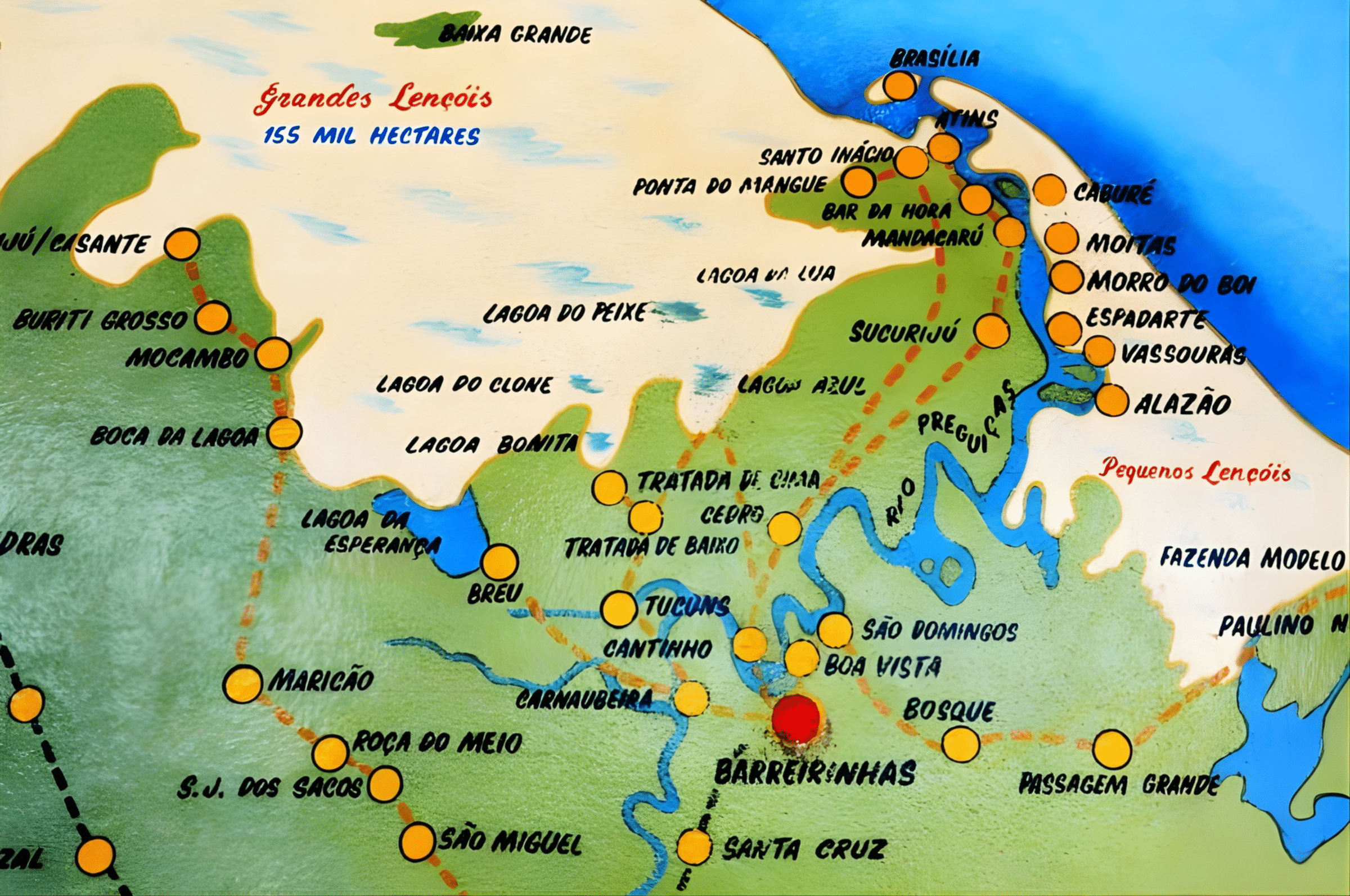
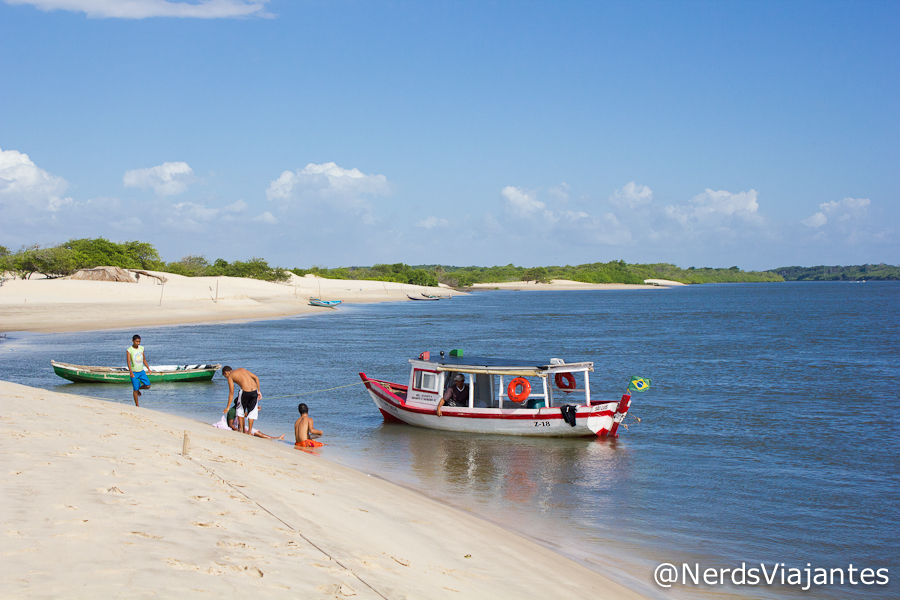
- Caburé Circuit (classic itinerary) Departure from Barreirinhas in the morning by motorboat or speedboat, with stops at Vassouras and Mandacaru. This is the most common option, and the order and duration of the stops vary according to the tide and the operator.
- Private boat/speedboat charter Chartered boats for groups allow for flexible schedules and itineraries. More comfort and fewer transfers.
- 4×4 + boat crossing (land alternative): Departure by 4×4 vehicle, hired in Barreirinhas, via trails. A short boat crossing is included where necessary. This is a more adventurous option, used when the tide or logistics prevent direct travel by water.
Tip: Confirm times, availability, and whether lunch and a guide are included with the agency before booking. Bring cash, as not all places accept cards.
The Caburé Circuit (classic itinerary).
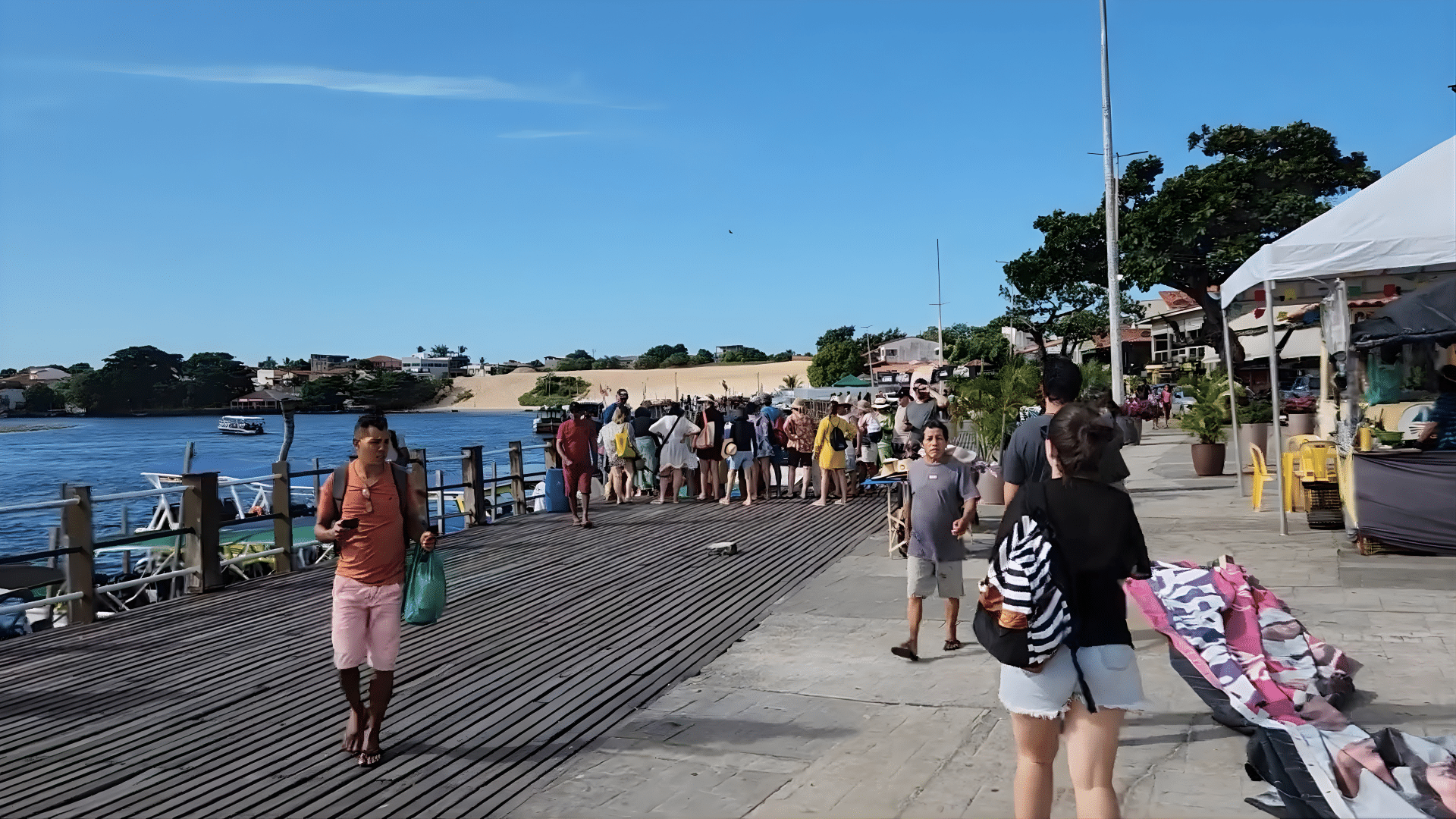
The tour typically departs from Barreirinhas, the main gateway to the Lençóis Maranhenses, in the morning and involves travelling by speedboat or motorboat. The order and duration of stops may vary depending on the tide and the tour operator.
The Caburé Circuit offers a variety of attractions, including river and sea beaches, dunes, local wildlife and good food. Plan your visit between May and September and check the schedules and availability of local operators.
typical itinerary
- Vassouras — Dunes and lagoons of the Pequenos Lençóis (30–60 minutes).
- Mandacaru — Preguiças Lighthouse, church and shops (30–60 minutes). At approximately 35 m high, the Preguiças Lighthouse is a popular stop on boat tours, offering panoramic views of the region where the river meets the sea.
- Caburé: a beach located between the river and the sea. You will have 2–4 hours of free time for swimming, lunch and rest.
Duration and vessels
Typical total duration: 7–9 hours (round trip). The most common vessels are speedboats or fast boats, although larger boats are occasionally used.
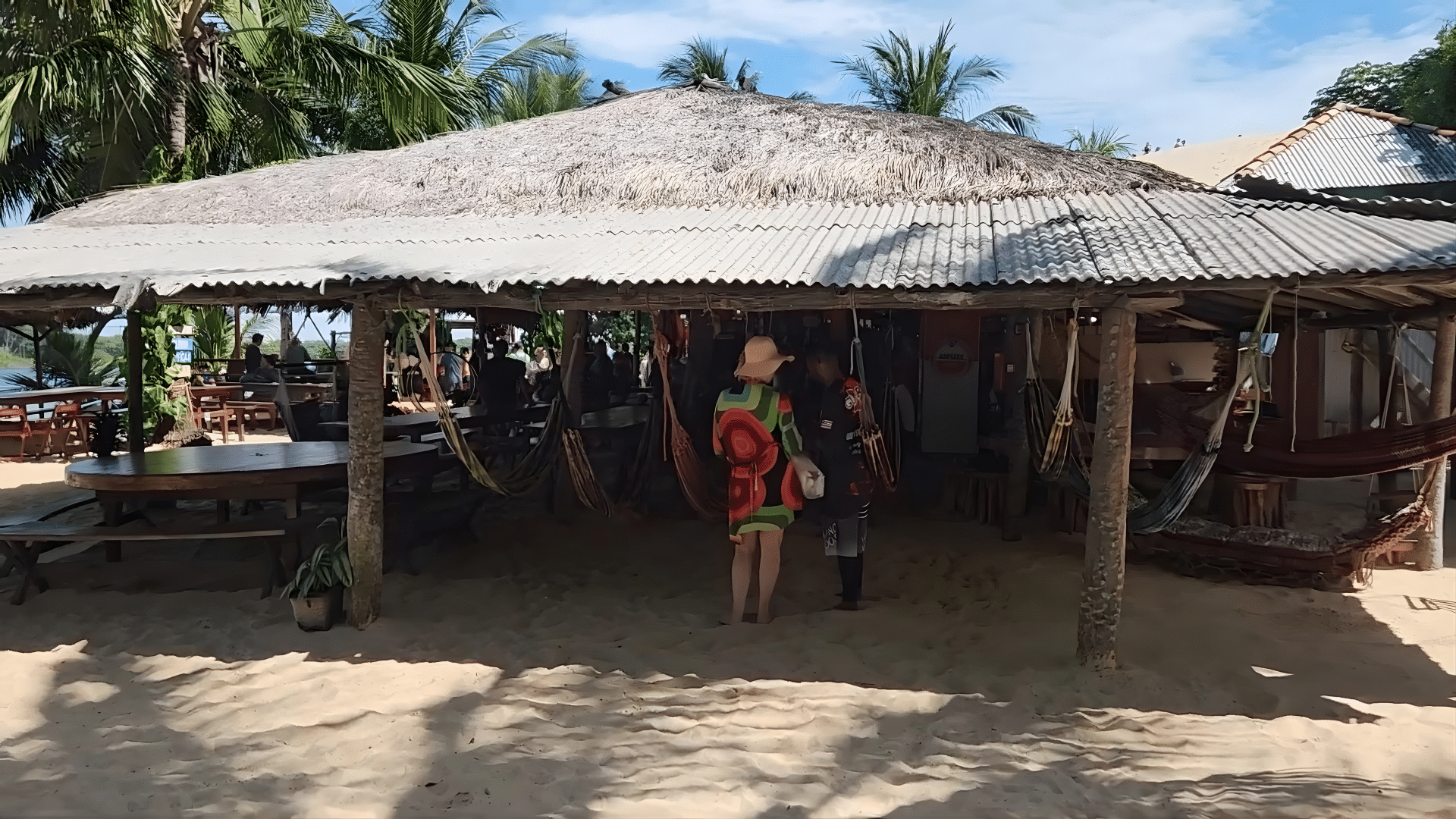
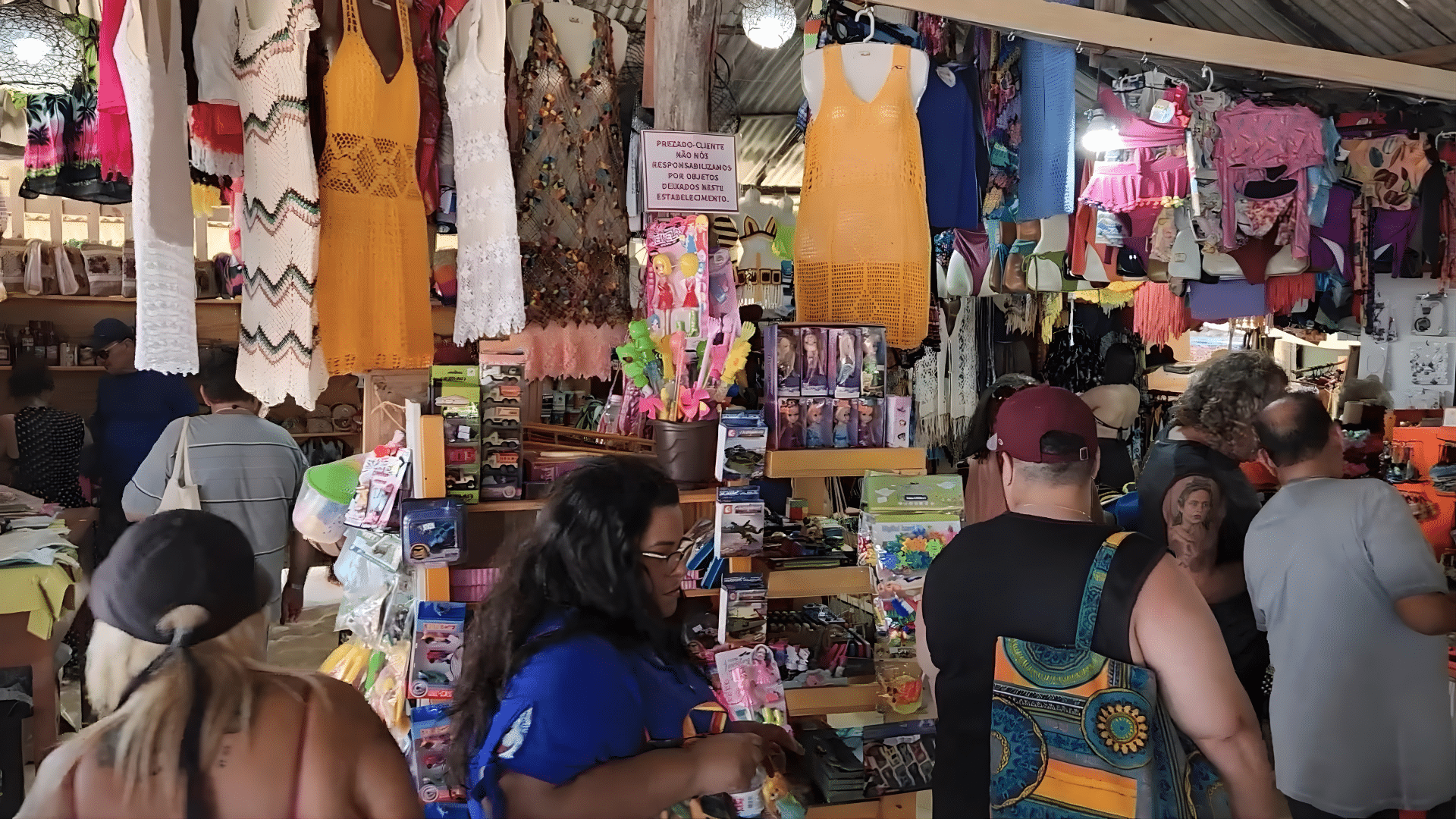
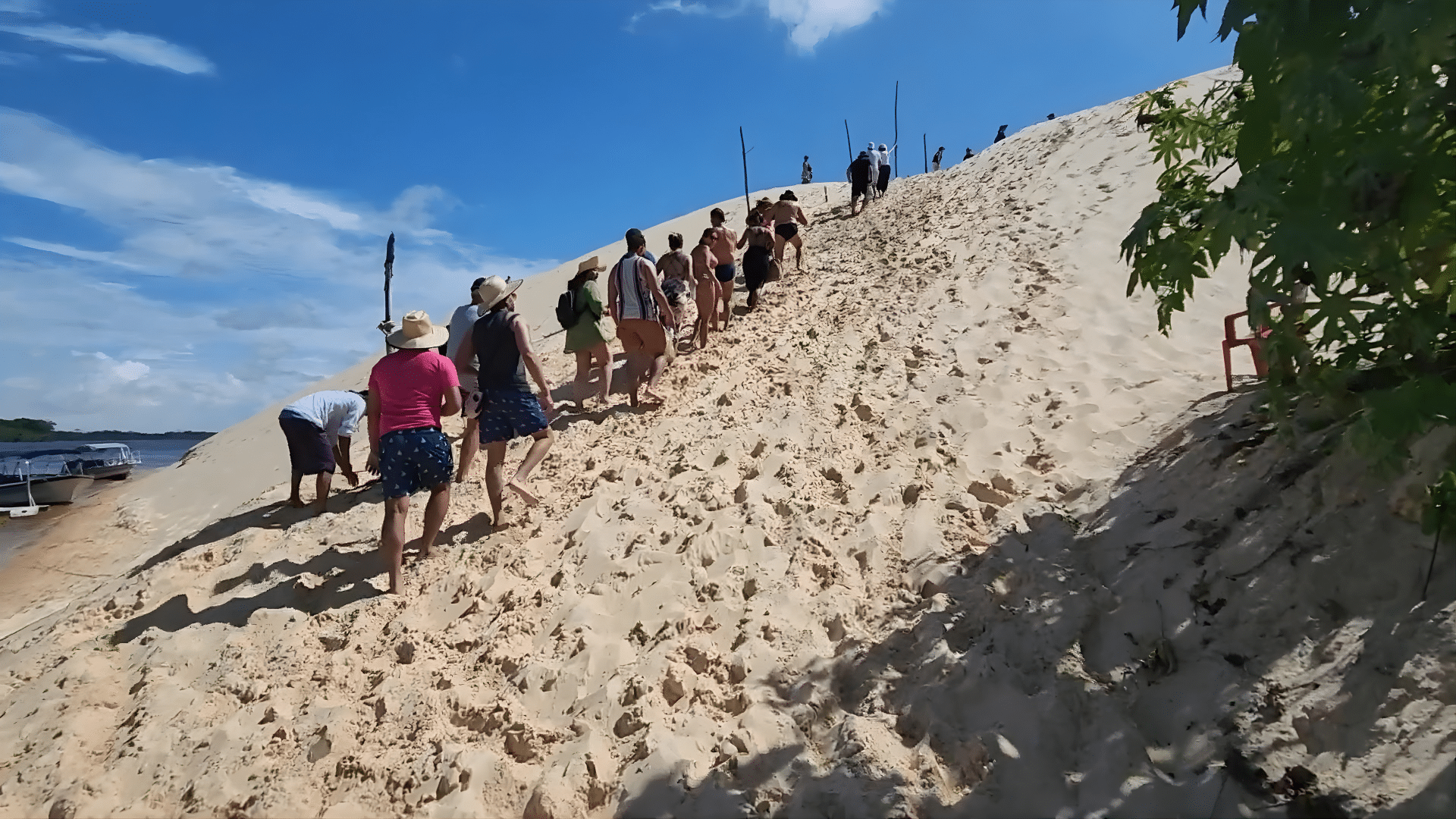
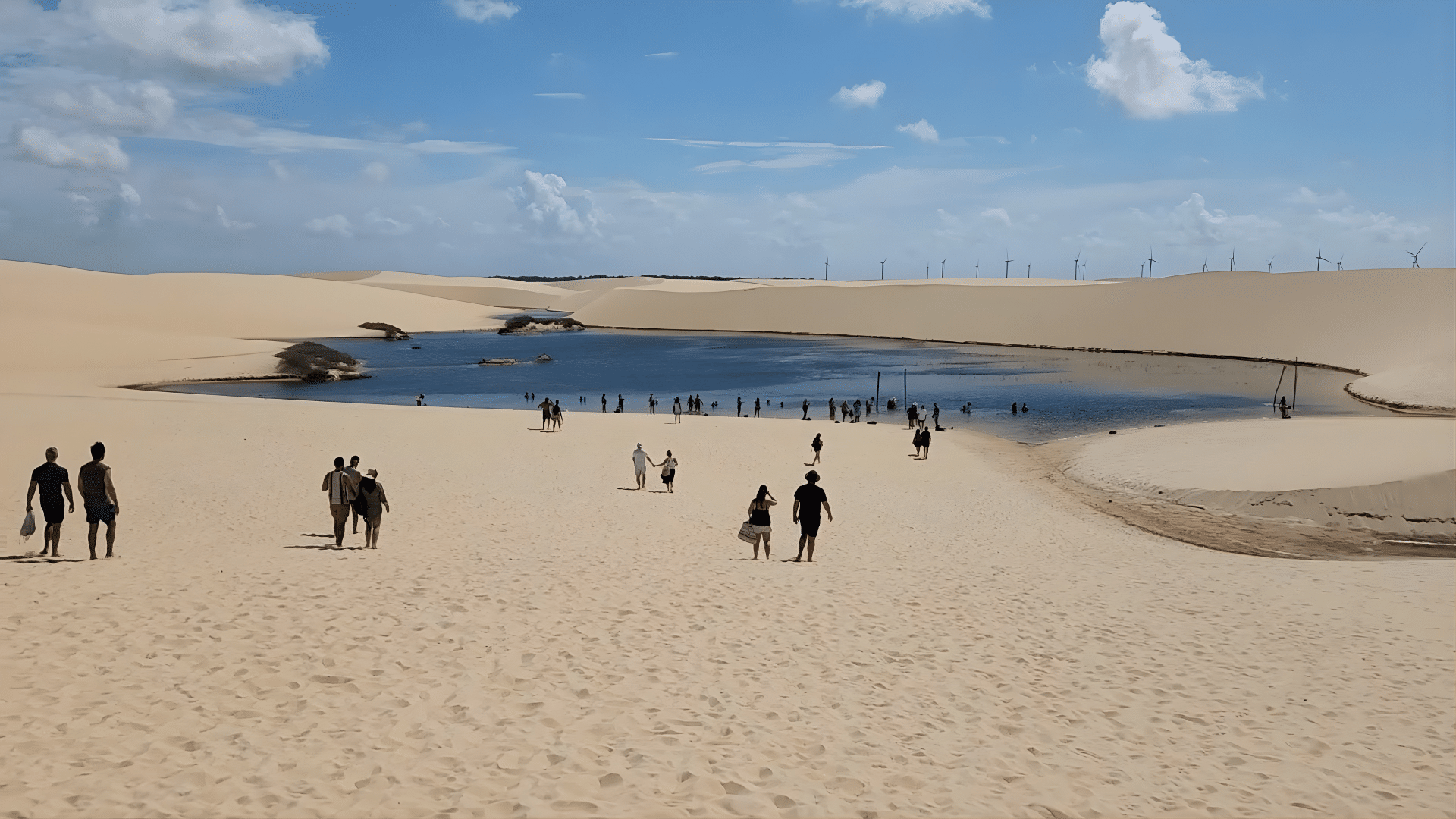
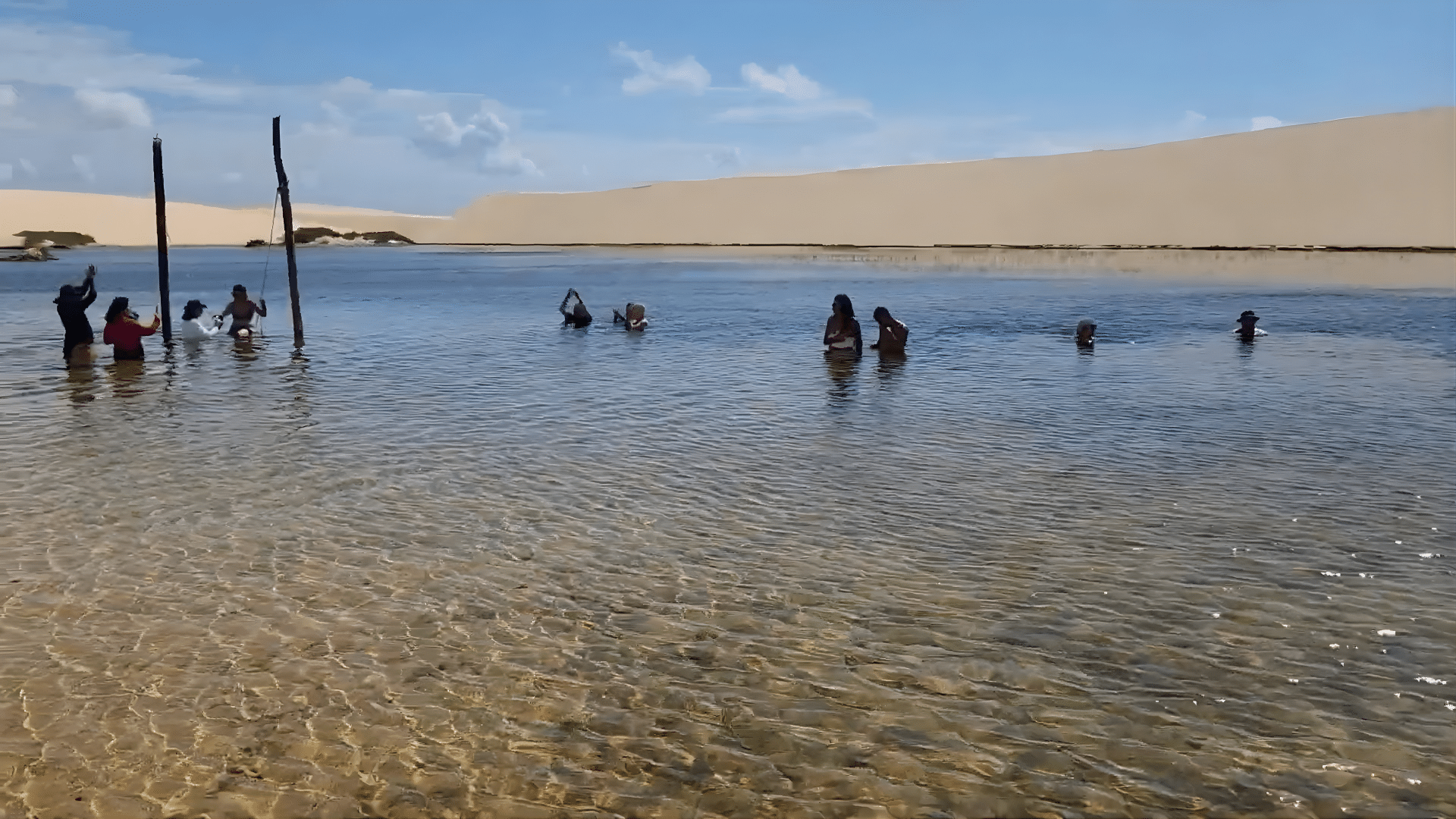
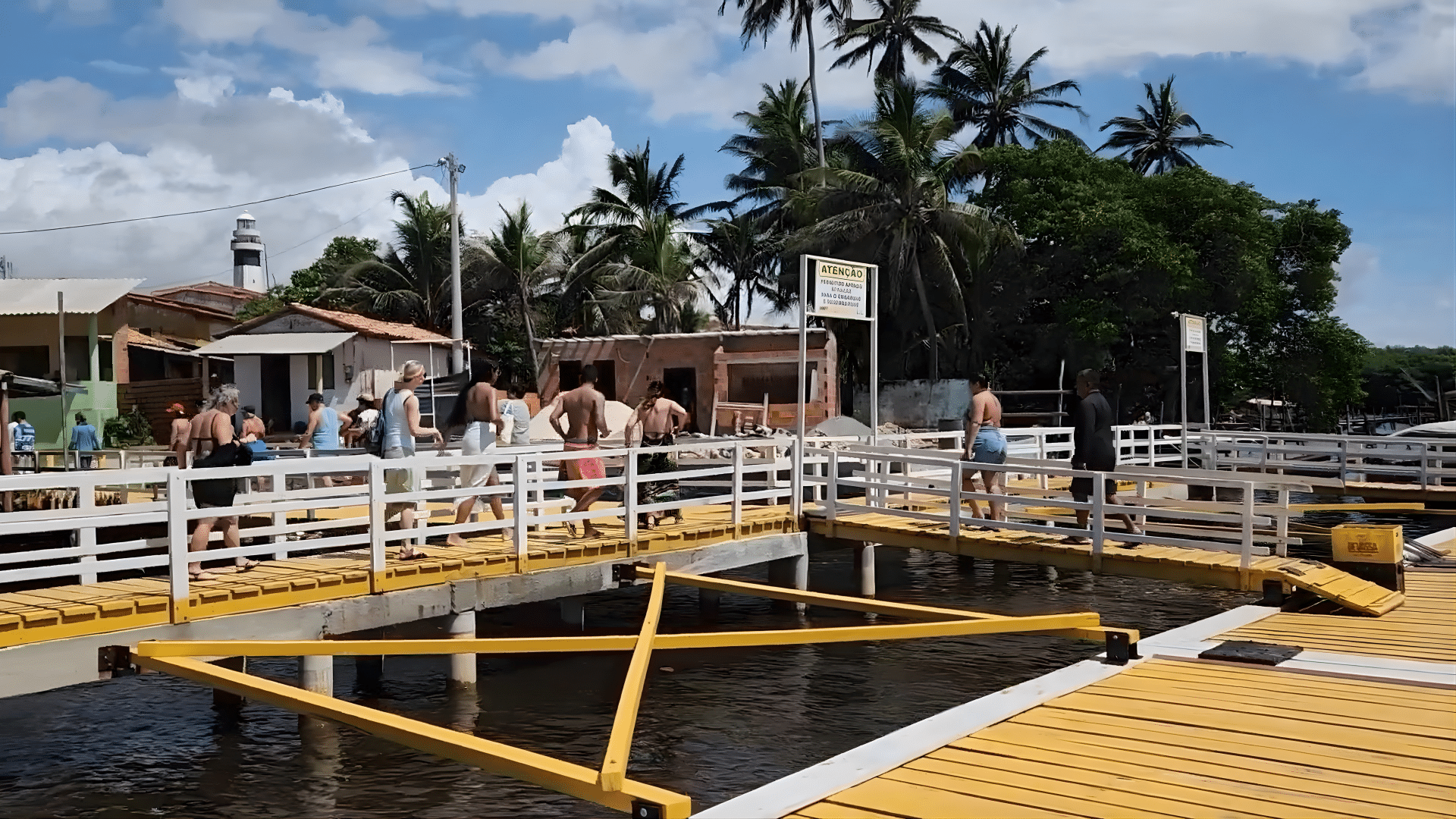
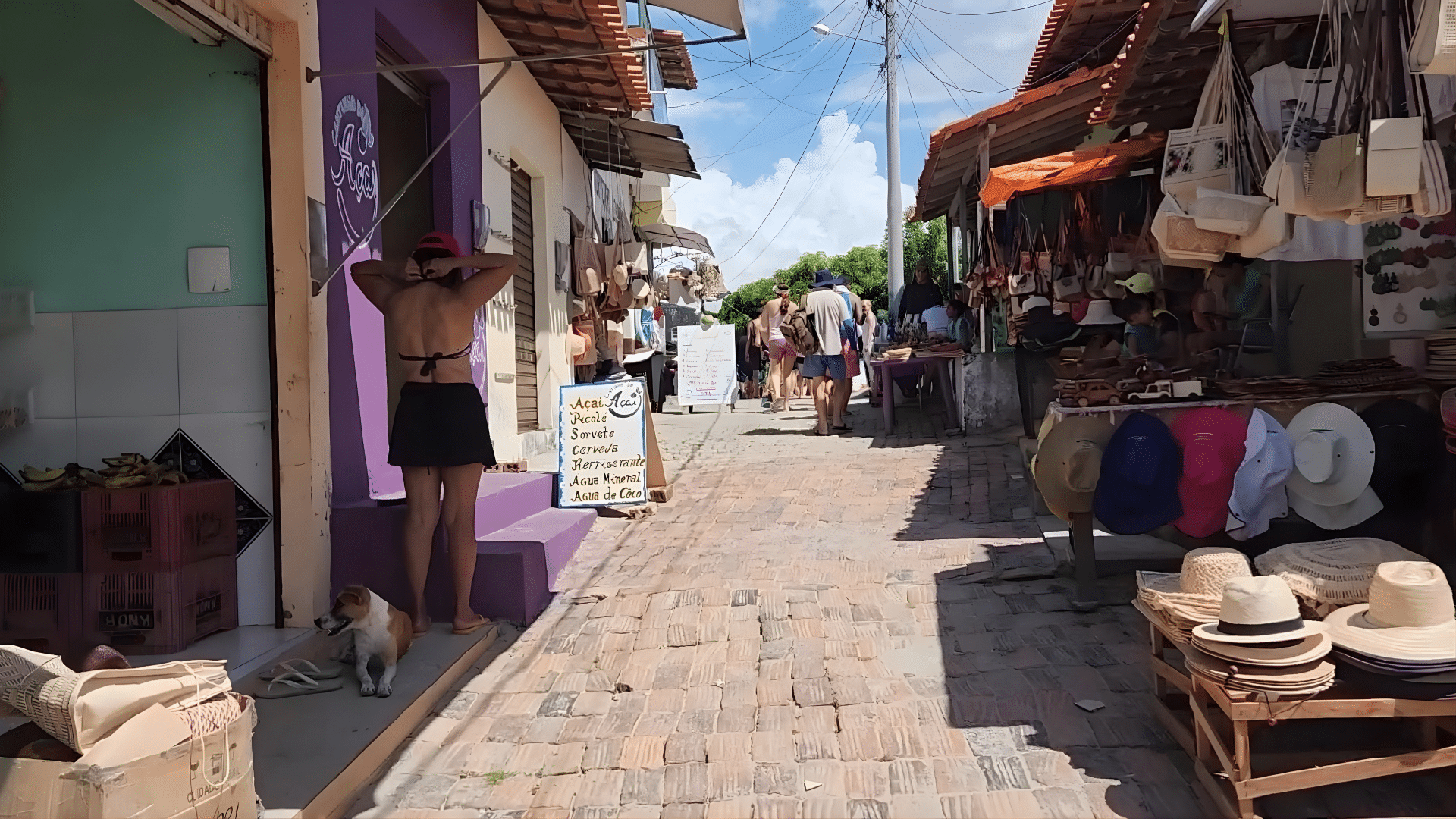
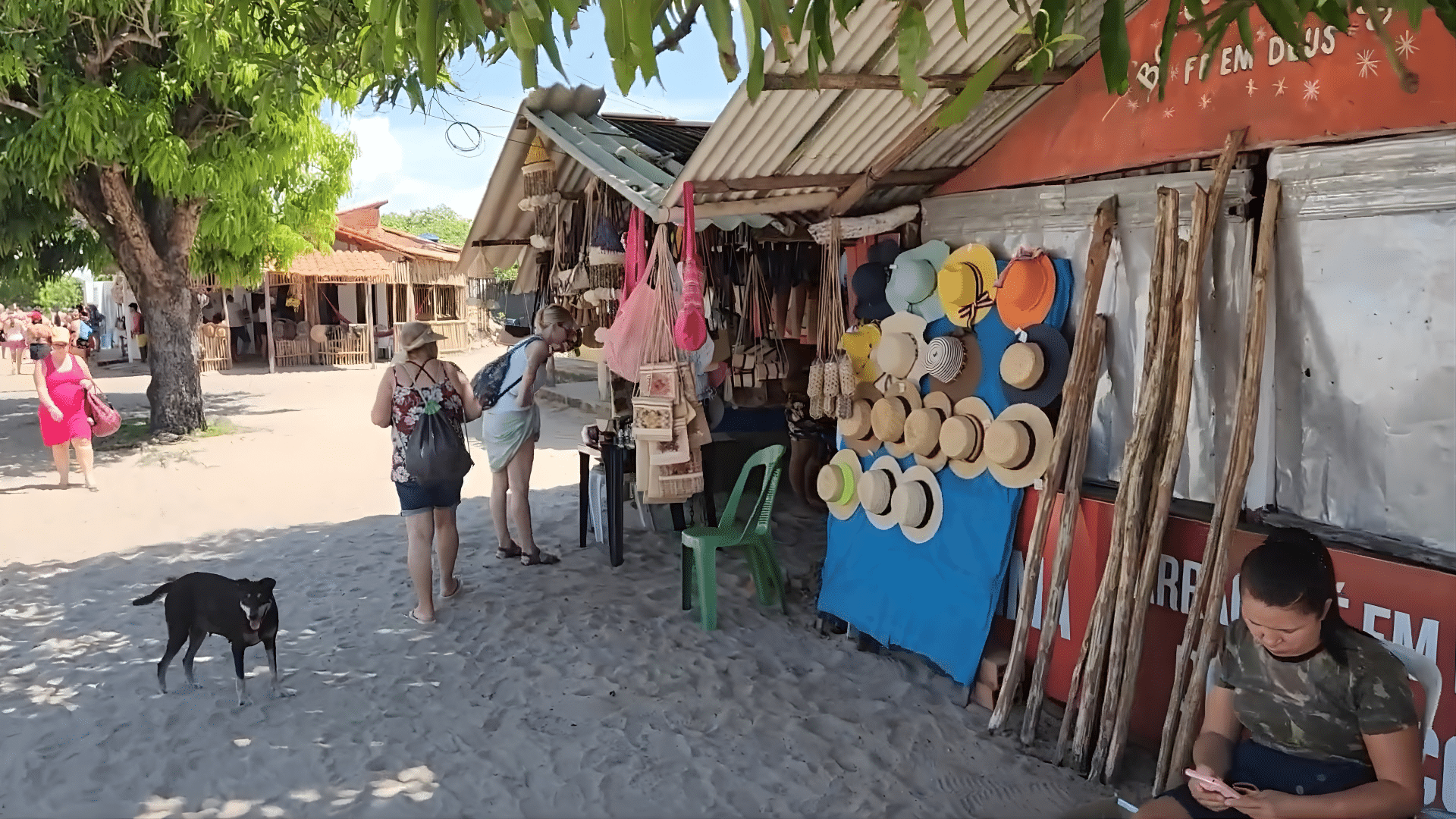
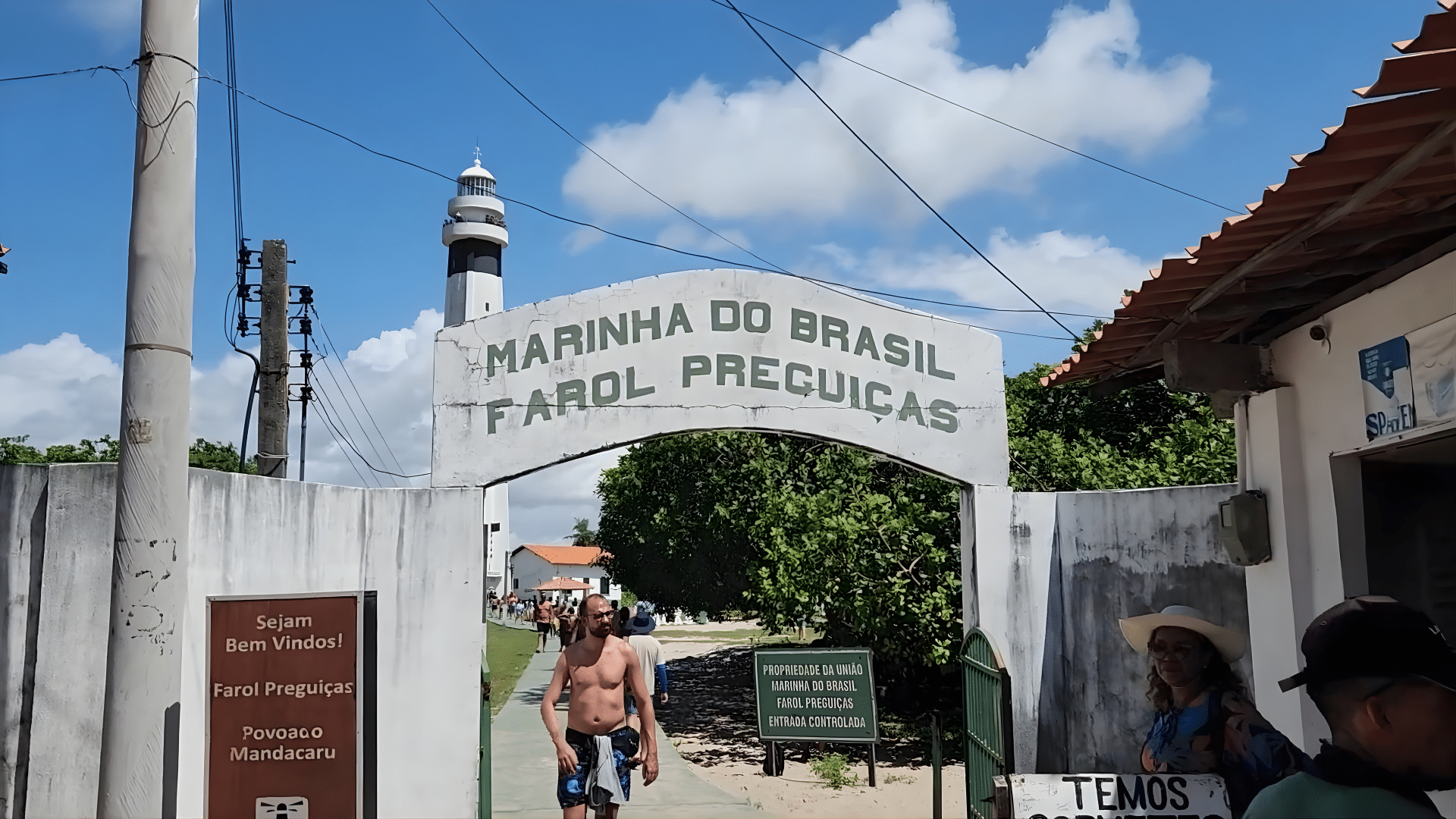
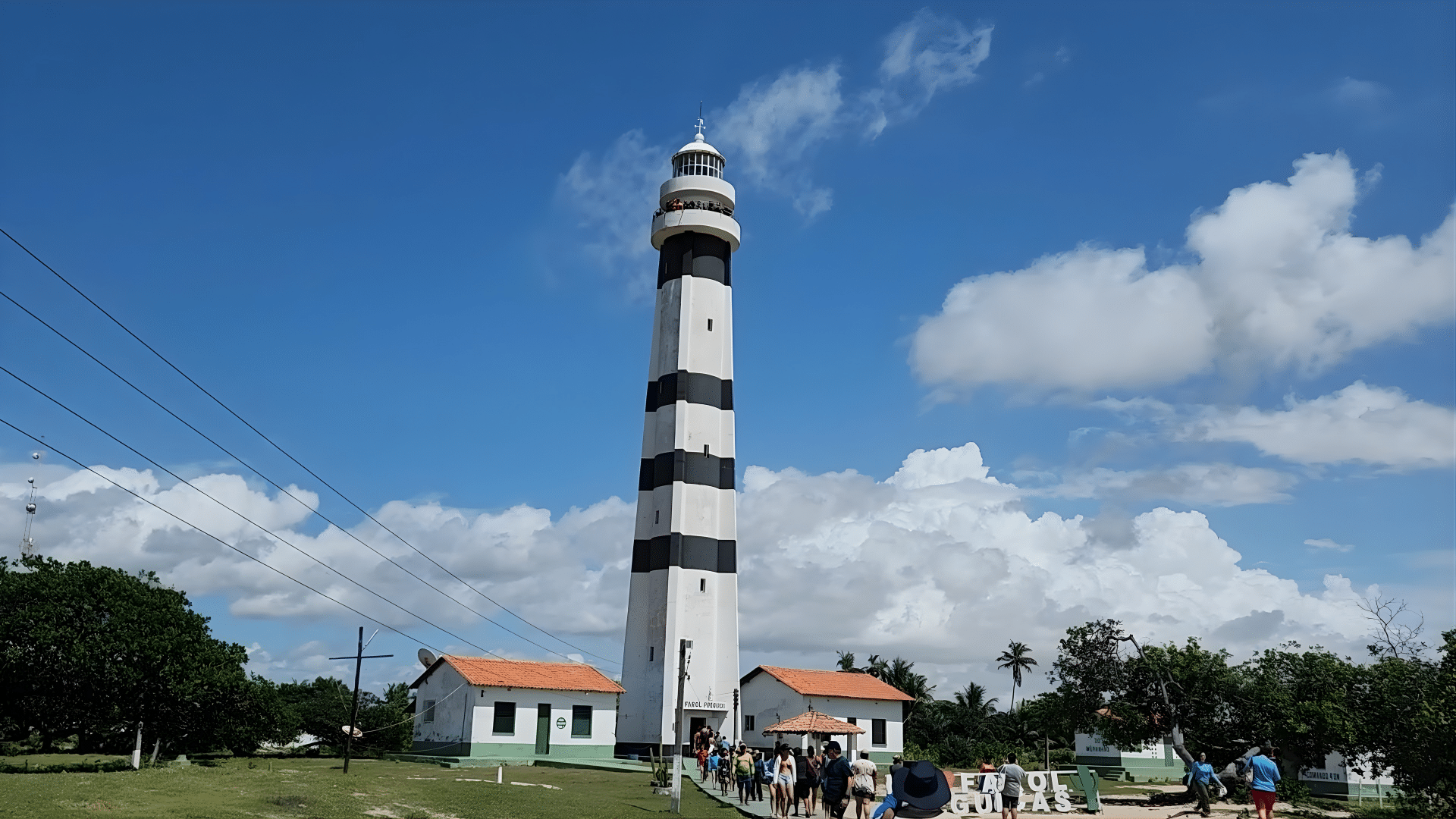
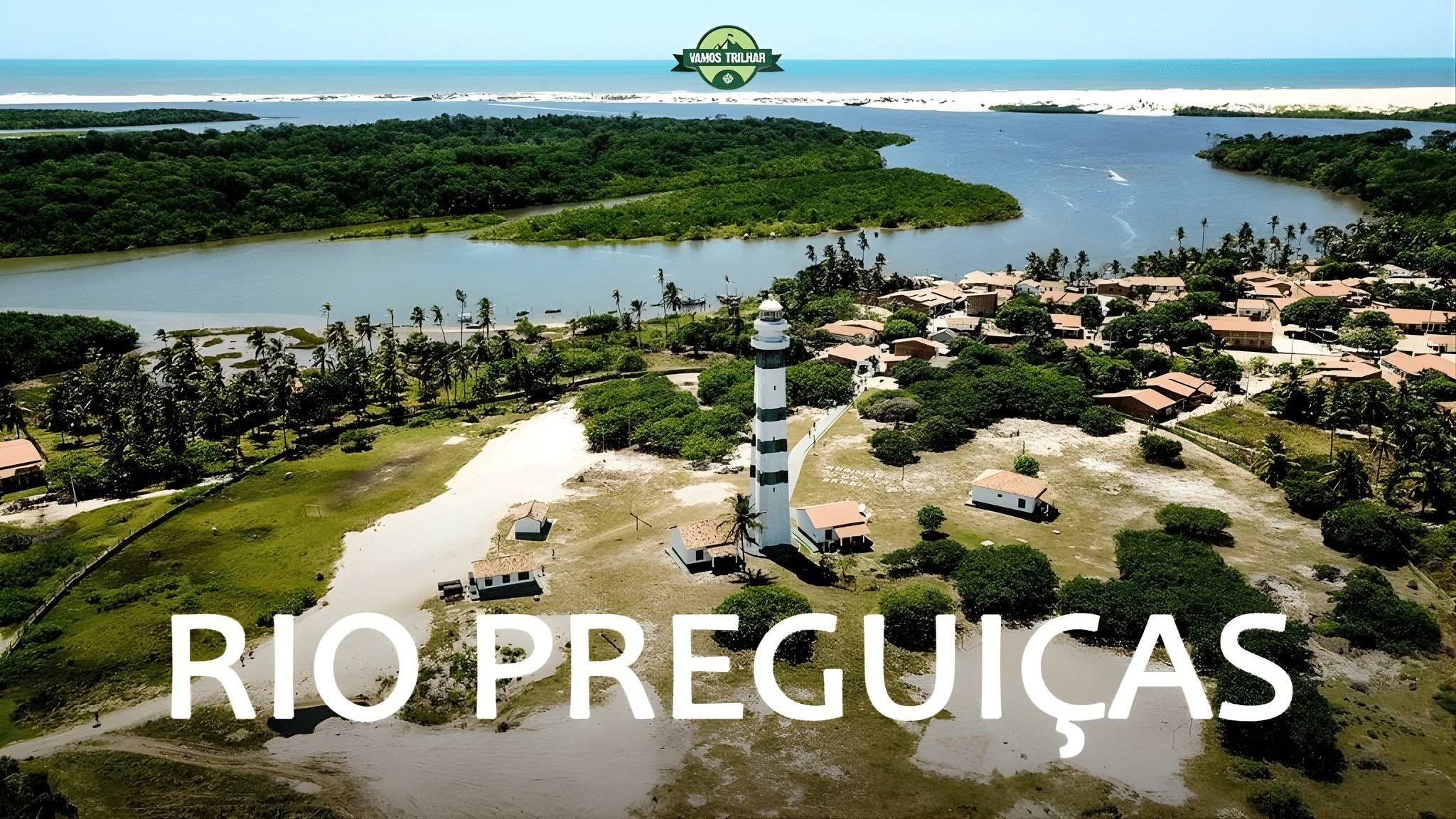
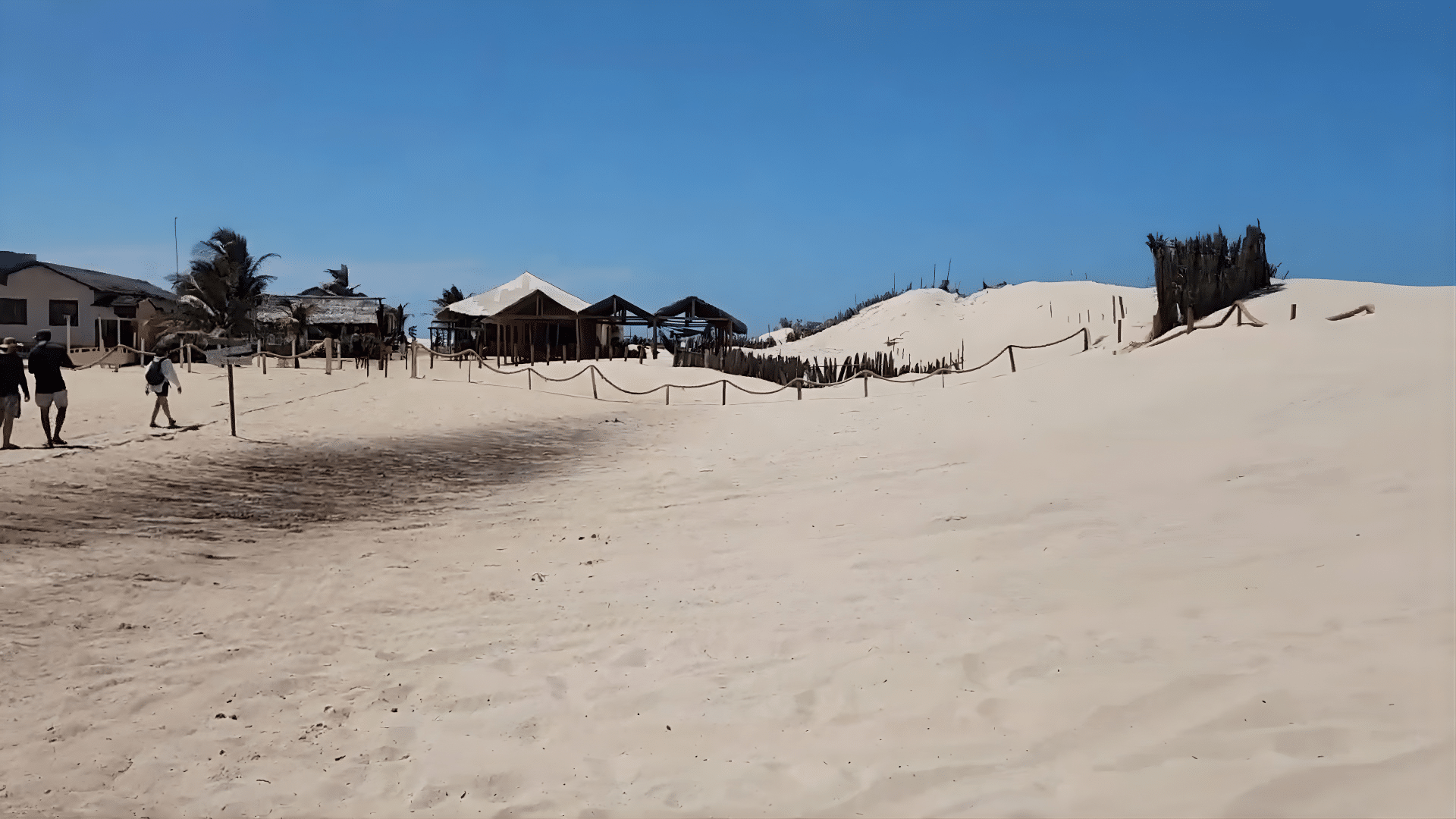
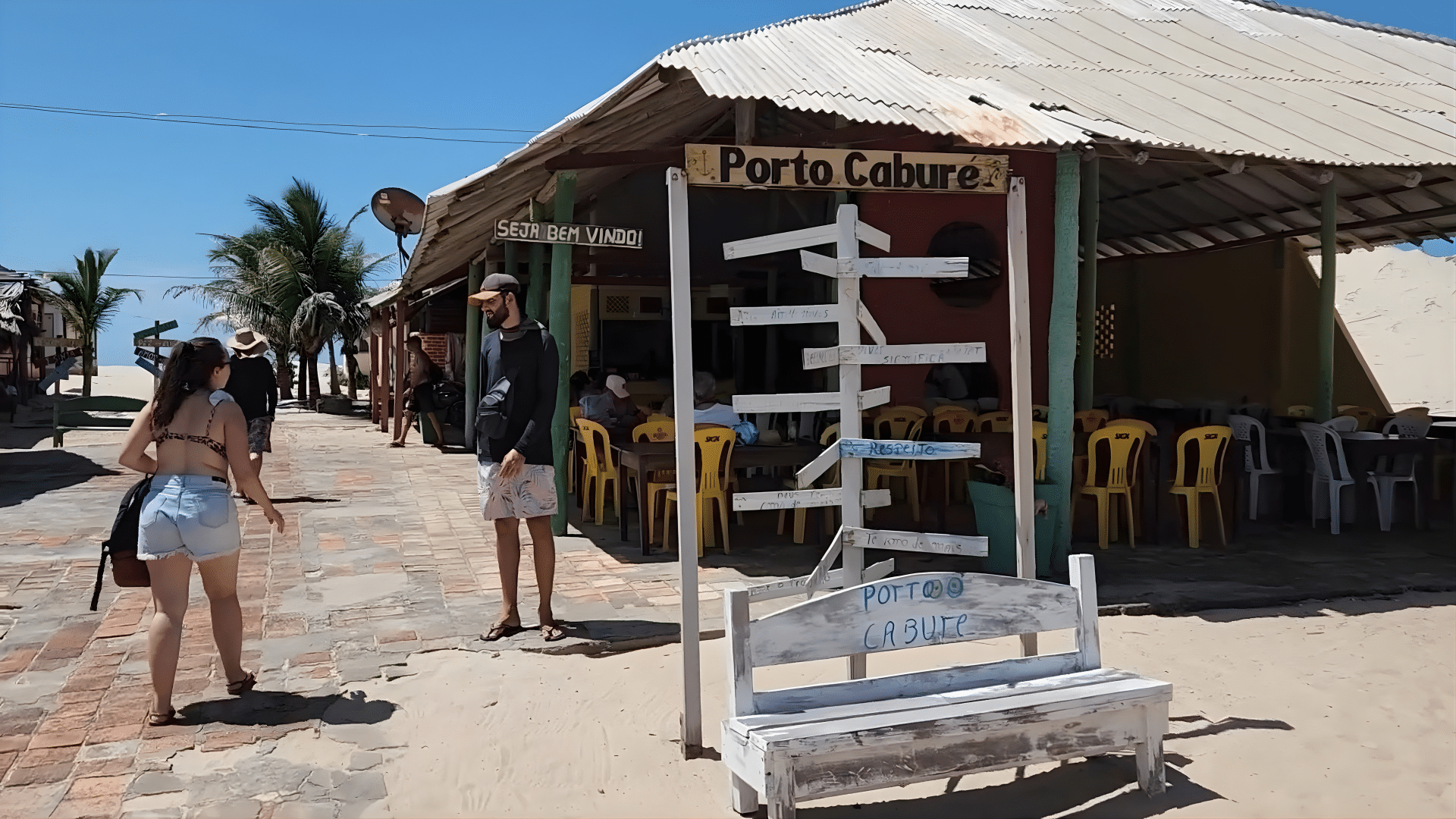

The main tourist attractions in Caburé:

1. Caburés Beach
- This extensive stretch of white sand is ideal for swimming, walking and water sports.
- This is a photogenic stretch where the Preguiças River meets the Atlantic Ocean.
2. Dunes and viewpoints
- There are trails through the dunes with swimming spots in lagoons (in season).
- There are natural viewpoints offering panoramic views and great photo opportunities.
Activities in Caburé
1. Beaches and swimming
- River Side: Calm waters, ideal for swimming and relaxation.
- Seaside: ideal for walking and watching the sunrise or sunset, with waves.
2. Gastronomy
Bars and restaurants serve a variety of seafood, including fish, prawns and shellfish, as well as traditional dishes such as cuxá rice and peixada.
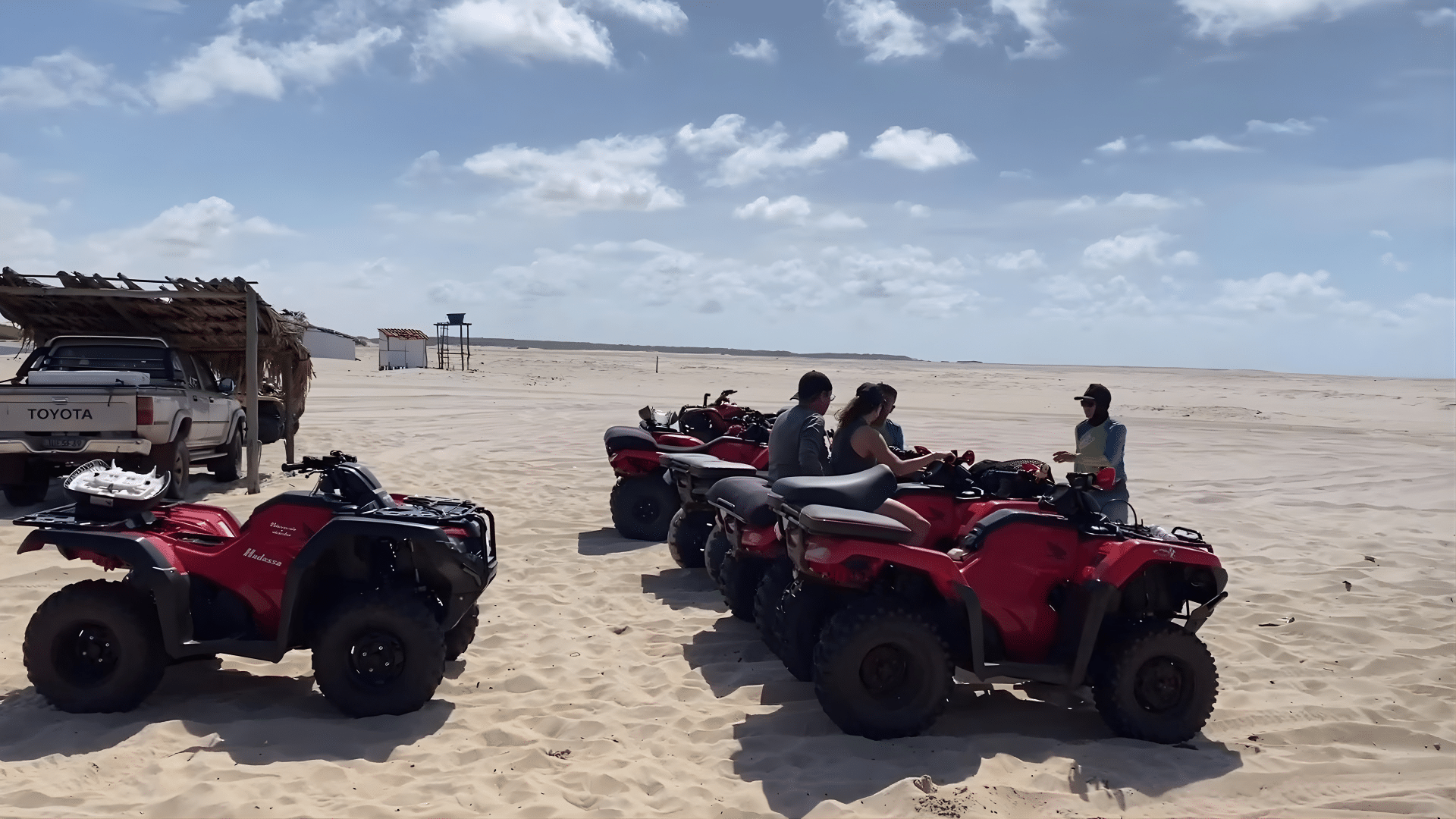
3. Quad bike tours
Guided tours of the dunes and places that cannot be reached on foot are recommended for adventure seekers.
4. natural exploitation
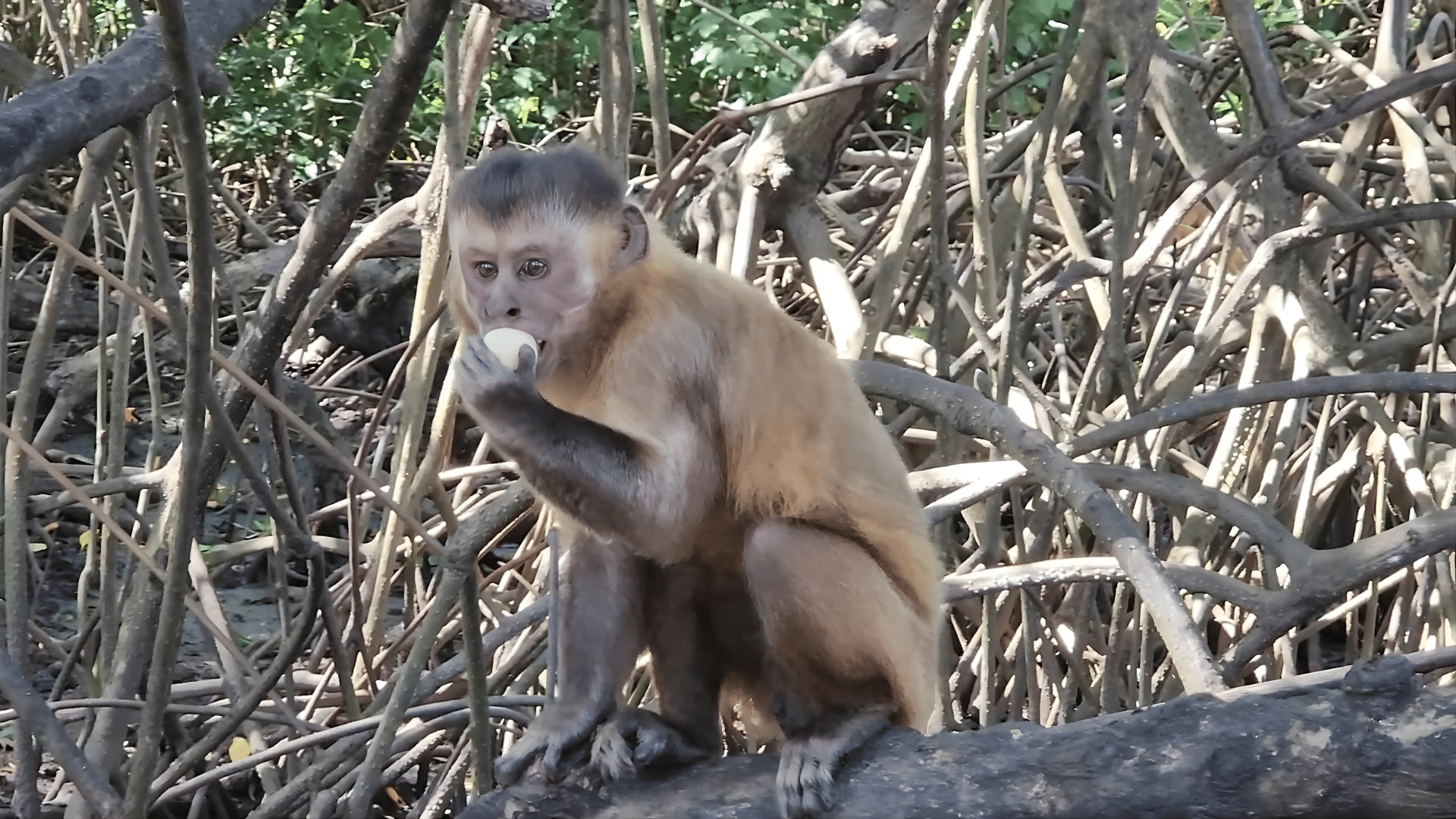
Walks through the dunes and visits to the lagoons (in season), as well as guided observations of the local flora and fauna.
5. Infrastructure and hosting
The range of accommodation varies from simple fishermen’s huts to more substantial restaurants, and full services are available in Barreirinhas. Accommodation ranges from basic to comfortable, with many rooms offering views of the river or sea.
Some locations rely on generators, so please check that electricity and other services are available.
Tip: Book in advance during the high season (July, August and public holidays).
Logistics, costs and payments.
Bring cash, as not all stalls accept cards. Prices for tours vary depending on the season and agency, so make sure you confirm whether lunch and a guide are included when booking.
best time to visit
Recommended: May to September: full lagoons, drier weather and mild temperatures.
Peak season: July and August (school holidays) — book in advance. Please note that October to April is the wettest period, and in some years the lagoons may dry up.

Publicações Relacionadas
Chapada das Mesas: The Heart of Maranhão's Nature
Best Time to Visit Lençóis Maranhenses for Water Fun
Church of Our Lady of Victory: Historical Significance
Gonçalves Dias Square: A Historic Landmark
Lençóis Maranhenses National Park: A Natural Wonder
Church of Nossa Senhora dos Remédios History
Environmental Wealth of Maranhão: A Tropical Paradise
João do Vale Theatre and Its Rich History
Catarina Mina: The Story Behind the Alley
History of the Founding of São Luís do Maranhão
Historical curiosities about São Luís do Maranhão
Arthur Azevedo Theatre and its Rich History
São Luís do Maranhão: A Journey Through History
History of João Lisboa Square in São Luís do Maranhão
Ribeirão Fountain: A Historical Landmark in São Luís
Pedra Caída Complex: Your Guide to Adventure
Cristo Rei Palace: Architecture of the 19th Century
Casa Real Empório: History and Culture Combined
The most beautiful beaches on the coast of Maranhão
Casa de Nhozinho: A Journey Through Maranhão Culture
Rua do Giz in São Luís do Maranhão - History and Architecture
Josué Montello House of Culture in Maranhão History
7-day itinerary through Maranhão
History and Colonial Architecture of São Luís do Maranhão
Historical and Artistic Museum of Maranhão Overview
Tiles from São Luís do Maranhão: History, Art and Heritage
Access to the Lençóis Maranhenses National Park
Chapada das Mesas National Park Adventure Guide
Carolina Travel Guide: Visit Waterfalls in Maranhão
Palácio dos Leões: A Historical Landmark Tour
Convent and the Church of Nossa Senhora do Carmo History
Convento das Mercês: Historical Significance Unveiled
História da Igreja de São José do Desterro em São Luís do Maranhão
Maranhão Natural History and Archaeology Research Centre
Macapá Waterfall: A Natural Treasure in Maranhão
Cine Éden: A Historic Cinema in São Luís
This post is also on:
 Português
  English
  Deutsch
  Español
  Français