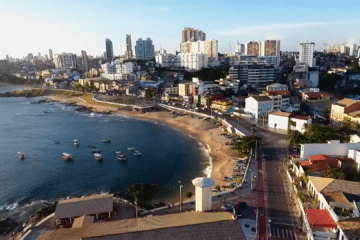
São Luís do Maranhão, capital of the state of Maranhão, is a city rich in history and culture, full of interesting curiosities.
The foundation and the cultural mix
São Luís do Maranhão was founded by the French, invaded by the Dutch and colonised by the Portuguese.
The result of this mixture? São Luís!
Located in the north-east of Brazil, the capital of Maranhão has one of the largest historical heritage sites in Latin America, the result of a fusion of different cultures.
World Heritage Sites
More than 3,500 listed buildings have earned the city the title of World Heritage Site, awarded by the United Nations Educational, Scientific and Cultural Organisation (UNESCO) in 1997.
The famous Lençóis Maranhenses are undoubtedly the state’s main tourist attraction, but São Luís do Maranhão has beauty and history of its own.
Historical wealth
São Luís is the only Brazilian city founded by the French and has an impressive history. On September 8th 1612, they founded what was to be Equinoctial France; the name of the city was a tribute to the then French King Louis XIII.
Three years later, however, it was taken over by the Portuguese and in 1641 by the Dutch, returning to the Portuguese crown in 1644.
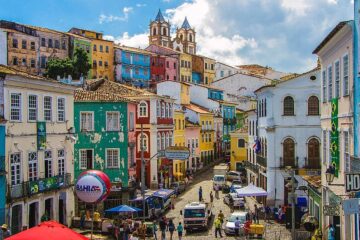
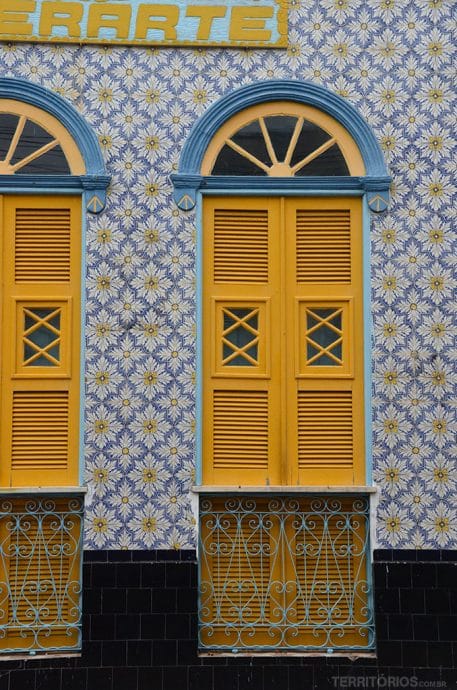
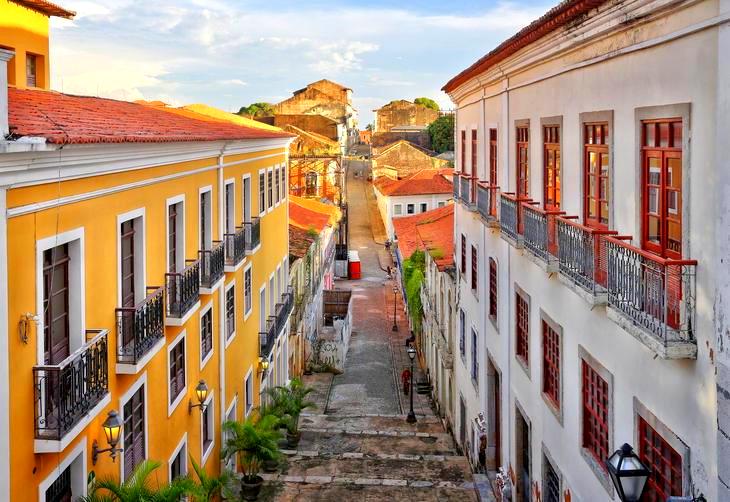
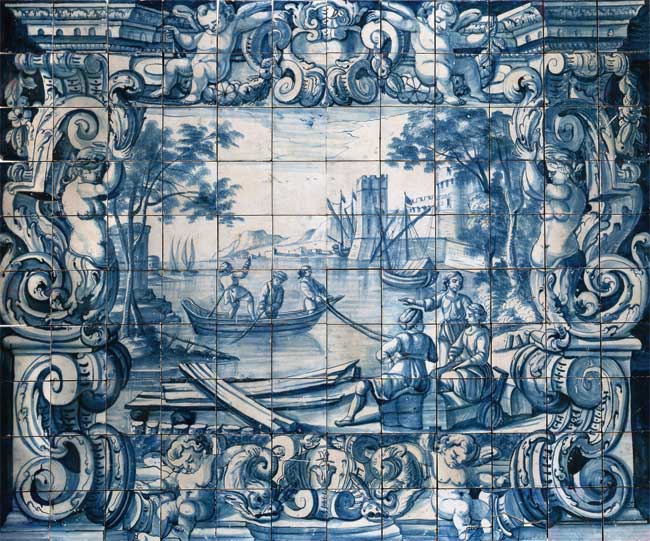
The Lusitanian heritage is visible in every street of the famous historic centre, in the facades of colonial houses decorated with Portuguese tiles, the largest collection in Latin America.
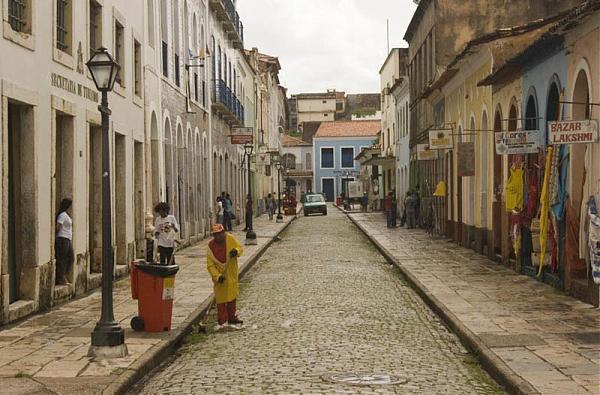
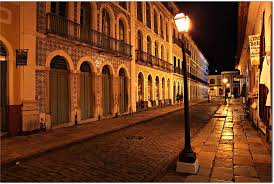
To walk through these streets is to go back in time, to understand the present and reflect on the future. A real journey through time that reminds us of the importance of knowing our own history.
Exploring the historic centre
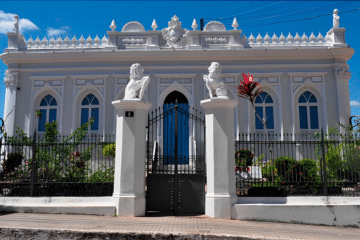
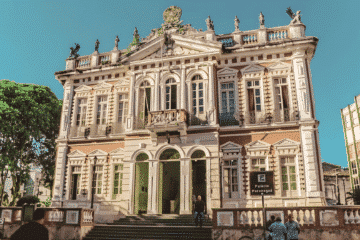
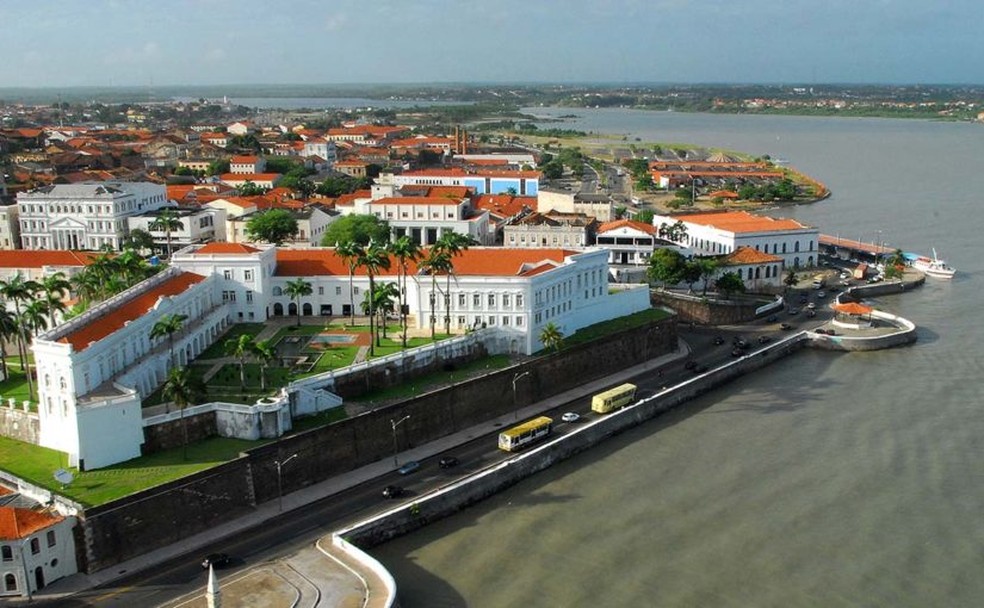
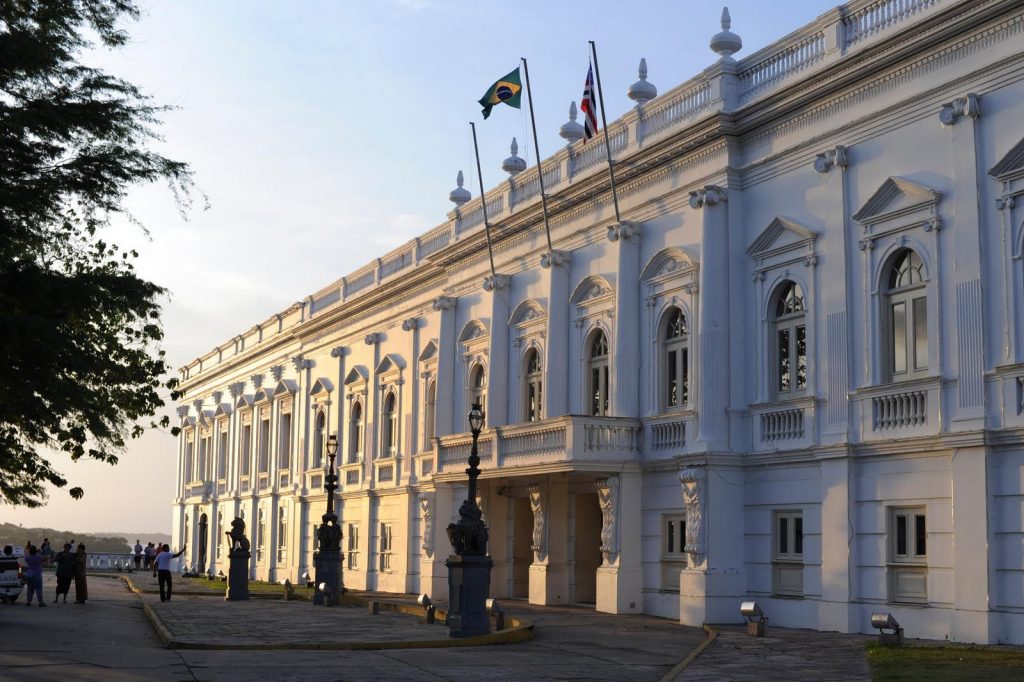
On foot, you can explore the historic centre and the main tourist attractions, such as the Palais des Lions, the seat of the state government, which offers a privileged view of the sea. Next door is the La Ravardière Palace, which houses the town hall, and close by is the Metropolitan Cathedral, with its gilded altar.
São Luís‘s historic buildings are beautiful in their own right and become even more fascinating when you learn about their history.
Video of the Historic Centre of São Luís do Maranhão
Centro histórico de São Luís do Maranhão - Parte 107:15
Centro histórico de São Luís do Maranhão - Parte 208:30
História dos azulejos de São Luís04:10
São Luís - Tour pelo belíssimo Centro Histórico25:49
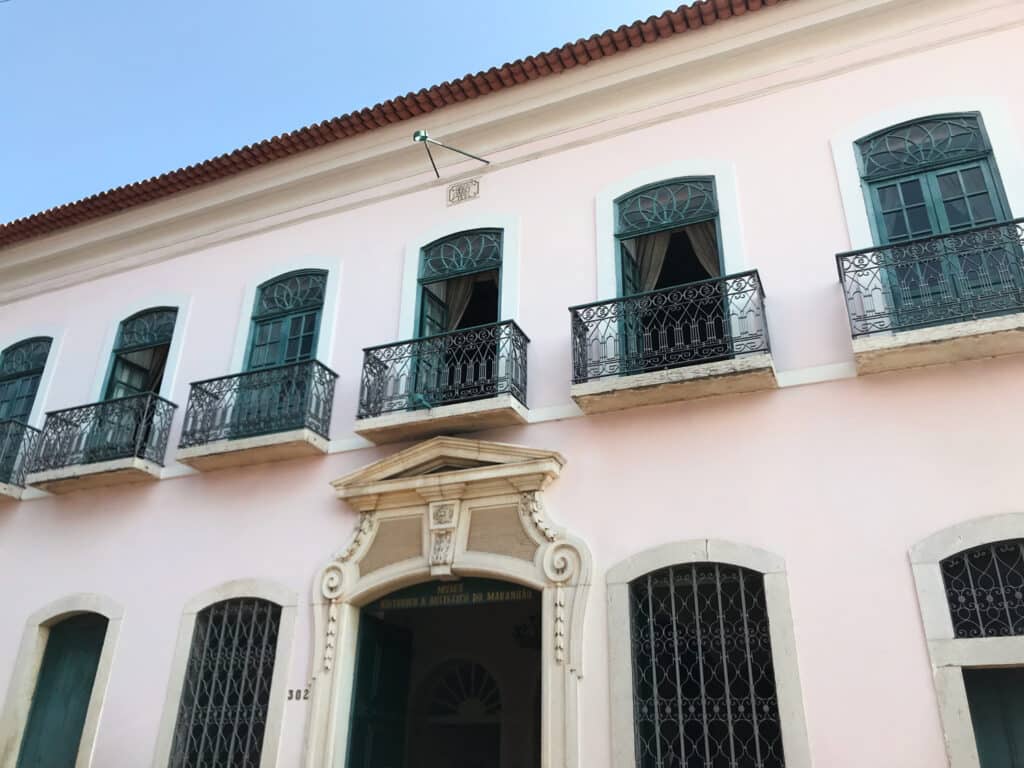
See Museum of History and Art of Maranhão
Inspiring architecture
On this route, the architecture is the highlight. The facades inspired architects in Lisbon in the 18th century.
Contrary to popular belief, it was the Portuguese in Brazil who first decorated their houses with tiles, before the trend spread to Portugal.
The technique of using ceramic tiles on facades was not only aesthetic, but also had the function of minimising internal heat by reflecting sunlight. Portuguese tiles alone come in 150 different designs, mostly in blue and white.
Common features of the houses include ceramics and iron balconies. Huge windows and doors communicate the economic prosperity that resulted from the cultivation of cotton in the 18th century.

The Cultural Walk
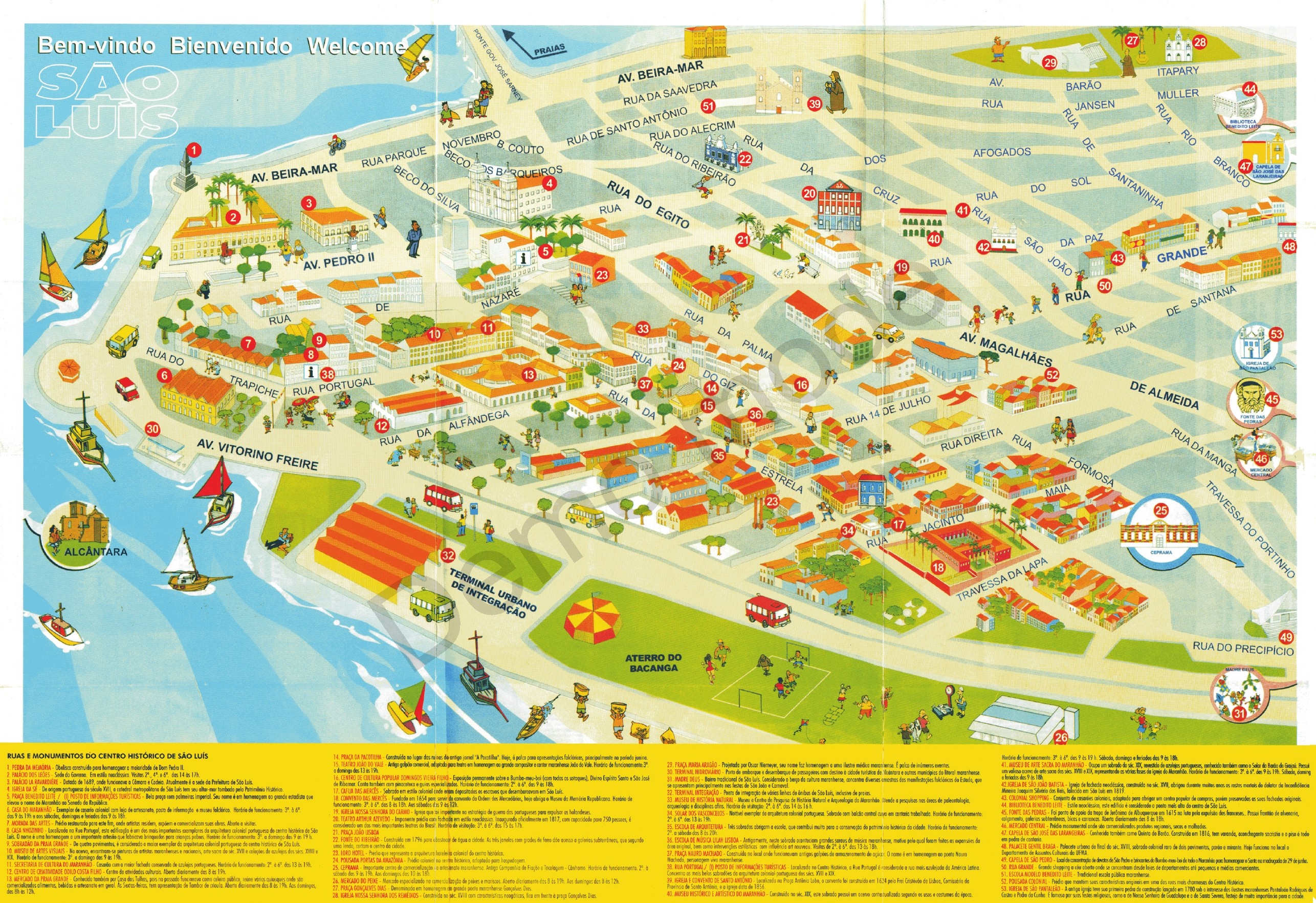
The walk usually starts at Praça Dom Pedro II, down the Catarina Mina steps to Rua Portugal in Praia Grande. A stop at the Largo do Comércio is a must, with its bars and the Casa das Tulhas, ideal for tasting and buying typical products.
If you prefer to continue on your own, when you reach Rua da Paz, head for Praça João Lisboa and from there to Rua do Sol, where you’ll find the Arthur de Azevedo Theatre, which offers guided tours and shows. Straight ahead, the Rua do Ribeirão leads to the Ribeirão Fountain and its legends.
The Ribeirão Fountain
The Ribeirão Fountain (1796), with Christian and pagan symbols, was used to supply the city and still inspires legends and popular beliefs. Among these is the legend of the sleeping snake that grows in the underground tunnels of São Luís.

Five Historical curiosities about São Luís do Maranhão
Understanding history isn’t always easy, especially when it comes to São Luís, the only Brazilian city founded by the French, invaded by the Dutch and then colonised by the Portuguese.
Together with the historian Euges Lima, we have selected some curiosities about São Luís that you probably don’t know:
1. Daniel de La Touche and the Foundation
According to Claude d’Abbeville’s book, História da Missão dos Padres Capuchinhos na Ilha do Maranhão , the official founder of São Luís, Daniel de La Touche, was not present at the ceremony on 8 September 1612 because he was a Protestant and the ceremony was strictly Catholic.
“A Protestant would never take part in an investiture ceremony in the name of Catholicism!
The first commemoration took place in 1912, when the city was already 300 years old.
According to the book, the 8th of September was chosen because of the procession of the French and the Tupinambás Indians.
They will erect a cross together and this cross symbolises that at that moment the French together with the Indians will take possession of the island of São Luís in the name of Christianity.
And since Daniel de La Touche was a Protestant, François de Razilly, one of the leaders of the expedition, took part in the ceremony,” says historian Euges Lima.
2. The name of the Palácio dos Leões
The Headquarters of the Government of Maranhão didn’t always have this name. Euges Lima explains that it was given this name because of criticism.
The Palácio dos Leões hasn’t always been called that, but it used to be called the Palácio do Governo (Government Palace) because it housed the executive government of the governors during the colonial period.
Around the first half of the 20th century, at the time of the Vargas era interventions.
Opposition groups used the Lion Engraved Tiles as an ironic attack on the governor at the time, when Maranhão was still run by political administrators appointed by the federal government.
Instead of being angered by the protest, he ended up neutralising the criticism by having the bronze sculptures made. From then on, it was no longer called the Government Palace, but the Palace of the Lions.
3. Keep the name
Something to think about… Since the city was founded by Daniel de La Touche (or not) and they were expelled by the Portuguese, the name was kept. Do you know why?
According to one of the oldest chroniclers of the history of São Luís, Bernardo Berredo, author of Anais históricos do estado do Maranhão (1749), Jerônimo de Albuquerque Maranhão, who expelled the French, left the name São Luís to preserve his deed for posterity. In this way, the memory of the French presence and their memory is preserved.
4. The Sagração Pier
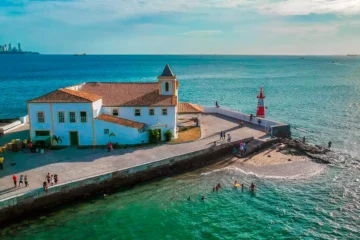
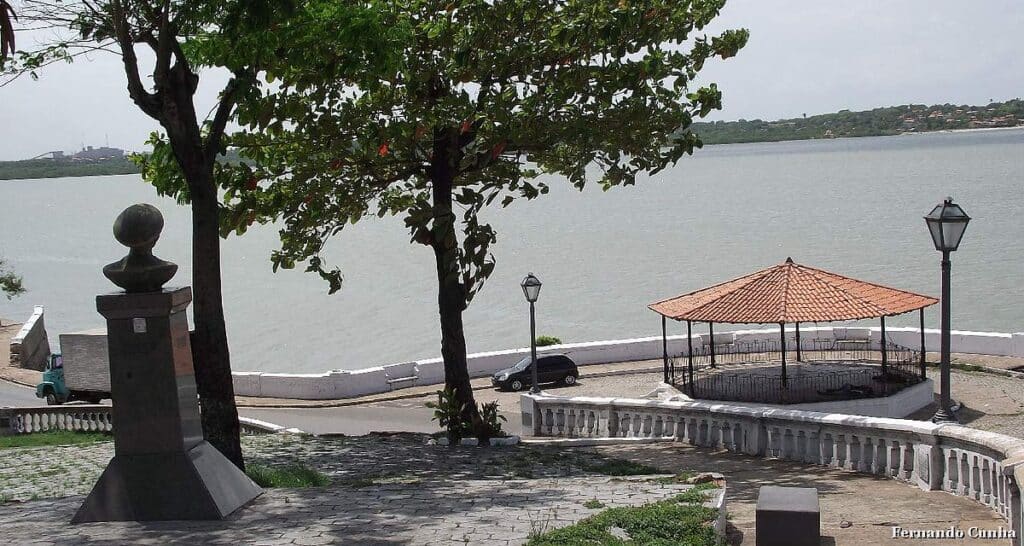
The construction of the Cais da Sagração, located in the centre of São Luís, began in 1841 as a result of the coronation of King Pedro II. To commemorate this event, Maranhão held several celebrations.
The pier was inaugurated in 1909 as a tribute to this coronation, which took place during the Second Empire, even under the Republic.
The Brazilian army, which was in the state, organised celebrations. Monuments such as the Pedra da Memória were also inaugurated on that occasion,” said Euges.
5 Tiradentes’ traitor lived and was buried in São Luis
The first informer in history, better known as Tiradentes’s traitor, was Joaquim Silvério dos Reis.
Joaquim Silvério dos Reis was the Colonel Commander of the Borda do Campo Auxiliary Cavalry Regiment, a landowner, farmer and mine owner.
Faced with the possibility of having his debts cancelled by the Crown, he decided to denounce the Inconfidentes, making Tiradentes a martyr of the Inconfidência.
Part of his life was spent here in Maranhão, where his story is little known and controversial. Documents and research indicate that he was buried in the Church of São João, in the centre of São Luís. However, there is disagreement about what happened to his tomb and the fate of his remains.
Publicações Relacionadas
Environmental Wealth of Maranhão: A Tropical Paradise
Kitesurfing in Atins: Your Ultimate Guide
Casa Real Empório: History and Culture Combined
Alcântara: A Must-See Tourist Destination
História da Igreja de São José do Desterro em São Luís do Maranhão
Arthur Azevedo Theatre and its Rich History
Atins: A Hidden Gem on the Maranhão Coast
Carolina Travel Guide: Visit Waterfalls in Maranhão
João do Vale Theatre and Its Rich History
History and Colonial Architecture of São Luís do Maranhão
History of the Founding of São Luís do Maranhão
Church of Nossa Senhora dos Remédios History
La Ravardière Palace: A Historic Monument in the City
Historical and Artistic Museum of Maranhão Overview
Church of Our Lady of Victory: Historical Significance
Ribeirão Fountain: A Historical Landmark in São Luís
History of João Lisboa Square in São Luís do Maranhão
Benedito Leite Public Library's Rich History
Pedra Caída Complex: Your Guide to Adventure
Rua do Giz in São Luís do Maranhão - History and Architecture
Tiles from São Luís do Maranhão: History, Art and Heritage
Tutóia: Discover the Beauty of Maranhão's Coast
The most beautiful beaches on the coast of Maranhão
Gonçalves Dias Square: A Historic Landmark
Santo Amaro do Maranhão: The Paradise of the Lagoons
Macapá Waterfall: A Natural Treasure in Maranhão
Casa de Nhozinho: A Journey Through Maranhão Culture
Best Time to Visit Lençóis Maranhenses for Water Fun
Exploring Caburé: The Enchanting Peninsula of Maranhão
Cristo Rei Palace: Architecture of the 19th Century
Access to the Lençóis Maranhenses National Park
Barreirinhas: the gateway to Lençóis Maranhenses
Chapada das Mesas: The Heart of Maranhão's Nature
Cine Éden: A Historic Cinema in São Luís
Josué Montello House of Culture in Maranhão History
Lençóis Maranhenses National Park: A Natural Wonder
This post is also on:
 Português
  English
  Deutsch
  Español
  Français