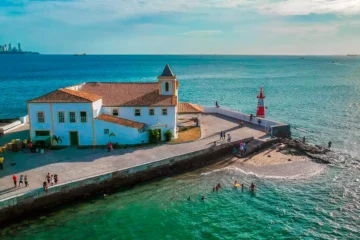
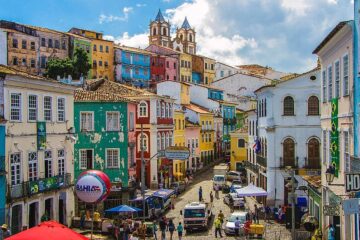
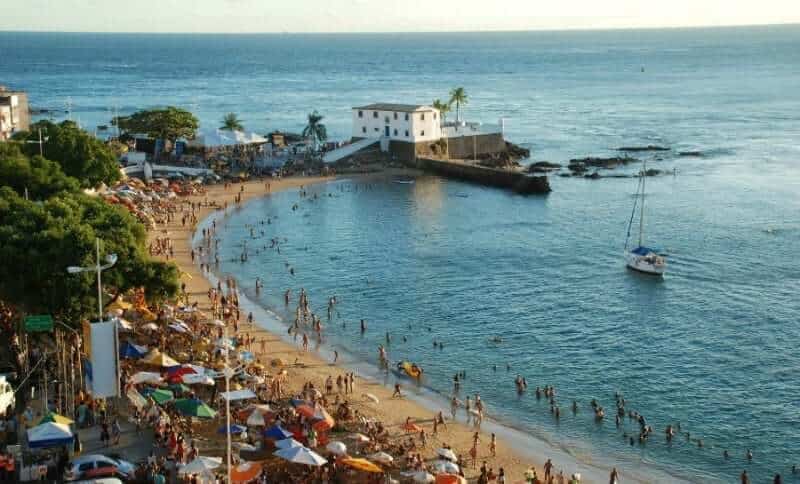
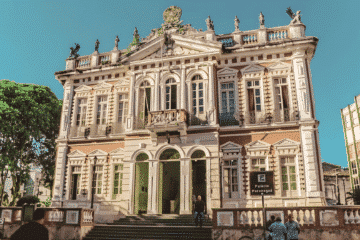
The Convento das Mercês, once a barracks, is now home to the Fundação da Memória Republicana Brasileira and was recently named one of the Seven Treasures of São Luís..
Construction and foundation
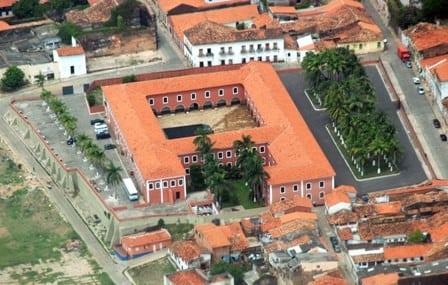
Construction began in 1654, when the Mercedarians João Cerveira (from Maranhão de Alcântara) and Marcos Natividade arrived in São Luís from Belém. They were joined by Manoel de Assunção, Antônio Nolasco and the layman João das Mercês. The building was made of damp earth covered with straw.
The following year, on additional land, the facilities were rebuilt in stone and lime, and the chancel was built. According to Professor Jomar Moraes, “the Convento das Mercês de São Luís and Alcântara, founded by the Pará convent, formed with the former a vicariate dependent on the provincial based in Spain.
This is probably one of the reasons for the various restrictive measures suffered by the Orden, including absolute submission to episcopal discretion, which included unlimited interference in the destination of its goods”.
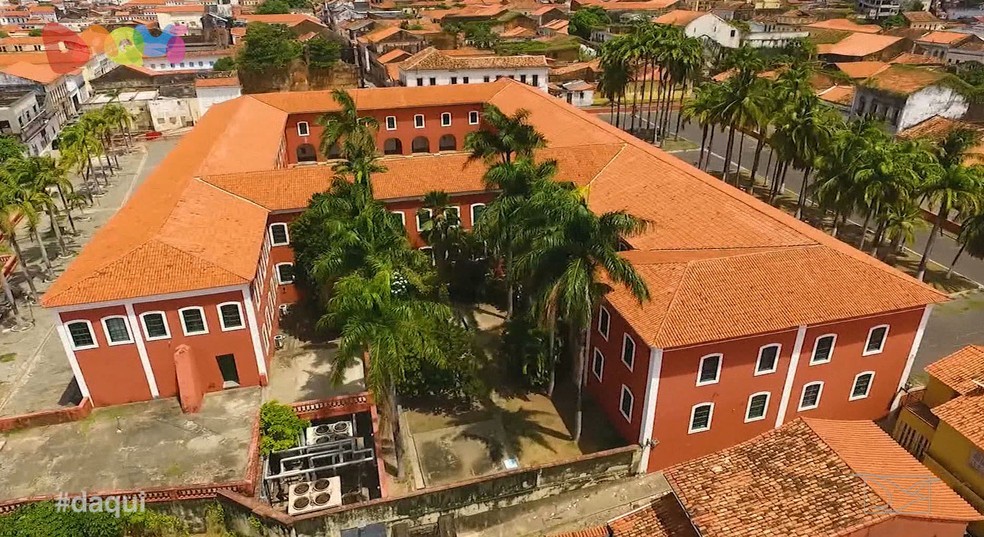
Convento das Mercês em São Luís do Maranhão EP 102:07

Convento das Mercês em São Luís do Maranhão EP 202:53
Abandonment and new interventions
With the independence of Brazil on 7 September 1822, the property began to fall into disuse, leading to its abandonment. It wasn’t until the middle of the 19th century that the building was converted into the headquarters of the Minor Seminary.
On 5 May 1905, the building was sold to the Maranhão State Government, which made further changes to the original architecture, including reversing the fronts of the convent and the annexed church (which faced the sea) and giving them a single façade.
The work was carried out by Lieutenant Colonel Zenóbio da Costa. The reason was simple: the site was to house the headquarters of the State Military Police and the Fire Brigade, which remained there until the end of the 1980s, when the battalions were moved to their current headquarters.
After the militias left, the building underwent further renovation between 1987 and 1990, during the administration of the Cafeteira. The main entrance faces Jacinto Maia Street, protected by palm trees.
Restoration and Cultural Heritage
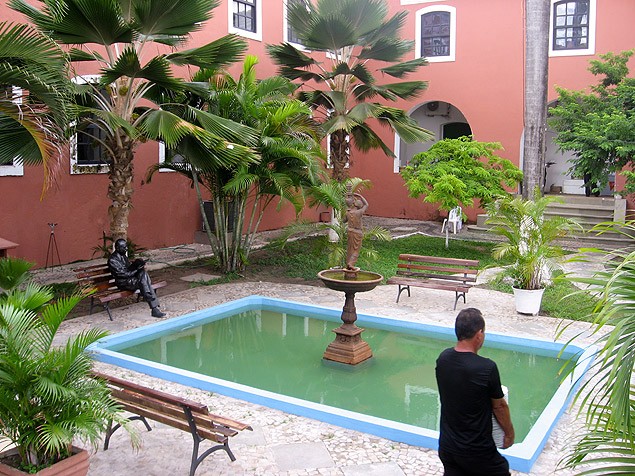
Next to the convent is the Cafua das Mercês. During the restoration, the outbuildings that were detracting from the character of the building were removed and the original arches and the well were discovered. During the restoration the foundations of the demolished church were found.
Today, with a built area of 5,800 m², the Convento das Mercês houses a rich museum and bibliographic collection, and is the stage for cultural and artistic events such as the Maranhão Vale Festejar and the São João Festival in São Luís out of season.
Practical Information
Convento das Mercês – Fundação da Memória Republicana Brasileira
Where: Rua Jacinto Maia, Praia Grande, next to Cafua das Mercês.
Conclusion
The Convento das Mercês is not only a historic building, but also an important symbol of Maranhão’s culture and memory, representing the state’s rich cultural heritage and its development over the centuries.
Publicações Relacionadas
Cine Éden: A Historic Cinema in São Luís
Maranhão: A Journey Through Nature and Culture
Lençóis Maranhenses National Park: A Natural Wonder
Historical and Artistic Museum of Maranhão Overview
Kitesurfing in Atins: Your Ultimate Guide
Rua do Giz in São Luís do Maranhão - History and Architecture
Exploring Caburé: The Enchanting Peninsula of Maranhão
Tiles from São Luís do Maranhão: History, Art and Heritage
Casa Real Empório: History and Culture Combined
Tutóia: Discover the Beauty of Maranhão's Coast
Atins: A Hidden Gem on the Maranhão Coast
Palácio dos Leões: A Historical Landmark Tour
7-day itinerary through Maranhão
São Luís do Maranhão: A Journey Through History
Best Time to Visit Lençóis Maranhenses for Water Fun
History of João Lisboa Square in São Luís do Maranhão
Convent and the Church of Nossa Senhora do Carmo History
Santo Amaro do Maranhão: The Paradise of the Lagoons
História da Igreja de São José do Desterro em São Luís do Maranhão
Cafua das Mercês: Preserving Black Memory Today
Alcântara: A Must-See Tourist Destination
Gonçalves Dias Square: A Historic Landmark
Environmental Wealth of Maranhão: A Tropical Paradise
Catarina Mina: The Story Behind the Alley
Benedito Leite Public Library's Rich History
Josué Montello House of Culture in Maranhão History
Access to the Lençóis Maranhenses National Park
Casa de Nhozinho: A Journey Through Maranhão Culture
Barreirinhas: the gateway to Lençóis Maranhenses
Maranhão Natural History and Archaeology Research Centre
La Ravardière Palace: A Historic Monument in the City
The most beautiful beaches on the coast of Maranhão
Carolina Travel Guide: Visit Waterfalls in Maranhão
Cristo Rei Palace: Architecture of the 19th Century
Chapada das Mesas: The Heart of Maranhão's Nature
Pedra Caída Complex: Your Guide to Adventure
This post is also on:
 Português
  English
  Deutsch
  Español
  Français