Discover the wonders of Maranhão: Ecosystems, culture and unforgettable tourist attractions
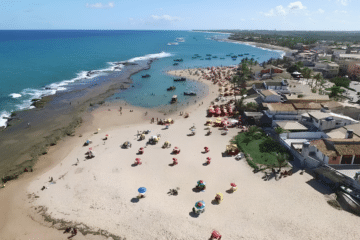
Maranhão has a rich ecosystem made up of mangroves, beaches, rivers, waterfalls and a tropical desert. The state is also characterised by the meeting of the ancient and the modern.
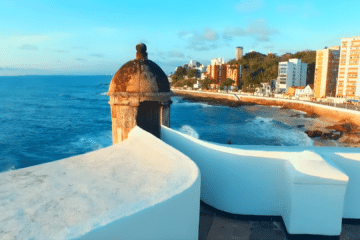
In Maranhão, there is a mix of baroque tiles and space technology, centuries-old houses and modern spikes, bumba-meu-boi and reggae.

History of Maranhão
The Portuguese rule was difficult to consolidate in this region of contrasts, still in the northeast, but already strongly influenced by the culture and traditions of the north of the country.
The first Europeans to arrive in the region were the Spaniards, who landed in the same year as the discovery of Brazil; it was not until 35 years later that the Lusitanians began to colonise the area.
In 1612 the French, with the help of indigenous groups, attempted to establish what became known as Equinoctial France.
The territory was returned to Portugal three years later, with the final expulsion of the French; in 1624 the capital of Maranhão and Grão-Pará was created, which did not prevent another invasion in 1641, this time by the Dutch – expelled in 1644.
Maranhão separated from Pará in 1774 and expanded thanks to the production of sugar, spices, rice and cotton.
Maranhão’s Tourist Attractions


In the 20th century, in the 1970s, a government project began to restore the old buildings of São Luís; in 1997, UNESCO declared the architectural ensemble of the historic centre of the capital, Maranhão, a World Heritage Site.
Maranhão is one of the largest states in the northeast of Brazil and has a rich ecosystem of mangroves, beaches, rivers, waterfalls and tropical desert. Situated between the Northeast and North regions, Maranhão has all the natural beauty of the Northeast, with all the boldness and esotericism of the North.
Maranhão has incredible tourist destinations surrounded by beautiful landscapes that deserve to be admired up close.
In Alcântara, a ruin – the Church of São Matias, begun in 1648 – is the postcard of the city, which is home to the Launch Centre, a Brazilian rocket base.
In the Lençóis Maranhenses region, the heritage is different: in the National Park area, white dunes surround lagoons of breathtaking blue – another spectacle of the country’s contrasts.
Maranhão is a state of impressive cultural and natural diversity, offering countless tourist attractions ranging from beautiful natural landscapes to rich cultural manifestations. Here are some of Maranhão’s main tourist attractions:
1. Lençóis Maranhenses
- Description: One of Brazil’s most impressive natural destinations, known for its white sand dunes and crystal-clear lagoons.
- Location: Lençóis Maranhenses National Park, in the municipalities of Barreirinhas, Santo Amaro and Primeira Cruz.
- Activities: Jeep safaris, hiking, swimming in the lagoons, panoramic flights and fauna and flora observation.
- Best time to visit: May to September, when the lagoons are full.

2. São Luís
- Description: State capital, famous for its historic centre, which has the UNESCO World Heritage designation.
- To do: Historic Centre, Palácio dos Leões, Maranhão History and Art Museum, Casa do Maranhão and the Bumba-Meu-Boi festival.
- Culture: Rich colonial heritage with Portuguese, African and indigenous influences.

3. Alcântara
- Description: A historic town with many ruins and well-preserved colonial mansions.
- To do: Ruins of the Mother Church of São Matias, Carmo Church, Town Hall and Jail and Itatinga Beach.
- Access: By boat from São Luís.

4. Parnaíba Delta
- Description: The only open sea delta in the Americas, located on the border between Maranhão and Piauí.
- Activities: Boat trips, wildlife observation, visits to the islands and dunes of the delta.
- Nature: Mangroves, river islands and rich biodiversity.

5. Riachão
- Description: Known for its waterfalls and natural pools.
- Attractions: Santa Bárbara waterfall, Poço Azul, Encanto Azul and ecological trails.
- Activities: Bathing in crystal clear waters, hiking and ecological trails.
6. Carolina
- Description: A town that is the gateway to Chapada das Mesas.
- Sights: Pedra Caída Complex, Poço Azul, Santuário Waterfall and the Tocantins River.
- Activities: Ecotourism, adventure sports and cultural tours.

7. Tutóia
- Description: A town on the north coast of Maranhão, known as the gateway to the Parnaíba Delta.
- To do: Beaches, dunes and boat trips through the delta.
- Activities: Bird watching, boat trips and relaxing on the beaches.

8. Chapada das Mesas National Park
- Description: A park with stunning landscapes and rich biodiversity.
- Location: Between the towns of Carolina and Riachão.
- Local attractions: São Romão Waterfall, Prata Waterfall, Morro do Chapéu and unique rock formations.
- Activities: Hiking, swimming in waterfalls and nature observation.

Maranhão is a state that offers tourists a rich variety of experiences, combining natural beauty with a significant cultural and historical heritage. Each destination offers a unique experience, reflecting the diversity and richness of the region.
Tourist publications about Maranhão
- The old side of São Luís do Maranhão, with its buildings with Portuguese tile facades, and the new part of the city, full of beaches, good restaurants and shopping centres.
- The ruins of the churches of Alcântara.
- The tour of the lagoons and the Preguiças River in Barreirinhas.Tutóia is surrounded by beaches, dunes and mangroves.
- Tutóia is undoubtedly one of the attractions on the Route of Emotions.
- The bucolic town of Santo Amaro lies opposite the Lençóis Maranhenses National Park.
- Carolina, the Water Paradise, has 89 waterfalls and more than 400 springs.
- Atins is another option for travelling around the Lençóis Maranhenses.
- The almost deserted beach of Lençóis, inside the Lençóis Maranhenses National Park.
- The Chapada das Mesas has a variety of environments such as forests, plateaus and waterfalls.
- The Parnaíba Delta is the only open sea delta in the Americas.
When to go to Maranhão
- From March to July, to see the lagoons between the dunes in Lençóis Maranhenses.
- From August to December, when the sun shines in São Luís (but be prepared for strong winds).
- In May, to see the beautiful Divino Espírito Santo festival in Alcantara.
- In June, take part in the São João festivities in the capital or in Barreirinhas, and on the 23rd watch the climax of the bumba-meu-boi, the biggest folklore festival in the state.
Maranhão and the Northeast Tourist Guide

Publicações Relacionadas
7-day itinerary through Maranhão

Tiles from São Luís do Maranhão: History, Art and Heritage

Best Time to Visit Lençóis Maranhenses for Water Fun
Historical and Artistic Museum of Maranhão Overview

Fonte do Ribeirão (São Luís): history, galleries and legends

Arthur Azevedo Theatre and its Rich History
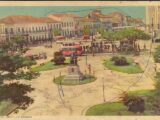
History of João Lisboa Square in São Luís do Maranhão

Maranhão Natural History and Archaeology Research Centre
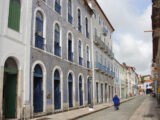
Casa de Nhozinho: A Journey Through Maranhão Culture

Rua do Giz in São Luís do Maranhão - History and Architecture

História da Igreja de São José do Desterro em São Luís do Maranhão

João do Vale Theatre and Its Rich History
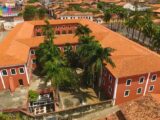
Convento das Mercês: Historical Significance Unveiled

Cine Éden: A Historic Cinema in São Luís

Barreirinhas: the gateway to Lençóis Maranhenses

Santo Amaro do Maranhão: The Paradise of the Lagoons

Exploring Caburé: The Enchanting Peninsula of Maranhão

Atins: A Hidden Gem on the Maranhão Coast
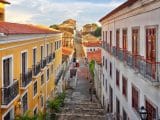
Historical curiosities about São Luís do Maranhão

History and Colonial Architecture of São Luís do Maranhão
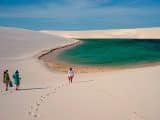
Access to the Lençóis Maranhenses National Park
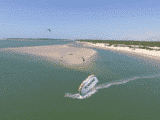
Maranhão Beaches: the 10 Most Beautiful on the Coast

Pedra Caída Complex: Your Guide to Adventure

Chapada das Mesas National Park Adventure Guide

Cafua das Mercês: Preserving Black Memory Today

Convent and the Church of Nossa Senhora do Carmo History

Benedito Leite Public Library's Rich History

Cristo Rei Palace: Architecture of the 19th Century

Josué Montello House of Culture in Maranhão History

Church of Nossa Senhora dos Remédios History

Gonçalves Dias Square: A Historic Landmark

Church of Our Lady of Victory: Historical Significance
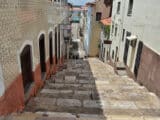
Catarina Mina: The Story Behind the Alley

Casa Real Empório: History and Culture Combined

La Ravardière Palace: A Historic Monument in the City

Palácio dos Leões: A Historical Landmark Tour
This post is also on:
 Português
  English
  Deutsch
  Español
  Français