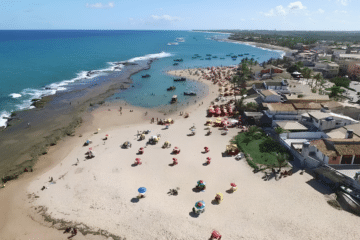
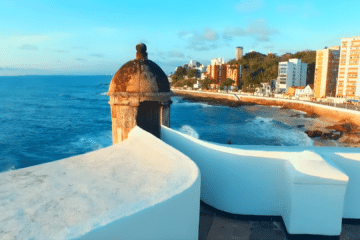
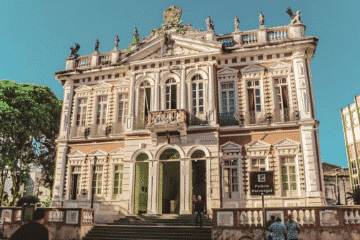
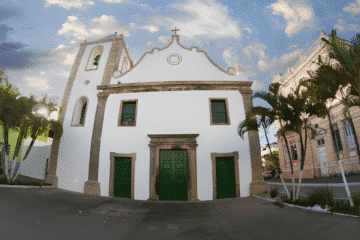
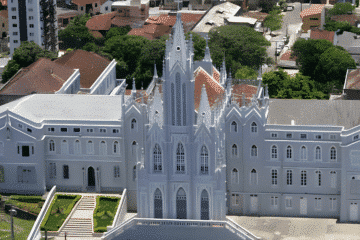
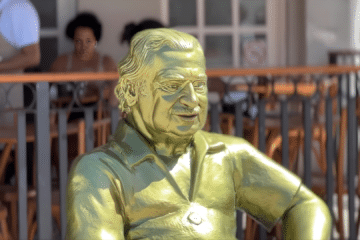
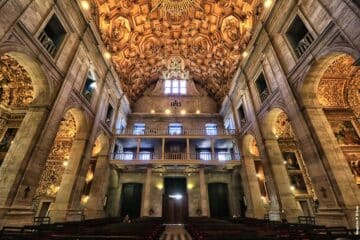
Maranhão’s handicrafts have a rich tradition of more than 400 years, reflected in the variety of artifacts found in the historic centre of São Luís.
This handicraft production is characterised by creativity and innovation, elements that have been refined since the founding of the capital of Maranhão.

The wealth of handicrafts from the Northeast
The handicrafts of the Northeast of Brazil are an extremely rich artistic and cultural expression, influenced by different traditions and peoples. The pieces, techniques, materials and tools vary greatly from state to state, reflecting the region’s cultural plurality.
Symbols of the Maranhão culture
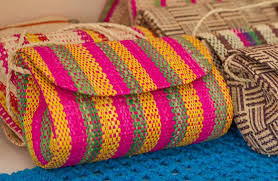
Artesanato maranhense se destaca pela diversidade
Handcrafted objects take on meaning and become symbols of Maranhão culture when they are transformed into new shapes and colours by the hands of local artists, inspired by icons of regional culture.
Among the most common raw materials are cotton, leather, wood, clay and vegetable fibres, of which buriti straw is the most widely used.
This versatile and strong fibre is the basis for a wide range of items sold in craft shops and markets.
Attractions in the Historic Centre of São Luís
A visit to the Historic Centre of São Luís is essential to appreciate the variety of artefacts that help tell the story of the capital.
Among the most sought-after items are the miniatures of the city’s typical characters and the “boizinhos”, delicate replicas of the bumba-meu-boi ox, which attract tourists at this time of year.
Other best-sellers are replicas of Portuguese tiles, which represent the city’s rich cultural heritage.

Featured Handicrafts
Tourists are also enchanted by straw baskets and bags, table decorations, ceramic statues and handmade drinks and sweets.
The handicrafts of the Northeast not only delight with their richness, but also celebrate the traditions and culture of São Luís.

Cultural representations in ceramics and tiles
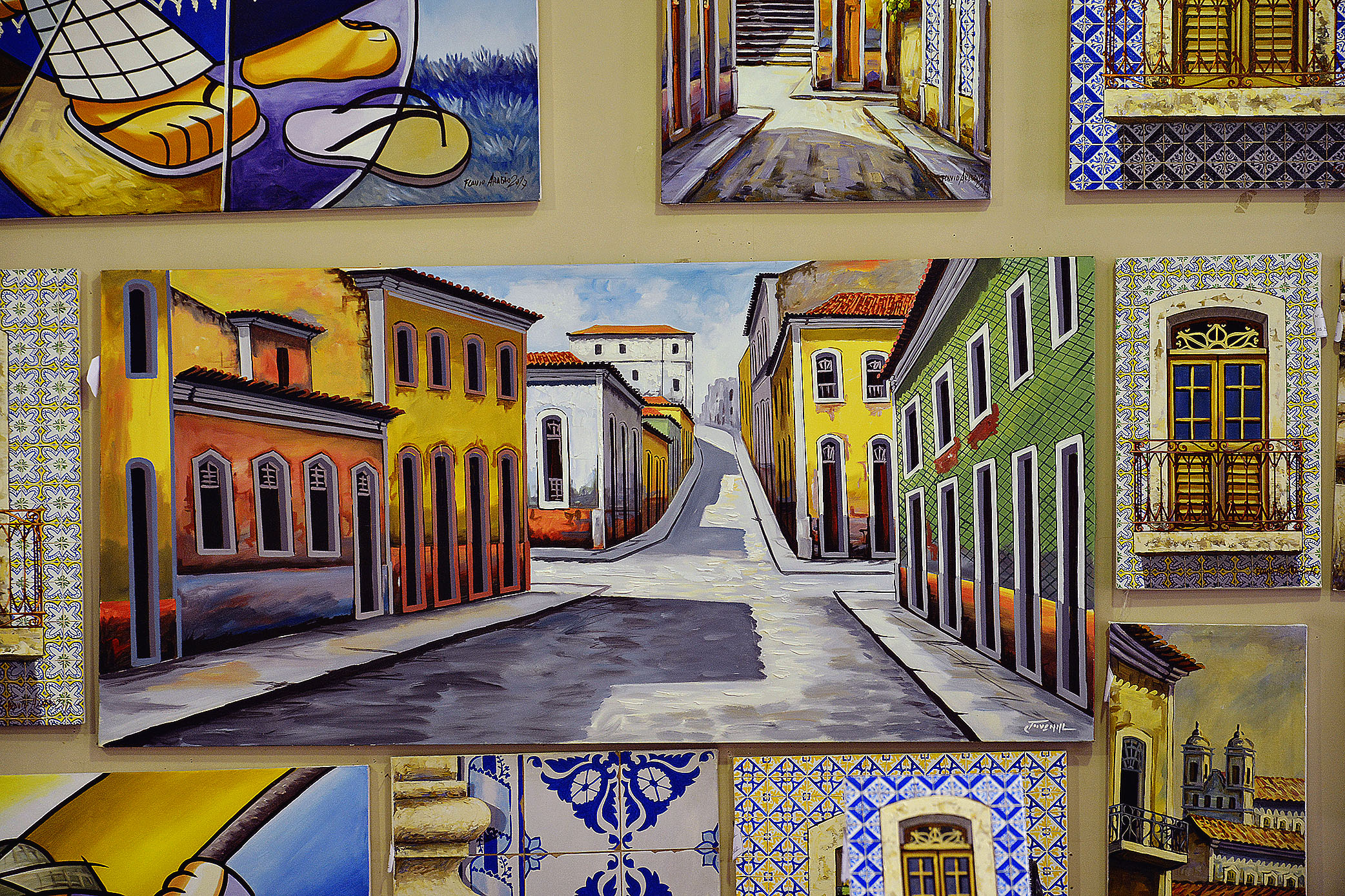
Maranhão’s artisans depict important tourist attractions, such as Benedito Leite Square, Ribeirão Fountain and Praia Grande, using small or large pieces of tile.
The pieces reflect the architectural beauty of houses of Portuguese origin, with windows and doors also providing inspiration.
Using vibrant colours, the artisans reproduce the designs of colonial mansions, highlighting the historical importance of São Luís do Maranhão.


The popularity of ‘namoradeiras’ dolls
The ‘namoradeiras’ dolls have their origins in the popular traditions of Brazil, especially associated with the state of Bahia, where they were first created.

These dolls are called “namoradeiras” because they represent women in poses that suggest they are waiting for a suitor or “dating”.
Traditionally made from simple materials such as clay or cloth, they are often hand-painted and have features that express the culture and daily life of the region.
The popularity of ‘namoradeiras’ dolls in Maranhão is due to several factors:
- Popular culture: Northeastern culture is rich in tradition and artistic expression, and the flirtatious dolls fit well into this context, symbolising femininity and waiting for love, common themes in local narratives.
- Handicraft fairs: The growing appreciation of handicrafts and local productions at fairs and markets, such as the Maranhão Handicraft Products Marketing Centre (Ceprama), has contributed to the spread of these dolls. They are now considered a typical souvenir of the region, attracting tourists and locals alike.
- Adaptation and innovation: Maranhão artisans have adapted the namoradeiras, incorporating elements of local culture such as typical clothing and accessories, making them even more attractive and representative of Maranhão’s cultural identity.
- Tourism: The growth of tourism in São Luís and other parts of Maranhão has also contributed to the popularity of namoradeiras. Visitors are looking for souvenirs that represent the local culture, and the dolls have become an icon of this search.
Thus, the ‘namoradeiras’ dolls not only represent a tradition that originated in other parts of Brazil, but have also become a symbol of Maranhão culture, reflecting the creativity and identity of local artisans.
Adapted and valorised in the context of tourism, they have won a special place in the hearts of Maranhão’s inhabitants and visitors alike.
Maranhão’s popular culture in handicrafts
Local handicrafts not only reflect aspects of Maranhão’s culture, but also make the most of the raw materials available in the state.
Babassu straw, for example, is used to make bags that are a hit with tourists.

Bumba-meu-boi, a popular game in Maranhão, is also represented in miniatures and accessories, attracting visitors from all over Brazil and the world.
Ceprama: The heart of Maranhão handicrafts
The Centro de Comercialização de Produtos Artesanais do Maranhão (Ceprama), inaugurated in 1891, is a space that houses a permanent fair of genuine Maranhão crafts.
Covering an area of 4,107 m², Ceprama has 38 stalls offering a wide variety of products, from buriti fibre items to regional drinks and clothing from the June groups.

Visitors have the opportunity to watch the artisans at work, making the experience even more rewarding.
São Luís: the capital of tiles
Known as the capital of tiles, São Luís enchants all who visit.
The architectural complex, with mansions built in the 17th and 18th centuries, was declared a World Heritage Site by UNESCO in 1997.
Saiba como os azulejos de São Luís são feitos
This distinction attracts thousands of tourists every year, who come to discover the city’s cultural wealth.

Publicações Relacionadas
History, biography and paintings of Frans Post in Dutch Brazil
Colours of houses and buildings in the colonial architecture of the northeast
Northeastern architecture with typical colonial features
Diógenes Rebouças and His Architectural Legacy
Iemanjá: Discover the Orixá and the Traditional Festival in Salvador
Franciscans in Brazil: Urban, architectural and artistic heritage
Brazil's historic moments illustrated in great works
Popular Art from the Northeast of Brazil
Brazil's northeastern subsoil has emeralds and archaeology
São Jorge dos Erasmos Sugar Mill: A Landmark in Brazil
Graciliano Ramos: The life and work of the Brazilian writer
The dress of the Baianas is influenced by African culture
Discover the History of Capoeira in Salvador
The Rhythm of Candomblé and the Invocation of the Orixás
Musical styles, rhythms, singers and composers of northeastern Brazil
Bobbin lace and embroidery: predominant handicrafts in Ceará
Música, Ritmos e Danças do Nordeste do Brasil
The culture of Northeastern Brazil: how it originated, influenced and flourished
The Origins of Umbanda: Brazilian History, Beliefs and Practices
José Américo de Almeida: A Brazilian Literary Icon
Influences and main dishes of northeastern cuisine
Historic Towns in the Northeast: Explore the Past
European architecture - chronology, styles and characteristics
Woodcuts and Cordel Literature in Northeastern Brazil
Northeastern Literature: A Rich Cultural Tapestry
June festivals: Tradition and Culture in the Northeast of Brazil
História e Evolução do Trio Elétrico no Carnaval
Lampião and Cangaço: Between history and mythology
The 7 north-eastern rhythms and musical styles that enchant Brazil
History of Carnival in Brazil: Origins and Traditions
Extreme sports in the Northeast of Brazil: Destinations not to be missed
History of Afro-Brazilian Religions: Candomblé and Umbanda
Candomblé: A Blend of African and Catholic Traditions
History of the indigenous peoples of Bahia
Rural Maracatu: A carnival tradition in the interior of Pernambuco
History of Baroque Architecture in the Northeast and Minas Gerais
This post is also on:
 Português
  English
  Deutsch
  Español
  Français